02 Oxidative Stress
Free Radicals: Balance Matters
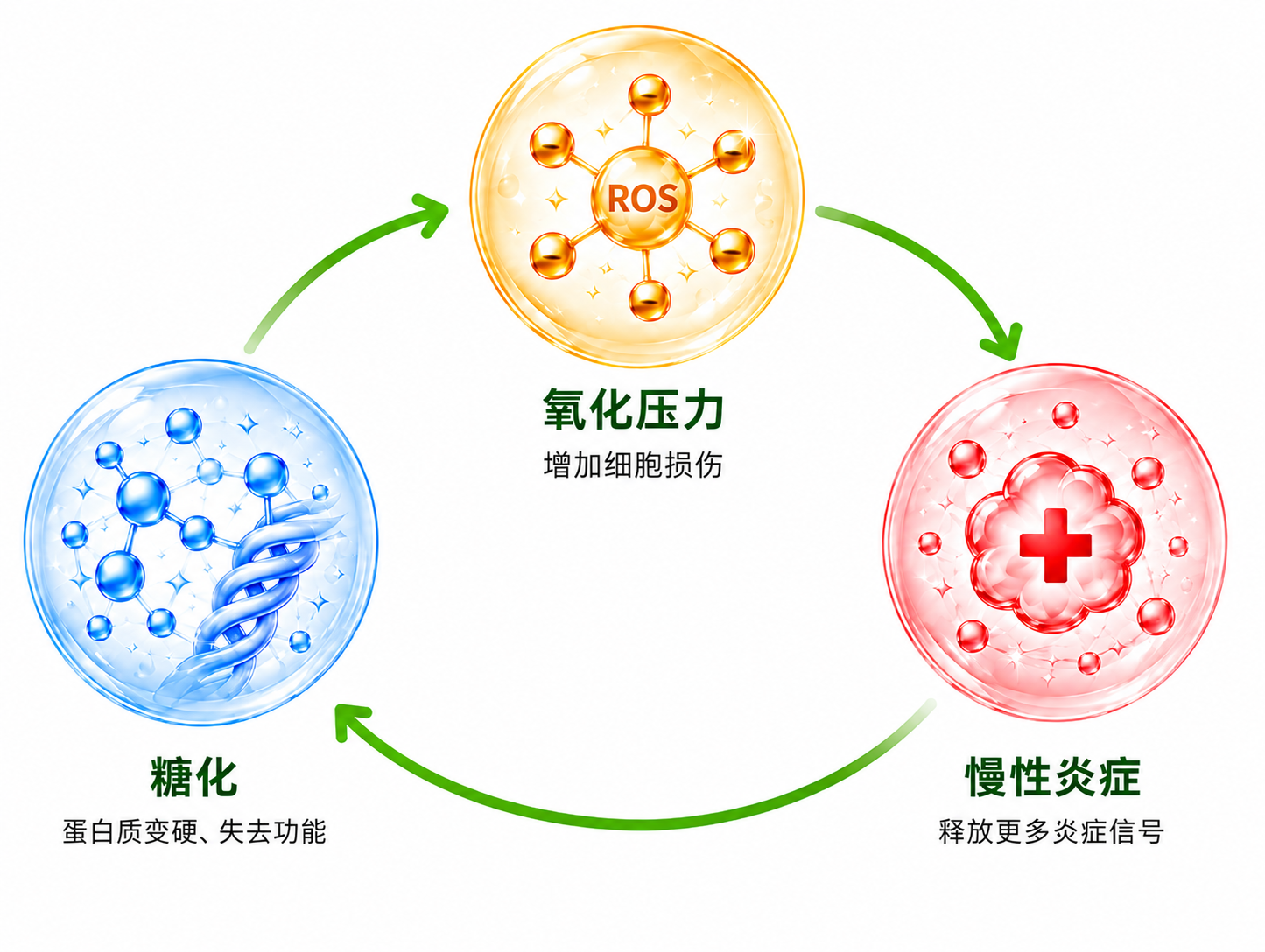
Breathing, movement, and energy metabolism naturally produce free radicals. Oxidative stress occurs when their production exceeds the body’s antioxidant defenses.
Excess free radicals may damage cell membranes, proteins, and DNA. Oxidative damage that builds over time is also thought to contribute to aging processes. Smoking, air pollution, prolonged UV exposure, and chronic inflammation may all add to oxidative stress.
Antioxidant defenses do not remove every free radical. They help maintain a workable balance between production and removal, limiting oxidative damage.

01Normal Metabolism
Produces Free Radicals
02Antioxidant
Defenses Respond
03Production Exceeds
Capacity
04Oxidative Stress
Causes Damage
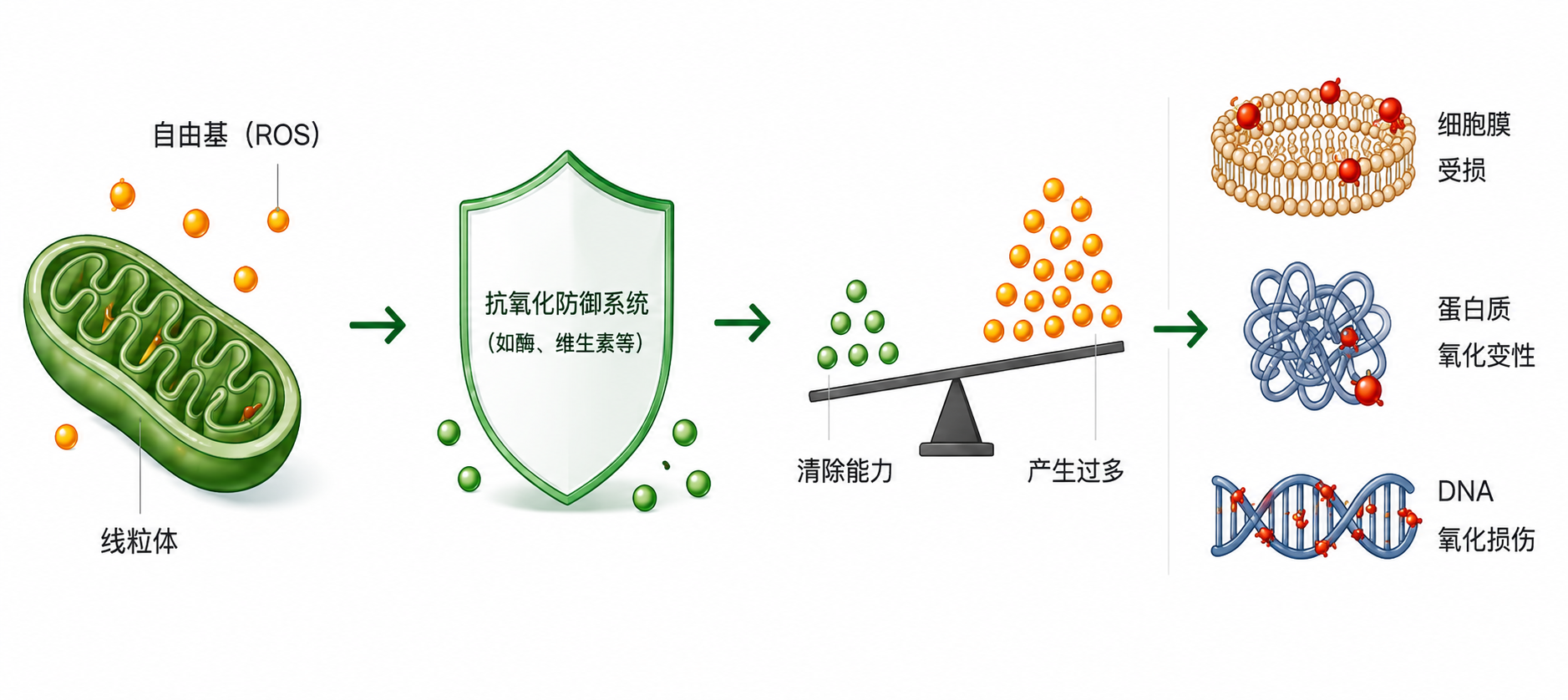 Free Radicals (ROS)MitochondrionAntioxidant Defensesenzymes and vitaminsRemoval CapacityExcess ProductionCell MembranedamageProteinoxidationDNAoxidative damage
Mitochondria and other cell structures naturally produce small amounts of free radicals during respiration and energy metabolism.
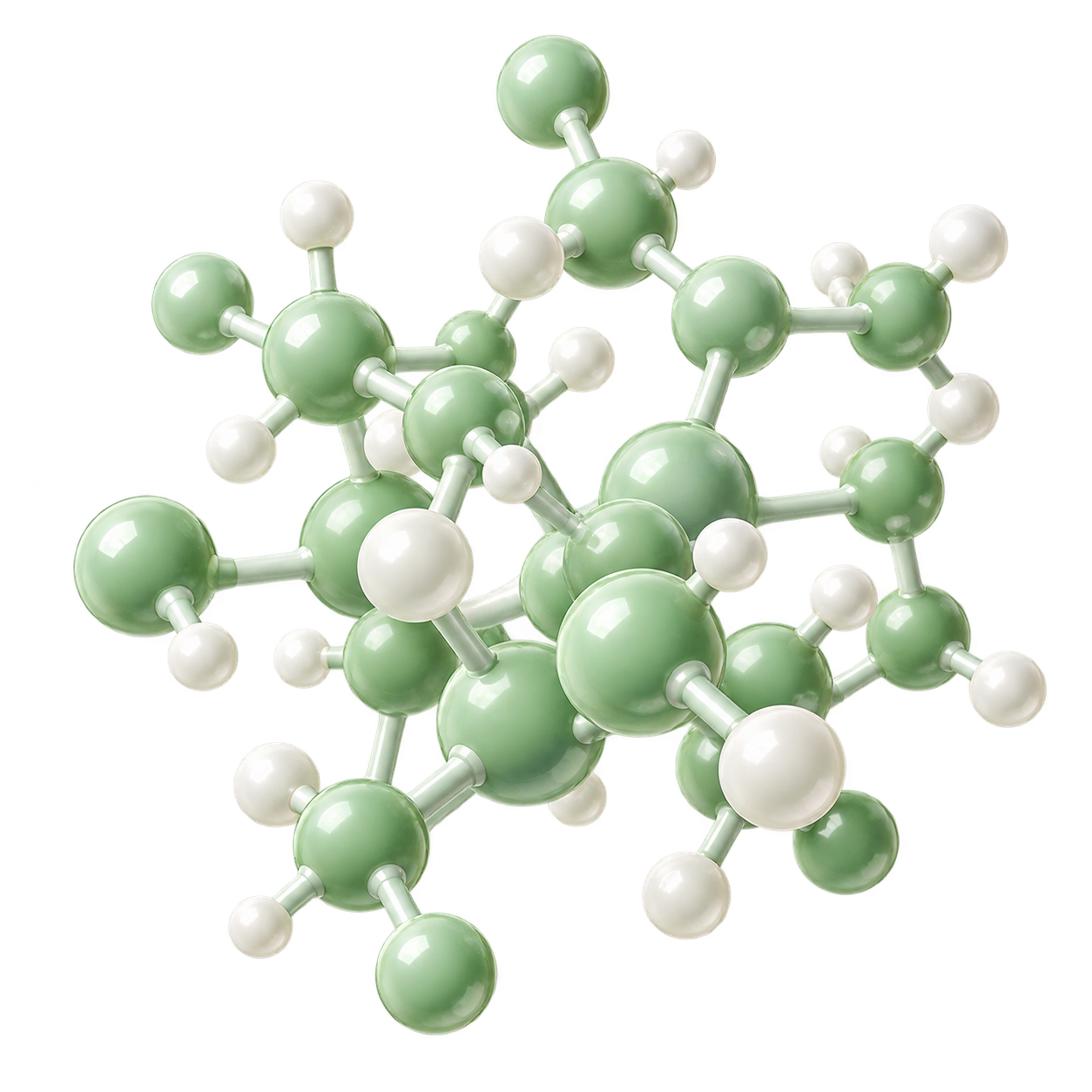
Antioxidant defenses neutralize excess free radicals and help maintain balance.
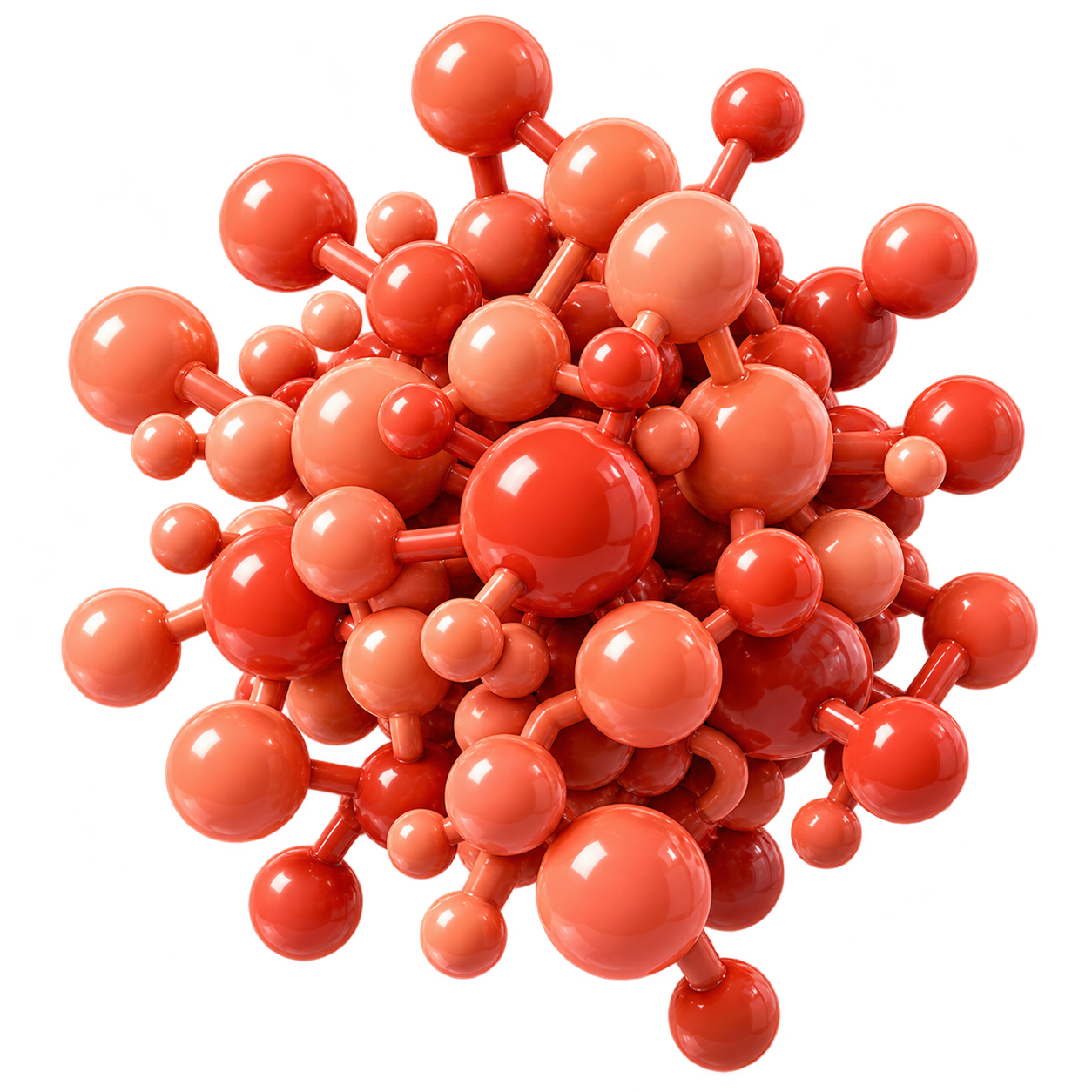
When production exceeds the body’s capacity to manage free radicals, oxidative stress rises.
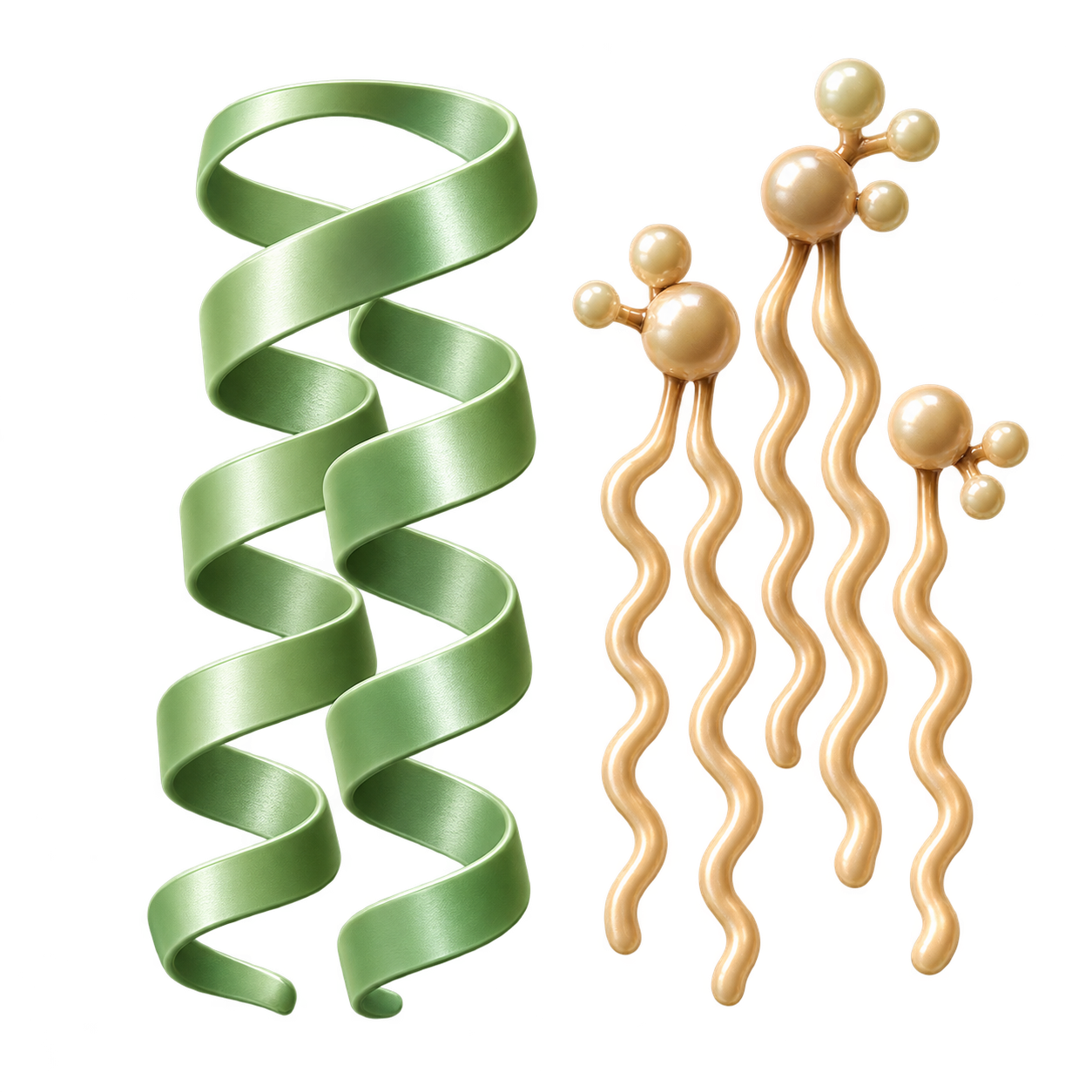
Persistent oxidative stress can damage cell membranes, proteins, and DNA and may contribute to aging processes.