Supplement Guide
Different supplements address different nutritional gaps. Start with food, then use supplements selectively when there is a clear need.
Start with the need, then look at the ingredient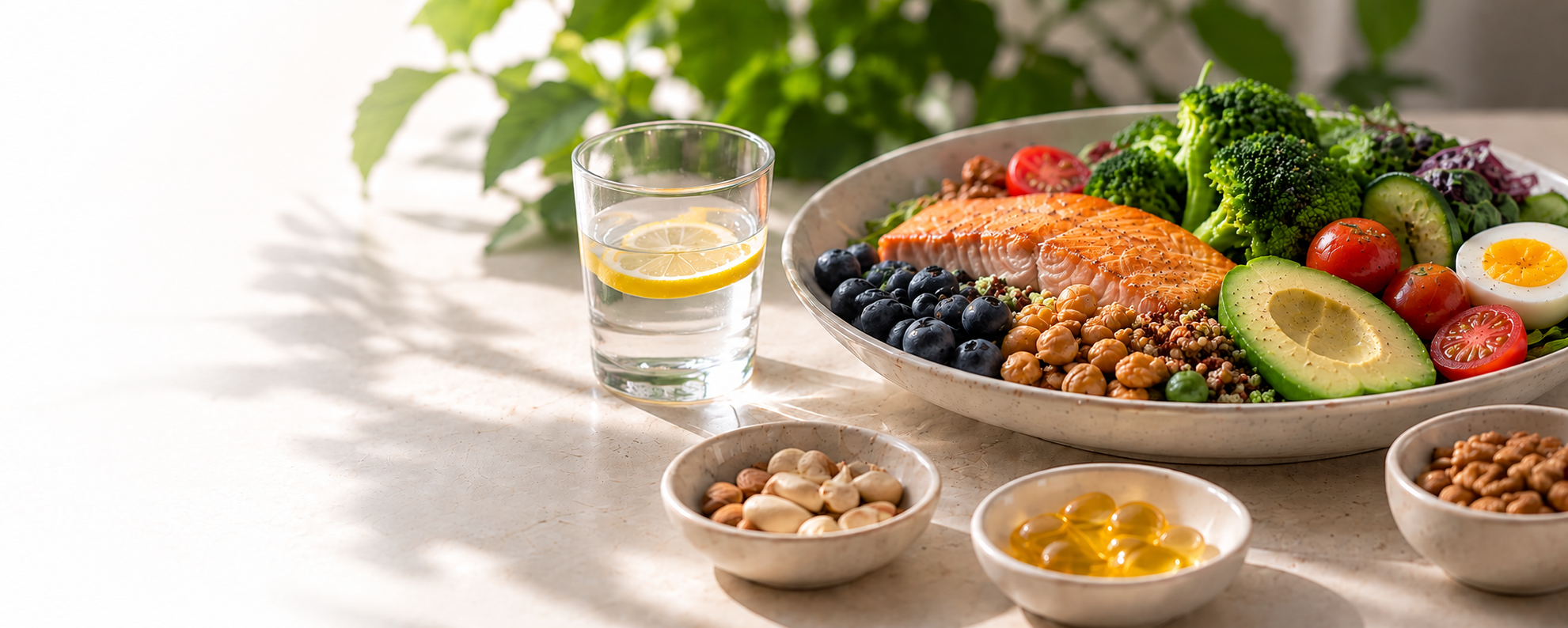
- 1Assess needIs there a nutrient gap or a specific health interest?
- 2Choose a focusEssential nutrients, antioxidant support, gut health, or food powders
- 3Pick a categoryUse the five groups to find a relevant starting point
- 4Review evidenceLearn about ingredients, evidence, doses, and practical use
Explore supplement categories
01Essential Nutrients
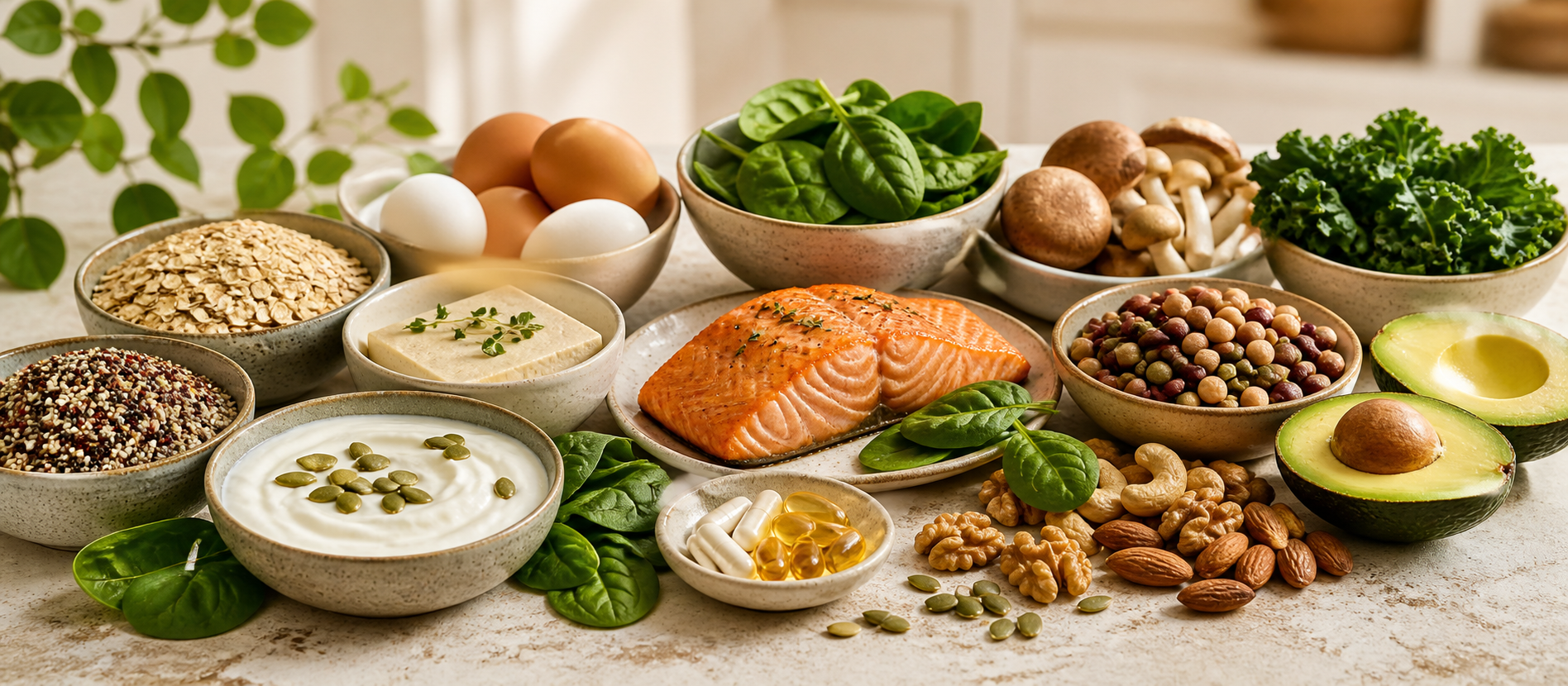
Core nutrients needed for normal body functionThis category includes foundational nutrients such as vitamins, minerals, and omega-3s. Whether extra supplementation is useful depends on your usual diet, lifestyle, and current nutritional status.
- Focus
- Antioxidant support · Bone health · Immune function · Cardiovascular health
- Worth exploring if
- Your diet may not provide enough, you get limited sun exposure, or you want to understand whether you may have a nutritional gap.
- Includes
- Vitamin C · Vitamin D3 · Vitamin E · Vitamin A · Zinc · Selenium · Magnesium · Omega-3
02Plant Extracts
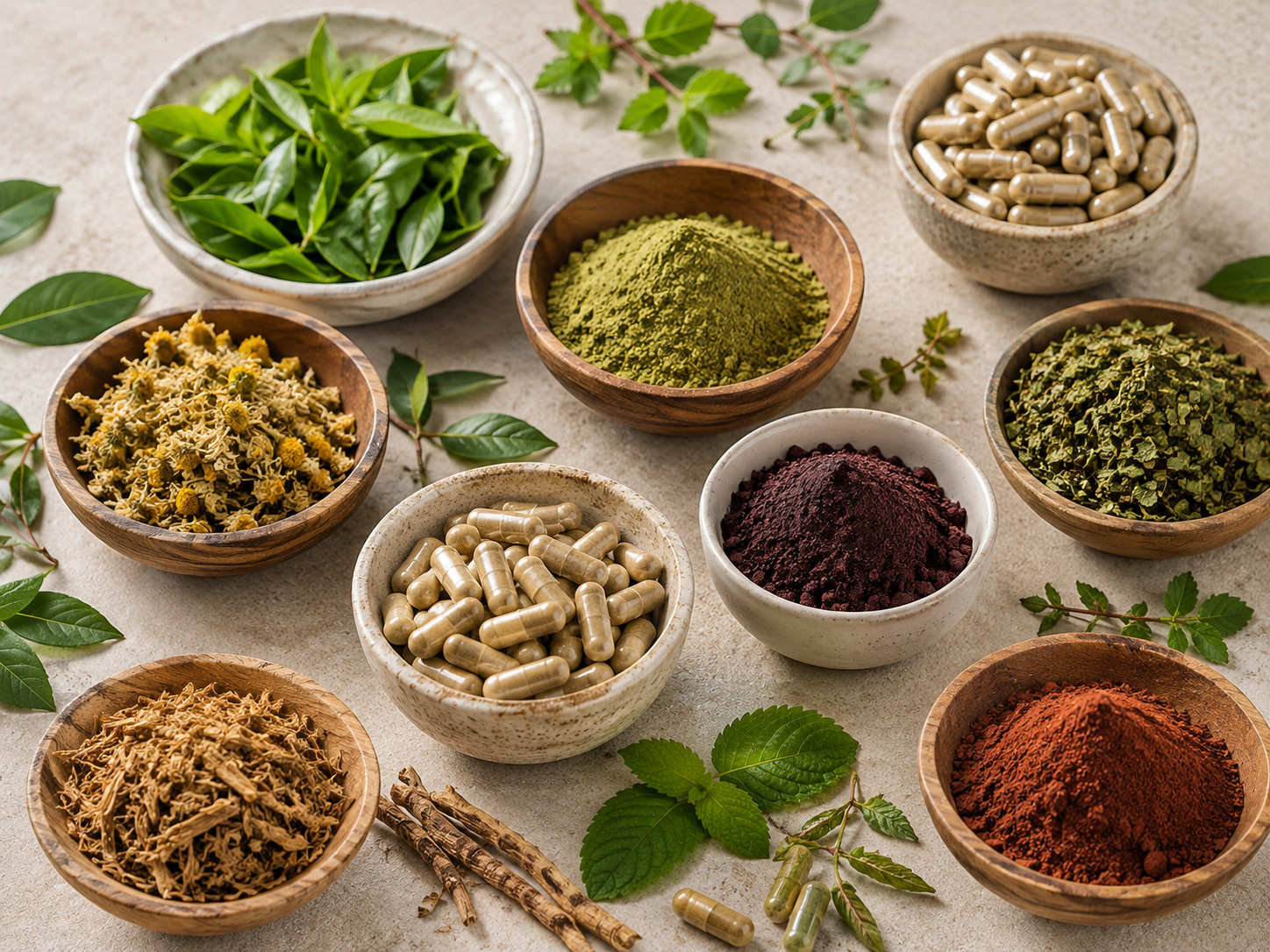
Concentrated bioactive compounds derived from plantsThese ingredients are obtained by extracting or concentrating specific bioactive compounds from plants. Research targets and evidence strength vary widely, so each one is best assessed against a clear health goal.
- Focus
- Inflammation · Antioxidant research · Metabolic health · Cardiovascular health
- Worth exploring if
- You already prioritize a solid diet and want to explore plant compounds studied for a specific health goal.
- Includes
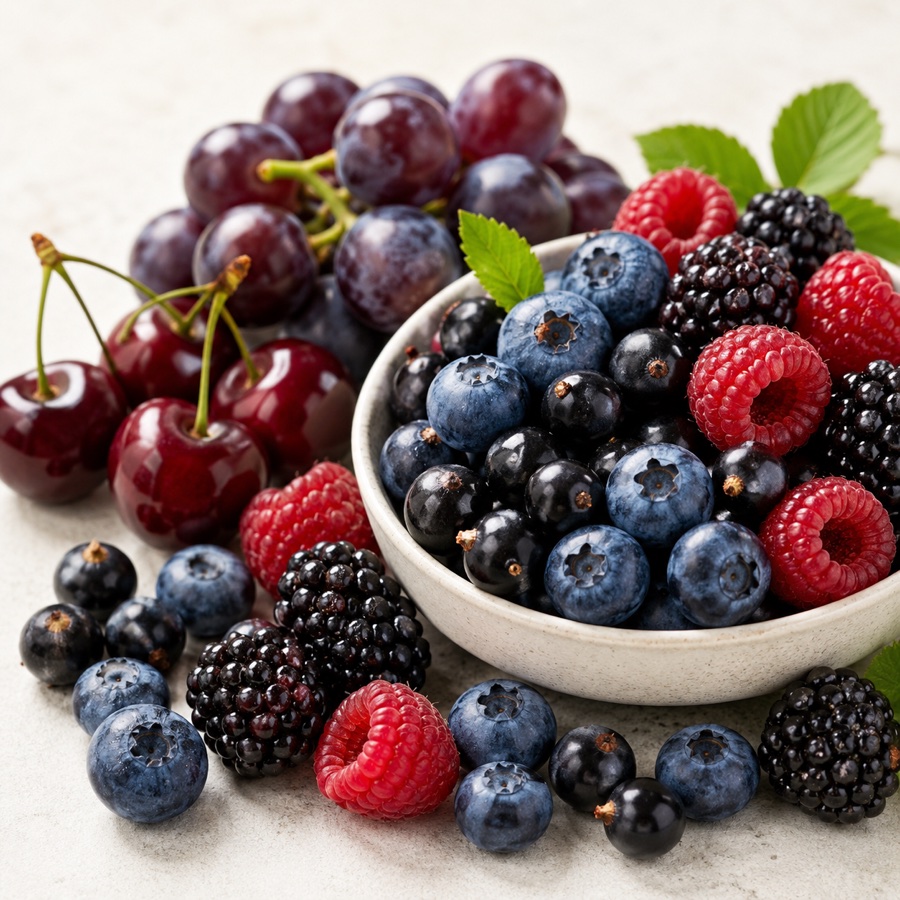
- Curcumin · Green Tea Extract / EGCG · Quercetin · Resveratrol · Flavanols · Anthocyanins · Proanthocyanidins
03Mitochondria & Antioxidants
Compounds studied in cellular energy, redox balance, and healthy agingThis group includes compounds involved in mitochondrial energy metabolism, NAD+ metabolism, and cellular antioxidant defenses. Their mechanisms differ, and the strength of human evidence varies by ingredient.
- Focus
- Cellular energy · NAD+ metabolism · Antioxidant defenses · Healthy aging
- Worth exploring if
- You are interested in research on energy metabolism, cellular antioxidant defenses, or healthy aging and want to understand these functional compounds.
- Includes
- CoQ10 · PQQ · NMN · NR · Ergothioneine · Alpha-Lipoic Acid · NAC · Glutathione
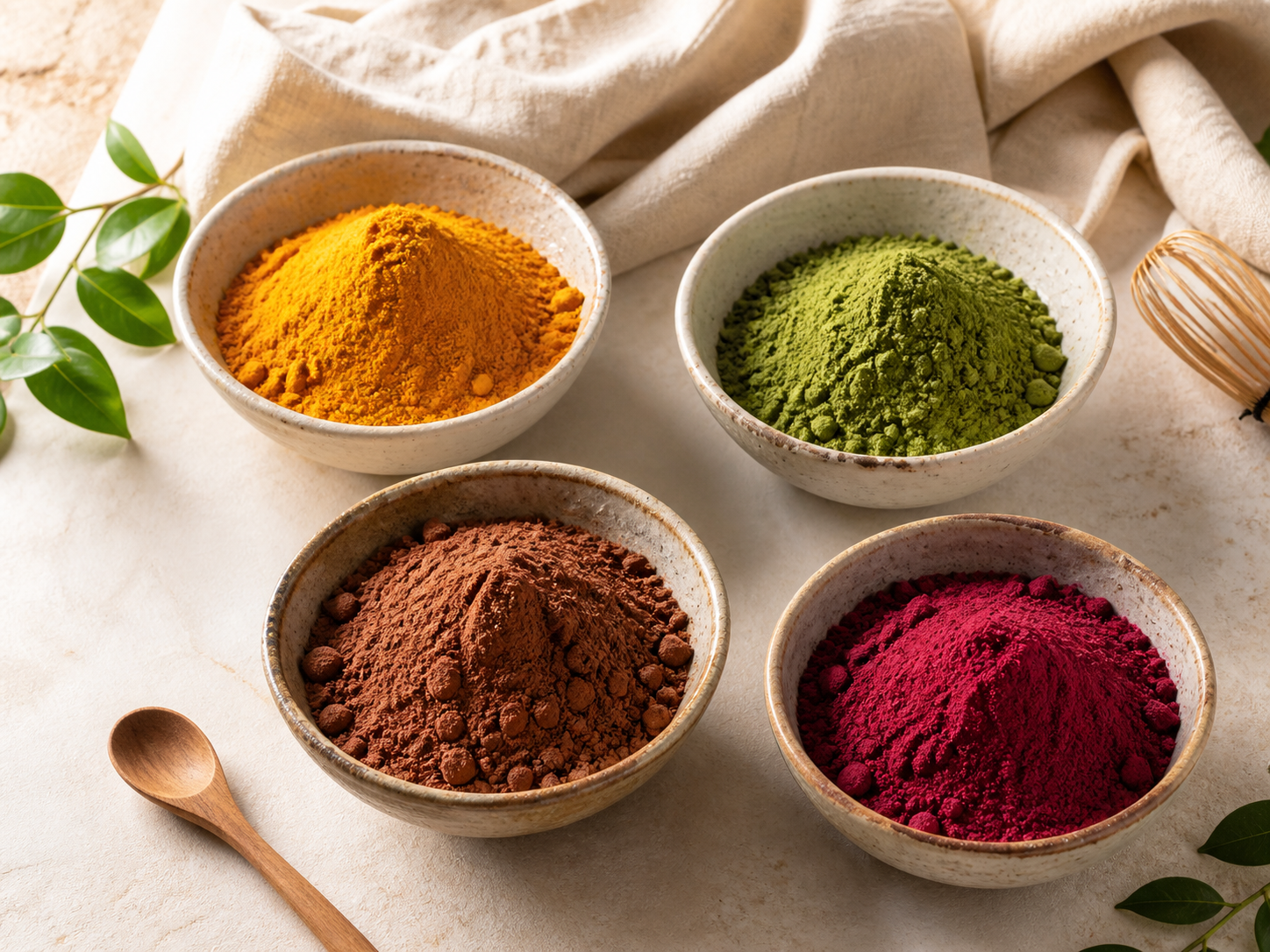
04Food Powders
Powdered plant foods for everyday meals and drinksUsually made by drying and grinding plant foods, these powders can provide polyphenols, natural pigments, fiber, and other food components. They stay closer to whole foods than standardized extracts, but amounts can vary widely by product.
- Focus
- Plant nutrients · Polyphenols · Fiber · Everyday dietary variety
- Worth exploring if
- You want to eat more plant foods or use powders as a convenient way to add variety to everyday meals.
- Includes
- Turmeric Powder · Ginger Powder · Natural Cocoa Powder · Matcha · Ceylon Cinnamon · Beetroot Powder
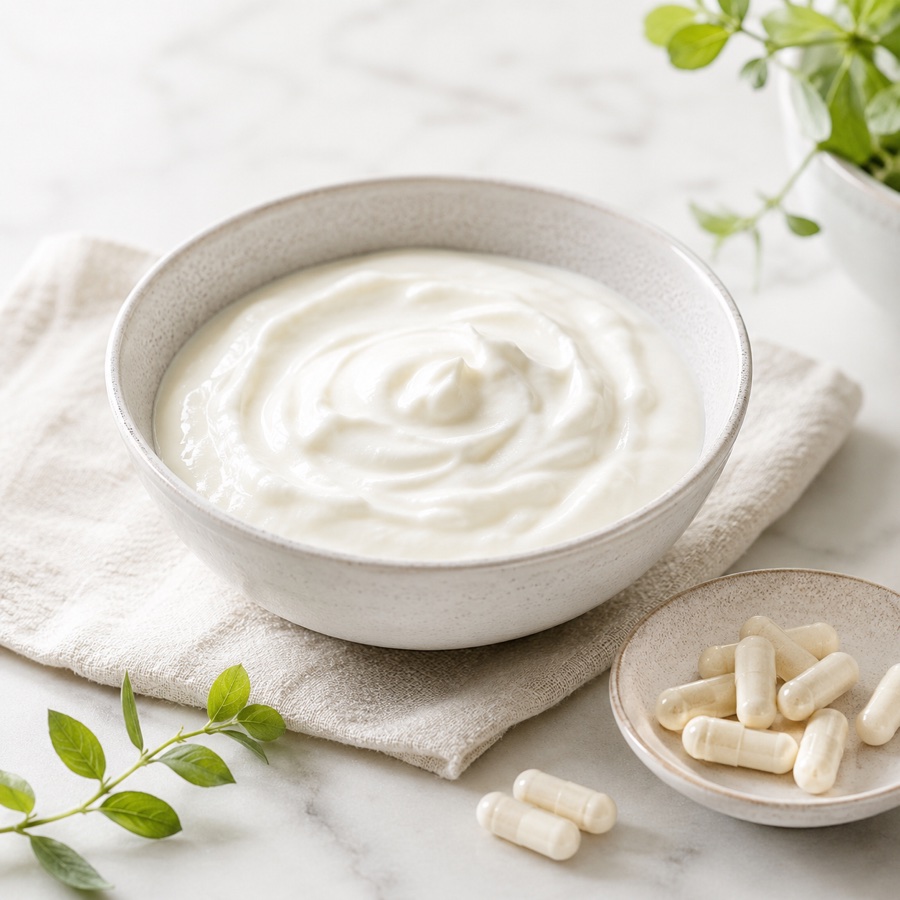
05Gut Health
Understanding gut supplements through microbes and dietary fiberThis category includes probiotics, prebiotics, synbiotics, and fiber sources such as psyllium. They work in different ways and may relate to the gut microbiota, fermentation substrates, and bowel regularity.
- Focus
- Gut microbiota · Fiber · Regularity · Digestive comfort
- Worth exploring if
- You are interested in the gut microbiota, fiber intake, or bowel regularity and want to compare different approaches to gut supplementation.
- Includes
- Prebiotics · Probiotics · Synbiotics · Psyllium
Where should I start?
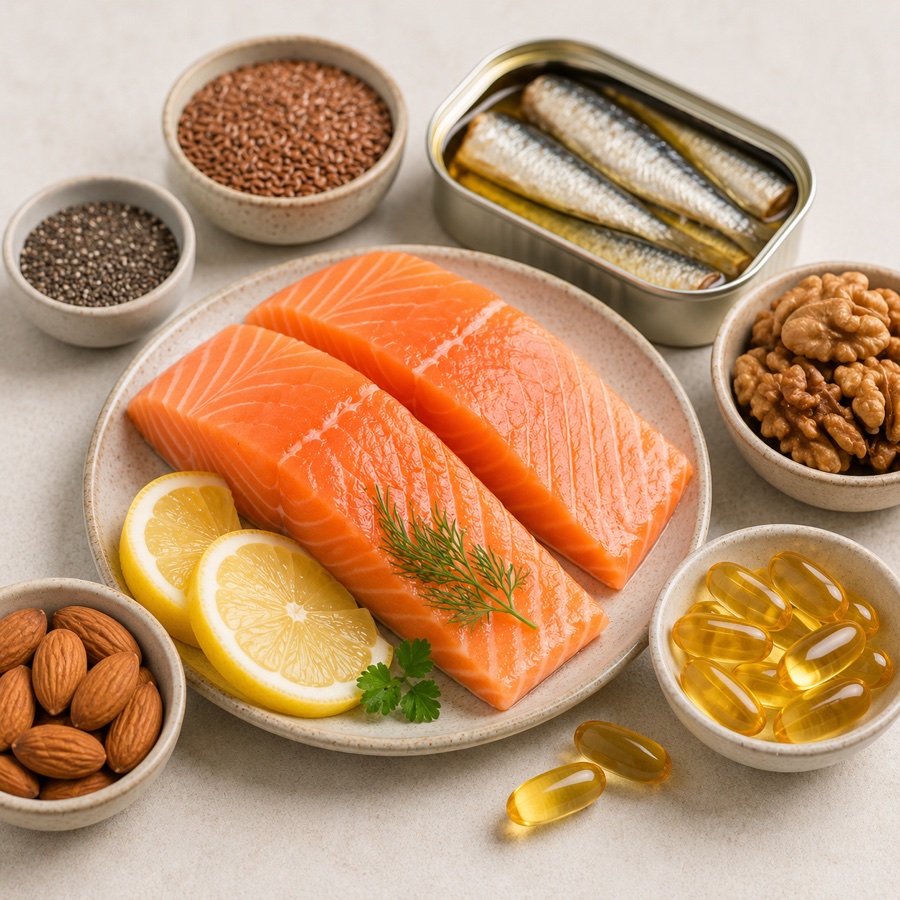 Possible nutrient gapsStart here if diet variety may be limited, sun exposure is low, or you want to understand basic nutrient needs.01 Essential Nutrients
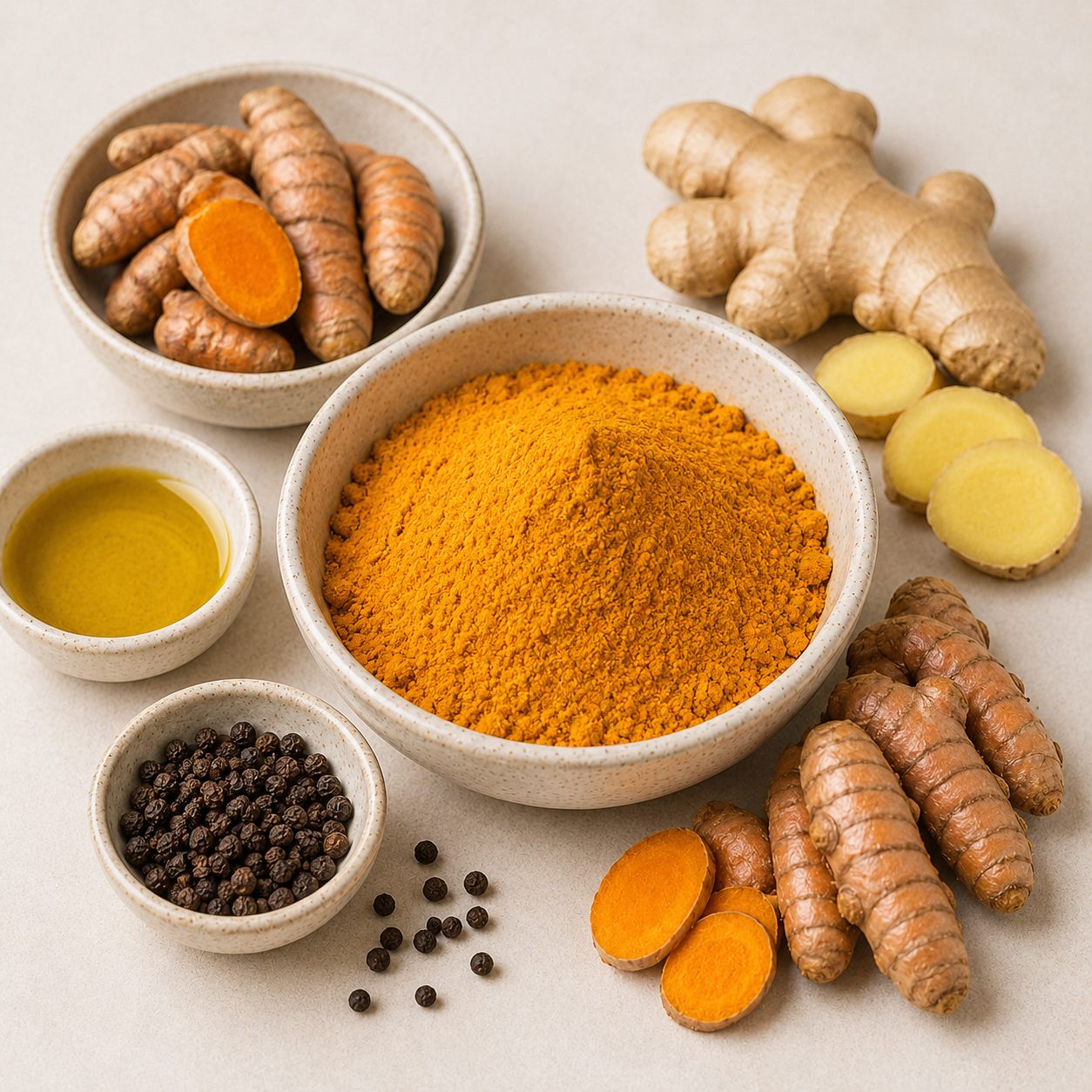 A specific health interestUse this category to compare plant compounds studied for a clearly defined health interest.02 Plant ExtractsCellular energy or healthy agingExplore compounds studied in mitochondrial energy metabolism, NAD+ metabolism, antioxidant defenses, and healthy aging.03 Mitochondria & Antioxidants
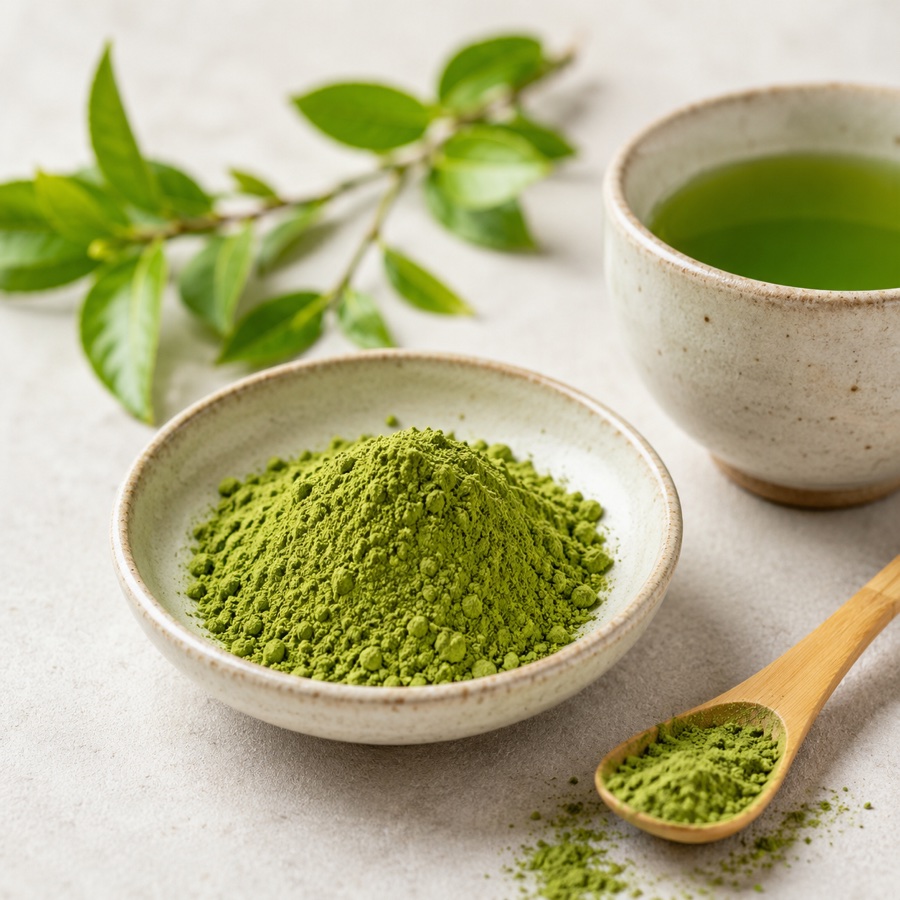 A convenient food-based optionConsider food powders if you want a practical way to add plant foods, polyphenols, or fiber.04 Food PowdersGut health, fiber, or regularityCompare options related to the gut microbiota, fiber intake, digestive comfort, or bowel regularity.05 Gut Health
More is not always better
Start with a clear need
Begin with food, sleep, and other daily habits. Consider supplements after identifying a relevant gap or goal.
Check the dose, not the ingredient count
Look at the amount and form of each ingredient instead of choosing the longest label.
Watch for overlap
Avoid taking the same or related ingredients across products; consider total dose and interactions.