 Featured
Lifestyle
Want to Reduce Visceral Fat? Start With These 7 Things
Reducing visceral fat is not about spot-reducing your belly. Focus on waist size, sugary drinks, alcohol, ultra-processed foods, overall diet quality, exercise, and sleep.
Read article
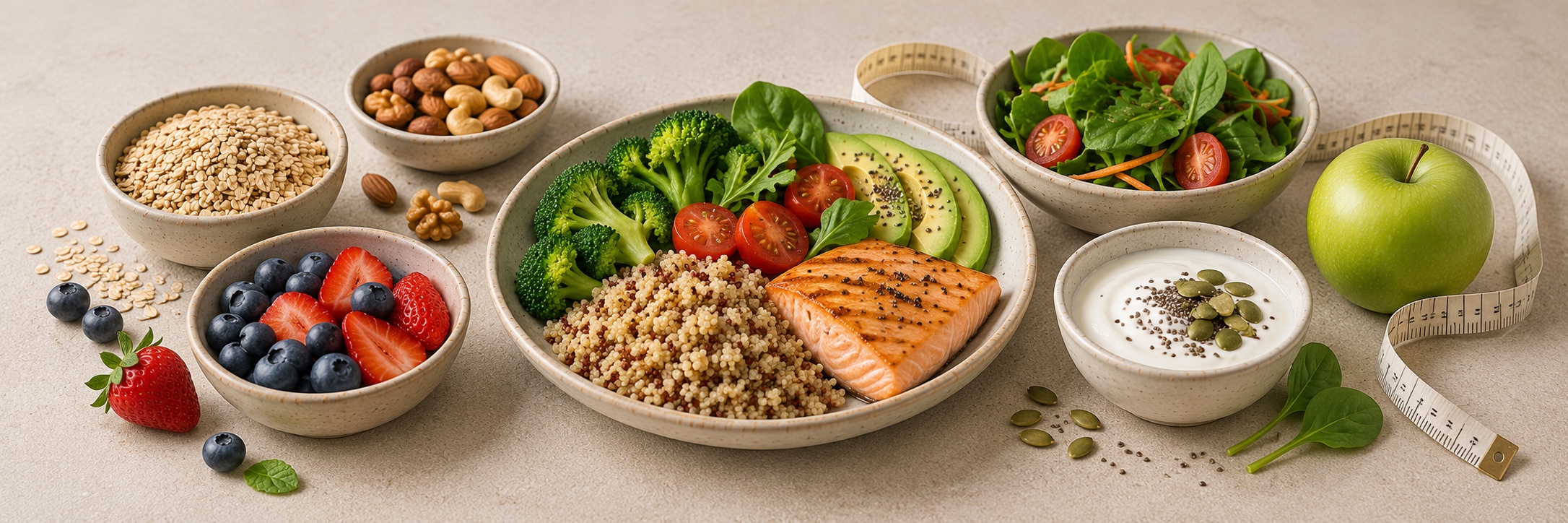 Nutrition
How Should You Eat With Fatty Liver? Focus on Sugary Drinks, Weight, and Meals—Not Simply Cutting Out Fat
A fatty-liver diet is not the same as avoiding all fat or all staple foods. More important priorities are sugary drinks, total energy intake, body weight, meal structure, alcohol, and metabolic risk.
Read article
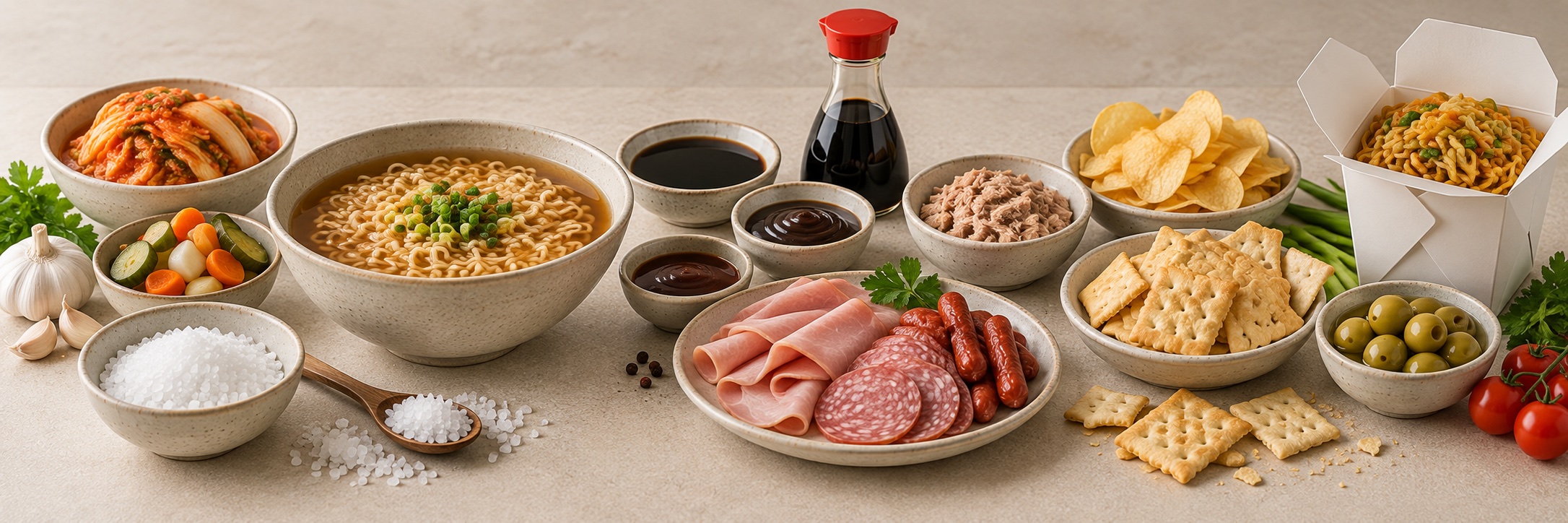 Nutrition
How Should You Eat With High Blood Pressure? Start With Sodium, Potassium, and Your Daily Meals
A blood-pressure-friendly diet is not just about using less salt. Lower total sodium across the day, eat more naturally potassium-rich foods, and improve meal structure, body weight, and alcohol intake.
Read article
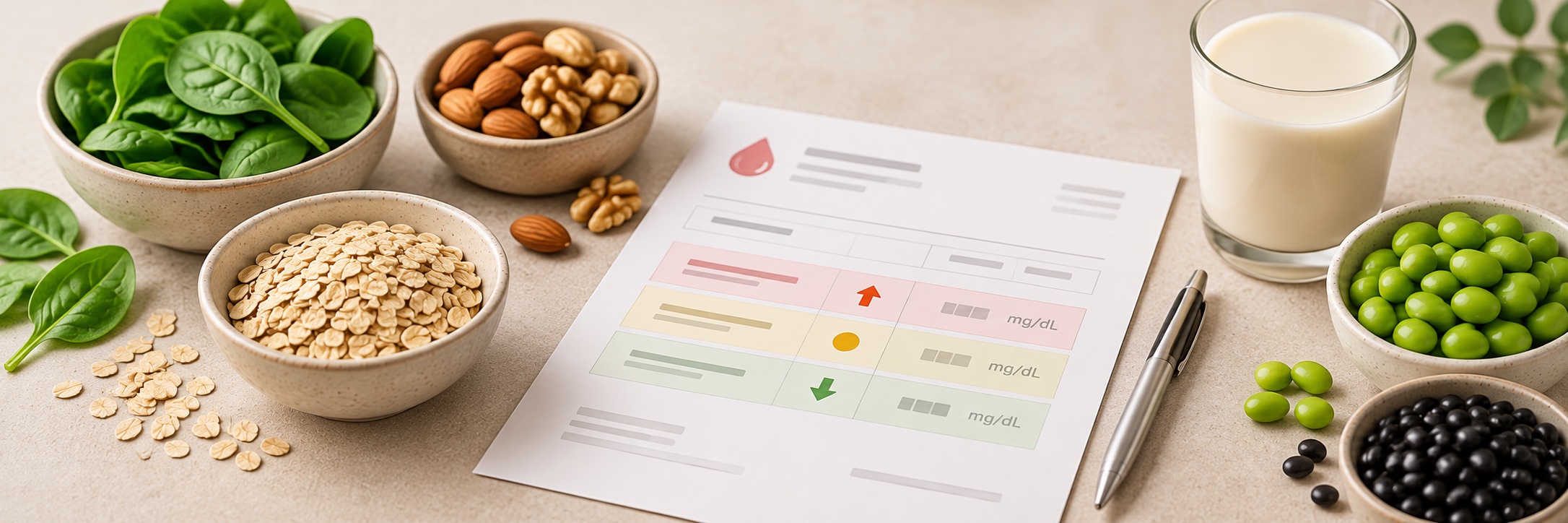 Nutrition
How Should You Eat With Abnormal Blood Lipids? First See Whether LDL, Triglycerides, or HDL Is the Main Problem
Dyslipidemia is not one single pattern. High LDL-C, high triglycerides, and low HDL-C call for different priorities in diet and lifestyle.
Read article
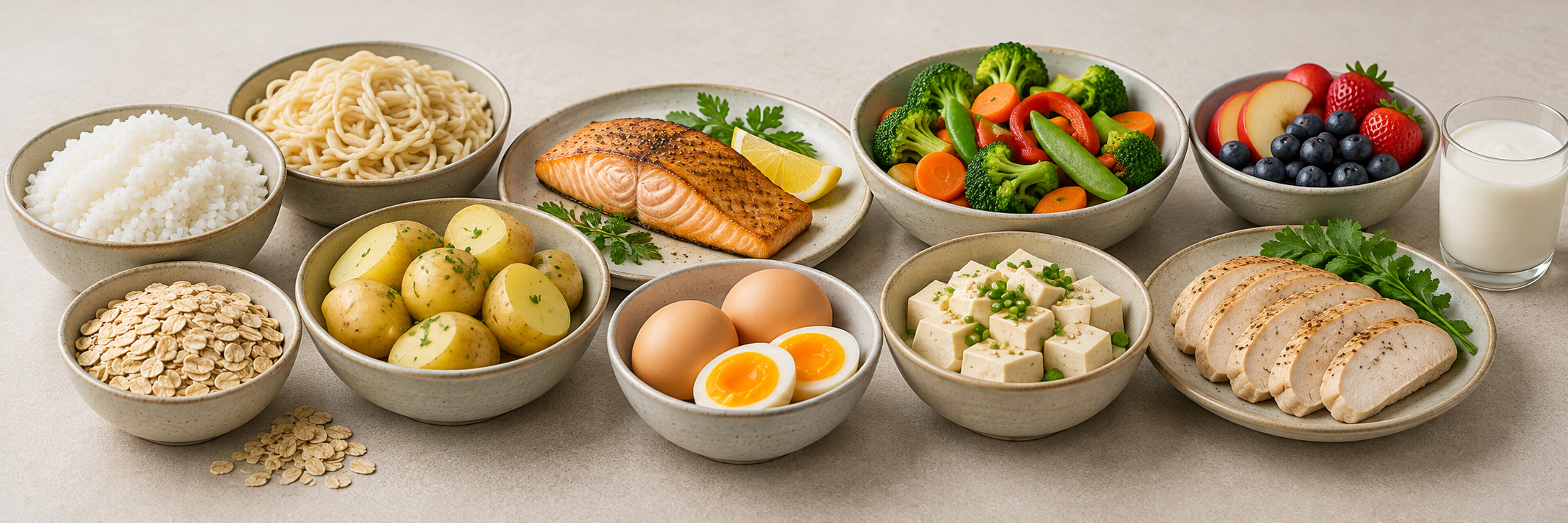 Nutrition
What Should You Eat With Non-Atrophic Gastritis? A More Practical Everyday Approach
Eat normally when your stomach feels fine and adjust when symptoms flare: cut back on very fatty meals and alcohol while keeping enough staple foods, protein, vegetables, and fruit.
Read article
 Nutrition
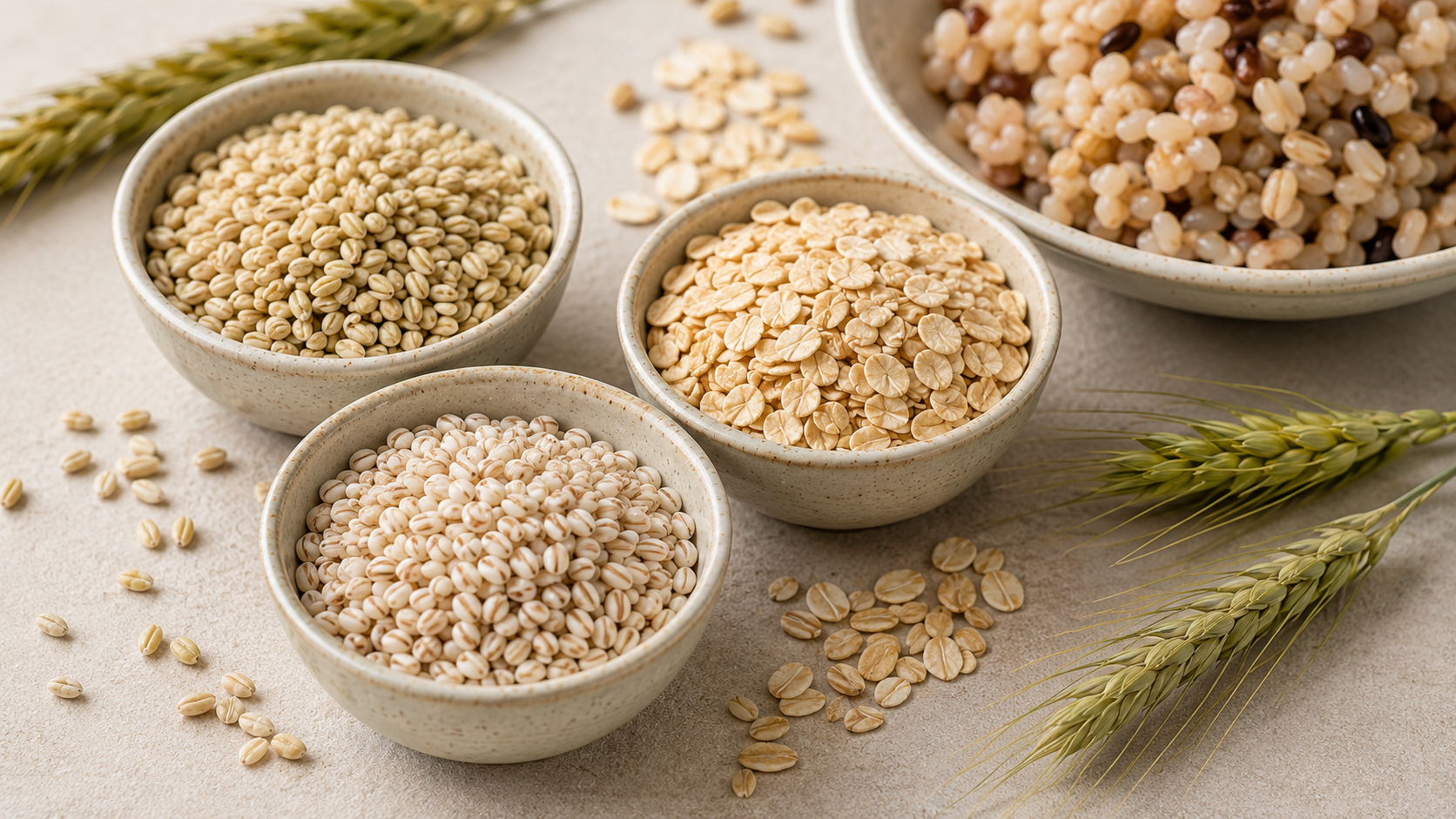
Low-GI Staples Worth Eating Long Term—Without Paying More
Low-GI staples do not have to be expensive. Prioritize intact, minimally processed foods, use them to replace part of refined grains, and keep portions reasonable.
Read article
 Lifestyle
Dry Eyes After Screen Time? What Actually Helps
Dryness after screen use often comes from reduced blinking, long screen sessions, dry air, and poor sleep. Fix those first; diet supports the eye surface rather than replacing those habits.
Read article
 Lifestyle
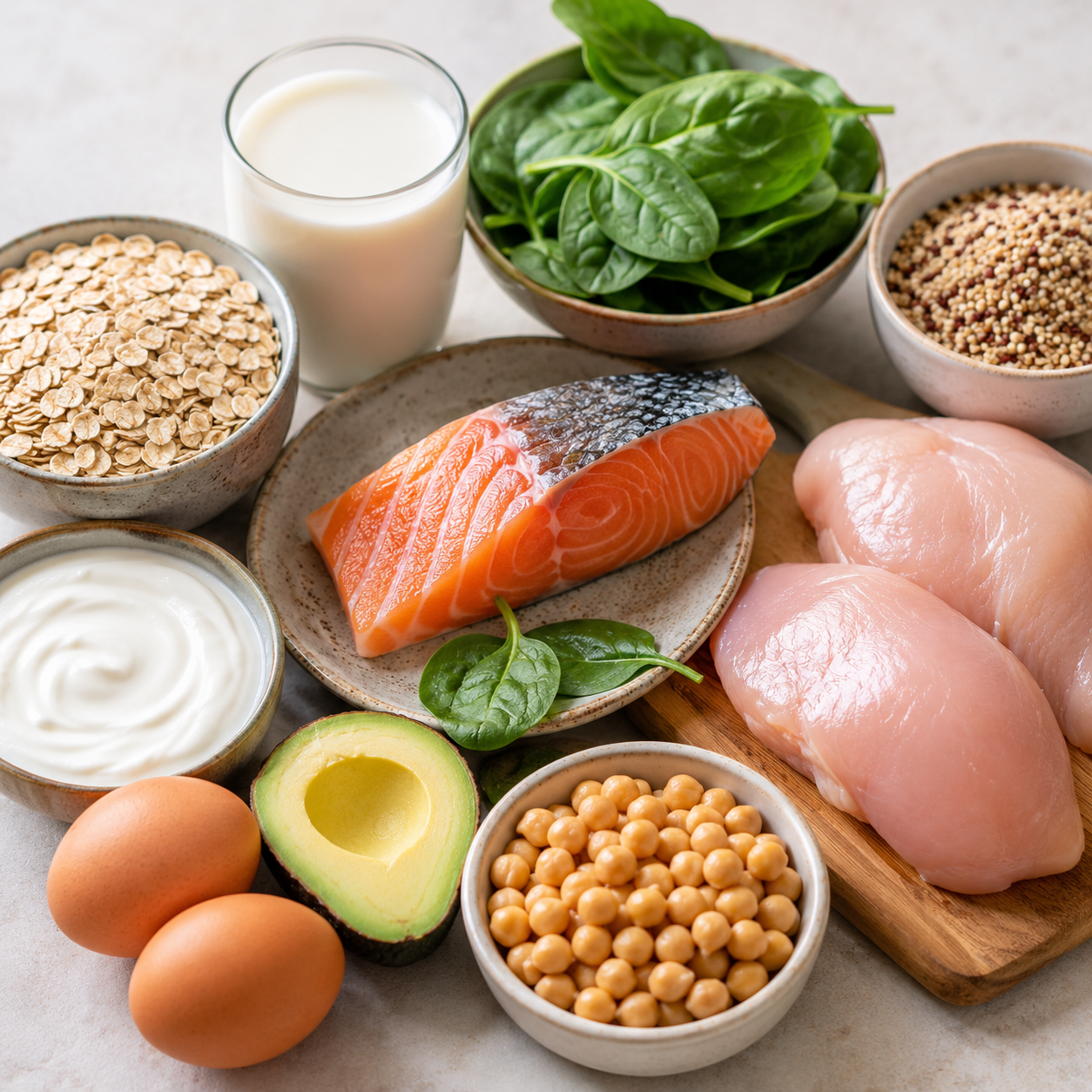
How Should You Eat When You’re Stressed? 6 Nutrient Groups and the Foods That Provide Them
When stress stays high, the goal is not to find one “stress-relief superfood,” but to cover key nutrients involved in the nervous system, sleep rhythms, the gut microbiome, and physical recovery.
Read article
 Nutrition
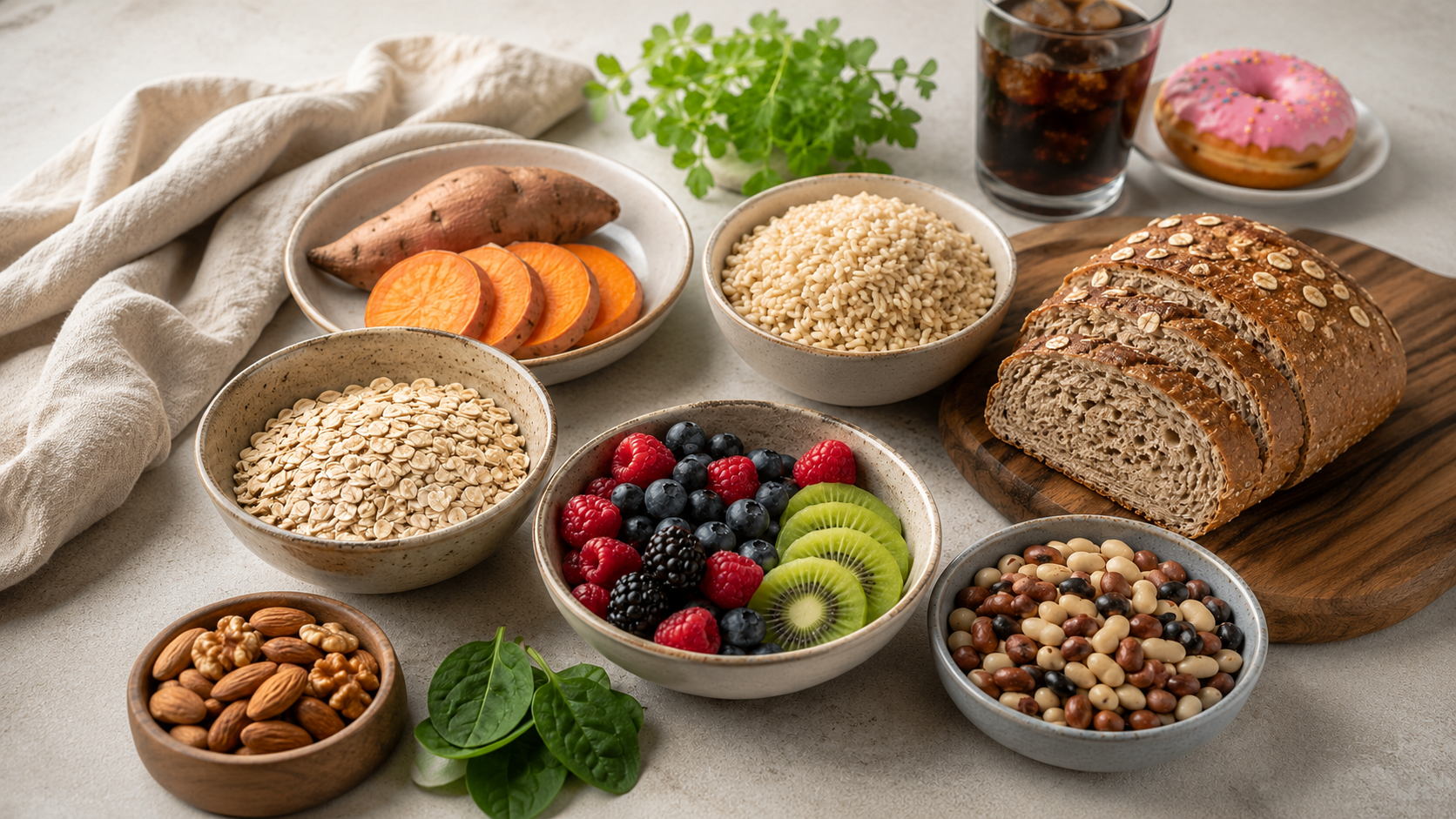
How to Adjust Your Diet If You’re Prone to Acne
When acne flares, the goal is not to find one “acne-clearing” food. It is to make your overall diet and daily routine more stable.
Read article
 Lifestyle
If You Struggle With Insomnia, Don’t Just Look for Sleep Foods: Start With These 7 Things
Chronic insomnia cannot be solved by “eating the right thing” alone. Sleep habits, daily rhythms, and stress responses also need attention.
Read article
 Lifestyle
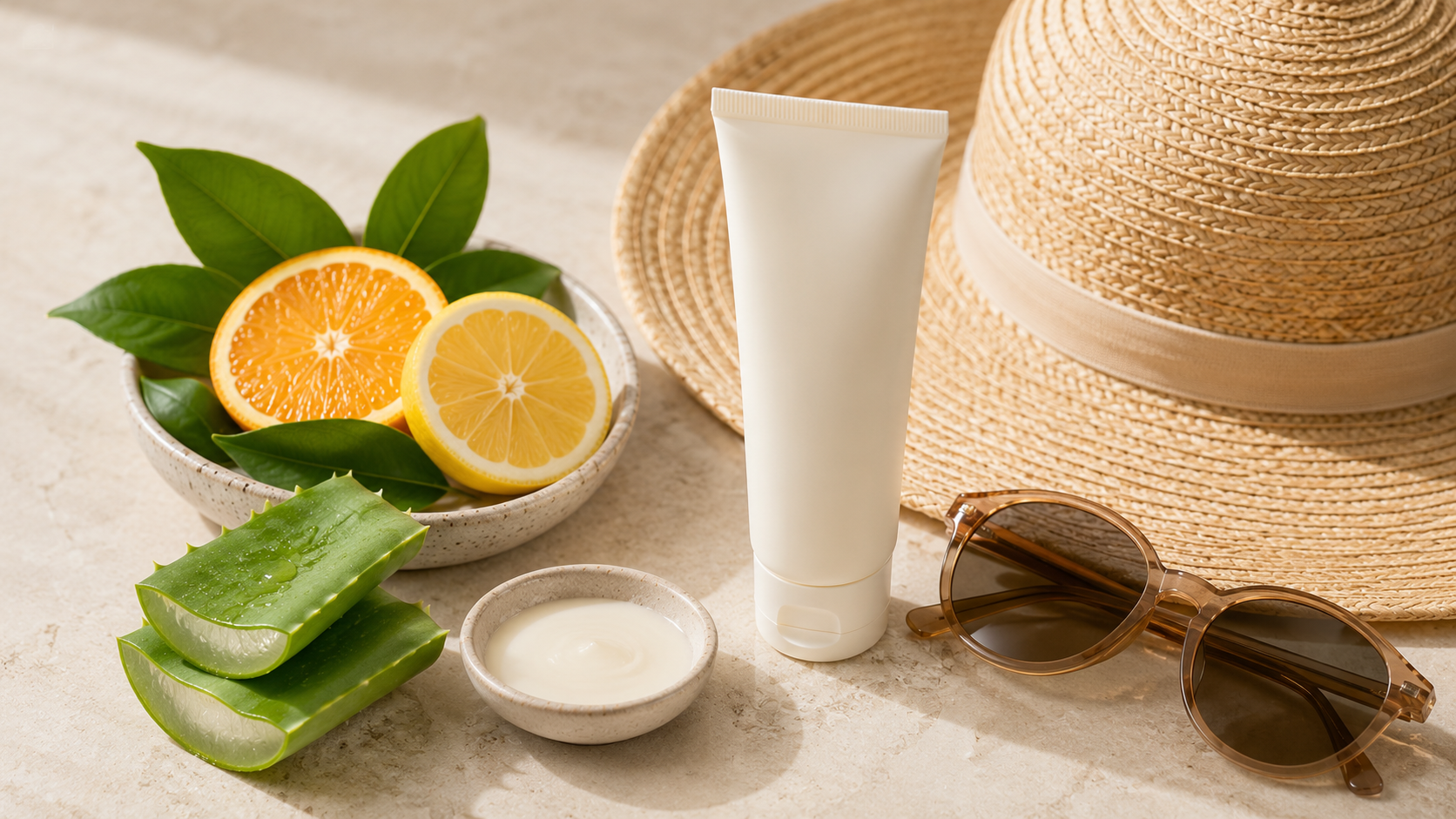
How to Slow Skin Aging and Stay Younger-Looking Over Time
Slower skin aging is less about one miracle supplement and more about sun protection, less glycation, enough repair nutrients and colorful plant foods, plus strength training, sleep, and stress management.
Read article
 Nutrition
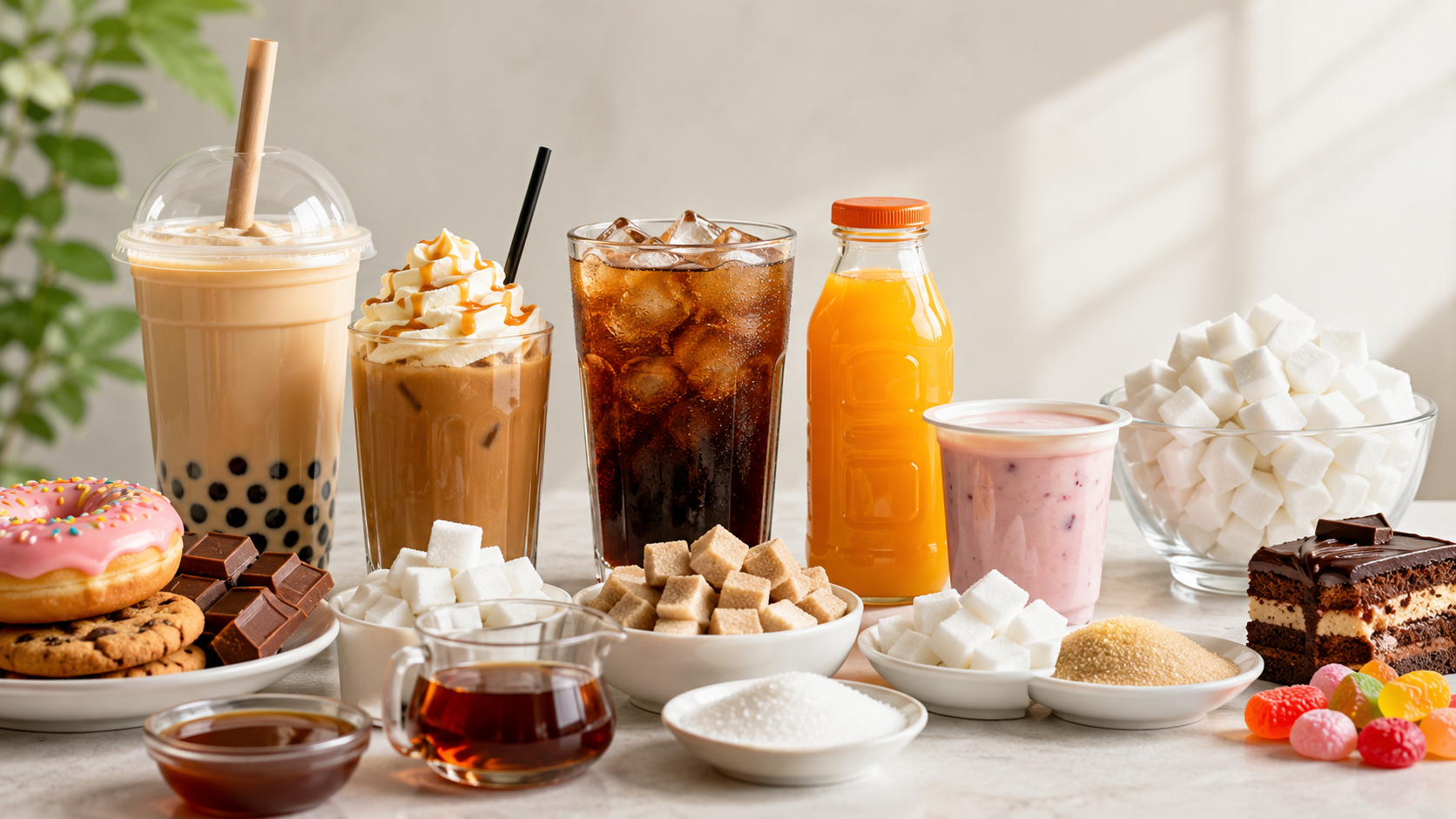
How to Reduce Glycation and Support Younger-Looking, Brighter Skin
Effective “anti-glycation” does not mean avoiding all carbohydrates. It means cutting back on sugary drinks, refined starches, large glucose swings, and foods high in AGEs.
Read article
No matching articles found. Try another keyword or topic.