Build a healthier foundation with food
Explore what vegetables, fruit, whole grains, legumes, fish, nuts, and other plant foods can contribute. A varied mix can bring more fiber, unsaturated fats, and plant bioactives to everyday meals.
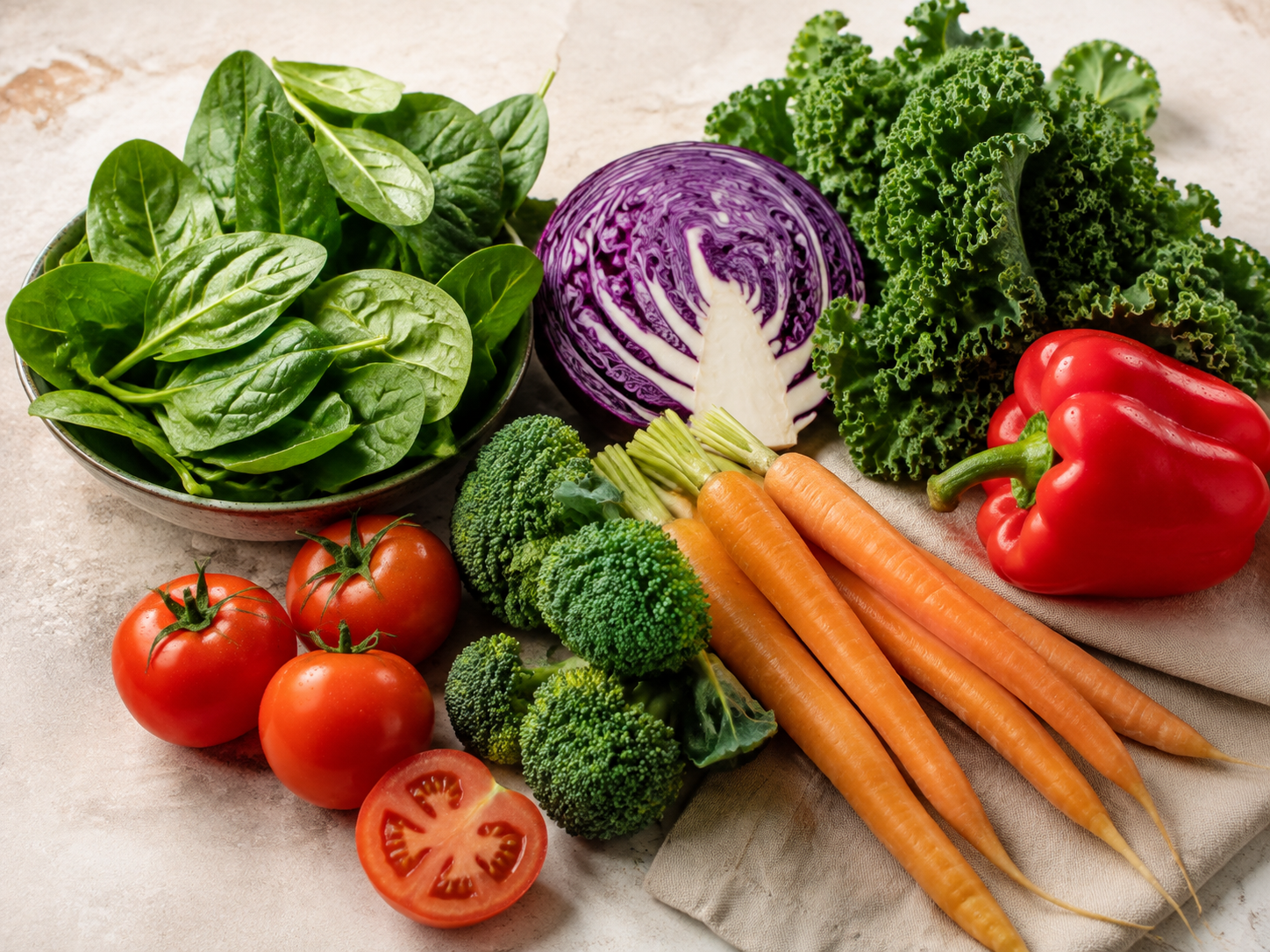
01Vegetables
Provide fiber, vitamins, minerals, and a wide range of plant bioactives. They are a core part of a healthy eating pattern.
- Best for
- People looking to add more plant variety, fiber, and antioxidant-rich foods to everyday meals.
- Examples
- Broccoli · Spinach · Tomato · Red cabbage · Kale
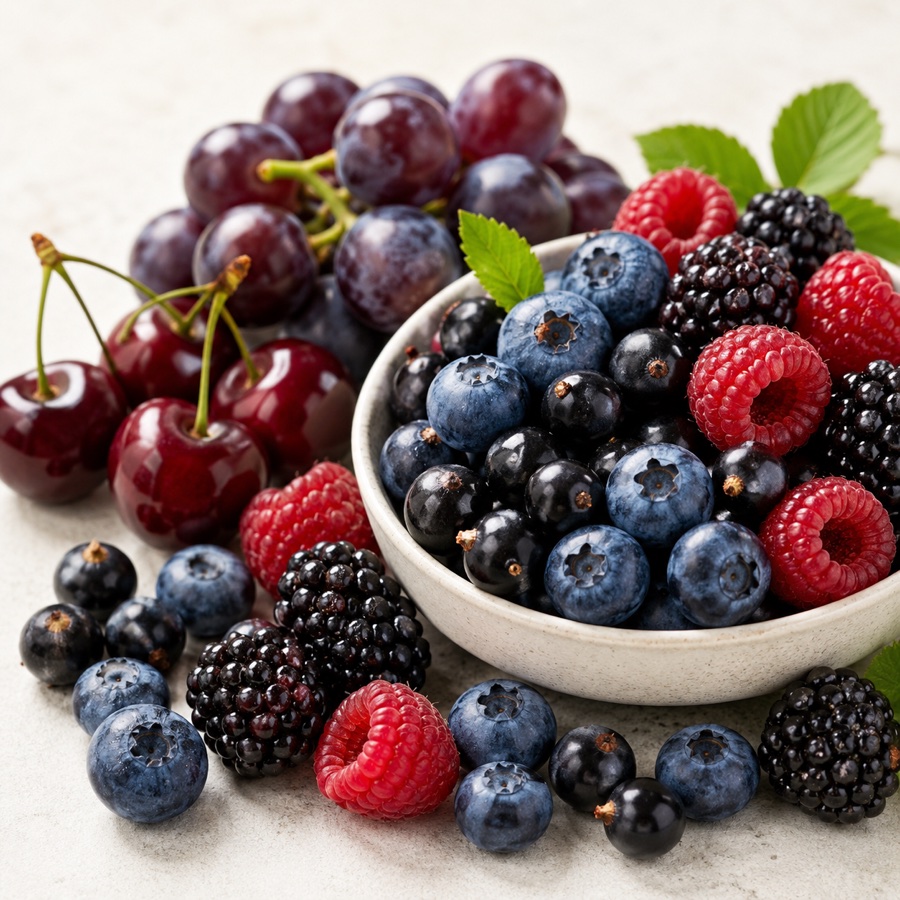
02Fruit
Provides fiber, vitamins, and plant polyphenols such as anthocyanins and flavonoids.
- Best for
- People who want more polyphenols and variety while choosing whole fruit over juice.
- Examples
- Blueberries · Cherries · Strawberries · Pomegranate · Avocado
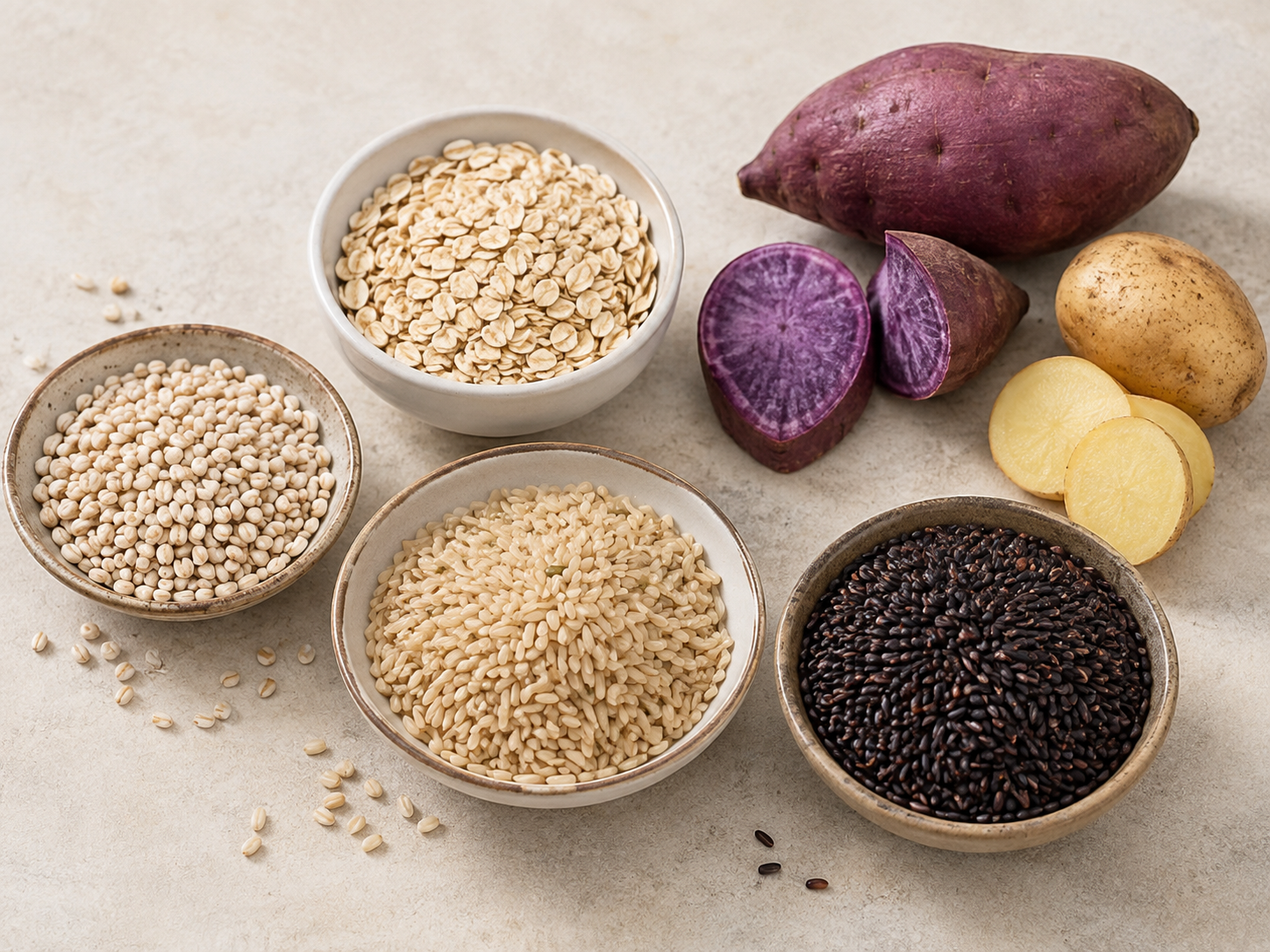
03Whole grains & tubers
Provide fiber, resistant starch, and micronutrients while adding more whole plant foods to the plate.
- Best for
- People who want to replace some refined grains while supporting fiber intake and steadier meals.
- Examples
- Oats · Barley · Highland barley · Brown rice · Black rice
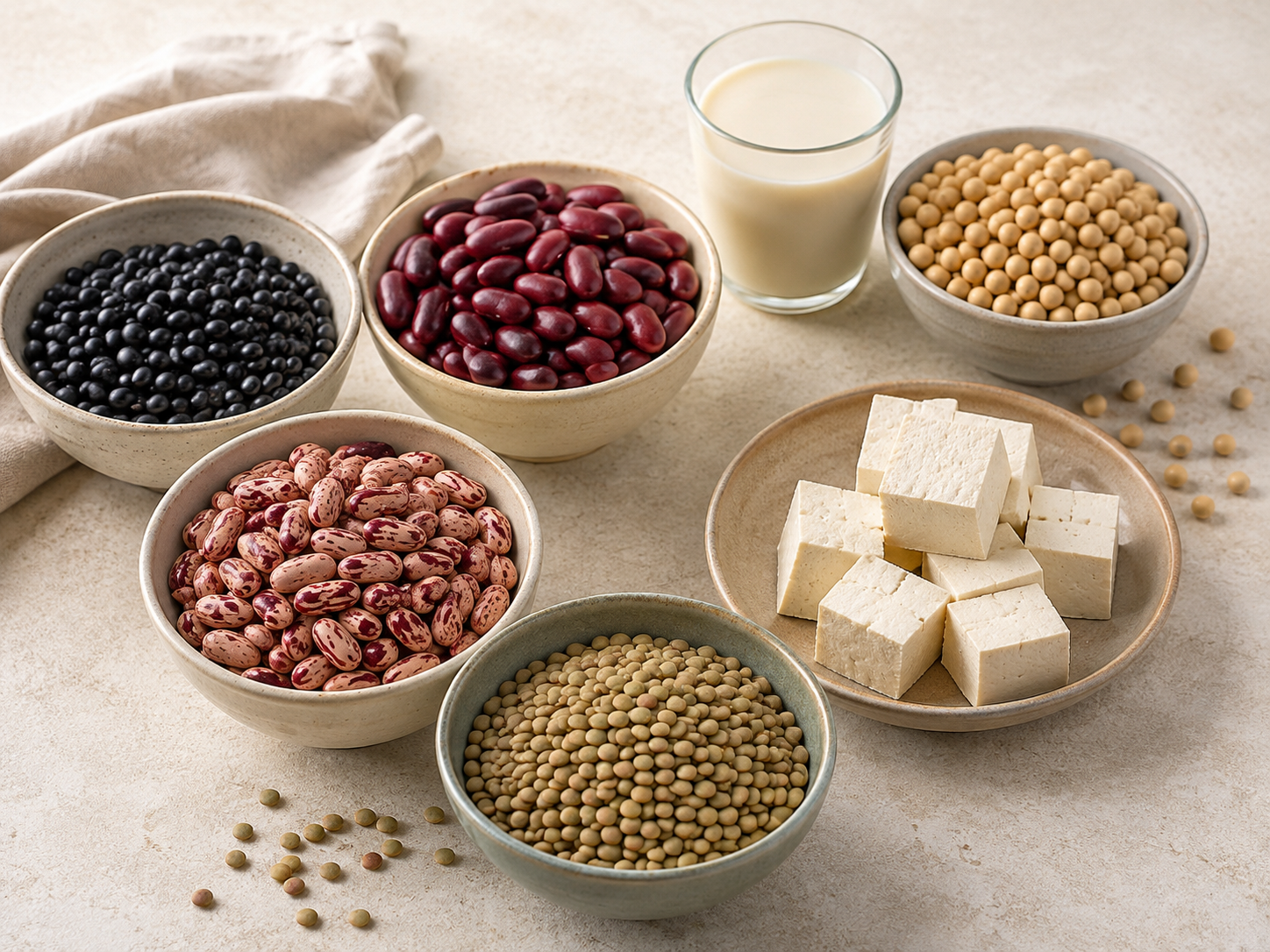
04Legumes & soy foods
Combine plant protein, fiber, and micronutrients in one versatile food group.
- Best for
- People who want more plant protein, fiber, and variety in their protein choices.
- Examples
- Black beans · Kidney beans · Lentils · Soybeans · Tofu
05Fish & seafood
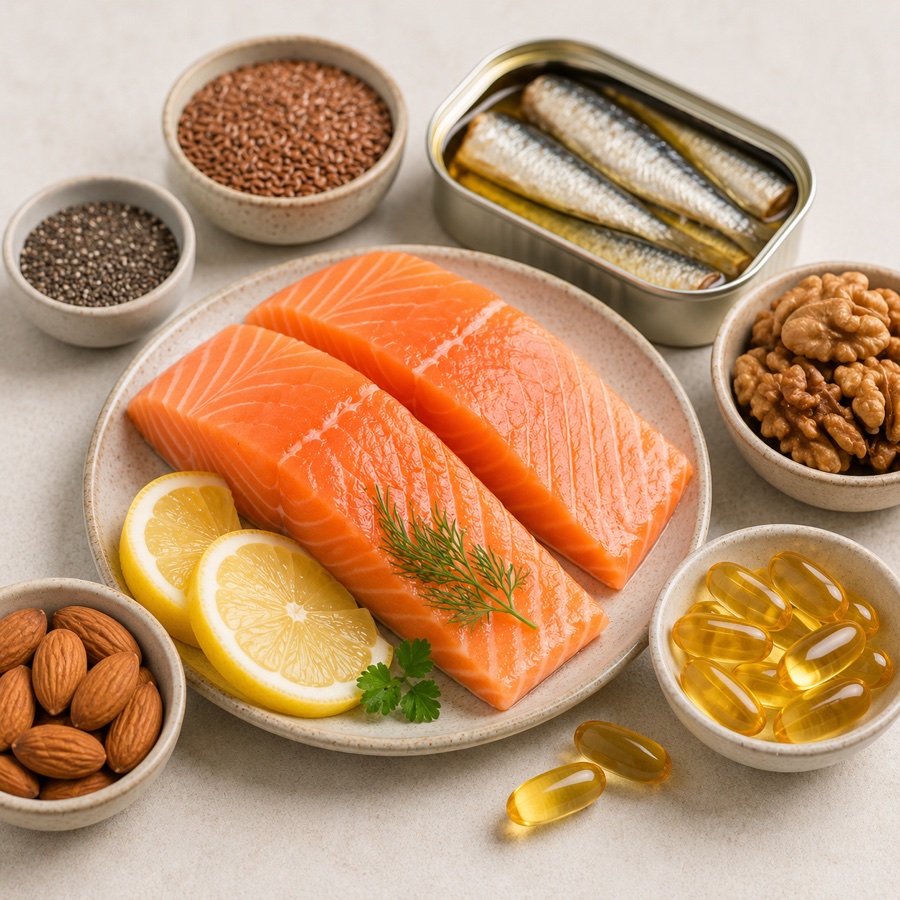
Provide high-quality protein. Some fish are rich in omega-3s, while seafood can also supply vitamin D, B12, iodine, and selenium.
- Best for
- People looking for omega-3s, protein, and key micronutrients from a wider range of animal foods.
- Examples
- Salmon · Herring · Sardines · Mackerel · Anchovies
06Nuts & seeds
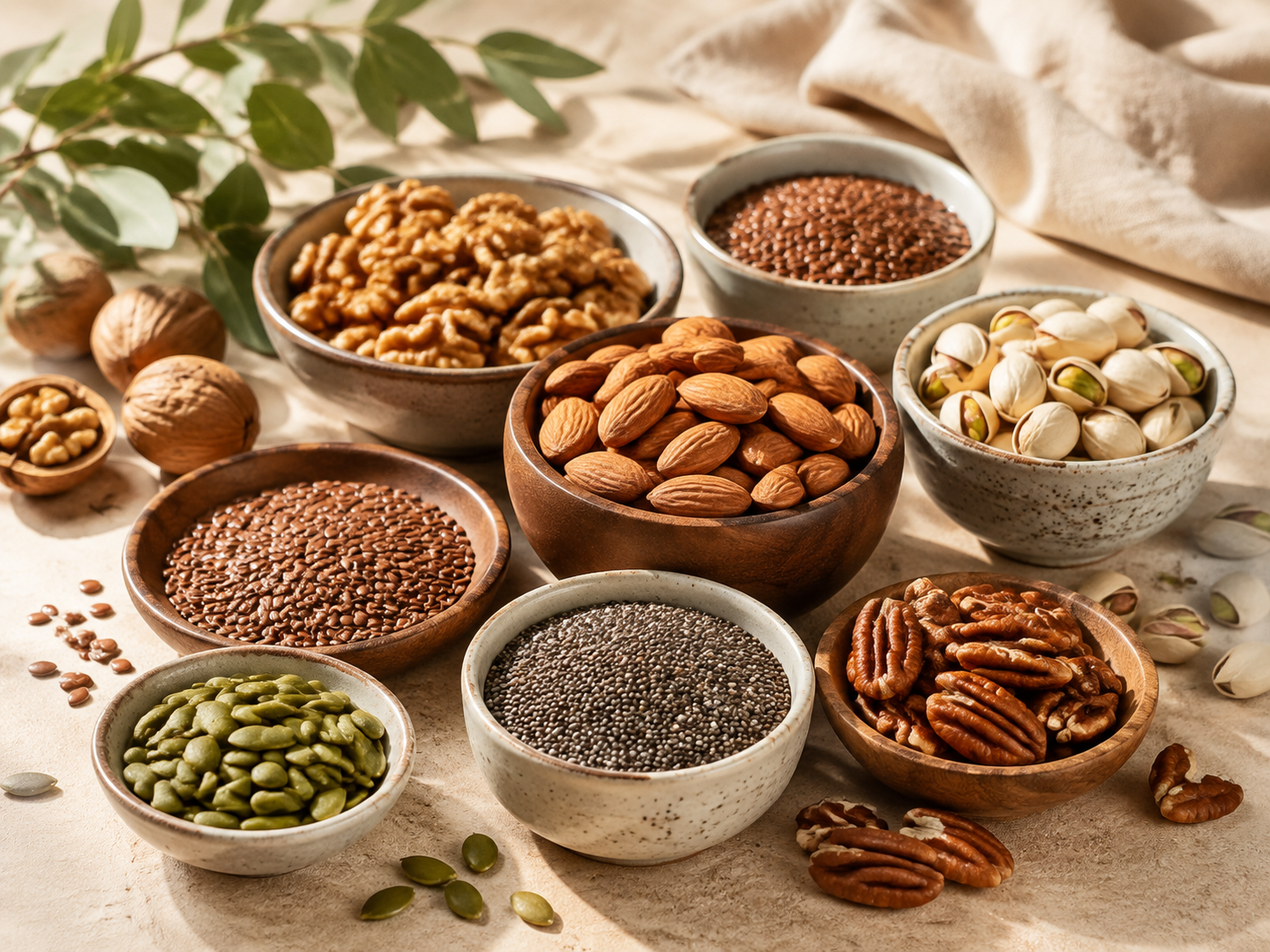
Offer unsaturated fats, plant protein, fiber, and minerals in compact portions.
- Best for
- People who want to add unsaturated fats, plant protein, and nutrient variety to meals and snacks.
- Examples
- Flaxseed · Chia seeds · Walnuts · Pecans · Pistachios
Add more variety to a healthy diet
Alongside staple food groups, plant oils, fermented foods, herbs, spices, tea, and coffee can broaden your sources of unsaturated fats and plant bioactives.
07Plant oils
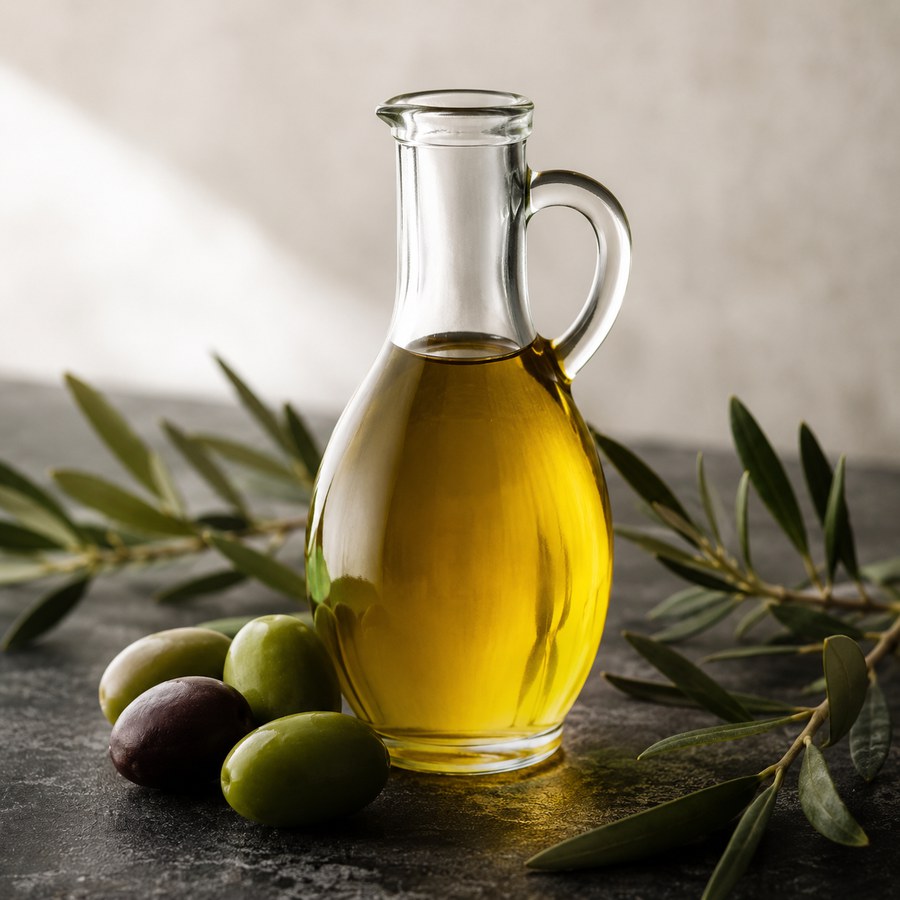
Provide unsaturated fats and fat-soluble plant compounds. The goal is to choose an oil suited to the use and replace some saturated fat sources.
- What to look for
- Unsaturated fats · Monounsaturated fats · Omega-3s · Plant polyphenols
- Examples
- Extra virgin olive oil · Flaxseed oil · Perilla oil · Avocado oil
08Fermented foods
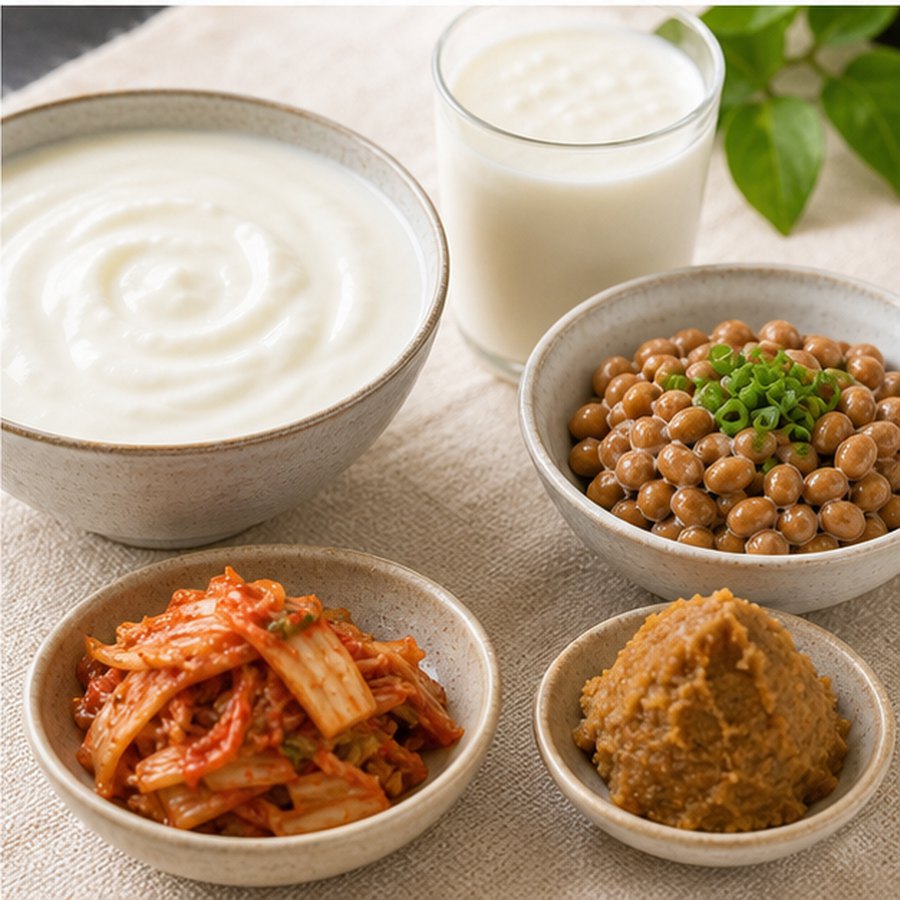
Fermentation creates distinctive food compounds. Microbes, nutrients, and the presence of live cultures vary widely between products.
- What to look for
- Dietary variety · Fermentation products · Live cultures · Gut health
- Examples
- Plain yogurt · Kefir · Kimchi · Natto · Tempeh
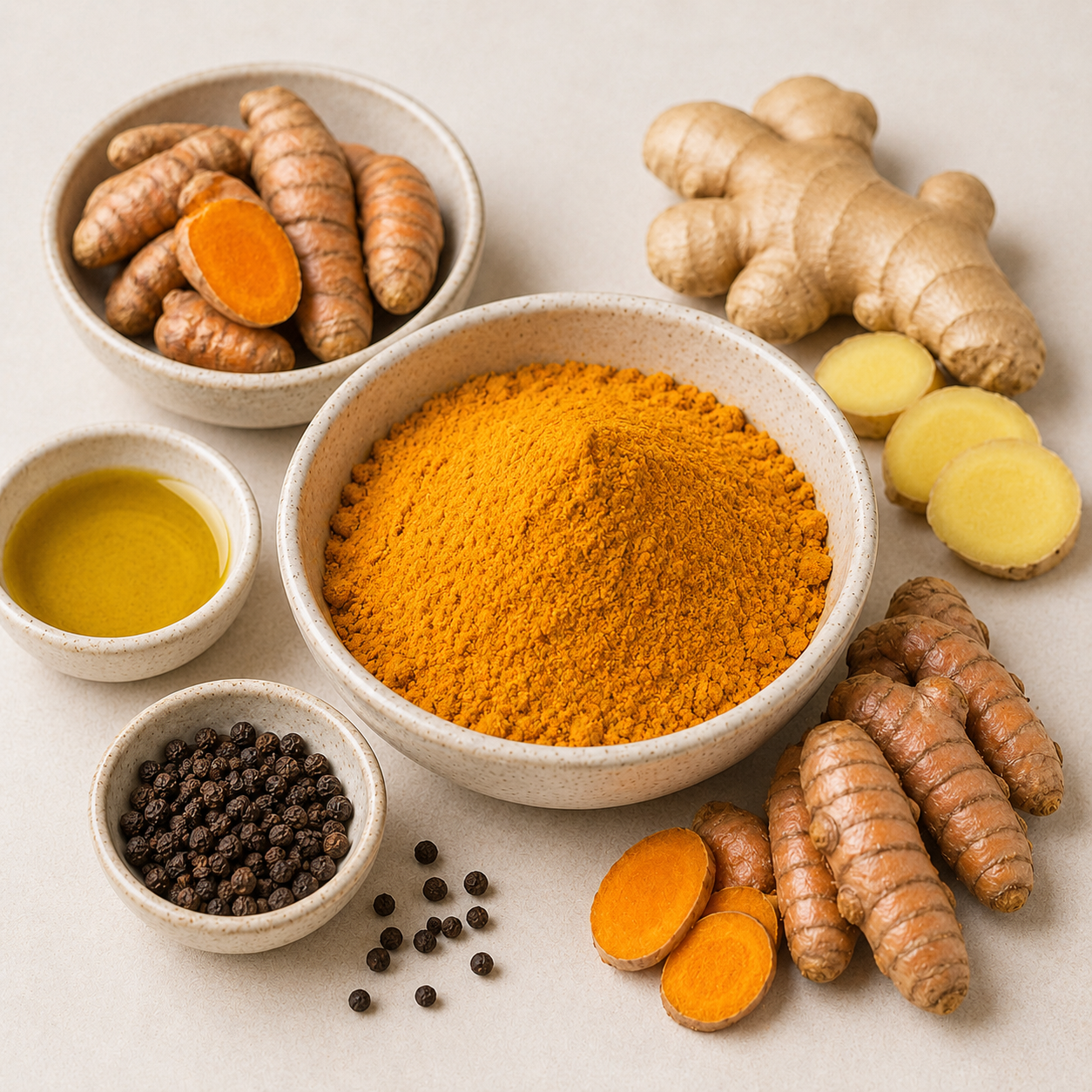
09Herbs & spices
Small amounts can add curcumin, polyphenols, and other plant bioactives while building flavor and plant variety.
- What to look for
- Plant polyphenols · Antioxidant compounds · Variety · Flavor with less salt
- Examples
- Turmeric · Ginger · Garlic · Ceylon cinnamon · Cumin

10Tea & coffee
Can contribute polyphenols and other plant bioactives. Their compounds and caffeine content vary by type and preparation.
- What to look for
- Tea & coffee polyphenols · Plant bioactives · Caffeine
- Examples
- Matcha · Green tea · Unsweetened coffee · Yellow tea · White tea
Do any of these patterns sound familiar?
Everyday habits can leave gaps in fiber, unsaturated fats, plant foods, or protein. Find the pattern closest to yours, then begin with the most relevant food group.
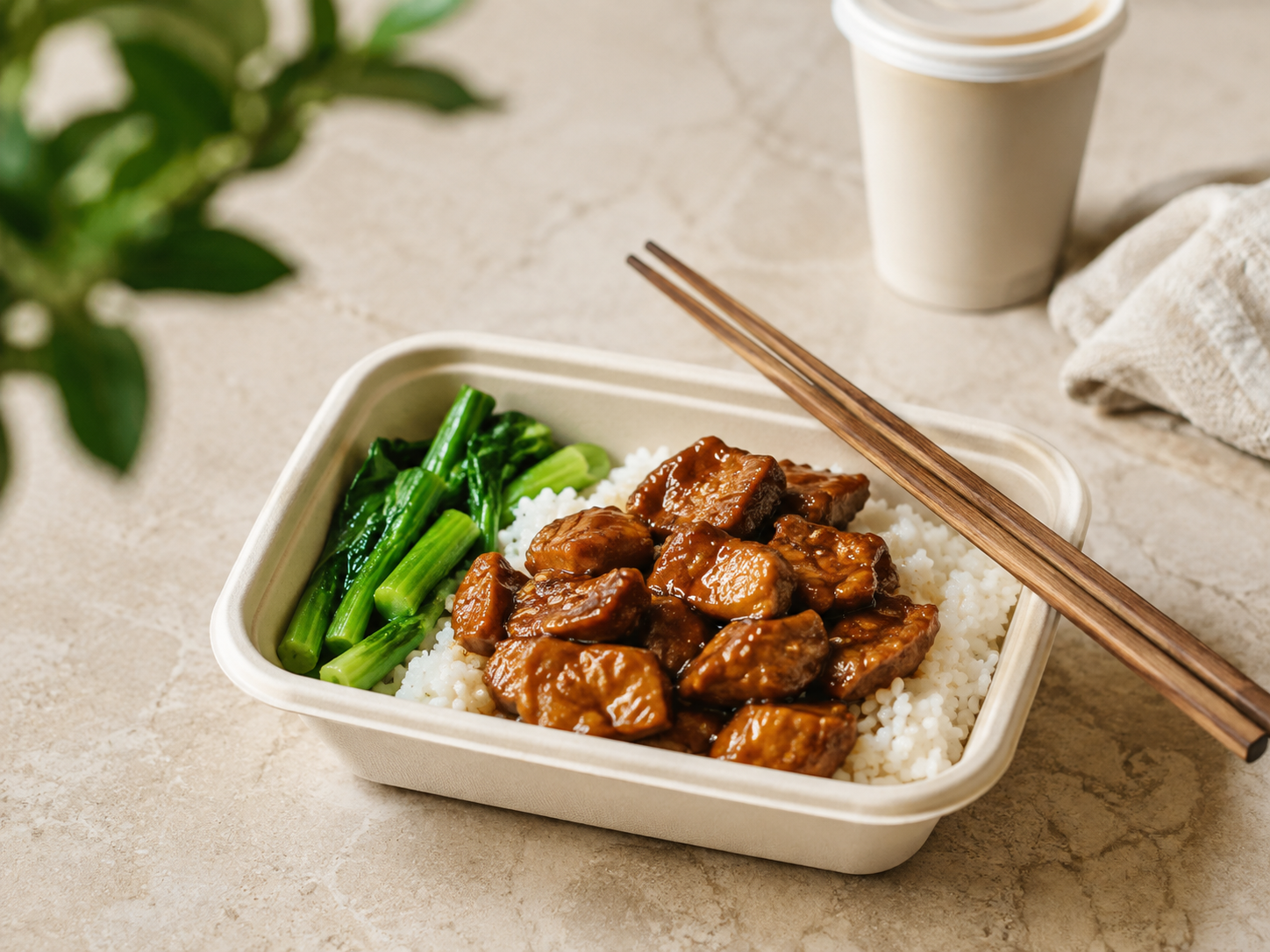
01Takeout and restaurant meals are common
Takeout can fit a healthy diet, but common meals often emphasize refined grains and meat while offering fewer vegetables and less variety. Oil and salt can also be harder to judge.
Why start here
Vegetables are often the simplest gap to address. Adding more colors, types, and portions matters more than searching for one anti-inflammatory food.
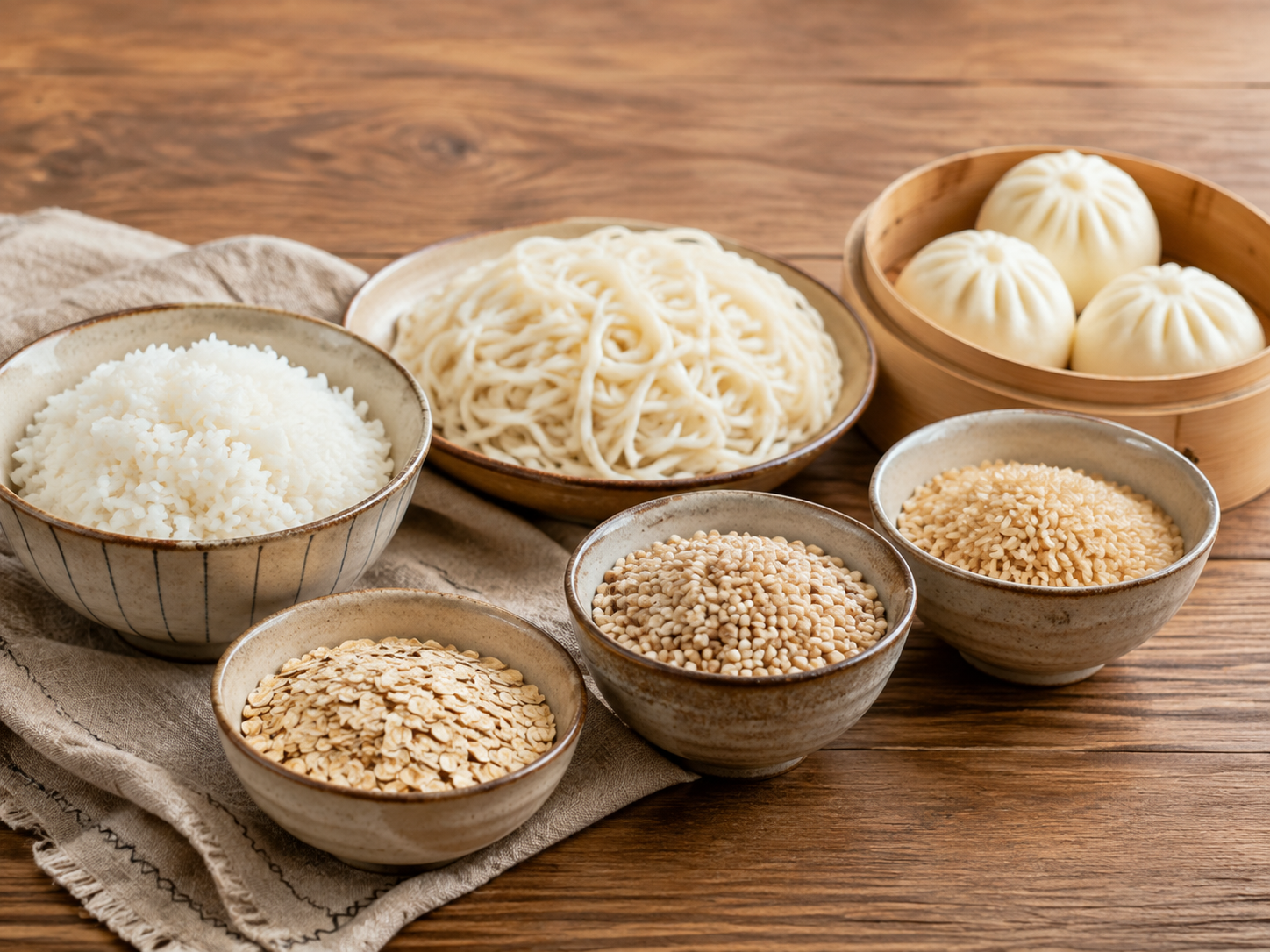
02Most staple foods are refined grains
White rice and refined flour can be part of a meal. When they make up nearly every staple choice, however, fiber, whole-grain nutrients, and variety may be limited.
Why start here
Whole grains retain more of the bran and germ. Oats, barley, and brown rice can gradually replace some refined grains without treating carbohydrates as the problem.
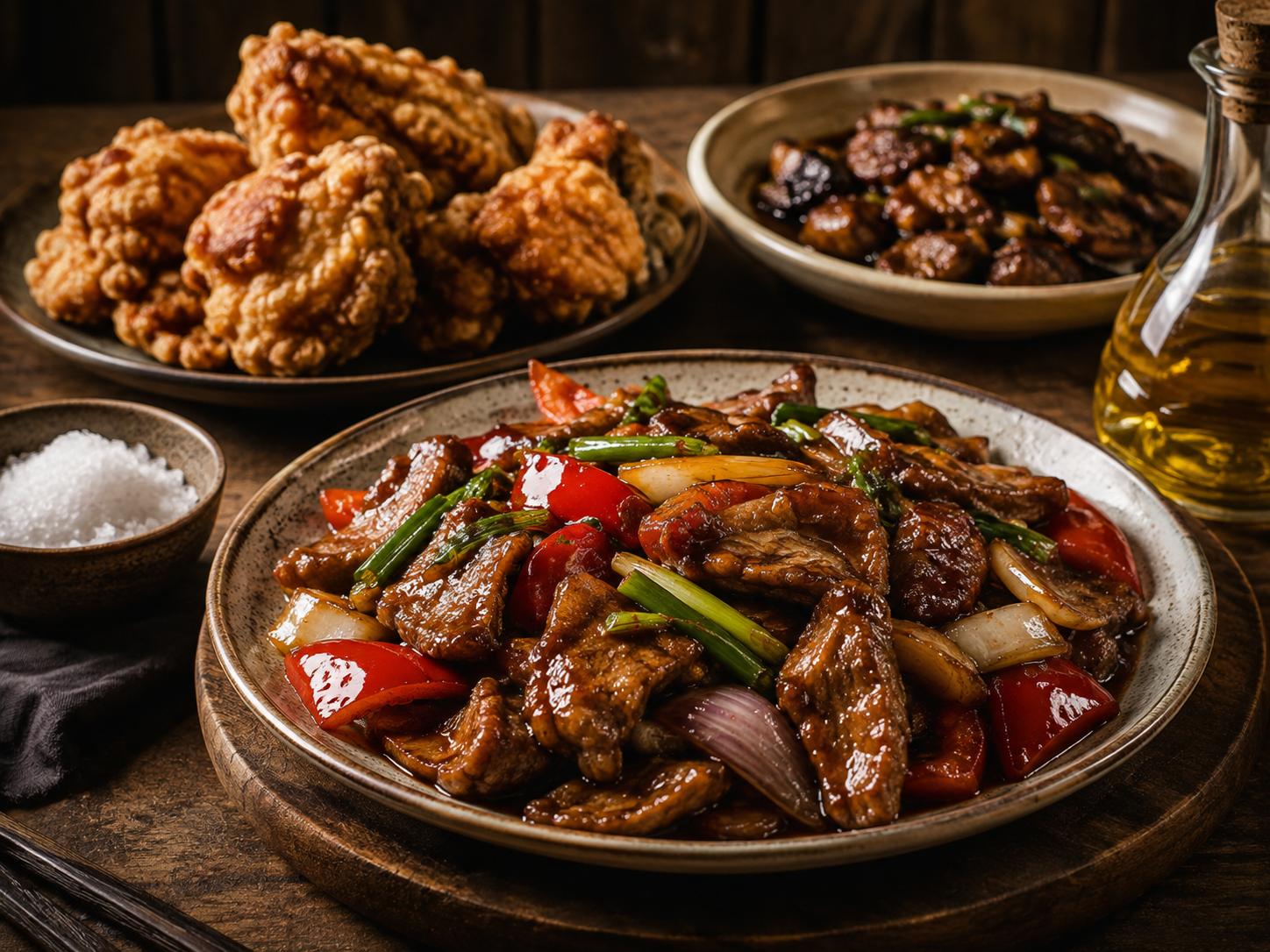
03Meals are often oily or salty
The issue is not only the amount of oil or salt. Relying on frying, rich sauces, and heavy seasoning can narrow both fat sources and cooking methods.
Why start with these groups
Plant oils help you match different fats to different uses. Herbs and spices add flavor without depending as heavily on salt or concentrated sauces.
04Fiber intake is low
Fiber is not one single compound, and different plant foods provide different types. One occasional high-fiber food cannot replace a varied pattern.
Why start with these groups
Vegetables, whole grains, and legumes are practical daily sources. Together they also add plant protein, polyphenols, and resistant starch.

05Unsaturated fats are limited
A diet can contain plenty of fat yet still provide few sources of unsaturated fats or omega-3s when fatty meats, processed meats, and butter dominate.
Why start with these groups
Nuts, seeds, fish, and plant oils provide different unsaturated fats. Their main value is replacing some saturated fat sources, not simply adding more fat.

06Juice often replaces whole fruit
Even 100% fruit juice is not the same as whole fruit. Juicing changes the food structure, usually reduces fiber, and makes it easier to consume more fruit sugars quickly.
Why start here
Whole fruit keeps more fiber and structure while providing vitamins, polyphenols, and anthocyanins. Treat juice as a drink, not a routine replacement for fruit.

07Sweet drinks are a daily habit
Milk tea, sweetened coffee, and fruit-flavored drinks can become easy-to-miss sources of added sugar because they may not feel like desserts.
Why start here
Tea and coffee naturally contain plant compounds. Choosing unsweetened or less-sweet versions can preserve the habit while reducing unnecessary added sugar.

08Processed meat is a main protein source
Processed meats are convenient, but frequent use can mean more sodium and less room for fish, legumes, and other protein sources.
Why start with these groups
Fish can add high-quality protein and omega-3s, while legumes provide plant protein and fiber. The goal is a wider range of protein choices.
Healthy eating is about the mix, not one food
There is no need to find the single most anti-inflammatory food. The stronger foundation is a varied set of healthy foods that appears regularly over time.
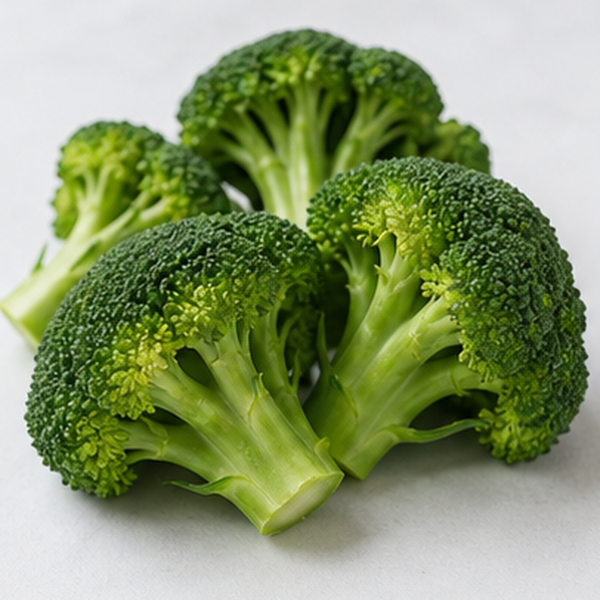
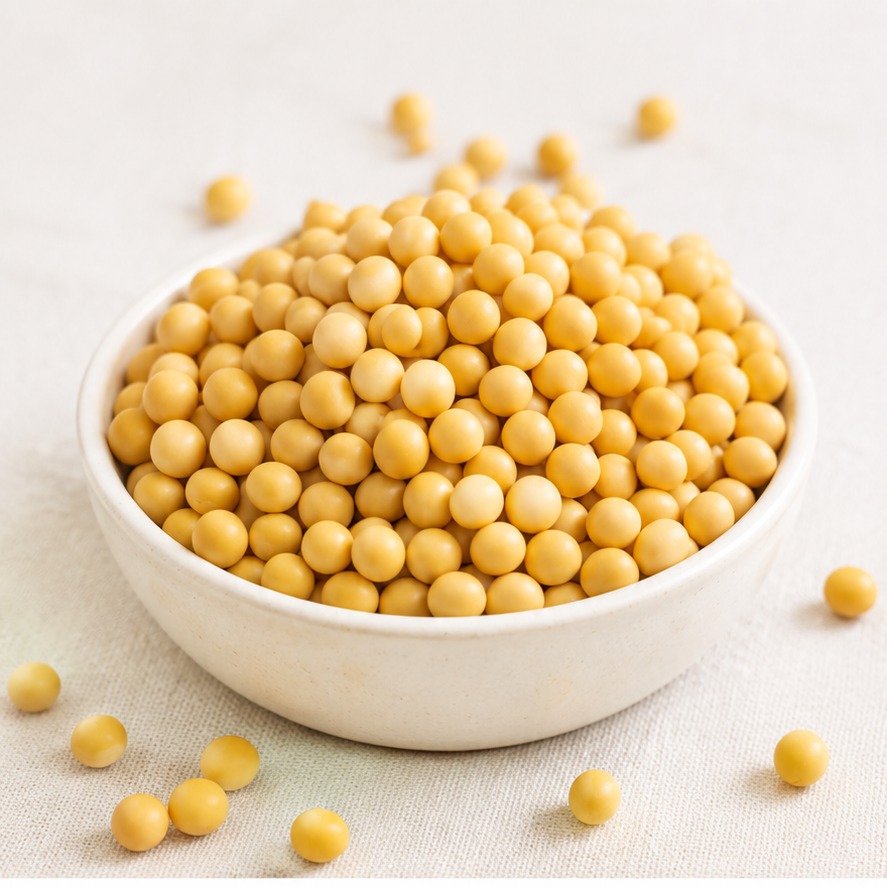
Vegetables · Fruit · Whole grains · Legumes · Nuts & seeds · Fish
Together, these groups form a more complete everyday foundation. The goal is not to chase one food each day, but to keep a range of foods in the diet consistently.
Add more varietyPlant oils · Fermented foods · Herbs & spices · Tea & coffee