Overall Diet Direction
For example, some people notice more acne during periods of frequent milk tea, sugary drinks, and cake; others flare after milk or whey protein; and some eat a highly refined diet with few vegetables or legumes and find that their skin remains unstable.
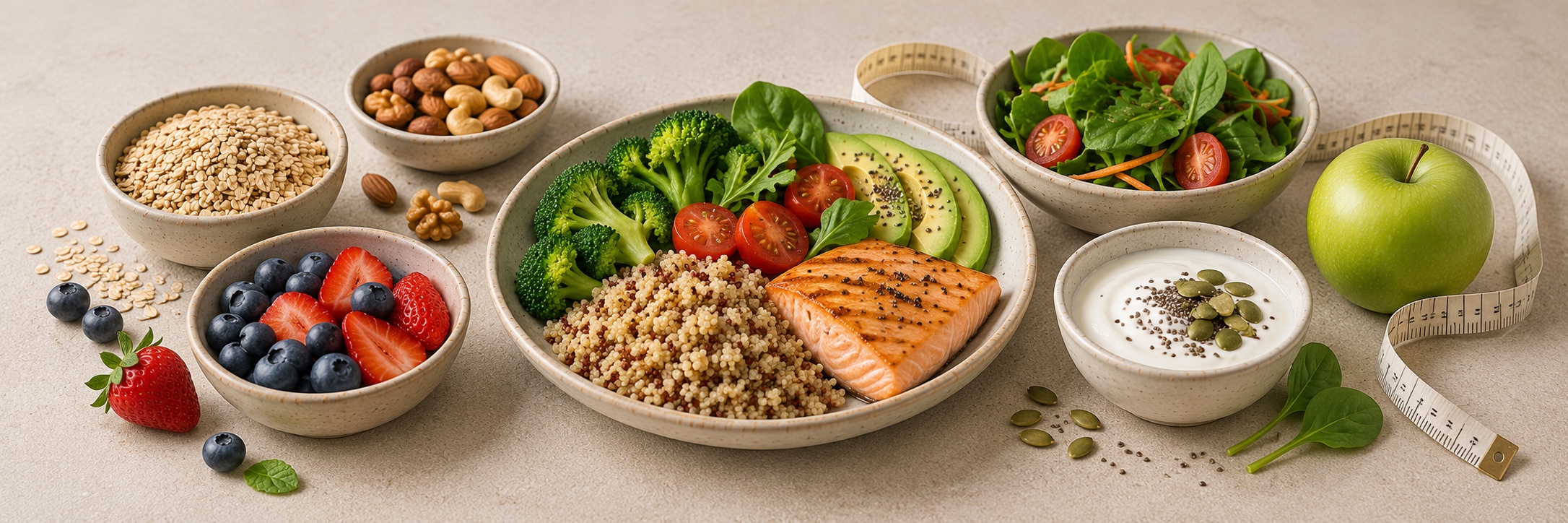
So the priority is not an “acne-clearing superfood,” nor is it eliminating everything you enjoy. Aim for a more stable overall diet and routine:
Eat fewer high-sugar, high-glycemic, fried, high-fat foods and foods you clearly do not tolerate. Eat more lower-glycemic staples, vegetables, fruit, legumes, fermented foods, fish, and healthy fats, while covering the basic nutrients needed for skin repair. Also try to reduce chronic stress and sleep loss.
Based on current research, people who are prone to acne can pay particular attention to these seven areas:
Steadier blood sugar; monitoring milk and whey protein; fewer fried, high-fat foods while keeping healthy fats; supporting the gut microbiome; getting enough zinc; checking vitamin D status; and reducing stress and sleep loss.
Key Takeaways
If you are prone to acne, start with these priorities:
- **Keep blood sugar steadier:** Do not rely only on white rice, refined noodles, or white bread. Replace part of them with oats, brown rice, whole grains, legumes, corn, or tubers, and cut back on sugary drinks, milk tea, juice, sweetened coffee, and high-sugar desserts.
- **Watch milk and whey protein:** If acne clearly worsens after milk, skim or low-fat milk, or whey protein powder, track your diet and skin changes and consider reducing them.
- **Reduce fried, high-fat foods while keeping healthy fats:** Eat less fried chicken, fries, flaky pastries, cream desserts, puffed snacks, and oily takeout, while keeping moderate amounts of fish, nuts, and plant oils.
- **Support the gut microbiome:** Eat enough vegetables, fruit, whole grains, and legumes, and include moderate amounts of fermented foods such as plain yogurt, natto, tempeh, miso, or lower-sodium fermented vegetables.
- **Get enough zinc:** Include foods such as oysters, shellfish, fish, shrimp, lean meat, eggs, pumpkin seeds, sesame, and legumes. Avoid long-term high-dose zinc supplements unless advised.
- **Pay attention to vitamin D:** Fatty fish, egg yolks, and vitamin D–fortified foods can contribute. If deficiency is possible, consider checking a 25(OH)D level.
- **Reduce stress and sleep loss:** Chronic stress, insufficient sleep, and an irregular schedule may make inflammation harder to control and acne slower to settle.
1. Steady Blood Sugar: Lower-Glycemic Staples and Less Added Sugar Come First
For people with acne, a more useful first dietary target is often a high-sugar, high-glycemic-load pattern—not spicy food.
White bread, doughnuts, cake, milk tea, sugary drinks, white rice, and fries can raise blood glucose quickly when eaten often and in large amounts. Large glucose swings can affect insulin and IGF-1 signaling, which may in turn promote sebum production, follicular keratinization, and inflammation.
A 2007 randomized controlled trial included 43 males aged 15–25 with acne. After 12 weeks, the low-glycemic-load group had a significantly greater reduction in total acne lesions than controls and also showed improved insulin sensitivity. A 2022 systematic review likewise concluded that low-GI / low-GL diets are among the better-studied dietary interventions for acne.
Foods to Choose More Often
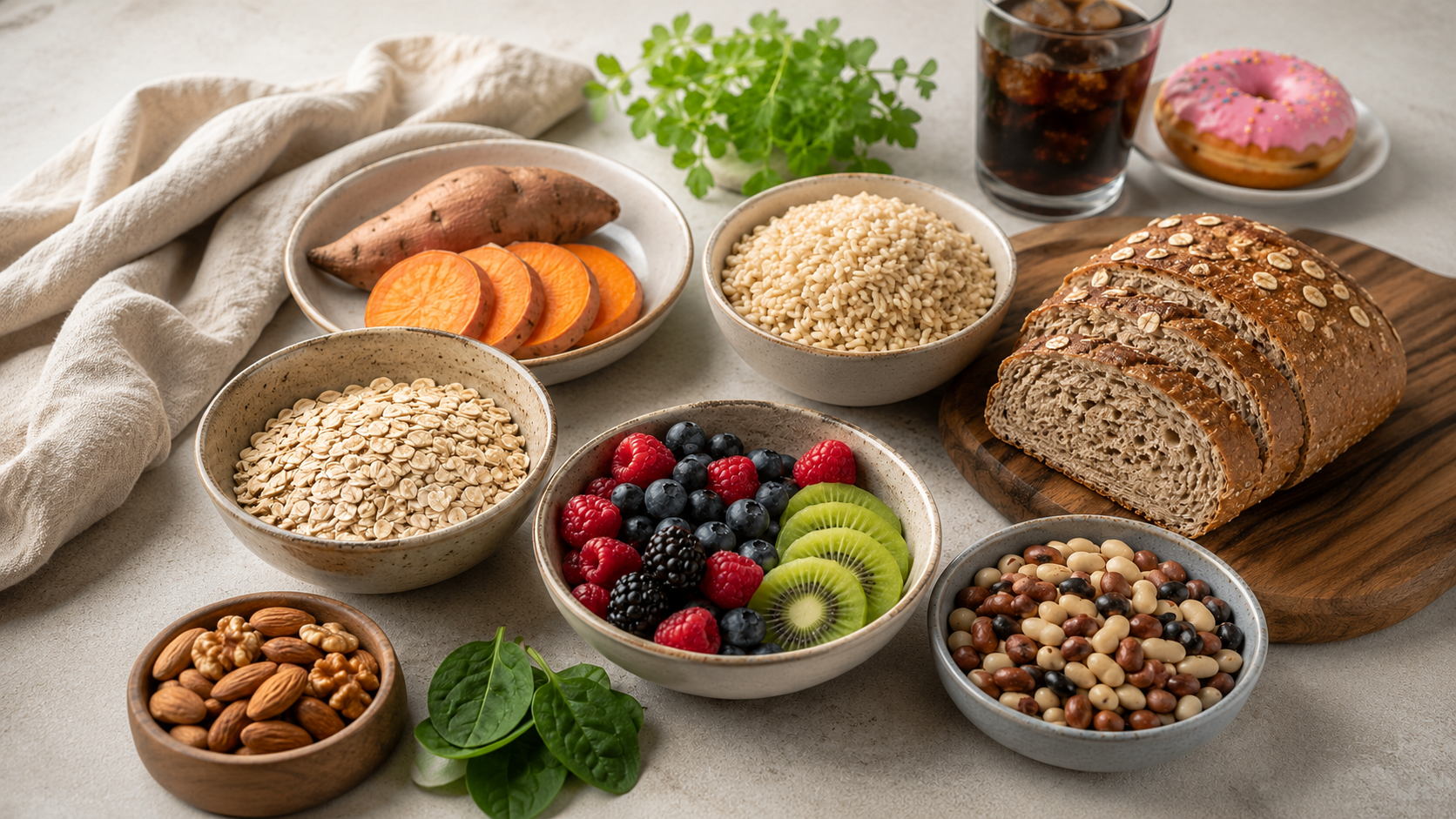
Oats, brown rice, quinoa, buckwheat, whole-grain bread, corn, sweet potato, purple sweet potato, adzuki beans, mung beans, black beans, chickpeas, lentils, and edamame.
Potatoes can also fit. Prefer boiled or steamed potatoes in modest portions and pair them with protein and vegetables; fries, mashed potatoes, and heavily roasted potatoes should not automatically be treated as “low-glycemic staples.”
Foods and Drinks to Limit
Milk tea, sugary drinks, juice, sweetened coffee, sweetened yogurt, cake, cookies, sweet bread, candy, ice cream, fries, and fried desserts.
The goal is not to ban them forever, but to keep them from becoming the foundation of the daily diet.
A Practical Way to Eat
Mix brown rice, oat groats, legumes, or corn into white rice. Replace sweet breads or cake at breakfast with oats, whole-grain bread, eggs, and unsweetened soy milk. When eating noodles, add vegetables, eggs, tofu, or lean meat instead of eating a large bowl of refined noodles by itself.
If you want dessert, a small portion after a balanced meal is usually more practical than eating a large amount on an empty stomach. Eating sweets with protein and vegetables from a meal can generally produce a gentler glucose response than eating them alone.
Safety Note
Managing acne does not require an extreme low-carb diet or avoiding fruit. Teenagers, highly active people, and those who are pregnant, postpartum, or trying to conceive should be especially cautious about cutting out staple carbohydrates. The priority is reducing added sugar and refined carbs.
2. Milk, Skim Milk, and Whey Protein: Not Everyone Needs to Avoid Them, but They Are Worth Watching
There is an association between milk intake and acne in some studies, particularly for skim and low-fat milk. Current evidence, however, does not prove that milk inevitably causes acne.
A 2018 systematic review and meta-analysis in children, adolescents, and young adults found dairy intake associated with a higher risk of acne, while noting substantial differences between studies. A 2019 meta-analysis also found positive associations for dairy overall, total milk, whole milk, low-fat milk, and skim milk, whereas associations with yogurt and cheese were not clear.
Evidence specific to whey protein is mixed. A 2024 case-control study found an association between whey supplement use and acne, but this cannot establish cause and effect. In a separate six-month randomized trial of 49 young men with mild-to-moderate acne, 30 g/day of whey protein did not lead to worse changes in lesion counts or severity than a non-whey nutritional comparator. This small trial does not rule out individual reactions or establish safety for every person, dose, or product. These findings do not support treating whey as a universal acne trigger; a possible biological mechanism is not proof that it causes acne.
Mechanistically, milk may influence sebum activity, follicular keratinization, and inflammation through insulin, IGF-1, and mTORC1 signaling. Whey protein also deserves attention because it is a concentrated milk protein and may affect insulin- and IGF-1-related signaling. If you are training and notice worsening acne, alternatives can include eggs, fish, shrimp, chicken, tofu, soy milk, or pea protein.

Foods Worth Monitoring
Skim milk, low-fat milk, regular milk, whey protein powder, protein shakes, mass-gainer powders, meal-replacement powders, sweetened milk, milk tea, and sweetened yogurt.
There is no need to permanently eliminate every dairy food from the start. In particular, current links between acne and fermented dairy such as plain yogurt or lower-sugar cheese are less consistent than those for milk.
A Practical Way to Test It
If acne keeps recurring and you drink a lot of milk, try a four-week observation period: pause regular milk—especially skim milk, low-fat milk, and whey-protein shakes—and record lesion counts, redness and swelling, oiliness, and where new breakouts occur. After four weeks, reintroduce a small amount. If acne clearly flares again, milk may be a personal trigger.
If you still want milk, first reduce frequency and total amount—for example, from daily to two or three times a week, around 200 mL each time. You can also try plain yogurt, lower-sugar cheese, unsweetened soy milk, or a simple unsweetened plant milk.
Safety Note
Do not completely eliminate dairy long term without a replacement plan, especially for teenagers, pregnant or breastfeeding people, or those with low bone mass. If you reduce milk, make sure protein and calcium are still adequate.
3. Reduce Fried, High-Fat Foods but Keep Healthy Fats
Along with reducing high-sugar and high-glycemic foods, people prone to acne can benefit from cutting back on fried, oily, and high-sugar/high-fat dietary patterns.
This does not mean eliminating fat. Fat is an essential nutrient, and fats from fish, nuts, seeds, olive oil, and canola oil are not the enemy. More useful targets are fried chicken, fries, flaky pastries, cream desserts, fatty meat, puffed snacks, and heavily oiled takeout.
These foods will not make everyone break out immediately, but eating them often can shift the overall diet toward high energy, high fat, high sugar, and low fiber. Over time, this may influence inflammation, insulin resistance, and sebum production.
The combination of high sugar and high fat is especially worth watching: fried chicken with soda, fries with milk tea, cake with sweet coffee, or flaky pastries for breakfast. These meals combine fat with sugar and refined starch and may push glucose swings, inflammatory signaling, and sebum production in the same direction.
Foods to Limit
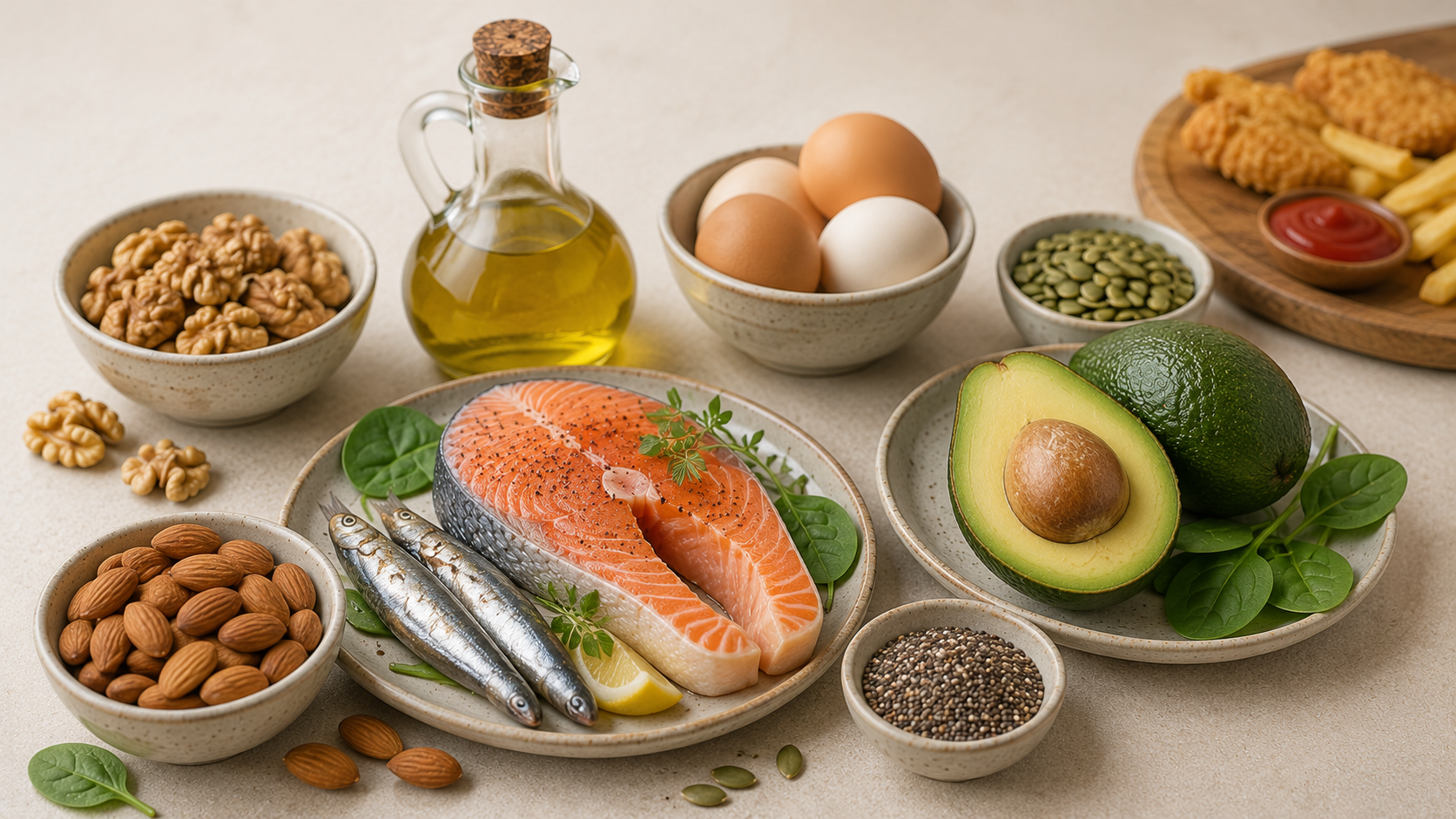
Fried chicken, fries, fried skewers, youtiao, oily flatbreads, flaky pastries, cream cake, cookies, puffed snacks, fatty meat, sausages, bacon, high-fat hot-pot meats, oily takeout, milk tea made with non-dairy creamer, and other high-sugar/high-fat snacks.
What to Choose Instead
For protein, choose more fish, shrimp, chicken breast or thigh, lean beef or pork, eggs, tofu, or firm tofu. For snacks, try fruit, plain yogurt, unsweetened soy milk, a small handful of nuts, steamed corn, or roasted sweet potato. Replace fried staples with brown rice, oats, whole-grain bread, mixed-grain rice, sweet potato, corn, or buckwheat noodles.
How to Keep Healthy Fats
Keep moderate amounts of foods such as salmon, sardines, mackerel, trout, shrimp, eggs, walnuts, almonds, cashews, pumpkin seeds, sesame, flaxseed, avocado, olive oil, and canola oil.
You do not need to cook without oil. Keep the total amount reasonable and use less deep-frying, repeated frying, and heavily oiled stir-fries or rice dishes.
Safety Note
Acne management does not require a fat-free diet. The main targets are fried foods, high-sugar/high-fat snacks, and oily takeout; moderate amounts of fish, nuts, seeds, and plant oils should remain.
4. Gut Microbiome: Get Enough Fiber Before Buying Probiotics
The gut microbiome and skin are linked through complex pathways often described as the gut–skin axis. Gut microbes may affect skin indirectly through immune responses, inflammation, gut-barrier function, short-chain fatty acids, and metabolic signaling.
Acne is an inflammatory skin condition, so improving the stability of the gut environment may help some people.
Clinical research on probiotics and acne is growing. A 2024 randomized clinical trial found that a specific oral probiotic mixture used as an adjunct may improve the clinical course of acne. By the Global Acne Grading System, improvement occurred in 42.50% of the probiotic group versus 20.58% of the placebo group, with a similar number of adverse events.
However, these studies use specific strains and protocols. They do not mean that every probiotic product treats acne. For most people, a more reliable starting point is to do three things first: eat enough fiber, increase prebiotic foods, and include fermented foods in moderation.
Foods to Include
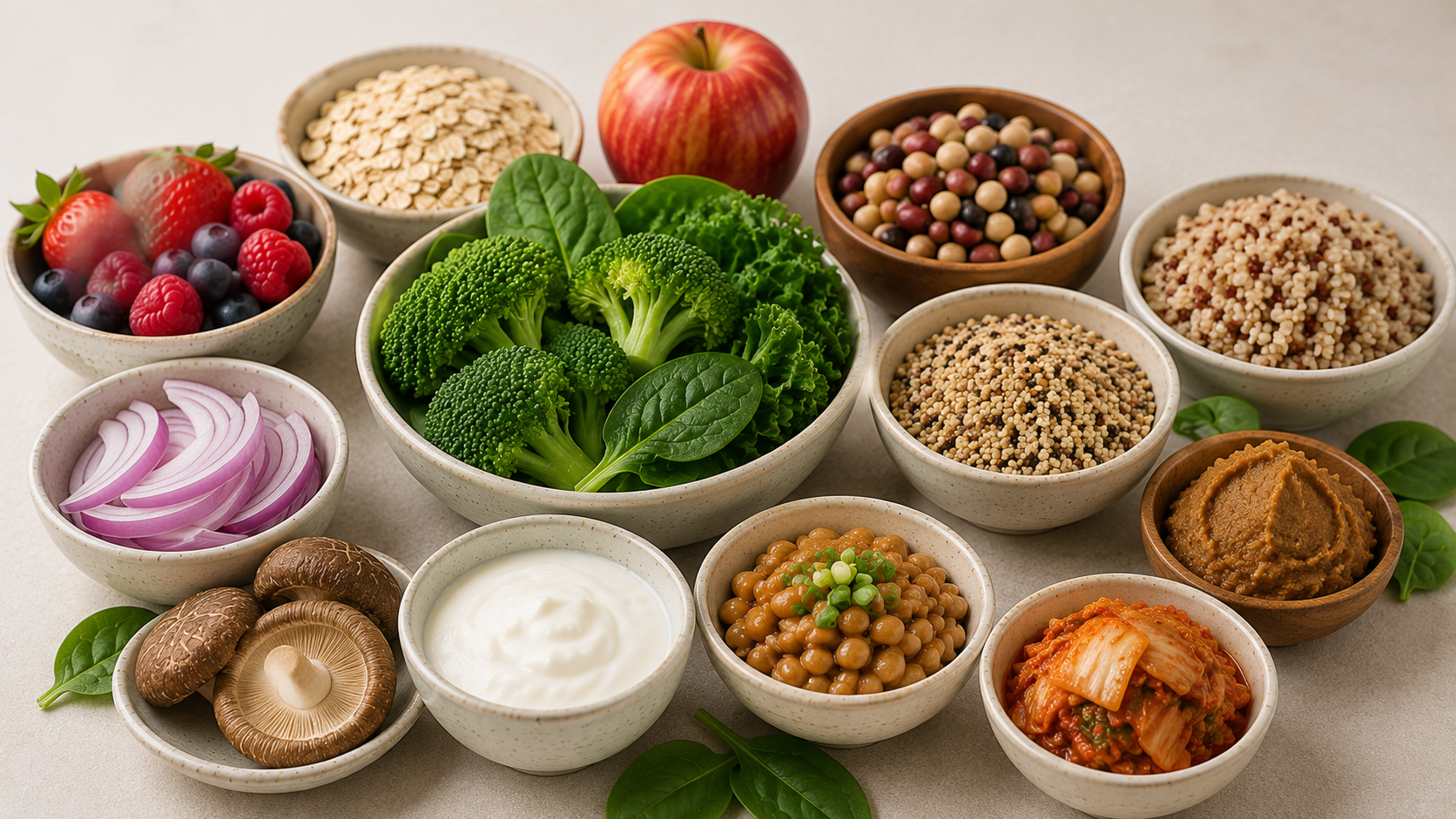
Fiber- and prebiotic-rich foods include oats, brown rice, whole grains, adzuki beans, mung beans, black beans, chickpeas, lentils, edamame, apples, berries, kiwi, onions, garlic, leeks, asparagus, mushrooms, seaweed, broccoli, spinach, and leafy greens.
Fermented options include plain yogurt, kefir, natto, miso, tempeh, lower-sodium kimchi or sauerkraut, and lower-sugar kombucha.
If you already know dairy worsens your acne, do not force yourself to eat large amounts of yogurt for the probiotics. Use nondairy fermented foods such as natto, tempeh, miso, or lower-sodium fermented vegetables instead.
A Practical Way to Eat
Chinese dietary guidance recommends about 300–500 g of vegetables daily, with dark-colored vegetables making up about half, and 200–350 g of fresh fruit; juice does not replace whole fruit. WHO also recommends at least 25 g/day of naturally occurring dietary fiber for people aged 10 and older.
For example, have oats with plain yogurt or unsweetened soy milk at breakfast; mixed-grain rice with dark vegetables and tofu or fish at lunch; and add mushrooms, seaweed, and legumes at dinner, with a small portion of lower-sodium fermented vegetables.
Safety Note
More fermented food is not always better. Kimchi, pickles, and miso can be high in sodium, and yogurt is best chosen unsweetened or low in added sugar. People with sensitive digestion or weakened immunity should avoid suddenly eating large amounts.
5. Zinc: Most Studied for Inflammatory Acne, but Food Still Comes First
Beyond steadier blood sugar, monitoring dairy, keeping better fat sources, and supporting the gut microbiome, zinc is another nutrient worth paying attention to.
Zinc supports immune regulation, skin-barrier repair, tissue healing, and inflammatory control and may also influence sebaceous-gland activity. In acne, research has focused especially on inflammatory lesions such as red papules and pustules.
A 2020 systematic review and meta-analysis found that people with acne had lower serum zinc levels overall than healthy controls. In studies using zinc treatment, inflammatory papules decreased more clearly. The authors concluded that zinc may be considered as a stand-alone or adjunct treatment, particularly for inflammatory papules.
That does not mean everyone with acne should start zinc tablets. If your usual diet is low in zinc or lacks meat, seafood, eggs, legumes, nuts, and seeds, it is more sensible to improve food sources first.
Foods to Include
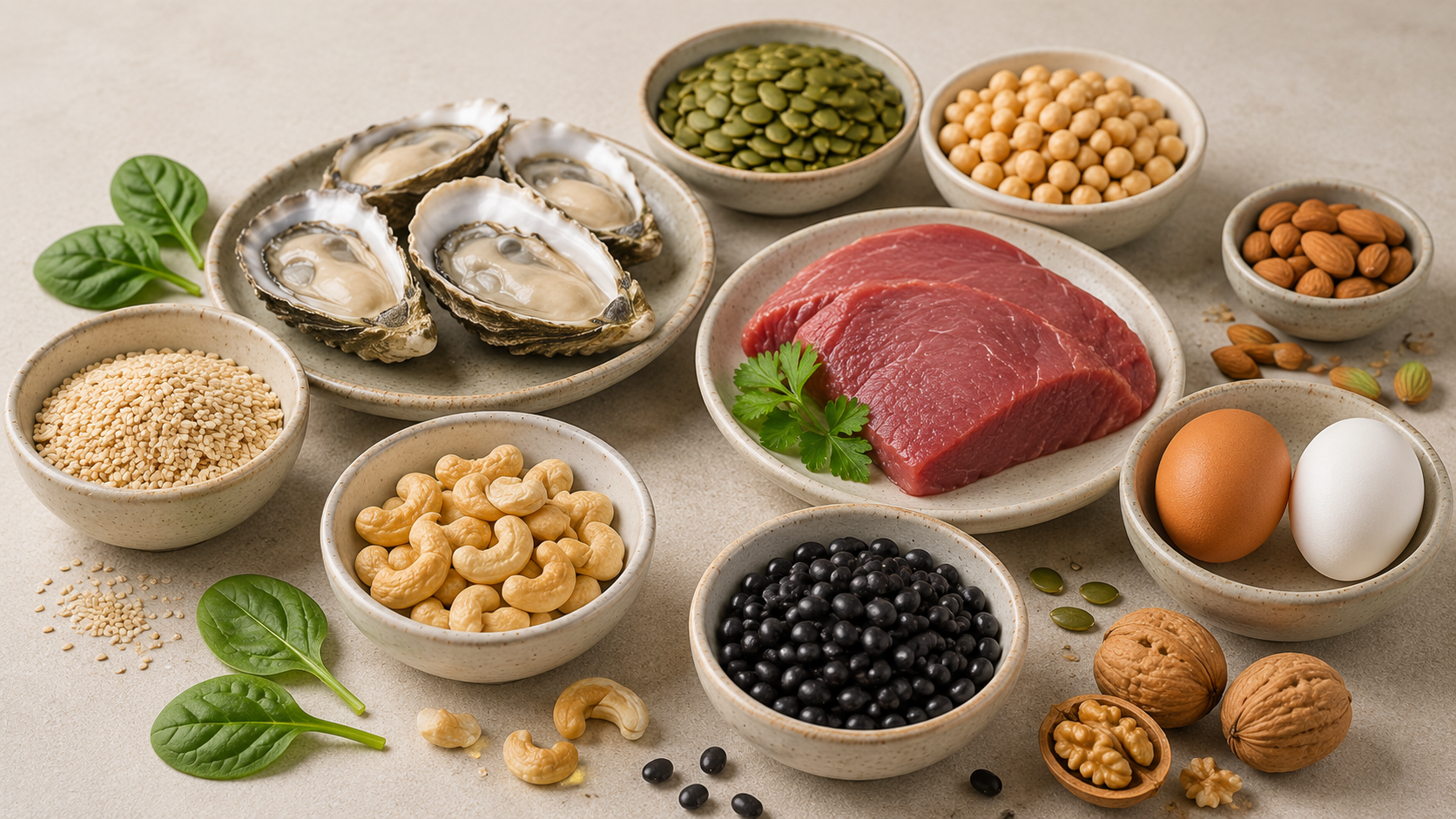
Oysters, shellfish, shrimp, fish, beef, lean pork, eggs, chicken, pumpkin seeds, sesame, peanuts, cashews, soybeans, black beans, chickpeas, tofu, oats, and whole-grain foods.
Zinc from animal foods such as oysters, shellfish, lean meat, fish, shrimp, and eggs is generally absorbed more efficiently. Legumes, whole grains, nuts, and seeds also contain zinc, but phytate can reduce absorption, which is another reason to eat a varied diet.
A Practical Way to Eat
Think of zinc as a basic mineral for skin repair and immune function rather than something you need to calculate every day.
Include fish, shellfish, or lean meat several times a week; make eggs, tofu, legumes, fish, shrimp, or poultry regular protein sources; add oats, whole grains, and legumes instead of relying only on white rice and refined flour; and use a small handful of pumpkin seeds, sesame, peanuts, or cashews as snacks.
Vegetarians, people who chronically restrict food, those with low protein intake, and people who rarely eat seafood, meat, or eggs should pay more attention to zinc-rich foods.
Safety Note
Prioritize food sources of zinc. Avoid long-term high-dose zinc supplements unless advised. If you take medication or have gastrointestinal, liver, or kidney disease, ask a clinician before supplementing.
6. Vitamin D: Correct Deficiency Rather Than Supplementing Blindly
Vitamin D is involved in immune regulation, inflammatory responses, the skin barrier, and inflammatory signaling in sebocytes. In acne, current research more strongly suggests that deficiency may be associated with severity than that vitamin D directly treats acne in everyone.
A 2016 study included 80 people with acne and 80 healthy controls. Vitamin D deficiency was more common in the acne group: 48.8% versus 22.5% in controls. Serum 25(OH)D was also inversely associated with acne severity and inflammatory lesions.
This suggests that correcting vitamin D insufficiency may be useful for people who are actually low, particularly when inflammatory acne is present.
Food and Other Sources
Vitamin D is unusual because, unlike vitamin C, it is difficult to obtain reliably from ordinary fruits and vegetables. An important source is synthesis in the skin after UVB exposure, while naturally vitamin D–rich foods are relatively limited.
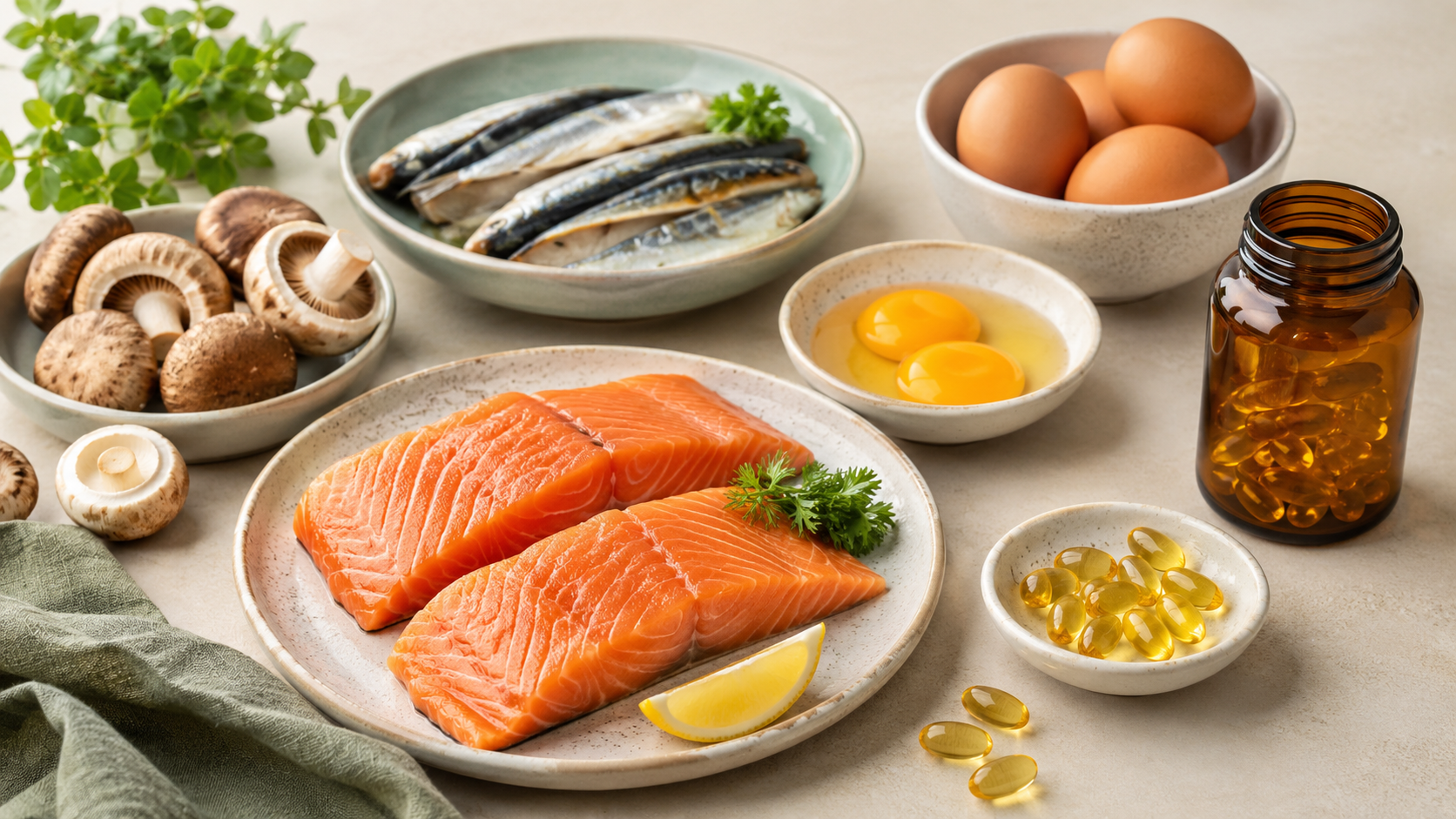
Natural food sources include salmon, sardines, mackerel, trout, cod-liver oil, egg yolks, liver, and some UV-exposed mushrooms. These foods contain vitamin D, but many people still find it difficult to get enough consistently from food alone.
A more realistic approach is to prioritize vitamin D–rich foods and fortified foods such as fortified plant milks or cereals; if deficiency is a concern, consider testing and clinician-guided supplementation.
For people with acne, however, intentional sun exposure is not a good strategy if they are trying to prevent post-inflammatory darkening and are already diligent about sun protection. If they also eat little fatty fish, egg yolk, or fortified food, low vitamin D intake becomes more plausible.
If sun exposure and dietary intake are both low, a low-dose vitamin D supplement can be considered with guidance from a clinician or dietitian. Common maintenance doses for adults are around 400–800 IU/day, but the appropriate dose depends on age, diet, sun exposure, skin tone, body size, and whether deficiency is already present.
Safety Note
Do not take high-dose vitamin D on your own. Chronic excess can cause hypercalcemia, kidney stones, or kidney injury. People with kidney disease, hypercalcemia, or parathyroid disorders should seek medical advice before supplementing.
7. Stress and Sleep Loss: Not Direct Causes, but They Can Make Acne Harder to Stabilize
Beyond diet, chronic stress, late nights, and poor sleep can also affect acne in some people.
Many people notice the same pattern: more red, inflamed breakouts during exam weeks, major deadlines, repeated late nights, or periods of emotional stress, followed by gradual improvement when sleep and stress settle. That is not necessarily just psychological.
Stress activates the body’s stress-response system, including the hypothalamic–pituitary–adrenal (HPA) axis. Signals such as CRH and cortisol may affect sebaceous-gland activity and make sebum production, follicular blockage, and inflammation easier to aggravate. Sebaceous glands themselves have CRH-related receptors, so chronic stress may influence acne through neuroendocrine–skin pathways.
Sleep matters too. Studies in adults with acne using the Global Acne Grading System (GAGS), the Pittsburgh Sleep Quality Index (PSQI), and sleep diaries suggest an association between poorer sleep quality and acne severity. Reviews also describe a potentially bidirectional relationship: acne can disturb mood and sleep, while insufficient sleep may worsen acne through hormonal changes, inflammation, and immune dysregulation.

A Practical Way to Adjust
Try to keep sleep and wake times consistent rather than staying up late on weekdays and “catching up” dramatically on weekends. Reduce short-video scrolling and work messages during the hour before bed. Limit coffee, strong tea, and energy drinks later in the day. Avoid very heavy, spicy, or oily late meals if they interfere with sleep.
When stress is high, use walking, stretching, a written to-do list, slow breathing, or meditation instead of repeatedly picking at acne or checking the mirror. If acne is severe, avoid constantly switching skin-care products out of anxiety, which can further irritate the skin.
Safety Note
Stress and sleep loss can influence acne, but they do not explain every breakout. Seek medical care for cysts, significant pain, scarring, menstrual irregularity, or excess hair growth.
What to Cut Back on First When You Have Acne
Many people blame acne on spicy food, but current evidence more consistently points to high-glycemic-load diets, milk intake in some people, and chronic high-sugar/high-fat eating patterns.
Prioritize reducing:
Sugary drinks, milk tea, juice, sweet coffee, cake, cookies, sweet bread, excessive refined rice or flour-based staples, fried foods, fries, fried chicken, repeated large amounts of milk, oily takeout, and high-sugar/high-fat snacks.
This does not mean you can never eat them. The goal is to keep them from becoming the foundation of the daily diet.
Whey protein does not need to be reduced by everyone. Consider adjusting it only if you repeatedly observe worsening acne after using it; track the pattern and keep protein and calcium intake adequate if you change your diet.
If spicy food clearly makes your face redder, oilier, or more painful, reducing it is reasonable. But for many people, higher priorities are high-sugar, high-fat, high-glycemic eating patterns, chronic sleep loss, and excess stress.
A Simple Day of Eating for Acne-Prone Skin
Breakfast
Choose oats, eggs, unsweetened soy milk or plain yogurt, plus a piece of fruit.
For example: oatmeal + eggs + unsweetened soy milk + blueberries or kiwi.
This combination provides lower-glycemic carbohydrate, high-quality protein, fiber, and several micronutrients. If you tolerate dairy, plain yogurt is an option; if dairy seems to trigger acne, use unsweetened soy milk or a vitamin D–fortified unsweetened plant milk instead.
Lunch
Choose mixed grains, dark green vegetables, and fish, shrimp, or tofu.
For example: brown rice + broccoli or spinach + salmon, shrimp, or tofu + a small portion of mushrooms.
This combination is friendlier to post-meal glucose and provides protein, fiber, zinc, healthy fats, and some vitamin D.
Afternoon Snack
If hungry, choose fruit, nuts, plain yogurt, or a small amount of lower-sugar fermented food. Drinks can include unsweetened green tea, light oolong tea, or light black tea.
Avoid repeatedly using milk tea, sweet coffee, cake, cookies, or chocolate desserts as snacks. The bigger issue is usually not one bite of chocolate but a chronic high-sugar, high-fat, high-glycemic eating pattern.
Dinner
Choose mixed-bean rice, vegetables, tofu, eggs, fish, shrimp, or poultry.
For example: adzuki-brown-rice mix + leafy greens, red cabbage, or mushrooms + steamed egg with tofu.
You can add a small serving of lower-sodium fermented vegetables or miso soup, but keep sodium in mind. At night, avoid very oily or sugary meals and do not use late-night fried food or sweet drinks to compensate for poorly balanced meals earlier in the day.
A Simpler “Acne-Friendly” Formula
If you do not want to calculate nutrients every day, remember this pattern:
Less-refined staple + enough protein + a large serving of vegetables + fewer fried, high-sugar/high-fat foods + moderate healthy fats + a little fermented food + a zinc-rich food + attention to vitamin D status + better sleep when possible.
For example:
This pattern helps keep glucose steadier, improves protein and fiber intake, supports the gut microbiome, makes it easier to cover zinc, healthy fats, and vitamin D, and also addresses skin fluctuations linked with sleep loss and stress.
- Brown rice / oats / whole grains / legumes;
- Eggs / fish / shrimp / tofu / chicken / lean meat;
- Broccoli / spinach / leafy greens / mushrooms / bell peppers;
- Less fried chicken / fries / cream cake / oily takeout;
- Moderate fish / nuts / seeds / plant oils;
- Plain yogurt / natto / miso / tempeh / lower-sodium fermented vegetables;
- Oysters / shellfish / pumpkin seeds / sesame / legumes;
- Fatty fish / egg yolks / vitamin D–fortified foods;
- Consistent sleep schedule / fewer late nights / less chronic stress.
Bottom Line
For acne-prone skin, the goal is not one “acne-clearing” food or indiscriminate restriction. Reduce high-sugar, high-glycemic, fried, high-fat foods and foods you clearly do not tolerate, while keeping moderate healthy fats and covering the basic nutrition needed for skin repair, inflammatory balance, the gut microbiome, and immune regulation.
Foods worth increasing first include:
Oats, brown rice, whole grains, legumes, dark green vegetables, colorful fruit and vegetables, fish, eggs, tofu, beans, nuts and seeds, moderate amounts of low-sugar/lower-sodium fermented foods, and zinc-rich foods such as oysters, shellfish, pumpkin seeds, and sesame.
If you get little sun, rarely eat fish or eggs, or have already tested low in vitamin D, correcting vitamin D intake or deficiency is also worth considering.
Beyond diet, pay attention to stress and sleep. Repeated late nights, high stress, and poor sleep can make acne more likely to flare and slower to settle.
If you remember only one thing:
Instead of worrying about one spicy meal, first cut back sugary drinks, choose less-refined staples, watch your response to milk and whey, reduce fried and high-fat foods while keeping healthy fats, support the gut microbiome, cover zinc and vitamin D needs, and work on sleep and stress.
Health Information Note
This article is for health education and everyday dietary reference. It does not diagnose or treat disease and does not replace individualized advice from a dermatologist or registered dietitian.
Seek dermatologic care for nodulocystic acne, significant pain, recurrent scarring, menstrual irregularity, excess hair growth, sudden severe breakouts, or if you are using isotretinoin, antibiotics, or hormonal medication.
For supplements such as zinc, vitamin D, and fish oil, avoid long-term high-dose self-supplementation. Use diet, lifestyle, and testing where appropriate to determine whether you are actually low.
References
- American Academy of Dermatology. Can the right diet get rid of acne? https://www.aad.org/public/diseases/acne/causes/diet/
- Reynolds RV, et al. Guidelines of care for the management of acne vulgaris. J Am Acad Dermatol. 2024. https://pubmed.ncbi.nlm.nih.gov/38300170/
- Chinese Guidelines for the Treatment of Acne (2019 revision). https://doi.org/10.16761/j.cnki.1000-4963.2019.09.020
- Smith RN, et al. A low-glycemic-load diet improves symptoms in acne vulgaris patients: a randomized controlled trial. Am J Clin Nutr. 2007. https://pubmed.ncbi.nlm.nih.gov/17616769/
- Meixiong J, et al. Diet and acne: A systematic review. JAAD International. 2022. https://pubmed.ncbi.nlm.nih.gov/35373155/
- Juhl CR, et al. Dairy Intake and Acne Vulgaris: A Systematic Review and Meta-Analysis of 78,529 Children, Adolescents, and Young Adults. Nutrients. 2018. https://pubmed.ncbi.nlm.nih.gov/30096883/
- Aghasi M, et al. Dairy intake and acne development: A meta-analysis of observational studies. Clin Nutr. 2019. https://pubmed.ncbi.nlm.nih.gov/29778512/
- Muhaidat J, et al. The Effect of Whey Protein Supplements on Acne Vulgaris among Male Adolescents and Young Adults: A Case-Control Study from North of Jordan. 2024. Observational association does not establish causation; compare the randomized evidence in reference 19. https://pubmed.ncbi.nlm.nih.gov/38633058/
- Eguren C, et al. A Randomized Clinical Trial to Evaluate the Efficacy of an Oral Probiotic in Acne Vulgaris. Acta Derm Venereol. 2024. https://pubmed.ncbi.nlm.nih.gov/38751177/
- Yee BE, et al. Serum zinc levels and efficacy of zinc treatment in acne vulgaris: A systematic review and meta-analysis. Dermatol Ther. 2020. https://pubmed.ncbi.nlm.nih.gov/32860489/
- Zou P, et al. Trace element zinc and skin disorders. Front Med. 2023. https://pubmed.ncbi.nlm.nih.gov/36733937/
- Lim SK, et al. Comparison of Vitamin D Levels in Patients with and without Acne: A Case-Control Study Combined with a Randomized Controlled Trial. PLOS ONE. 2016. https://pubmed.ncbi.nlm.nih.gov/27560161/
- NIH Office of Dietary Supplements. Omega-3 Fatty Acids - Health Professional Fact Sheet. https://ods.od.nih.gov/factsheets/Omega3FattyAcids-HealthProfessional/
- NIH Office of Dietary Supplements. Zinc - Health Professional Fact Sheet. https://ods.od.nih.gov/factsheets/Zinc-HealthProfessional/
- NIH Office of Dietary Supplements. Copper - Health Professional Fact Sheet. https://ods.od.nih.gov/factsheets/Copper-HealthProfessional/
- NIH Office of Dietary Supplements. Vitamin D - Health Professional Fact Sheet. https://ods.od.nih.gov/factsheets/VitaminD-HealthProfessional/
- Chinese Nutrition Society. Dietary Guidelines for Chinese Residents (2022): Eight Principles for a Balanced Diet. https://wjw.fj.gov.cn/ztzl/jkjy/jkzgxd/202206/t20220615_5930367.htm
- World Health Organization. Carbohydrate intake for adults and children: WHO guideline. 2023. https://www.who.int/publications/i/item/9789240073593
- Sompochpruetikul K, et al. Whey protein and male acne: A double-blind, randomized controlled trial. J Dermatol. 2024. This small six-month trial did not show worse acne with whey than its comparator; it does not establish safety for every user. https://pubmed.ncbi.nlm.nih.gov/38291989/
Dietary advice should be individualized. If you have nodulocystic acne, significant pain, recurrent scarring, sudden severe breakouts, a chronic disease, are pregnant, or take medication, consult a qualified health professional first.