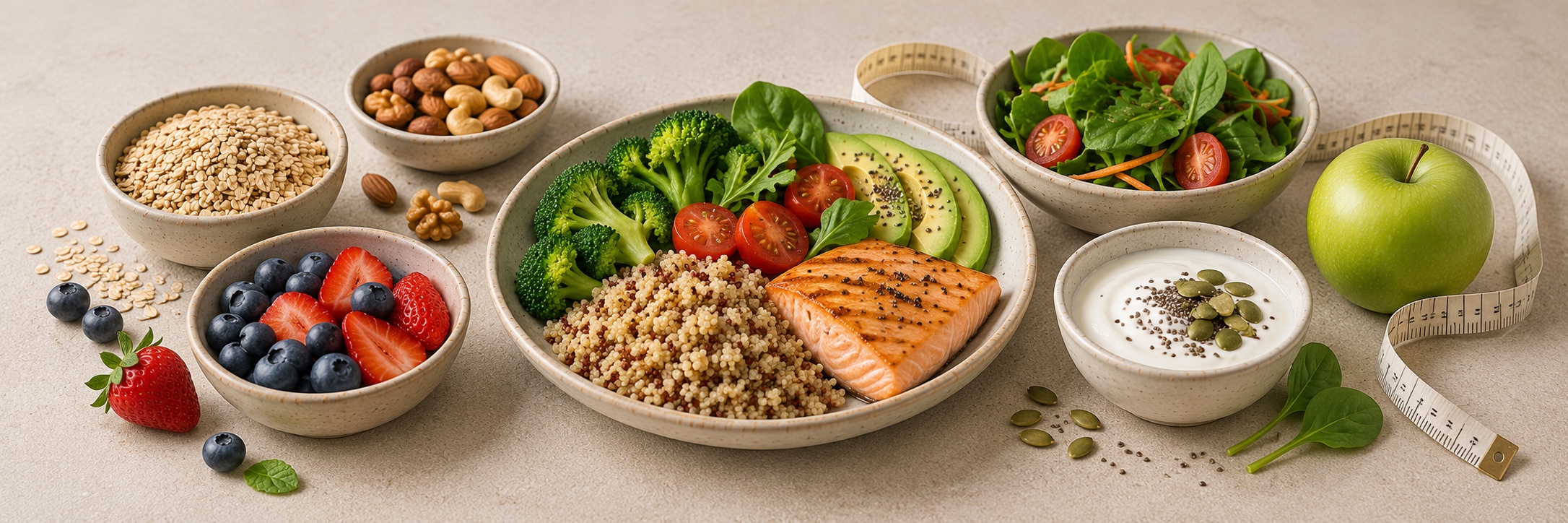
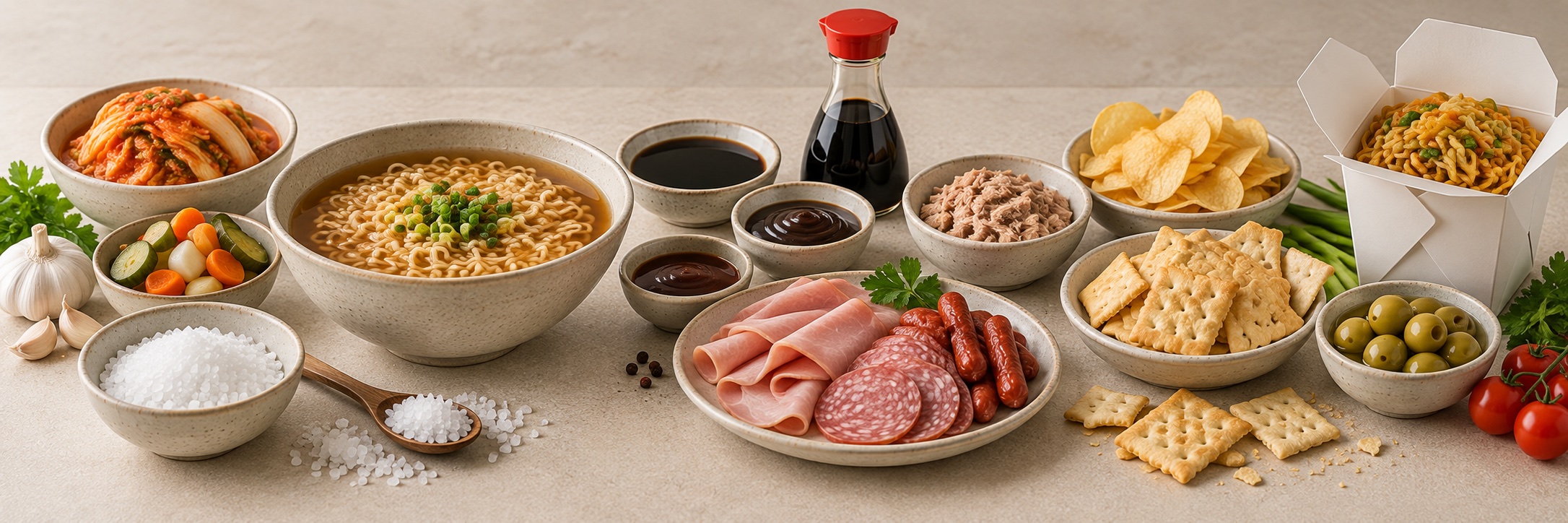
Have you noticed that some people do not look very overweight, yet their waist keeps getting larger—their waistband feels tighter, body weight barely changes, but the abdomen becomes more prominent?
When people think about losing belly fat, the first reaction is often:
“Should I do more crunches, planks, or belly-fat workouts?”
But visceral fat does not disappear because of one “belly exercise.”
Visceral fat sits deep inside the abdomen around organs such as the liver and intestines. Unlike ordinary subcutaneous fat, it is more metabolically active and is linked with inflammation, insulin resistance, abnormal blood lipids, and fatty liver. A 2024 review of visceral adipose tissue pathophysiology noted that intra-abdominal fat accumulation raises cardiometabolic risk, while classic reviews have described visceral fat as a metabolically active fat depot associated with multiple chronic diseases.
So if you want less visceral fat, do not ask only:
“Which exercise burns belly fat?”
A more useful question is:
“Do I regularly drink sugary drinks or alcohol? Eat too many ultra-processed foods? Get enough protein and fiber? Exercise consistently, sleep enough, sit less, and manage stress eating?”
Key Takeaways
To reduce visceral fat, prioritize these 7 things:
- Track changes in waist circumference. A normal body weight does not rule out abdominal obesity, and waist size can reflect abdominal-fat risk better than weight alone.
- Cut back on sugary drinks and juice drinks, especially milk tea, sweet coffee, soda, and other forms of “liquid sugar.”
- Reduce alcohol, especially frequent drinking, large amounts at one time, and drinking alongside high-calorie snacks.
- Eat fewer ultra-processed foods, trans fats, and fried foods so excess calories do not creep up unnoticed.
- Eat more fiber, high-quality protein, and lower-GI staples to improve satiety and support steadier glucose.
- Exercise regularly: cardio + strength training. Do not rely on ab exercises alone.
- Get enough sleep and manage stress to reduce late nights, stress eating, and long periods of high strain.
You can think of the basics in three layers:
Diet foundation: fewer sugary drinks, less alcohol, fewer ultra-processed foods, enough protein and fiber.
Exercise foundation: aerobic activity, strength training, and less sitting.
Recovery foundation: sleep, stress management, and consistency.
In simple terms:
Reducing visceral fat is not about spot-reducing the belly. It is about reducing long-term energy excess, glucose swings, and alcohol burden while moving more and sleeping better.
1. Start With Waist Circumference: Normal Weight Can Still Hide Excess Abdominal Fat

Many people trying to lose fat focus only on body weight, but visceral fat is better tracked alongside waist circumference.
Some people are not especially heavy yet have a clearly enlarged waist, suggesting more fat is concentrated around the abdomen. A larger waist generally signals greater concern about abdominal fat and metabolic risk. A 2020 review in Nature Reviews Endocrinology also argued that waist circumference should be used in clinical assessment of obesity-related health risk because it adds information about fat distribution that BMI misses.
For Asian populations, waist cutoffs for abdominal obesity are often lower. Singapore’s HealthHub notes that risk rises at waist circumferences above 80 cm for Asian women and 90 cm for Asian men.
Waist circumference is not a direct measurement of visceral fat. CT, MRI, or DXA is needed for more precise assessment. But for everyday self-monitoring, waist size is one of the simplest and most practical markers.
What to Do
Measure your waist at a consistent time every 2–4 weeks, ideally in the morning before eating and after a natural exhale.
Do not measure repeatedly every day, and do not panic over one day of bloating, constipation, or fluid retention.
It is more useful to track several things together:
Waist circumference, body weight, energy and mood, exercise performance, sleep quality, and how stable your eating habits are.
If your waist is gradually shrinking even when weight changes little, abdominal fat and overall metabolic health may still be improving.
In one sentence:
If your goal is less visceral fat, do not watch the scale alone—waist trend is worth tracking over time.
2. Cut Sugary Drinks and Juice Drinks: Liquid Sugar Is Easy to Overconsume
If you change only one eating habit, reducing sugary drinks is a strong place to start.
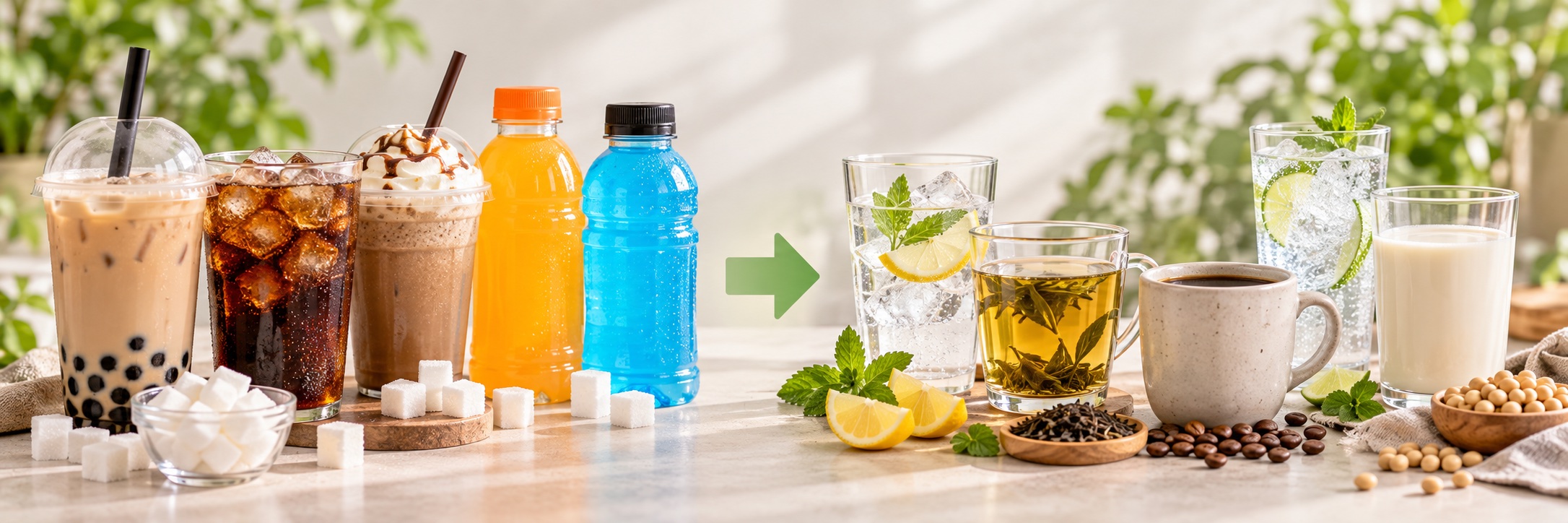
Milk tea, sweet coffee, soda, juice drinks, sports drinks, and sweetened tea may feel like “just one drink,” but they can add a large amount of sugar and calories quickly while providing little fullness.
Fructose is one reason liquid sugar gets attention. This does not mean fruit is off-limits—the key is to distinguish:
Whole fruit ≠ fruit juice ≠ juice drinks ≠ sugar-sweetened beverages.
Whole fruit includes water, fiber, and chewing, which usually makes it harder to consume a large amount quickly. A glass of juice or milk tea can deliver a lot of sugar in a few minutes with much less satiety.
A 2009 randomized study in Journal of Clinical Investigation found that adults with overweight or obesity who consumed fructose-sweetened beverages developed more visceral fat, worse lipid measures, and lower insulin sensitivity; an equal-energy glucose-sweetened beverage did not produce the same increase in visceral fat.
The practical target is not naturally occurring sugar in whole fruit, but sugar you drink, especially when it is frequent and easy to consume quickly.
What to Do
Start by switching everyday drinks to:
Water, unsweetened tea, black coffee, unsweetened sparkling water, unsweetened soy milk, or plain unsweetened yogurt.
If giving up milk tea feels unrealistic at first, use three steps:
Go from full sugar to half sugar, then one-third sugar, then reduce how often you buy it.
Do not treat juice as an everyday health drink. Even fresh juice removes much of the chewing experience and can reduce fiber, making it easier to consume a large amount.
When you want fruit, choose whole fruit—such as apples, oranges, kiwi, berries, or guava—rather than a large glass of juice every day.
In one sentence:
To reduce visceral fat, stop drinking so much sugar. Whole fruit can stay; sugary drinks and juice drinks should come down.
3. Drink Less Alcohol: It Adds Calories and Can Increase Appetite

A growing belly is not always about eating huge meals; alcohol intake is easy to underestimate.
Alcohol itself provides energy—about 7 kcal per gram. It also commonly brings three extra problems:
More calories, more appetite, and worse sleep.
Drinking often comes with barbecue, fried foods, peanuts, chips, hot pot, or late-night eating, so total energy intake can climb quickly.
A 2026 Oxford Biobank study in International Journal of Obesity used DXA to assess fat distribution and found that higher alcohol intake was associated with greater visceral-fat mass. The study suggests that heavier drinking may be linked with more “hidden fat.”
This kind of study mainly shows an association, not that any amount of alcohol automatically causes visceral-fat gain. Still, if your goals are a smaller waist, lower fatty-liver risk, and better metabolic health, alcohol is worth reducing.
What to Do
Do not let “I only drink a little” hide a high drinking frequency.
Start with a few practical changes:
Drink on fewer days each week; avoid drinking on an empty stomach; stop pairing alcohol automatically with fried or grilled food; and do not save a week’s alcohol for one heavy session.
If you already have fatty liver, high uric acid, abnormal lipids, abnormal glucose, or poor sleep, stricter alcohol reduction makes even more sense.
In one sentence:
Alcohol is not a minor detail when reducing visceral fat; drinking less often matters more than adding a few extra sets of crunches.
4. Eat Fewer Ultra-Processed Foods, Trans Fats, and Fried Foods
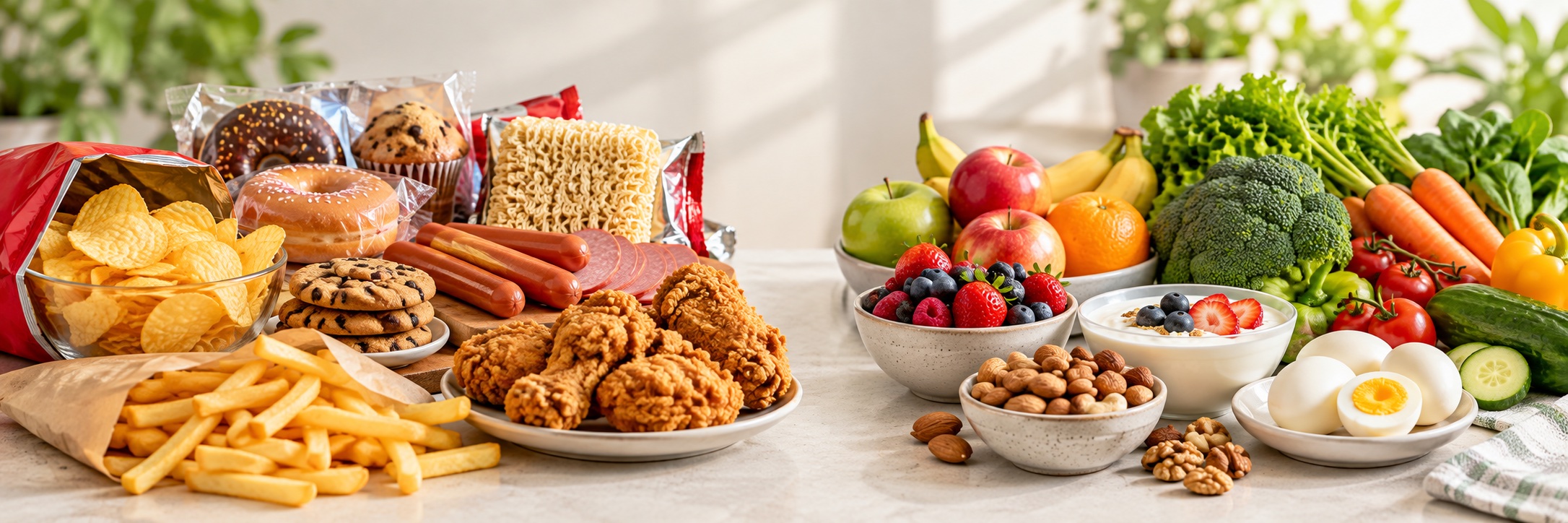
For many people, excess calories come less from main meals than from snacks, pastries, takeout, and packaged foods.
Ultra-processed foods often share several features:
High energy density, little protein, little fiber, intense palatability, fast eating, and difficulty stopping.
Examples include chips, cookies, cake, cream-filled bread, instant noodles, processed sausages, fried chicken, sweetened breakfast cereals, sweetened yogurt, puffed snacks, and frozen fried foods.
A representative 2019 inpatient randomized crossover study in Cell Metabolism compared ultra-processed and unprocessed diets that were designed to be similar in calories, sugar, fat, sodium, and fiber when offered. People spontaneously ate about 500 kcal more per day on the ultra-processed diet and gained weight.
Trans fats are also worth minimizing. Direct human evidence linking trans fat specifically with visceral fat is weaker than the evidence for sugary drinks or exercise, but controlled animal-feeding studies have found that long-term trans-fat intake can promote intra-abdominal fat accumulation and insulin resistance.
How to Eat
When buying packaged foods, check two things:
The ingredient list and the Nutrition Facts panel.
If the ingredient list often includes:
Partially hydrogenated oils, shortening, margarine, non-dairy creamer, cocoa-butter substitutes, or coffee creamer,
do not make that product a frequent long-term staple.
Takeout deserves attention too. Foods that do not taste sweet can still contain a lot of oil, salt, and sauce—such as fried chicken rice, barbecue rice bowls, spicy stir-fry pots, creamy pasta, or heavily oiled fried noodles.
A more useful everyday pattern for reducing visceral fat is:
A little less rice, enough protein, more vegetables, and less frying, heavy sauce, and cream.
In one sentence:
Reducing visceral fat is not just about eating less food—it is also about eating fewer foods that make it easy to overshoot calories without noticing.
5. Fiber + High-Quality Protein + Lower-GI Staples: Make Hunger and Glucose More Stable
Many fat-loss attempts fail not because of a complete lack of willpower, but because the diet leaves people hungry.
For example, white rice porridge with pickles for breakfast, a bowl of noodles for lunch, milk tea in the afternoon, then intense hunger at night provides too little protein and fiber and often leads to larger glucose swings.
Reducing visceral fat does not require a complicated diet, but it does require a stable one.
High-quality protein improves satiety and helps preserve muscle. Fiber can slow gastric emptying, support steadier glucose, and benefit the gut microbiome. Lower-GI staples raise glucose more slowly and can be useful for people managing waist size and post-meal glucose fluctuations.
A 2024 randomized study in Scientific Reports found that after 12 weeks of a low-salt, high-fiber, low-GI dietary intervention, people with obesity or type 2 diabetes had reductions in visceral-fat area and liver fat.
A Mediterranean-style pattern is also useful to consider. The 2022 DIRECT PLUS randomized controlled trial in BMC Medicine found that a “green Mediterranean diet” richer in plant polyphenols and plant protein and lower in red and processed meat produced a greater reduction in visceral fat over 18 months.
How to Eat
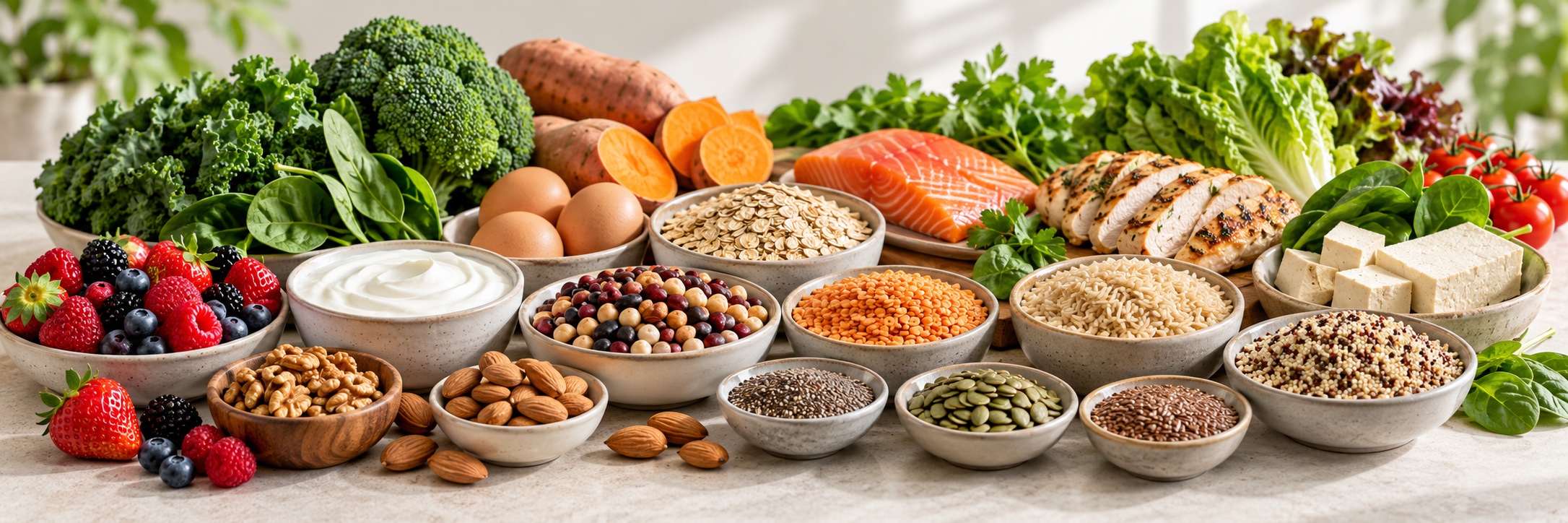
You do not need to copy a Western menu. Build the same principles into foods you already eat:
Staples:
Mixed-grain rice, oats, corn, sweet potato, potato, Chinese yam, whole-wheat noodles, buckwheat noodles, and bean-and-rice mixtures.
Protein:
Fish and shellfish, eggs, chicken breast, lean beef, tofu, soy milk, and plain yogurt.
Vegetables:
Dark green leafy vegetables, mushrooms, tomatoes, broccoli, asparagus, red cabbage, kelp, and carrots.
Unsaturated fats:
Nuts, avocado, olive oil, flaxseed, chia seeds, and fatty fish.
A simple plate can be:
Half vegetables, one-quarter high-quality protein, one-quarter staple food, plus a small amount of unsaturated fat.
In one sentence:
Reducing visceral fat does not mean eliminating carbohydrates. It means choosing less-refined staples, enough protein, more vegetables, and a steadier glucose response.
6. Exercise Regularly: Cardio + Strength Matters More Than Crunches

Many people who want a flatter stomach immediately start training their abs.
But crunches, planks, and sit-ups mainly train abdominal muscles; they do not selectively burn visceral fat. Visceral-fat loss comes more from whole-body energy expenditure, improved insulin sensitivity, and greater fat mobilization.
A 2024 systematic review and network meta-analysis in Obesity Reviews found that aerobic exercise, resistance training, combined aerobic and resistance training, and HIIT all reduced visceral fat in people with overweight or obesity. Higher-intensity aerobic exercise and HIIT showed larger effects in some comparisons.
That does not mean everyone should start with high-intensity exercise. A sustainable plan should match your current fitness, establish consistency first, and increase intensity gradually.
What to Do
If you are mostly inactive, start with brisk walking:
4–5 times per week, 30–45 minutes each time.
If your fitness allows, add:
Cycling, swimming, hill walking, elliptical training, jogging, or aerobic dance.
For strength training 2–3 times per week, consider:
Squats, glute bridges, deadlifts, push-ups, rows, overhead presses, resistance bands, and dumbbell exercises.
HIIT can be time-efficient, but it is not appropriate for everyone. People with higher body weight, knee pain, cardiovascular risk, or a long history of inactivity should not jump straight into high-impact intense intervals.
Reducing sitting time also matters. Walking 10–15 minutes after meals and standing up for a few minutes every 45–60 minutes is more sustainable than sitting all day and trying to compensate with one very hard evening workout.
In one sentence:
Do not train only your belly. Cardio raises energy expenditure, strength training helps preserve muscle, and sitting less improves total daily activity.
7. Sleep and Stress: Do Not Let Late Nights and Stress Drive Appetite

Many people understand what to do with diet and exercise but still struggle to stick with it.
One major reason is poor sleep and high stress.
When sleep is short, people tend to feel hungrier, crave high-sugar and high-fat foods, and have more difficulty controlling impulses. A 2022 randomized crossover study in Journal of the American College of Cardiology found that sleep restriction in healthy non-obese adults increased calorie intake and body weight; importantly, abdominal fat increased, including visceral fat. The authors considered this evidence supporting a causal link between short sleep and increased visceral abdominal fat.
Stress matters too, but it should not be simplified into “high cortisol automatically makes your belly bigger.”
Cortisol is an important stress hormone. Chronic stress can affect appetite, sleep, blood glucose, and fat distribution. A 2018 review on stress and obesity noted that higher cortisol may increase appetite and preference for “comfort foods,” promote redistribution of fat toward the abdomen, and alter fat-cell metabolism in ways that favor storage over use, potentially increasing abdominal-fat accumulation.
What to Do
Start with these sleep basics:
Keep sleep and wake times consistent; reduce phone use and bright light for an hour before bed; limit coffee and strong tea later in the day; and avoid very late, very large dinners.
Stress management can start with simple options:
Walking, stretching, slow breathing, meditation, writing a to-do list, and reducing work messages before bed.
If sweets, milk tea, alcohol, or late-night food are your usual stress relief, the goal is not simply to “use more willpower,” but to build another way to decompress.
In one sentence:
Sleep and stress management are not vague wellness extras—they strongly affect whether you can eat a little less, move a little more, and avoid sliding back into emotional eating.
A Sample Day for Reducing Visceral Fat
Breakfast
Choose:
Eggs + unsweetened soy milk or milk + oats or whole-grain bread + one serving of fruit.
If breakfast leaves you hungry, do not rely only on white rice porridge, steamed buns, or bread. Add protein such as eggs, yogurt, tofu, milk, or soy milk.
Lunch
Choose:
Mixed-grain rice + chicken, fish or shellfish, lean meat, or tofu + two servings of vegetables.
For takeout, ask for less oil and sauce, reduce the staple portion slightly, add an extra vegetable, and choose fewer fried or creamy dishes.
Afternoon Snack
Choose:
Plain yogurt, lower-sugar whole fruit, a small handful of nuts, a tea egg, or unsweetened soy milk.
Try not to use milk tea, sweet coffee, cookies, or cake as routine snacks.
Dinner
Choose:
Tomato-tofu soup, steamed fish, mushrooms with leafy greens, eggs, mixed-grain rice, or sweet potato.
Avoid very late, oversized, greasy dinners. If you tend to get hungry at night, do not undereat all day and then expect willpower to carry you through the evening.
Bottom Line
Reducing visceral fat does not depend on one exercise, one food, or one supplement.
What matters more is:
Drink fewer sugary beverages and less alcohol; eat fewer ultra-processed foods, trans fats, and fried foods; eat more fiber, high-quality protein, and lower-GI staples; keep up cardio and strength training; sleep enough; manage stress; and sit less.
Foods worth prioritizing include:
Eggs, fish and shellfish, chicken, lean meat, tofu, soy milk, plain yogurt, oats, mixed-grain rice, sweet potato, corn, legumes, dark green vegetables, mushrooms, berries, nuts, and olive oil.
Foods and habits worth reducing first include:
Milk tea, sweet coffee, soda, juice drinks, alcohol, fried chicken, barbecue, chips, cookies, cake, processed sausages, instant noodles, cream-filled bread, and routine late-night eating.
If you remember only one thing:
Visceral fat is not reduced by crunches. It comes down through less liquid sugar and alcohol, fewer ultra-processed foods, more protein and fiber, regular exercise, enough sleep, and a healthier long-term metabolic environment.
Health Note
This article is for health education and everyday reference only. It is not a diagnosis or treatment plan.
If you have fatty liver, diabetes, hypertension, dyslipidemia, gout, cardiovascular disease, kidney disease, or if you are pregnant, breastfeeding, or recovering from surgery, do not begin extreme dieting, very high-intensity exercise, or long-term fat-loss supplements on your own.
If your waist increases rapidly or you also develop marked fatigue, swelling, menstrual changes, abnormal glucose, abnormal blood pressure, or abnormal liver tests, seek medical evaluation for possible endocrine, liver, or metabolic causes.
References
- Shuster A, et al. The clinical importance of visceral adiposity: a critical review of methods for visceral adipose tissue analysis. British Journal of Radiology, 2012. Source
- Ross R, et al. Waist circumference as a vital sign in clinical practice. Nature Reviews Endocrinology, 2020. Source
- Stanhope KL, et al. Consuming fructose-sweetened, not glucose-sweetened, beverages increases visceral adiposity and lipids and decreases insulin sensitivity in overweight/obese humans. Journal of Clinical Investigation, 2009. Source
- Chesters J, et al. Greater visceral fat mass accumulation with high alcohol consumption. International Journal of Obesity, 2026. Source
- Hall KD, et al. Ultra-Processed Diets Cause Excess Calorie Intake and Weight Gain. Cell Metabolism, 2019. Source
- Kavanagh K, et al. Trans fat diet induces abdominal obesity and changes in insulin sensitivity in monkeys. Obesity, 2007. Source
- Krittayaphong R, et al. Impact of diet intervention on visceral adipose tissue and hepatic fat in obese and type 2 diabetes subjects. Scientific Reports, 2024. Source
- Zelicha H, et al. The effect of high-polyphenol Mediterranean diet on visceral adiposity: the DIRECT PLUS randomized controlled trial. BMC Medicine, 2022. Source
- Chen X, et al. Effects of various exercise types on visceral adipose tissue in individuals with overweight and obesity: a systematic review and network meta-analysis. Obesity Reviews, 2024. Source
- Covassin N, et al. Effects of Experimental Sleep Restriction on Energy Intake, Energy Expenditure, and Visceral Obesity. Journal of the American College of Cardiology, 2022. Source
- van der Valk ES, et al. Stress and Obesity: Are There More Susceptible Individuals? Current Obesity Reports, 2018. Source
- Daubenmier J, et al. Mindfulness Intervention for Stress Eating to Reduce Cortisol and Abdominal Fat among Overweight and Obese Women: An Exploratory Randomized Controlled Study. Journal of Obesity, 2011. Source