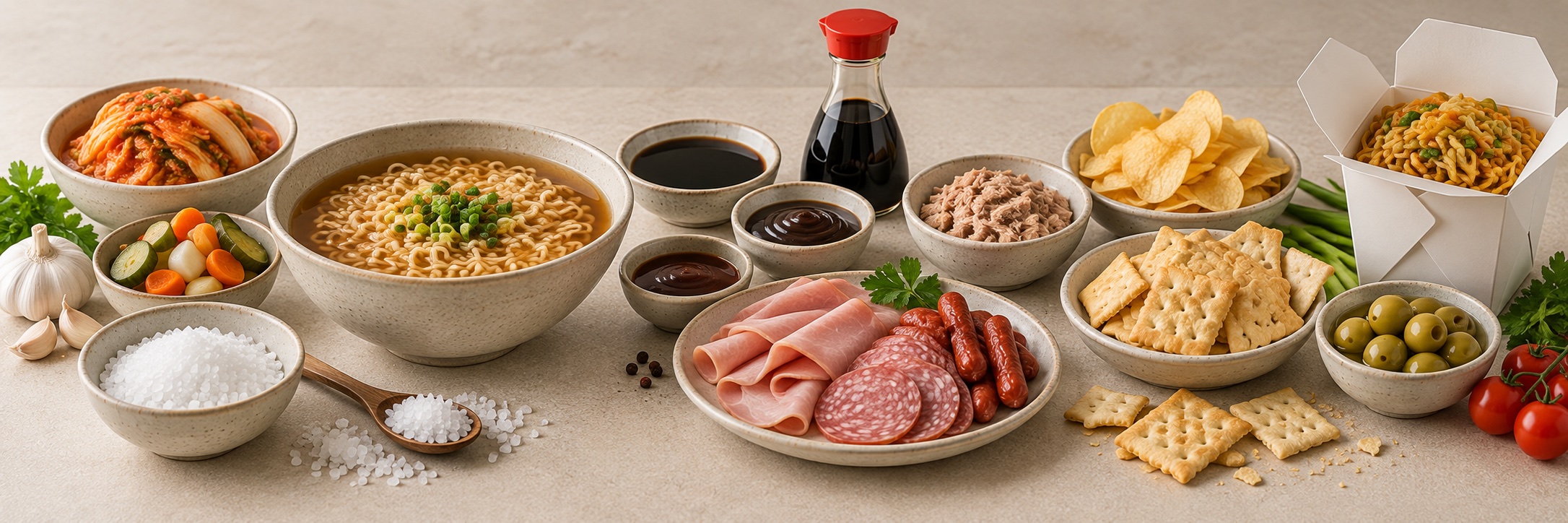
After a fatty-liver diagnosis, many people first think, “I should stop eating fat.” They become afraid to use cooking oil and eat less meat, while still drinking milk tea or sweet coffee every day or eating large portions of rice and takeout. Others go to the opposite extreme and nearly eliminate staple foods, hoping to “starve the fat out of the liver.”
The common metabolic form of fatty liver is now more often called metabolic dysfunction-associated steatotic liver disease (MASLD). It is not simply the result of “eating too much fat.” It commonly appears alongside excess weight, larger waist size, insulin resistance, abnormal glucose, and abnormal blood lipids. The priorities are total energy intake, sugary drinks and ultra-processed foods, fat sources, and whether body weight and metabolic health improve over time. (PubMed)
This article focuses on the common metabolic form of fatty liver found during health checks. If fatty liver is mainly related to heavy alcohol use, viral hepatitis, medication, or another liver disease, management priorities will be different.
Key Takeaways
- If you also have overweight or abdominal obesity, weight loss is usually the first priority. Sustained loss of about 5% of body weight may meaningfully reduce liver fat; around 7%–10% may help liver inflammation more, and larger sustained losses may improve the chance of fibrosis improvement. (NIDDK)
- Your meals do not need to become a special “fatty-liver diet.” A more practical approach is more vegetables, a moderate portion of staple food, one serving of fish, meat, eggs, dairy, or soy at each meal, and fewer ultra-processed foods.
- Sugary drinks are among the first things worth cutting back. Milk tea, cola, sweet coffee, sports drinks, and juice can add large amounts of sugar and calories with little notice; current dietary guidance specifically emphasizes reducing sugar-sweetened beverages. (NIDDK)
- Rice and fruit do not need to be eliminated. For staple foods, control portions and gradually replace some refined grains with whole grains or mixed beans. Choose whole fruit rather than juice.
- Lower fat is not automatically better; change the source. Eat less fatty meat, processed meat, butter, cream, and fried food, and get more unsaturated fat from fish, nuts, and liquid plant oils. (NIDDK)
- If you have fatty liver, do not treat alcohol as “beneficial in small amounts.” Metabolic risk and alcohol may compound liver harm, and there is not enough evidence to recommend routine drinking as a healthy habit for people with fatty liver. (PubMed)
- Exercise matters as much as diet. Regular physical activity can reduce liver fat even when body weight changes little. (PubMed)
- Do not focus only on whether an ultrasound says “mild” or “moderate,” or on liver enzymes. Long-term liver risk depends importantly on whether significant fibrosis is present, while glucose, lipids, blood pressure, and body weight also need management. (PubMed)
1. If Weight Is High, Gradual Weight Loss Comes First
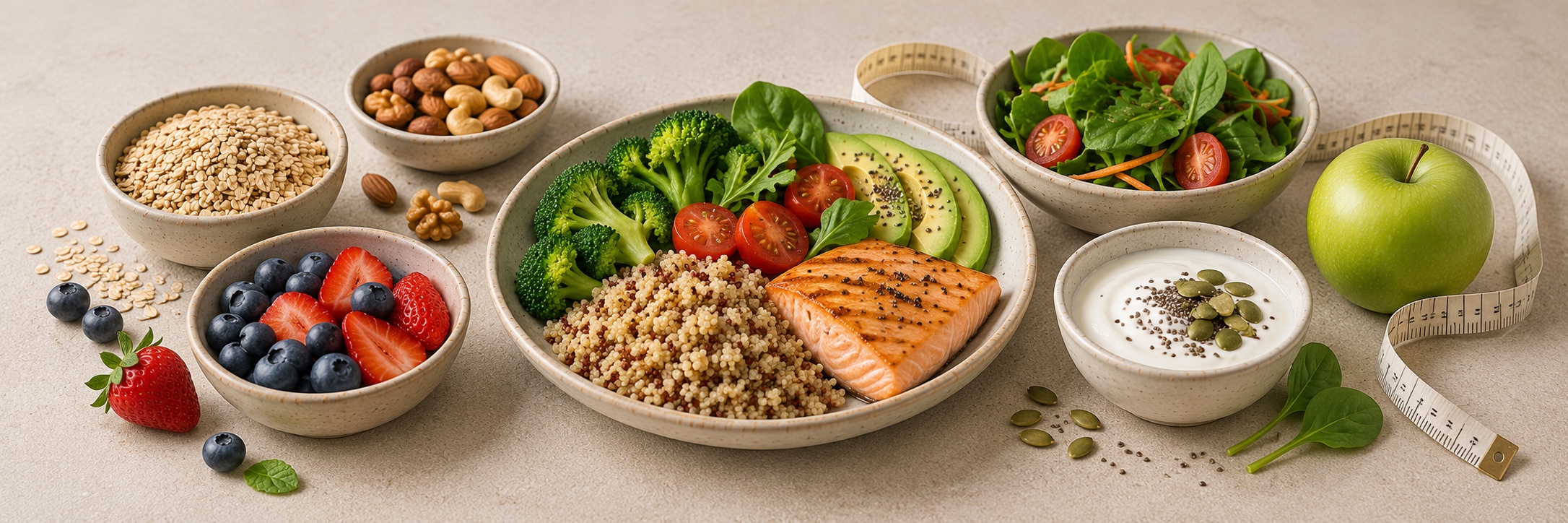
The most important point in this section: if you also have overweight or abdominal obesity, slowly reducing body weight and waist size matters more than searching for one “liver-protective food.”
Among lifestyle interventions, weight loss has some of the most consistent evidence. NIDDK notes that losing about 3%–5% of body weight can reduce liver fat, while improving liver inflammation and fibrosis often requires around 7%–10% weight loss. The 2024 European MASLD guideline also identifies sustained weight loss as an important treatment goal for people with overweight or obesity. (NIDDK)
A classic human study enrolled 293 people with steatohepatitis in a 52-week lifestyle program; 261 completed liver biopsies before and after. Greater weight loss was associated with greater liver improvement, and among participants who lost at least 10%, improvements in inflammatory activity and fibrosis were especially notable. This study involved steatohepatitis, so it does not mean every person with mild fatty liver must lose 10% to benefit. It does show an important trend: the amount of sustained weight loss is strongly related to the degree of liver improvement. (PubMed)
For example, if an 80 kg person is genuinely overweight, an initial goal of about 4 kg may be more reasonable than immediately aiming to lose 10 or 15 kg. What should be avoided is sudden crash dieting, living on vegetables alone, or eliminating all staple foods. NIDDK specifically warns that weight loss should be gradual because rapid weight loss and malnutrition can worsen liver problems. (NIDDK)
Start Here
- Stop routine sugary drinks and high-calorie snacks first. That is often easier than weighing every gram of food.
- Do not regularly eat until uncomfortably full, especially with takeout, oversized rice bowls, hot pot, and late-night meals.
- Keep protein sources such as fish, eggs, tofu, and chicken. Do not remove basic nutrition in the name of weight loss.
- Judge progress over months. Slow, sustained loss matters more than dropping a lot of weight in two weeks.
If your body weight is already normal, do not try to become underweight simply because of fatty liver. People at a normal weight can still have more visceral fat, insulin resistance, low activity, or low muscle mass. In that situation, focus more on waist size, diet quality, exercise, and metabolic markers.
2. Build Meals Around More Vegetables, Moderate Staples, and Enough Protein
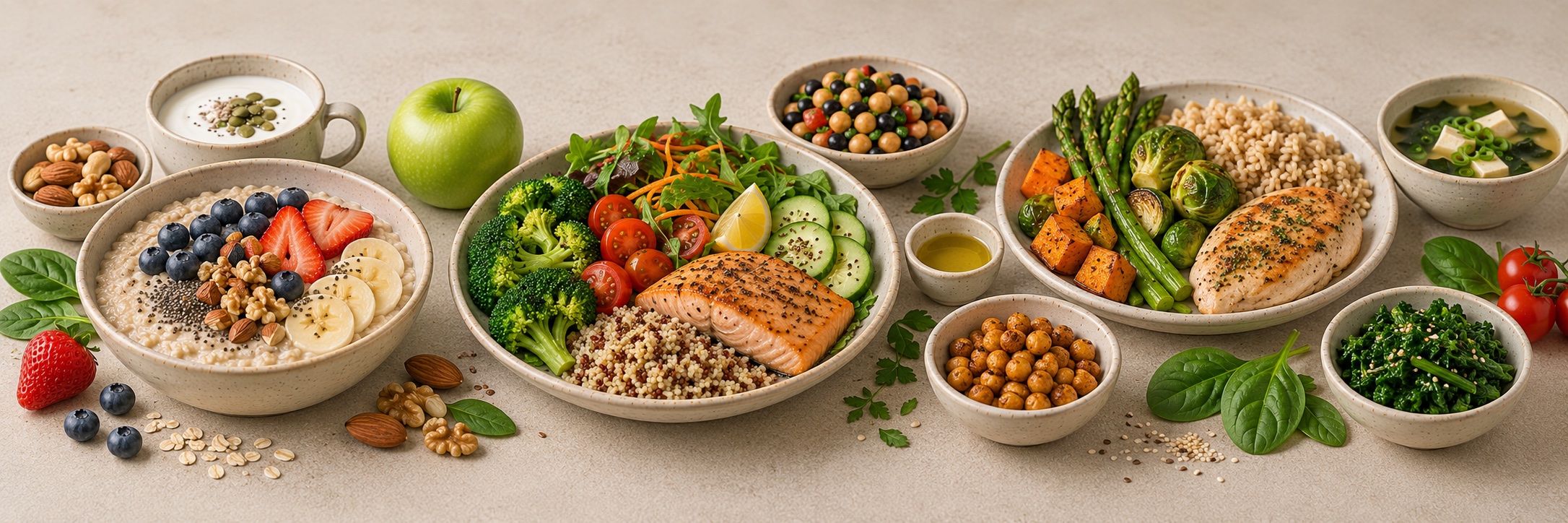
The most important point in this section: you do not need a special “liver-protective meal.” Aim for more vegetables + a moderate staple portion + one good protein source.
A 2024 international multidisciplinary dietary consensus involving 55 experts from six continents recommended more whole grains, plant protein, fish and seafood, low-fat dairy, liquid plant oils, vegetables, and fruit, while reducing red and processed meat, saturated and trans fats, added sugar, ultra-processed foods, and alcohol. European guidelines similarly favor an overall Mediterranean-style pattern rather than one specific “liver-protective food.” (PubMed)
A Mediterranean-style pattern does not mean people in China need avocado, olive oil, and Western dishes every day. The useful principles are: eat less-processed foods; more vegetables, legumes, and whole grains; replace some fatty meat and animal fat with fish and plant oils; and reduce sweets and ultra-processed foods.
A systematic review of 26 studies and 3,037 participants assessed Mediterranean-style eating and calorie restriction in fatty liver. A separate 2024 meta-analysis of randomized trials comparing Mediterranean and low-fat diets did not find a clear overall short-term difference in liver fat or liver enzymes. For everyday readers, that is useful: there is no single mandatory “fatty-liver diet.” A pattern you can sustain, that controls energy intake and improves food quality, matters more. (PubMed)
| Part of the Meal | Choose More Often | You Do Not Need to Go to This Extreme |
|---|---|---|
| Staples | Rice, oats, barley, brown rice, mixed beans, whole-wheat noodles | No need to eliminate rice and noodles completely |
| Protein | Fish, chicken, eggs, tofu, legumes, and moderate dairy | No need to give up meat completely because of fatty liver |
| Vegetables | Leafy greens, cruciferous vegetables, gourds and nightshades, mushrooms, and more | No need to search for one “liver-protective vegetable” |
| Fat | Normal amounts of plant oil for cooking, fish, and small portions of nuts | No need to boil every food without oil |
In real meals, gradually shift from “a lot of staple food + a large serving of meat + very few vegetables” toward “a moderate staple portion + a normal protein serving + clearly more vegetables.” That is more worth sustaining than buying foods marketed for liver health.
3. Sugary Drinks and Added Sugar Matter More Than “Giving Up Rice”

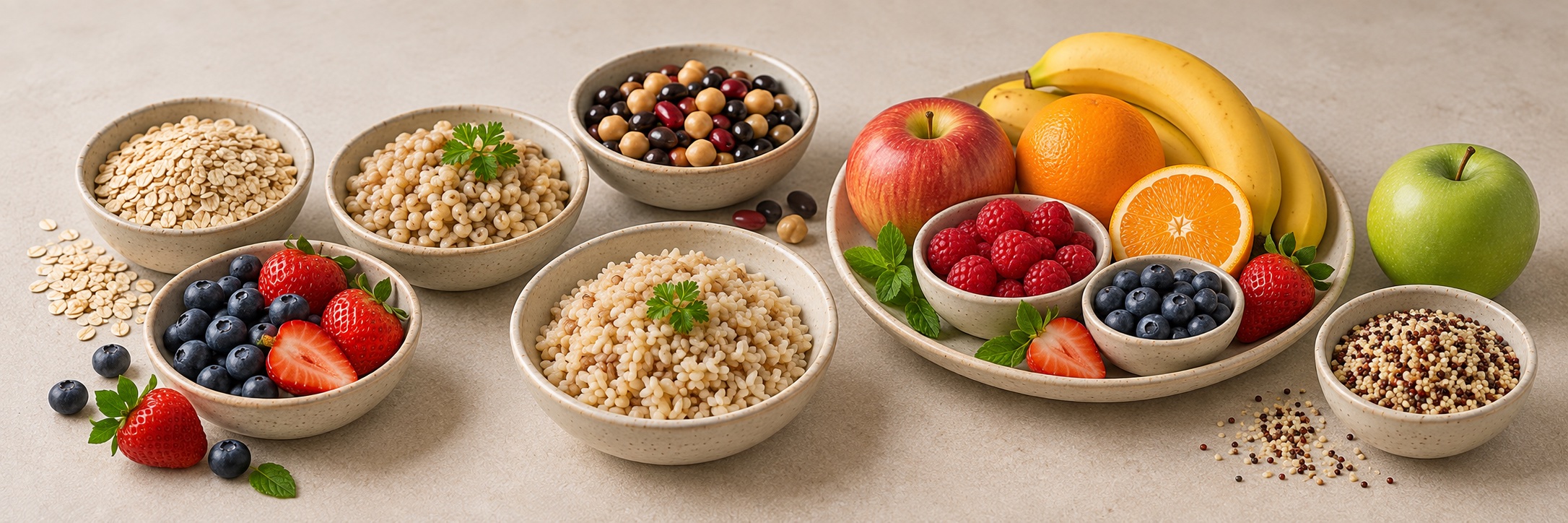
The most important point in this section: if milk tea, cola, sweet coffee, or juice is part of every day, addressing those usually matters more than worrying about one small bowl of rice.
NIDDK recommends reducing foods and drinks high in simple sugars, especially fructose-rich soft drinks, sports drinks, sweetened tea, and juice. One problem with sugar-sweetened beverages is that they can add sugar and calories quickly without much satiety, so they are easy to overlook. (NIDDK)
A systematic review and dose-response meta-analysis included 12 studies and 35,705 participants. Higher sugar-sweetened-beverage intake was associated with greater fatty-liver risk, with risk generally increasing as intake rose. These were mainly observational studies, so they show a fairly consistent association but cannot prove that one sugary drink directly causes fatty liver. (PubMed)
It is also important to distinguish whole fruit from fruit juice. Whole fruit requires chewing and retains fiber and food structure, while a glass of juice can deliver the sugar from several fruits quickly. People with fatty liver do not need to eliminate fruit just because it contains sugar. A more practical approach is whole fruit first, with less juice, sugary drinks, and large amounts of added sugar.
First Swaps to Make
- Milk tea, cola → water, unsweetened tea, or other unsweetened drinks
- Coffee with lots of sugar → unsweetened coffee or gradually less sugar
- Fruit juice → eat whole fruit instead
- Very large staple portions → reduce the portion and replace some refined grains with whole grains or mixed beans
Rice and noodles do not need to disappear. If you normally eat two or three large bowls at a meal, reduce the portion first. The bigger problem is often large staple portions combined with milk tea, desserts, and late-night eating.
4. Fat Is Not “The Lower the Better”—Change the Source
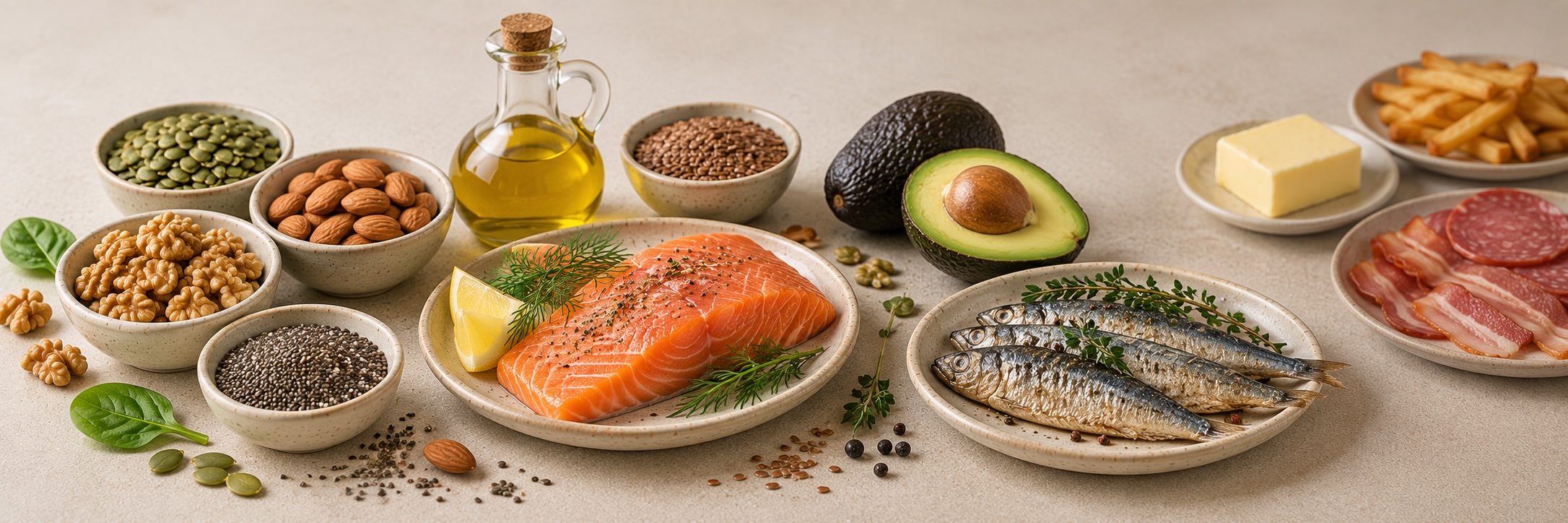
The most important point in this section: fatty liver does not require an oil-free diet. The main foods to reduce are high-energy foods rich in saturated fat.
NIDDK recommends replacing some saturated and trans fats with unsaturated fats. International dietary consensus also recommends more fish, nuts, and liquid plant oils while reducing red meat, processed meat, saturated fat, and trans fat. (NIDDK)
So stir-frying does not need to become completely oil-free. More important targets are pork belly, fatty beef and lamb, bacon and sausage, fried chicken, fries, creamy sauces, and buttery or flaky pastries. If one meal combines fatty meat, fried food, rich sauce, and a sugary drink, energy intake can become very high even when the volume of food does not look extreme.
At the same time, “healthy fats” are not unlimited. Olive oil, canola oil, peanut oil, and nuts have a more favorable fat profile but are still energy-dense. If weight loss is a goal, portions of oil and nuts still matter.
Try These Swaps
- Pork belly or fatty beef/lamb → fish, chicken, or tofu
- Sausage and bacon → fresh meat or soy foods
- Fried foods → steamed, boiled, braised, or normally stir-fried foods
- Creamy sauces → lighter everyday seasonings
- Animal fat and large amounts of butter → moderate amounts of liquid plant oil
The goal is not the lowest possible fat intake, but better sources without excessive total amounts.
5. If You Have Fatty Liver, Do Not Treat Alcohol as “Healthy in Small Amounts”

The most important point in this section: once fatty liver is present, there is no reason to cultivate a drinking habit for supposed cardiovascular or wellness benefits.
Studies on “whether small amounts of alcohol are okay” have not all agreed. A meta-analysis of 32 studies found that cross-sectional and long-term cohort results differed; in cohort studies, moderate alcohol intake was associated with a higher risk of advanced liver fibrosis. The studies were heterogeneous, so it is not possible to define one amount of alcohol that is absolutely safe for every person with fatty liver. (PubMed)
The 2024 European MASLD guideline also emphasizes assessing alcohol intake and encouraging reduction in people with fatty liver, because alcohol and metabolic risk factors may work together to increase disease progression. (PubMed)
So do not dismiss alcohol because “I only drink red wine” or “it is only a little every day.” If significant or advanced fibrosis or cirrhosis is already present, alcohol should be avoided completely and managed according to your clinician’s advice. If fatty liver occurs alongside higher alcohol intake, reduce alcohol and report your actual intake to your clinician.
Practical Principles
- If you do not drink, there is no need to start for health.
- If you have fatty liver, do not treat daily drinking as a wellness habit.
- If you drink regularly, tell your clinician your real intake.
- If significant or advanced fibrosis or cirrhosis is present, alcohol should be avoided completely and managed according to your clinician’s advice.
The type of alcohol is not the main issue. Switching beer to red wine does not remove the effect of ethanol itself on the liver.
6. What Can a Day of Eating Look Like? You Do Not Need a “Fatty-Liver Meal Plan”
The most important point in this section: ordinary food is enough. Focus on reducing sugary drinks, high-fat foods, and oversized portions in everyday life.
| Meal | A Simple Example | What Matters Most |
|---|---|---|
| Breakfast | Oats or whole-grain bread + eggs + unsweetened dairy + one serving of fruit | Do not make fried dough sticks, sweet bread, and sugary drinks your default breakfast |
| Lunch | Moderate rice portion + fish/chicken/tofu + 2 vegetables | Do not keep refilling staples without limit; choose less fatty meat and fried food |
| Dinner | Moderate staple portion + one protein serving + more vegetables | No need to eliminate staples, but avoid regularly eating until overly full |
| Snack | Whole fruit, plain yogurt, a small amount of nuts | If you are not hungry, you do not need to force a “healthy snack” |
| Drinks | Water, unsweetened tea, unsweetened coffee | Prioritize reducing milk tea, cola, and juice |
If you order takeout often, you do not need to search for meals labeled “fat loss,” “light,” or “liver-friendly.” Ordinary rice with fish, chicken, tofu, and vegetables can work. Choose less fried chicken rice, fatty meat bowls, creamy sauces, and heavily oiled barbecue, and replace sugary drinks with water or unsweetened options.
An occasional weekend hot pot, dessert, or favorite food does not erase your progress. Fatty-liver eating is about overall habits over months or longer, not making every single meal perfect.
A systematic review of 30 randomized controlled trials found that combining diet and exercise generally improved liver enzymes and insulin resistance more than changing only one of the two. The practical lesson is that fatty-liver management is not about finding a perfect meal plan—it is about changing both eating and activity. (PubMed)
7. Do Not Overrate “Liver-Protective Foods” or Supplements
The most important point in this section: no single food can “eat away” fatty liver, and supplements cannot replace weight management, diet, and exercise.
Coffee, broccoli, goji berries, turmeric, garlic, and various plant extracts are often described online as “liver-protective foods.” Some can certainly be part of a healthy diet and may have interesting human or mechanistic research, but eating one of them every day cannot cancel out chronic energy excess, obesity, sugary drinks, or alcohol.
Ultra-processed foods are another area worth watching. A 2025 updated systematic review and meta-analysis included 10 studies and 513,440 participants and found that higher intake was associated with greater fatty-liver risk. There was substantial heterogeneity, and most evidence was observational, so the more reasonable interpretation is: eating fewer ultra-processed foods overall is a sensible direction, not that one processed food causes fatty liver after a single serving. (PubMed)
Supplements deserve extra caution. AASLD has published practice guidance on drug-, herbal-, and dietary-supplement–induced liver injury. “Natural,” “herbal,” and “liver support” do not automatically mean safe for the liver. (PubMed)
Before Using a Supplement, Ask at Least Four Questions
- What exactly is the ingredient?
- What is the actual daily dose?
- Is there reliable human evidence, not only animal or cell studies?
- Is there a known liver-injury risk or an interaction with medications you take?
If you simply have ordinary fatty liver, one ultrasound result is not a reason to buy an entire stack of “liver-support” supplements.
8. Beyond Diet: Pay Attention to Fibrosis, Exercise, and Metabolic Markers


The most important point in this section: fatty liver is not defined only by whether ultrasound says “mild” or “moderate.” Long-term risk depends importantly on fibrosis and on whether glucose, lipids, blood pressure, and other metabolic problems are controlled.
The 2024 European guideline recommends fibrosis risk stratification for people with type 2 diabetes, abdominal obesity, other metabolic risk factors, or known fatty liver. In practice, a noninvasive score such as FIB-4, calculated from age, AST, ALT, and platelet count, can be used first, followed by liver-elastography or other testing when indicated. AASLD guidance uses a similar stepwise approach. (PubMed)
This is also why “normal liver enzymes” do not automatically mean “no liver risk.” Management should also include body weight and waist circumference, type 2 diabetes or abnormal glucose, triglycerides and LDL-C, blood pressure, and other cardiometabolic risks.
Exercise is also a core part of treatment. A meta-analysis of 11 randomized controlled trials and 577 participants found that exercise reduced intrahepatic fat and improved ALT, with more consistent effects when programs lasted longer than 3 months. A separate systematic review of 30 randomized trials also found that combining diet and exercise generally improved some metabolic and liver outcomes more than either alone. (PubMed)
Track These Together
- Body weight and waist circumference
- Fasting glucose or HbA1c
- Triglycerides, LDL-C, and other blood lipids
- Blood pressure
- Liver enzymes such as ALT and AST
- FIB-4 or other fibrosis assessment recommended by your clinician
Exercise can start with sustainable aerobic activity such as brisk walking, cycling, or swimming, then gradually add strength training. For most people, moving consistently over the long term matters more than occasionally training extremely hard.
What to Do Next
If you are only going to change a few things, the priorities are fairly clear.
First, stop or sharply reduce routine sugary drinks. Second, if body weight and waist size are high, let them come down gradually. Third, build meals around more vegetables, moderate staple portions, and one high-quality protein source while reducing fried food, fatty meat, and ultra-processed foods. Fourth, reduce alcohol and start moving regularly.
Rice, fruit, eggs, and normal amounts of cooking oil do not need to be eliminated because of fatty liver, and there is no need to hunt for one “best liver-protective food.”
The useful goal is for body weight, waist size, meals, physical activity, and metabolic markers to improve together—while not forgetting fibrosis assessment.
References
Guidelines and Authoritative Sources
- EASL–EASD–EASO Clinical Practice Guidelines on the Management of Metabolic Dysfunction-Associated Steatotic Liver Disease(MASLD),2024
Joint guideline from the European Association for the Study of the Liver, European Association for the Study of Diabetes, and European Association for the Study of Obesity. Main source for MASLD, lifestyle intervention, weight loss, diet, exercise, alcohol, and fibrosis assessment. (PubMed)
- AASLD Practice Guidance on the Clinical Assessment and Management of Nonalcoholic Fatty Liver Disease,2023
AASLD practice guidance covering lifestyle management, metabolic comorbidity, and noninvasive fibrosis risk stratification such as FIB-4. Although the document used the term NAFLD when published, its management principles remain relevant. (PubMed)
- AASLD: 2024 update on the MASLD nomenclature and the earlier NAFLD Practice Guidance
Used for MASLD terminology, FIB-4, elastography, and multidisciplinary management. (PubMed)
- American Association of Clinical Endocrinology Clinical Practice Guideline for NAFLD,2022
Clinical practice guideline from the American Association of Clinical Endocrinology, co-sponsored by AASLD, focusing on joint management of fatty liver, obesity, diabetes, and other metabolic risks. (PubMed)
- NIDDK:Eating, Diet, & Nutrition for NAFLD & NASH
NIDDK public guidance on eating and nutrition for fatty liver. Used for portion control, sugar and fructose, fat types, and alcohol. (NIDDK)
- NIDDK:Treatment for NAFLD & NASH
Used for guidance on gradual weight loss, exercise, and the risks of rapid weight loss. (NIDDK)
Weight Loss and Lifestyle
- Vilar-Gomez E, et al. Weight Loss Through Lifestyle Modification Significantly Reduces Features of Nonalcoholic Steatohepatitis. Gastroenterology,2015
293 patients received a 52-week lifestyle intervention, and 261 completed liver biopsies before and after. Greater weight loss was associated with greater improvements in inflammatory activity and fibrosis, making this an important human study of weight loss and liver histology. (PubMed)
- Lifestyle changes in patients with non-alcoholic fatty liver disease: a systematic review and meta-analysis,2022
Included 30 randomized controlled trials. Combining diet and exercise generally improved some liver enzymes and insulin-resistance measures more than either intervention alone. (PubMed)
- Effect of exercise-based interventions in NAFLD: a systematic review with meta-analysis,2023
Included 11 randomized controlled trials and 577 participants. Regular exercise was associated with reduced intrahepatic fat and ALT, with more consistent effects when interventions lasted longer than 3 months. (PubMed)
Dietary Patterns and Food Choices
- The role of dietary modification in the prevention and management of MAFLD/MASLD: an international multidisciplinary expert consensus,2024
55 experts from six continents developed the consensus, recommending more whole grains, plant protein, fish, seafood, low-fat dairy, and liquid plant oils while reducing red and processed meat, saturated fat, ultra-processed foods, added sugar, and alcohol. (PubMed)
- The effectiveness and acceptability of Mediterranean diet and calorie restriction in NAFLD: systematic review and meta-analysis,2022
Included 26 studies and 3,037 participants assessing Mediterranean-style diets and calorie restriction for fatty-liver outcomes. (PubMed)
- Mediterranean diet versus low-fat diet in NAFLD: systematic review and meta-analysis of randomized controlled trials,2024
Comparison of Mediterranean and low-fat diets found broadly similar short-term effects on liver enzymes and liver fat, suggesting there is no single fatty-liver diet everyone must follow. (PubMed)
- Consumption of Sugar-Sweetened Beverages Has a Dose-Dependent Effect on the Risk of NAFLD: systematic review and dose-response meta-analysis,2019
Included 12 studies and 35,705 participants. Higher sugar-sweetened-beverage intake was associated with greater fatty-liver risk in a dose-response pattern; the evidence was mainly observational. (PubMed)
- Ultra-processed foods and NAFLD: updated systematic review and dose-response meta-analysis,2025
Included 10 studies and 513,440 participants. Higher ultra-processed-food intake was associated with greater fatty-liver risk, but study differences were substantial; the findings support improving overall dietary patterns rather than blaming one processed food. (PubMed)
Alcohol and Supplement Safety
- Meta-analysis: The impact of light-to-moderate alcohol consumption on progressive NAFLD,2023
Included 32 studies. In long-term cohort studies, moderate alcohol intake was associated with higher risk of advanced fibrosis, but results were heterogeneous, so routine drinking should not be recommended as a health habit for people with fatty liver. (PubMed)
- AASLD Practice Guidance on Drug, Herbal, and Dietary Supplement–induced Liver Injury,2023
AASLD practice guidance on drug-, herbal-, and dietary-supplement–induced liver injury, used for this article’s safety warnings about “liver herbs” and poorly defined supplements. (PubMed)
This article is for health education and everyday reference. It does not replace evaluation of the cause of fatty liver, liver-fibrosis assessment, or an individualized treatment plan from a clinician.