Key Takeaways
Dry, gritty, tired, or briefly blurry eyes after long screen use usually are not caused by one missing “eye nutrient,” and blue light is not necessarily the main problem. More often, screen focus reduces blink rate and produces incomplete blinks, so the tear film is not refreshed well. Air-conditioning, direct airflow, and too little sleep can make dryness worse.
- Rule out problems that need medical care: marked eye pain, light sensitivity, reduced vision, or a red painful eye should not be managed with supplements or warm compresses alone.
- Screen habits matter most: break up long viewing sessions and practice complete blinks.
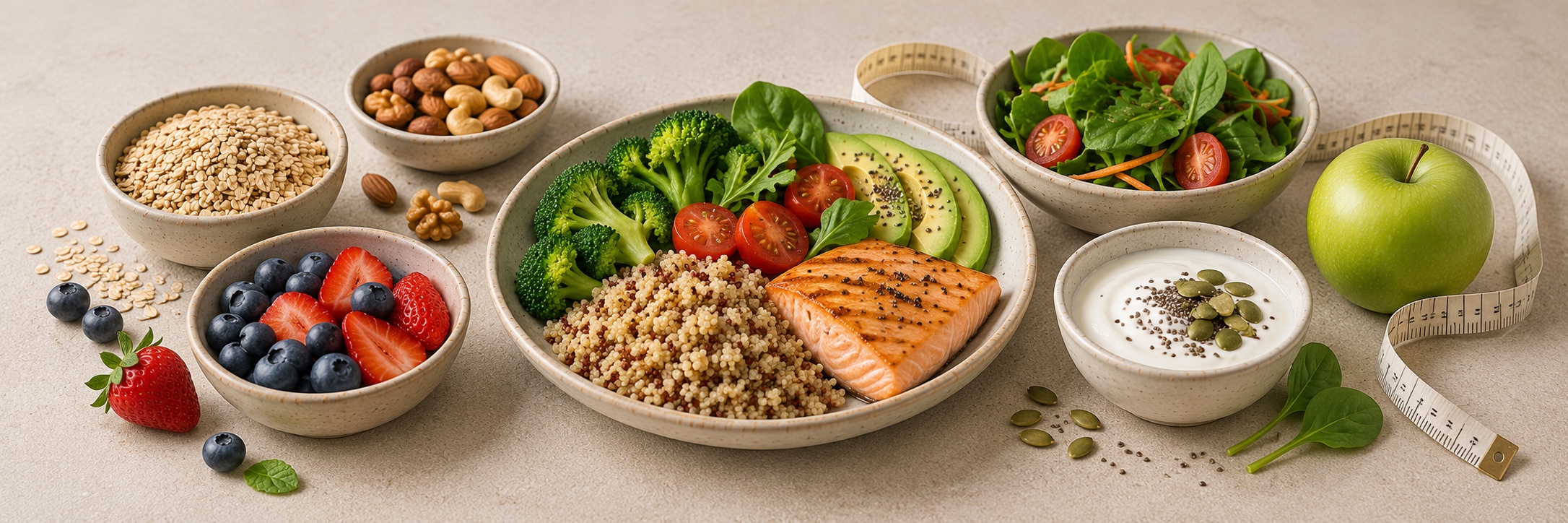
- Use diet as a foundation: make sure you get enough omega-3, lutein/zeaxanthin, vitamin A, and vitamin D.
- The environment matters too: keep air-conditioning, fans, and car vents from blowing directly at your eyes.
- Do not ignore sleep and eyelid care: sleep loss and meibomian-gland problems can both worsen dryness.
Instead of asking only “what should I eat for my eyes?”, check how long you stare at screens, whether you blink fully, how dry the room is, and whether you are sleeping enough.
1. Know When to See an Eye Doctor
If your eyes simply feel dry, sore, or gritty after prolonged screen use and improve with rest, it is reasonable to start with screen habits, the environment, and basic nutrition.
Seek an eye examination if you have significant eye pain, light sensitivity, reduced vision, persistent blur, marked redness or discharge in one eye, significant discomfort with contact lenses, pain after eye injury or surgery, or symptoms that keep worsening after 1–2 weeks of self-care.
Those symptoms can involve the cornea, conjunctiva, infection, inflammation, meibomian-gland dysfunction, or another eye condition that needs proper assessment.
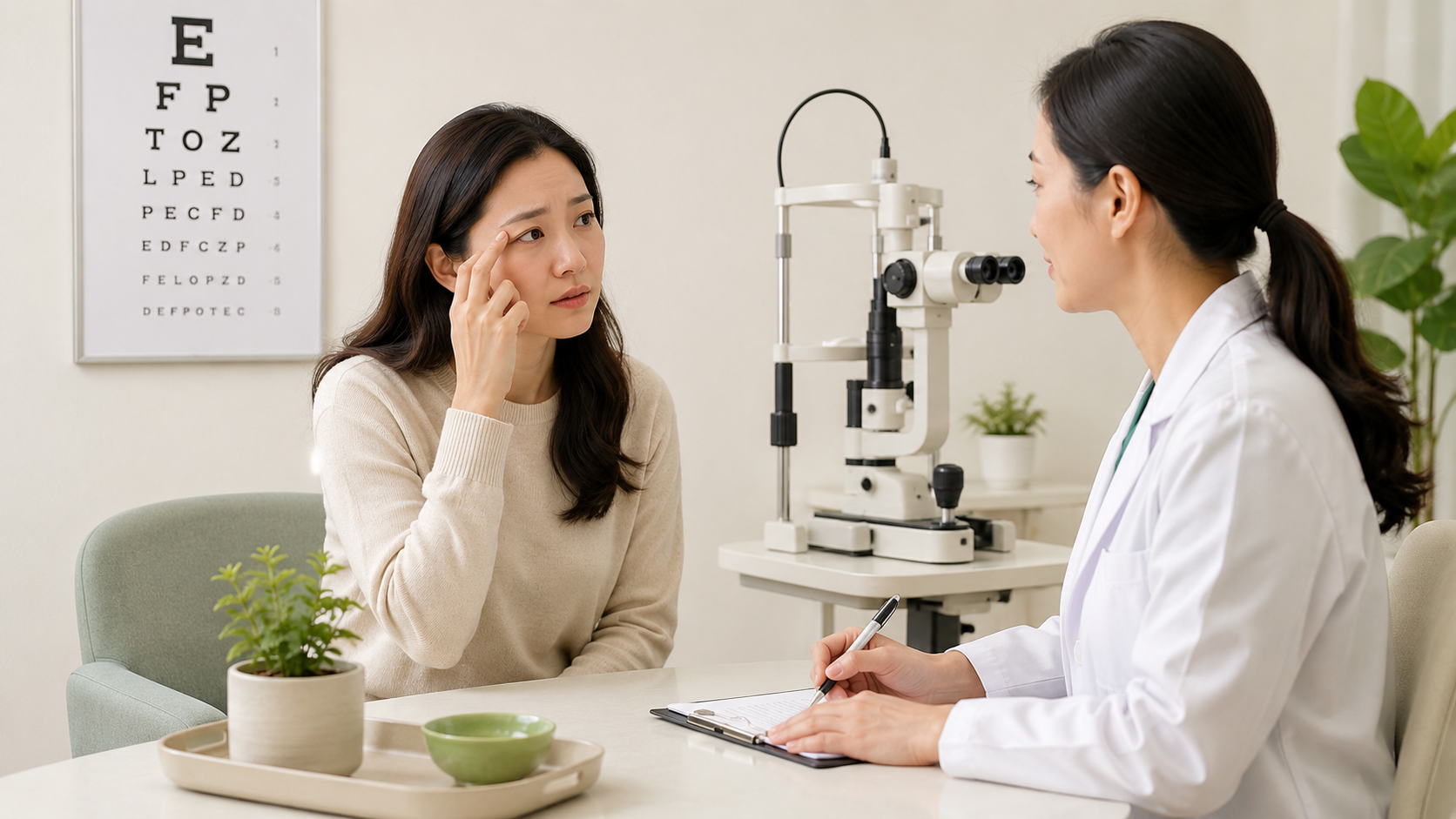
Dry eyes can often be improved, but do not mistake a problem that needs treatment for a simple nutrition issue.
2. Omega-3: Possibly Helpful, but Fish Oil Is Not a Dry-Eye Cure
Omega-3 is often discussed in dry-eye research because of its links with inflammation, the oily layer of the tear film, and meibomian-gland function. Some meta-analyses suggest benefit, especially with higher doses, longer use, or more EPA, but the large DREAM randomized trial found no advantage over placebo. The evidence is mixed.
A more conservative starting point is food. Eat omega-3-rich fish such as salmon, sardines, mackerel, herring, or Pacific saury two to three times a week; walnuts, flaxseed, and chia seeds can add plant-based ALA.
If you rarely eat fish and have persistent dry eye or clear meibomian-gland problems, discuss supplements with an eye-care or nutrition professional rather than taking high doses on your own for long periods.
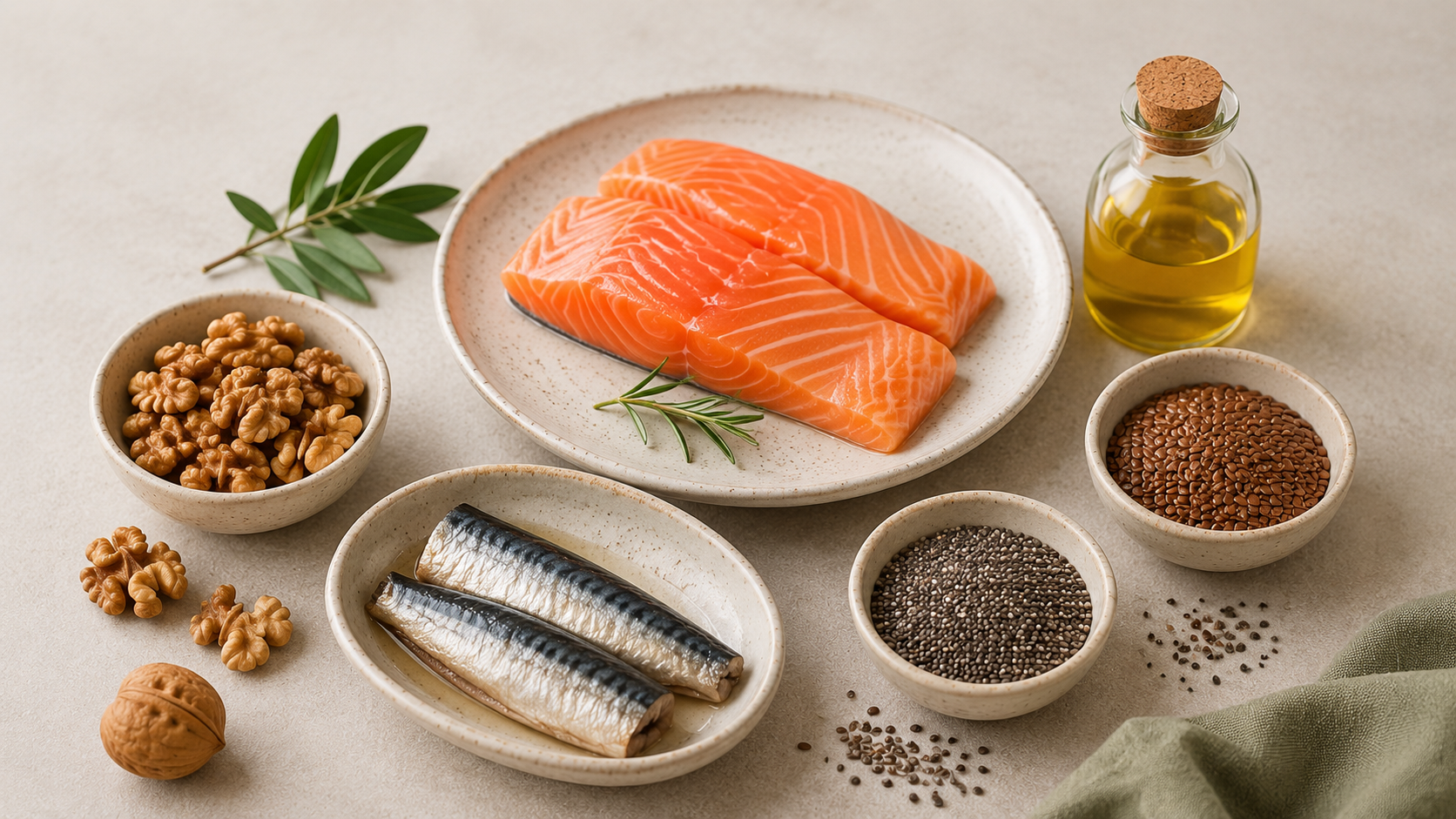
Omega-3 may help some people, but dry eyes alone are not a reason to start high-dose fish oil.
3. Lutein and Zeaxanthin: More About Long-Term Visual Support
Lutein and zeaxanthin are concentrated in the macula and are involved in visual function, antioxidant defense, and recovery from light stress. They are not fast-acting treatments for dryness, but they may be relevant for people with heavy long-term screen exposure.
A 2025 randomized, double-blind, placebo-controlled trial in heavy screen users reported improvements in some tear tests, tear-breakup time, and photostress recovery after six months, although differences in subjective symptom scores were not consistently clear.
For everyday intake, focus on foods such as spinach, kale, lettuce, broccoli, corn, and egg yolks.

Think of lutein as long-term visual support, not a quick fix for dry eyes.
4. Vitamins A and D: Focus on Deficiency, Not Megadoses
Vitamin A is essential for the eye surface, goblet cells, and tear-film stability. Deficiency can cause serious ocular-surface problems. Short-term oral studies suggest it may improve tear quality, but not necessarily tear quantity.
Because vitamin A is fat-soluble, long-term excess can be harmful, and extra caution is needed during pregnancy or when trying to conceive. Get it mainly from foods such as eggs, dairy, modest amounts of liver, carrots, pumpkin, sweet potato, and dark green vegetables.
Vitamin D is involved in immune regulation, inflammation, and ocular-surface health. If you spend most of your time indoors, get little sun exposure, or have a low 25(OH)D result, pay more attention to fatty fish, eggs, dairy, and fortified foods; supplement decisions are better guided by deficiency risk or testing.

For vitamins A and D, the useful question is whether you are deficient—not whether everyone should take a high dose.
5. Vitamin C, Vitamin E, Zinc, and Polyphenols: Build the Basics
The eye surface is exposed to light, air pollution, sleep loss, inflammation, and screen-related strain. Vitamin C, vitamin E, zinc, polyphenols, and anthocyanins support antioxidant defense, immune function, and tissue repair rather than acting as specific dry-eye treatments.
Vitamin C comes from kiwi, oranges, strawberries, bell peppers, and broccoli; vitamin E from nuts, seeds, avocado, and plant oils; zinc from oysters, shellfish, lean meat, eggs, pumpkin seeds, sesame, and legumes; polyphenols and anthocyanins from berries, purple grapes, red cabbage, black rice, tea, and cocoa.
If your diet is consistently low in fruits, vegetables, nuts, seeds, and good protein sources, the basic nutrients needed for tissue repair may also be inadequate.
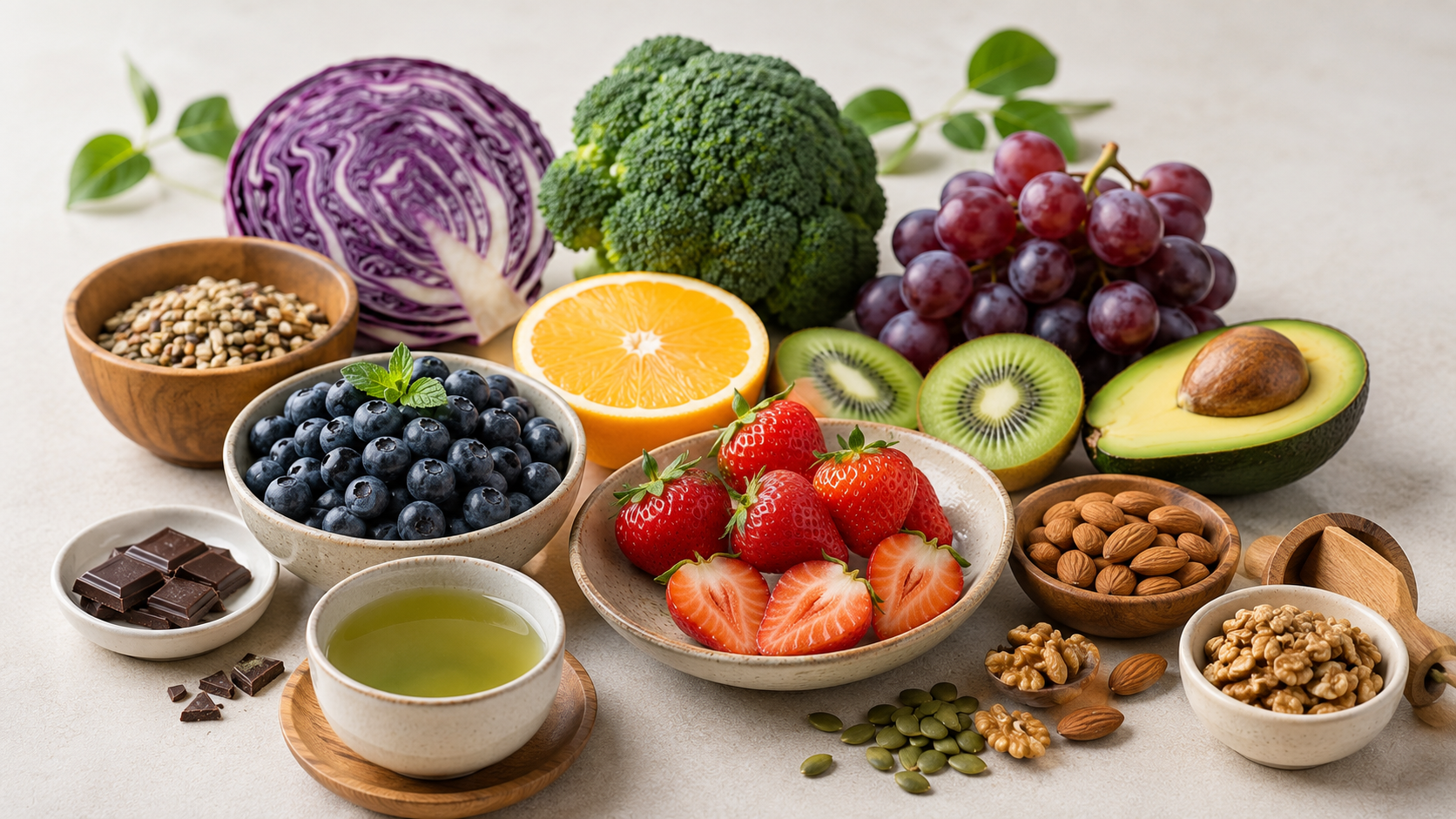
These nutrients are not dry-eye treatments, but a very limited diet can weaken the nutritional foundation for eye-surface repair.
6. More Important Than Blue-Light Glasses: Breaks and Complete Blinks
Current evidence does not support blue-light-blocking glasses as the core solution for screen-related eye dryness. A Cochrane review found that blue-light-filtering lenses may not reduce short-term computer eye strain compared with standard lenses, and their effect on sleep remains uncertain.
A more common issue is reduced and incomplete blinking during screen use, which lets the tear film evaporate faster. Digital eye strain can also be affected by screen position, brightness, glare, viewing distance, and task load.

- Every 20 minutes, look at something about 6 meters (20 feet) away for at least 20 seconds—the 20-20-20 rule.
- Practice complete blinks: gently close your eyes for about one second so the upper and lower lids fully meet.
- Break up long phone sessions, especially short videos, gaming, messaging, and binge-watching.
Many dry-eye symptoms come from continuous screen focus and incomplete blinking—not from missing one special eye nutrient.
7. Adjust the Screen and the Environment
Air-conditioning, heating, car vents, direct fan airflow, airplanes, and very dry rooms all speed up tear evaporation.
Hold your phone a little farther away and increase font size. Keep screen brightness reasonably close to ambient light, avoid long periods with a bright screen in a dark room, and position a computer monitor slightly below eye level so the eyes do not stay opened as wide.
If indoor air is persistently dry, modestly increase humidity and keep air-conditioning, fans, and car vents from blowing directly into your eyes.

Staring without blinking while dry air keeps removing tears is a simple recipe for worse symptoms.
8. Sleep and Eyelid Care Matter Too
Long computer days followed by late-night phone use can leave the eyes dry, sore, tired, and light-sensitive the next day. Studies also suggest that people with dry eye tend to report poorer sleep. Try reducing close-up screen use for 30–60 minutes before bed.
The meibomian glands produce the oily outer layer of the tear film. When secretion is poor or gland openings are blocked, tears evaporate faster. If dryness comes with oily lid margins, crusting around lashes, sticky eyes in the morning, or recurrent irritation, a warm compress may help.
Use a warm—not hot—towel or eye mask for about 5–10 minutes, then gently clean the lid margin if needed. Stop and seek eye care if warmth makes the eye redder or more painful, or if you already have active inflammation.

Sleep, complete blinking, and eyelid care often matter more than buying another eye supplement.
Bottom Line
From food, focus on omega-3, lutein/zeaxanthin, vitamin A/carotenoids, and vitamin D, while getting enough vitamin C, vitamin E, zinc, polyphenols, and anthocyanins from a varied diet. Useful foods include fatty fish, eggs, dairy, dark green and orange vegetables, corn, nuts, seeds, shellfish, lean meat, legumes, berries, and purple produce.
More importantly, break up long screen sessions, blink fully, use the 20-20-20 rule, increase font size and viewing distance, avoid long bright-screen use in darkness, stay out of direct airflow, improve room humidity, reduce phone use before bed, and use a warm compress when appropriate.
Dry eyes do not automatically call for a supplement. Nutrition sets the foundation; screen habits, the environment, and sleep usually determine day-to-day comfort.
References
- DREAM Study Research Group. n-3 Fatty Acid Supplementation for the Treatment of Dry Eye Disease. N Engl J Med. 2018. https://pubmed.ncbi.nlm.nih.gov/29652551/
- Downie LE, et al. Omega-3 and omega-6 polyunsaturated fatty acids for dry eye disease. Cochrane Database Syst Rev. 2019;CD011016. https://www.cochrane.org/evidence/CD011016_omega-3-and-omega-6-polyunsaturated-fatty-acid-supplements-dry-eye-disease
- Lopresti AL, Smith SJ. The effects of lutein/zeaxanthin (Lute-gen) on eye health, eye strain, sleep quality, and attention in high electronic screen users: a randomized, double-blind, placebo-controlled study. Front Nutr. 2025. https://pubmed.ncbi.nlm.nih.gov/39963662/
- Alanazi SA, et al. Effects of short-term oral vitamin A supplementation on the ocular tear film in patients with dry eye. Clin Ophthalmol. 2019. https://pubmed.ncbi.nlm.nih.gov/31040640/
- Singh S, et al. Blue-light filtering spectacle lenses for visual performance, sleep, and macular health in adults. Cochrane Database Syst Rev. 2023;CD013244. https://www.cochrane.org/evidence/CD013244_blue-light-filtering-spectacle-lenses-visual-performance-macular-back-part-eye-protection-and
- American Academy of Ophthalmology. Computers, Digital Devices, and Eye Strain. https://www.aao.org/eye-health/tips-prevention/computer-usage
- American Academy of Ophthalmology. What Is Dry Eye? Symptoms, Causes and Treatment. https://www.aao.org/eye-health/diseases/what-is-dry-eye
- Gu Y, et al. Association between sleep quality and dry eye disease: a literature review and meta-analysis. BMC Ophthalmol. 2024. https://pubmed.ncbi.nlm.nih.gov/38581010/
- NIH Office of Dietary Supplements. Vitamin A and Carotenoids - Health Professional Fact Sheet. https://ods.od.nih.gov/factsheets/VitaminA-HealthProfessional/
- NIH Office of Dietary Supplements. Vitamin D - Health Professional Fact Sheet. https://ods.od.nih.gov/factsheets/VitaminD-HealthProfessional/
This article is for health education and everyday reference and does not replace an eye examination or treatment. Seek medical care for eye pain, light sensitivity, reduced vision, marked redness in one eye, or symptoms that keep worsening.