Opening: Skin Aging Is Not About One Nutrient
Have you noticed that people of the same age can have very different skin? One person may show more fine lines, sagging, and dullness, while another still looks firm and bright.
When these changes appear, many people first think: should I take an anti-aging supplement? But skin aging is rarely caused by a lack of one “magic nutrient.”
A more common picture is daily UV damage to collagen, more glycation pressure from high-sugar and heavily browned foods, too little protein or vitamin C, too few fruits and vegetables, plus late nights, stress, and inactivity gradually slowing repair.
So if you want skin to age more slowly, the useful questions are not only “which supplement should I take?” Ask instead: do I protect my skin from the sun every day? Do I limit high-sugar and heavily charred foods? Do I get enough protein, vegetables, and fruit? Do I sleep enough, exercise, and give my body time to recover?
The core of skin-aging prevention is not instantly reversing age. It is reducing daily damage and supporting daily repair.
Key Takeaways
To help skin age more slowly, prioritize these 8 things:
- Use sun protection every day to reduce photoaging, pigmentation, and structural skin damage from UV exposure.
- Eat fewer high-sugar, fried, grilled, and heavily browned foods to reduce glycation pressure and dietary AGEs.
- Get enough high-quality protein and vitamin C to support collagen synthesis and skin repair.
- Include modest amounts of non-alkalized cocoa powder, low-sugar high-cocoa dark chocolate, green tea, and similar foods for cocoa flavanols, EGCG, and other plant bioactives.
- Eat more colorful plant foods such as berries, red cabbage, purple grapes, cranberries, and cooked tomatoes for proanthocyanidins, anthocyanins, and lycopene.
- Eat fatty fish about twice a week and include modest amounts of nuts and seeds for omega-3s, vitamin E, and healthier fats.
- Keep up strength training to preserve muscle mass, metabolic health, and overall repair capacity.
- Get enough sleep and manage stress so the body is not chronically stuck in a high-strain, high-inflammatory state.
Foundation: sun protection, less glycation, enough protein, and enough vitamin C.
Extras: flavanols, EGCG, proanthocyanidins, anthocyanins, lycopene, omega-3, and vitamin E.
Recovery: strength training, sleep, and stress management.
1. Sun Protection: The First Step in Slowing Skin Aging
Getting older is unavoidable, but UV-driven photoaging is one of the most important external causes of skin aging that can be reduced.
UV exposure increases oxidative stress and damages collagen and elastin, making skin more prone to roughness, sagging, wrinkles, and dark spots.
A 2013 randomized study in *Annals of Internal Medicine* found that people who used sunscreen daily showed less increase in skin aging after 4.5 years; compared with discretionary sunscreen users, the daily-use group had about 24% less skin aging.
So the first anti-aging step is not buying the most expensive product. It is reducing the UV damage that accumulates every day.
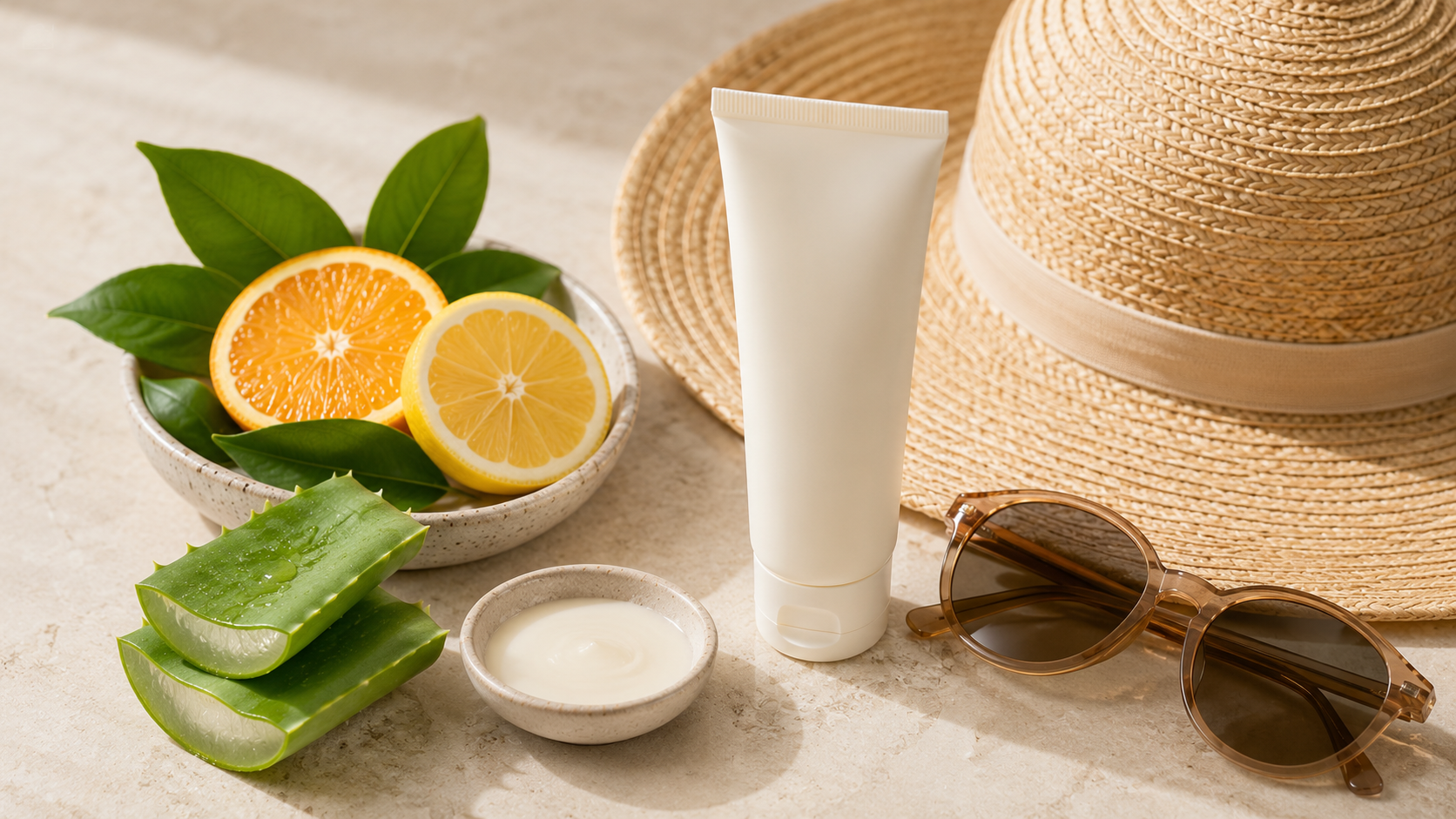
An anti-aging diet is an extra. Sun protection is the foundation.
What to Do
For everyday outdoor exposure, prioritize sunscreen, a hat, an umbrella, sunglasses, and avoiding unnecessary intense sun.
UV is often stronger from about 10 a.m. to 4 p.m. If you are outside for long periods, apply enough sunscreen and reapply based on sweating, swimming, and wiping.
Diet cannot replace sun protection. Lycopene, proanthocyanidins, anthocyanins, vitamin C, and vitamin E can support antioxidant defenses, but they do not replace sunscreen or shade.
2. Lower-AGE Diet: Less Sugar, Less Frying and Charring
Skin elasticity and firmness depend heavily on collagen and elastin.
If the diet is chronically high in sugar and glucose swings, and fried, grilled, seared, or heavily browned foods are frequent, AGEs—advanced glycation end products—can accumulate both in the body and from food.
AGEs can cross-link collagen and elastin, making normally flexible structures stiffer, more brittle, and harder to repair. A 2024 review on AGEs and skin aging describes roles for oxidative stress, inflammation, and protein cross-linking in this process.
The combination most worth watching is high sugar + high-temperature dry-heat cooking.
Sweetened drinks, milk tea, cake, cookies, fried chicken, barbecue, grilled meats, crisped bacon, browned sausages, and fried snacks can stack glycation and inflammatory pressure.
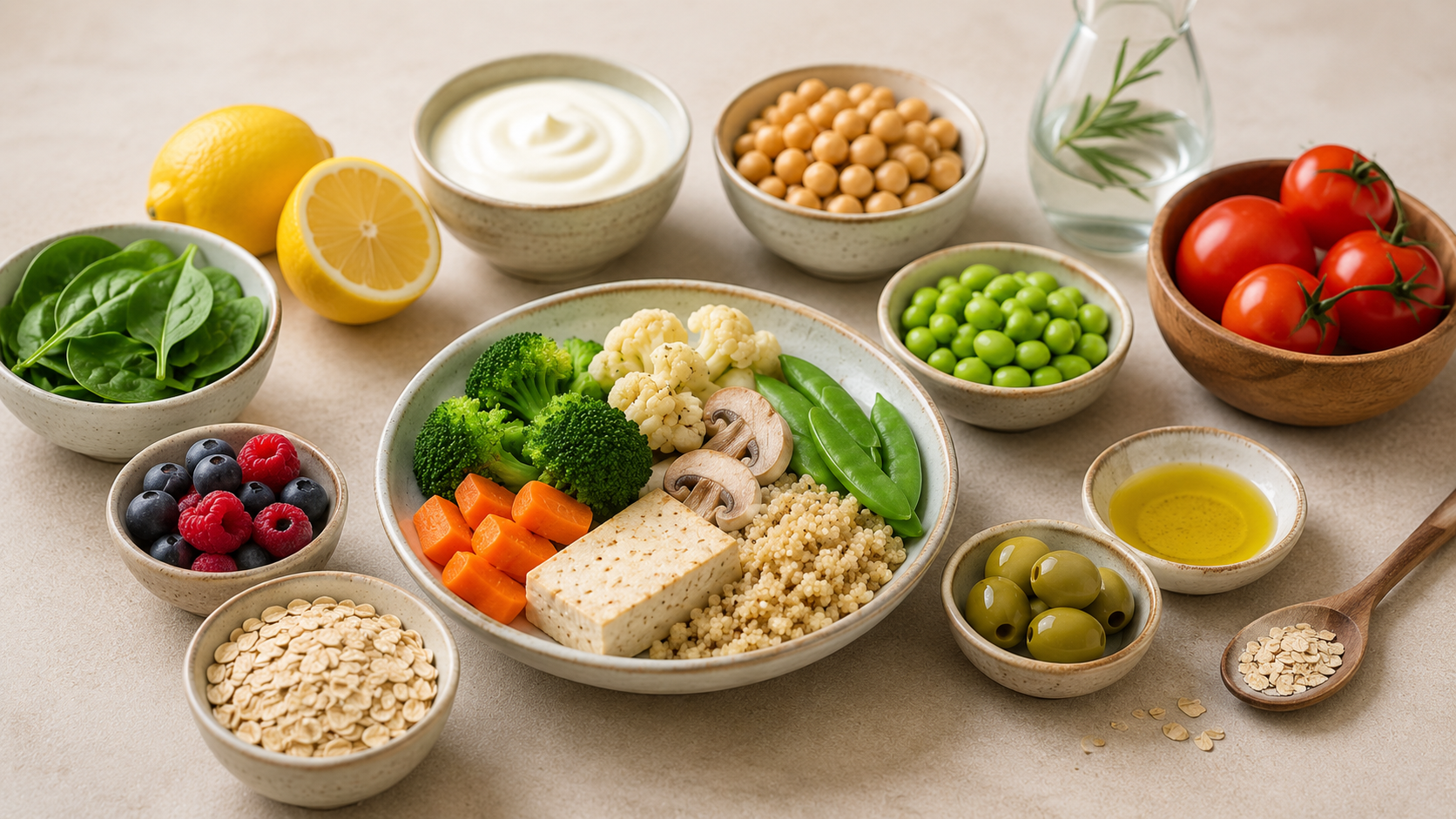
Anti-glycation eating does not mean skipping meals. It means less added sugar, fewer charred foods, less frying and grilling, and more intact foods.
How to Eat
You do not need to eliminate carbohydrates or all staple foods. More practical steps are fewer sugary drinks and desserts, slightly less-refined staples, gentler cooking, and fewer heavily browned foods.
Replace part of white rice and refined noodles with brown rice, oats, sweet potato, corn, mixed-bean rice, or whole-grain bread.
Use less repeated frying, hard searing, and blackened grilling for meat; use more steaming, simmering, braising, blanching, or lower-temperature slow cooking.
3. High-Quality Protein + Vitamin C: The Raw Materials for Skin Repair
Collagen is one of the skin’s key structural proteins. Normal collagen synthesis requires enough amino-acid building blocks and vitamin C for collagen formation and stabilization.
Low protein intake can impair cell proliferation, collagen formation, immune function, and tissue repair. Amino acids such as glycine and proline are important components of collagen, so long-term protein inadequacy may reduce skin renewal and repair.
Vitamin C also matters. A 2017 review in *Nutrients* noted that vitamin C contributes to collagen synthesis and stability as well as antioxidant defenses in skin. It is not a case of “more vitamin C means younger skin”; it is simply a basic part of normal repair and antioxidant systems.
So before reaching for anti-aging supplements, check whether protein intake has been chronically low and whether fruit and vegetable intake is inadequate.
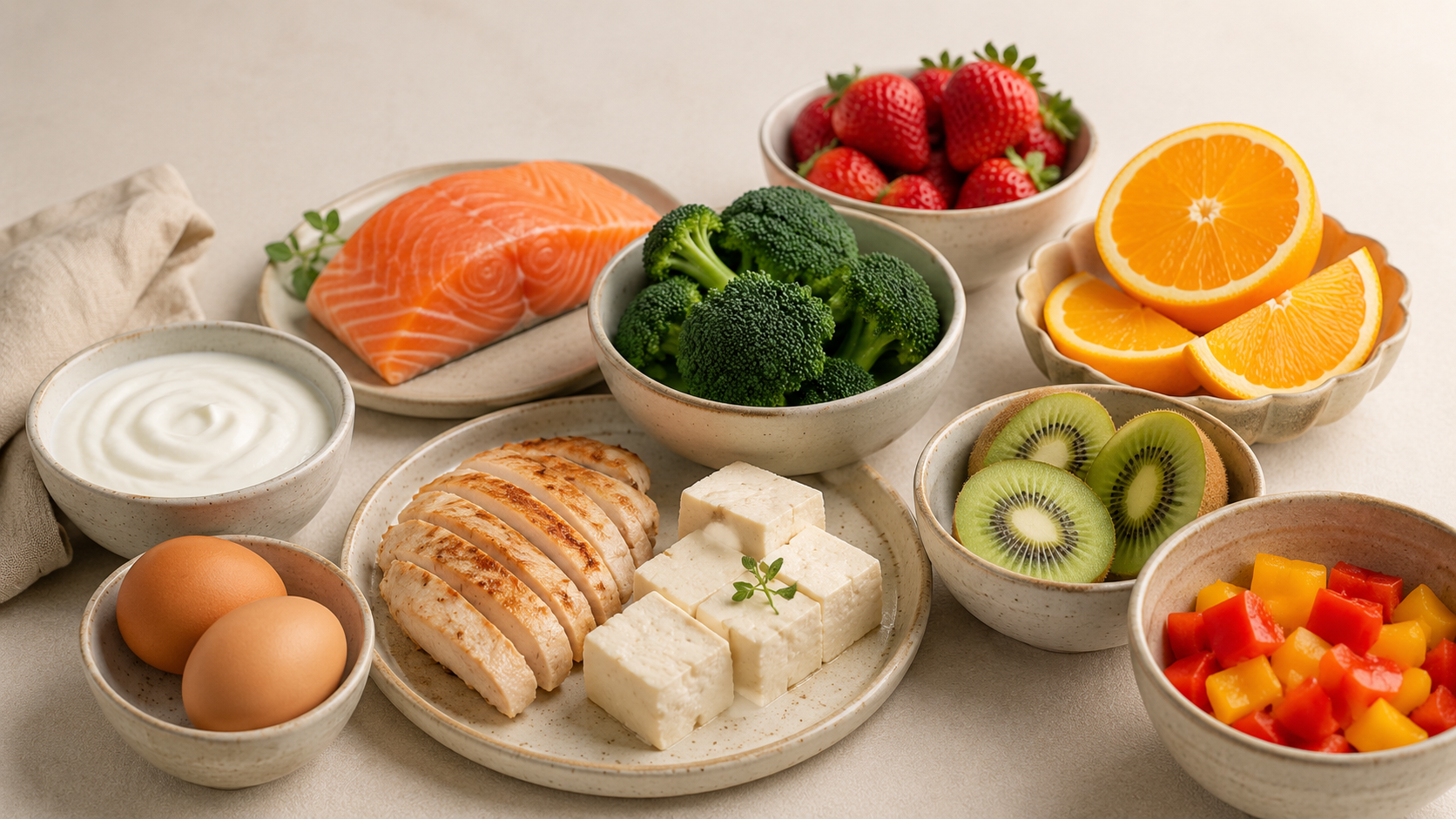
Protein and vitamin C form part of the basic foundation the skin needs to repair.
Food Sources
High-quality protein: eggs, fish and shellfish, chicken, lean meat, milk, yogurt, tofu, soy milk, soybeans, black beans, and chickpeas.
Vitamin C: kiwi, oranges, grapefruit, strawberries, fresh jujube, bell peppers, broccoli, Chinese kale, bok choy, cauliflower, and tomatoes.
A simple rule: protein at each meal, fruit every day, and dark-colored vegetables every day.
More protein is not always better. People with impaired kidney function, chronic disease, or other special medical needs should adjust intake with professional guidance.
4. Flavanols and EGCG: Useful Extras From Cocoa and Green Tea
Flavanols and EGCG are plant bioactives studied for antioxidant, anti-inflammatory, and photoprotective effects.
Cocoa flavanols come mainly from cocoa and dark chocolate; EGCG is a representative catechin in green tea.
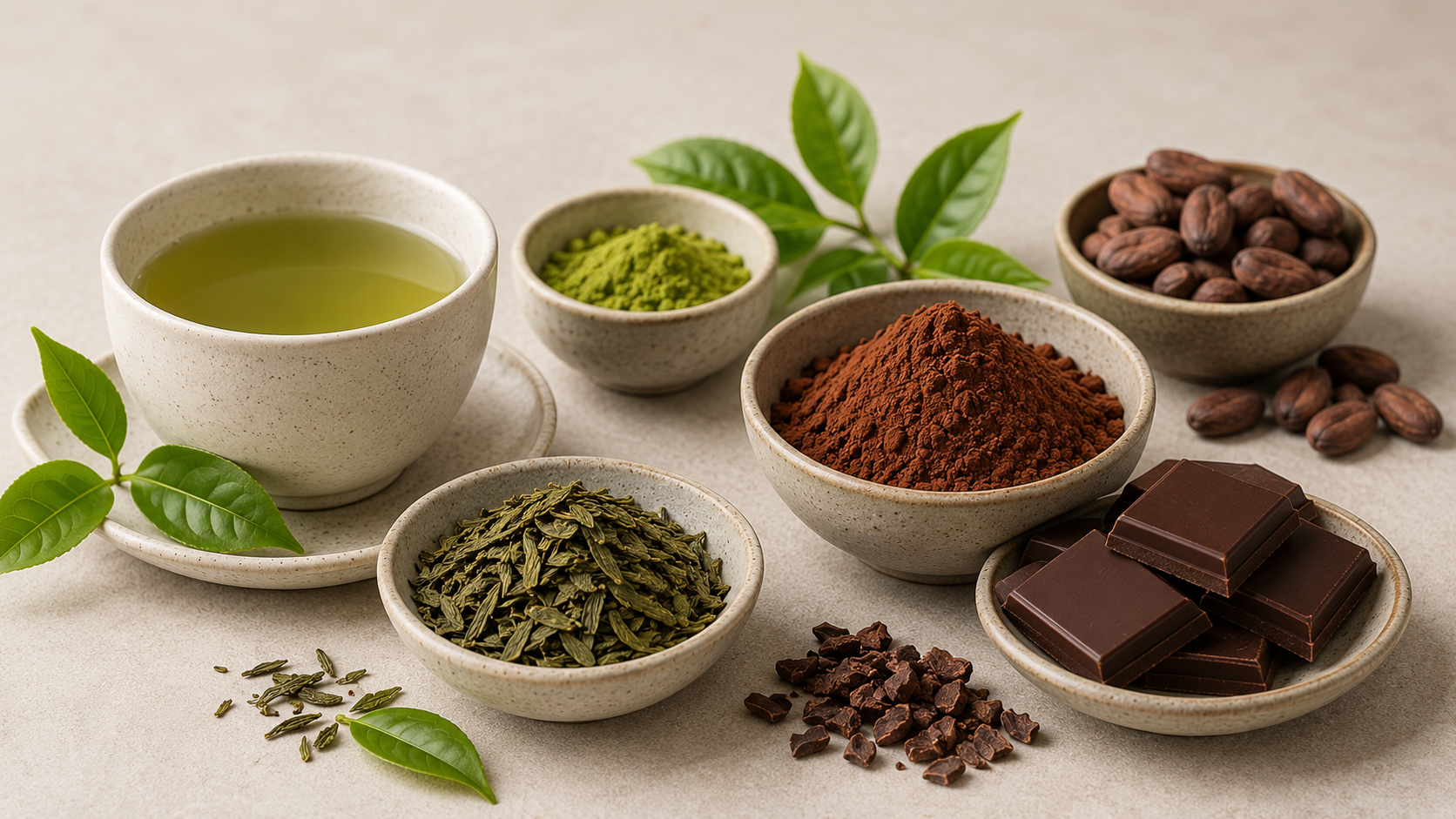
Cocoa flavanols and EGCG are extras, not the foundation: for cocoa, think “higher cocoa, lower sugar, small portions”; for green tea, think “normal tea drinking, avoid high-dose extracts.”
Cocoa flavanols: relatively focused research, but not ordinary sugary chocolate
Cocoa flavanols have received attention in skin-aging research. They may provide some long-term protection through antioxidant effects, improved microcirculation, and reduced UV-related oxidative damage.
A 24-week double-blind randomized controlled trial in 2016 found beneficial effects of regular cocoa-flavanol intake on facial wrinkles and skin elasticity in women with moderate photoaging. A 2025 systematic review and meta-analysis of dietary supplements and skin photoaging also found improvements in some photoaging measures from flavanols and certain plant bioactives.
But “cocoa flavanols” in research are not the same as ordinary high-sugar chocolate. If you want cocoa as a dietary source of flavanols, choose non-alkalized cocoa powder, 100% unsweetened dark chocolate, or unsweetened cocoa drinks.
EGCG: a representative green-tea catechin
EGCG is one of the main catechins in green tea and is often studied for antioxidant, anti-inflammatory, and UV-related effects.
UV exposure increases oxidative stress and inflammation and affects collagen metabolism. EGCG may help moderate some of these processes. Research suggests that green-tea polyphenols can reduce UV-induced erythema and improve measures such as skin elasticity, hydration, and roughness; reviews also suggest possible benefits for photoaging-related outcomes.
These findings support a possible adjunctive role, not the idea that drinking green tea or taking EGCG directly reverses wrinkles or aging.
Everyday choices include green tea, lighter brewed tea, matcha, and unsweetened tea drinks. If your goal is dietary EGCG, normal tea drinking is preferable to jumping straight to high-dose green-tea-extract supplements.
5. Proanthocyanidins, Anthocyanins, and Lycopene: Eat More Colorful Plants
Every day, skin faces oxidative stress from UV exposure, air pollution, sleep loss, stress, and inflammation. Over time, this can contribute to dullness, roughness, lower elasticity, pigmentation, and fine lines.
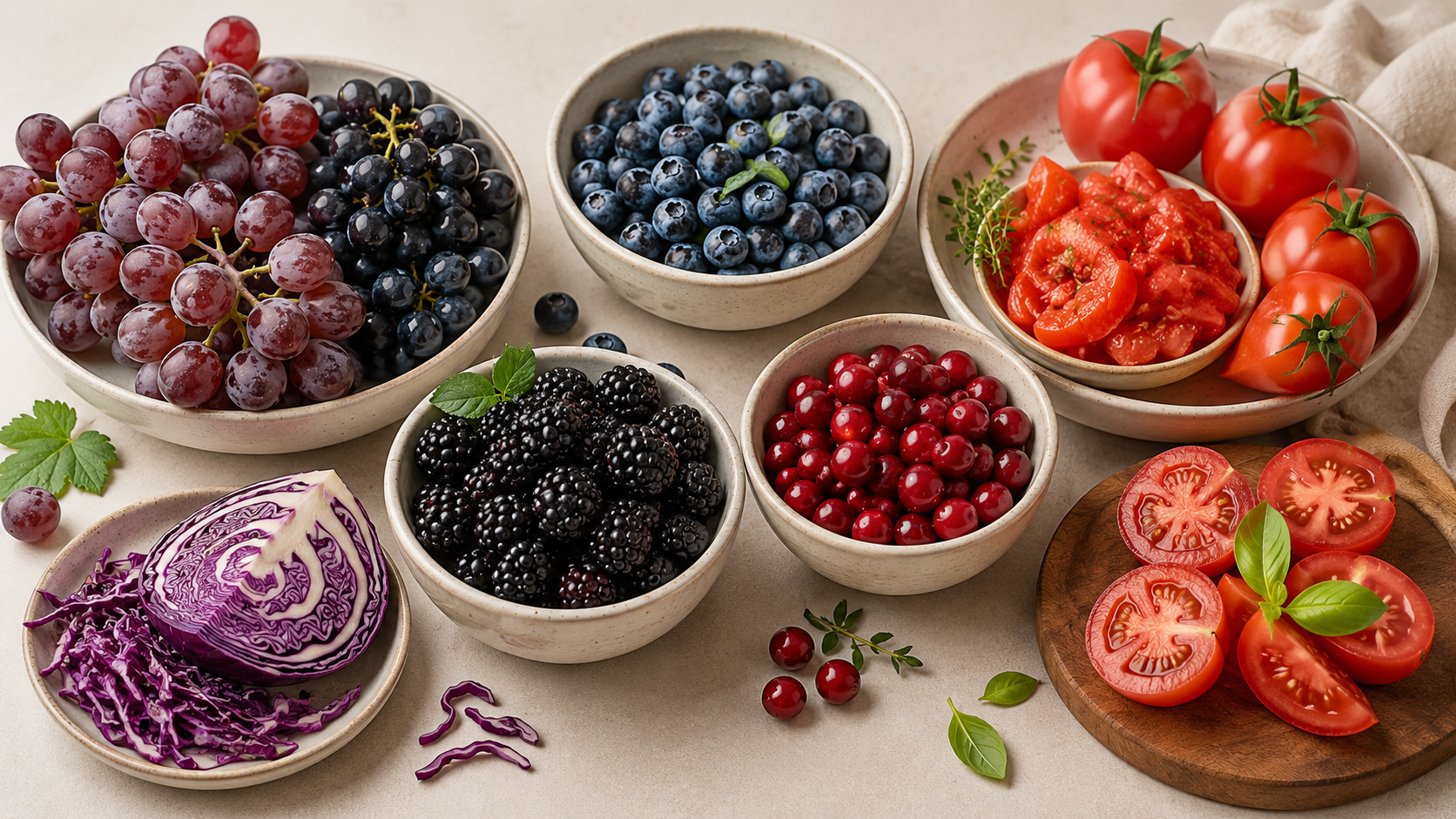
Proanthocyanidins, anthocyanins, and lycopene fit well into a long-term antioxidant dietary pattern; for lycopene specifically, cooked tomatoes with a little fat are useful.
Proanthocyanidins and anthocyanins
Proanthocyanidins are found in grape seeds and skins, apples, cocoa, cranberries, and other plants. Compared with anthocyanins, they have received somewhat more attention in photoaging research. Cell and animal studies suggest antioxidant and anti-inflammatory effects and reduced activity of enzymes involved in collagen breakdown after UV exposure.
Anthocyanins are concentrated in blueberries, blackberries, mulberries, purple grapes, red cabbage, black rice, and other blue-purple foods. They are the pigments that give many of these foods their color and also have antioxidant and anti-inflammatory potential. Cell and animal research suggests they may reduce UV-induced oxidative damage and collagen breakdown.
Current evidence is not strong enough to treat proanthocyanidins or anthocyanins as established “anti-aging interventions.” A more reasonable approach is to include them as part of a varied colorful-plant diet.
Useful everyday sources include blueberries, blackberries, mulberries, purple grapes, red cabbage, and black rice for anthocyanins; grape seeds and skins, apples, cocoa, and cranberries are important sources of proanthocyanidins.
Proanthocyanidins and anthocyanins are worth getting regularly from varied colorful plant foods rather than relying on one supplement to reduce wrinkles or “reverse aging.”
Lycopene
Lycopene is a fat-soluble carotenoid with antioxidant potential. Some recent studies suggest that tomato or lycopene interventions may reduce UV-induced erythema and improve certain photo-damage measures. Long-term intake of lycopene-rich foods may modestly improve skin tolerance to UV exposure, but it still cannot replace sunscreen.
If you want more lycopene from tomatoes, focus on cooked tomatoes paired with a little fat.
Heating helps release lycopene from tomato cell structures, and dietary fat supports absorption. Tomato-and-egg stir-fry, tomato beef stew, tomato-tofu soup, tomato pasta sauce, and tomato-vegetable soup can therefore be practical sources.
Raw tomatoes still have value, providing vitamin C, water, potassium, and fiber.
6. Omega-3 and Vitamin E: Supporting the Skin Barrier and Inflammatory Balance
Skin aging is not only about collagen loss. Chronic inflammation, barrier function, and cell-membrane health matter too.
Omega-3 fatty acids, including EPA and DHA, participate in inflammatory regulation and are linked with skin-barrier function and responses to photo-damage. Some studies suggest omega-3 may help regulate inflammation, improve dryness and barrier function, and influence UV-induced erythema.
But omega-3 is better understood as part of an overall anti-inflammatory diet than as a direct anti-wrinkle supplement.
Vitamin E is a fat-soluble antioxidant that helps protect cell membranes. A 2021 randomized controlled trial in postmenopausal women found that eating almonds daily for 16 weeks reduced facial wrinkle severity and pigmentation, suggesting that vitamin-E-rich foods may support healthy skin aging.
Vitamin E can also work alongside vitamin C within antioxidant networks that help limit free-radical damage to skin structures.
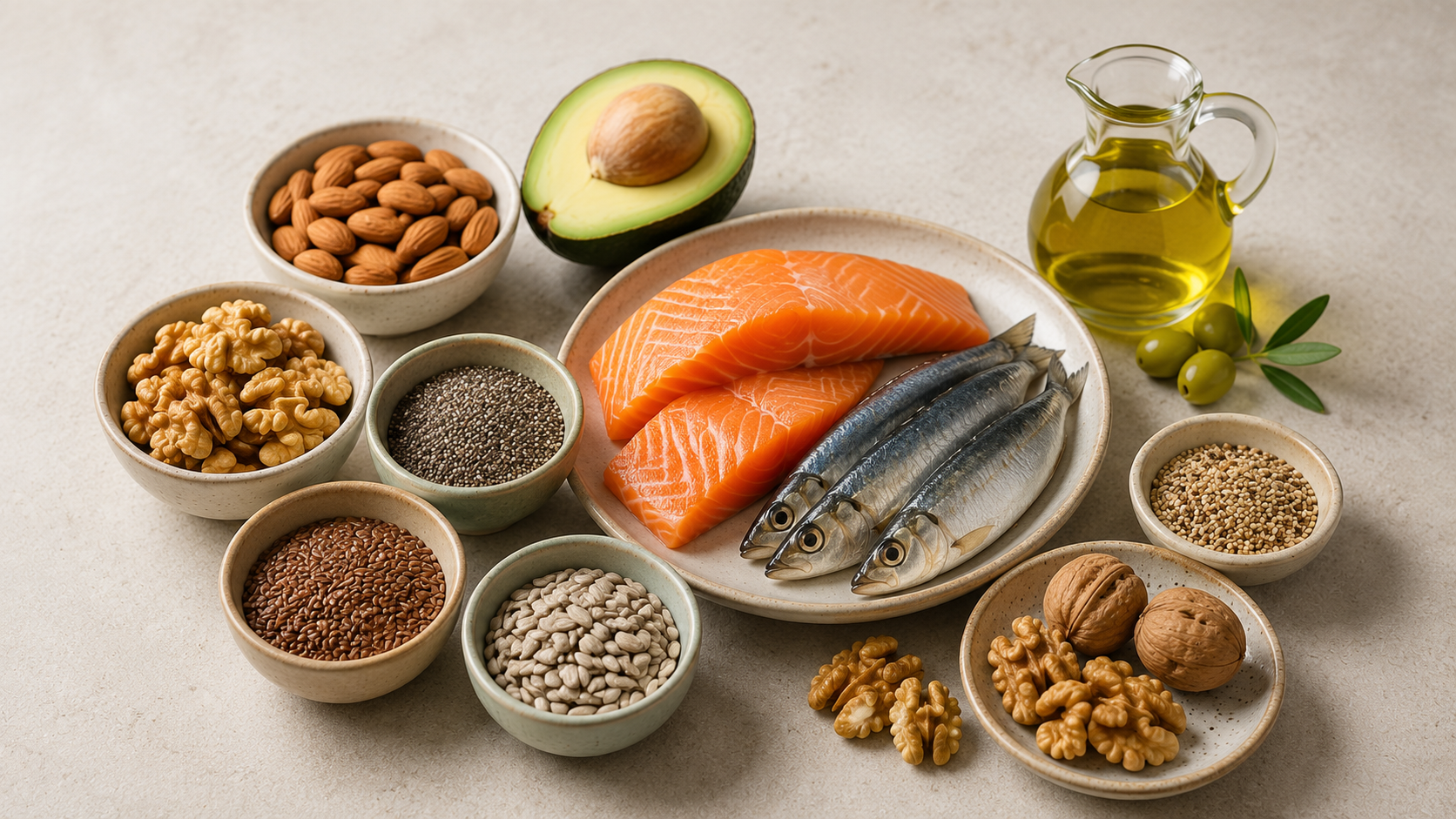
Anti-aging does not mean eating less fat. It means less fried fat and more fish, nuts, seeds, and high-quality plant oils.
Food Sources
Omega-3: salmon, sardines, mackerel, Pacific mackerel, herring, flaxseed, chia seeds, and walnuts.
Vitamin E: almonds, hazelnuts, sunflower seeds, pumpkin seeds, peanuts, avocado, olive oil, and wheat germ.
A practical pattern is fatty fish about twice a week and a small handful of nuts daily, ideally plain and low in salt and added sugar.
High-dose fish oil and vitamin E supplements should not be used long term without a clear reason. People taking anticoagulants, with bleeding risk, around surgery, during pregnancy, or with chronic disease should ask a clinician first.
7. Strength Training: Skin Aging Is Not Only About the Face
Skin is not an isolated organ, even though anti-aging is often framed as a skincare or diet issue.
Muscle mass, metabolic health, blood flow, and inflammatory state can all influence repair and overall skin condition.
With age, loss of muscle, less activity, and long periods of sitting can worsen metabolic health and circulation and may increase chronic inflammation, potentially slowing skin repair.
A 2023 study in *Scientific Reports* found that 16 weeks of both aerobic and resistance training improved skin elasticity and upper-dermal structure; resistance training also increased dermal thickness and influenced expression of genes related to the dermal extracellular matrix.
This does not mean lifting weights directly “erases wrinkles.” It means strength training can improve the whole-body metabolic, circulatory, and repair environment.

Slower skin aging is not only about food. Strength training helps preserve muscle, metabolic health, and repair capacity.
What to Do
Start with simple movements such as squats, glute bridges, push-ups, rows, resistance-band exercises, dumbbell work, and core training.
Two to three sessions per week for about 20–40 minutes each is a reasonable starting framework, increasing gradually.
Also sit less. Getting up for a few minutes each hour and walking 10–20 minutes after meals can support circulation and metabolic stability.
8. Sleep and Stress: Repair Falls Behind When Recovery Does
If sleep is chronically short or poor and stress stays high, even an “anti-aging” diet is unlikely to keep skin stable.
Skin repair is not performed by skincare products and nutrients alone. The body also needs enough sleep, lower stress, and a more stable inflammatory state to recover effectively.
A 2015 study found that chronic poor sleep quality was associated with more signs of intrinsic skin aging and worse skin-barrier function. Persistent poor sleep may contribute to dullness, dryness, barrier instability, and slower recovery.
Practical steps include keeping sleep timing more regular, reducing phone use and bright light before bed, limiting coffee and strong tea later in the day, and avoiding very heavy meals close to bedtime.
Stress can affect skin too. Chronic anxiety, overwork, and poor sleep can keep the body in a more alert, inflammatory, and oxidative state, potentially affecting the skin barrier, sebum production, microcirculation, and repair speed.
Leave some daily time to decompress: walking, stretching, breathing exercises, meditation, light activity, or simply stopping work messages before bed.

Sleep and stress management determine whether the body has enough time and the right conditions to repair skin.
A Sample Day for Skin-Healthy Aging
This is one practical everyday pattern. Meals do not need to be perfect; focus first on making the basic structure consistent.
Breakfast
Choose oats, whole-grain bread, or mixed-grain porridge with eggs, milk, plain yogurt or soy milk, plus a piece of fruit and a small handful of nuts.
For more flavanols, add a small amount of unsweetened non-alkalized cocoa powder. For EGCG, have a light green tea in the morning.
Lunch
Choose mixed-grain rice, brown rice, sweet potato, or corn with fish or shellfish, chicken, lean meat, tofu, or legumes plus at least two vegetables.
Try to include both dark green vegetables and red or purple produce, such as tomatoes, red cabbage, or bell peppers.
Afternoon Snack
Options include fruit, plain yogurt, nuts, berries, or a small piece of low-sugar high-cocoa dark chocolate.
If you are prone to insomnia, reduce strong tea, coffee, cocoa drinks, and green tea later in the day.
Dinner
Try tomato-and-egg stir-fry, tomato-tofu soup, tomato beef stew, steamed fish, soy foods, mushrooms, or dark green vegetables, paired with a moderate amount of mixed-grain rice, sweet potato, or pumpkin.
Keep dinner lower in fried or grilled foods and heavy seasoning, and avoid eating very late or until overly full.
Bottom Line
Slowing skin aging is not about one “miracle anti-aging food” or one anti-aging supplement.
What matters more is reducing UV damage, glycation, and chronic inflammation; getting enough protein, vitamin C, flavanols, EGCG, proanthocyanidins, anthocyanins, lycopene, omega-3, and vitamin E; and supporting that with strength training, sleep, and stress management.
Foods worth prioritizing include fish and shellfish, eggs, dairy, soy foods, whole grains, dark green vegetables, cooked tomatoes, berries, red cabbage, purple grapes, cranberries, non-alkalized cocoa powder, green tea, nuts and seeds, and olive oil.
Things worth reducing first include sugary drinks, milk tea, desserts, fried foods, barbecue, heavily charred meats, ultra-processed snacks, chronic sleep loss, intense sun exposure, and long periods of sitting.
The core of skin-aging prevention is not “what can make me look younger immediately?” It is protecting skin from UV, reducing glycation, getting enough repair nutrients and colorful plant foods, strength training, sleeping enough, and giving stress less opportunity to drain daily repair capacity.
Health Note
This article is for health education and everyday dietary reference only. It is not a diagnosis or treatment plan and does not replace individualized advice from a physician, dermatologist, or registered dietitian.
If you have significant skin disease, severe pigmentation, recurrent dermatitis, acne, rosacea, eczema, psoriasis, or if you are pregnant, breastfeeding, taking medication, or living with chronic disease, ask a professional before using fish oil, vitamin E, green-tea extract, EGCG, or other supplements.
References
- Hughes MCB, et al. Sunscreen and prevention of skin aging: a randomized trial. Ann Intern Med. 2013. https://pubmed.ncbi.nlm.nih.gov/23732711/
- Wang L, et al. The effects of advanced glycation end-products on skin and potential anti-glycation strategies. Exp Dermatol. 2024. https://pubmed.ncbi.nlm.nih.gov/38563644/
- Uribarri J, et al. Advanced glycation end products in foods and a practical guide to their reduction in the diet. J Am Diet Assoc. 2010. https://pubmed.ncbi.nlm.nih.gov/20497781/
- Pullar JM, et al. The Roles of Vitamin C in Skin Health. Nutrients. 2017. https://pubmed.ncbi.nlm.nih.gov/28805671/
- Yoon HS, et al. Cocoa Flavanol Supplementation Influences Skin Conditions of Photo-Aged Women: A 24-Week Double-Blind, Randomized, Controlled Trial. J Nutr. 2016. https://pubmed.ncbi.nlm.nih.gov/26581682/
- Heinrich U, et al. Green tea polyphenols provide photoprotection, increase microcirculation, and modulate skin properties of women. J Nutr. 2011. https://pubmed.ncbi.nlm.nih.gov/21525260/
- Sun J, et al. Beneficial Effects of Epigallocatechin Gallate in Preventing Skin Photoaging: A Review. Molecules. 2024. https://pubmed.ncbi.nlm.nih.gov/39598619/
- EFSA. Scientific opinion on the safety of green tea catechins. EFSA Journal. 2018. https://doi.org/10.2903/j.efsa.2018.5239
- Yang Q, et al. Effectiveness of dietary supplements for skin photoaging in healthy adults: a systematic review and meta-analysis of randomized controlled trials. Front Med. 2025. https://doi.org/10.3389/fmed.2025.1582946
- Zhang X, et al. The effect of tomato and lycopene on clinical characteristics and molecular markers of UV-induced skin deterioration: A systematic review and meta-analysis of intervention trials. Crit Rev Food Sci Nutr. 2024. https://pubmed.ncbi.nlm.nih.gov/36606553/
- Rybak I, et al. Prospective Randomized Controlled Trial on the Effects of Almonds on Facial Wrinkles and Pigmentation. Nutrients. 2021. https://pmc.ncbi.nlm.nih.gov/articles/PMC7997170/
- Nishikori S, et al. Resistance training rejuvenates aging skin by reducing circulating inflammatory factors and enhancing dermal extracellular matrices. Sci Rep. 2023. https://pubmed.ncbi.nlm.nih.gov/37353523/
- Oyetakin-White P, et al. Does poor sleep quality affect skin ageing? Clin Exp Dermatol. 2015. https://pubmed.ncbi.nlm.nih.gov/25266053/
Diet, exercise, sleep, and sun protection can support everyday health, but they do not replace diagnosis of skin disease, medication when needed, or individualized nutrition care.