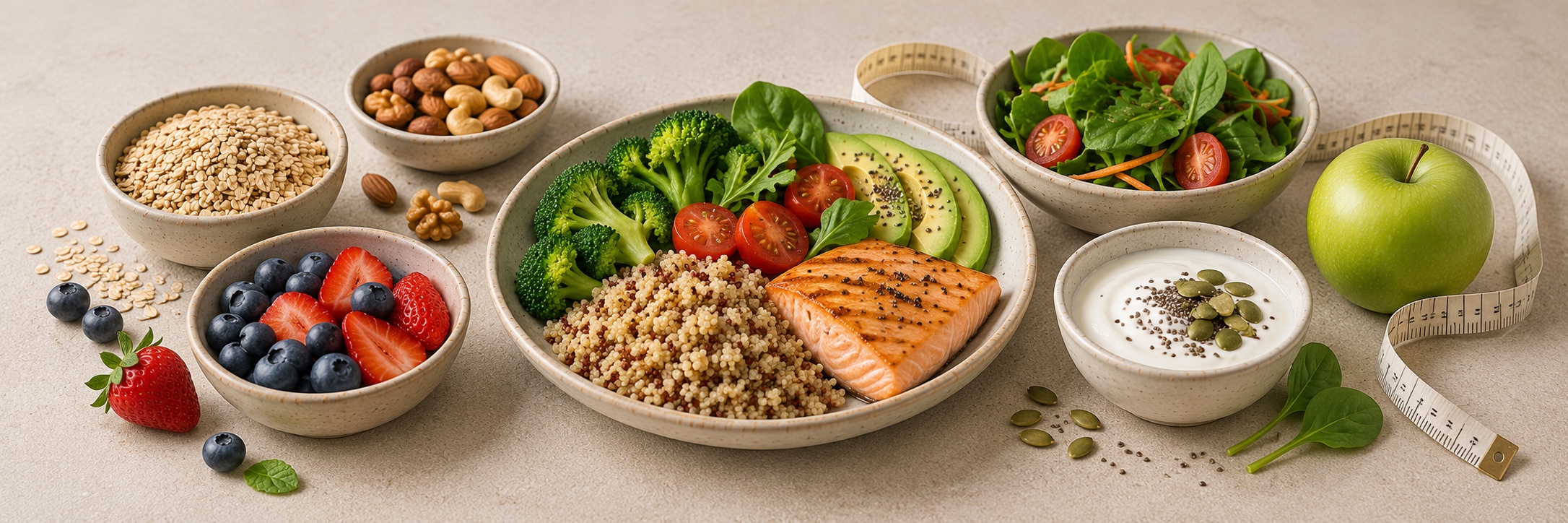
Opening: Anti-Glycation Does Not Mean Cutting All Carbs
When people hear “anti-glycation,” many immediately think: Does that mean no sugar? No rice, noodles, fruit, or sweet potatoes? It does not.
Effective anti-glycation eating is not about eliminating all carbohydrates or blacklisting staple foods and fruit. It is about reducing large glucose swings, excess added sugar, refined carbohydrates, and high-AGE foods created by frying, grilling, and other dry high-heat cooking.
A chronically high-sugar diet and large glucose swings can do more than make you sleepy or hungry again quickly. Over time, they may contribute to insulin resistance, fat accumulation, and greater metabolic strain.
For skin, glycation matters too. When blood glucose stays high or frequently spikes, sugars are more likely to react with proteins and fats, forming advanced glycation end products (AGEs).
Excess AGEs can increase oxidative stress and chronic inflammation and may make collagen and elastin stiffer, more brittle, and harder to repair. Over time, skin may look duller and rougher, lose elasticity, sag more easily, and show fine lines and fatigue more clearly.
So effective anti-glycation eating is not “no staples.” It means fewer sugary drinks, refined starches, and heavily browned foods, and more vegetables, high-quality protein, whole grains, legumes, and whole fruit.
Keeping glucose steadier and glycation pressure lower may reduce some inflammatory and oxidative stress and give skin a better chance to remain resilient, bright, and stable over time.
Key Takeaways
If you want to reduce glycation, start with these eight habits:
- Drink fewer sugary beverages and cut hidden added sugars. Start with milk tea, juice, sweetened coffee, flavored yogurt, and sweetened cereals.
- Reduce refined starches and choose more lower-GI / lower-GL staples. Eat less white rice porridge, white bread, desserts, and sticky-rice foods, and more oats, buckwheat, brown rice, mixed legumes, sweet potatoes, and corn.
- Do not be fooled by “healthy” packaging. Whole grain, multigrain, sucrose-free, low-fat, high-protein, or zero-sugar claims do not automatically make a product a good choice for steadier glucose.
- Get enough fiber and eat fruit whole rather than drinking juice. This slows carbohydrate absorption and can make post-meal glucose more stable.
- Eat vegetables and protein first and staple carbohydrates last to reduce post-meal glucose peaks.
- Do not eat staple carbohydrates by themselves. Pair them with protein, vegetables, and healthy fats to slow the rise in glucose.
- Use resistant starch and vinegar-based seasonings as small supportive strategies rather than the foundation of glucose control.
- Eat fewer high-AGE foods. Reduce frying, grilling, charring, repeated high-heat reheating, and heavily crisped foods; use more steaming, boiling, stewing, and braising.
Control glucose swings: fewer sugary drinks and refined starches, more lower-GI / lower-GL staples and fiber, and a better meal order.
Avoid common traps: look beyond front-of-package claims and read the ingredient list and Nutrition Facts panel.
Reduce glycation pressure: less added sugar, less charring and crisping, less frying and grilling, and more moist cooking methods.
Anti-glycation does not mean eliminating all carbs. It means changing the eating patterns most likely to produce large glucose swings and increase glycation pressure.
1. Start With Sugary Drinks and Hidden Added Sugars
Many people think they “do not eat sugar” because they rarely eat candy or cake. In practice, excess added sugar often comes from milk tea, juice, sweetened coffee, probiotic drinks, flavored yogurt, sweetened cereals, cakes, cookies, syrup-based drinks, and sweet breads.
WHO recommends keeping free sugars below 10% of total energy intake for both adults and children. Chinese dietary guidance also recommends keeping added sugar below 50 g/day, preferably below 25 g/day.
Watch for hidden sugars. Do not look only for white sugar on the ingredient list; also watch for sucrose, glucose, fructose, maltose, high-fructose corn syrup, corn syrup, malt syrup, glucose syrup, honey, fruit-juice concentrate, and maltodextrin. Maltodextrin may not be labeled as “sugar,” but it is rapidly digested and can produce a substantial glucose response.
Sugar-sweetened beverages are one of the highest-priority foods to reduce. A 2025 global-burden analysis in Nature Medicine estimated that sugar-sweetened beverage intake contributes to a large number of type 2 diabetes and cardiovascular disease cases worldwide. Multiple systematic reviews and meta-analyses have also linked higher intake with greater cardiometabolic and mortality risk.
Replace milk tea, sweetened coffee, juice, probiotic drinks, and flavored yogurt with water, unsweetened tea, black coffee, unsweetened soy milk, plain milk, plain yogurt, or unsweetened sparkling water. Replace flavored yogurt with plain or Greek yogurt and add a small amount of berries or nuts yourself. For snacks, use plain nuts, unsweetened seaweed, roasted chickpeas, a small amount of high-cocoa lower-sugar dark chocolate, or an unsweetened cocoa drink.
Lower-sugar, high-cocoa dark chocolate can fit occasionally in a small portion, but it still contains fat and calories and should not become a large daily snack.
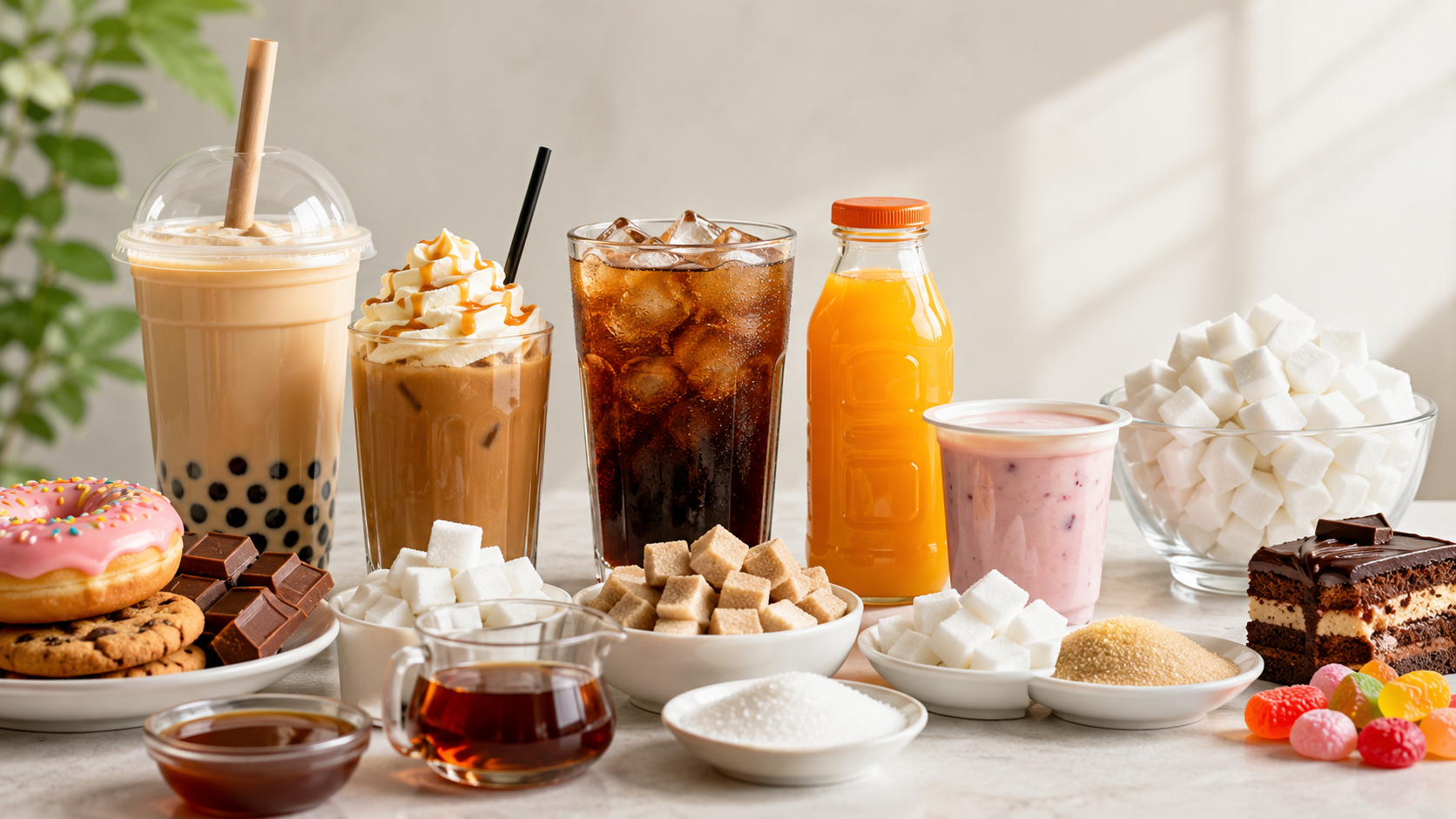
The first step in reducing glycation is not giving up rice—it is cutting sugary drinks and hidden added sugars.
2. Reduce Refined Starches: Foods Do Not Have to Taste Sweet to Raise Glucose Quickly
Many people focus only on whether a food tastes sweet, but sweetness alone does not determine the glucose response.
White rice, rice porridge, white bread, steamed buns, noodles, dumpling wrappers, sticky-rice foods, sweetened cereal, and instant oats may not taste very sweet, but they are often low in fiber, finely processed, soft in texture, and rapidly digested, which can raise post-meal glucose quickly.
So reducing glycation means paying attention not only to sweets but also to refined starches.
Low-GI / low-GL eating patterns have been studied extensively. A 2021 BMJ systematic review and meta-analysis found that, in people with diabetes, lower-GI / lower-GL diets improved HbA1c, fasting glucose, blood lipids, and some cardiometabolic risk markers. Reviews published in 2024 also support a role for lower-GI / lower-GL diets in glucose management, while emphasizing overall diet quality and portion size.
Remember that low GI does not mean unlimited portions. A more practical approach is to consider three things together: how refined the food is, how much you eat, and whether the meal also contains protein and vegetables.
You do not need to eliminate staple foods. A more realistic strategy is to choose less-refined staples, vary the types you eat, and keep portions steady.
Replace part of white rice and refined flour foods with oats, buckwheat, brown rice, quinoa, corn, purple sweet potato, sweet potato, yam, pumpkin, chickpeas, lentils, adzuki beans, black beans, whole-grain bread, or buckwheat noodles.
When cooking rice, start with about two-thirds white rice and one-third whole grains or legumes. Once your digestion adapts, gradually increase the proportion—for example, half white rice and half brown rice, oat groats, or legumes. Switching abruptly to an all-coarse-grain diet can cause bloating or digestive discomfort and make the change harder to sustain.
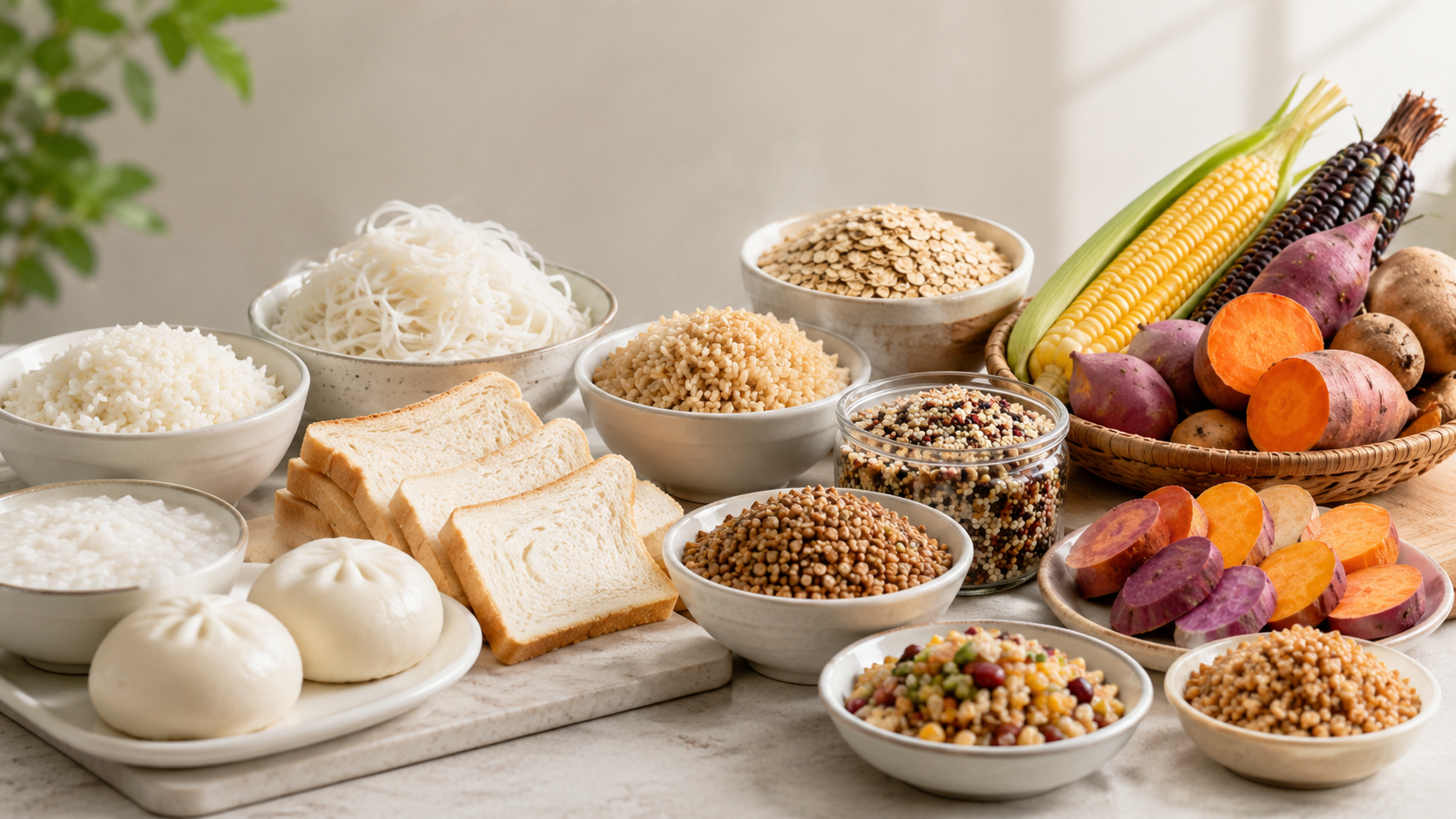
Anti-glycation eating is not about avoiding all staples. It is about eating fewer staples that are highly refined, soft, sweetened, sticky, or heavily processed.
3. Do Not Be Fooled by “Healthy” Packaging
Some people are already trying to “eat anti-glycation” but still consume plenty of refined starch, added sugar, and fat. The problem is not always a lack of discipline. Many products marketed as whole grain, multigrain, sucrose-free, low-fat, high-protein, or zero-sugar are still poor everyday choices for steadier glucose.
When shopping, look beyond the claims on the front. Focus on the ingredient list and Nutrition Facts panel. Ingredients listed earlier are generally present in larger amounts; on the nutrition panel, pay particular attention to carbohydrate, sugars, fat, sodium, and fiber.
Whole-grain bread is not always mostly whole grain. If the first ingredient is refined wheat flour or high-gluten wheat flour rather than whole-wheat, rye, or oat flour, it may simply be ordinary bread with a small amount of whole grain added.
Buckwheat noodles may also contain little buckwheat. Many products still list wheat flour first, with buckwheat flour farther down. If glucose control matters, check the buckwheat proportion and pair the noodles with vegetables, eggs, tofu, fish, or shrimp instead of eating a large bowl of noodles alone.
Multigrain or “coarse-grain” cookies deserve extra caution. Crisp cookies often rely on added fat, sugar, refined flour, starch, or syrup. Even if they contain oats, sesame, or quinoa, they may still be calorie-dense, high-fat snack foods.
Instant oats, flavored oats, and crunchy granola can create the same problem. Oats themselves are nutritious, but the finer the processing and the more flavoring added, the easier they become a sweet oat-based snack. Prefer plain oats with “oats” as the only ingredient.
Sucrose-free does not mean sugar-free and does not mean low-glycemic. The ingredient list may still include maltose, glucose syrup, high-fructose corn syrup, honey, fruit-juice concentrate, or maltodextrin.
A simple rule is: simpler ingredients are generally better, intact foods come first, and processed snacks should be less frequent. Anti-glycation eating is not about buying “health-concept” foods—it is about returning to simpler foods such as oats, legumes, sweet potatoes, corn, brown rice, vegetables, eggs, fish, shrimp, and tofu.
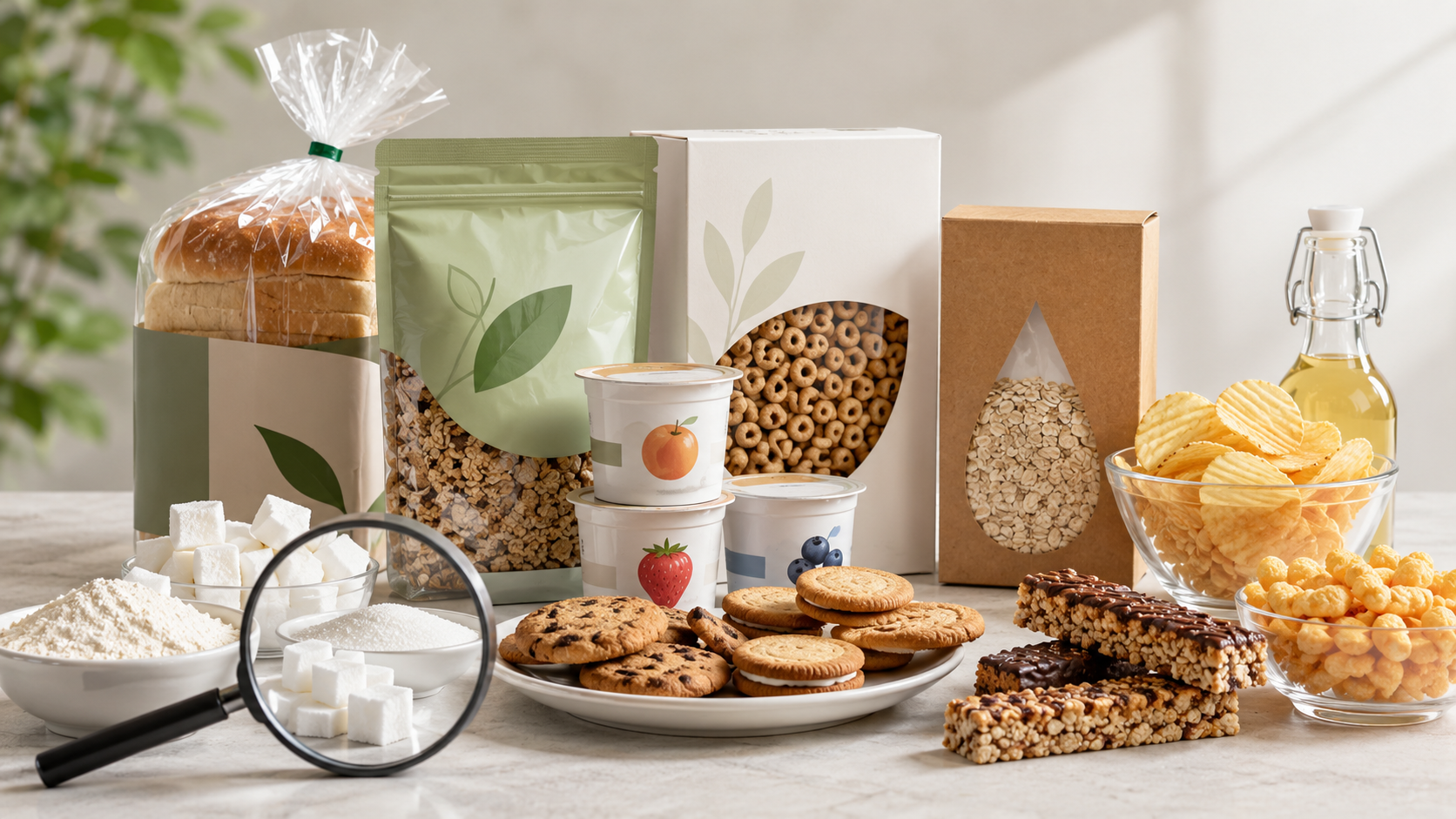
When buying food for steadier glucose, do not rely on health claims. Check the ingredient list, the nutrition panel, and whether the product still resembles an intact food.
4. Get Enough Fiber and Eat Fruit Whole: Give Carbs a “Speed Bump”
Dietary fiber is one of the most basic and sustainable parts of an anti-glycation eating pattern.
It does not “remove sugar” from the body, but it can slow gastric emptying and glucose absorption, producing a gentler post-meal rise. Fiber also supports satiety, the gut microbiome, and weight management.
A 2024 systematic review on dietary fiber in type 2 diabetes management found that increasing fiber intake generally improved glucose control and weight-related outcomes. A 2021 systematic review and meta-analysis of soluble fiber supplementation also reported improvements in glycemic control and BMI in people with type 2 diabetes.
For everyday eating, it is usually better to get enough fiber from foods before relying on fiber powders. Vegetables, legumes, whole grains, and whole fruit provide minerals, polyphenols, plant protein, and other useful compounds in addition to fiber.
Prioritize leafy greens, broccoli, mushrooms, seaweed, okra, asparagus, red cabbage, tomatoes, legumes, oats, barley, buckwheat, brown rice, chia seeds, flaxseed, and nuts. A simple pattern is to make about half the plate vegetables, add a protein source, and eat the staple carbohydrate afterward.
Fruit can stay, but drink less juice and do not treat fruit as unlimited. Whole fruit contains water, fiber, vitamins, minerals, and polyphenols and is not nutritionally equivalent to juice or syrup-based drinks. The bigger concerns are juice, smoothies, concentrated fruit drinks, and very large portions of high-sugar fruit.
A large 2013 BMJ cohort analysis found that greater intake of certain whole fruits, including blueberries, grapes, and apples, was associated with lower type 2 diabetes risk, whereas higher fruit-juice intake was associated with greater risk. In daily life, eating fruit is generally preferable to drinking it.
Good everyday options include strawberries, blueberries, blackberries, kiwi, grapefruit, apples, pears, and cherry tomatoes. Lychee, longan, durian, mango, grapes, mandarins, and fresh dates can also fit, but portion size matters—do not eat a very large bowl at once.
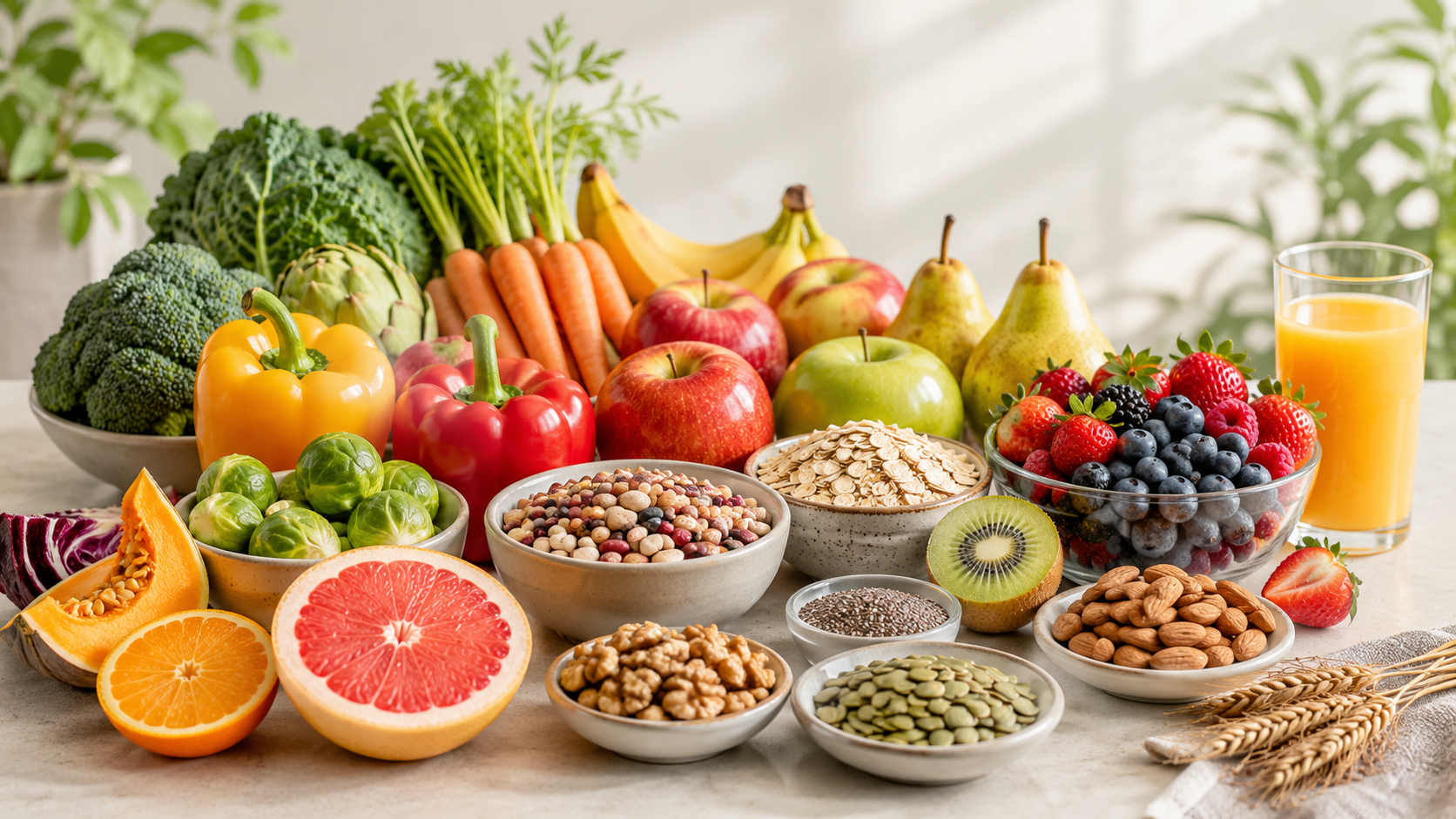
Think of fiber as a speed bump for carbohydrate. Fruit can fit, but eat it whole, do not juice it, and keep portions reasonable.
5. Change Meal Order: Vegetables and Protein First, Staples Last
What you eat matters, and so does the order in which you eat it.
With the same meal, eating rice, noodles, or buns first may produce a faster glucose rise. Eating vegetables first, then fish, meat, eggs, or tofu, and staple carbohydrates last often produces a flatter post-meal response.
A 2015 Diabetes Care study in people with type 2 diabetes found lower post-meal glucose and insulin responses when vegetables and protein were eaten before carbohydrate rather than carbohydrate first. Later studies have also found that eating vegetables or protein before carbohydrate can reduce post-meal glucose excursions, with similar signals reported in some studies of gestational diabetes and healthy adults.
This approach is simple, costs nothing, and does not require complex calculations. It does not replace overall dietary quality, but it is easy to use as an everyday habit.
A meal can follow this order: vegetables and mushrooms first—such as leafy greens, broccoli, red cabbage, seaweed, mushrooms, or tomatoes; protein next—such as eggs, fish, shrimp, chicken, lean meat, tofu, soy foods, or plain yogurt; and staple foods last—such as rice, noodles, sweet potato, corn, or mixed-grain rice.
Breakfast is a common place to improve. A meal made only of white rice porridge, buns, youtiao, or sweetened cereal can raise glucose quickly and leave you hungry again sooner.
A more balanced breakfast could be eggs + unsweetened soy milk or milk + whole-grain bread or oats + a small serving of nuts, vegetables, or fruit.
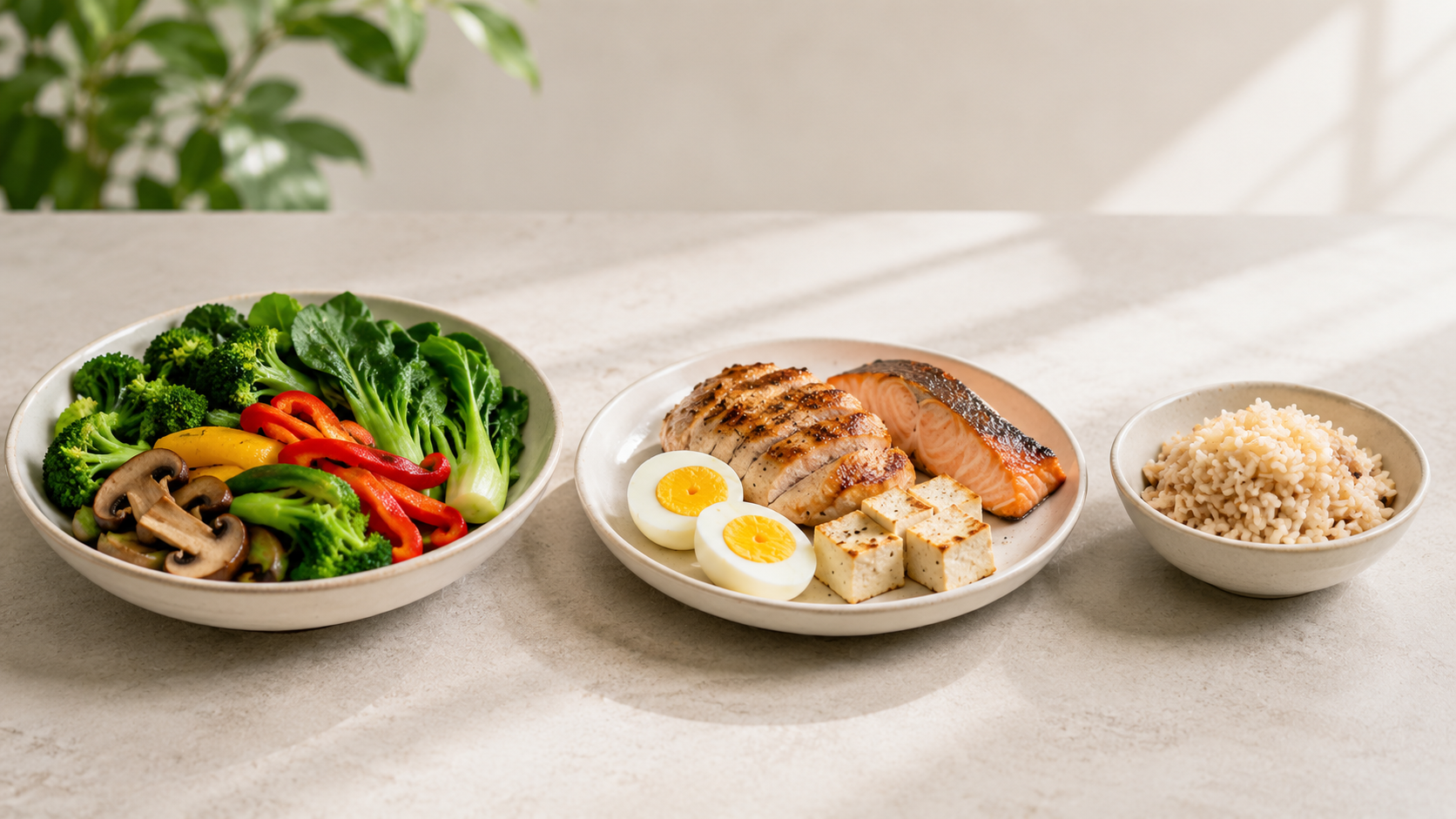
You do not need to avoid staple foods. Just do not let refined starch be the first thing to hit an empty stomach.
6. Do Not Eat Staples Alone: Pair Them With Protein and Healthy Fats
Large glucose swings are not always caused by eating an unusually large amount of staple food. Sometimes the problem is that the staple is eaten almost by itself.
Examples include rice porridge with pickles, bread with sweet coffee, rice with stir-fried potatoes, noodles with a sugary drink, or buns with milk tea. These meals are carbohydrate-heavy and low in protein, fat, and fiber, so glucose can rise quickly and satiety may not last.
Better combinations include rice + fish, eggs, or tofu + vegetables; oats + plain yogurt or eggs + nuts; whole-grain bread + eggs + avocado; or fruit + plain yogurt or a small amount of nuts.
Mechanistically, protein, fat, and fiber can slow gastric emptying, increase satiety, and make glucose enter the bloodstream more gradually. Many findings from lower-GI / lower-GL diets, fiber studies, and meal-sequencing research point in the same general direction: avoid consuming a large amount of carbohydrate rapidly and in isolation.
This does not mean more protein is always better, nor can a large serving of meat “cancel out” a high-sugar, high-fat diet. A balanced meal still needs an appropriate staple, protein, vegetables, and a moderate amount of healthy fat.
When eating rice, avoid pairing it only with other starches such as potatoes, lotus root, or glass noodles. Add fish, shrimp, eggs, tofu, or lean meat plus a large serving of vegetables. Fruit can also be paired with plain yogurt or a small amount of nuts for more stable satiety.
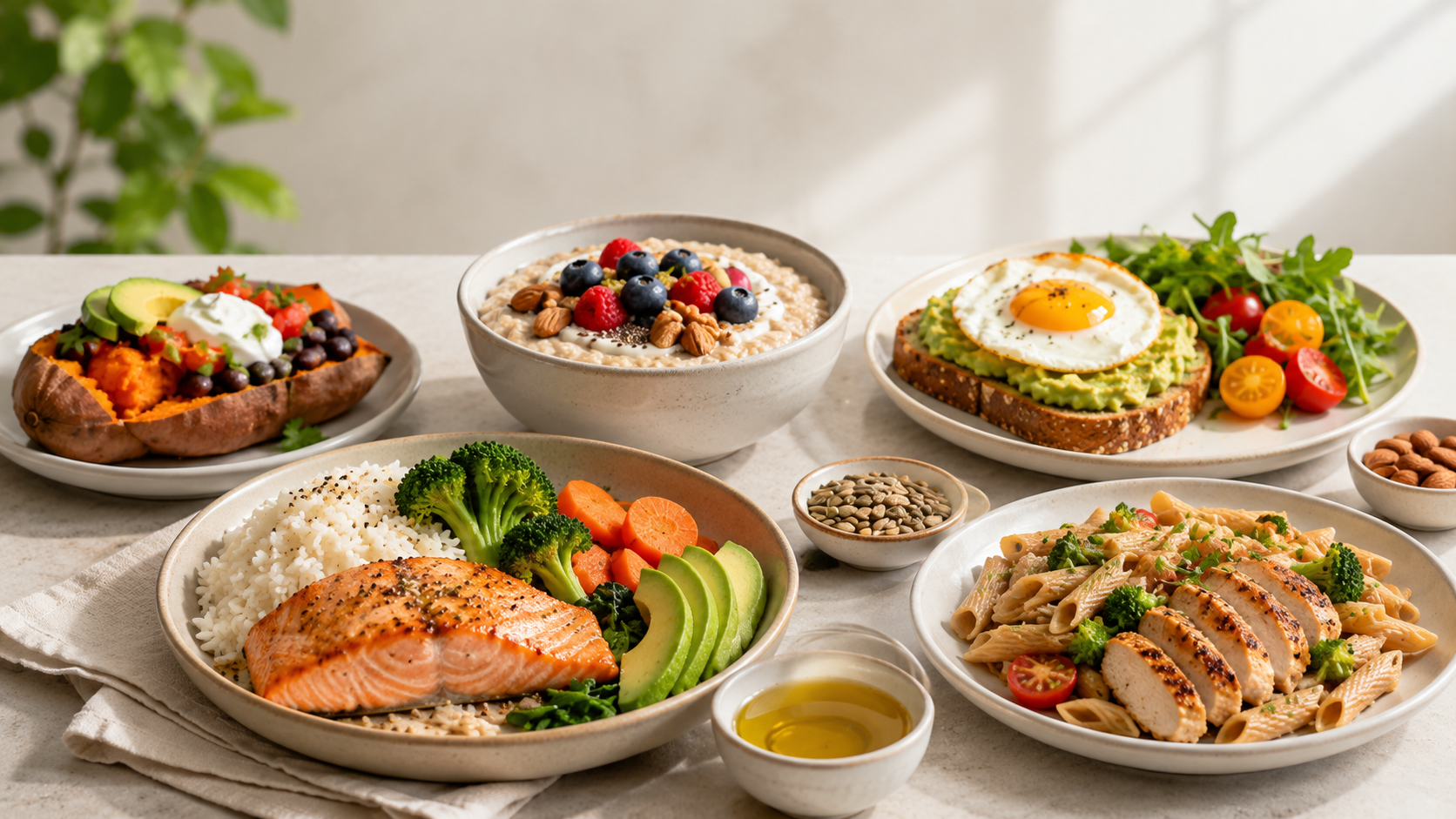
Staple foods can stay—just do not eat them alone. Pair them with protein, vegetables, and healthy fats.
7. Two Small Extras: Resistant Starch and Vinegar-Based Seasoning
Some dietary strategies are simple and may modestly improve post-meal glucose.
The first is cooling some cooked starch before eating it. When foods such as rice, potatoes, sweet potatoes, and pasta cool after cooking, some starch retrogrades and forms resistant starch. Resistant starch is less rapidly digested in the small intestine and may produce a gentler post-meal glucose response.
A 2015 study found that white rice cooked, refrigerated at 4°C for 24 hours, and then reheated contained more resistant starch and produced a lower post-meal glucose response than freshly cooked rice. A 2022 study in people with type 1 diabetes also found that cooled rice reduced the post-meal glucose rise, but in people using insulin it may also increase the risk of post-meal hypoglycemia.
So this is a supportive strategy, not a rule to follow blindly. Refrigerate cooked rice, potatoes, or pasta promptly rather than leaving them at room temperature for long periods, and reheat thoroughly before eating.
The second is using acidic seasonings in moderation. Rice vinegar, aged vinegar, apple cider vinegar, or lemon juice can be used in dressings, dipping sauces, salads, or marinades. A 2025 systematic review and dose-response meta-analysis in type 2 diabetes suggested that apple cider vinegar may modestly improve fasting glucose and HbA1c; a 2022 meta-analysis of vinegar intake also reported reductions in fasting glucose and HbA1c.
These studies do not show that apple cider vinegar can replace a glucose-supportive diet or medication. It is better viewed as a seasoning, not a “blood-sugar cure.” People with reflux, peptic ulcer disease, gastritis, sensitive teeth, or those using glucose-lowering medication or insulin should be especially cautious.
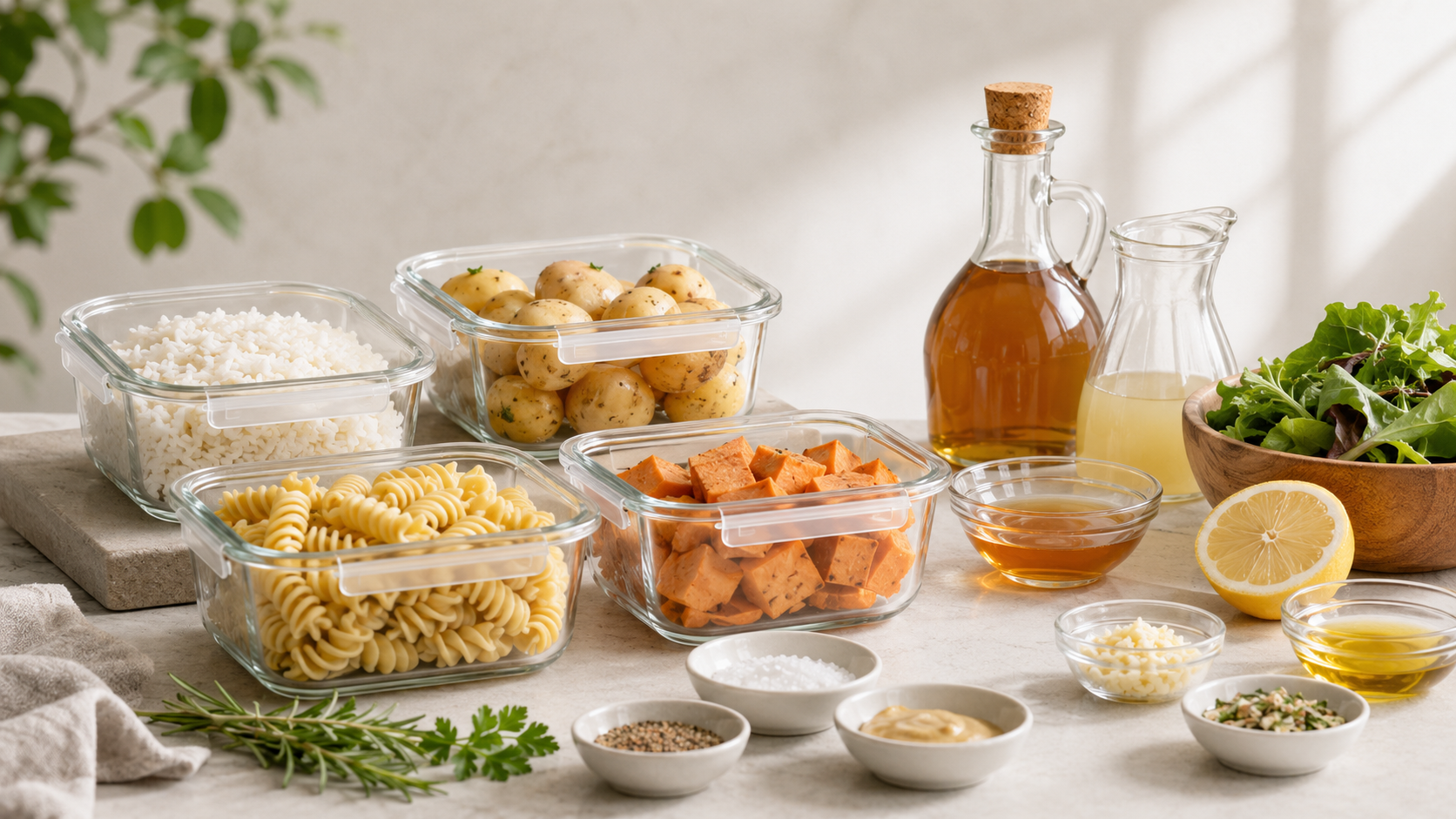
Cooled starch and vinegar-based seasonings are small supportive tools. They do not replace cutting sugary drinks and refined staples or getting enough fiber.
8. Eat Fewer High-AGE Foods: Focus on Charring, Frying, and Grilling
Another often-overlooked part of anti-glycation eating is reducing dietary AGEs.
AGEs form inside the body but can also be consumed in foods. A widely cited 2010 database published in the Journal of the American Dietetic Association found that high-temperature, low-moisture, dry-heat cooking markedly increases AGE formation, whereas lower temperatures, shorter cooking times, more moisture, and acidic marinades can reduce it.
From an anti-glycation perspective, foods to limit include fried chicken, grilled meats and skewers, bacon, sausages, grilled sausages, chips, scorched rice crust, heavily browned bread crusts, fried desserts, and foods repeatedly fried at high heat.
Prefer cooking methods such as steaming, boiling, stewing, braising, blanching, and lower-temperature slow cooking.
Clinical studies of lower-AGE diets have mainly measured metabolic risk markers. The 2017 meta-analysis of 17 randomized trials reported improvements in insulin resistance and total and LDL cholesterol, but no significant overall reduction in fasting insulin; a reduction in the type 2 diabetes subgroup must not be presented as the overall result. A separate 2021 meta-analysis of 13 randomized trials did report reductions in fasting insulin, insulin resistance, total cholesterol, and LDL cholesterol. These are metabolic outcomes, not direct evidence that this eating pattern makes skin younger or brighter or reduces wrinkles in humans. [22,23]
This reinforces an important point: glycation is not only about whether a food contains sugar. It also matters whether food is repeatedly fried until crisp, grilled until charred, or browned heavily at high heat.
At home, avoid always searing meat until very dark, grilling it black, or frying it until crisp. Use more steamed fish, tomato-braised beef, blanched shrimp, chicken stew, tofu casserole, steamed egg, mixed-grain porridge, and stewed legumes. Simple marinades using lemon juice, vinegar, tomato, herbs, scallion, ginger, or garlic may also reduce high-temperature browning reactions.
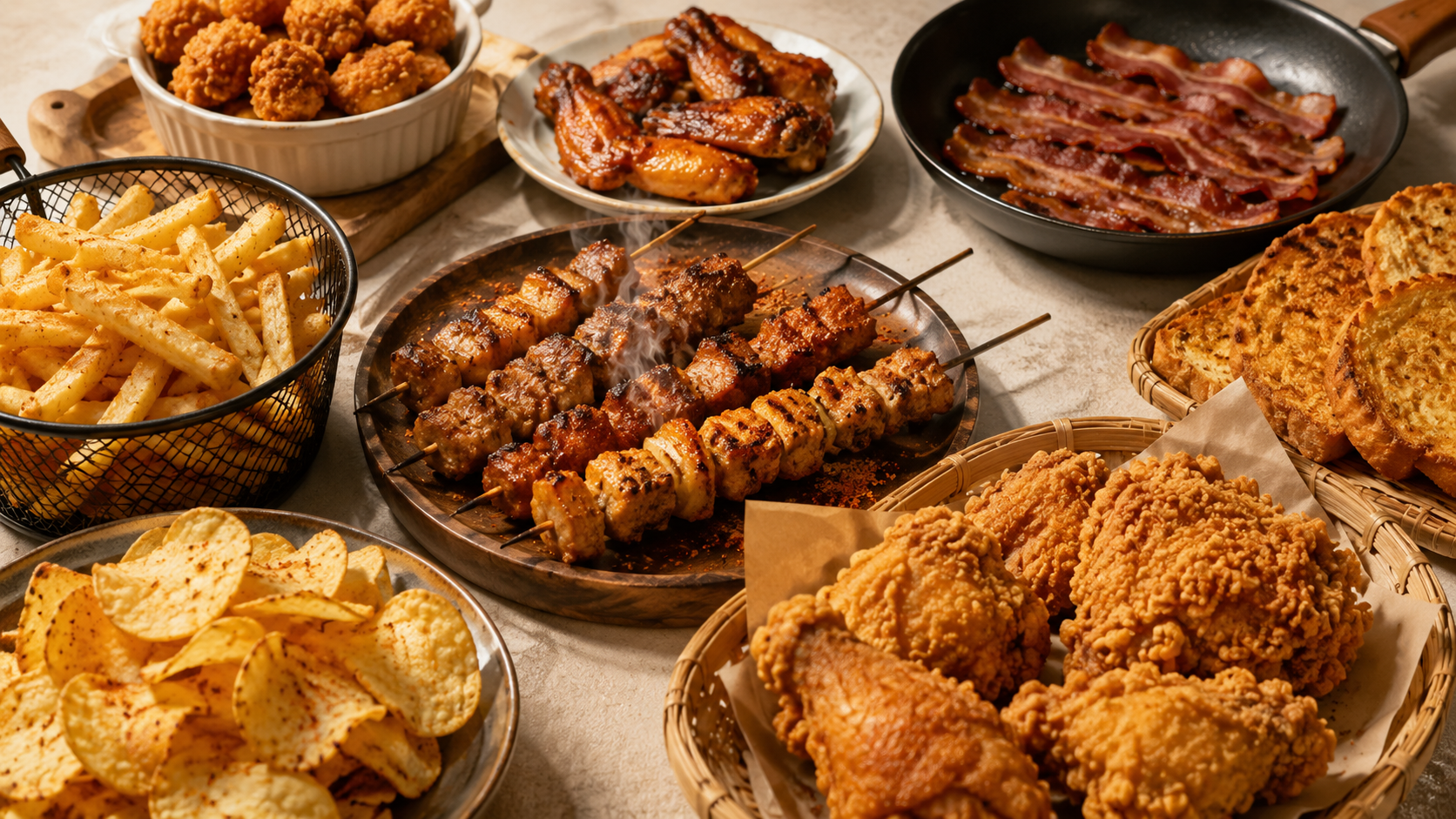
Reducing glycation means not only eating less sugar, but also eating fewer heavily browned, fried, grilled, and ultra-processed foods.
A Simple Day of Anti-Glycation Eating
You do not need to calculate every meal. Start with a more stable everyday meal structure.
Breakfast
Avoid relying only on white rice porridge, buns, youtiao, or sweetened cereal.
Try oats + eggs + plain yogurt or milk + a small amount of nuts; or genuine whole-grain bread + eggs + unsweetened soy milk + cherry tomatoes.
If you want cocoa, use a small amount of non-alkalized cocoa powder in unsweetened milk or soy milk without adding sugar.
Lunch
Staple foods can stay, but choose less-refined forms.
For example: mixed-grain rice, brown rice, sweet potato, or corn + fish, shrimp, chicken, or tofu + two vegetables.
Try to eat in this order: vegetables first, protein second, staple carbohydrate last.
Afternoon Snack
If milk tea is a frequent craving, use plain yogurt, berries, nuts, unsweetened tea, black coffee, or a small piece of lower-sugar high-cocoa dark chocolate instead.
Do not rely on juice, sweetened coffee, cookies, or cake to get through the afternoon.
Dinner
Keep dinner lower in fried, grilled, and heavily seasoned foods.
Options include tomato-braised beef, steamed fish, steamed egg, tofu casserole, mushrooms with greens, mixed-grain rice, or sweet potato.
If you already ate a larger amount of staple carbohydrate earlier in the day, reduce the dinner portion somewhat, but do not make dinner vegetables-only and omit protein.
Bottom Line
Anti-glycation eating is not extreme carbohydrate restriction, and it does not require banning rice, fruit, sweet potatoes, or pumpkin.
Three things matter most: reduce large glucose swings, reduce AGE formation and intake, and improve the body’s ability to handle glucose through a healthier overall lifestyle.
Prioritize reducing milk tea, sugary drinks, juice, sweetened coffee, flavored yogurt, sweetened cereal, cake, cookies, white rice porridge, white bread, excessive refined staples, fried and grilled foods, heavily browned foods, and ultra-processed snacks.
Prioritize increasing vegetables, legumes, whole grains, oats, buckwheat, brown rice, mixed-bean rice, fish, shrimp, eggs, tofu, plain yogurt, nuts, berries, and whole fruit.
Also remember that words such as “whole grain,” “multigrain,” “sucrose-free,” “low-fat,” “high-protein,” and “zero sugar” are marketing claims, not proof that a food supports steadier glucose. Read the ingredient list and nutrition panel and ask whether the product is still close to an intact food.
Anti-glycation is more than simply “not eating sugar”: drink less sugar, eat fewer refined starches and heavily browned foods, and eat more fiber, protein, and intact foods so glucose stays steadier and glycation pressure is lower.
Health Information Note
This article is for health education and everyday dietary reference and does not diagnose or treat disease.
If you have diagnosed diabetes, prediabetes, fatty liver disease, kidney disease, peptic ulcer disease, gastroesophageal reflux, or use glucose-lowering medication, insulin, or anticoagulants, consult a physician or registered dietitian before making major dietary changes or using apple cider vinegar, fiber supplements, or other nutritional supplements.
References
- World Health Organization. Guideline: sugars intake for adults and children. 2015. https://www.who.int/publications/i/item/9789241549028
- Chinese Nutrition Society. Dietary Guidelines for Chinese Residents (2022): Eight Principles for a Balanced Diet. https://wjw.fj.gov.cn/ztzl/jkjy/jkzgxd/202206/t20220615_5930367.htm
- Lara-Castor L, et al. Burdens of type 2 diabetes and cardiovascular disease attributable to sugar-sweetened beverages in 184 countries. Nature Medicine. 2025;31:552-564. https://pubmed.ncbi.nlm.nih.gov/39762424/
- Meng Y, et al. Sugar- and Artificially Sweetened Beverages Consumption Linked to Type 2 Diabetes, Cardiovascular Diseases, and All-Cause Mortality: A Systematic Review and Dose-Response Meta-Analysis of Prospective Cohort Studies. Nutrients. 2021. https://pubmed.ncbi.nlm.nih.gov/34444794/
- Li B, et al. Consumption of sugar sweetened beverages, artificially sweetened beverages and fruit juices and risk of type 2 diabetes, hypertension, cardiovascular disease, and mortality: A meta-analysis. Front Nutr. 2023. https://pmc.ncbi.nlm.nih.gov/articles/PMC10050372/
- Chiavaroli L, et al. Effect of low glycaemic index or load dietary patterns on glycaemic control and cardiometabolic risk factors in diabetes: systematic review and meta-analysis of randomised controlled trials. BMJ. 2021;374:n1651. https://www.bmj.com/content/374/bmj.n1651
- Gerontiti E, et al. The role of low glycemic index and load diets in medical nutrition therapy for type 2 diabetes: an update. Hormones. 2024. https://doi.org/10.1007/s42000-024-00566-7
- Yu YT, et al. Effect of dietary glycemic index on insulin resistance in adults without diabetes mellitus: a systematic review and meta-analysis. Front Nutr. 2025. https://pubmed.ncbi.nlm.nih.gov/40018272/
- Nitzke D, et al. Increasing dietary fiber intake for type 2 diabetes mellitus management: A systematic review. World J Diabetes. 2024;15:1001-1010. https://www.wjgnet.com/1948-9358/full/v15/i5/1001
- Xie Y, et al. Effects of soluble fiber supplementation on glycemic control in adults with type 2 diabetes mellitus: A systematic review and meta-analysis of randomized controlled trials. Clin Nutr. 2021;40:1800-1810. https://doi.org/10.1016/j.clnu.2020.10.032
- Shukla AP, et al. Food Order Has a Significant Impact on Postprandial Glucose and Insulin Levels. Diabetes Care. 2015;38:e98-e99. https://pubmed.ncbi.nlm.nih.gov/26106234/
- Shukla AP, et al. Carbohydrate-last meal pattern lowers postprandial glucose and insulin excursions in type 2 diabetes. BMJ Open Diabetes Res Care. 2017;5:e000440. https://drc.bmj.com/content/5/1/e000440
- Murugesan R, et al. Food order affects blood glucose and insulin levels in women with gestational diabetes. Front Nutr. 2024. https://doi.org/10.3389/fnut.2024.1512231
- Shaheen A, et al. Postprandial Glucose and Insulin Response to Meal Sequence Among Healthy UAE Adults: A Randomized Controlled Crossover Trial. 2024. https://pubmed.ncbi.nlm.nih.gov/39559800/
- Sonia S, et al. Effect of cooling of cooked white rice on resistant starch content and glycemic response. Asia Pac J Clin Nutr. 2015;24:620-625. https://pubmed.ncbi.nlm.nih.gov/26693746/
- Strozyk S, et al. Influence of resistant starch resulting from the cooling of rice on postprandial glycemia in type 1 diabetes. Nutr Diabetes. 2022. https://pubmed.ncbi.nlm.nih.gov/35429987/
- Arjmandfard D, et al. Effects of apple cider vinegar on glycemic control and insulin sensitivity in patients with type 2 diabetes: A GRADE-assessed systematic review and dose-response meta-analysis of controlled clinical trials. Front Nutr. 2025. https://pubmed.ncbi.nlm.nih.gov/39949546/
- Sohouli MH, et al. Effects of vinegar consumption on cardiometabolic risk factors: A systematic review and meta-analysis of randomized controlled trials. Eur J Integr Med. 2022;55:102176. https://doi.org/10.1016/j.eujim.2022.102176
- Muraki I, et al. Fruit consumption and risk of type 2 diabetes: results from three prospective longitudinal cohort studies. BMJ. 2013;347:f5001. https://pubmed.ncbi.nlm.nih.gov/23990623/
- Lee CW, Myung SK. Consumption of Fruit Juice and Risk of Type 2 Diabetes Mellitus: A Systematic Review and Meta-Analysis of Prospective Cohort Studies. Am J Med. 2025;138:1428-1437. https://pubmed.ncbi.nlm.nih.gov/40393612/
- Uribarri J, et al. Advanced glycation end products in foods and a practical guide to their reduction in the diet. J Am Diet Assoc. 2010;110:911-916.e12. https://pubmed.ncbi.nlm.nih.gov/20497781/
- Baye E, et al. Consumption of diets with low advanced glycation end products improves cardiometabolic parameters: meta-analysis of randomised controlled trials. Sci Rep. 2017;7:2266. https://pubmed.ncbi.nlm.nih.gov/28536448/
- Sohouli MH, et al. The Impact of Low Advanced Glycation End Products Diet on Metabolic Risk Factors: A Systematic Review and Meta-Analysis of Randomized Controlled Trials. Adv Nutr. 2021;12:766-776. https://pubmed.ncbi.nlm.nih.gov/33253361/
An anti-glycation eating pattern can support everyday health, but if you already have abnormal glucose metabolism, chronic disease, or take medication, follow individualized advice from your physician or registered dietitian.