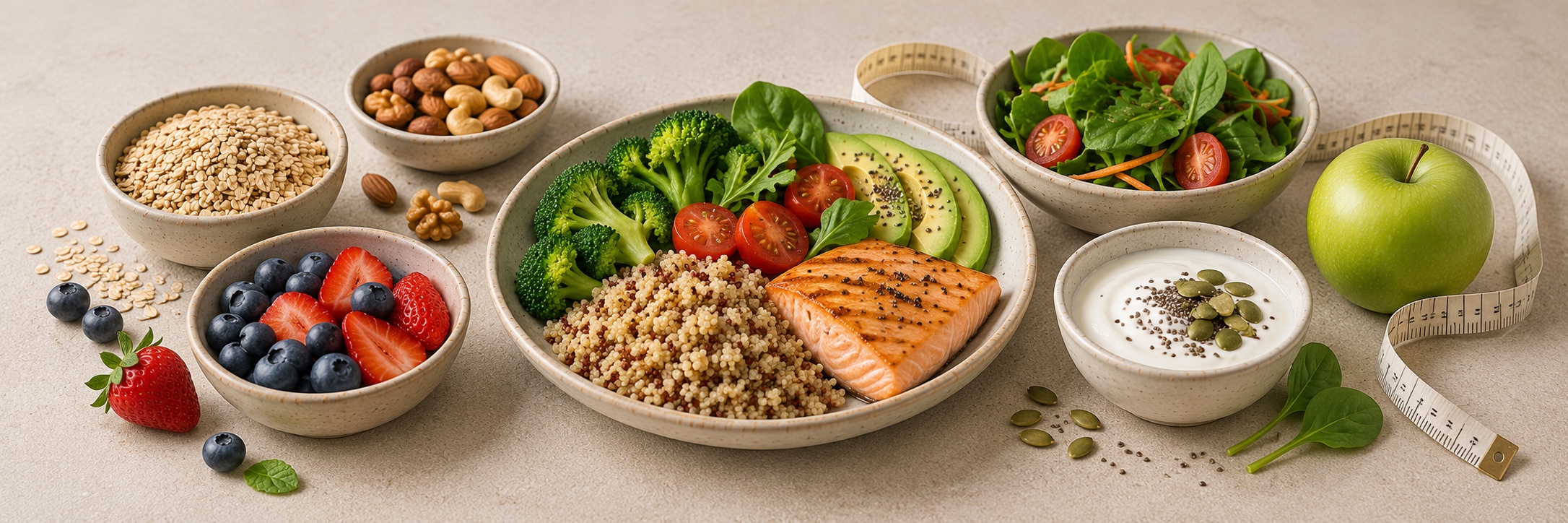
After noticing high blood pressure, many people first try to “use less salt.” That is a good direction, but if soy sauce, oyster sauce, soup bases, pickles, processed meat, and heavily seasoned takeout remain frequent, total sodium across the day may not fall much.
A blood-pressure-friendly diet is not simply “eating bland food.” The bigger picture includes sodium, potassium, overall dietary pattern, body weight, and alcohol. The 2025 AHA/ACC guideline lists healthy eating, sodium reduction, greater dietary potassium, weight management, exercise, and less alcohol as key lifestyle measures, with the 2024 ESC guideline pointing in a similar direction. (professional.heart.org)
Instead of memorizing a long list of “foods people with high blood pressure cannot eat,” focus on a few priorities: lower total daily sodium, eat more vegetables, fruit, and legumes, gradually lose excess weight if needed, and get alcohol and high-calorie drinks under better control.
Key Takeaways
- Reduce total sodium across the day first. This includes not only salt, but sodium from soy sauce, oyster sauce, soup bases, pickles, processed meat, convenience foods, and takeout. WHO recommends that adults consume less than 2,000 mg sodium per day, roughly equivalent to 5 g salt. (WHO)
- Do not make the diet only about restriction. Vegetables, fruit, whole grains, legumes, nuts, and healthier protein sources should increase. The DASH diet is a classic example of this approach. (PubMed)
- Potassium matters, but food should come first. Common sources include legumes, vegetables, fruit, and tubers. If you have chronic kidney disease or take medications that affect blood potassium, do not increase potassium aggressively on your own. (OUP Academic)
- If you are also overweight, losing some excess weight often helps lower blood pressure. You do not need to reach a “perfect weight” first; sustained partial weight loss can still matter. (OUP Academic)
- Less alcohol is better. Especially for people who currently drink more, cutting back can lower blood pressure. If you do not drink, there is no reason to start for supposed heart benefits. (PubMed)
- Coffee usually does not need to be eliminated. Long-term coffee intake has not been shown to broadly raise hypertension risk, but if your blood pressure clearly rises after caffeine, reduce intake and observe your response. (OUP Academic)
- Diet cannot replace needed blood-pressure treatment. If blood pressure remains clearly elevated, or you also have cardiovascular disease, diabetes, chronic kidney disease, or other high-risk conditions, medication decisions should be based on your overall risk. (professional.heart.org)
1. Lower Total Daily Sodium, Not Just the Salt You Add While Cooking
Remember this first: the most useful dietary change for high blood pressure is reducing sodium from all sources across the day.
WHO recommends keeping adult sodium intake below 2,000 mg/day, roughly 5 g salt. The 2024 ESC guideline similarly recommends around 2 g/day or less for people with elevated blood pressure or hypertension. This means sodium from the entire day’s food—not only the salt you add at home. (OUP Academic)
Reducing sodium really can lower blood pressure. The classic DASH-Sodium randomized trial enrolled 412 participants and compared high, medium, and low sodium intakes. Blood pressure continued to fall as sodium intake decreased, and additional improvement was seen when lower sodium was combined with the DASH diet. (PubMed)
Check These First
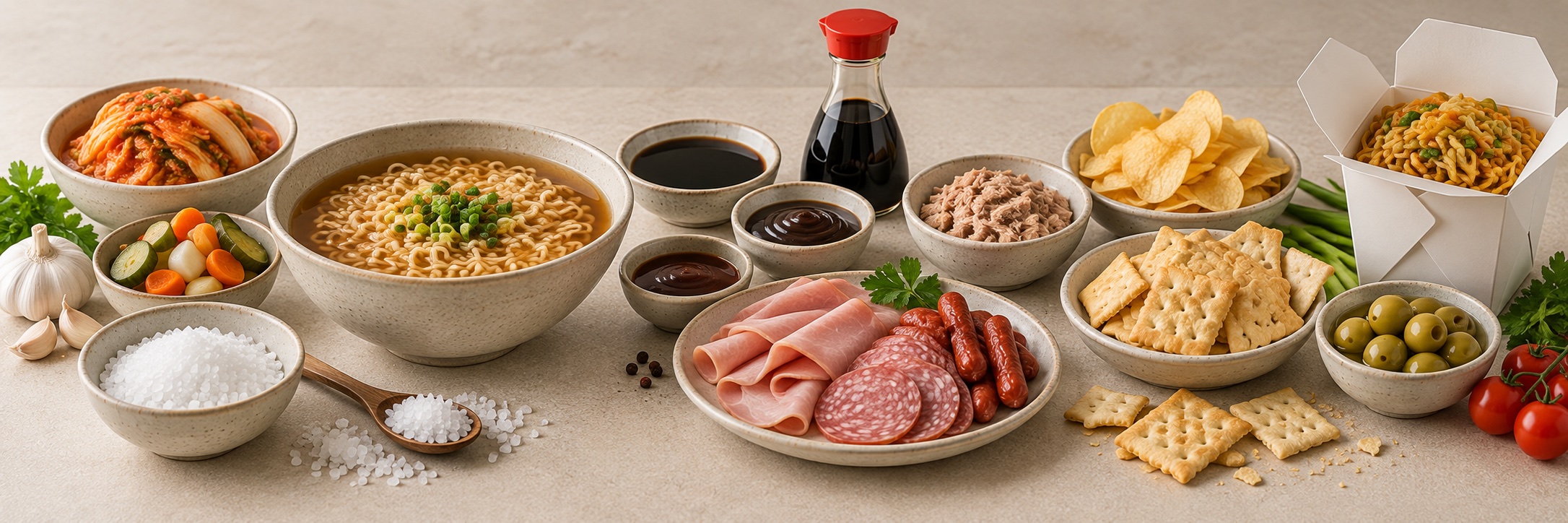
Seasonings and processed foods are easy to overlook. WHO notes that processed meats, salty snacks, bread, soy sauce, and soup products can contribute large amounts of sodium. Soy sauce, for example, has a much higher sodium density than many whole foods. (WHO)
Start with practical changes: do not use large amounts of both salt and soy sauce in the same dish; remember that oyster sauce, chicken seasoning, and chili-bean paste also add sodium; drink less broth from soup noodles and hot pot; eat sausages, luncheon meat, bacon, pickles, and preserved foods less often; and actively check “sodium” on Nutrition Facts labels.
Takeout deserves special attention. A dish does not have to taste very salty to contain a lot of sodium because sauces, marinades, and broths all add up. Asking for less sauce, sauce on the side, less broth, and fewer pickled sides can be more useful than simply hiding the salt shaker at home.
The goal is lower total sodium, not a completely salt-free diet.
2. Improve the Whole Diet: DASH Is a Useful Reference
Remember this first: less salt matters, but if vegetables and fruit are scarce, staples are highly refined, and processed foods dominate, sodium reduction alone is not enough.
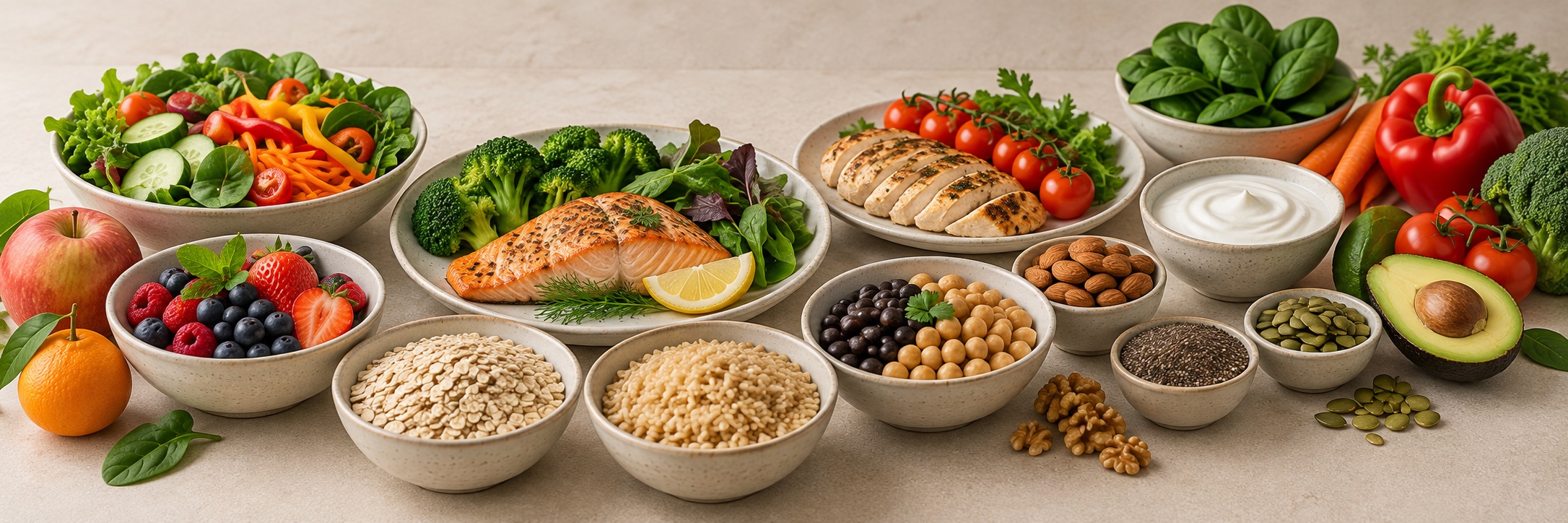
DASH—Dietary Approaches to Stop Hypertension—is not complicated. It emphasizes vegetables, fruit, whole grains, legumes, nuts, and seeds, with more protein from fish, poultry, legumes, and lower-fat dairy, while reducing high-sodium foods, added sugar, and foods high in saturated fat. The 2025 AHA/ACC guideline continues to recommend DASH as a heart-healthy dietary pattern. (professional.heart.org)
This is not only theoretical. A meta-analysis of 30 randomized controlled trials and 5,545 participants found that DASH lowered systolic blood pressure by about 3 mmHg and diastolic blood pressure by about 2.5 mmHg on average compared with control diets, with larger benefits often seen in people who started with higher blood pressure. (PubMed)
You Do Not Need to Copy a Western Menu
What matters is the dietary pattern, not the dish names. A Chinese-style diet can still follow DASH principles: include vegetables every day and several servings of whole fruit; keep rice and noodles but gradually replace part of them with oats, barley, brown rice, and mixed beans; rotate fish, tofu, legumes, chicken, and lean meat; and eat processed meat less often.
Plain milk or yogurt can be part of the diet if tolerated. For nuts, choose plain and unsalted versions and use a small handful to replace cookies or chips rather than adding them on top of an unchanged snack pattern.
If you are not sure where to start, look at your plate: Are vegetables often less than half? Do you eat whole fruit every day? Are almost all staples white rice and refined flour? Does protein often come from processed meat? Fixing these patterns gradually captures much of what makes DASH useful.
3. More Potassium Can Help, but Do Not Supplement Blindly
Remember this first: a high-blood-pressure diet is not only about “less sodium.” It should also include more naturally potassium-rich foods.
Potassium helps regulate blood pressure. WHO recommends at least about 3,510 mg/day of dietary potassium for adults, and the 2024 ESC guideline also highlights greater dietary potassium as particularly relevant for people with high sodium intake and hypertension. (WHO)
Human trials support this direction. A systematic review and meta-analysis in people with hypertension found that increasing potassium lowered systolic blood pressure by about 4.5 mmHg and diastolic pressure by about 3.0 mmHg on average, with larger effects among people starting with lower potassium and higher sodium intake. But the evidence does not support the idea that “more potassium is always better.” (PubMed)
Food Is a Better Starting Point for Most People
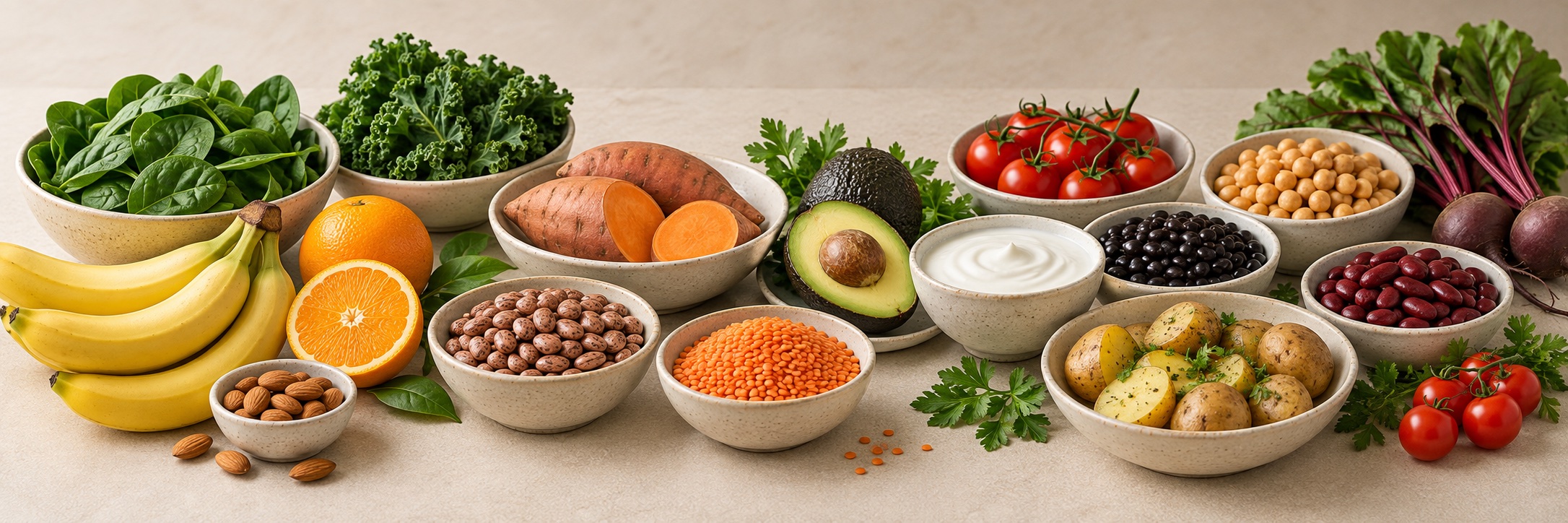
Accessible potassium-rich foods include legumes, dark green leafy vegetables, potatoes and other tubers, bananas, oranges, avocado, and nuts. Compared with taking a potassium pill alone, these foods also provide fiber and other nutrients, making them a more practical starting point for most people with hypertension. (WHO)
Lower-sodium salt substitutes are another option. WHO’s 2025 guideline on lower-sodium salt substitutes suggests that, for suitable adults, potassium-containing salt substitutes can be considered to reduce sodium and increase potassium. (Iris)
But there is an important safety boundary: if you have chronic kidney disease, already-high blood potassium, or take ACE inhibitors, ARBs, spironolactone, or other medications that can raise potassium, do not use large amounts of potassium salt or potassium supplements on your own. Decisions should take kidney function and blood potassium into account. (OUP Academic)
4. If You Are Overweight, Losing Some Weight Is Worth Prioritizing
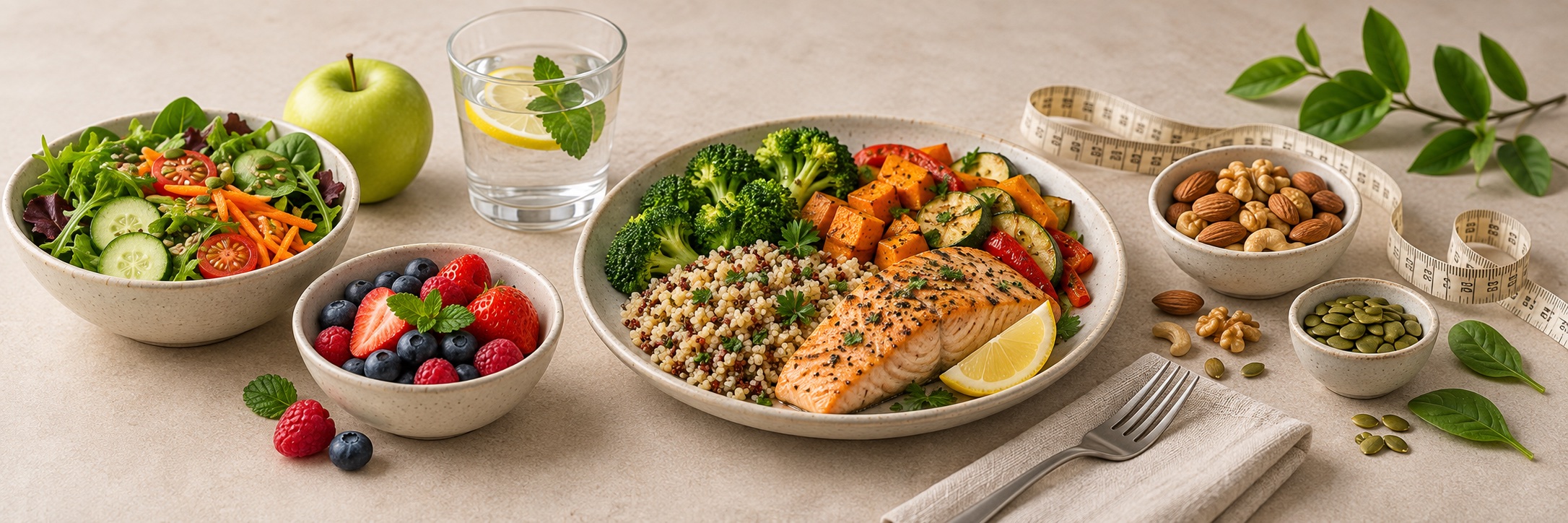
Remember this first: for people with overweight or obesity, weight loss itself is an effective blood-pressure-lowering measure.
Evidence summarized in the 2024 ESC guideline suggests that losing about 5 kg on average is associated with reductions of roughly 4.4 mmHg systolic and 3.6 mmHg diastolic blood pressure. Maintaining around 5%–10% weight loss may also improve glucose and blood lipids. (OUP Academic)
This does not mean you must reach a so-called “standard weight” before seeing benefit. For example, a person weighing 90 kg may gain more from steadily losing a few kilograms than from repeated crash diets followed by rapid regain.
If weight loss is needed, it should not be pursued only through “giving up salt.” Higher priorities are often sugary drinks, alcohol, late-night food, pastries, fried snacks, and clearly oversized portions. These can drive energy intake up even though they do not appear on traditional “foods to avoid with hypertension” lists.
Exercise belongs in the plan too. Both the 2025 AHA/ACC and 2024 ESC guidelines include regular physical activity among blood-pressure-lowering lifestyle measures. (professional.heart.org) Even without immediate weight loss, regular brisk walking, cycling, or swimming still has value.
If your weight is already normal, there is no need to become very thin just to lower blood pressure. Weight management applies to people with excess energy intake; not everyone with hypertension needs weight loss.
5. Drink Less Alcohol; Coffee Usually Does Not Need to Go
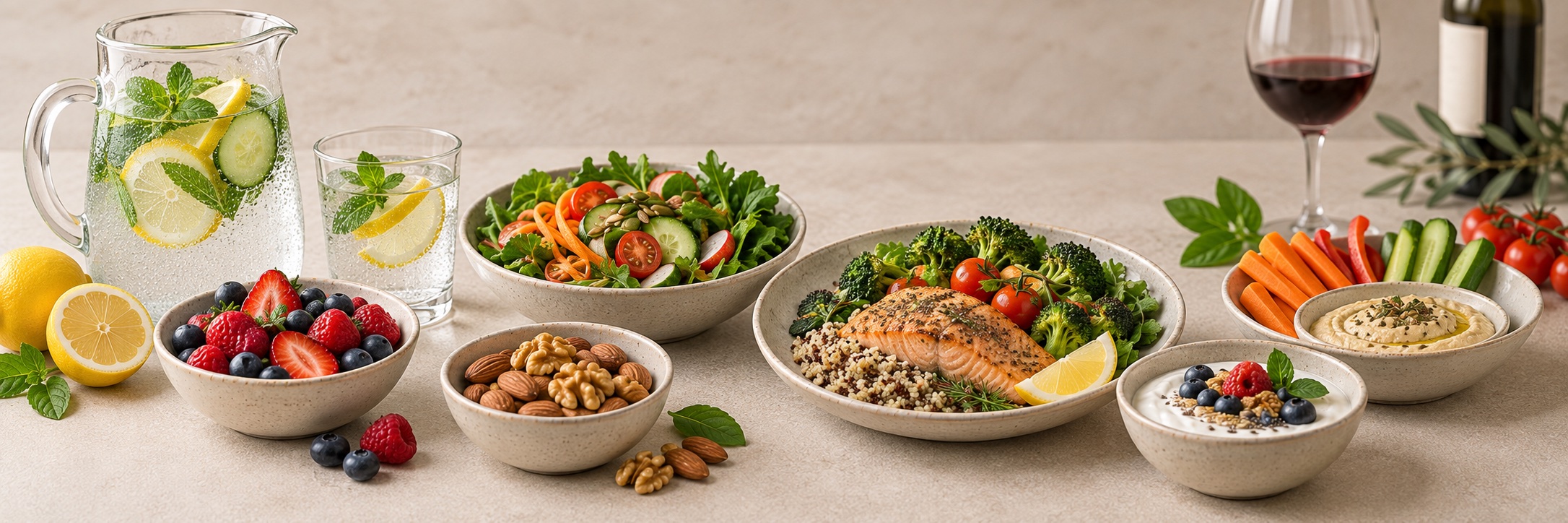
Remember this first: alcohol is worth actively reducing, while coffee is usually fine. Celery juice, vinegar, or any supposed “blood-pressure food” is not the core treatment.
For people who currently drink more, cutting back can have a real effect. A meta-analysis of 15 randomized controlled trials and 2,234 participants found that reducing alcohol lowered systolic blood pressure by about 3.3 mmHg and diastolic pressure by about 2.0 mmHg on average, with greater improvement among heavier drinkers and those with higher blood pressure. (PubMed)
A 2025 AHA scientific statement on alcohol and cardiovascular disease notes that heavy drinking and binge drinking are clearly linked with cardiovascular problems including hypertension, while supposed cardiovascular protection from low levels of alcohol remains controversial. (professional.heart.org) So if you do not drink, there is no reason to start for “heart health.” If you already drink—especially with poorly controlled blood pressure—reducing alcohol makes sense.
Coffee is different. The 2024 ESC guideline notes that long-term coffee intake in the general population has not been associated with a higher incidence of hypertension, although caffeine can temporarily raise blood pressure in some people. (OUP Academic) If one or two cups of unsweetened coffee do not noticeably affect your blood pressure, hypertension alone is not a reason to stop. If you develop palpitations or a clear pressure rise afterward, reduce caffeine and observe.
As for celery juice, vinegar, garlic water, particular teas, or other “blood-pressure-lowering foods,” they can be treated as ordinary foods but should never come before sodium reduction, overall diet quality, weight management, or appropriate medication. No food can cancel out a chronically high-sodium diet or replace necessary antihypertensive treatment.
6. Daily Meals Do Not Need to Be Special—Change a Few Key Things
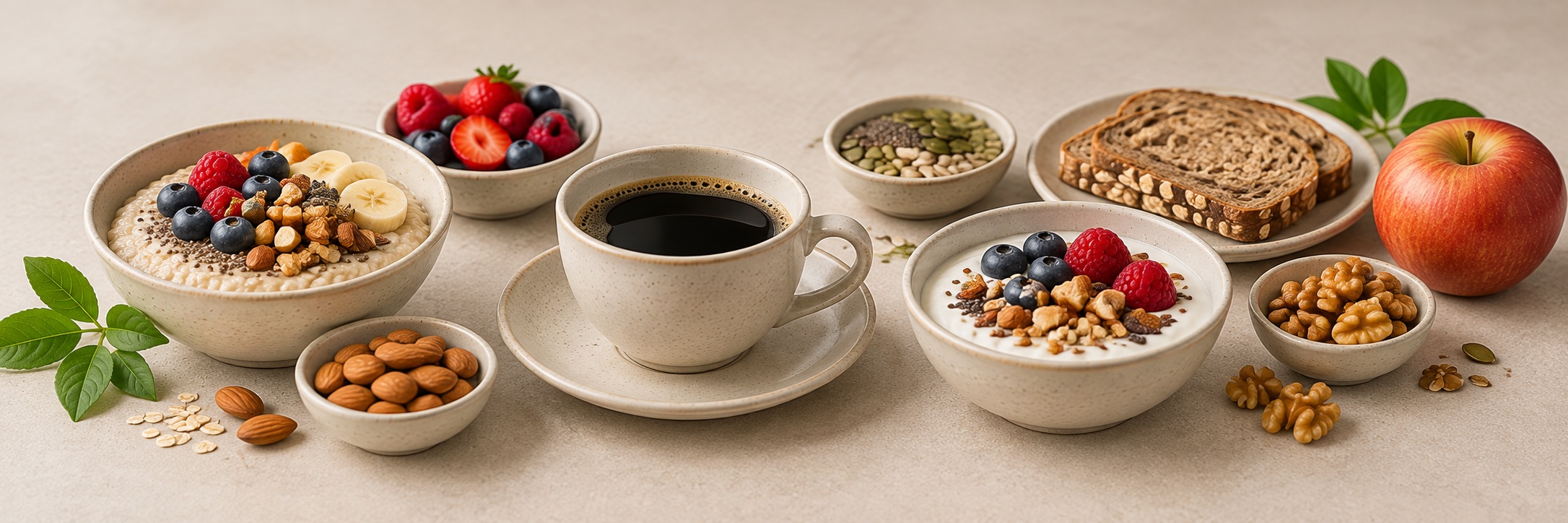
Remember this first: a hypertension-friendly diet does not mean boiled vegetables every day. Focus on lower sodium, mostly intact foods, enough vegetables, and a pattern you can sustain.
Breakfast can include oats, whole-grain bread, or another intact staple with eggs, unsweetened milk or soy milk, and a piece of fruit. If breakfast is usually white porridge with pickles, preserved vegetables, salted eggs, or processed meat, the high-sodium sides are the main issue—not eggs themselves.
Lunch can make vegetables a large part of the plate, with a moderate amount of rice or mixed-grain rice and fish, tofu, chicken, or lean meat. Remember that steamed fish covered in lots of soy sauce or stir-fried greens cooked with a large amount of oyster sauce and seasoning can still be high in sodium. “Looks healthy” does not automatically mean low sodium.
Dinner can follow a similar structure. If you are also overweight, slightly reduce staple and high-energy portions, but there is no need to eliminate rice. The more commonly overlooked problem is alcohol, milk tea, dessert, or late-night food after dinner.
Snacks and drinks can prioritize whole fruit, plain yogurt, unsalted nuts, water, and unsweetened tea. If soda, milk tea, or large amounts of juice are daily habits, replacing them can help both weight and overall cardiovascular health.
If changing everything feels overwhelming, start with three things: reduce sauces and processed foods; actually eat vegetables and fruit every day; and replace most drinks with water or unsweetened options. Once those are stable, adjust the rest.
7. Some Situations Need More Than Diet—and Blood Pressure Must Be Measured Properly
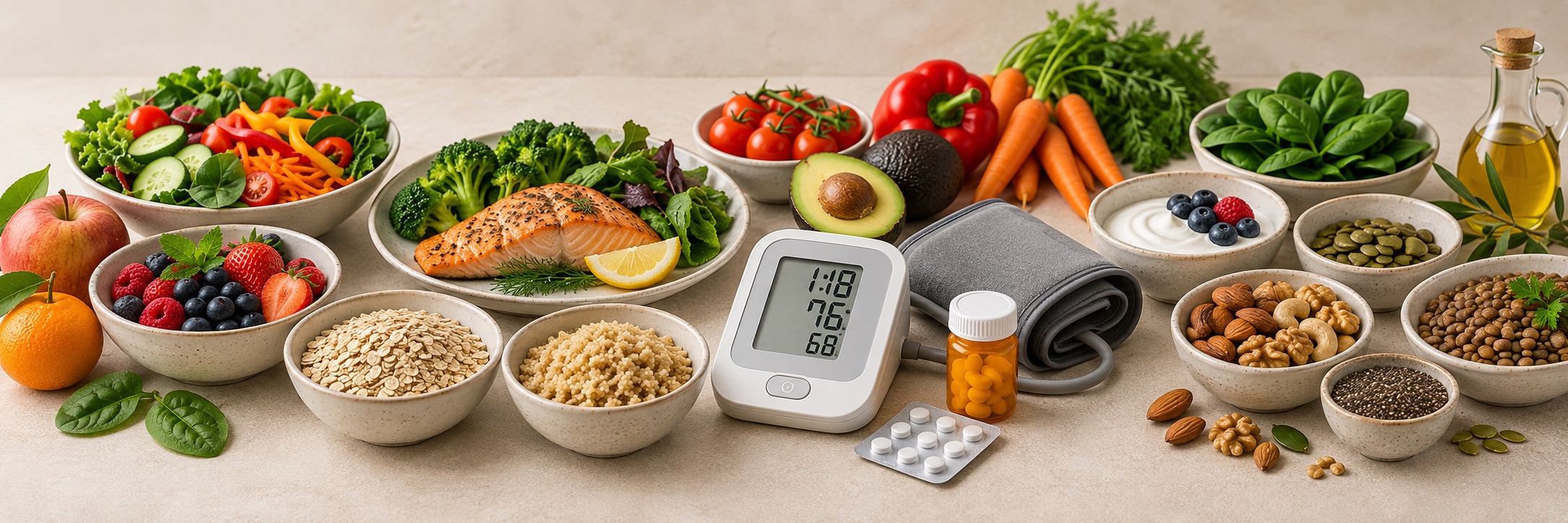
Remember this first: one high reading does not automatically diagnose hypertension, but persistently high pressure should not be managed indefinitely by simply “eating a little lighter.”
The 2025 AHA/ACC guideline emphasizes standardized measurement and home blood-pressure monitoring. A single reading can be affected by emotion, exercise, caffeine, and measurement technique, so persistent hypertension is better judged from a series of readings taken under appropriate conditions than from one health check. The guideline also does not currently recommend replacing standard cuffs with unvalidated cuffless smartwatch readings. (professional.heart.org)
Whether medication is needed depends on average blood pressure and overall cardiovascular risk. Under the 2025 AHA/ACC guideline, adults with average blood pressure ≥140/90 mmHg generally should begin medication in addition to lifestyle changes. If average pressure is ≥130/80 mmHg and cardiovascular disease, prior stroke, diabetes, chronic kidney disease, or high cardiovascular risk is also present, treatment may be started earlier. Thresholds differ somewhat across countries and guidelines, so decisions should follow local medical advice rather than one number interpreted on your own. (professional.heart.org)
One situation is especially important: if blood pressure is >180/120 mmHg and remains that high after at least one minute of rest and repeat measurement, contact a medical professional promptly. If this is accompanied by chest pain, shortness of breath, back pain, numbness or weakness, vision changes, or difficulty speaking, it should be treated as a hypertensive emergency. (www.heart.org)
If you already take antihypertensive medication, do not stop or reduce it on your own because you recently lowered sodium, lost weight, or saw better readings. Lifestyle changes and medication are not either/or; the goal is stable long-term control in a range appropriate for you.
What to Do Next
A hypertension-friendly diet does not begin with “I can never eat anything again.” If you can change only a few things, the first priority is lower total sodium: less sauce, soup base, processed meat, preserved food, and heavily seasoned takeout. Next, make vegetables, fruit, legumes, and whole grains part of daily meals. If you are also overweight, gradually reduce sugary drinks, alcohol, late-night food, and oversized portions.
You do not need a completely salt-free diet or one special “blood-pressure-lowering food.” Lower sodium, eat more naturally potassium-rich foods, improve the overall diet, and sustain those changes over time. That matters more than being extremely strict for a short period.
If blood pressure remains clearly elevated, or cardiovascular disease, diabetes, or chronic kidney disease is present, diet is still important but should be combined with proper monitoring and medication when needed.
References
- 2025 AHA/ACC High Blood Pressure Guideline: blood-pressure classification, lifestyle, home monitoring, and medication recommendations. (professional.heart.org)
- 2024 ESC Guidelines for Elevated Blood Pressure and Hypertension: integrated recommendations on sodium, potassium, weight, exercise, alcohol, coffee, and overall diet. (OUP Academic)
- WHO Sodium and Potassium Guidance: adult sodium intake below 2,000 mg/day and guidance on dietary potassium. (WHO)
- DASH Diet Meta-analysis: 30 randomized controlled trials and 5,545 participants. (PubMed)
- DASH-Sodium Trial: randomized feeding trial in 412 participants comparing DASH and different sodium levels. (PubMed)
- Potassium Supplementation Meta-analysis: potassium intake and blood-pressure change in people with hypertension. (PubMed)
- WHO Lower-sodium Salt Substitute Guideline: appropriate use and safety boundaries for potassium-containing salt substitutes. (Iris)
- Alcohol Reduction Meta-analysis: 15 randomized controlled trials and 2,234 participants. (PubMed)
- AHA Alcohol and Cardiovascular Disease Scientific Statement: alcohol, hypertension, and cardiovascular risk. (professional.heart.org)
- American Heart Association: Severe Hypertension and Hypertensive Emergency: what to do at >180/120 mmHg and which symptoms are dangerous. (www.heart.org)
This article is for health education and everyday reference. It does not replace diagnosis of hypertension, proper blood-pressure monitoring, or an individualized treatment plan from a clinician.