Key Takeaways
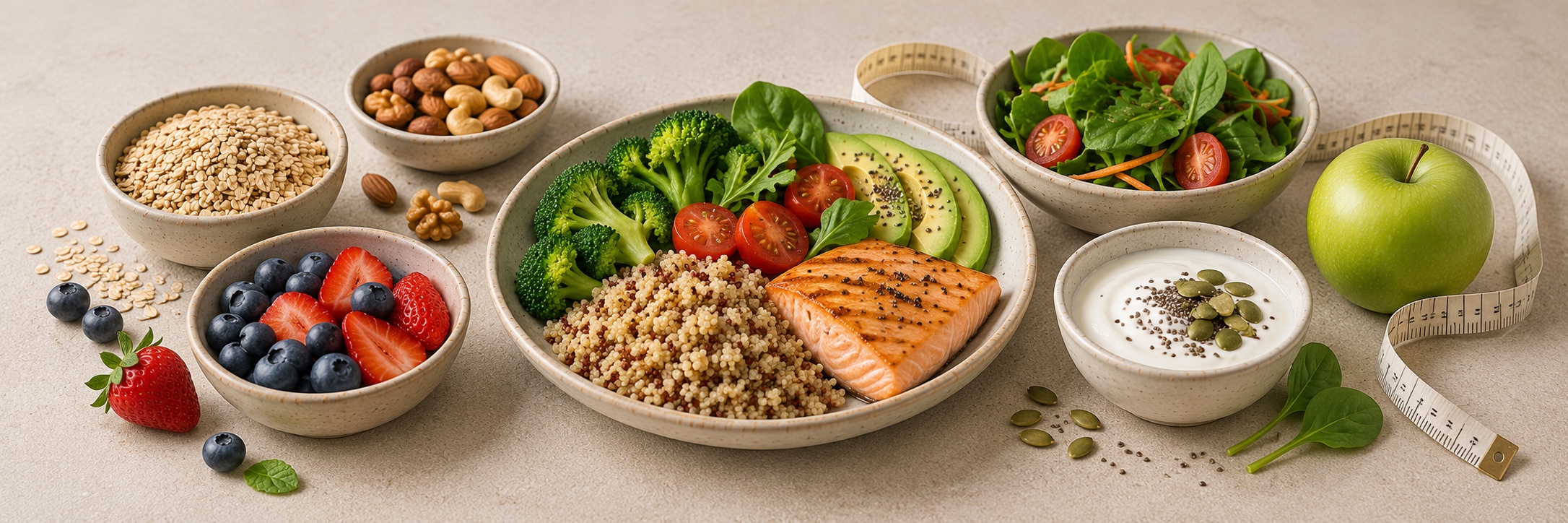
When stress is high, these are useful dietary priorities:
These are food-first priorities, not evidence that magnesium or L-theanine supplements have established stress-relieving effects for everyone.
- Eat more dark green vegetables, nuts and seeds, legumes, and whole grains to help cover magnesium.
- Include fish about twice a week, especially fatty fish, to increase omega-3 intake.
- Make staples less refined: use more whole grains, mixed beans, and tubers to support B vitamins and fiber intake.
- Include a good protein source at each meal—such as eggs, fish or shellfish, tofu, dairy, poultry, or legumes—to support amino-acid intake.
- A light tea can fit in the afternoon, but do not rely on strong coffee, strong tea, or sugary drinks to push through stress.
- Eat a variety of vegetables, fruits, legumes, whole grains, mushrooms, and sea vegetables to support a more stable gut microbiome.
Instead of pushing through stress with sweets, caffeine, and takeout, make staples a little more whole, vegetables a little darker, protein adequate, and include some fish and nuts.
1. Magnesium: A Mineral That Helps Turn Down Nervous-System “Noise”
Magnesium is one of the minerals most worth paying attention to during periods of high stress. It is involved in nerve signaling, muscle contraction, energy metabolism, blood-pressure regulation, and many enzyme reactions.
The NIH Office of Dietary Supplements lists recommended magnesium intake at about 400–420 mg/day for adult men and 310–320 mg/day for adult women, with specific needs varying by age, sex, pregnancy, and lactation.
Magnesium and stress may have a two-way relationship: stress may affect magnesium status, while low intake may affect nervous-system function. In a 2018 eight-week randomized, single-blind trial, 264 stressed adults with low blood magnesium received either 300 mg/day magnesium alone or the same magnesium dose plus 30 mg/day vitamin B6. Both groups improved from baseline, but the overall between-group difference was not significant. The severe or extremely severe stress subgroup showed a larger reduction with the combination, an exploratory subgroup result that should not be generalized to all stressed adults. There was no placebo group, so improvement within either group does not by itself establish that magnesium was effective compared with no active supplement.
Low magnesium intake is also common in China. A 2025 China CDC Weekly study covering adults in 10 provincial-level regions in 2022–2023 found a median magnesium intake of 228.9 mg/day, and 64.4% of adults consumed less than the estimated average requirement. Whole grains and dark-colored vegetables were important dietary sources.
Food Sources
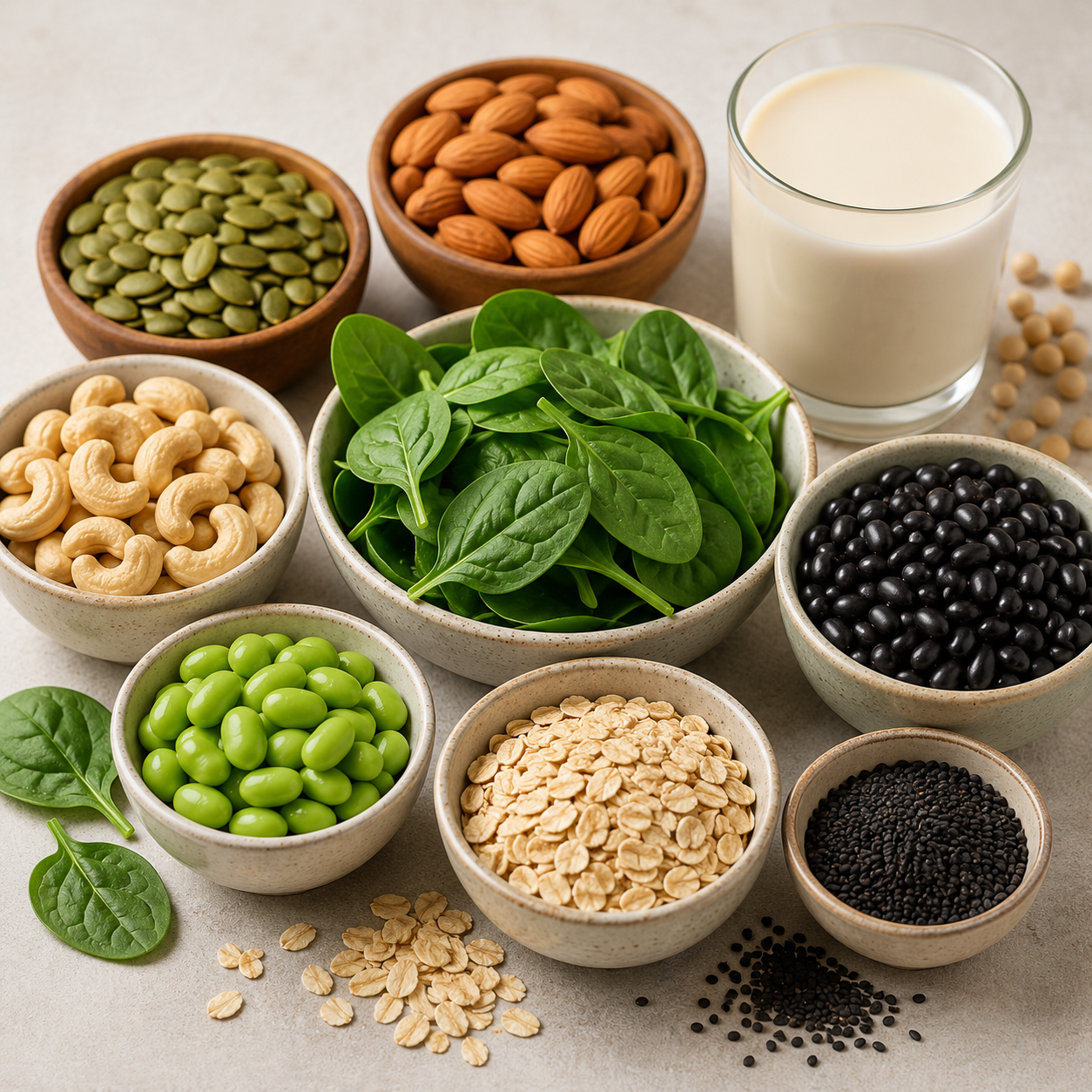
Pumpkin seeds, chia seeds, almonds, cashews, peanuts, black sesame, spinach, lettuce, amaranth greens, black beans, edamame, soy milk, oats, brown rice, and whole-grain bread.
According to NIH food data, 1 oz of roasted pumpkin seeds provides about 156 mg magnesium, 1 oz chia seeds about 111 mg, 1 oz almonds about 80 mg, 1/2 cup cooked spinach about 78 mg, and 1/2 cup cooked black beans about 60 mg.
Practical Approach
For most adults, a practical target is roughly 300–400 mg magnesium per day. Food is the preferred first step rather than immediately using a high-dose magnesium supplement.
- Have oats, soy milk, or whole-grain bread at breakfast.
- Include a dark green vegetable at lunch or dinner.
- Eat a small handful of nuts or seeds each day.
- Replace part of refined staples with brown rice, mixed beans, or whole-grain foods.
Safety
Magnesium from food rarely causes excess intake. The adult upper limit of 350 mg/day applies to magnesium from supplements and medications, not food.
High-dose magnesium supplements can cause diarrhea, nausea, and abdominal cramping. People with impaired kidney function, chronic disease, or regular medications should be especially cautious and ask a clinician first.
2. Omega-3: Fatty Acids That Support Mood, Inflammation Balance, and Brain Health
Omega-3 is not a single chemical element but a family of polyunsaturated fatty acids, mainly ALA, EPA, and DHA. EPA and DHA come mainly from fish and seafood; ALA is found mostly in flaxseed, chia seeds, walnuts, and other plant foods.
A 2018 systematic review and meta-analysis in JAMA Network Open suggested that omega-3 polyunsaturated fatty acids may help reduce clinical anxiety symptoms. The authors also emphasized that more well-designed studies are needed, so omega-3 should not be described as a treatment for anxiety.
For everyday eating, omega-3 can be viewed as a type of fat that supports the nervous system and inflammatory balance. NIH guidance sets adequate intake for omega-3 mainly in terms of ALA: 1.6 g/day for adult men and 1.1 g/day for adult women. There is no separate official recommended intake for EPA or DHA.
Food Sources
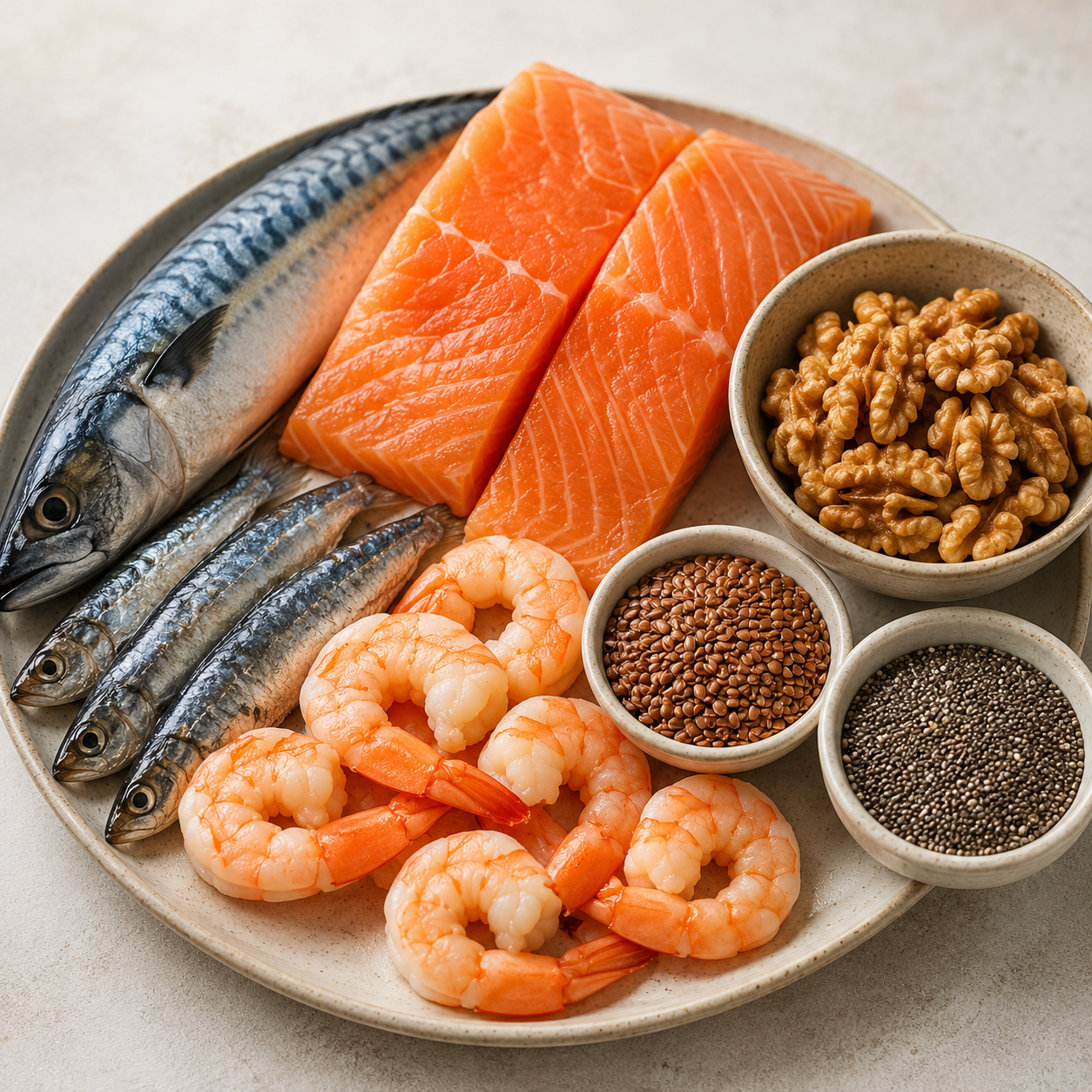
Salmon, sardines, mackerel, herring, trout, shrimp, shellfish, flaxseed, chia seeds, and walnuts.
Omega-3 content varies substantially by fish. Fatty fish such as salmon, sardines, mackerel, and herring generally provide more EPA and DHA.
Practical Approach
A practical goal is fish about twice a week, including fatty fish when possible.
If you do not eat fish, flaxseed, chia seeds, and walnuts can provide ALA. However, conversion of plant ALA to EPA and DHA is limited, so these sources are not nutritionally identical to getting EPA and DHA directly from fish.
Safety
Most people should not take high-dose fish oil long term without a clear reason. NIH materials note that EFSA considers long-term combined EPA+DHA intake up to about 5 g/day generally safe, and the FDA considers up to 5 g/day from supplements safe when used as directed.
High doses can still cause gastrointestinal effects, increase bleeding tendency, or interact with medications. Some large clinical trials have also reported a small increase in atrial fibrillation risk in people with cardiovascular disease or elevated cardiovascular risk taking 4 g/day long term.
If you take anticoagulants or aspirin, have a bleeding risk, arrhythmia risk, or cardiovascular disease, do not use high-dose fish oil long term without medical advice.
3. B Vitamins: Supporting Energy Metabolism and Neurotransmitter Synthesis
High stress often comes with fatigue, brain fog, poor concentration, mood swings, and worse sleep.
B vitamins are not stimulants, but they participate in energy metabolism, amino-acid metabolism, neurotransmitter synthesis, and nervous-system function. A 2019 systematic review and meta-analysis suggested that B-vitamin supplementation may modestly improve stress in healthy and at-risk populations, while effects on anxiety and depression were inconsistent.
During stressful periods, vitamin B6, folate (B9), and vitamin B12 are especially worth paying attention to.
Food Sources
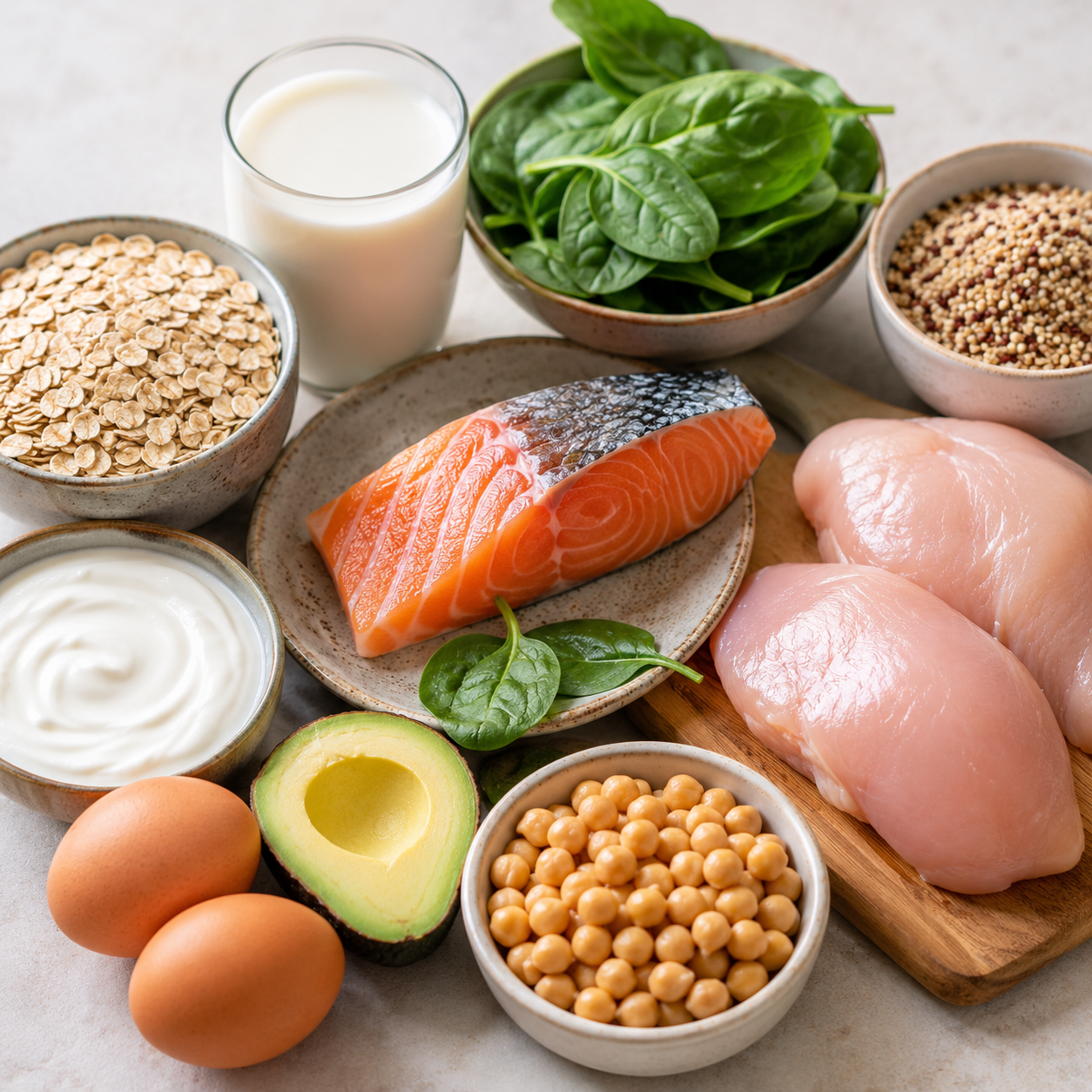
Whole grains, oats, brown rice, legumes, chickpeas, eggs, fish, chicken, beef, dairy, and dark green leafy vegetables.
Good sources of vitamin B6 include chickpeas, tuna, salmon, chicken breast, potatoes, and bananas. Folate is found mainly in dark green leafy vegetables, legumes, asparagus, Brussels sprouts, eggs, dairy, and some grains. Vitamin B12 comes mainly from animal foods such as fish, meat, poultry, eggs, and dairy.
Daily Reference Intakes
- Vitamin B6: generally 1.3–1.7 mg/day.
- Folate: 400 mcg DFE/day for adults.
- Vitamin B12: 2.4 mcg/day for adults.
Practical Approach
For most people, the first step is not a high-dose B-complex supplement but a more complete diet:
- Do not rely on refined white rice and flour for nearly all staple foods.
- Include dark green vegetables every day.
- Include a suitable protein source at each meal.
- People following vegetarian or vegan diets should pay particular attention to B12.
Safety
Vitamin B6 should not be taken at high doses long term. Upper-limit recommendations differ: the U.S. Food and Nutrition Board set an adult upper limit of 100 mg/day, while EFSA’s 2023 adult upper limit is more conservative at 12 mg/day.
For most people, long-term self-supplementation with high-dose B6 is not advisable; food-first is safer. The adult upper limit of 1,000 mcg/day for folic acid applies to synthetic folic acid from supplements or fortified foods, not naturally occurring food folate. Vitamin B12 has no established tolerable upper intake level because toxicity is low.
4. L-Theanine: A Tea Compound Linked With Relaxed Focus
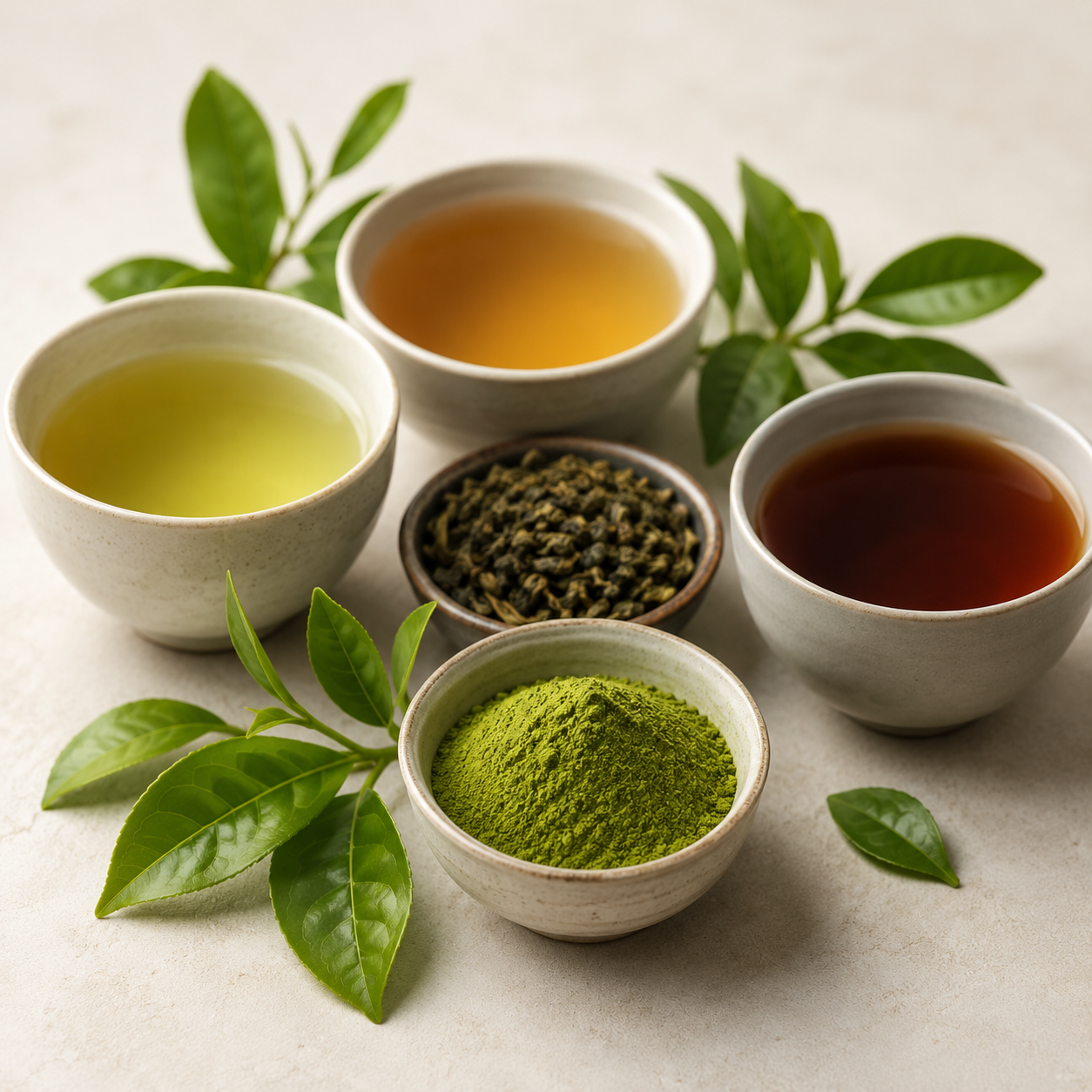
L-theanine is an amino acid found mainly in tea, including green tea, black tea, oolong tea, and matcha. It is not an essential nutrient, so there is no official recommended daily intake or universally established upper limit.
A 2016 randomized, double-blind, placebo-controlled crossover trial found that a beverage containing 200 mg L-theanine reduced subjective stress responses after a cognitive stress task and lowered salivary cortisol response three hours later. The study also noted that an ordinary cup of tea may contain about 25 mg L-theanine, although content varies by tea and brewing method.
A 2024 randomized, double-blind, placebo-controlled trial studied 30 healthy adults aged 18-65 with moderate stress using 400 mg/day L-theanine for 28 days. Perceived Stress Scale scores and Stroop reaction time improved within the L-theanine group, but the placebo group also improved and neither endpoint showed a significant between-group advantage. Other stress measures were not consistently favorable to L-theanine. The study reported short-term tolerability in this selected sample; it does not establish long-term safety or a general stress-treatment benefit. Larger and longer trials are needed.
Food / Drink Sources
Green tea, black tea, oolong tea, and matcha. If stress tends to come with anxiety, palpitations, or insomnia, lighter tea is usually a better choice than strong tea.
Practical Approach
At the food-and-beverage level, 1–3 cups of light tea a day can be reasonable.
Supplement trials commonly use 200–400 mg/day, but those doses belong to a supplement-research context. Most people are better off starting with tea rather than immediately buying a high-dose theanine supplement.
Safety
There is no official universal upper limit for L-theanine. In practice, the bigger issue with tea is caffeine. If you are prone to insomnia, palpitations, or stomach discomfort, avoid strong tea in the afternoon or evening and do not use high-caffeine drinks to “push through” stress.
If tea makes your heart race, disrupts your sleep, or upsets your stomach, it may not suit your current situation.
5. Tryptophan: An Essential Amino Acid Related to Serotonin and Sleep Rhythms
Tryptophan is an essential amino acid and an important precursor for serotonin and melatonin. Serotonin is involved in mood regulation, while melatonin is involved in sleep timing. For people under stress or sleeping poorly, getting enough high-quality protein helps maintain tryptophan intake.
Research on tryptophan for mood and stress is inconsistent, so it should not be described as a “natural anti-anxiety drug.” From a nutrition standpoint, however, chronic low protein intake, very limited staple choices, or aggressive dieting can reduce overall amino-acid availability.
Reviews commonly estimate adult tryptophan needs at about 3.5–6.0 mg/kg body weight per day, while many typical diets provide around 900–1,000 mg/day.
Food Sources
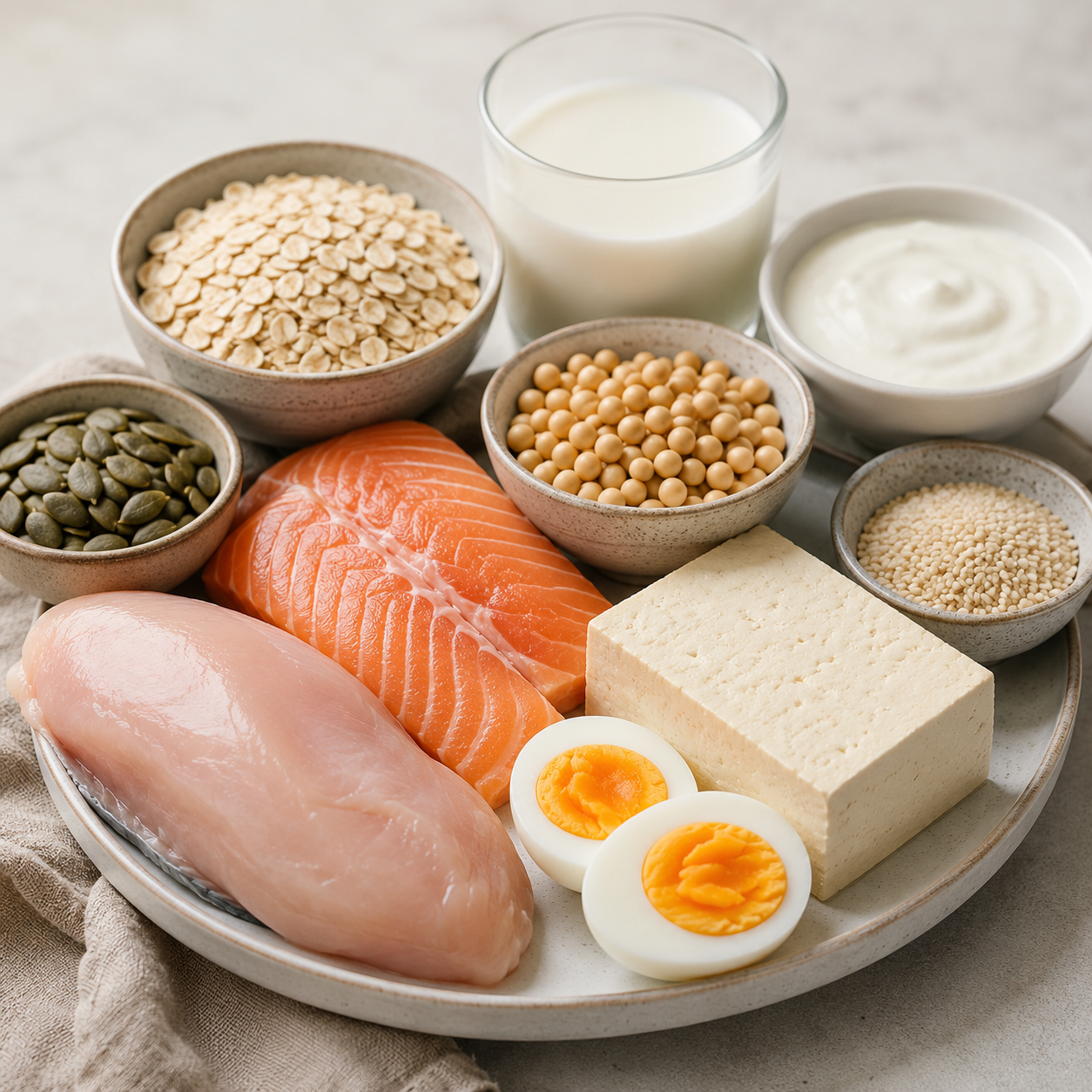
Eggs, milk, yogurt, fish, chicken, turkey, tofu, soybeans, pumpkin seeds, sesame, and oats.
Practical Approach
Most adults do not need to calculate tryptophan separately. The practical goal is enough protein each day: include at least one source such as eggs, dairy, fish, poultry, tofu, legumes, nuts, or seeds at each meal.
- Breakfast: eggs + milk or soy milk.
- Lunch: fish or chicken + dark green vegetables.
- Dinner: tofu or legumes + whole grains.
- Snack: yogurt or a small handful of nuts and seeds.
Safety
Tryptophan from food is generally not a concern for excess intake.
Do not stack tryptophan or 5-HTP supplements on your own, especially if you use antidepressants, anti-anxiety medication, or sleep medication, because drug interactions are possible.
6. Fiber and Prebiotics: Indirect Support Through the Gut–Brain Axis
The gut and brain communicate in both directions—often called the gut–brain axis.
The gut microbiome may influence the body through immune signaling, inflammation, short-chain fatty acids, the vagus nerve, and neuroendocrine pathways. Reviews suggest that the microbiome plays an important role in two-way gut–nervous-system communication. Fiber intake has also been linked with cognitive and mood-related processes, although different fiber types do not have identical effects.
For most people, the safest first step is not a probiotic supplement but enough dietary fiber. Chinese dietary reference standards set an adult adequate intake of 25–30 g/day. The Chinese Dietary Guidelines (2022) also recommend 200–300 g/day of grains, including 50–150 g of whole grains and mixed beans, plus at least 300 g of vegetables daily, with dark-colored vegetables ideally making up more than half.
Food Sources
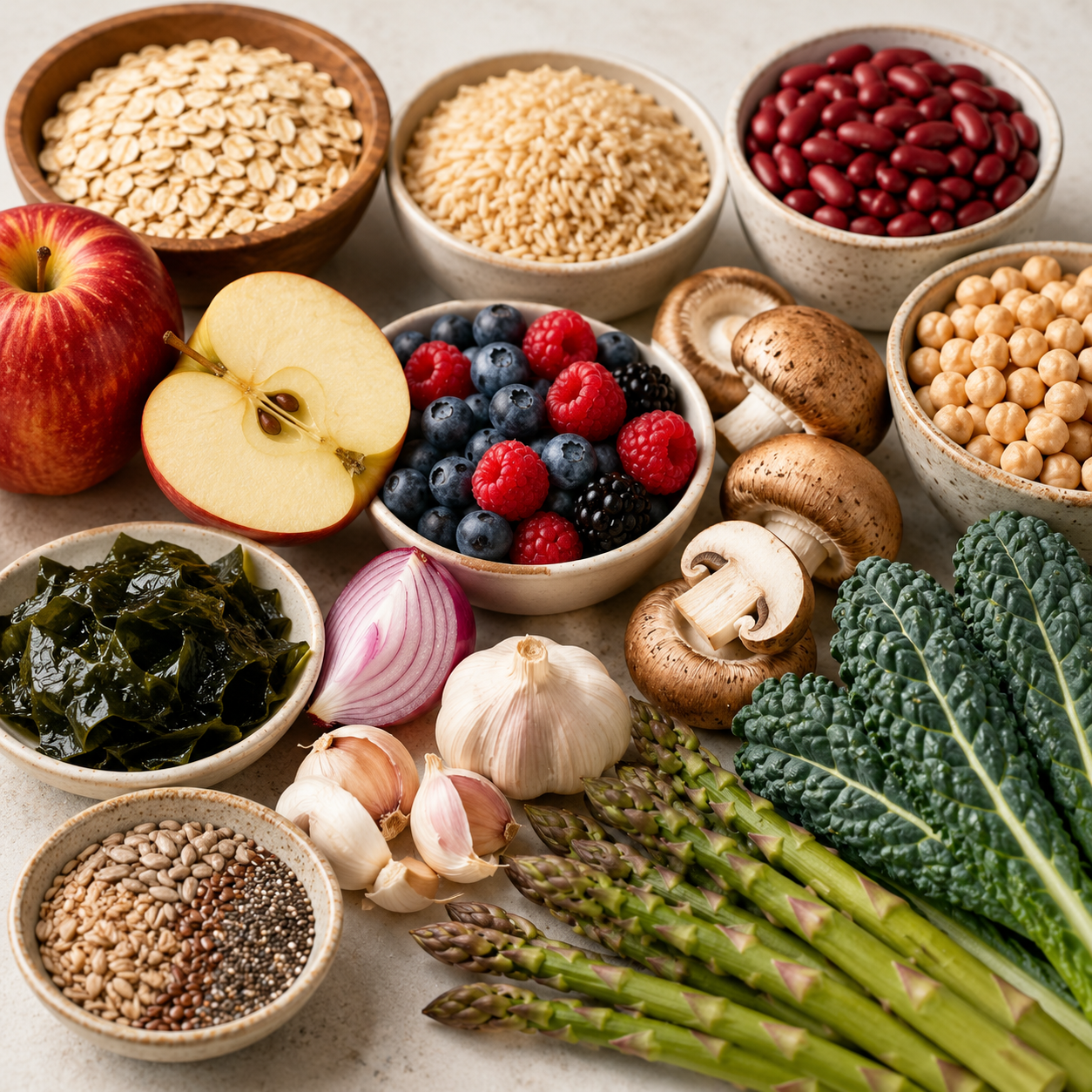
Oats, brown rice, whole wheat, red beans, mung beans, chickpeas, lentils, apples, berries, mushrooms, kelp, onions, garlic, chives, asparagus, and dark green vegetables.
Practical Approach
Aim for about 25–30 g fiber a day from a combination of whole grains, legumes, vegetables, fruit, mushrooms, and sea vegetables rather than relying only on fiber powder.
- Staples: replace part with oats, brown rice, whole grains, and mixed beans.
- Vegetables: at least 300 g/day, with dark-colored vegetables making up about half.
- Protein: combine tofu, legumes, fish, eggs, and dairy as appropriate.
- Snacks: fruit, nuts, or plain yogurt.
Safety
Fiber does not have a single universal upper limit like many vitamins, but it should not be increased abruptly.
If you normally eat a highly refined diet and suddenly add large amounts of beans, oats, konjac, inulin, or fiber supplements, bloating, abdominal pain, or diarrhea can occur. Increase gradually and drink enough fluid.
A Sample Day for Stressful Periods
Breakfast
Choose oats with plain yogurt or soy milk, plus a small handful of nuts or seeds and a piece of fruit. This combination can provide magnesium, B vitamins, fiber, tryptophan, and some high-quality protein.
Lunch
Try a mixed-grain bowl with dark green vegetables and tofu or fish. Brown rice with broccoli, spinach, edamame, and salmon is one example of a stress-friendly combination.
Afternoon Snack
If you feel tired, a light green tea with a small amount of nuts or plain yogurt can work. Avoid repeatedly using sugary milk tea, strong coffee, and desserts to stimulate blood sugar and the nervous system.
Dinner
Try mixed-bean rice with mushrooms and vegetables plus eggs, tofu, fish, or shellfish. At night, avoid very greasy, spicy, or sugary meals, and avoid strong tea or large amounts of caffeine.
Bottom Line
The goal of eating well during stress is not one “anti-stress superfood,” but covering the nutrients the nervous system, sleep rhythms, gut microbiome, and energy metabolism need.
Foods worth prioritizing include dark green vegetables, whole grains, legumes, nuts and seeds, fish, eggs, dairy, fruit, and light tea.
The magnesium/B6 and L-theanine trials do not establish a general anti-stress treatment effect: the former lacked placebo and had no overall advantage of the combination, while the latter did not show superiority on the perceived-stress and Stroop endpoints discussed here. Food choices can support adequacy without making that stronger claim.
Instead of pushing through stress with sweets, coffee, and takeout, make staples a little more whole, vegetables a little darker, protein adequate, and include some fish and nuts.
Health Note
This article is for health education and everyday dietary reference only. It is not a diagnosis or treatment plan and does not replace individualized advice from a physician or registered dietitian.
If you have persistent anxiety, insomnia, palpitations, low mood, marked appetite changes, or if you take medication, are pregnant, or have kidney, cardiovascular, or mental-health conditions, seek professional medical advice.
References
- NIH Office of Dietary Supplements. Magnesium - Health Professional Fact Sheet. https://ods.od.nih.gov/factsheets/Magnesium-HealthProfessional/
- Pouteau E, et al. Superiority of magnesium and vitamin B6 over magnesium alone on severe stress in healthy adults with low magnesemia: A randomized, single-blind clinical trial. PLOS ONE. https://journals.plos.org/plosone/article?id=10.1371/journal.pone.0208454
- Su KP, et al. Association of Use of Omega-3 Polyunsaturated Fatty Acids With Changes in Severity of Anxiety Symptoms. JAMA Network Open. https://jamanetwork.com/journals/jamanetworkopen/fullarticle/2702216
- NIH Office of Dietary Supplements. Omega-3 Fatty Acids - Health Professional Fact Sheet. https://ods.od.nih.gov/factsheets/Omega3FattyAcids-HealthProfessional/
- Young LM, et al. A Systematic Review and Meta-Analysis of B Vitamin Supplementation on Depressive Symptoms, Anxiety, and Stress. https://pmc.ncbi.nlm.nih.gov/articles/PMC6770181/
- NIH Office of Dietary Supplements. Vitamin B6 - Health Professional Fact Sheet. https://ods.od.nih.gov/factsheets/VitaminB6-HealthProfessional/
- NIH Office of Dietary Supplements. Folate - Health Professional Fact Sheet. https://ods.od.nih.gov/factsheets/Folate-HealthProfessional/
- NIH Office of Dietary Supplements. Vitamin B12 - Health Professional Fact Sheet. https://ods.od.nih.gov/factsheets/VitaminB12-HealthProfessional/
- White DJ, et al. Anti-Stress, Behavioural and Magnetoencephalography Effects of an L-Theanine-Based Nutrient Drink. Nutrients. https://www.mdpi.com/2072-6643/8/1/53
- Safety and Efficacy of AlphaWave® L-Theanine Supplementation for 28 Days in Healthy Adults with Moderate Stress. Neurology and Therapy. https://link.springer.com/article/10.1007/s40120-024-00624-7
- Richard DM, et al. L-Tryptophan: Basic Metabolic Functions, Behavioral Research and Therapeutic Indications. https://pmc.ncbi.nlm.nih.gov/articles/PMC2908021/
- Carabotti M, et al. The gut-brain axis: interactions between enteric microbiota, central and enteric nervous systems. https://pmc.ncbi.nlm.nih.gov/articles/PMC4367209/
- National Health Commission of the People’s Republic of China. Chinese Dietary Reference Intakes and related standards. https://www.nhc.gov.cn/wjw/yingyang/201710/fdade20feb8144ba921b412944ffb779/files/1739783563332_90405.pdf
- Chinese Nutrition Society. Chinese Dietary Guidelines (2022): Eight Principles for a Balanced Diet. https://dg.cnsoc.org/article/04/J4-AsD_DR3OLQMnHG0-jZA.html