Vegetables · Cruciferous vegetables
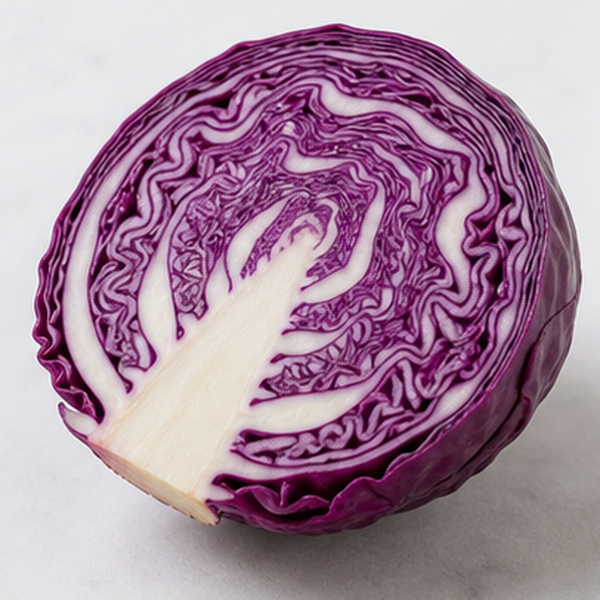
Purple Cabbage
Purple cabbage is a low-energy cruciferous vegetable rich in vitamins C and K. Raw preparations and brief steaming or stir-frying generally preserve more of these compounds, but purple cabbage is not a “functional food” that can replace medication or produce a strong anti-inflammatory effect on its own.
Food Overview
Key strengths
Per 100 g, raw purple cabbage provides about 31 kcal, 2.1 g of dietary fiber, 57 mg of vitamin C, and 38.2 μg of vitamin K.
How to eat it
Purple cabbage can be finely shredded for raw salads or prepared by brief steaming, quick stir-frying, roasting, or adding it to soups and stews.
What stands out
Anthocyanins and glucosinolates are the most distinctive bioactive compounds in purple cabbage. Studies have identified many acylated and non-acylated anthocyanins, mainly related to cyanidin-3-diglucoside-5-glucoside structures.
Worth noting
Although purple cabbage has a deep color, color alone cannot determine its exact anthocyanin content. Prolonged boiling, stewing, and repeated reheating can reduce some anthocyanins, vitamin C, and glucosinolates, and the degree of change varies by cooking method.
Basic Nutrition
Showing:100 g Boiled purple cabbage
View complete nutrition data
GI note:GI varies with cultivar, food structure, processing, and cooking. Raw grains usually do not have directly applicable human GI data.
Boiled purple cabbage lacks standardized human GI data that exactly match this cultivar and preparation state.
Data notes:Basic nutrition data correspond to raw purple cabbage and purple cabbage that has been boiled, drained, and prepared without added salt.
Both raw and cooked entries explicitly report 0 g of starch. “Sugars” uses the total sugars field provided by the database.
No standardized human GI values matching the two states on this page were found, so GI is shown as “—” rather than using online estimates.
Vitamins & Minerals
Uses FDA Daily Values for adults and children age 4 and older and shows only nutrients that provide at least 5% of the Daily Value in the selected state and serving.
A common 75 g serving of boiled purple cabbage has only four nutrients that meet the 5% Daily Value display threshold; items below the threshold are not added just to fill the cards.
View all vitamins and minerals
Percentages show how much the selected serving contributes to the adult Daily Value.
Key Bioactive Compounds
Anthocyanins
AnthocyaninsThe purple-red color of purple cabbage comes mainly from cyanidin-derived anthocyanins, pigments that also help the plant respond to light and environmental stress.
Studies have reported total anthocyanin values of roughly 90–320 mg per 100 g fresh weight in raw purple cabbage, with differences related to cultivar, proportion of outer leaves, and analytical method.
Anthocyanins contribute to antioxidant defense as part of dietary polyphenol intake.
Purple cabbage can be eaten raw after washing or prepared with brief stir-frying or steaming.
A deep color does not mean purple cabbage can directly “reduce inflammation” or treat chronic disease.
Glucosinolates & their breakdown products
Sulfur-containing compoundsPurple cabbage is a cruciferous vegetable and contains several glucosinolates. Chopping and chewing can generate breakdown products such as isothiocyanates.
Purple cabbage leaves contain multiple glucosinolates, but both total amount and individual composition vary considerably with cultivar, leaf position, season, and analytical method.
Their breakdown products have been studied for endogenous defense systems, oxidative stress, and metabolic responses.
Shred finely and chew well, and use raw preparations, brief steaming, or quick stir-frying.
The presence of isothiocyanate precursors does not mean purple cabbage can prevent or treat cancer, thyroid disease, or other health conditions.
Phenolic acids & flavonols
PolyphenolsPurple cabbage also contains hydroxycinnamic acids and derivatives of kaempferol and quercetin, which together with anthocyanins make up its broader polyphenol profile.
Purple cabbage contains several phenolic acids and kaempferol and quercetin derivatives, but research often reports total phenolics or extract values, making it difficult to convert results into universal amounts for individual compounds in retail cabbage.
These polyphenols add to the diversity of plant bioactives in the diet and can contribute to antioxidant metabolism after meals.
Use fresh leaves with good color and avoid discarding edible outer leaves unnecessarily.
Total phenolic content and free-radical scavenging measured in test tubes cannot be converted directly into a specific anti-inflammatory effect or reduction in disease risk in humans.
How Preparation Changes Purple Cabbage
Raw purple cabbage
Raw purple cabbage retains more vitamin C, anthocyanins, and glucosinolates and has a crisp texture that works well shredded into salads and cold dishes.
Boiling
Boiling softens purple cabbage, but water-soluble anthocyanins, vitamin C, and some glucosinolates can move into the cooking water.
Steaming
In one comparison of steaming, microwaving, boiling, and stir-frying, all methods changed some bioactive compounds in purple cabbage, but steaming retained vitamin C and antioxidant activity relatively well.
Quick stir-frying
Purple cabbage can be quickly stir-fried with a little plant oil. At home, there is no need to keep frying until it becomes completely soft or charred.
Prolonged stewing
Under one set of experimental conditions, anthocyanin content fell by about 25% after 30 minutes of stewing and about 34% after 60 minutes.
Fermenting & pickling
Fermented purple cabbage can still be eaten as a vegetable, but its nutrition data should not be taken from the raw-cabbage values on this page.
Acidity, alkalinity & color
Purple cabbage anthocyanins change color with pH. The color change reflects anthocyanin structure at different pH values and does not mean nutritional value suddenly rises or falls.
How to Choose & Store Purple Cabbage
How to choose
- Look for a dense head that feels heavy for its size.
- a little wear on outer leaves usually does not affect internal quality, but avoid heads with slimy, moldy outer leaves or a rotten odor.
- When buying cut purple cabbage, the cut surface should look relatively fresh and moist but not leaking.
- For bagged shredded cabbage, prepared slaws, or salads, check whether dressing has already been added, review sugar and sodium, make sure the package is not swollen or filled with excess liquid, and confirm it has remained refrigerated.
How to store
- Whole purple cabbage can be refrigerated in a bag or wrap, ideally at about 5°C or below.
- A whole head generally keeps longer than shredded cabbage. After cutting, cover the cut surface, refrigerate promptly, and store away from raw meat.
- Do not continue eating cabbage with extensive slime, sour or rotten odor, leaking or mushy cut surfaces, obvious mold, a swollen bag, or marked internal blackening accompanied by off odor.
Remember three things when buying purple cabbage: a dense, heavy head; crisp leaves without slime; and prompt refrigeration and use after cutting.
How to Use Purple Cabbage in Everyday Meals
Purple cabbage slaw
Shred purple cabbage finely and combine with cucumber, carrot, bell pepper, or apple. Dress with vinegar, lemon juice, a little olive oil, and herbs.
Purple cabbage salad
Combine purple cabbage with lettuce, tomatoes, chickpeas, eggs, tofu, or chicken. a little nuts or plant oil can add flavor and help absorb fat-soluble plant compounds in the meal, but large amounts of oil are unnecessary.
Quick stir-fried purple cabbage
Heat a little plant oil, briefly cook garlic, onion, or mushrooms, then add purple cabbage and stir-fry until slightly softened. It can retain some crunch and does not need to be cooked until the color noticeably fades.
Steamed purple cabbage
Cut purple cabbage into larger pieces or coarse shreds and steam briefly until softened but still structured. Pair with fish, chicken, tofu, or whole grains.
Purple cabbage vegetable soup
Add purple cabbage to soups with tomatoes, onions, carrots, beans, and mushrooms. Keep cooking time moderate; a purple-red broth means some water-soluble compounds have moved into the liquid.
Moderately roasted purple cabbage
Cut purple cabbage into thick slices or large pieces and roast with a little plant oil and spices. Avoid slicing it too thin and roasting until extensively charred, and there is no need to add large amounts of cheese, bacon, or sweet sauces.
Who Should Take Extra Care
People taking warfarin
Raw purple cabbage contains 38.2 μg of vitamin K per 100 g, while boiled purple cabbage contains 47.6 μg per 100 g.
People prone to bloating
Purple cabbage contains dietary fiber and fermentable carbohydrates used by gut microbes. People who eat few cruciferous vegetables or are prone to bloating can start with smaller portions. Fine shredding, thorough chewing, or brief cooking may improve tolerance.
People managing blood sugar
Purple cabbage is a low-carbohydrate, non-starchy vegetable. This page does not provide an untested GI estimate, but that does not mean purple cabbage is expected to cause a large rise in blood sugar.
People with thyroid disorders
Purple cabbage contains glucosinolates, but ordinary portions of cooked cruciferous vegetables generally do not need to be avoided when iodine intake is adequate.
Infants, young children, and people with chewing difficulties
Raw purple cabbage is firm, and even shredded pieces may be difficult to chew. For infants, older adults, and people with swallowing difficulties, cook until soft and chop or prepare it in an appropriate texture rather than serving coarse raw shreds.
People eating it raw
Before eating raw, remove clearly damaged outer leaves, wash under running water, and use clean knives and cutting boards. Do not leave cut purple cabbage at room temperature for long periods, and keep cold salads separate from raw meat during preparation and storage.
Similar Food Alternatives
Green cabbage
Prepared in many of the same ways as purple cabbage. It contains fewer anthocyanins, but vitamin K, vitamin C, and dietary fiber are still notable.
View details →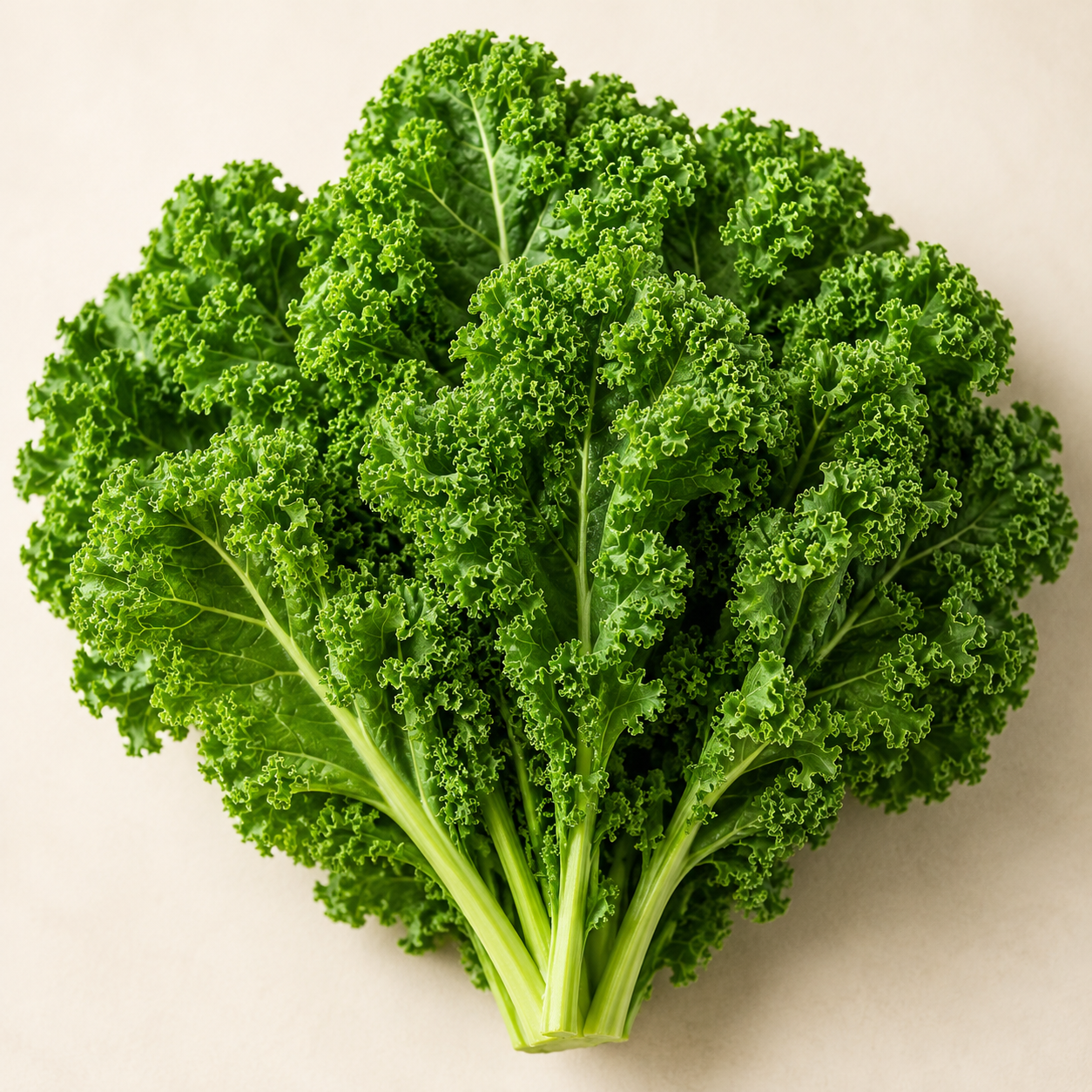
Kale
Another Brassica oleracea vegetable, often more notable for vitamin K and carotenoids. Its leaf structure differs from purple cabbage.
View details →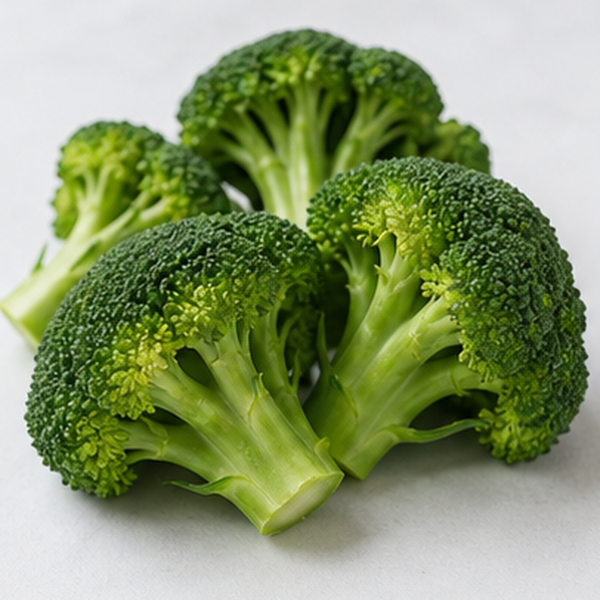
Broccoli
Provides vitamin C, vitamin K, folate, and glucosinolates and works well steamed, blanched, or quickly stir-fried.
View details →Data Sources & Last Updated
Nutrition Data
Basic Information & Food Safety
Research & References
Xu F, et al. (2014). Domestic cooking methods affect the nutritional quality of red cabbage.
Food Chemistry. DOI / Original
Wiczkowski W, Szawara-Nowak D, Topolska J. (2015). Changes in the content and composition of anthocyanins in red cabbage and its antioxidant capacity during fermentation, storage and stewing.
Food Chemistry, 167, 115–123. DOI / Original
Park S, et al. (2014). Quantification of glucosinolates, anthocyanins, free amino acids, and vitamin C in inbred lines of green and red cabbage.
Research article. DOI / Original
Ghareaghajlou N, et al. (2021). Red cabbage anthocyanins: Stability, extraction, biological activities and applications in food systems.
Research review. DOI / Original
Connolly EL, et al. (2021). Glucosinolates from cruciferous vegetables and their potential role in chronic disease.
Research review. DOI / Original