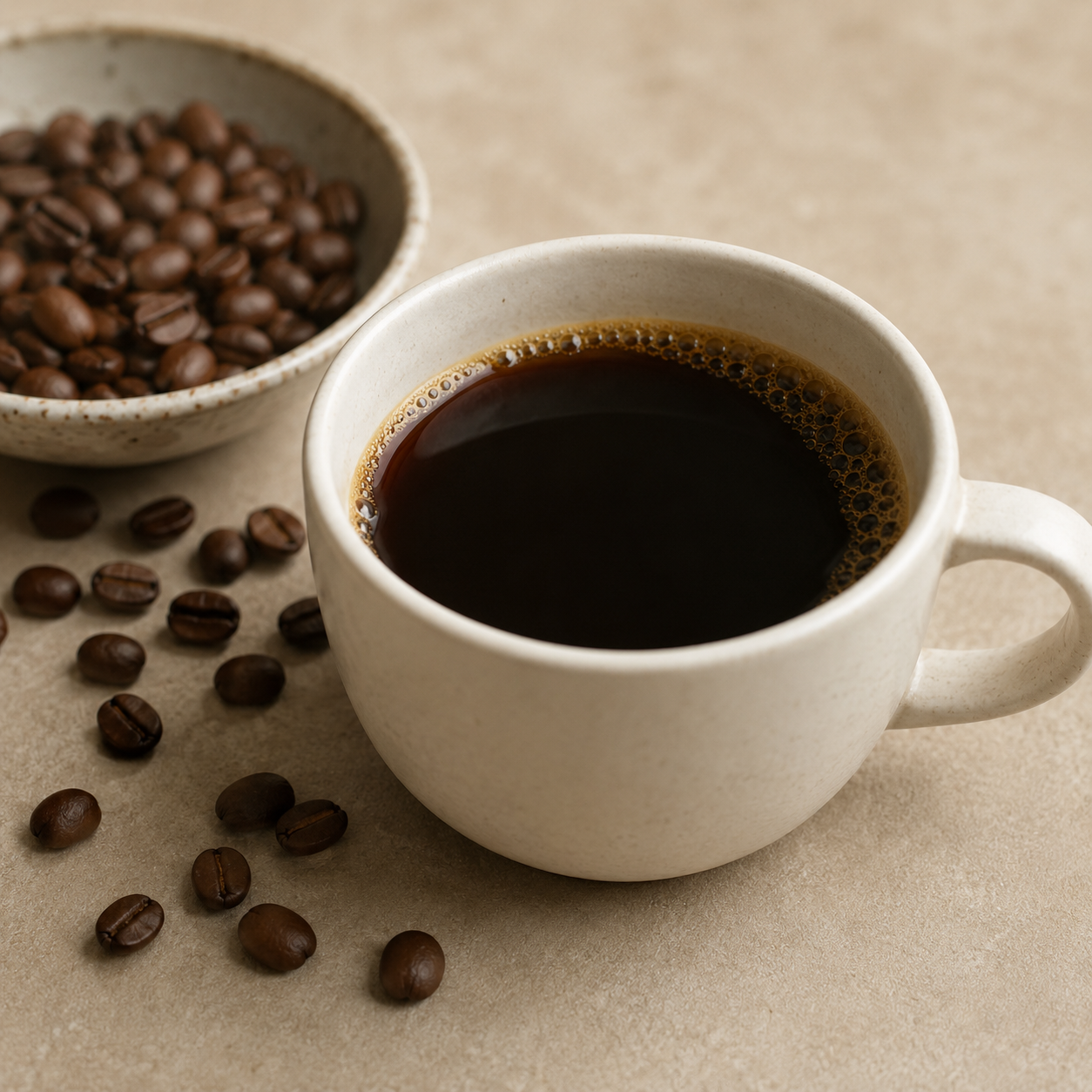
Tea & Coffee · Coffee beverage
Light-to-medium roast unsweetened coffee
Unsweetened light-to-medium roast coffee contains almost no sugar, fat, or carbohydrate. A 240 mL cup usually provides only about 2 kcal, but around 95 mg caffeine, plus chlorogenic acids and roasting-derived melanoidins; actual levels vary substantially by bean, roast, and brewing method.
Beverage overview
Key strengths
Black coffee brewed with only water is very low in energy and macronutrients. In USDA representative data, brewed coffee provides about 1 kcal per 100 g, with carbohydrate and sugar recorded as 0, plus about 40 mg caffeine.
How to drink it
It is best used after breakfast, in the morning, or at an earlier time that does not disturb your sleep. Coffee can accompany a normal breakfast or snack, but should not replace water, meals, or sleep.
What stands out
Light-to-medium roasts generally retain more chlorogenic acids than darker roasts, while darker roasting usually produces more melanoidins and other browning products. Both affect flavor and in-vitro antioxidant activity, so “lighter is healthier” and “darker is more antioxidant” are both oversimplifications.
Worth noting
Caffeine cannot be judged from cup size or roast label alone. Regular brewed coffee contains about 9.4–20.6 mg caffeine per fluid ounce, so a 240 mL cup may provide roughly 75–165 mg.
Basic Nutrition
Showing:100 mL Light-to-medium roast unsweetened coffee
View complete nutrition data
GI note:GI varies with cultivar, food structure, processing, and cooking. Raw grains usually do not have directly applicable human GI data.
Unsweetened black coffee contains almost no available carbohydrate, so it cannot provide the carbohydrate load required for standard GI testing. GI is unavailable and should not be listed as 0.
Data notes:This page has only one nutrition state, so no beverage-state selector is shown.
Sections 02 and 03 use USDA representative values for regular brewed black coffee; they are not measurements from one specific light-to-medium roast, bean, roast curve, coffee-to-water ratio, or brew recipe.
The 95 mg caffeine value is only a representative amount for a roughly 240 mL cup. Actual content varies with bean type, coffee dose, and brewing method.
Vitamins & Minerals
Nutrition defaults to per 100 mL brewed coffee and updates when switched to a common 240 mL cup. Only nutrients reaching at least 5% of the adult Daily Value at the selected amount are shown.
View all vitamins and minerals
Key Bioactive Compounds
Chlorogenic acids
Phenolic acidsChlorogenic acids are not one compound but a family of polyphenols formed from caffeic, ferulic, and related acids linked to quinic acid, including caffeoylquinic, feruloylquinic, and dicaffeoylquinic acids.
Across studies and coffee samples, total chlorogenic acids in a roughly 200 mL cup range from about 20–675 mg, with another commonly cited range of about 70–350 mg per cup. Bean species, cultivar, roast, coffee dose, and brewing method all matter, so no single average is a fixed content.
Chlorogenic acids and their metabolites can contribute to antioxidant defenses. Coffee intake is associated in research with some metabolic and cardiovascular outcomes, but coffee also contains caffeine, melanoidins, and many other compounds, so these associations cannot be attributed to chlorogenic acids alone.
Choosing a light-to-medium roast and normal hot-water brewing helps retain and extract chlorogenic acids. Using an adequate coffee dose, suitable water temperature, and a stable brew ratio is more sensible than simply extending extraction or using extremely hot water. Green-coffee extract is unnecessary.
Laboratory antioxidant or enzyme-inhibition findings do not directly prove anti-inflammatory, glucose-lowering, or weight-loss effects in people. Chlorogenic acids in light-to-medium roast coffee do not replace medical treatment.
Caffeine
Methylxanthine alkaloidCaffeine is coffee’s best-known bioactive compound. Its main role is not antioxidant activity, but stimulation of the central nervous system, improving alertness and reducing sleepiness.
USDA brewed coffee contains about 40 mg caffeine per 100 mL, or about 95 mg per 240 mL cup. A regular 240 mL black coffee may actually provide about 75–165 mg. Bean species, coffee dose, brew ratio, and extraction method usually matter more than roast label.
Moderate caffeine can improve alertness, attention, and reaction time. Responses vary with genetics, habitual intake, age, medications, and sleep status.
Count caffeine from tea, coffee, energy drinks, chocolate, and medicines together across the day. If sleep is easily affected, drink coffee earlier; if symptoms occur, reduce the serving or switch to decaf.
Caffeine can briefly improve mental alertness, but it does not replace sleep or treat attention disorders or chronic fatigue. Tolerating coffee well does not mean more is better.
Roasting-derived melanoidins
Maillard-reaction productsMelanoidins are brown, high-molecular-weight compounds formed during coffee roasting. They contribute to coffee’s color, aroma, bitterness, and part of its in-vitro antioxidant activity.
Estimated melanoidin intake from one coffee serving varies by brewing method at about 99–433 mg; some studies report concentrations around 2–4 mg/mL in coffee. Light-to-medium roasts already contain melanoidins, usually less than darker roasts. Analytical methods and definitions are not fully standardized.
Coffee melanoidins show antioxidant activity in vitro, and some structures may resist complete digestion in the small intestine and reach the colon, where they can interact with gut microbes. Much of the evidence still comes from compositional analysis, simulated digestion, cell, or animal studies.
Normal roasting and hot-water brewing are enough to provide melanoidins. There is no need to choose charred beans, over-roast coffee, or repeatedly reheat it to increase browning products.
Melanoidins are not one clearly defined medicinal compound. In-vitro antioxidant, antimicrobial, or prebiotic potential does not prove that normal coffee intake treats inflammation, gut disease, or cancer.
Roast and brewing differences
Light-to-medium vs. dark roast
Light-to-medium roasts generally retain more chlorogenic acids and some origin aromas; as roasting deepens, chlorogenic acids decline while melanoidins and other roasting products increase. Roast level alone does not determine caffeine; coffee dose and brewing method usually matter more.
Paper-filter pour-over and drip coffee
Paper filters retain much of the coffee oil and cafestol. People who need to manage LDL cholesterol may prefer paper-filtered pour-over or drip coffee.
French press, Turkish coffee, and boiled coffee
These methods use metal filters or no filtration, so they retain more coffee oils and diterpenes. They are not automatically “unhealthy,” but frequent high intake should account for cafestol’s effect on blood lipids.
Espresso and Americano
Espresso has a high concentration of caffeine and soluble solids per milliliter but a small serving volume. Americano is espresso diluted with water; final caffeine depends on the number of shots, so the 95 mg-per-cup representative value on this page should not be used automatically.
Cold brew coffee
Cold brew uses lower temperatures and longer extraction and may be ready-to-drink or concentrated. It is not necessarily lower in caffeine than hot coffee; bean type, brew ratio, steeping time, and dilution all matter. It is not a separate nutrition state on this page.
Instant coffee
Instant coffee is industrially extracted and dried, so its caffeine and phytochemical profile differs from freshly ground brewed coffee. Do not apply this page’s values directly.
Decaffeinated coffee
Decaf does not mean caffeine-free. A roughly 240 mL cup may still contain 2–15 mg caffeine and should be handled as a separate page or state.
Sugar, milk, and creamer
Once sugar, milk, creamer, plant milk, or cream is added, energy, carbohydrate, sugar, protein, fat, sodium, vitamins, and minerals need to be recalculated. It no longer matches this page’s definition of unsweetened black coffee.
How to choose and store
How to choose
- The ingredient list should ideally contain only coffee beans or roasted coffee. Avoid 3-in-1 mixes, sweetened instant coffee, and products containing creamer, milk powder, syrup powder, or added fats.
- Choose products labeled light, light-medium, or medium-light roast. Roast labels help with flavor selection but do not guarantee a fixed chlorogenic-acid or caffeine content.
- Prefer packages with a roast date, intact packaging, and no moisture damage. Buy smaller amounts and grind just before brewing.
How to store
- Store beans in an opaque airtight container or the original bag with a one-way valve, in a cool, dry place away from heat, light, and moisture.
- Keep beans whole when possible and grind only what you need before brewing. Buy package sizes that match your drinking pace.
- Freshly brewed coffee is best consumed soon. If you need to hold it, refrigerate in a clean covered container, though flavor will gradually decline.
When buying light-to-medium roast coffee, remember three things: coffee-only ingredients, whole beans with a roast date when possible, and airtight, light-protected storage with grinding just before brewing.
How to fit it into your diet
Paper-filter pour-over
Grind light-to-medium roast beans fresh and brew through a paper filter. A coffee-to-water ratio around 1:15 to 1:17 is a reasonable starting point, then adjust to taste. Paper filtration helps reduce coffee oils and cafestol. Drink it plain without syrup or creamer.
Drip coffee maker
Use an appropriate amount of freshly ground coffee and water for the machine, with a disposable or suitable paper filter. Avoid repeatedly pushing too little coffee through a large pot, and do not leave brewed coffee warming on a hot plate for long periods.
Unsweetened Americano
Add hot water to one or two espresso shots, without sugar or milk. Estimate caffeine from the number of shots, not cup size. When buying one, ask how many shots are used so caffeine does not creep up unnoticed.
Iced black coffee
Pour freshly brewed paper-filtered coffee over ice, or cool and refrigerate it. Ice dilutes concentration but does not remove the caffeine already present. Avoid adding large amounts of syrup, condensed milk, creamer, or sweet foam.
Pair with a normal breakfast
Coffee can go with oats, whole-grain bread, eggs, plain yogurt, fruit, or nuts, but should not replace breakfast. If coffee on an empty stomach causes discomfort, drink it after eating and adjust strength to your tolerance.
Decaf substitution
If you enjoy coffee flavor but develop insomnia, palpitations, or anxiety, replace afternoon or evening coffee with unsweetened decaf. Decaf still contains some caffeine, so suitability depends on individual sensitivity.
Who Should Take Extra Care
People sensitive to caffeine
Some people develop palpitations, tremor, headache, anxiety, stomach discomfort, or disrupted sleep from relatively small amounts of coffee. If symptoms occur, lower the strength, reduce the serving, or choose decaf.
People prone to insomnia
Caffeine effects can last for hours. Even if afternoon coffee does not feel stimulating, it may still delay sleep or reduce sleep quality. A safer approach is to keep caffeinated coffee to the morning or well before bedtime.
Pregnant People
During pregnancy, caffeine intake should stay below 200 mg/day. Count coffee, tea, cola, chocolate, and caffeinated medicines together rather than counting only cups of coffee.
People with palpitations, hypertension, or arrhythmias
For most adults, up to 400 mg caffeine/day is generally considered safe, but responses vary. Higher doses may raise blood pressure or trigger palpitations and abnormal rhythms. People with related symptoms should adjust intake based on their response and medical advice.
People with elevated LDL cholesterol
Paper-filtered or drip coffee is a better choice. French press, Turkish coffee, boiled coffee, and frequent espresso can provide more cafestol and may raise LDL cholesterol.
People with GERD or sensitive digestion
Coffee can trigger reflux, heartburn, stomach discomfort, or faster bowel movements in some people, with large individual differences. Try a weaker brew, smaller serving, darker roast, or decaf and track your own response.
People with iron deficiency or taking iron supplements
Coffee polyphenols can reduce absorption of non-heme iron when taken with a meal. People with low iron, mainly plant-based iron intake, or iron supplements should not take iron pills with coffee and should separate coffee from main iron-containing meals.
Children and adolescents
Caffeinated coffee is not recommended as an everyday drink for children. Teenagers should also watch total caffeine from coffee, milk tea, cola, and energy drinks.
Similar beverage alternatives
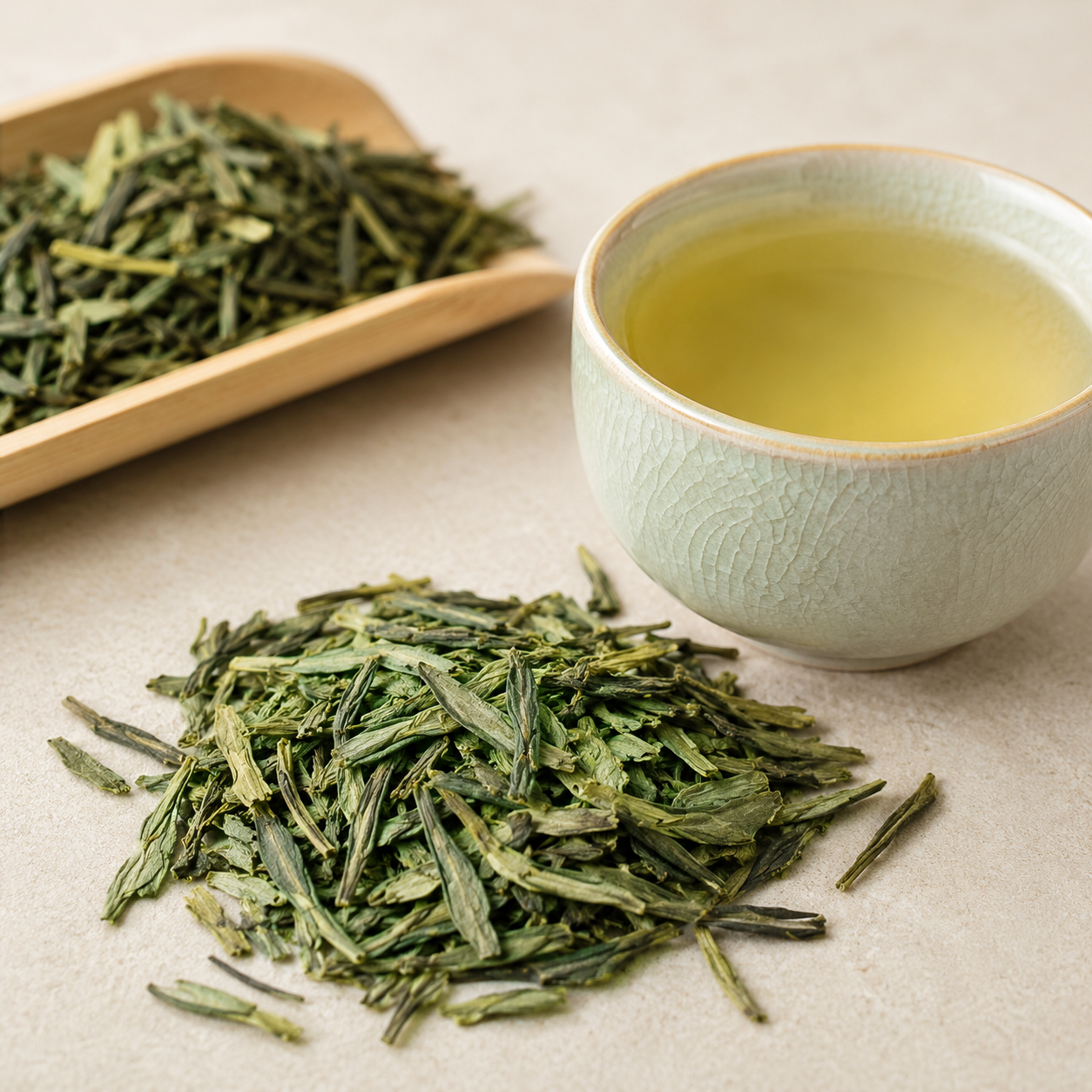
Green tea
Also contains caffeine and polyphenols, but its main bioactives are catechins. A typical cup of green tea usually has less caffeine than regular brewed coffee.
View details →White tea
Caffeine and tea-polyphenol content vary with raw material, leaf maturity, and brewing. The flavor is often softer, but that does not mean caffeine-free.
View details →Yerba mate
Contains caffeine and polyphenols, with stimulant effects that may fall between tea and coffee. Calculate caffeine from the actual concentration and serving size.
View details →Decaffeinated coffee
The closest flavor substitute for coffee itself. It still provides some chlorogenic acids and roasting products, but a cup usually contains a small amount of caffeine.
View details →Data Sources & Last Updated
Nutrition Data
Basic Information & Food Safety
Research & References
Awwad S, et al. (2021). Quantification of Caffeine and Chlorogenic Acid in Green and Roasted Coffee Samples Using HPLC-DAD.
Molecules, 26(24), 7502. DOI / Original
Rojas-González A, et al. (2022). Coffee Chlorogenic Acids Incorporation for Bioactivity Enhancement of Foods: A Review.
Molecules, 27(11), 3400. DOI / Original
Lindsey ZR, et al. (2024). Caffeine content in filter coffee brews as a function of degree of roast and extraction yield.
Research article. DOI / Original
Iriondo-DeHond A, et al. (2021). Interest of Coffee Melanoidins as Sustainable Healthier Food Ingredients.
Frontiers in Nutrition, 8, 730343. DOI / Original
Morck TA, Lynch SR, Cook JD. (1983). Inhibition of Food Iron Absorption by Coffee.
American Journal of Clinical Nutrition, 37(3), 416–420. DOI / Original