Legumes & Soy Foods · Dry Legumes
Adzuki Bean
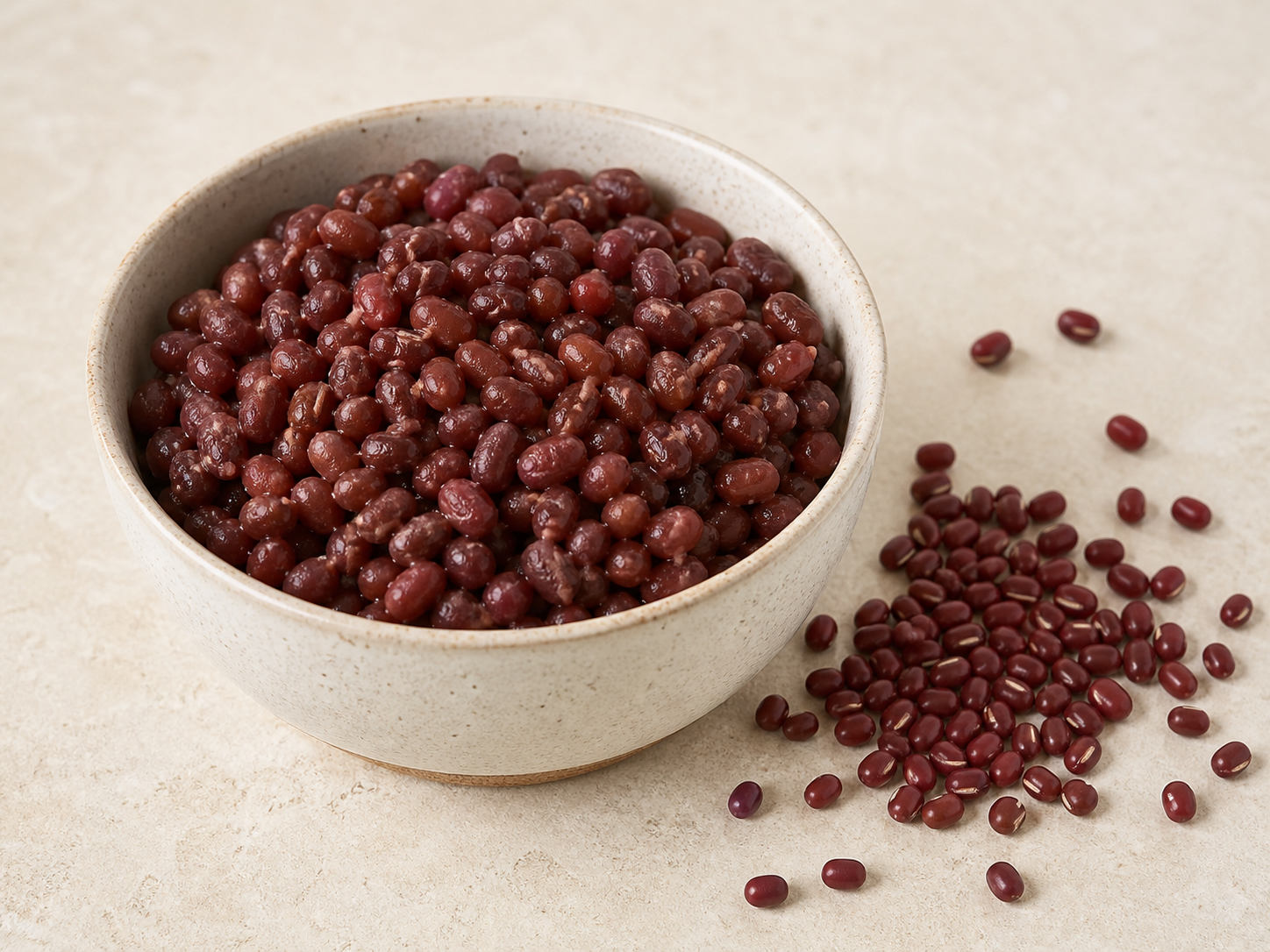
Adzuki beans provide plant protein, dietary fiber, folate, copper, manganese, iron, and magnesium. Their red seed coats also contain proanthocyanidins, catechin-derived pigments, and other polyphenols. They are best thoroughly cooked and used in mixed-grain rice, porridge, soups, and salads rather than made into red-bean paste or sweetened beans with large amounts of added sugar.
Food Overview
Key strengths
Per 100 g, cooked adzuki beans provide about 128 kcal, 7.52 g of protein, and 7.3 g of dietary fiber; a half-cup serving of about 115 g provides about 8.65 g of protein and 8.4 g of dietary fiber, along with folate, copper, manganese, zinc, iron, magnesium, phosphorus, and potassium.
How to Eat It
Adzuki beans work well in mixed-grain rice, unsweetened bean porridge, vegetable soups, stews, and grain salads, and can also be mashed into a lower-sugar bean spread.
What stands out
One of the most misunderstood features of adzuki beans is the source of their red color. Research suggests that important pigments in the red seed coat include proanthocyanidins and catechin-derived catechinopyranocyanidins, so the color should not be attributed simply to common anthocyanins.
Worth noting
Traditional red-bean paste, sweetened adzuki beans, red-bean cakes, and sweet red-bean soups often contain substantial added sugar. Their sugar content, energy density, and post-meal glucose response differ clearly from plain cooked adzuki beans, so they should not be treated as unlimited health foods simply because the ingredient is adzuki bean.
Basic Nutrition
Showing:100 g Cooked Adzuki Beans
View complete nutrition data
GI note:GI varies with cultivar, food structure, processing, and cooking. Raw grains usually do not have directly applicable human GI data.
The GI value of 26 is a representative research value. Actual response can vary with cultivar, cooking time, bean softness, and accompanying foods.
Data notes:Cooked adzuki-bean data refer to the edible portion boiled in water without added salt or sugar.
Vitamins & Minerals
By default, show values per 100 g of cooked adzuki beans and only nutrients providing at least 5% of the FDA Daily Value for adults and children age 4 and older at the current serving size; the top six are shown by default.
View all vitamins and minerals
Percentages show how much the selected serving contributes to the adult Daily Value.
Key Bioactive Compounds
Proanthocyanidins & Catechin-Derived Pigments
Flavan-3-ols & Condensed TanninsAdzuki-bean seed coats contain proanthocyanidins and catechin-derived pigments that contribute to their reddish-purple color.
Specific amount: —. Levels vary by cultivar and seed-coat color, and the red color is not due only to common water-soluble anthocyanins.
These compounds show antioxidant activity experimentally, but evidence is insufficient to show that ordinary cooked adzuki beans reduce chronic inflammation.
Keep the red seed coat and cook thoroughly; retaining some cooking liquid can preserve soluble polyphenols if it is well tolerated.
Laboratory antioxidant activity does not mean a bowl of adzuki beans eliminates inflammation, clears free radicals, or prevents cancer.
Phenolic Acids, Flavonoids & Saponins
Polyphenols & Triterpenoid SaponinsAdzuki beans also contain catechins, vitexin derivatives, quercetin glycosides, rutin, and several azuki saponins.
Specific amount: —. Amounts vary widely by cultivar, extraction method, and processing state, so one general value is not appropriate.
These compounds show experimental antioxidant and enzyme-related effects, but human evidence at normal food intakes remains limited.
Prefer whole cooked adzuki beans and limit desserts with large amounts of sugar, syrup, cream, or condensed milk.
Cell, animal, and extract studies do not show that ordinary adzuki servings cause weight loss, lower blood lipids, or treat diabetes.
Resistant Starch
Functional carbohydratesResistant starch escapes full digestion in the small intestine and can reach the colon.
Specific amount: —. One experimental sample measured about 2.94 g/100 g dry weight, but levels vary with cultivar, soaking, cooking, cooling, and reheating.
It can be fermented by gut microbes and contributes alongside fiber, protein, and intact-bean structure to a moderate post-meal response.
Cook adzuki beans thoroughly. Refrigerate cooked portions promptly; reheating may alter some starch structure.
Resistant starch is not calorie-free, and cooled adzuki beans are not automatically a weight-loss food or diabetes treatment.
How Preparation Changes Adzuki Bean
Raw Adzuki Beans
Raw adzuki beans have little water, so energy, protein, folate, and minerals look much more concentrated per 100 g than in the cooked state. But raw beans are hard and may contain active lectins and other antinutritional factors that have not been sufficiently reduced, so they should not be eaten directly.
Soaking
Adzuki beans can be cooked without soaking, but soaking usually shortens cooking time and helps the beans soften more evenly. Rinse, soak for 6—12 hours, discard the soaking water, add fresh water, bring to a boil, and continue cooking until the centers are completely soft.
Cooked Adzuki Beans
Adzuki beans usually need about 45—60 minutes of cooking, although cultivar, bean age, soaking, and cookware affect the actual time.
Bean Cooking Liquid
Some soluble seed-coat compounds and oligosaccharides move into the cooking liquid. When making porridge, soup, or stew, the liquid can be retained if gastrointestinal tolerance is good; people with sensitive digestion may discard it to reduce some fermentable oligosaccharides.
Red-Bean Paste & Sweetened Adzuki Beans
Mashing adzuki beans does not make their basic nutrition disappear, but it disrupts food structure and may speed eating.
Sprouted Adzuki Beans
Sprouting changes the vitamin, phytate, phenolic, and oligosaccharide profile and also introduces the microbiological risks associated with raw sprouts. This page does not create a sprouted-adzuki state, and sprouted-bean data should not be applied to raw or cooked-bean entries.
How to Choose & Store
How to choose
- Packaging should identify the product as adzuki bean, azuki bean, or Vigna angularis.
- Products labeled rice bean or Vigna umbellata belong to a different food entry.
- Adzuki beans are usually short-oval or short-cylindrical. The generic term “red bean” alone is not enough to identify the species.
- Choose intact beans with fairly even color and no obvious insect damage, mold, or large amounts of broken beans.
- The package should not contain obvious moisture, damp clumps, insect eggs, or a musty smell.
How to store
- Store raw adzuki beans in a sealed container in a cool, dry, dark place.
- For ordinary packaged dry beans, eating them within about one year generally gives better quality; older beans are usually harder to soften.
- After cooking, portion into clean, shallow containers and refrigerate within two hours.
- Refrigerated cooked beans are best eaten within 3—4 days; freeze in portions for longer storage.
- Discard beans with obvious mold, sliminess, leaking liquid, sour or fermented odors.
When buying adzuki beans, remember three points: confirm that the product is adzuki bean, choose short, rounded, intact beans, and make sure the package is dry and free of insect damage.
How to Include It in Everyday Meals
Adzuki Mixed-Grain Rice
Soak and pre-cook adzuki beans until nearly soft, then steam or cook them with brown rice, oat groats, barley, or quinoa. Do not put hard raw beans in the pot at the same time as quick-cooking white rice, because the rice may be done while the bean centers remain undercooked.
Unsweetened Adzuki Porridge
Adzuki beans can be cooked with oats, millet, brown rice, or Job’s tears. Use the natural aroma of the grains and beans rather than adding large amounts of brown sugar, rock sugar, condensed milk, or syrup.
Adzuki Vegetable Soup
Combine thoroughly cooked adzuki beans with tomatoes, carrots, onions, celery, mushrooms, and leafy greens. Season with ginger, black pepper, cumin, or herbs and use less high-sodium stock, ham, sausage, and large amounts of fat.
Adzuki Grain Salad
Drain and cool cooked adzuki beans and pair them with quinoa, buckwheat, brown rice, cucumber, tomatoes, purple cabbage, and leafy greens. Refrigerate cooked beans promptly and do not leave the finished salad at room temperature for long periods.
Adzuki Oat Bowl
Add a small amount of cooked adzuki beans to plain cooked oats and pair with walnuts, unsweetened yogurt, or unsweetened soy milk.
Lower-Sugar Adzuki Mash
Mash cooked adzuki beans with the seed coat intact and use a small amount of milk, unsweetened soy milk, or water to adjust the texture.
Who Should Take Extra Care
Do Not Eat Raw or Undercooked Adzuki Beans
Raw or undercooked beans may contain active lectins that can cause nausea, vomiting, abdominal pain, or diarrhea. Adzuki beans should be cooked until the centers are completely soft and should not be soaked in warm water and then eaten directly as a cold dish.
People with Sensitive Digestion or Frequent Bloating
Adzuki beans contain dietary fiber and fermentable oligosaccharides such as raffinose and stachyose. Start with two or three tablespoons of cooked beans and increase gradually.
People with Irritable Bowel Syndrome
GOS and fructans in legumes are water-soluble, so some move into soaking and cooking water. People sensitive to these compounds can soak thoroughly, discard the soaking water, drain the cooked beans, and start with a small serving.
People managing blood sugar
Cooked adzuki beans have a representative GI of about 26, but a half-cup serving of 115 g still contains about 28.5 g of carbohydrate.
People with Iron Deficiency
A half-cup of cooked adzuki beans provides about 2.3 mg of iron, but it is non-heme iron.
People Planning Pregnancy or Who Are Pregnant
Adzuki beans provide substantial natural folate, but food folate does not replace the folic-acid supplement commonly recommended before conception and in early pregnancy. People who can become pregnant should still obtain 400 µg of folic acid daily from supplements, fortified foods, or both, according to guidelines or clinician advice.
People with Kidney Dysfunction or Those Restricting Potassium or Phosphorus
A half-cup of cooked adzuki beans provides about 612 mg of potassium and 193 mg of phosphorus. Most people do not need to avoid them for this reason, but people who have been told by a clinician to strictly restrict potassium or phosphorus should count them toward the daily total.
People with Legume Allergies
Adzuki-bean allergy is relatively uncommon but does occur. People with a history of severe allergy to other legumes should be cautious when trying them.
Infants, young children, and people with swallowing difficulties
Cook adzuki beans until very soft, then mash, crush, or mix them into porridge. Do not give whole beans with firm centers or slippery surfaces directly to young children with limited chewing ability.
Similar Food Alternatives
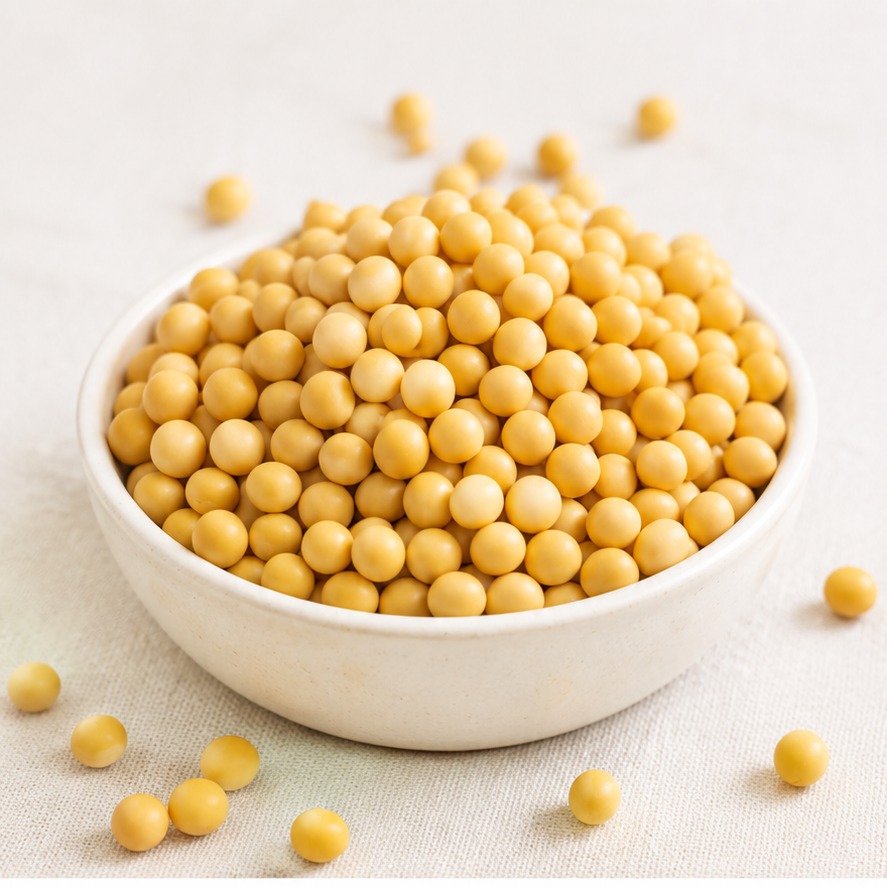
Mung Bean
Another Asian Vigna pulse used in porridge, soups, and mixed-grain rice.
View details →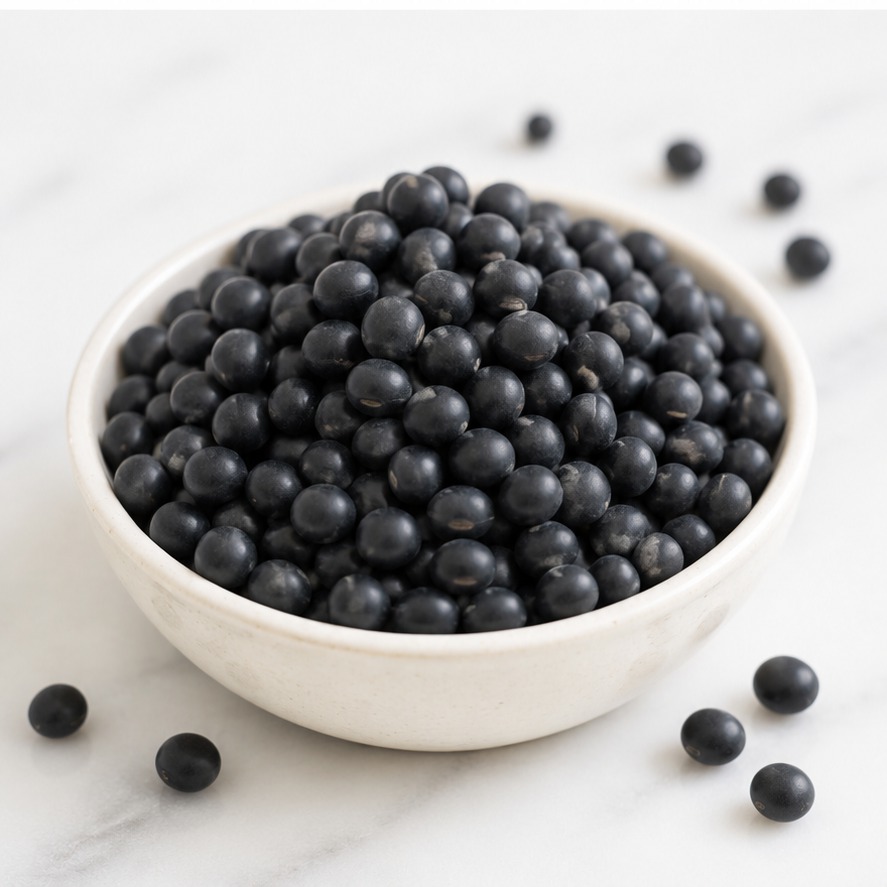
Black Bean (Black Turtle Bean)
Also provides substantial dietary fiber and plant protein, with anthocyanins in the black seed coat.
View details →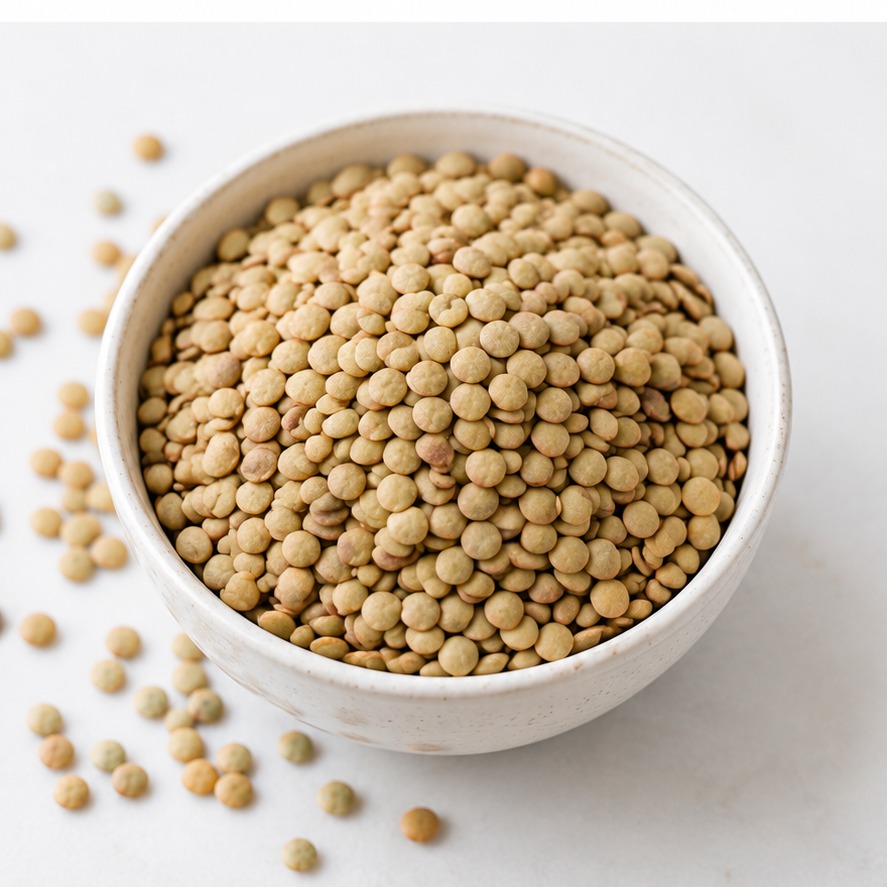
Green Lentils
They generally cook faster and work well in soups, stews, salads, and mixed-grain rice.
View details →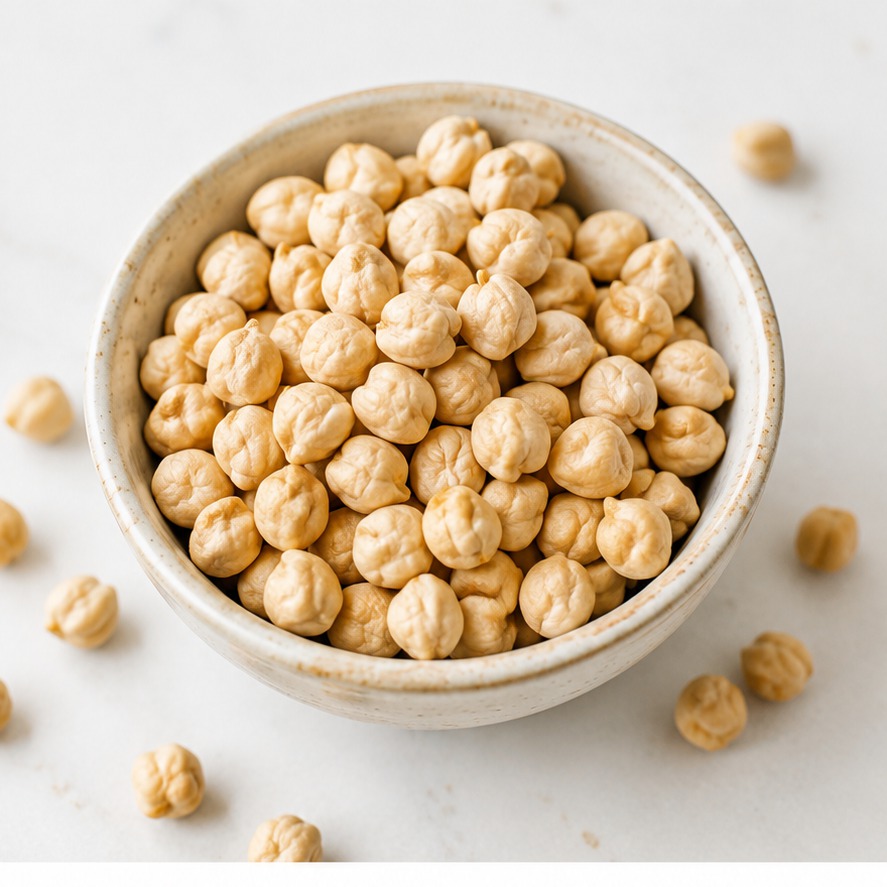
Chickpeas
They work well in salads, stews, and bean purées and provide plant protein, dietary fiber, and folate.
View details →Data Sources & Last Updated
Nutrition Data
Basic Information & Food Safety
Research & References
Wang Z, et al. (2023). Progress in Adzuki Bean Seed Coat Colour Studies.
Plants, 12(18), 3242. DOI / Original
Yoshida K, et al. (2019). Purple Pigments, Catechinopyranocyanidins A and B, in the Seed Coats of Red Adzuki Beans.
Scientific Reports. DOI / Original
Liu R, Cai Z, Xu B. (2017). Characterization and Quantification of Flavonoids and Saponins in Adzuki Bean (Vigna angularis L.).
Chemistry Central Journal, 11, 93. DOI / Original
Wang Y, et al. (2022). Nutritional Composition, Efficacy, and Processing of Vigna angularis.
Molecules, 27(18), 6079. DOI / Original
Adzuki bean boiling study (). Diffusion of Adzuki Bean Oligomeric Polyphenols from Seed Coats to Cotyledons during Boiling.
Food Science research. DOI / Original