Nuts & Seeds · Tree nuts
Walnuts
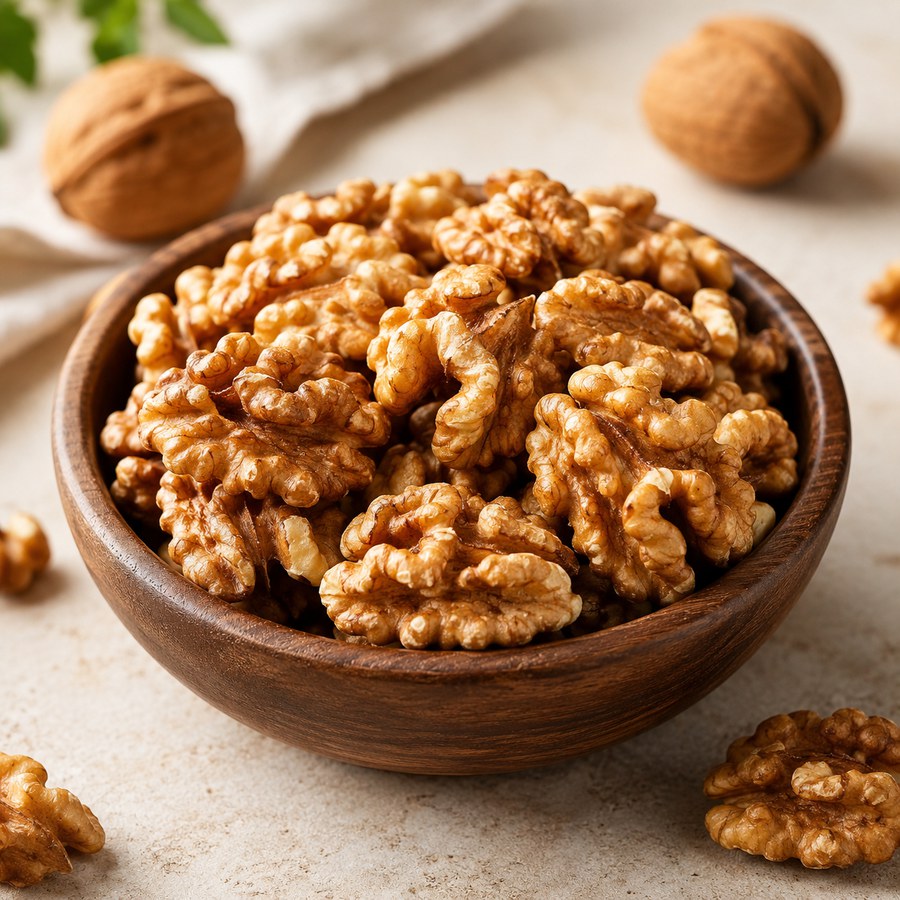
Walnuts are the edible kernels of Juglans regia. They are rich in polyunsaturated fat, especially the plant omega-3 ALA, and also provide copper, manganese, magnesium, and polyphenols concentrated in the thin brown skin.
Overview
Key strengths
A 25 g serving of raw walnuts provides about 16.3 g fat, including roughly 11.8 g polyunsaturated fat and 2.27 g alpha-linolenic acid (ALA).
How to eat it
Use a small portion of plain walnuts in place of some cookies, chips, candy, or sugary baked snacks. About 25 g works well with fruit, plain yogurt, oats, vegetables, or legumes.
What stands out
The thin brown skin can taste slightly bitter, but it contains much of the walnut’s polyphenols and ellagitannins. There is usually no need to rub it off.
Worth noting
Walnuts are energy-dense: 25 g provides about 164 kcal. Portioning is more useful than eating freely from a large bag. Walnuts are also a major tree-nut allergen.
Basic Nutrition
Showing:100 g Raw walnut kernels
View complete nutrition data
GI note:GI varies with cultivar, food structure, processing, and cooking. Raw grains usually do not have directly applicable human GI data.
Walnuts contain little available carbohydrate and are not usually given a standard GI test. “Not applicable” should not be shown as GI 0, 15, or “low GI.”
Data notes:Values are for shelled raw walnut kernels with the thin brown skin intact and no added salt, sugar, or oil.
The first version uses one nutrition state only: raw walnut kernels.
Nutrition uses USDA Standard Reference Legacy, “Nuts, walnuts, English” (NDB 12155). The 25 g serving is calculated from the per-100 g values × 0.25.
Vitamins & Minerals
Values default to 100 g raw walnuts and scale to the 25 g serving. Only nutrients reaching at least 5% of the adult Daily Value at the selected amount are shown.
Gamma-tocopherol does not count toward the vitamin E Daily Value. Human vitamin E requirements and food labeling are based mainly on alpha-tocopherol.
View all vitamins and minerals
Percentages show how much the selected serving contributes to the adult Daily Value.
Key Bioactive Compounds
Alpha-linolenic acid (ALA)
Omega-3 polyunsaturated fatALA is an essential omega-3 fat and one of the features that distinguishes walnuts from most common nuts.
Raw walnuts provide about 9.08 g ALA per 100 g, or 2.27 g per 25 g serving.
ALA must come from food, and a small amount can convert to EPA and DHA. Replacing foods high in saturated fat with walnuts can improve dietary fat quality.
Use about 25 g plain walnuts as a replacement for another snack and store opened nuts sealed and refrigerated.
Walnut ALA is not equivalent to EPA or DHA and walnuts do not replace lipid-lowering medication or chronic-disease treatment.
Ellagitannins & Ellagic Acid
Hydrolyzable tannins & polyphenolsWalnuts contain ellagitannins such as pedunculagin and casuarictin, along with ellagic-acid-related compounds.
Fixed amount: —. Levels vary by cultivar, maturity, skin color, method, and storage. The thin brown skin is especially rich in these polyphenols.
Ellagitannins contribute to walnut antioxidant activity and can release ellagic acid, which gut microbes may transform further.
Keep the thin brown skin when possible. Chop close to use and refrigerate leftovers because cut nuts oxidize faster.
Laboratory antioxidant activity does not prove anti-inflammatory or disease-prevention effects, and ordinary walnut portions do not treat chronic disease.
Gamma-tocopherol
Tocopherols | fat-soluble antioxidantsGamma-tocopherol is a prominent fat-soluble antioxidant in walnuts and is concentrated in the oil-rich kernel.
Raw walnuts provide about 20.83 mg gamma-tocopherol per 100 g, or 5.21 mg per 25 g; alpha-tocopherol is about 0.70 mg per 100 g.
Tocopherols help protect lipids from oxidation, but human vitamin E requirements are based mainly on alpha-tocopherol.
Choose fresh walnuts without rancid odors and use gentle roasting rather than prolonged high heat or frying.
High gamma-tocopherol does not make walnuts a high-vitamin-E food by labeling standards and is not equivalent to high-dose supplements.
Raw vs. processed
Raw walnut kernels
This is the default nutrition state. Raw kernels retain the original fatty-acid profile, thin skin, and structure without added salt, sugar, or oil. Because they are rich in polyunsaturated fat, store them sealed, dark, and cool after opening.
Gently dry-roasted walnuts
Short, moderate roasting improves aroma and crunch. Changes in fatty acids and tocopherols vary by cultivar and roasting conditions, so one study cannot represent every product. At home, use moderate heat, stir or turn, and stop before browning deeply.
High-temperature or prolonged roasting
High heat or long roasting increases the chance of rancid or burnt flavors and oxidation of polyunsaturated fat. “More roasted” does not mean healthier.
Chopped or ground
Chopping makes walnuts easier to use in oats, salads, sauces, and baking, but it increases air exposure and odor absorption. Chop close to use; keep walnut meal sealed and refrigerated.
Salted or flavored walnuts
Added salt can raise sodium far above the 2 mg/100 g in raw walnuts. Spiced, buttered, honey, maple, and caramel products may also add sugar, saturated fat, and calories.
Candied walnuts
These products add substantial sugar and often oil. Their nutrition is not equivalent to plain walnuts simply because they contain walnuts.
Walnut oil
Walnut oil mainly provides fat and does not retain the whole kernel’s protein, fiber, or most minerals; it should be treated as a separate food.
How to Choose & Store
How to choose
- Prefer plain products with only walnuts on the ingredient list. Limit added sugar, syrups, palm oil, shortening, flavorings, and heavy salt.
- Walnut kernels may be pale yellow, tan, or amber. Color varies by cultivar and storage, so “whiter” does not automatically mean better.
- Choose plump, fairly intact, dry kernels without insect damage, mold, or unusual oil seepage.
- Avoid walnuts with paint-like, crayon-like, stale-oil, rancid, or moldy odors.
How to store
- For short-term use, keep walnuts airtight in a cool, dry, dark place away from the stove, oven, and sunlight.
- If you will not finish them within a few weeks, refrigerate in a dry, airtight, odor-resistant container.
- For longer storage, freeze in small portions. Let the sealed package warm before opening to reduce condensation.
- Do not store open walnuts next to onions, garlic, spices, or other strong-smelling refrigerated foods.
Choose walnuts with four things in mind: plain and unsalted, skin intact, fresh smell, and cold airtight storage after opening.
How to Eat It
Eat as a measured nut portion
Use about 25 g plain walnuts as a small snack with fruit or plain yogurt. Pre-portioning is easier than eating from a large bag and avoids the need for honey, syrup, or chocolate coatings.
Add to oats or plain yogurt
Lightly crush walnuts over oatmeal, overnight oats, or plain yogurt. Add berries, apple, or cinnamon. Add walnuts near serving time rather than simmering them for a long time.
Add to vegetable salads
Chop walnuts into salads with leafy greens, tomatoes, peppers, cabbage, beans, or a little cheese. Dress with olive oil, vinegar, lemon, and herbs instead of sugary or creamy dressings.
Pair with whole grains or roasted vegetables
Sprinkle walnut pieces over brown rice, quinoa, oats, pumpkin, carrots, or cauliflower after cooking. This adds texture without repeatedly heating the nuts.
Make a walnut sauce
Blend walnuts with herbs, garlic, a little olive oil, and lemon for whole-grain pasta, tofu, fish, or roasted vegetables. Walnuts already contain plenty of fat, so only a small amount of added oil is needed.
Add to soy milk or smoothies
Blend a small amount into unsweetened soy milk, milk, or yogurt drinks. Fruit such as banana or berries can add sweetness without extra sugar. Drink promptly after blending.
Use in baking
Walnuts can be added to whole-grain bread, oat bars, or lower-sugar muffins. Keep added sugar, butter, and refined flour modest, and avoid baking until the nuts are deeply charred.
Who Should Take Extra Care
People with tree-nut allergy
Walnuts are a major tree-nut allergen. People with diagnosed walnut or tree-nut allergy should avoid them and check mixed nuts, baked goods, sauces, chocolate, and restaurant foods for walnut and cross-contact warnings. Breathing difficulty, throat tightness, facial or tongue swelling, or marked wheezing requires emergency care.
Infants, young children, and people with swallowing difficulties
Whole or large walnut pieces can be a choking hazard. Children under 5 should not be given whole or large pieces; use age-appropriate smooth nut butter, finely ground walnuts, or a small amount mixed into porridge or yogurt.
People Managing Total Energy Intake
A 25 g serving provides about 164 kcal. Walnuts work best as a replacement for another snack or cooking fat, not as an unlimited addition to an unchanged diet.
People with digestive sensitivity
A large portion can cause fullness, nausea, abdominal discomfort, or changes in bowel habits because walnuts are concentrated in fat and fiber. Start around 10–15 g if needed.
People with kidney disease or mineral restrictions
Walnuts contain phosphorus, potassium, magnesium, and other minerals. People on strict potassium, phosphorus, or protein restrictions should follow their individualized meal plan.
People with weak teeth or chewing ability
Chop, grind, or use unsweetened walnut butter rather than biting hard whole pieces.
Rancid or moldy walnuts
Discard walnuts with clear rancid, paint-like, moldy, or unusually bitter odors or visible mold. Roasting or heavy sugar and salt cannot make spoiled walnuts fresh again.
Similar Food Alternatives
Flaxseed
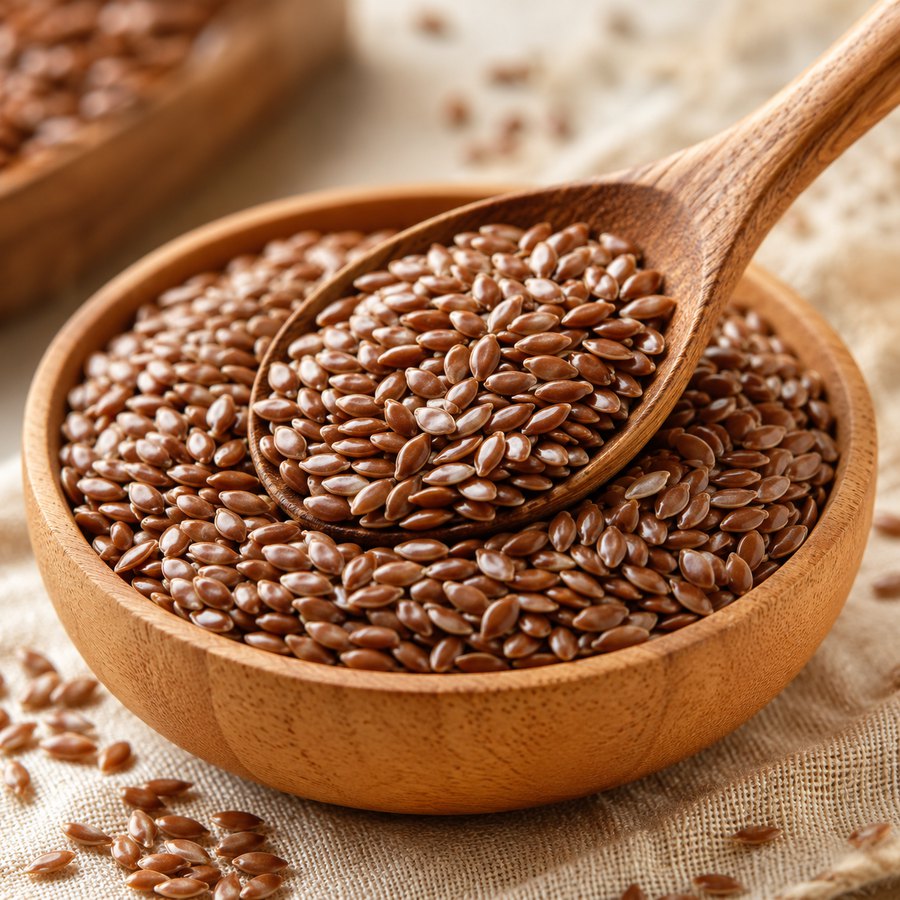
Ground flaxseed also provides plant ALA and fiber and is a notable source of lignans. It is usually better ground, but ground flax should be sealed and refrigerated.
View details →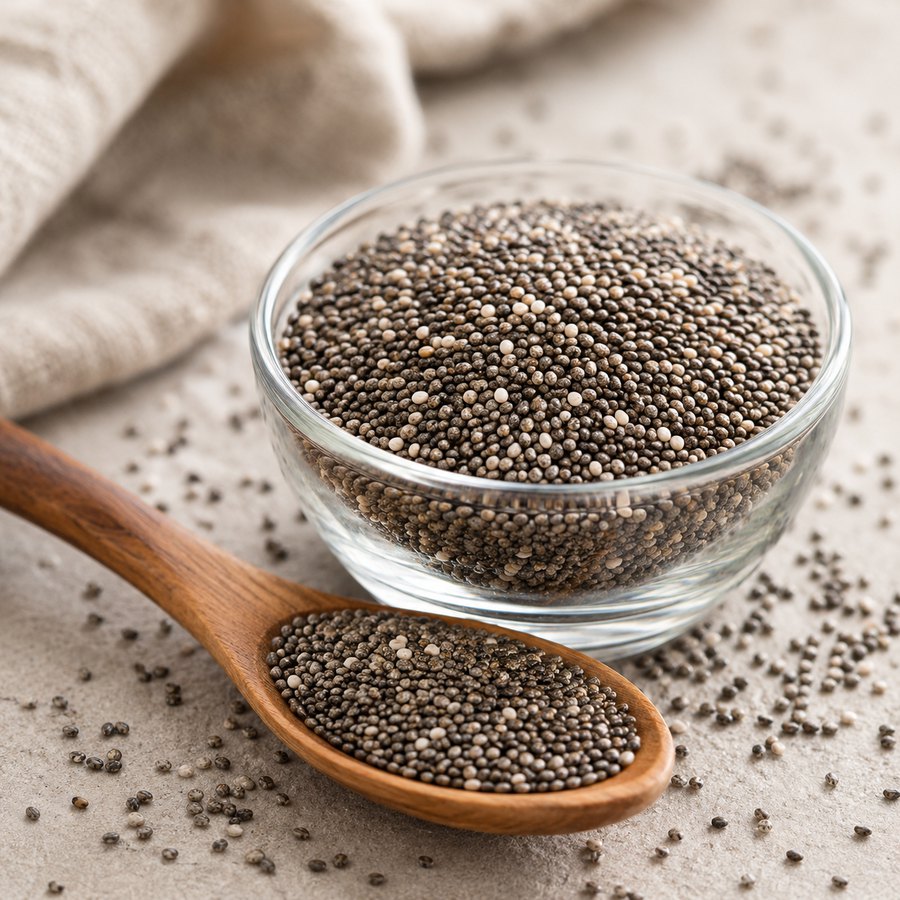
Chia seeds
Chia seeds provide ALA and fiber and form a gel when hydrated. They differ from walnuts in texture and contain less energy per typical small serving.
View details →Pecans
Pecans have a similar shape and use but a different fatty-acid and bioactive profile, so walnut ALA values should not be applied to them.
View details →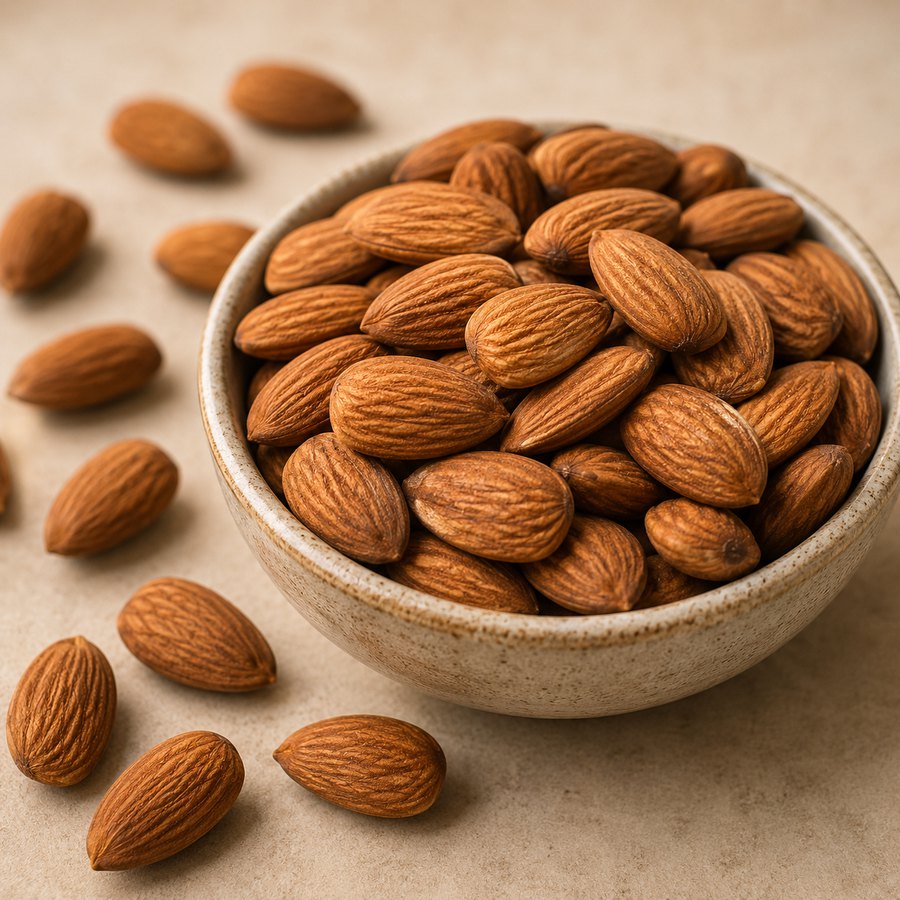
Almonds
Almonds work well as a plain nut snack and are especially rich in alpha-tocopherol; they contain far less ALA than walnuts.
View details →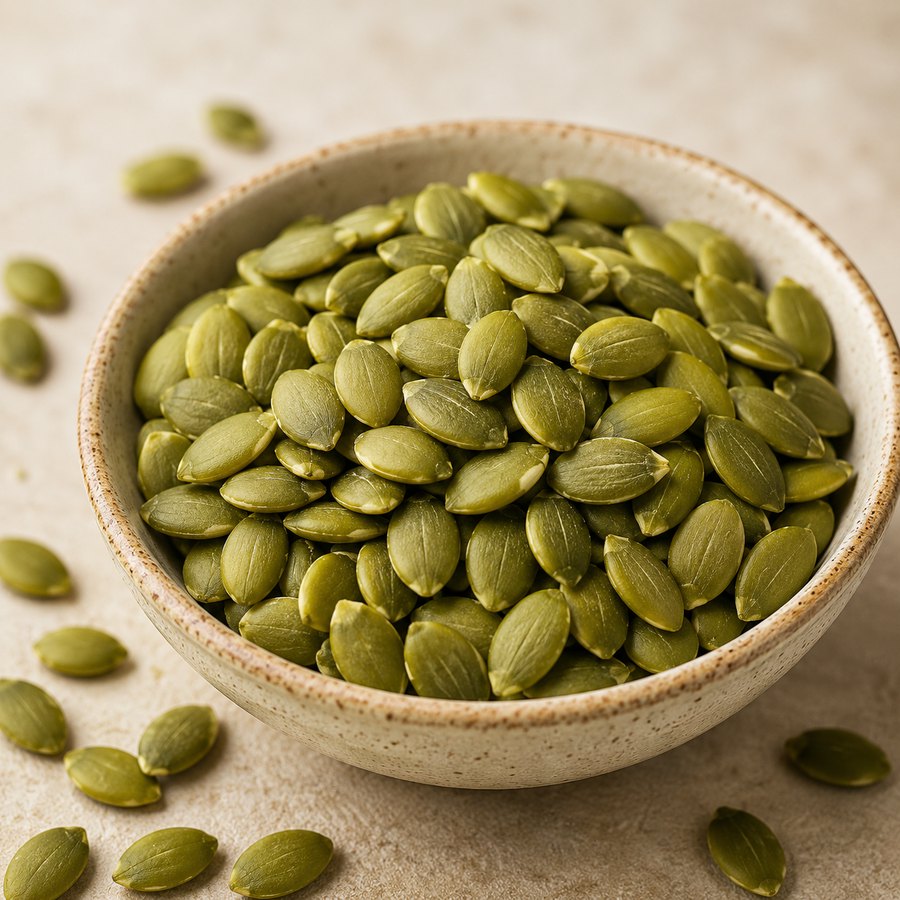
Pumpkin Seeds
Pumpkin seeds add plant protein and minerals to oats and salads, but they are not an equivalent source of walnut ALA.
View details →Data Sources & Last Updated
Nutrition Data
Basic Information & Food Safety
Research & References
Medic A, et al. (2021). Identification and quantification of the major phenolic constituents in Juglans regia L. peeled kernels and pellicles, using HPLC–MS/MS.
Food Chemistry. DOI / Original
Yin TP, et al. (2015). Tannins and Antioxidant Activities of the Walnut (Juglans regia) Pellicle.
Natural Product Communications, 10(12). DOI / Original
Trandafir I, et al. (2016). Antioxidant activity, and phenolic and mineral contents of the walnut kernel as a function of the pellicle color.
Fruits. DOI / Original
Ghafoor K, et al. (2020). Influence of Roasting on Oil Content, Bioactive Components of Different Walnut Kernel.
Journal of Oleo Science, 69(5), 423–428. DOI / Original
Rajaram S, et al. (2021). Effects of Walnut Consumption for 2 Years on Lipoprotein Subclasses Among Healthy Elders.
Circulation, 144(13), 1083–1085. DOI / Original