Whole Grains & Tubers · Whole grain
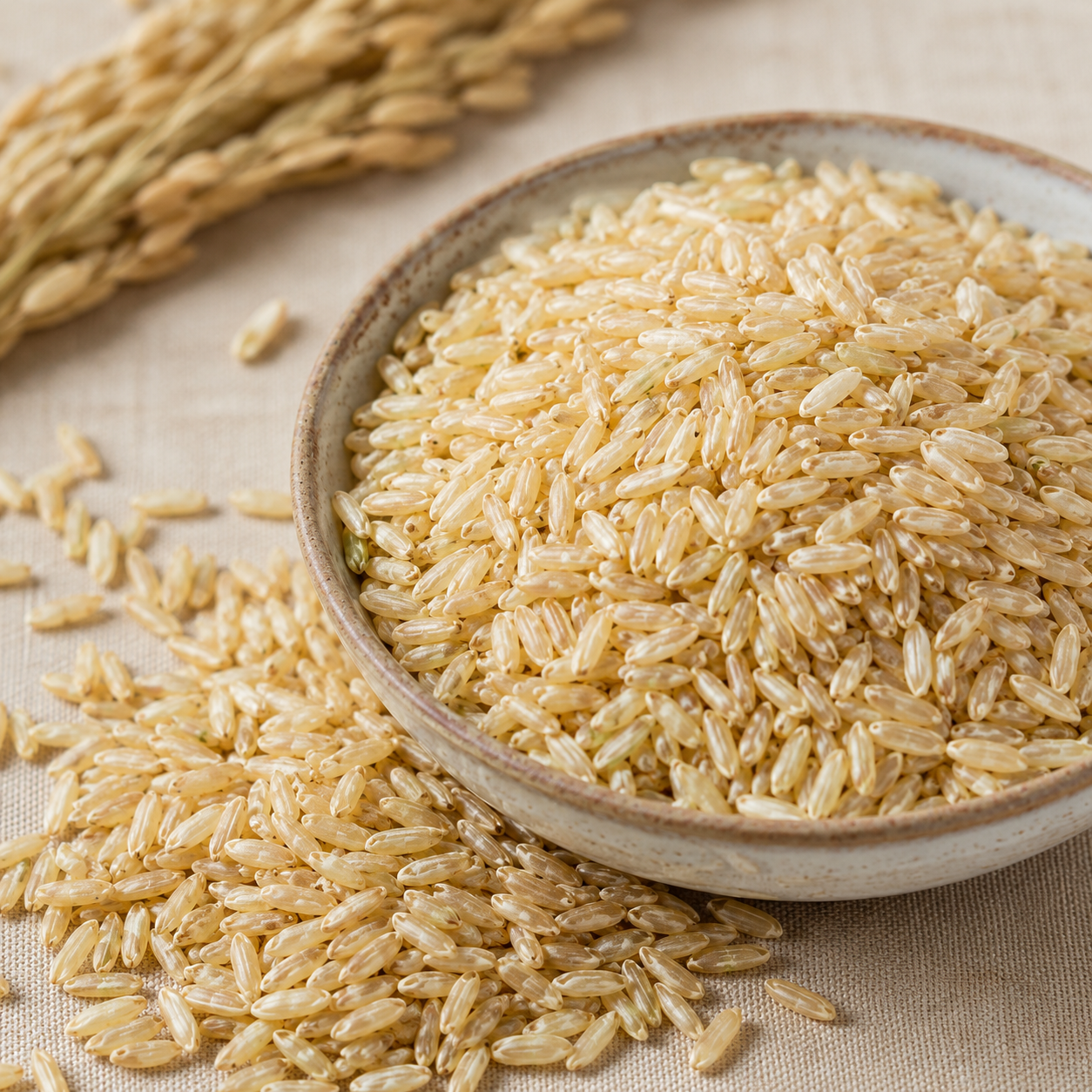
Brown Rice
Brown rice is a whole-grain rice that retains the bran and germ, providing more dietary fiber, magnesium, manganese, and rice-bran phytochemicals than ordinary white rice. It can replace part of white rice, but it is still a carbohydrate-containing staple food, so portion size, cooking method, and the overall meal still matter.
Food Overview
Key strengths
Brown rice retains most of the bran and germ and is a whole grain. Compared with polished white rice, it generally provides more dietary fiber, magnesium, manganese, vitamin B1, niacin, and rice-bran compounds such as phenolic acids and γ-oryzanol.
How to Eat It
It can be cooked on its own or mixed with white rice, black rice, oat groats, quinoa, or legumes. If the texture is unfamiliar, start by replacing about one quarter to one third of the white rice with brown rice.
What stands out
Whether brown rice produces a lower post-meal glucose response cannot be determined by its name alone. Variety, amylose proportion, grain integrity, soaking time, softness after cooking, and actual serving size all affect the response, so a single fixed GI should not be assigned to all brown rice.
Worth noting
Brown rice may contain more inorganic arsenic than white rice from the same variety. Most adults do not need to avoid it; rotating oats, barley, buckwheat, corn, and other staples is more practical. Excess-water cooking can reduce some arsenic but also removes water-soluble nutrients.
Basic Nutrition
Showing:100 g Raw Brown Rice
View complete nutrition data
GI note:GI varies with cultivar, food structure, processing, and cooking. Raw grains usually do not have directly applicable human GI data.
No directly applicable human GI value is available for raw brown rice.
Data notes:Data come from USDA FoodData Central entries for unenriched long-grain brown rice, dry and cooked in water.
A 50 g dry serving and a 150 g cooked serving are independent common-serving settings and do not mean that 50 g of dry brown rice will always produce exactly 150 g of cooked rice.
After cooking and water absorption, energy and nutrients per 100 g are diluted. The two database entries are also not paired samples from before and after cooking, so nutrient-retention rates cannot be calculated from them.
Vitamins & Minerals
By default, show values per 100 g of raw brown rice and only nutrients providing at least 5% of the adult Daily Value at the current serving.
View all vitamins and minerals
Percentages show how much the selected serving contributes to the adult Daily Value.
Key Bioactive Compounds
γ-Oryzanol
Phytosterol Ferulate Estersγ-Oryzanol is not a single compound but a group of ferulate esters of phytosterols and triterpene alcohols, and is a representative compounds in the rice-bran layer.
Different brown-rice study samples contain about 26.2—62.7 mg of γ-oryzanol per 100 g.
γ-Oryzanol has antioxidant properties and may help protect food and body lipids from oxidation. Some human studies have examined blood lipids and metabolic health, but the evidence is not sufficient to support definite treatment claims.
Choose brown rice that retains the bran and germ and store it sealed, away from light, and at a cool temperature.
The γ-oryzanol content in brown rice is far below doses used in some concentrated supplements or rice-bran-oil studies.
Tocopherols & Tocotrienols
Vitamin E compoundsBrown rice contains tocopherols and tocotrienols, with tocotrienols making up a substantial proportion of rice vitamin-E compounds.
Tocotrienols account for about 47%—80% of total vitamin-E compounds in rice and are found mainly in the rice-bran layer and germ. Specific amount: —.
These compounds contribute to antioxidant defenses and help protect cell membranes and lipid structures from oxidation.
Store brown rice sealed and away from light.
Cell or animal studies do not justify claims that tocotrienols in brown rice prevent cancer, treat fatty liver disease, or replace vitamin-E therapy.
Ferulic Acid & Other Phenolic Acids
Phenolic acidsFerulic acid is a representative phenolic acids in brown rice and is present largely in bound form in rice-bran cell walls.
Specific amount: —. Ferulic acid, p-coumaric acid, and other phenolic acids vary with variety and processing.
These phenolic acids can contribute to dietary antioxidant defenses and may be metabolized by gut microbes in the colon.
There is no need to scrub brown rice repeatedly or aggressively. Soaking in advance and cooking thoroughly can improve texture; eat promptly after cooking or refrigerate.
Brown-rice polyphenols do not offset excess energy intake from large staple-food portions and do not independently prevent diabetes or cardiovascular disease.
How Preparation Changes Brown Rice
Whole Brown Rice
Retains bran, germ, and endosperm and is a whole grain. The grains are firmer and absorb water more slowly, usually requiring more water and longer cooking. Soaking beforehand can shorten cooking time and improve texture.
Partially Milled Brown Rice
Removing part of the bran can improve texture and shorten cooking time, but as milling increases, dietary fiber, phenolic acids, γ-oryzanol, and some vitamins and minerals generally decrease.
Ready-to-Eat Brown Rice
Pre-cooked packaging improves convenience, but moisture and serving size vary, and some products include oil, salt, sauces, or other grains.
Cooling & Reheating
Cooling can form some resistant starch. A small white-rice study found more resistant starch and a lower post-meal glucose response after 24 hours of refrigeration followed by reheating, but the specific result should not be applied directly to brown rice, and cold rice should not be treated as a glucose-lowering food.
How to Choose & Store
How to choose
- Common names include brown rice, long-grain brown rice, whole-grain brown rice, genmai, Brown rice, and Whole-grain brown rice.
- Red rice, black rice, glutinous brown rice, parboiled brown rice, brown-rice bran, rice-bran oil, drinks, crisps, and seasoned ready-to-eat rice do not use the same data as this page.
- Prefer products with intact grains, few broken grains, little powder, and brown rice as the only ingredient.
- For ready-to-eat or mixed-grain products, check the proportion of brown rice, added oil, sodium, sugar, sauces, and processed meat.
- Smaller packages, newer production dates, and vacuum-sealed or light-protective packaging are generally more practical.
- Organic production does not guarantee lower inorganic arsenic; varying staple foods is more useful.
How to store
- Store raw brown rice in a cool, dry, dark place and keep it sealed. Refrigerate or freeze in hot, humid conditions or when buying larger amounts.
- Because the bran and germ contain oils, storage life is usually shorter than for white rice.
- Refrigerate cooked rice in a shallow sealed container within 2 hours and aim to eat it within 3—4 days.
- Discard it if there is mold, insect damage or eggs, moisture clumping, a paint- or crayon-like rancid odor, or unusual sliminess or discoloration after cooking.
When buying brown rice, remember three points: intact grains, simple ingredients, and buying smaller amounts that can be stored sealed and away from heat.
How to Include It in Everyday Meals
Brown Rice
Cook with water according to package directions. Brown rice is still a staple food, so whole-grain status is not a reason to increase the portion freely.
Mixed-Grain Brown Rice
Brown rice can be cooked with black rice, oat groats, buckwheat, millet, or legumes to increase grain variety and texture. Legumes, brown rice, and some whole grains absorb water differently, so soak or precook as needed to avoid undercooked, overly hard grains that are difficult to chew and digest.
Brown-Rice Rice Balls
Combine cooked brown rice with egg, tuna, salmon, tofu, or chopped vegetables to make rice balls for lunch boxes or takeaway meals. Refrigerate promptly after preparation and keep chilled during transport.
Brown-Rice Grain Bowl
Use brown rice as the staple base, then add two to three differently colored vegetables, legumes or tofu, and fish, chicken, or eggs.
Brown-Rice Porridge
Brown rice can be cooked with millet, oats, red beans, mung beans, or pumpkin. Keep sugar, condensed milk, and sweet toppings modest.
Refrigerated Brown Rice
Portion cooked brown rice promptly into shallow sealed containers, let it cool appropriately, and refrigerate. Reheat thoroughly before eating the next day.
Who Should Take Extra Care
People managing blood sugar
Brown rice may produce a lower glucose response than refined white rice, but randomized-trial results are not fully consistent. It does not treat diabetes and is not unlimited; control the cooked portion, preserve grain structure, pair it appropriately, and adjust based on personal post-meal glucose responses.
People with Sensitive Digestion or Weaker Chewing Ability
Its firmer texture and higher fiber content may cause bloating or discomfort. Soak in advance, cook until soft, begin with a small amount mixed with white rice, and adjust texture to swallowing ability.
People with impaired kidney function
Phosphorus, potassium, and magnesium are generally higher than in refined white rice. People who need to limit these should not make a large substitution on their own; adjust according to a physician or registered dietitian’s plan.
People at Higher Risk of Iron or Zinc Deficiency
Phytic acid in the bran can reduce absorption of some iron and zinc. Pairing with meat, fish, eggs, soy foods, and vitamin-C-rich fruits and vegetables can improve the overall diet.
Infants and young children
Infants and young children should not rely long-term only on rice cereal, rice porridge, or other rice products.
People with Celiac Disease
Pure brown rice is naturally gluten-free, but seasoned rice, mixed-grain products, cookies, and ready-to-eat foods may contain wheat, barley, or cross-contact. Check ingredient lists and gluten-free labeling.
People with Rice Allergy
Rice allergy is uncommon but possible. Stop eating and seek medical care if clear symptoms such as hives, lip swelling, wheezing, or vomiting occur.
Similar Food Alternatives
Black Rice
It is also rice and contains colored polyphenols, but varieties, texture, and nutrition data differ.
View details →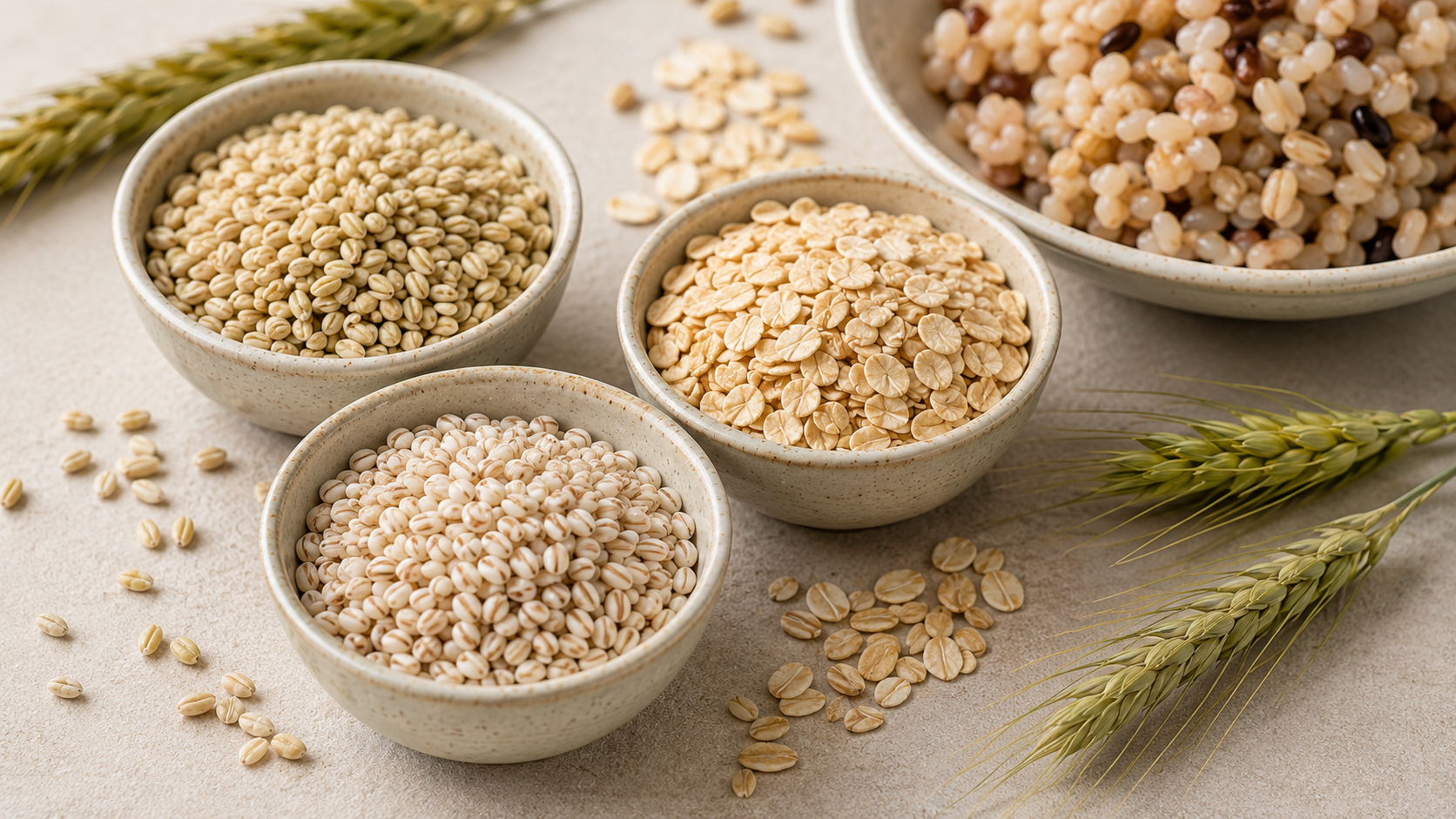
Pearled Barley
It contains representative β-glucan and works well in rice dishes, porridge, and soups, but naturally contains gluten.
View details →
Oats
Oats are also whole grains and have relatively strong human evidence related to β-glucan.
View details →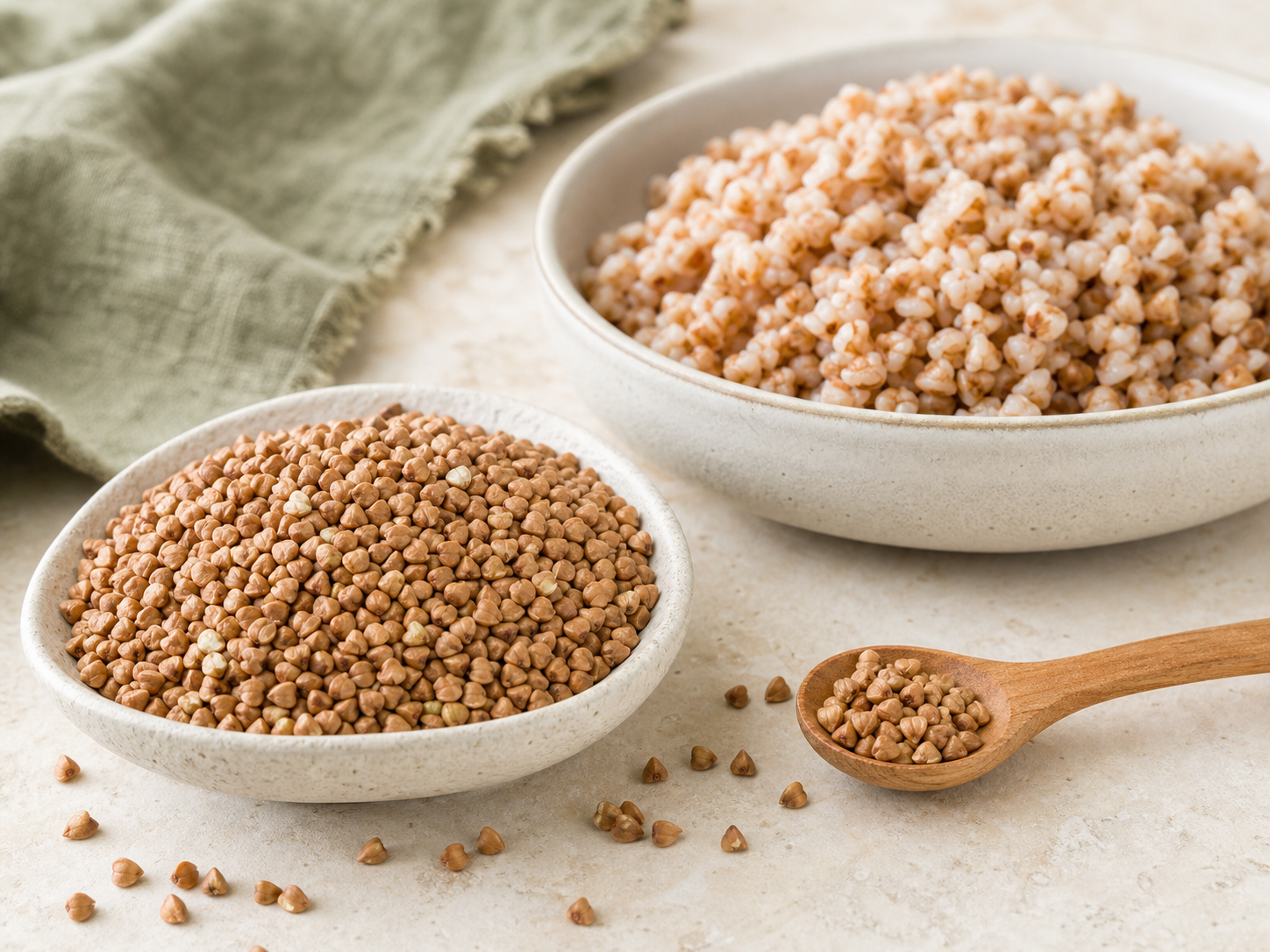
Buckwheat
Works well in mixed-grain rice, grain salads, and noodles and is naturally gluten-free.
View details →Data Sources & Last Updated
Nutrition Data
Basic Information & Food Safety
Research & References
Goufo, P., & Trindade, H. (2014). Rice antioxidants: phenolic acids, flavonoids, anthocyanins, proanthocyanidins, tocopherols, tocotrienols, γ-oryzanol, and phytic acid.
Food Science & Nutrition, 2(2), 75–104. DOI / Original
Ravichanthiran, K., et al. (2018). Phytochemical Profile of Brown Rice and Its Nutrigenomic Implications.
Antioxidants, 7(6), 71. DOI / Original
Liu, L., et al. (2015). Effect of degree of milling on phenolic profiles and cellular antioxidant activity of whole brown rice.
Food Chemistry, 185, 318–325. DOI / Original
Yu, J., et al. (2022). White rice, brown rice and the risk of type 2 diabetes: a systematic review and meta-analysis.
BMJ Open, 12(9), e065426. DOI / Original
Malik, V. S., et al. (2019). Substituting brown rice for white rice on diabetes risk factors in India: a randomised controlled trial.
British Journal of Nutrition, 121(12), 1389–1397. DOI / Original
Sonia, S., Witjaksono, F., & Ridwan, R. (2015). Effect of cooling of cooked white rice on resistant starch content and glycemic response.
Asia Pacific Journal of Clinical Nutrition, 24(4), 620–625. DOI / Original