Healthy plant oils
Walnut oil
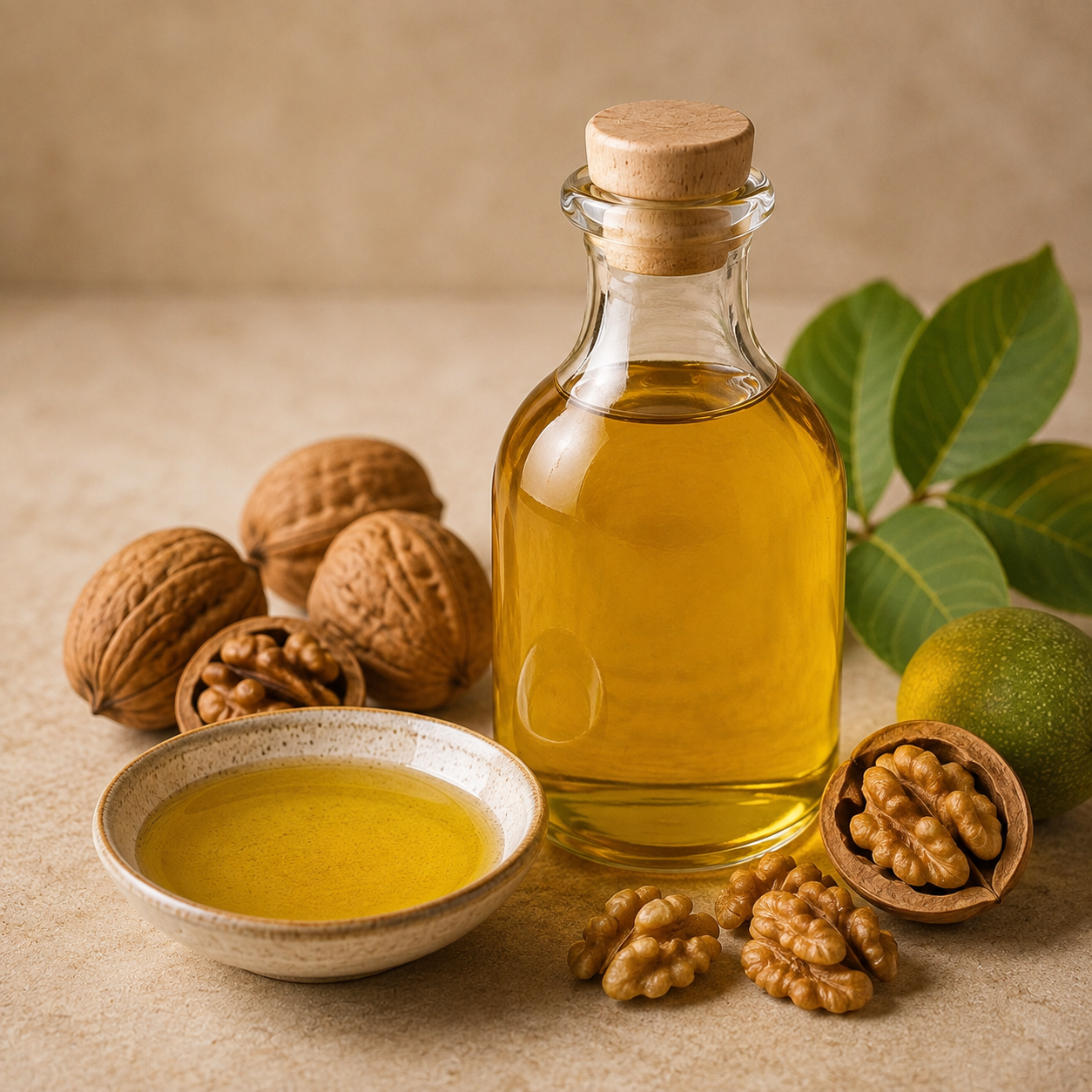
Walnut oil is an edible plant oil made from walnut kernels by pressing, extraction, and sometimes refining. China’s current product standard is GB/T 22327—2019 Walnut Oil, effective January 1, 2020. This page focuses on edible oil from common/Persian walnut (Juglans regia L.), not black-walnut oil, pecan oil, blended oils, cosmetic walnut oil, or walnut extracts.
Food overview
Key strengths
Walnut oil is rich in polyunsaturated fat. USDA generic data list about 63.3 g polyunsaturated, 22.8 g monounsaturated, and 9.1 g saturated fat per 100 g; a 10 g serving provides about 6.33 g polyunsaturated fat.
Best ways to use it
Cold-pressed or strongly flavored walnut oil works best in dressings, cold sauces, noodles, steamed vegetables, soups, or added after cooking.
What stands out
Walnut oil provides plant-based omega-3 ALA. A 10 g serving has about 1.04 g ALA and 5.29 g omega-6 linoleic acid in USDA data. ALA is essential, but conversion to EPA and DHA is limited, so walnut oil is not equivalent to fish oil or oily fish.
Worth noting
Its high polyunsaturated-fat content also makes walnut oil more oxidation-prone. Light, air, heat, and storage time matter, so keep it sealed, cool, and protected from light after opening. It also lacks the protein, fiber, magnesium, copper, manganese, and most ellagitannins found in whole walnuts.
Basic Nutrition
Showing:100 g Pure walnut oil
View complete nutrition data
GI note:GI varies with cultivar, food structure, processing, and cooking. Raw grains usually do not have directly applicable human GI data.
Walnut oil contains no available carbohydrate and is not appropriate for standard GI testing, so no 0, “low GI,” or estimated value is shown.
Data notes:This page uses one nutrition state: pure walnut oil, meaning an unblended edible oil with walnut oil as the only ingredient. Cold-pressed, roasted-pressed, refined, and blended products are discussed under processing rather than shown as separate nutrition states.
Basic nutrition uses USDA FoodData Central “Oil, walnut” (FDC ID 171030, SR Legacy).
A common serving is 10 g, about 2 teaspoons; values are calculated from the 100 g data.
100 g is a database reference amount, not a sensible single serving.
GI is shown as “—”. Walnut oil has no available carbohydrate and is not suitable for standard GI testing; no carbohydrate is not the same as a measured GI of 0.
Whole-walnut protein, fiber, minerals, and skin polyphenol values are not transferred to the oil page.
Vitamins & Minerals
Only vitamins and minerals providing at least 5% of the Daily Value at the current serving are shown.
For vitamin E, this page counts only alpha-tocopherol. USDA generic walnut oil provides 0.40 mg per 100 g, about 2.7% of the Daily Value. Gamma-tocopherol and total tocopherols have antioxidant activity but cannot be directly converted to vitamin E DV. One hundred grams also provides about 884 kcal, so 100 g is not a realistic serving and should not be used to imply that walnut oil is “high in vitamin K.”
View all vitamins and minerals
Key Bioactive Compounds
Alpha-linolenic acid (ALA)
Plant omega-3 fatty acidALA is an essential fatty acid and a defining nutrient in walnut oil.
USDA generic walnut oil provides about 10.4 g/100 g, or 1.04 g/10 g. Studies report roughly 6.5%–13% linolenic acid and 51%–66% linoleic acid, varying by variety and origin.
ALA supports normal cell membranes and lipid metabolism. Replacing saturated fats with unsaturated plant oils can improve the diet’s fat profile.
Use walnut oil in salads, oats, yogurt, grains, noodles, or as a finishing oil. Flaxseed, chia, walnuts, and perilla oil also provide ALA.
ALA converts poorly to EPA and DHA, so walnut oil is not equivalent to oily fish, fish oil, or algal oil and is not a disease treatment.
Tocopherols
Fat-soluble antioxidant compoundsWalnut oil contains several tocopherols, with gamma-tocopherol often dominant in cold-pressed products.
Fixed amount: —. Levels vary with walnut variety, origin, maturity, roasting, extraction, refining, and storage, so research ranges should not be used as universal retail values.
Tocopherols help protect the oil from oxidation. Vitamin E labeling, however, is based on alpha-tocopherol; gamma-tocopherol and total tocopherols cannot all be counted toward vitamin E DV.
Choose a recent production date, light-protective packaging, and a smaller bottle. Reseal promptly and store cool or refrigerated as directed.
Cold-pressed oil may retain more tocopherols, but light, oxygen, and heat still degrade them. Walnut-oil tocopherols are not equivalent to high-dose vitamin E supplements.
Phenolic Acids & Other Polyphenols
Plant phenolic compoundsCold-pressed walnut oil can contain small amounts of phenolic acids such as protocatechuic and vanillic acid.
Fixed amount: —. Much of the walnut’s phenolic content is in the brown skin, so only part enters the oil. Variety, roasting, pressing, refining, storage, and testing method all matter.
These compounds can help protect the oil from oxidation, but its main nutritional value still comes from ALA, linoleic acid, and unsaturated fat.
Choose a clearly sourced cold-pressed oil for cold dishes or finishing. Whole walnuts provide more fiber and phenolics.
Laboratory antioxidant activity does not equal an anti-inflammatory effect in people, and concentrated walnut extracts do not represent a small serving of oil.
How processing changes it
Cold-pressed walnut oil
Usually mechanically pressed from unroasted kernels. It retains a stronger walnut aroma and some tocopherols and phenolics, but its high polyunsaturated-fat content gives it limited oxidative stability. It is better suited to cold dishes and adding after cooking.
Roasted-kernel pressed oil
Roasting before pressing creates a stronger nutty flavor and may increase transfer of some phenolics and tocopherols into the oil, while also forming Maillard-reaction products. Excessive heat or time can promote lipid oxidation, so stronger aroma does not automatically mean greater antioxidant value.
Refined walnut oil
Refining may include degumming, neutralization, bleaching, and deodorization. It can reduce free fatty acids, off-flavors, and some oxidation products, but may also lower tocopherols, polyphenols, and volatile aromas. Effects vary by refining method.
Blended walnut oil
If the ingredient list also contains soybean, canola, sunflower, or other oils, it is a blend. ALA, linoleic acid, and tocopherol levels depend on the formula, so the pure-walnut-oil data on this page do not apply.
Prolonged high-heat cooking
Walnut oil is high in polyunsaturated fat, especially cold-pressed versions, and is more prone to oxidation with prolonged heat and oxygen. It is not ideal for deep-frying, repeated frying, heating an empty pan for long periods, or continuing to cook after the oil is smoking.
Walnuts vs. walnut oil
Walnut oil mainly retains the fat and fat-soluble components of walnuts, but not the fiber, protein, or most minerals. Use a little oil when you want ALA and a plant oil; choose whole walnuts when you want broader nutrition.
How to choose and store it
How to choose
- Check the product name: choose products clearly labeled “walnut oil,” rather than relying on front-label terms such as “walnut,” “baby oil,” or “walnut flavor.”
- Check the ingredient list: pure walnut oil should list only walnut oil. If canola, soybean, corn, or other oils are also present, treat it as a blended oil.
- Check the standard: China’s current recommended national standard is GB/T 22327—2019 Walnut Oil, issued in 2019 and effective January 1, 2020.
- Check the process: labels may say cold-pressed, pressed, roasted-pressed, or refined. Cold-pressed products usually have stronger flavor and suit cold use; refined oils taste milder. Processing method alone does not prove authenticity or nutritional quality, so also check ingredients, standard, date, and quality information.
- Check the package: prefer dark glass or other light-protective packaging, intact seals, a recent production date, and smaller bottles. If you use oil slowly, a smaller bottle reduces long exposure to oxygen after opening.
- Smell it: fresh cold-pressed walnut oil should have a mild nutty aroma. Rancid, paint-like, crayon-like, stale-oil, unusually bitter, or irritating odors are reasons to stop using it.
How to store
- Protect from light: keep it in a dark cupboard or refrigerator, not by a window, stove, or oven.
- Keep it cool: because walnut oil is rich in polyunsaturated fat, refrigeration or other cool storage after opening is preferable when the label allows it.
- Seal tightly: close the cap immediately after each use to limit air exposure.
- Use promptly: do not keep an opened bottle for a long time; follow the package guidance. If the smell changes, discard it even if it is still within the printed shelf life.
Remember five points: walnut oil should be the only ingredient; the product standard should be verifiable; the processing method should be stated; smaller, light-protective packaging is better; and the oil should not smell rancid or stale.
How to use it in everyday meals
Salad vegetables
Mix about 5–10 g walnut oil with vinegar, lemon juice, herbs, or a little soy sauce for lettuce, spinach, tomatoes, red cabbage, beans, or mushrooms. Its own flavor is strong enough that heavy sugar or cream-based dressings are unnecessary.
Add to oats or plain yogurt
Add a small amount to oatmeal, overnight oats, or plain yogurt just before eating, with blueberries, apple, cinnamon, or chopped walnuts. There is no need to cook it with the oats for a long time.
Noodles or mixed-grain rice
Add a little walnut oil and herbs to buckwheat noodles, whole-grain pasta, brown rice, or quinoa after cooking. This preserves flavor and avoids prolonged heating.
Steamed fish and vegetables
Drizzle a little over cooked fish, tofu, pumpkin, carrots, or broccoli after steaming. Lemon, ginger, scallion, or low-sodium soy sauce can add flavor without using a large amount of oil before cooking.
Add after soup or porridge is cooked
Add a small amount to pumpkin soup, mushroom soup, vegetable soup, or whole-grain porridge after cooking. Avoid repeatedly reheating the whole pot.
Make cold sauces
Blend walnut oil with walnuts, basil, parsley, garlic, lemon juice, and a little salt for vegetables, whole-grain pasta, fish, or tofu.
Low-temperature baking
A small amount can be used in baked foods where walnut flavor is wanted, but keep temperature and time moderate and reduce added sugar, butter, and refined flour.
Who Should Take Extra Care
People with walnut or tree-nut allergy
Walnut is a major tree-nut allergen. Cold-pressed or unrefined walnut oil may retain walnut proteins and should not be self-tested by people with walnut allergy. FDA labeling rules require the specific tree nut to be named, and Singapore’s KK Women’s and Children’s Hospital advises avoiding cold-pressed tree-nut oils. Highly refined walnut oil usually contains less protein, but people with severe allergy should follow specialist advice rather than trial it themselves.
Infants and young children
Walnut oil can be one of several plant oils used in small amounts in complementary foods, but there is no evidence that infants need a special walnut oil. It provides ALA, not DHA, and ALA-to-DHA conversion is limited, so claims such as “direct brain nutrition,” “DHA replacement,” or “improves intelligence” are not justified. Children with walnut allergy risk or diagnosed tree-nut allergy should not be given cold-pressed walnut oil without medical guidance.
People Managing Total Energy Intake
A 10 g serving provides about 88 kcal. It is more sensible to use walnut oil instead of another cooking fat, butter, or a saturated-fat-rich sauce than to add it on top of an unchanged diet.
People prone to diarrhea or poor tolerance of high-fat foods
A large dose of oil at once can cause nausea, bloating, diarrhea, or reflux. Start with small amounts and spread it across normal meals.
People who need strict fat restriction
People following a medically prescribed diet for pancreatic, gallbladder, liver, biliary, or other conditions should follow their clinician or dietitian’s total-fat target rather than increasing walnut oil because it contains omega-3.
People who often cook at very high heat
Walnut oil is not a good choice for repeated frying. For high-heat frying, use an oil better suited to that purpose and avoid repeated reuse.
Oxidized walnut oil
Stop using it if it smells rancid, paint-like, strongly bitter, unusually thick, or irritating. Heating it, adding spices, or mixing it with another oil does not make oxidized oil fresh again.
Similar Food Alternatives
Flaxseed oil
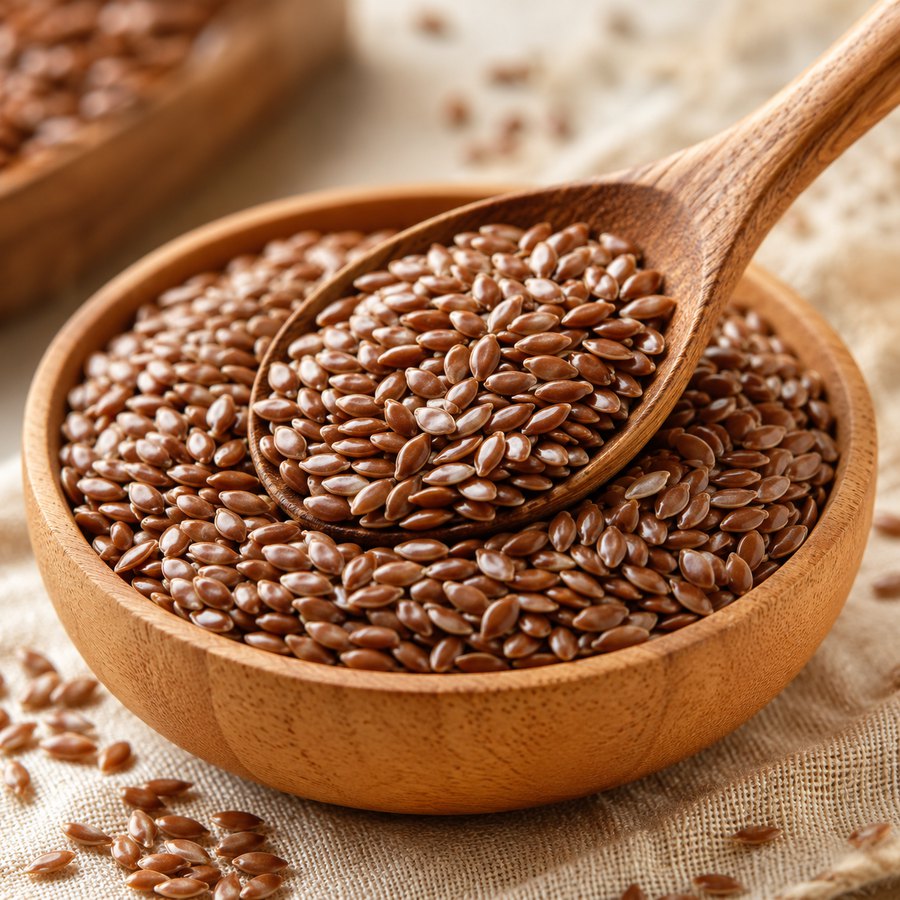
Usually higher in ALA than walnut oil and useful for cold dishes or adding after cooking, but similarly oxidation-prone and not ideal for high-heat cooking.
View details →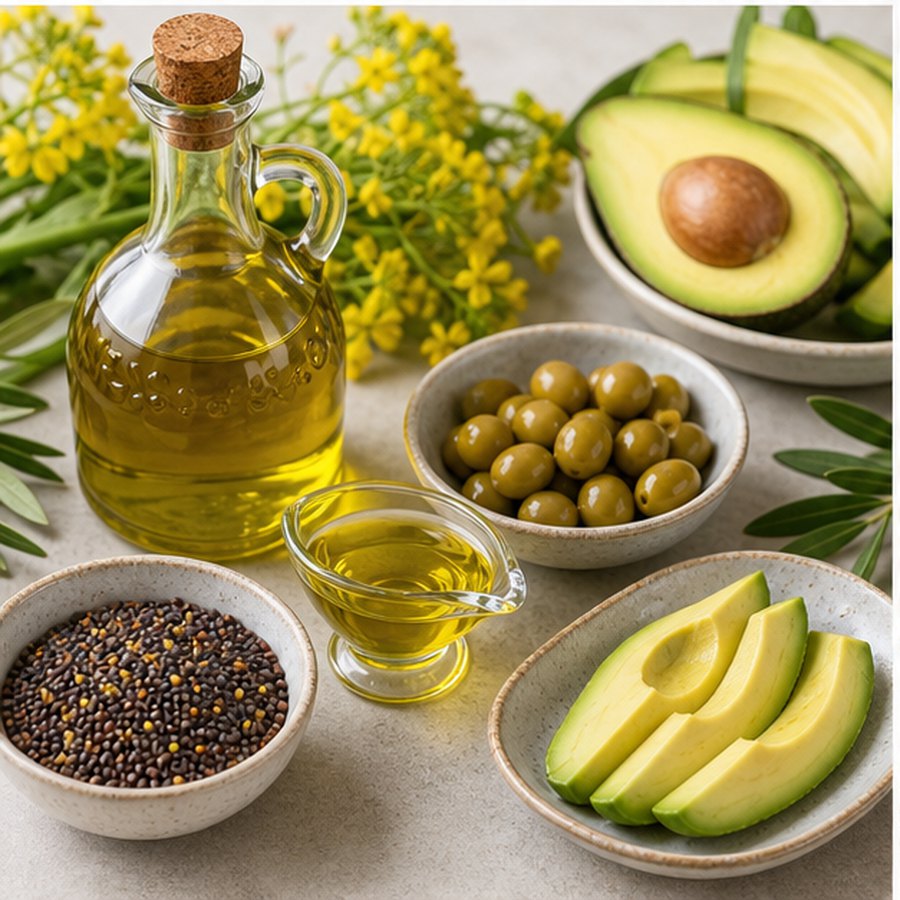
Perilla seed oil
Another concentrated source of ALA for cold or low-temperature use. Its flavor differs from walnut oil, and it also needs cool, dark storage.
View details →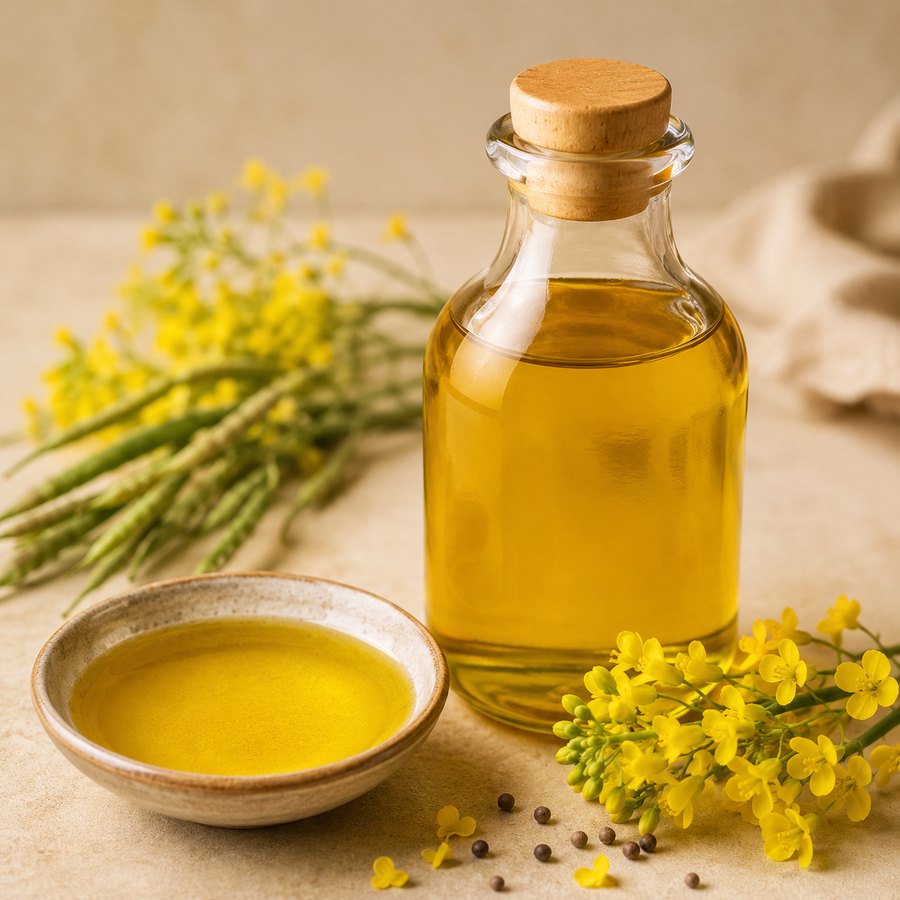
Low-erucic-acid canola oil
Provides some ALA and is higher in monounsaturated fat, usually less expensive, and more practical for everyday cooking. Its ALA concentration is generally lower than walnut or flaxseed oil.
View details →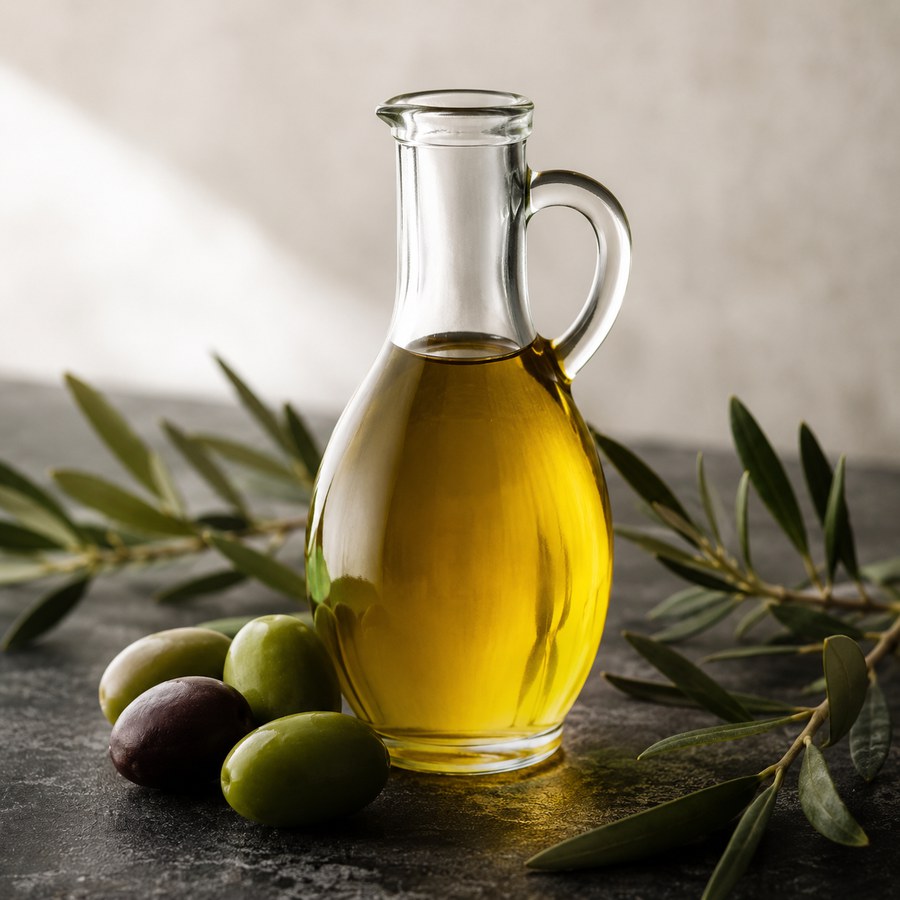
Extra Virgin Olive Oil
Characterized by oleic acid and olive polyphenols, with a larger body of human dietary research. It is much lower in ALA and is not an equal replacement for walnut oil’s ALA.
View details →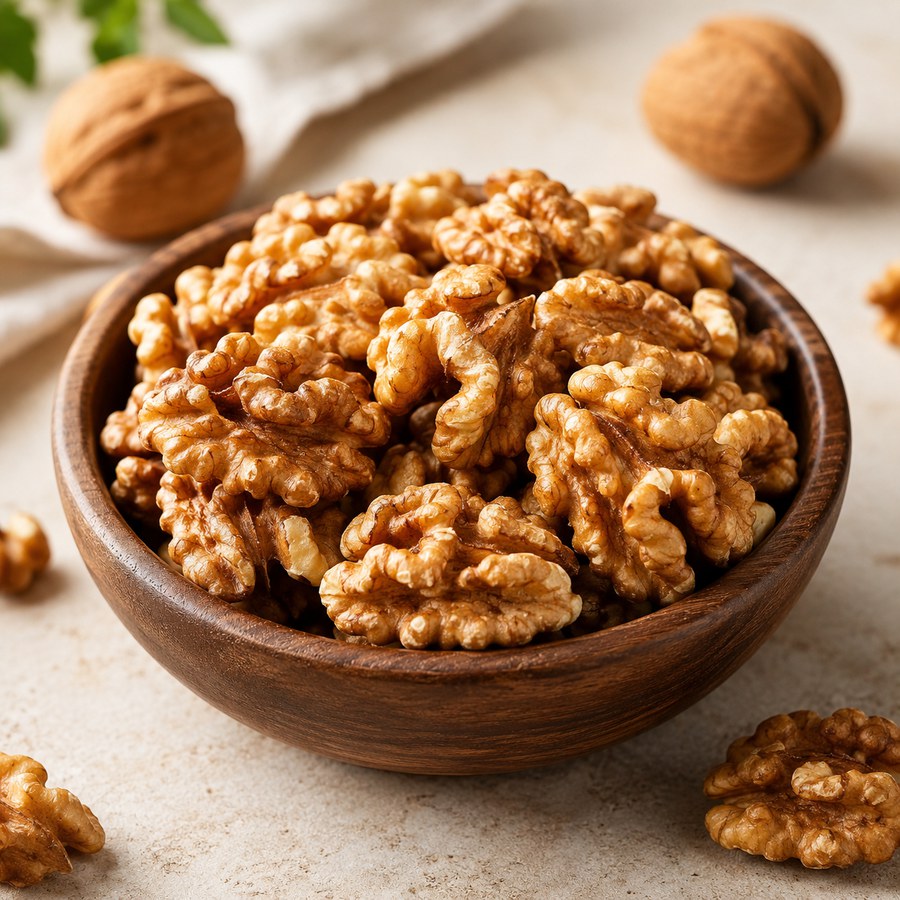
Whole walnuts
Whole walnuts provide ALA, linoleic acid, plant protein, fiber, magnesium, copper, manganese, and walnut-skin polyphenols. If you do not need extra cooking oil, a small serving of whole walnuts is usually the more complete choice.
View details →