Vegetables · Nightshade fruit vegetables
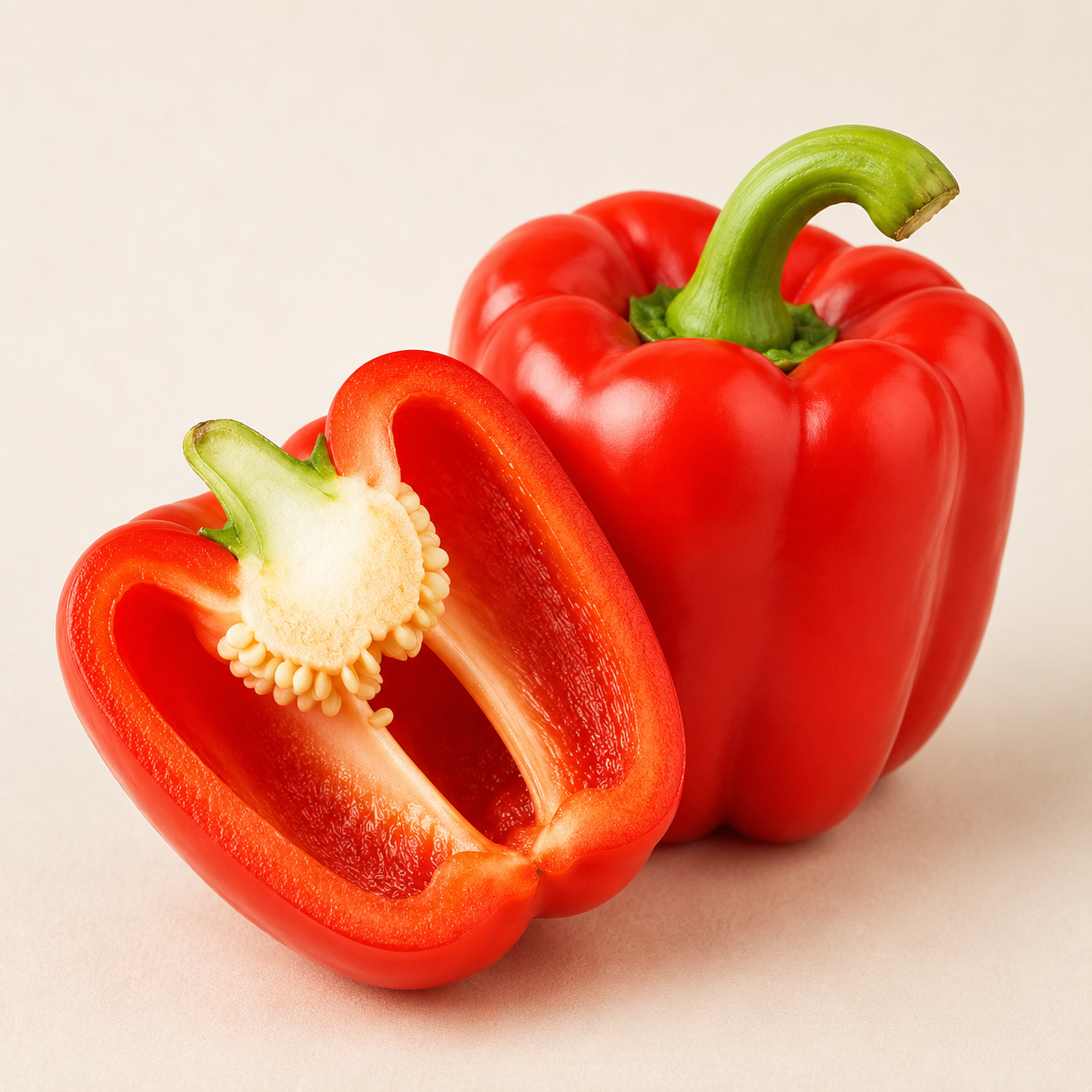
Red Bell Pepper
Red bell pepper is a low-energy fruiting vegetable especially rich in vitamin C and also provides vitamin A, vitamin B6, folate, vitamin E, and several carotenoids. It works well raw or briefly cooked, but its red color and abundance of antioxidant compounds do not mean it can replace other vegetables or be treated as a therapeutic “anti-inflammatory food.”
Food Overview
Key strengths
Raw red bell pepper provides about 26 kcal, 6.03 g carbohydrate, 2.1 g dietary fiber, and 128 mg vitamin C per 100 g. It also provides 157 μg vitamin A RAE, 0.29 mg vitamin B6, and 1.58 mg vitamin E.
How to eat it
Red bell pepper can be eaten raw in strips and also works well in salads, quick stir-fries, steaming, moderate roasting, soups, and stews. It is a non-starchy vegetable and does not need to replace staple foods the way purple sweet potato, taro, or corn might.
What stands out
Carotenoids are the main plant compounds in red bell pepper. USDA data list about 1,620 μg beta-carotene and 490 μg beta-cryptoxanthin per 100 g raw red bell pepper; ripe red peppers also contain red ketocarotenoids such as capsanthin and capsorubin.
Worth noting
Vitamin C, carotenoid, and phenolic levels in red bell pepper vary with cultivar, ripeness, harvest season, and growing conditions. A single database value is useful as a reference for this page but cannot represent the exact content of every red bell pepper sold.
Basic Nutrition
Showing:100 g Boiled red bell pepper
View complete nutrition data
GI note:GI varies with cultivar, food structure, processing, and cooking. Raw grains usually do not have directly applicable human GI data.
Red bell pepper that is boiled, drained, and unsalted does not have a directly matching standardized human GI value.
Data notes:Basic nutrition data use separate USDA FoodData Central entries for raw red bell pepper and red bell pepper that is boiled, drained, and unsalted.
The boiled entry lists more vitamin C than the raw entry, mainly reflecting differences between samples; it should not be interpreted as boiling increasing vitamin C.
USDA does not provide a separate starch value suitable for this page, so starch is shown as “—”.
Vitamins & Minerals
Uses FDA Daily Values for adults and children age 4 and older and shows only nutrients that provide at least 5% of the Daily Value in the selected state and serving.
For a typical 70 g serving of boiled red bell pepper, only five nutrients reach 5% of the Daily Value; lower-value items are not added just to fill the display.
View all vitamins and minerals
Percentages show how much the selected serving contributes to the adult Daily Value.
Key Bioactive Compounds
Capsanthin & capsorubin
Red carotenoidsCapsanthin and capsorubin are characteristic pigments of ripe red bell peppers and give the skin and flesh their bright red color.
Capsanthin and capsorubin are found mainly in the skin and red flesh of ripe peppers.
These pigments contribute to antioxidant defense as part of dietary carotenoid intake and add to the phytochemical diversity provided by vegetables of different colors.
After washing, eat the edible skin along with the flesh. Raw, briefly stir-fried, or moderately roasted preparations all work well.
A deeper red color does not necessarily mean a stronger anti-inflammatory effect, and results from pigment extracts tested in vitro does not apply to normal dietary amounts.
Beta-carotene & beta-cryptoxanthin
CarotenoidsThese carotenoids increase as red bell peppers ripen, and some can be converted to vitamin A in the body.
Raw red bell pepper contains about 1,620 μg beta-carotene per 100 g. One study of specific samples measured about 2,830 μg/100 g of alpha-carotene, beta-carotene, and beta-cryptoxanthin combined.
Some of these compounds can be converted to vitamin A, supporting normal vision, skin, mucous membranes, and immune function while also contributing to antioxidant defense.
Eating it raw avoids some heat-related losses, while brief heating can soften plant tissues.
Measurements from one specific cultivar should not be treated as fixed values for all red bell peppers, and red bell pepper should not be used to treat eye disease or vitamin A deficiency.
Vitamin C
Water-soluble vitaminRed bell pepper is a common vegetable high in vitamin C, and both the flesh and skin of ripe peppers provide this water-soluble antioxidant nutrient.
Raw red bell pepper contains about 127.7 mg vitamin C per 100 g, distributed throughout the edible flesh and skin.
Vitamin C is involved in collagen synthesis, normal immune function, and antioxidant defense, and it can help improve absorption of non-heme iron eaten in the same meal.
Eat it raw or use brief stir-frying or blanching. Refrigerate cut peppers and use them soon.
Eating more red bell pepper does not treat colds, infections, or skin conditions, and more vitamin C is not always better.
How Preparation Changes Red Bell Pepper
Raw red bell pepper
Raw red bell pepper is crisp and works well as vegetable sticks, in salads, and in cold dishes, while avoiding additional vitamin C losses from high heat or boiling.
Boiling
Boiling softens the flesh, and some vitamin C and water-soluble plant compounds may degrade with heat or leach into the cooking water. In experimental studies, losses from boiling are generally greater than with brief stir-frying or roasting.
Steaming
Steaming reduces direct contact with large amounts of water, but prolonged steaming can still reduce heat-sensitive compounds. This page does not have separate steaming data, so boiled values should not be labeled as steamed values.
Quick stir-frying
Brief stir-frying with a little oil generally preserves more of the pepper’s ascorbic acid, carotenoids, and phenolic compounds than prolonged boiling. Cook only until just softened; there is no need to repeatedly heat it until dried out or charred.
Roasting
Moderate roasting softens the flesh, concentrates sweetness and aroma, and can make it easier to remove the skin for people who do not tolerate it well.
Chopping or juicing
Dicing or shredding does not make nutrients disappear, but it increases the surface area exposed to air. Juicing makes it easier to consume a large amount quickly and removes the normal chewing experience, so it should not routinely replace whole vegetables.
Canned & oil-packed products
The sodium, sugar, fat, and water content of canned roasted peppers, pickled peppers, and oil-packed peppers is affected by the packing liquid, so the raw or boiled nutrition data on this page should not be used for those products.
How to Choose & Store Red Bell Peppers
How to choose
- Feel the pepper: choose red bell peppers that feel heavy for their size and have firm flesh.
- Check the skin: it should be smooth, glossy, and fairly evenly red. Avoid peppers with extensive wrinkling, soft spots, cracks, leaking fluid, or mold.
- Check the stem: it should be relatively intact, without obvious blackening, rot, or mold.
- Check cut surfaces: they should look fresh, without slime, leaking fluid, or a rotten odor.
How to store
- Keep whole red bell peppers dry and refrigerate them in the crisper drawer; use them within about one to two weeks.
- Rinse under running water just before use. If washed in advance, dry thoroughly.
- Refrigerate cut red bell pepper in a sealed container and use promptly.
- Refrigerate promptly after cutting, peeling, or cooking.
- Discard peppers with extensive sliminess, visible mold, sour, alcoholic, or rotten odors, large areas of soft leaking flesh, blackened cut surfaces with an off odor, or swollen packaging.
When buying red bell peppers, remember three things: choose firm, heavy peppers; look for smooth skin without mold; and refrigerate cut peppers and use them promptly.
How to Use Red Bell Peppers in Everyday Meals
Red bell pepper sticks
Wash the pepper, remove the stem, seeds, and inner white ribs, and cut into thick strips. Serve with hummus, an unsweetened yogurt dip, eggs, or a little nuts.
Red bell pepper salad
Combine red bell pepper with tomato, cucumber, lettuce, purple cabbage, beans, or tofu and dress with a little olive oil, vinegar, lemon juice, and herbs.
Quick stir-fried red bell pepper
Cut the pepper into large pieces and quickly stir-fry with onion, mushrooms, broccoli, chicken, shrimp, or tofu. Cook meats and firmer vegetables first, add the pepper near the end, and cook only until slightly softened to limit prolonged high heat and excess oil.
Red bell pepper with eggs
Dice or slice the pepper and quickly cook it with eggs; tomato, onion, or spinach can also be added. Use only a little oil and skip large amounts of ham, sausage, or salty sauces.
Roasted red bell pepper
Cut the pepper into large pieces, toss with a little plant oil, black pepper, and herbs, and roast until softened. Pair with fish, chicken, tofu, or whole grains.
Stuffed red bell pepper
Halve the pepper and fill it with brown rice, quinoa, beans, mushrooms, lean meat, or tofu before baking. Build the filling around vegetables, whole grains, and quality protein, while limiting fatty meat, processed meat, cream, and cheese so a low-energy vegetable does not become a high-fat, high-salt dish.
Who Should Take Extra Care
People with red bell pepper allergy
Bell pepper allergy is uncommon. If eating bell pepper repeatedly causes oral itching, hives, nose or eye symptoms, wheezing, or facial swelling, stop eating it and seek professional evaluation.
People with pollen-food cross-reactivity
Some people sensitive to birch, mugwort, celery, or related plant pollens may cross-react with bell pepper. Some have oral symptoms only with raw pepper, but heating should not be used on your own as proof that it is safe.
People with digestive sensitivity
The skin of raw red bell pepper can be tough, and a large amount at once may cause bloating or digestive discomfort in some people.
People managing blood sugar
A medium red bell pepper weighing about 120 g contains roughly 7.2 g total carbohydrate, including about 2.5 g dietary fiber.
Infants, young children, and people with chewing difficulties
Raw red bell pepper is firm and has a tough skin. Cut it to a size appropriate for the person’s chewing and swallowing ability, and soften by steaming or roasting or remove the skin when needed.
People eating it raw
Before eating raw, rinse the pepper under running water, including around the stem even if it will be discarded. Use clean knives and cutting boards and avoid cross-contamination with raw meat. Refrigerate cut pepper promptly.
Similar Food Alternatives
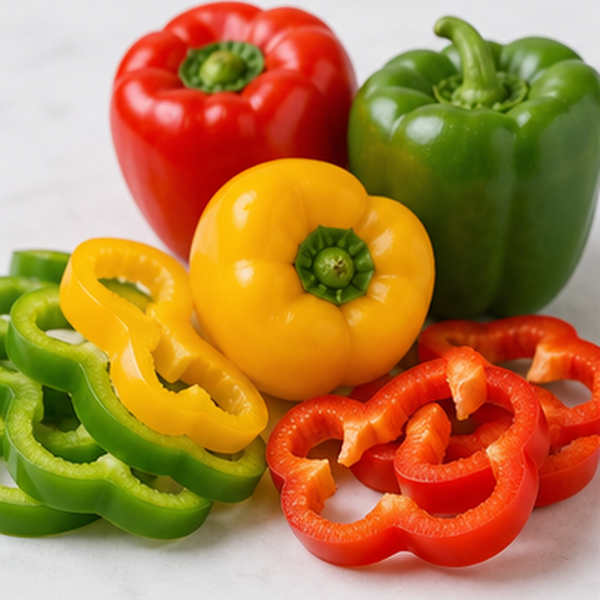
Yellow bell pepper
Another mild-tasting bell pepper that works in salads, stir-fries, and roasting, but its vitamin, sugar, and carotenoid profile differs.
View details →Orange bell pepper
Its sweetness and cooking uses are similar to red bell pepper, making it useful for adding color to meals, but it requires its own nutrition data.
View details →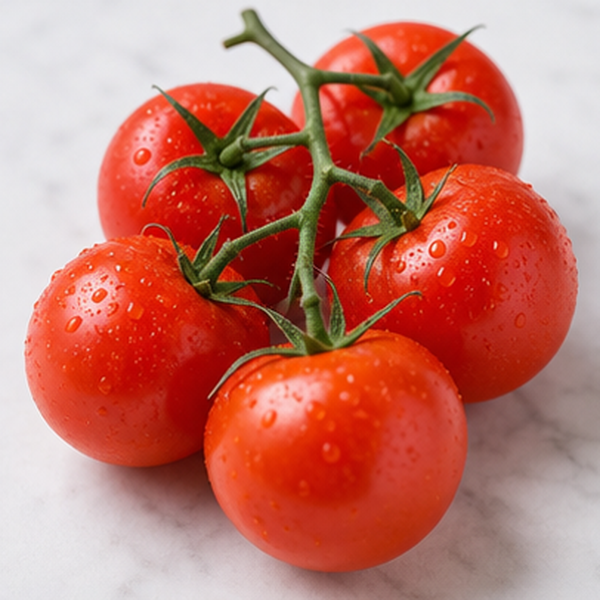
Tomato
Another nightshade fruiting vegetable that works raw, stir-fried, or in soups and provides vitamin C and lycopene.
View details →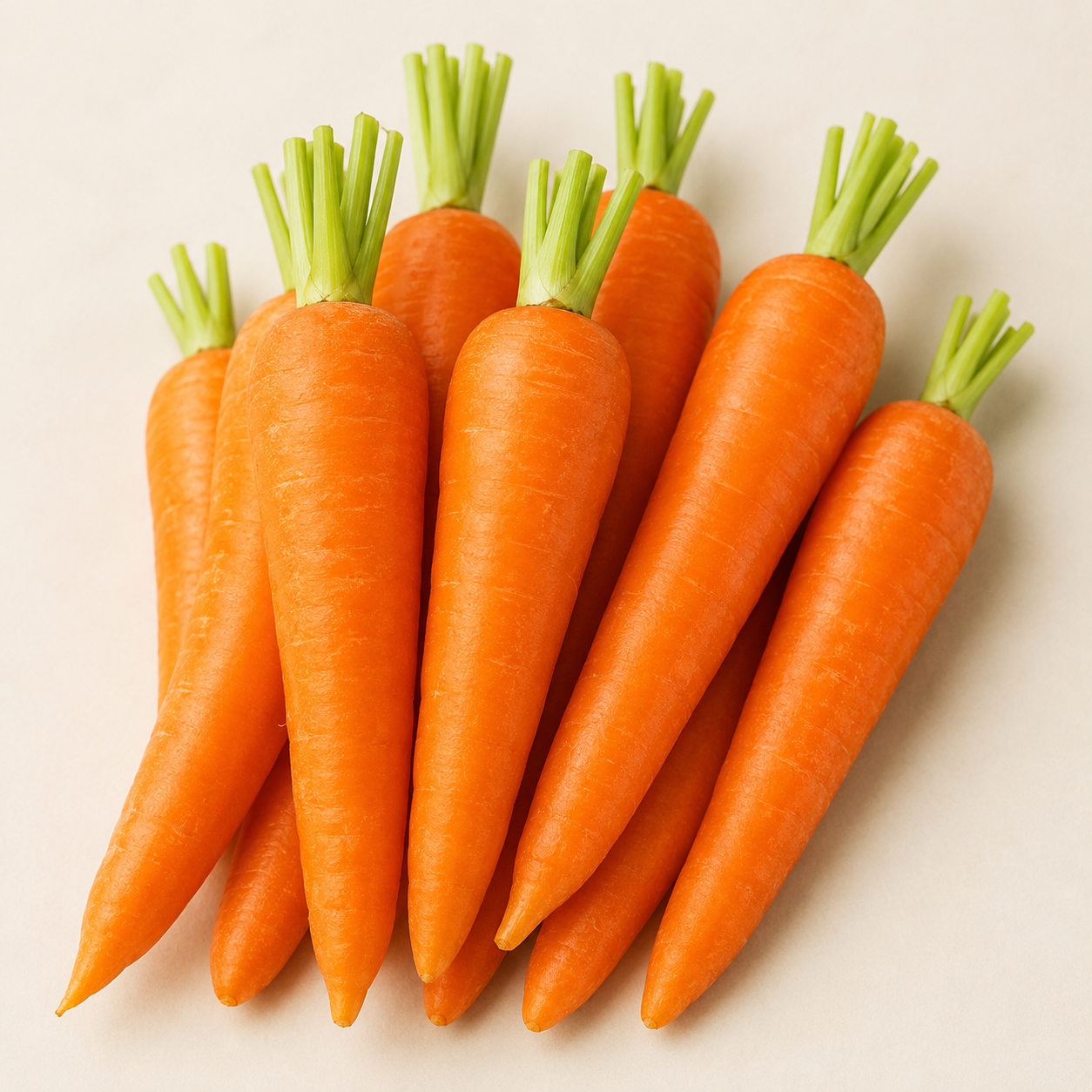
Carrot
A useful source of orange-red vegetables and beta-carotene that can be eaten raw, steamed, boiled, or quickly stir-fried.
View details →Data Sources & Last Updated
Nutrition Data
Basic Information & Food Safety
Research & References
Chávez-Mendoza C, et al. (2015). Bioactive Compounds and Antioxidant Activity in Different Grafted Varieties of Bell Pepper.
Antioxidants, 4(2), 427–446. DOI / Original
Chuah AM, et al. (2008). Effect of Cooking on the Antioxidant Properties of Coloured Peppers.
Food Chemistry, 111(1), 20–28. DOI / Original
Hwang IG, et al. (2012). Effects of Different Cooking Methods on the Antioxidant Properties of Red Pepper (Capsicum annuum L.).
Preventive Nutrition and Food Science, 17(4), 286–292. DOI / Original
Arimboor R, et al. (2015). Red Pepper (Capsicum annuum) Carotenoids as a Source of Natural Food Colors: Analysis and Stability—A Review.
Journal of Food Science and Technology, 52(3), 1258–1271. DOI / Original