Healthy plant oils
Flaxseed oil
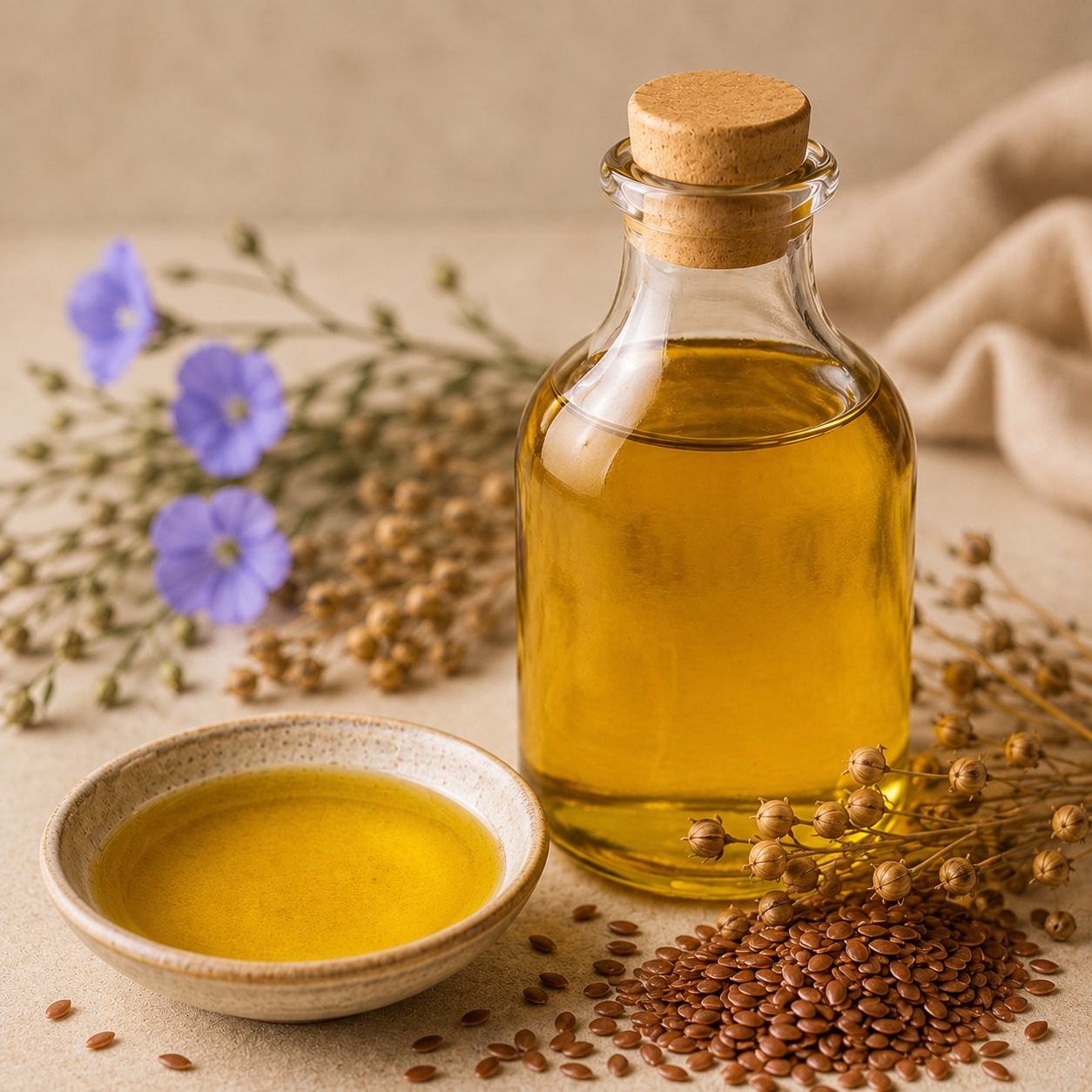
Flaxseed oil is extracted from flax (Linum usitatissimum L.) seeds and is especially rich in alpha-linolenic acid (ALA), an essential plant-based omega-3 fat. It is best used cold or added after cooking rather than for frying or repeated high heat. The oil provides fat and ALA, but essentially no fiber, and it is not a reliable source of the lignans found in whole flaxseed.
Food overview
Key strengths
Flaxseed oil is one of the most concentrated plant sources of ALA. Cold-pressed oil contains about 53.37 g ALA per 100 g, far more than most common cooking oils.
Best ways to use it
Use it in salads, grain bowls, plain yogurt, tofu dishes, or add a small amount to porridge, soup, and cooked vegetables after they have cooled slightly.
What stands out
Polyunsaturated fat makes up much of flaxseed oil, with ALA as the main fatty acid. It also contains tocopherols, especially gamma-tocopherol, plus some phytosterols.
Worth noting
Because ALA is highly unsaturated, flaxseed oil oxidizes easily with heat, light, and oxygen. Follow the label, usually refrigerate after opening, and limit repeated opening and long storage.
Basic Nutrition
Showing:100 g Cold-pressed flaxseed oil
View complete nutrition data
GI note:GI varies with cultivar, food structure, processing, and cooking. Raw grains usually do not have directly applicable human GI data.
Flaxseed oil has essentially no available carbohydrate, so GI does not apply. It is not labeled 0, low-GI, or estimated.
Data notes:This page uses one formal food state: edible cold-pressed flaxseed oil produced by mechanical pressing. Refined flaxseed oil, whole or ground flaxseed, flaxseed powder, capsules, and blended oils require separate data.
Basic nutrition uses USDA FoodData Central, “Oil, flaxseed, cold pressed” (SR Legacy FDC ID 167702).
A common serving is 10 g; the 10 g values are calculated from the 100 g data.
100 g is a data reference, not a recommended serving.
GI is shown as “—” because GI does not apply to pure oils. “Not applicable” is not the same as a measured GI of 0.
The database does not provide a starch value for display, so it is shown as “—”; an unmeasured field is not entered as 0 simply because total carbohydrate is 0.
ALA, tocopherols, phytosterols, and oxidation can vary with cultivar, pressing temperature, filtration, refining, and storage. A product’s labeled omega-3 content should take priority over database averages.
Vitamins & Minerals
Only vitamins and minerals providing at least 5% of the Daily Value at the current serving are shown.
No vitamin or mineral reaches 5% of the Daily Value in the selected serving.
Cold-pressed flaxseed oil mainly provides fatty acids, not vitamins or minerals; minerals such as calcium are near zero in the USDA entry. Vitamin E here is assessed as alpha-tocopherol, so gamma-tocopherol is not fully counted toward the vitamin E Daily Value and is discussed under bioactive compounds.
View all vitamins and minerals
Key Bioactive Compounds
Alpha-Linolenic Acid
Omega-3 polyunsaturated fatALA is an essential omega-3 fat and the defining nutrient in flaxseed oil.
Cold-pressed flaxseed oil provides about 53.37 g ALA per 100 g, or 5.34 g per 10 g; NIH lists about 7.26 g per tablespoon. Amounts vary by cultivar and processing.
ALA supports cell membranes and normal fat metabolism. Higher intake is associated with lower cardiovascular and all-cause mortality in cohort research, but this does not prove flaxseed oil prevents disease.
Use mainly in cold dishes or after cooking, about 5–10 g at a time.
Conversion of ALA to EPA and DHA is limited, generally below 15%. Flaxseed oil is not equivalent to fish or algal EPA/DHA and should not be marketed as directly “eliminating inflammation.”
Gamma-tocopherol and other tocopherols
Fat-soluble antioxidant compoundsGamma-tocopherol is a major tocopherol in cold-pressed flaxseed oil and helps protect the oil from oxidation.
Research samples contain about 352–444 mg/kg total tocopherols; one set was about 94% gamma-tocopherol. Values vary with cultivar, pressing, refining, light, oxygen, and storage.
Tocopherols help slow lipid oxidation and work with phenolics and phytosterols to support oil stability.
Choose a small dark or opaque bottle, reseal promptly, and refrigerate as directed.
Gamma-tocopherol is not counted the same way as alpha-tocopherol on vitamin E labels, and normal food amounts should not be treated like high-dose vitamin E supplements.
Plant sterols
Plant sterolsPhytosterols are natural plant-oil compounds structurally similar to cholesterol; beta-sitosterol is the main form in flaxseed oil.
One analysis found about 652–682 mg total phytosterols per 100 g, including 280–297 mg beta-sitosterol; 10 g provides roughly 65–68 mg. Refining can reduce these compounds.
Phytosterols can reduce some intestinal cholesterol absorption.
Use flaxseed oil in normal culinary amounts as part of a varied diet with nuts, seeds, whole grains, and vegetables.
A 10 g serving is far below concentrated phytosterol products or clinical doses and does not make flaxseed oil a treatment for high cholesterol.
How processing changes it
Cold-pressed flaxseed oil
Mechanical pressing usually retains more tocopherols, phytosterols, and other minor compounds and is the default state on this page. Its main limitation is low oxidative stability, so it suits cold or low-heat use better than high-heat cooking.
Different filtration levels
Less-filtered oil may retain small seed particles and non-oil material, but can also show more sediment and variation. Clarity alone does not indicate nutrition or freshness.
Refined flaxseed oil
Refining can reduce free fatty acids and some initial oxidation markers and make color and flavor more stable, but may also lower tocopherols, phytosterols, and polyphenols. Cold-pressed data should not be applied directly to refined oil.
Heating flaxseed oil
Its high ALA content makes flaxseed oil oxidation-prone. It is not suited to frying, stir-frying, long baking, or repeated heating; lack of visible smoke does not mean oxidation has not occurred.
Flaxseed oil vs. whole flaxseed
These are not interchangeable food states. Oil mainly provides fat and ALA and almost no fiber; whole or ground flaxseed also provides protein, fiber, and lignans. Flaxseed oil is not a reliable source of the fiber or lignans found in whole seed.
How to choose and store it
How to choose
- Clearly labeled as edible flaxseed oil.
- The ingredient list contains only flaxseed oil.
- The pressing method is stated, such as cold-pressed or pressed.
- No cheaper vegetable oils are blended in.
- Use dark, opaque, or otherwise light-protective packaging.
- Choose a smaller bottle that can be finished reasonably quickly after opening.
- Production date, shelf life, and storage directions are clear.
- Omega-3 or ALA content is clearly labeled.
- The cap and seal are intact with no leakage.
- Terms such as “organic,” “virgin,” or “first press” do not replace checking the date, fatty-acid information, packaging, and storage instructions.
How to store
- Follow the bottle directions. Cold-pressed flaxseed oil is usually best kept tightly sealed and refrigerated after opening, away from light, air, and heat; oxidation still rises over time even under refrigeration.
- Close immediately after use; do not store by the stove, window, or sunlight, and avoid repeatedly transferring a large bottle into a clear oil dispenser.
- Do not pour used or heated oil back into the original bottle; keep water and food particles out.
- Buy a small package to shorten storage time after opening.
- Discard if the oil develops obvious paint-like or stale-oil odors, persistent harsh bitterness, unusual fishy or rancid notes, or a clear change in smell or texture.
Remember three points: choose edible pure flaxseed oil, prefer a small light-protective bottle, and keep it tightly sealed and refrigerated after opening.
How to use it in everyday meals
Make a salad dressing
Mix about 5 g flaxseed oil with vinegar, lemon juice, herbs, and a little soy sauce for salads or chilled tofu. Its flavor is noticeable, so it can be blended with olive oil.
Add to plain yogurt or oats
Stir about 3–5 g into plain yogurt, overnight oats, or cooled oatmeal with berries, apple, and nuts. There is no need to add large amounts of syrup or condensed milk.
Drizzle over cooked vegetables
After steaming, blanching, or roasting vegetables, let them cool slightly and add a small amount of flaxseed oil to avoid prolonged heating.
Add to grain bowls
Add after cooking brown rice, quinoa, buckwheat, or bean-and-grain bowls, with tomatoes, peppers, dark leafy greens, tofu, or eggs.
Mix into tahini or hummus
Blend a little flaxseed oil with tahini, hummus, plain yogurt, or lemon juice to add ALA without pouring in a large amount of pure oil.
Add to soup or porridge
Add after cooking, once soup or porridge has cooled slightly. Do not simmer it for a long time.
Who Should Take Extra Care
People taking anticoagulant or antiplatelet medication
Flaxseed oil may affect clotting. People taking anticoagulant or antiplatelet drugs, or preparing for surgery, should not self-use large doses, capsules, or concentrated intake without medical or pharmacist advice. Normal culinary use and high-dose supplementation are different situations.
People with flaxseed allergy
Flaxseed allergy is uncommon, but severe reactions have been reported. Anyone with a confirmed flaxseed allergy should also avoid flaxseed oil and check blended oils and supplement labels.
People who need direct EPA and DHA
Flaxseed oil provides ALA only. Because conversion to EPA and DHA is limited, it cannot simply replace fish or algal sources when direct long-chain omega-3 intake is needed.
People Managing Energy Intake
10 g flaxseed oil provides about 88 kcal. It is better used to replace some existing dietary fat than added in large amounts on top of the usual diet.
People hoping to improve constipation
Flaxseed oil contains almost no fiber and cannot replace ground flaxseed, vegetables, legumes, and whole grains as fiber sources.
People with digestive sensitivity
Drinking a large amount of oil at once may cause nausea, abdominal discomfort, or diarrhea. Start around 3–5 g and use it with normal meals.
People using it for “anti-inflammatory” or cholesterol-lowering effects
Human studies of flax products are not fully consistent, and findings from whole flaxseed, lignans, and flaxseed oil are not interchangeable. Treat flaxseed oil as one way to improve fat sources, not as a replacement for disease treatment.
Similar Food Alternatives
Perilla seed oil
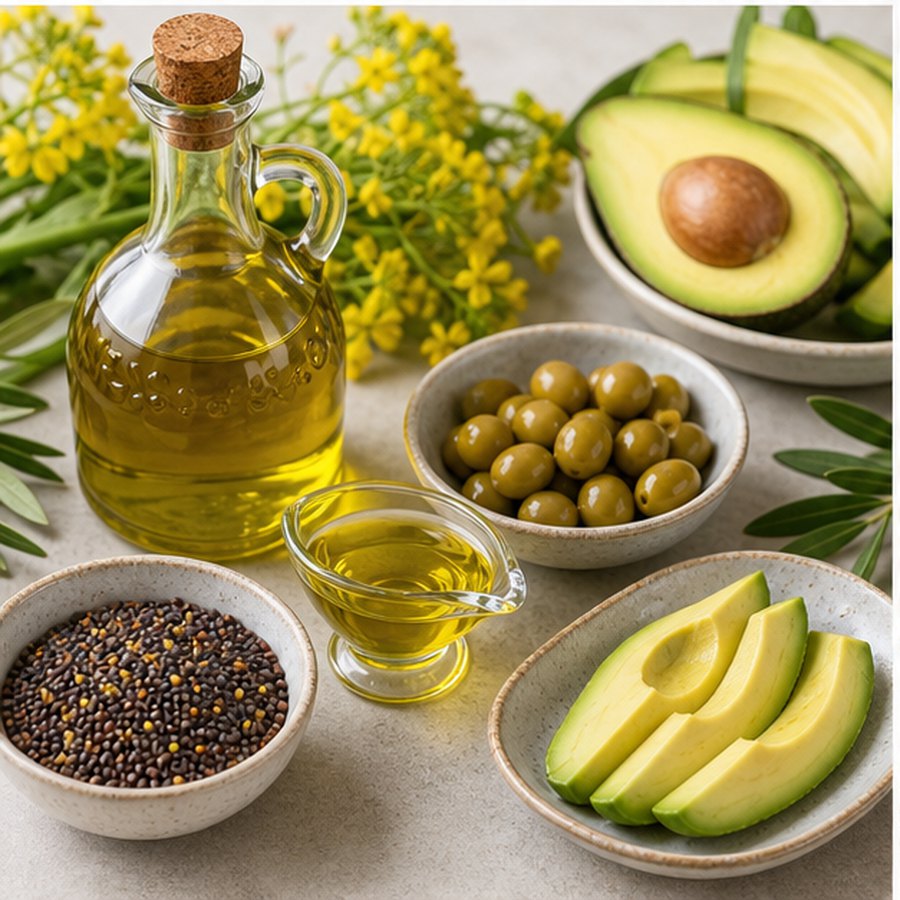
Also high in ALA and best used cold or after cooking. Flavor and exact ALA content differ from flaxseed oil.
View details →Walnut oil
Contains some ALA and has a stronger nutty flavor, suitable for salads, grains, and less-sweet cold foods, but usually provides less ALA than flaxseed oil.
View details →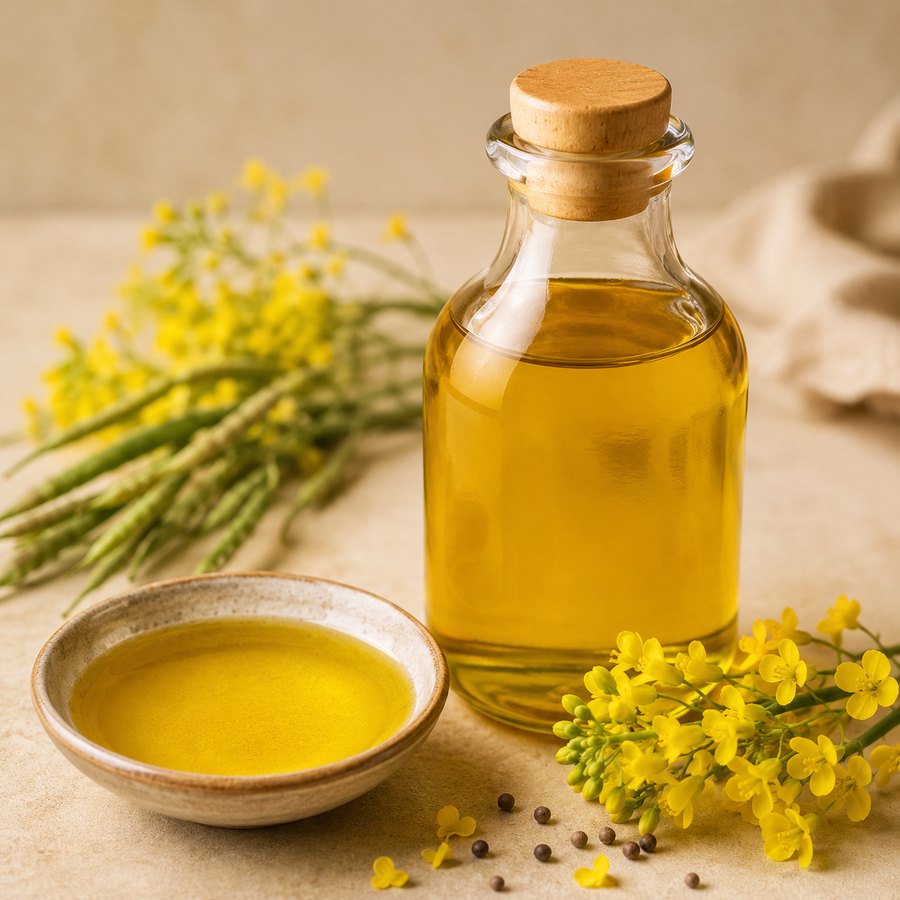
Low-erucic-acid canola oil
Lower in ALA than flaxseed oil but more versatile for cooking and with a balanced fatty-acid profile. NIH lists about 1.28 g ALA per tablespoon of canola oil.
View details →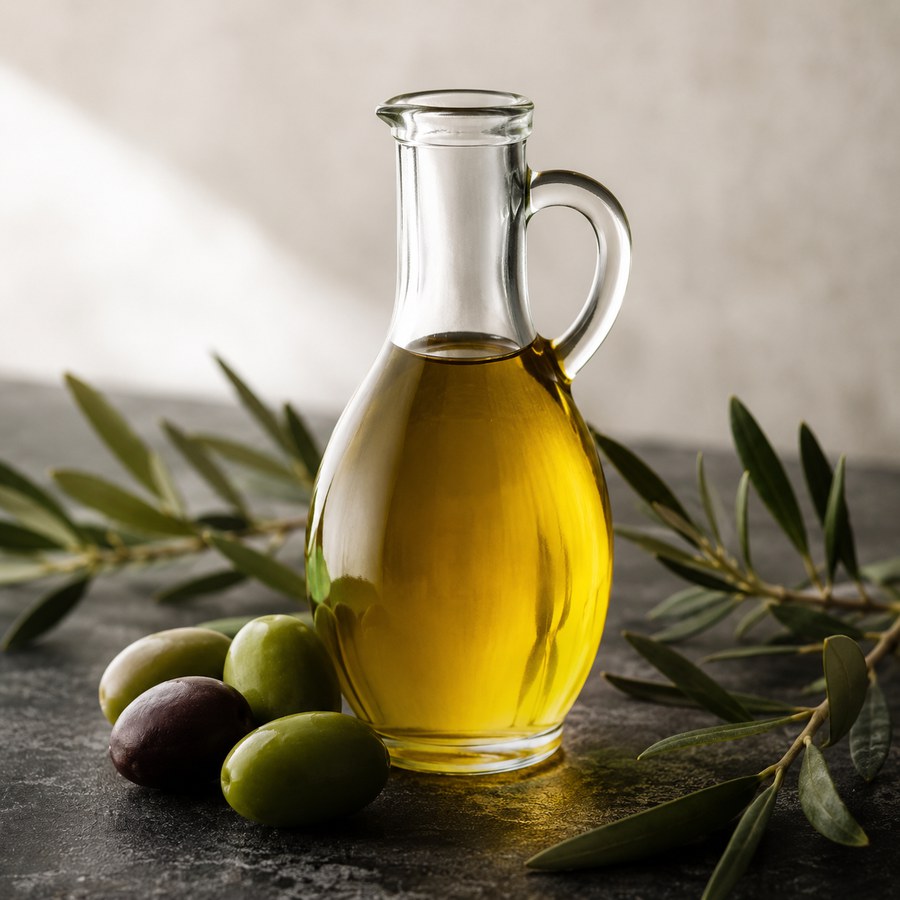
Extra Virgin Olive Oil
Not a major ALA source, but rich in monounsaturated fat and olive polyphenols and suitable for salads and many household cooking uses. It is not an equal ALA substitute but can complement flaxseed oil.
View details →