Legumes & Soy Foods · Dry Beans
Red Kidney Beans
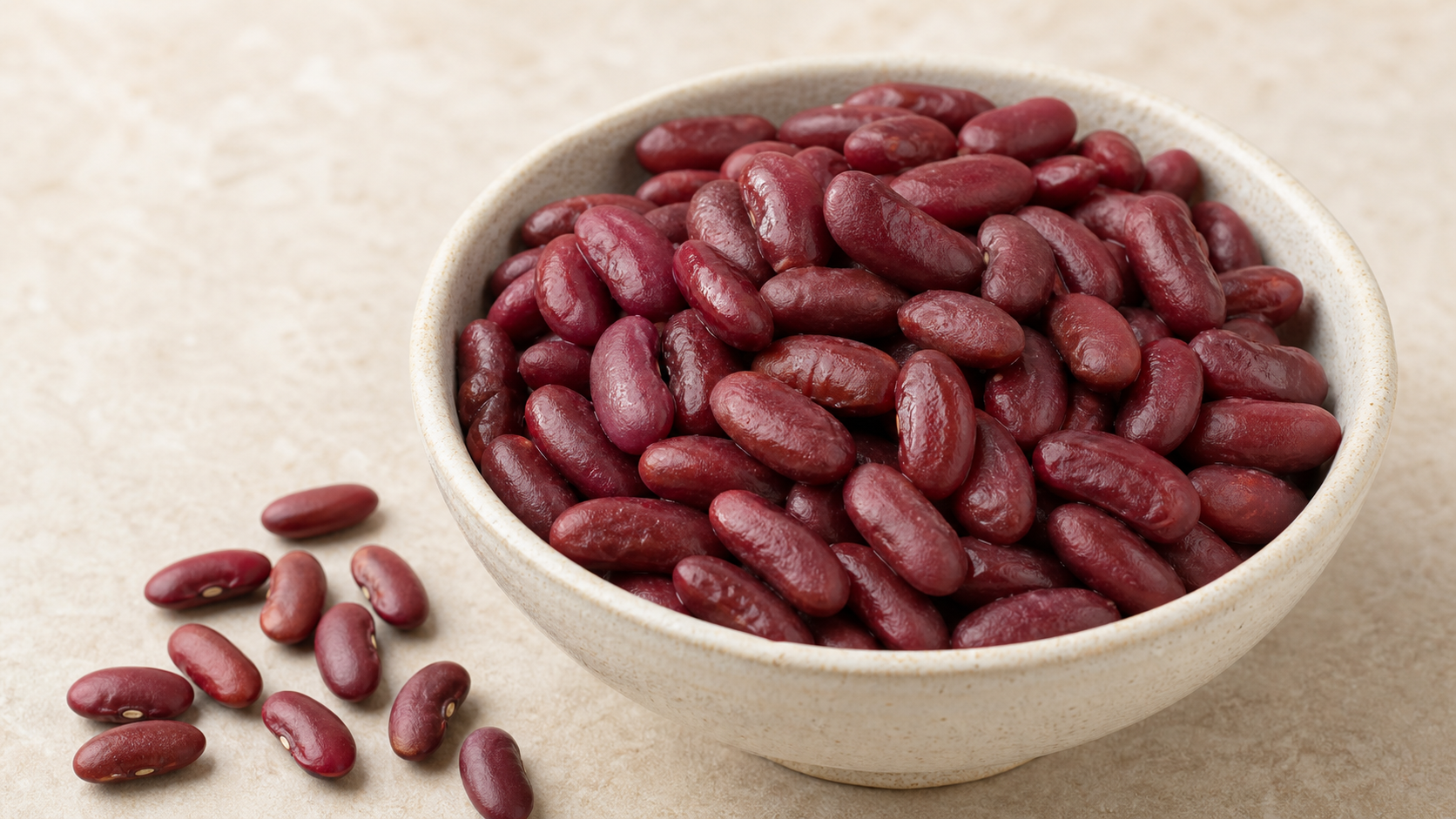
Cooked red kidney beans provide plant protein, dietary fiber, folate, iron, and magnesium. Their red seed coats also contain phenolic acids, flavonoids, and condensed tannins. Raw beans contain phytohaemagglutinin and must be properly soaked and thoroughly cooked before eating.
Food Overview
Key strengths
Per 100 g, cooked red kidney beans provide about 127 kcal, 8.67 g of protein, and 7.4 g of dietary fiber, along with folate, iron, copper, manganese, magnesium, and phosphorus.
How to Eat It
After being thoroughly cooked, red kidney beans work well in mixed-grain rice, vegetable soups, stews, grain salads, or bean purées. Before cooking, sort and rinse the beans, soak them, discard the soaking water, then cook thoroughly in fresh water.
What stands out
The red seed coat contains phenolic acids, flavonoids, condensed tannins, and other polyphenols. Their exact composition and amounts vary with cultivar, seed-coat color, growing environment, and cooking method, so one fixed value cannot represent all red kidney beans.
Worth noting
Raw or undercooked red kidney beans can cause nausea, vomiting, abdominal pain, and diarrhea. Soaking does not replace heating, and slow cookers are not suitable for cooking raw beans from the start because temperatures may be too low to rapidly inactivate phytohaemagglutinin.
Basic Nutrition
Showing:100 g Cooked Red Kidney Beans
View complete nutrition data
GI note:GI varies with cultivar, food structure, processing, and cooking. Raw grains usually do not have directly applicable human GI data.
The GI value of 36 comes from the University of Sydney’s average across 8 studies related to red kidney beans.
Data notes:Cooked-red-kidney-bean data refer to the edible portion after boiling without added salt.
The database does not provide starch and Omega-6 values suitable for consistent entry, so they are shown as “—” rather than estimated from total carbohydrate or polyunsaturated fat.
Vitamins & Minerals
By default, data are shown per 100 g for the currently selected state. Only nutrients providing at least 5% of the adult Daily Value at the selected amount are displayed.
View all vitamins and minerals
Percentages show how much the selected serving contributes to the adult Daily Value.
Key Bioactive Compounds
Phenolic Acids
Phenolic acidsRed kidney-bean seed coats contain phenolic acids such as gallic, chlorogenic, hydroxybenzoic, and hydroxycinnamic acids.
Specific amount: —. Levels vary widely among common-bean cultivars and are generally higher in colored seed coats and nearby tissues.
These phenolics contribute to the bean’s antioxidant profile as part of a varied plant-based diet.
Keep the red seed coat, discard soaking water, and cook the beans thoroughly; food safety matters more than maximizing one phenolic.
Laboratory antioxidant activity does not mean ordinary servings treat inflammation, diabetes, or high blood lipids.
Flavonoids
FlavonoidsRed kidney bean seed coats may contain quercetin glycosides, catechin.
Quercetin glycosides and anthocyanins have been detected in the seed coats of some red kidney beans, but seed-coat measurements cannot be converted directly into a general amount per 100 g of whole beans. Specific amount: —.
Flavonoids contribute to normal antioxidant defenses. Replacing part of refined staple foods or high-fat processed meats with legumes over time can also improve overall dietary fiber and plant-food intake.
Choose red kidney beans with intact seed coats and avoid overly polished products. Cook gently by simmering or pressure cooking; do not shorten the necessary heating time in an attempt to preserve flavonoids.
A red seed coat does not mean red kidney beans have drug-like “blood-building” or “anti-inflammatory” effects.
Condensed Tannins
ProanthocyanidinsCondensed tannins, or proanthocyanidins, are linked flavanols that contribute to the astringency of colored bean seed coats.
Specific amount: —. They are concentrated mainly in the seed coat and vary greatly by cultivar, growing conditions, and analytical method.
They have antioxidant properties and may be partly metabolized by gut microbes as one part of whole-bean polyphenols.
Keep the seed coat and cook thoroughly. Soaking and cooking reduce some tannins and can improve flavor and tolerance.
More tannin is not always better; high levels can bind some proteins and minerals, so raw beans and concentrated seed-coat extracts should not be consumed for antioxidant benefits.
How Preparation Changes Red Kidney Beans
Raw Red Kidney Beans
Raw red kidney beans contain little water, so energy, protein, minerals, and dietary fiber appear more concentrated per 100 g. However, they contain phytohaemagglutinin and must not be eaten directly or merely soaked until soft.
Soaking
Soaking can shorten cooking time and reduce some gas-producing oligosaccharides. Use about 2—3 times the bean volume in water and soak for at least 5 hours, or refrigerate overnight. After soaking, discard the soaking water and rinse the beans. Soaking alone does not make the beans safe to eat.
Cook Thoroughly
After soaking, add fresh water, bring the beans to a vigorous rolling boil, and keep boiling vigorously for at least 10 minutes. Then continue cooking until the beans are fully cooked and completely soft. Do not replace this boiling step with soaking alone or low-temperature slow cooking. The beans absorb water, so energy and mineral values per 100 g are lower than in raw beans mainly because of dilution, not because all nutrients disappeared.
Do Not Cook Raw Beans Directly in a Slow Cooker
A slow cooker may remain for long periods at temperatures too low to rapidly inactivate phytohaemagglutinin. If making a slow-cooked dish, boil and fully cook the red kidney beans on the stove first, then add them to the slow cooker with the other ingredients.
Add Acidic Ingredients Later
Acidic ingredients such as tomatoes, vinegar, and lemon juice can slow bean softening. For tomato stews or sour soups, cook the red kidney beans until soft first, then add tomatoes and other acidic seasonings.
Mash into a Bean Purée
Cooked red kidney beans can be mashed. Dietary fiber remains if the mixture is not strained, although the food structure becomes more broken down and it may be eaten faster.
How to Choose & Store
How to choose
- Choose plump red kidney beans with relatively uniform shape.
- Look for naturally red or dark-red seed coats.
- The surface should be dry without moisture or sticking.
- There should be few broken beans, insect holes, or foreign matter.
- Do not buy products with mold spots, clumping, unusual powder, musty odors, or sour odors.
- Avoid unusually bright-colored bulk red kidney beans of unclear origin or products that are visibly damp.
How to store
- Store raw red kidney beans in a sealed container in a cool, dry, dark place.
- Beans stored for a very long time can become harder and may require longer soaking and cooking.
- Cool cooked beans promptly, refrigerate in a clean sealed container, and eat soon.
- Freeze in portions if they will not be eaten soon, avoiding repeated thawing and reheating.
- Discard beans with sour or rotten odors, unusual fermentation smells, sliminess, mold spots, abnormal foaming, or container swelling.
When buying red kidney beans, remember three things: intact beans, dryness, and no insect damage or musty odor.
How to Include It in Everyday Meals
Red-Kidney-Bean Mixed-Grain Rice
Soak and fully cook the red kidney beans separately, then steam them with rice, brown rice, oat groats, or quinoa. Do not put untreated raw kidney beans directly into a short rice-cooking cycle, or the rice may be done while the beans remain undercooked.
Tomato & Vegetable Stewed Red Kidney Beans
Cook the red kidney beans until soft first, then stew with tomatoes, onions, bell peppers, carrots, mushrooms, and spices.
Red-Kidney-Bean Vegetable Soup
Cook red kidney beans with tomatoes, celery, carrots, cabbage, or leafy greens. Pair with whole-grain bread or brown rice if desired, and avoid large amounts of stock cubes, ham, and sausage.
Red-Kidney-Bean Grain Salad
Cool cooked red kidney beans and combine them with quinoa, buckwheat, corn, tomatoes, cucumber, and leafy greens. Dress with a small amount of olive oil, vinegar, lemon juice, and herbs.
Red-Kidney-Bean Purée
Mash cooked red kidney beans with a small amount of olive oil, lemon juice, cumin, or black pepper. Keep cream, mayonnaise, and salt modest.
Red-Kidney-Bean Grain Bowl
Pair cooked red kidney beans with brown rice, quinoa, or corn, then add dark-colored vegetables, mushrooms, avocado, or a small amount of nuts.
Who Should Take Extra Care
Phytohaemagglutinin Risk Applies to Everyone
Raw or undercooked red kidney beans can cause nausea, vomiting, abdominal pain, and diarrhea within 1—3 hours after eating. Stop eating them and seek timely medical care according to symptom severity if obvious symptoms occur.
People with Gastrointestinal Sensitivity
Red kidney beans contain substantial dietary fiber and fermentable oligosaccharides such as raffinose and stachyose. Start with 2—4 tablespoons of cooked beans and increase gradually according to tolerance.
People managing blood sugar
Cooked red kidney beans have a GI of about 36 but still contain 22.8 g of carbohydrate per 100 g.
People with impaired kidney function
Per 100 g, cooked red kidney beans provide about 403 mg of potassium and 142 mg of phosphorus. People with chronic kidney disease, high blood potassium, or a need to restrict phosphorus should determine portions based on laboratory results, dialysis status, medications, and the overall meal.
People with Iron Deficiency
Red kidney beans contain non-heme iron, whose absorption is affected by phytic acid, polyphenols, and meal composition. Pair with vitamin-C-rich foods such as bell peppers, broccoli, tomatoes, or citrus, but do not rely on red kidney beans alone to treat iron deficiency or replace iron supplements recommended by a clinician.
People with Legume Allergies
Red-kidney-bean allergy is uncommon, but IgE-mediated reactions to common beans and red kidney beans have been reported. People with known allergies to kidney beans or other legumes should be cautious.
Infants, young children, and people with swallowing difficulties
Cook the beans until fully soft, then crush or purée them to an appropriate texture for swallowing ability. Do not serve hard, undercooked beans or whole beans that could slip into the airway.
Similar Food Alternatives
Black Soybeans
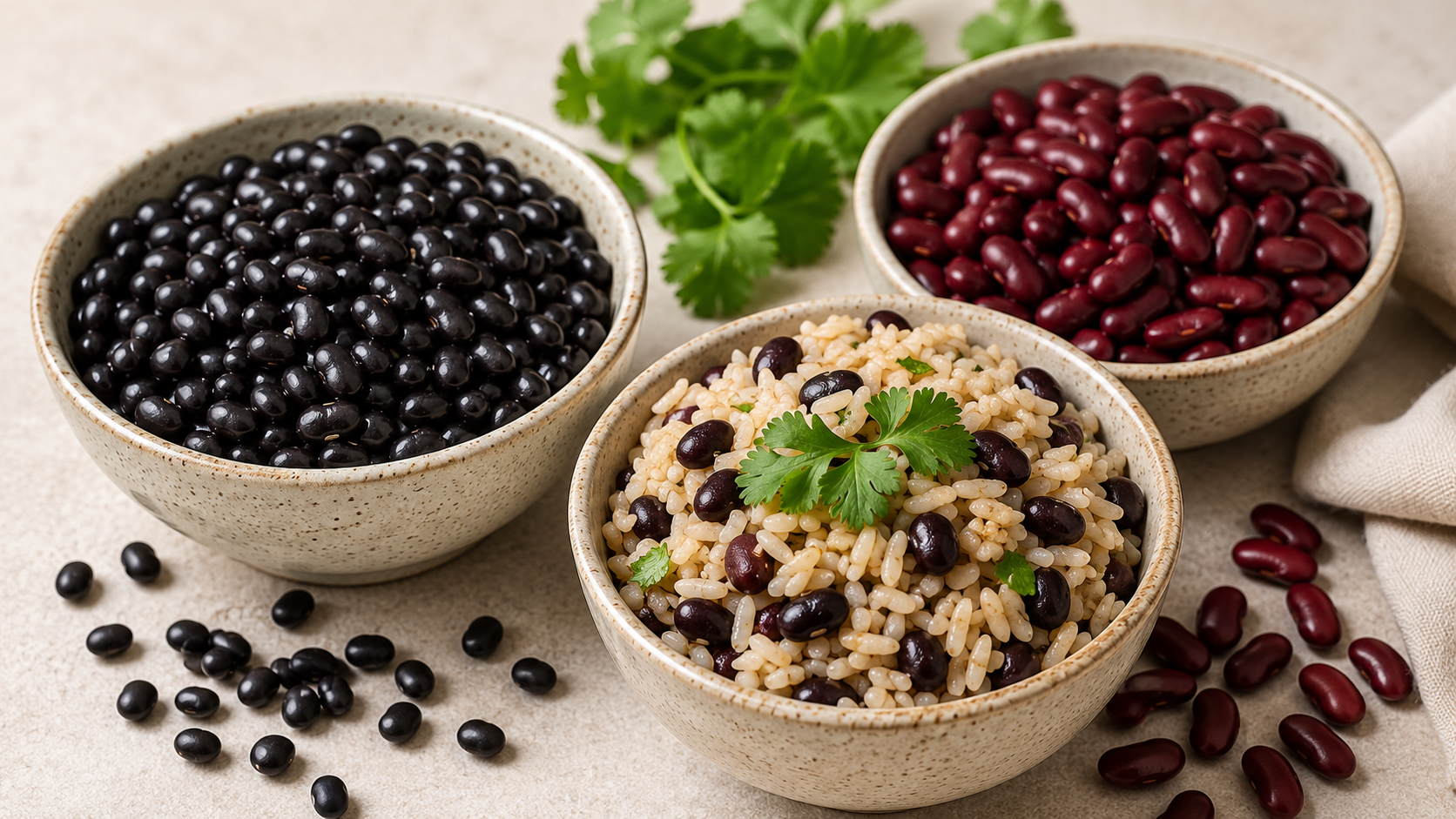
They also provide plant protein and dietary fiber, and anthocyanins are more characteristic of the black seed coat.
View details →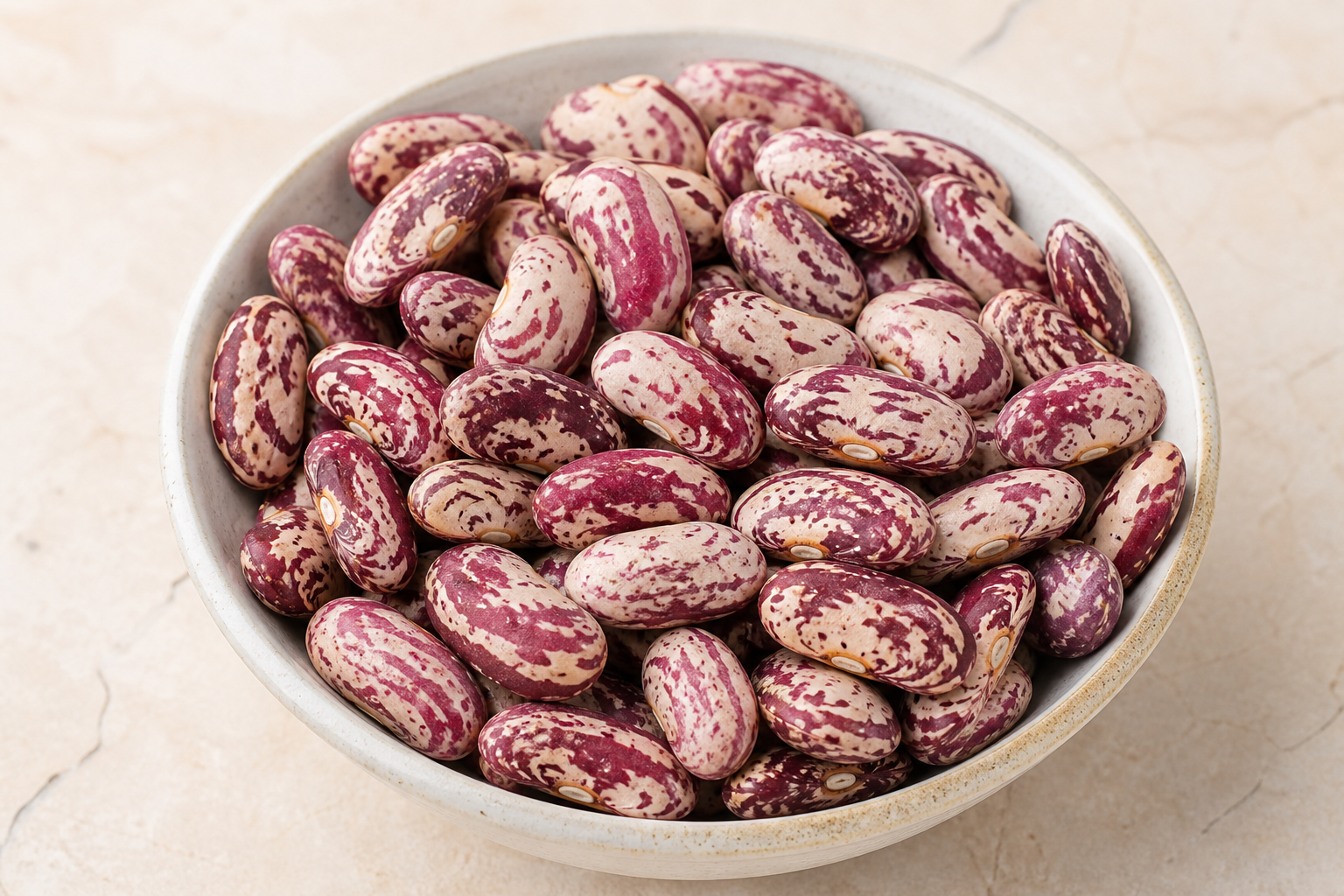
Cranberry Bean (Borlotti Bean)
Their texture and home-cooking uses are similar to red kidney beans, making them suitable for stews, mixed-grain rice, and bean salads.
View details →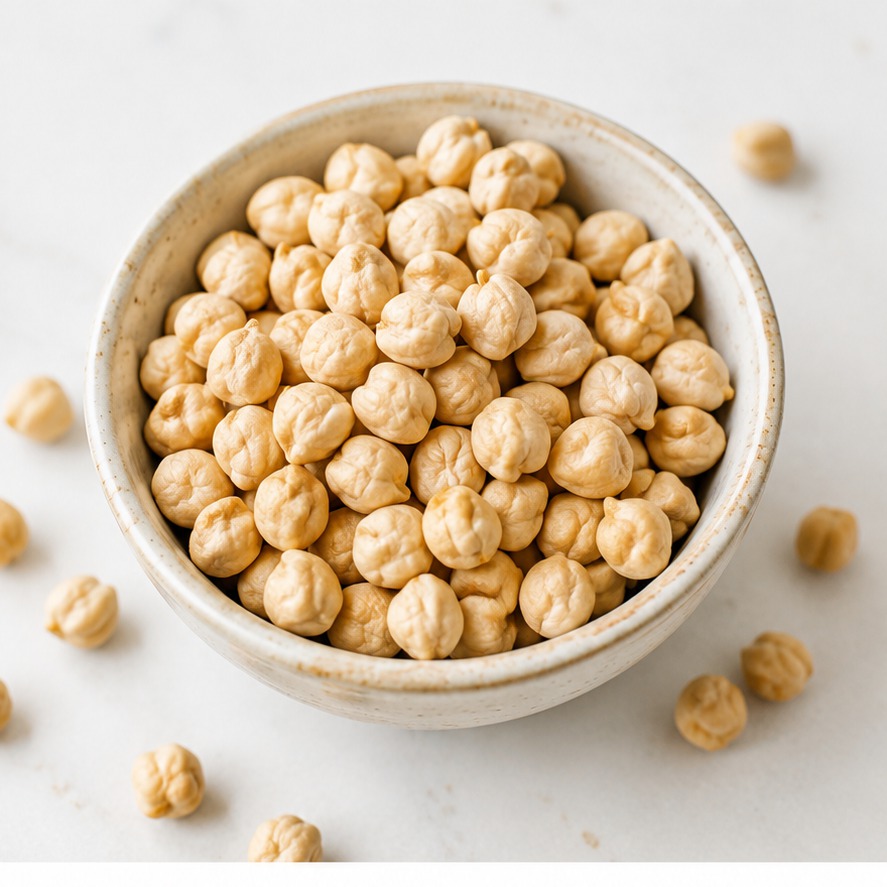
Chickpeas
They have a creamier texture and work well in purées, curries, and salads.
View details →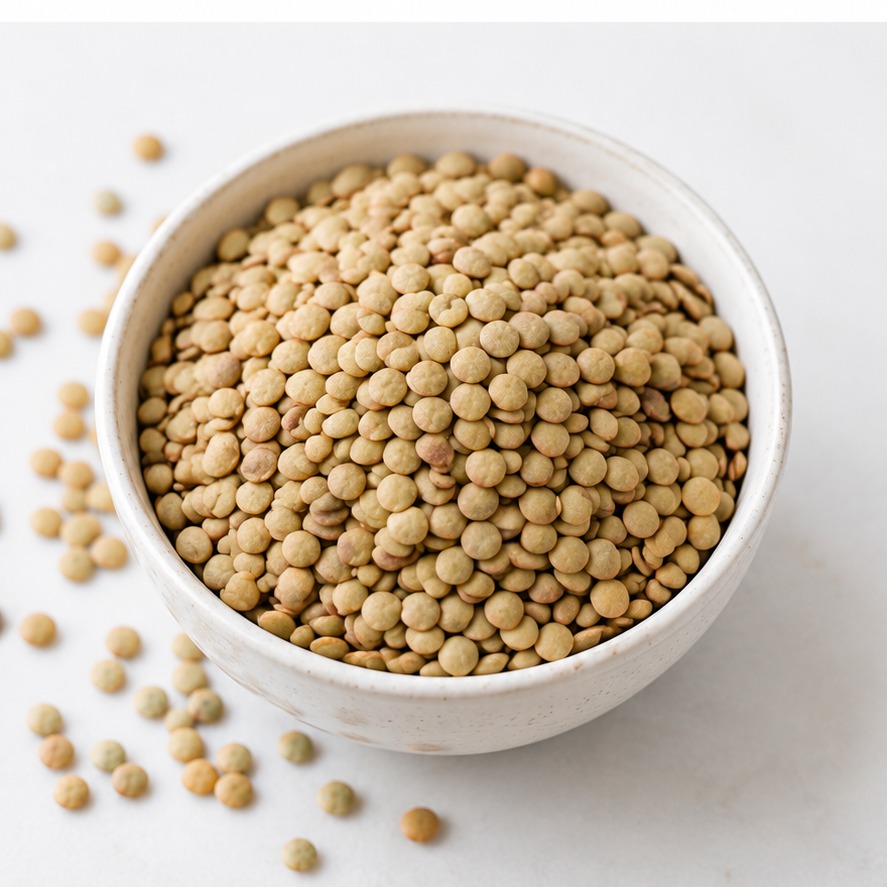
Green Lentils
They generally do not require the same long soaking as large kidney beans and cook faster, making them suitable for soups, stews, and grain bowls.
View details →