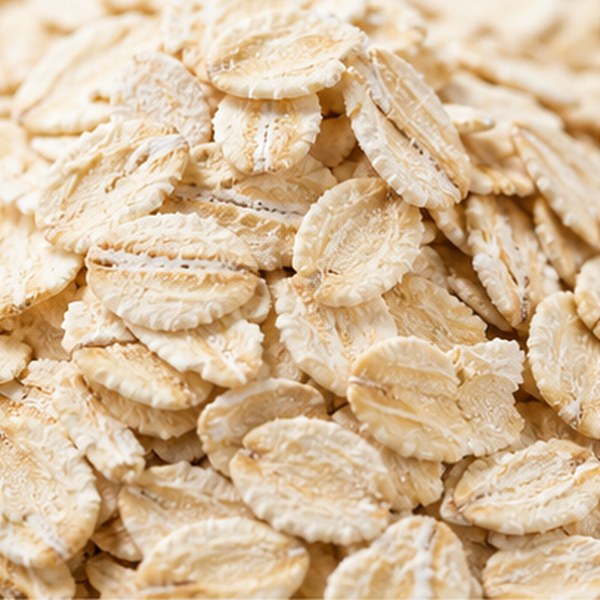
Whole Grains & Tubers · Whole grain
Oats
Oats are a whole grain relatively rich in dietary fiber. Their most representative component is β-glucan, and they also provide protein, magnesium, phosphorus, manganese, and other nutrients. Plain, minimally processed products with simple ingredient lists are preferable when replacing part of refined staple foods.
Food Overview
Key strengths
Oats provide dietary fiber, plant protein, and multiple minerals. 40 g of dry rolled oats contains about 4 g of dietary fiber, and β-glucan is the most notable soluble fiber.
How to Eat It
Oats can be cooked as porridge, prepared as overnight oats or savory oats, or added to mixed-grain rice, yogurt, and baked foods to replace some white rice, white bread, or refined breakfast cereals.
What stands out
Particle size and processing affect digestion speed. Oat groats, steel-cut oats, and thicker traditional rolled oats generally retain more food structure than very finely milled or very thin instant oats.
Worth noting
Flavored instant oatmeal, granola, and some oatmeal cups may contain substantial added sugar, syrup, fat, or sodium. People with celiac disease also need products clearly labeled “gluten-free.”
Basic Nutrition
Showing:100 g Dry Rolled Oats
View complete nutrition data
GI note:GI varies with cultivar, food structure, processing, and cooking. Raw grains usually do not have directly applicable human GI data.
The current state is dry rolled oats; no directly applicable human GI value is available.
Data notes:Most dry-to-cooked differences are caused by water absorption and dilution by weight: water increases from about 10.8% in dry oats to about 83.6% in cooked oats.
Plant-based oats themselves contain no cholesterol. Adding milk, cream, butter, processed meat, or high-sodium seasonings changes the fat, cholesterol, and sodium of the finished dish.
Vitamins & Minerals
Only nutrients providing more than 5% of the Daily Value at the current serving size are displayed.
View all vitamins and minerals
Percentages show how much the selected serving contributes to the adult Daily Value.
Key Bioactive Compounds
β-Glucan
Soluble dietary fiberβ-Glucan is a soluble fiber in oat cell walls and an important source of oats’ viscous texture and characteristic health effects.
Raw oat grain generally contains about 2.3—8.5 g of β-glucan per 100 g.
After absorbing water, oat β-glucan can form a viscous structure that helps slow gastric emptying and nutrient absorption.
Choose oat groats, steel-cut oats, or plain traditional rolled oats with simple ingredients. Cooking with enough water helps develop viscosity, but the oats do not need to be cooked into a completely uniform paste.
Oats do not replace lipid-lowering medication or diabetes treatment. Effects depend on β-glucan intake, degree of processing, and the overall diet; a small amount of oats does not guarantee a noticeable change.
Avenanthramides
Oat-Specific Phenolic CompoundsAvenanthramides are a group of nitrogen-containing phenolic compounds that are characteristic of oats and occur only in small amounts in most other common grains.
Studies of different oat cultivars have reported avenanthramides at about 2—185 mg/kg, equivalent to about 0.2—18.5 mg/100 g.
Avenanthramides show antioxidant activity in vitro.
Prefer oat groats, steel-cut oats, or whole rolled oats that retain bran and germ. Avoid prolonged high-temperature baking, repeated reheating, and granola products with large amounts of added sugar and oil.
In-vitro antioxidant findings do not prove that avenanthramides directly eliminate inflammation in the body, and doses from oat-extract studies cannot be equated with a bowl of oatmeal.
Tocopherols & Tocotrienols
Vitamin E compoundsOats contain α-tocopherol and smaller amounts of other tocopherols and tocotrienols, together making up the vitamin E–related compounds in oats.
Studies report total tocopherols and tocotrienols in raw oats at about 0.5—3.61 mg per 100 g, usually with α-tocopherol as the more representative form.
Vitamin E helps protect lipids in cell membranes from oxidation and contributes to normal antioxidant defenses.
After opening, keep oats sealed, dry, and protected from light to reduce fat oxidation.
Oats are not among the richest vitamin E foods, and ordinary oat intake should not be equated with high-dose vitamin E supplementation.
How Preparation Changes Oats
Degree of processing affects food structure, digestion speed, and post-meal blood-glucose and insulin responses.
Oat Groats
The oat kernel structure remains relatively intact, giving a noticeable chew and requiring longer cooking. Digestion is generally slower than for flour or very thin flakes, making oat groats suitable for mixed-grain rice, grain porridge, and grain salads.
Steel-Cut Oats
Oat kernels are cut into smaller pieces without being flattened. They retain a grainier texture and require a cooking time between oat groats and rolled oats, offering a balance between convenience and food structure.
Traditional Rolled Oats
Usually steamed and rolled, while retaining the main components of the whole grain. They are convenient to cook, and thicker flakes generally preserve more particle structure than very thin instant oats.
Quick or Instant Oats
Usually cut into smaller pieces and rolled thinner, and some are partially precooked, so they absorb water and digest more quickly.
Oat Flour
The particles are milled more finely, making starch more accessible to digestive enzymes. It can be used in baking or pancakes, but high-sugar oat cakes and cookies should not be the main source of oats.
Cooked Oatmeal
Cooking with water allows β-glucan to absorb water and develop viscosity, softening the texture; cooking does not “create” more β-glucan.
How to Choose & Store
How to choose
- Prefer products whose ingredient list contains only “oats” or “whole-grain oats.”
- Check added sugar, syrup, fats, and sodium rather than looking only for the word “oats” on the package.
- For more grain structure, choose oat groats, steel-cut oats, or thick rolled oats.
- For a strict gluten-free diet, choose products clearly labeled “gluten-free” and meeting the standard of less than 20 ppm gluten.
How to store
- Store unopened oats in a cool, dry place; a typical quality reference period is about 6—12 months.
- After opening, transfer to a sealed moisture-proof container. Quality is usually better when used within about 3 months; refrigeration can help in hot, humid climates.
- Cooked oats should be refrigerated within 2 hours and ideally eaten within 3—4 days.
- Discard oats with mold, obvious moisture clumping, insect damage or eggs, rancid odor, or other abnormal smells.
When buying oats, remember three things: simple ingredients, plain with little sugar, and sealed storage after opening.
How to Include It in Everyday Meals
Oats can be part of breakfast or a staple meal. The key is to choose plain products and pair them with protein foods, fruit or vegetables, legumes, nuts, or seeds.
Plain Oatmeal
Cook with water, milk, or unsweetened soy milk and add blueberries, apple, banana, cinnamon, nuts, or seeds. When fruit already provides sweetness, there is no need for large amounts of syrup or honey.
Overnight Oats
Mix traditional rolled oats with unsweetened yogurt, milk, or soy milk and refrigerate to soak, then add fruit, chia seeds, or nuts. Keep refrigerated throughout preparation and do not leave at room temperature overnight.
Savory Oats
Combine with tomato, spinach, mushrooms, eggs, tofu, chicken, or fish and prepare in a porridge- or risotto-like style.
Oats in Mixed-Grain Rice
Oat groats or steel-cut oats can be cooked with white rice, brown rice, millet, or legumes. The first time, start with about one quarter of the total grain amount and adjust according to texture preference.
Oat & Yogurt Bowl
Combine plain rolled oats with unsweetened yogurt, whole fruit, nuts, or seeds. When buying ready-made oatmeal cups, check added sugar and total serving size.
Oat Pancakes or Baking
Rolled oats or oat flour can replace part of refined flour, with eggs, banana, or vegetables added as needed.
Who Should Take Extra Care
People with Celiac Disease or on a Strict Gluten-Free Diet
Choose oats clearly labeled “gluten-free.” The absence of wheat from the ingredient list alone is not enough to establish safety.
People with Oat Allergy
A small number of people can have allergic reactions to oat proteins. Stop eating and seek prompt medical care for hives, lip swelling, wheezing, or other clear symptoms.
People with digestive sensitivity
Suddenly increasing oats and dietary fiber substantially may cause bloating, more gas, or changes in bowel movements. Start with a smaller portion and maintain adequate fluid intake.
People managing blood sugar
Oats are still a carbohydrate-containing staple food and should not be eaten without limit. Prefer plain, less processed oats and pair them with protein, vegetables, and an appropriate amount of fat.
Infants, young children, and people with swallowing difficulties
Cook until soft and adjust particle size according to swallowing ability. If adding nuts, avoid whole nuts or hard large pieces.
People Who Need to Limit Phosphorus or Potassium
People with kidney dysfunction or special dietary restrictions should determine the amount of oats according to an individualized plan from a physician or registered dietitian.
Similar Food Alternatives
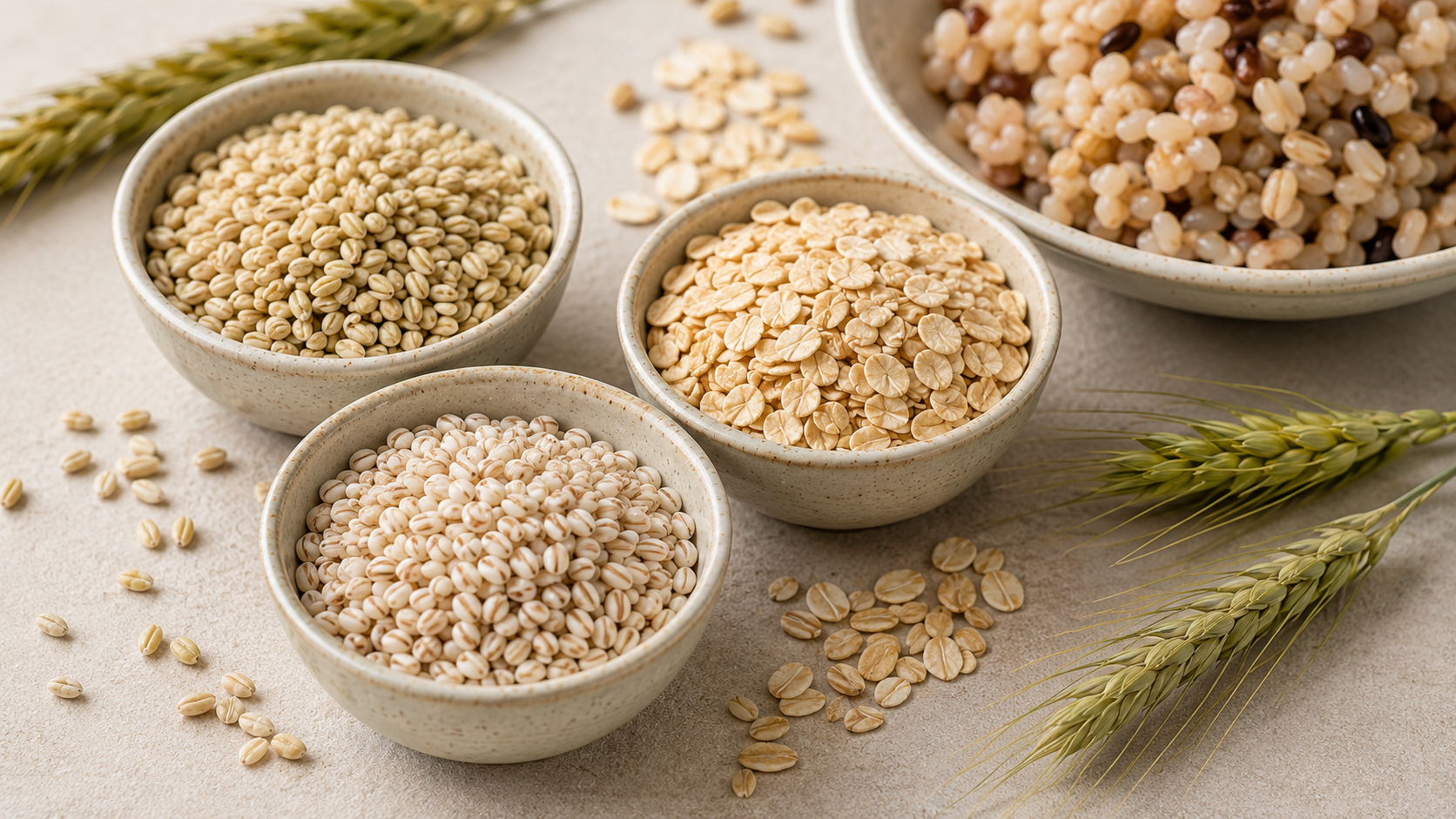
Barley
Also contains a notable amount of β-glucan and is one of the closest functional alternatives to oats.
View details →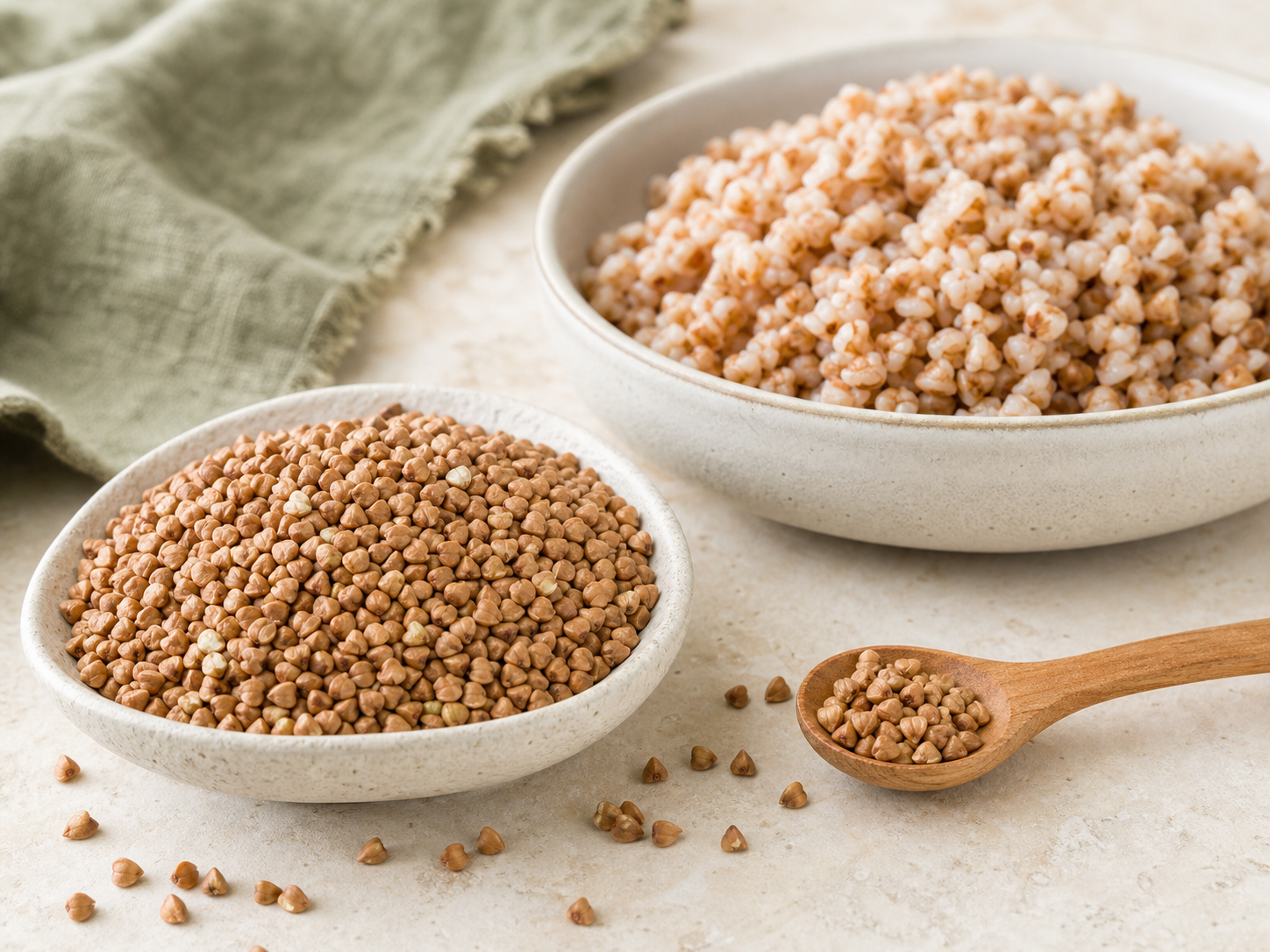
Buckwheat
Not especially rich in β-glucan, but provides different polyphenols and other plant compounds.
View details →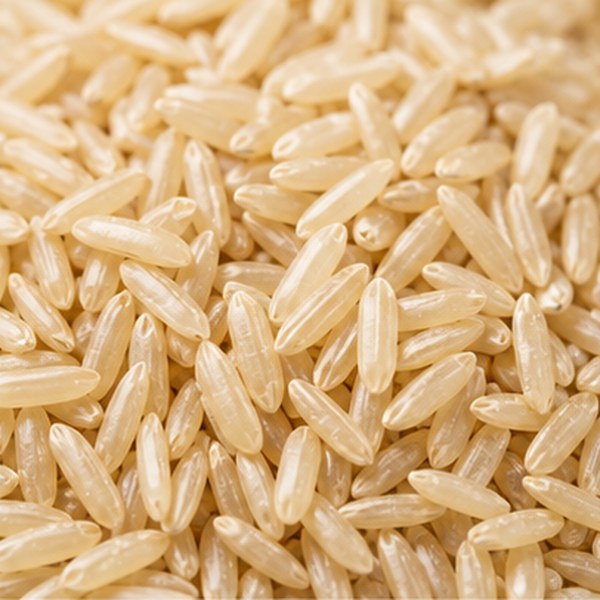
Brown Rice
Closer in texture and use to everyday rice and suitable for people who do not enjoy the viscous texture of oats.
View details →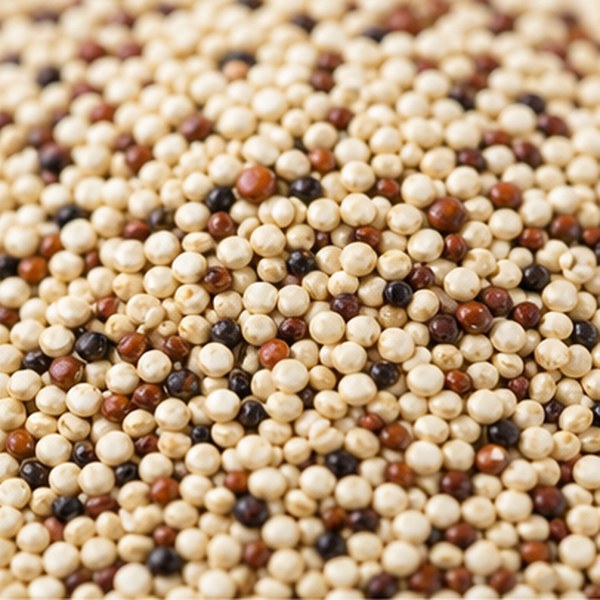
Quinoa
Can increase staple-food variety and provides protein, magnesium, and other minerals.
View details →Data Sources & Last Updated
Nutrition Data
Basic Information & Food Safety
Research & References
Ho, H. V. T., et al. (2016). The effect of oat β-glucan on LDL-cholesterol, non-HDL-cholesterol and apoB for CVD risk reduction: a systematic review and meta-analysis of randomised-controlled trials.
British Journal of Nutrition, 116(8), 1369–1382. DOI / Original
Whitehead, A., et al. (2014). Cholesterol-lowering effects of oat β-glucan: a meta-analysis of randomized controlled trials.
American Journal of Clinical Nutrition. DOI / Original
Musa-Veloso, K., et al. (2021). A Systematic Review and Meta-Analysis of Randomized Controlled Trials on the Effects of Oats and Oat Processing on Postprandial Blood Glucose and Insulin Responses.
The Journal of Nutrition, 151(2), 341–351. DOI / Original
Wolever, T. M. S., et al. (2019). Impact of oat processing on glycaemic and insulinaemic responses in healthy humans: a randomised clinical trial.
British Journal of Nutrition, 121, 1264–1270. DOI / Original
Zurbau, A., et al. (2021). The effect of oat β-glucan on postprandial blood glucose and insulin responses: a systematic review and meta-analysis.
European Journal of Clinical Nutrition. DOI / Original
Kim, S. J., et al. (2021). Effects of Oats (Avena sativa L.) on Inflammation: A Systematic Review and Meta-Analysis of Randomized Controlled Trials.
Nutrients. DOI / Original