Vegetables · Tender-stem vegetables
Asparagus
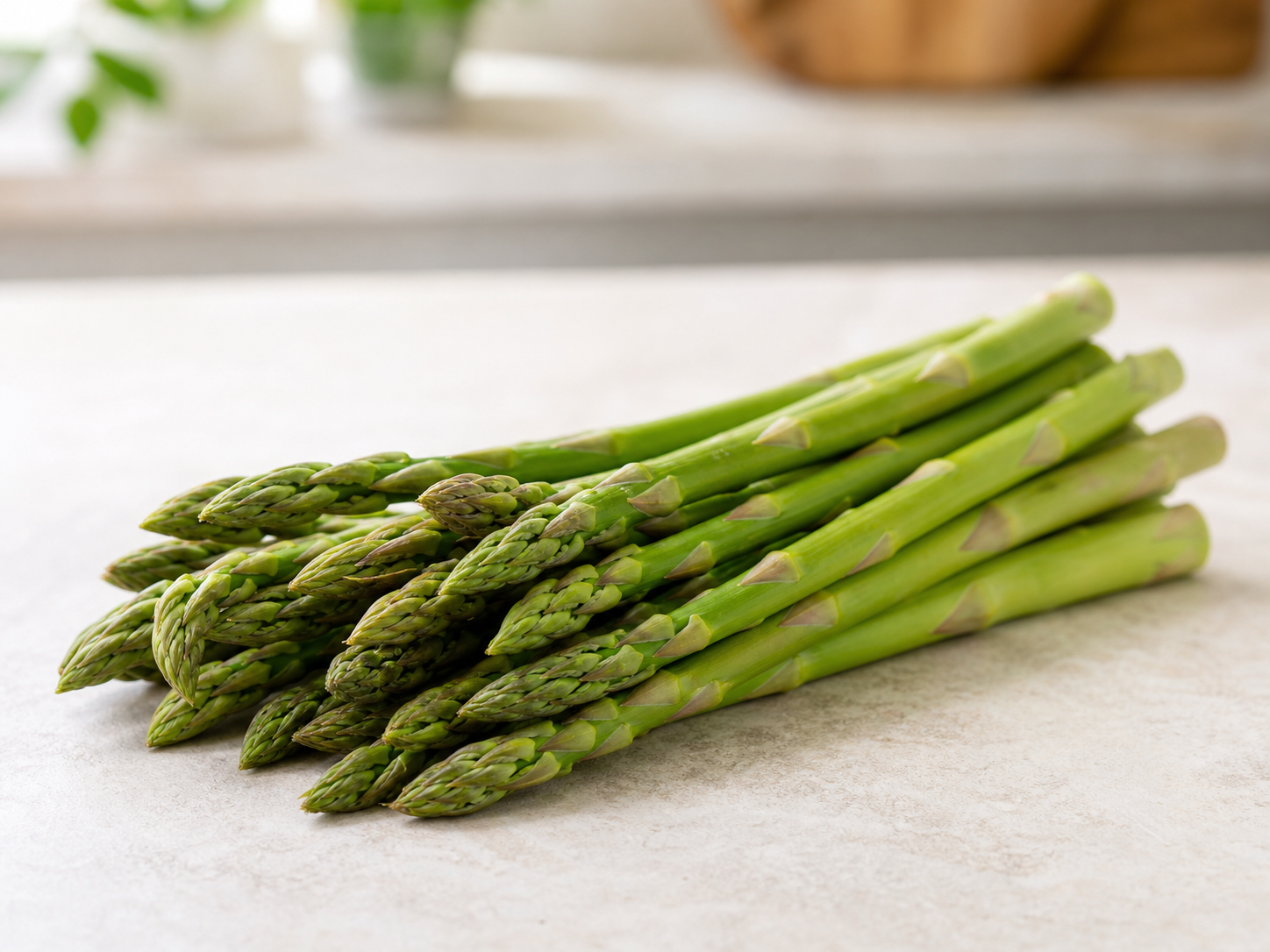
Asparagus is a high-water, low-energy tender-stem vegetable that provides vitamin K, folate, dietary fiber, copper, and a range of flavonoids, phenolic acids, and saponins. Brief steaming, blanching, roasting, or stir-frying better preserves its crisp texture and can reduce losses associated with prolonged boiling.
Food Overview
Key strengths
Raw asparagus provides about 20 kcal, 2.1 g dietary fiber, and 2.2 g protein per 100 g, along with notable amounts of vitamin K, folate, copper, iron, vitamin B1, and vitamin B2.
How to eat it
Asparagus works well steamed, briefly blanched, roasted, or quickly stir-fried. Cook until the stalks are bite-tender and the tips still hold their shape rather than cooking until mushy.
What stands out
Asparagus contains flavonoids such as rutin, phenolic acids, sulfur-containing compounds, and steroidal saponins. Levels vary with cultivar, green or white type, the position along the tip and stalk, harvest timing, and cooking method, so one fixed value cannot represent all asparagus.
Worth noting
Asparagus contains fermentable carbohydrates such as fructans. Asparagus is also relatively high in vitamin K, so people taking warfarin or other vitamin K antagonists should keep intake reasonably consistent.
Basic Nutrition
Showing:100 g Boiled asparagus
View complete nutrition data
GI note:GI varies with cultivar, food structure, processing, and cooking. Raw grains usually do not have directly applicable human GI data.
Boiled and drained asparagus does not have a standardized human GI value suitable for direct use.
Data notes:Basic nutrition data use USDA FoodData Central entries “Asparagus, raw” (FDC ID 168389) and “Asparagus, cooked, boiled, drained” (FDC ID 168390).
The boiled state represents asparagus that is boiled and drained only and should not be applied to dishes made with butter, cheese, bacon, cream sauce, or large amounts of cooking oil.
Raw and cooked data come from two separate entries and cannot be subtracted to calculate an exact cooking-loss rate for any nutrient.
No specific GI values for raw or boiled asparagus traceable to standardized human testing are available, so both are shown as “—” and the commonly cited online estimate of GI 15 is not used.
Vitamins & Minerals
Uses FDA Daily Values for adults and children age 4 and older and shows only nutrients that provide at least 5% of the Daily Value in the selected state and serving.
View all vitamins and minerals
Percentages show how much the selected serving contributes to the adult Daily Value.
Key Bioactive Compounds
Rutin
Flavonol glycosideRutin is a key flavonoids in asparagus and is often more concentrated in the tips and upper portions of the spears.
In studies of specific green-asparagus cultivars, rutin ranged from about 1.51–7.29 mg/g dry weight, with the tips and upper portions generally containing more than the base.
Rutin contributes to antioxidant metabolism as part of dietary flavonoid intake. Eating whole asparagus also provides fiber, folate, and other plant compounds.
Do not discard the tender tips and upper stalks. Use brief steaming, roasting, or stir-frying.
Dry-weight research values cannot be treated as the amount in a serving of fresh asparagus, and rutin does not treat vein problems, blood pressure, or inflammation.
Glutathione
Sulfur-containing tripeptideGlutathione is an antioxidant molecule produced by plant cells and is detectable in asparagus spears.
Reports of glutathione in fresh asparagus range roughly from 10–40 mg per 100 g fresh weight, with differences related to cultivar, post-harvest storage, and analytical methods.
Glutathione participates in redox defense in plant and human cells, but the digestion and absorption of dietary glutathione and its effect on body levels are complex.
Refrigerate after purchase and use promptly. Brief steaming, blanching, or stir-frying are reasonable choices.
Eating asparagus does not mean it will directly raise glutathione levels throughout the body and does not justify claims of “detoxification,” liver protection, or disease treatment.
Fructans
Fermentable functional carbohydratesAsparagus contains fructans that can be used by gut microbes and form part of its fermentable carbohydrate content.
Edible asparagus spears contain fructans and other fermentable carbohydrates, but amounts vary substantially with cultivar, plant part, and maturity.
Fructans can be fermented by some gut microbes and may support short-chain fatty acid production and the gut ecosystem, but individual tolerance varies widely.
Start with a normal serving of asparagus; steaming, boiling, or quick stir-frying are all reasonable.
“Prebiotic” does not mean more is better for everyone. Fructans may worsen bloating and discomfort in some people with irritable bowel syndrome.
How Preparation Changes Asparagus
Raw asparagus
Very tender, thin asparagus can be sliced and used in small amounts in salads, but mature spears are more fibrous and usually taste better cooked. People with sensitive digestion do not need to eat large amounts raw just to preserve nutrients.
Steaming
Steaming avoids prolonged immersion in water and helps asparagus keep its shape and crisp texture.
Steam until bright green and the stalks can be pierced easily with a fork.
Brief blanching
Add asparagus to boiling water, blanch briefly until bright green, and remove promptly.
After blanching, pair with a little olive oil, sesame, nuts, eggs, or fish rather than coating with large amounts of salty sauce.
Roasting
Brush asparagus lightly with oil, add black pepper, garlic, or herbs, and roast until the stalks soften and the surface is lightly browned.
Avoid high-heat roasting to extensive charring, and there is no need to add large amounts of butter or cheese.
Quick stir-frying
Cut asparagus on the diagonal and quickly stir-fry with mushrooms, bell pepper, tofu, eggs, shrimp, or fish slices.
Very thick spears can be blanched first or briefly covered with a little water before adding other ingredients, reducing the need to keep adding oil.
Prolonged boiling
Prolonged boiling makes asparagus soft and increases the chance that water-soluble nutrients and some polyphenols move into the cooking water.
If asparagus is used in soup, add it near the end of cooking and consume the broth as well.
White vs. green asparagus
White asparagus usually has a thicker outer layer and more noticeable fiber and often needs peeling below the tip before cooking. Green asparagus has a more tender outer surface, and thin young spears usually do not need full peeling.
How to Choose & Store Asparagus
How to choose
- Check the tips: choose asparagus with tight, intact tips that are not extensively open, mushy, or slimy.
- Check the stalks: they should be straight, plump, and somewhat springy, with cut ends that are not severely shriveled, browned, or cracked.
- Check the color: green asparagus should look naturally green, purple asparagus should retain its typical purple color, and white asparagus should be creamy white to pale yellow.
- Check for woody areas: trim lower ends that are clearly pale, dry, tough, or woody.
How to store
- Refrigerate soon after purchase.
- Use within about a week; the sooner it is eaten, the better the tips and stalks generally retain their texture.
- Whole asparagus does not need prolonged soaking. Rinse under running water before cooking, paying particular attention to grit between the scales at the tips.
- Refrigerate cooked asparagus promptly in a shallow sealed container and use within about 3–4 days.
- Discard asparagus if the tips are slimy or rotten, there is an abnormal odor, the stalks are heavily leaking or mushy, or mold appears.
When buying asparagus, remember three things: choose tight tips, straight stalks, and cut ends without severe drying.
How to Use Asparagus in Everyday Meals
Steamed asparagus
Trim dry woody ends, peel some of the tougher outer layer from thick stalks if needed, and steam briefly. Serve with a little olive oil, lemon juice, black pepper, sesame, or nuts.
Asparagus with mushrooms
Cut asparagus on the diagonal and quickly stir-fry with shiitake, button, wood ear, or king oyster mushrooms. Thick asparagus can be blanched or briefly softened with a little water before the mushrooms are added.
Asparagus with eggs
Cut asparagus into pieces and add to scrambled eggs, steamed egg, or baked egg dishes. Start cooking thicker stalks before adding the eggs so the eggs do not overcook while the asparagus remains hard.
Asparagus with fish or shrimp
Roast, steam, or quickly stir-fry asparagus with salmon, cod, shrimp, or shellfish. Fish and seafood provide protein, while asparagus contributes vegetables, dietary fiber, and folate.
Roasted asparagus
Arrange thicker asparagus on a baking tray, brush lightly with oil, add black pepper, garlic, and herbs, and roast until the stalks soften and the surface is lightly browned.
Asparagus whole-grain salad
Cut blanched or roasted asparagus into pieces and combine with quinoa, brown rice, buckwheat, lentils, or chickpeas, then add tomato, bell pepper, and a little olive oil.
Who Should Take Extra Care
People taking warfarin or other vitamin K antagonists
Raw asparagus contains about 41.6 μg vitamin K per 100 g and boiled asparagus about 50.6 μg. People taking warfarin or similar medicines generally do not need to avoid asparagus completely, but weekly intake should remain reasonably consistent.
People with IBS or gastrointestinal sensitivity
Asparagus can be relatively high in FODMAPs, and its fructans may trigger bloating, gas, abdominal pain, or bowel changes in some people with IBS.
People with gout or high uric acid
Asparagus contains purines, but there is no need to eliminate it automatically just because it is a purine-containing vegetable. Plant foods do not affect gout risk in exactly the same way as meat, organ meats, and some seafood.
People with impaired kidney function
Raw asparagus contains about 202 mg potassium per 100 g and boiled asparagus about 224 mg. Whether restriction is needed depends on kidney function, blood potassium, dialysis status, medications, and the whole meal and should not be decided simply because “vegetables contain potassium.”
People with a known asparagus allergy
Asparagus allergy is uncommon, but people with a known allergy should avoid it. If eating asparagus causes swelling of the lips or throat, breathing difficulty, or widespread hives, stop eating it and seek prompt medical care.
Infants, young children, and people with swallowing difficulties
Asparagus can have long outer fibers and a woody base. For infants, older adults, or people with swallowing difficulties, trim tough parts, cook until soft, and cut crosswise into short pieces to reduce choking risk from whole spears or long fibers.
People concerned about urine odor after eating asparagus
Some people notice a distinctive urine odor after eating asparagus. This is caused by volatile compounds formed when asparagus sulfur compounds are metabolized. Whether the odor develops, how strong it is, and whether a person can detect it all vary individually.
Similar Food Alternatives
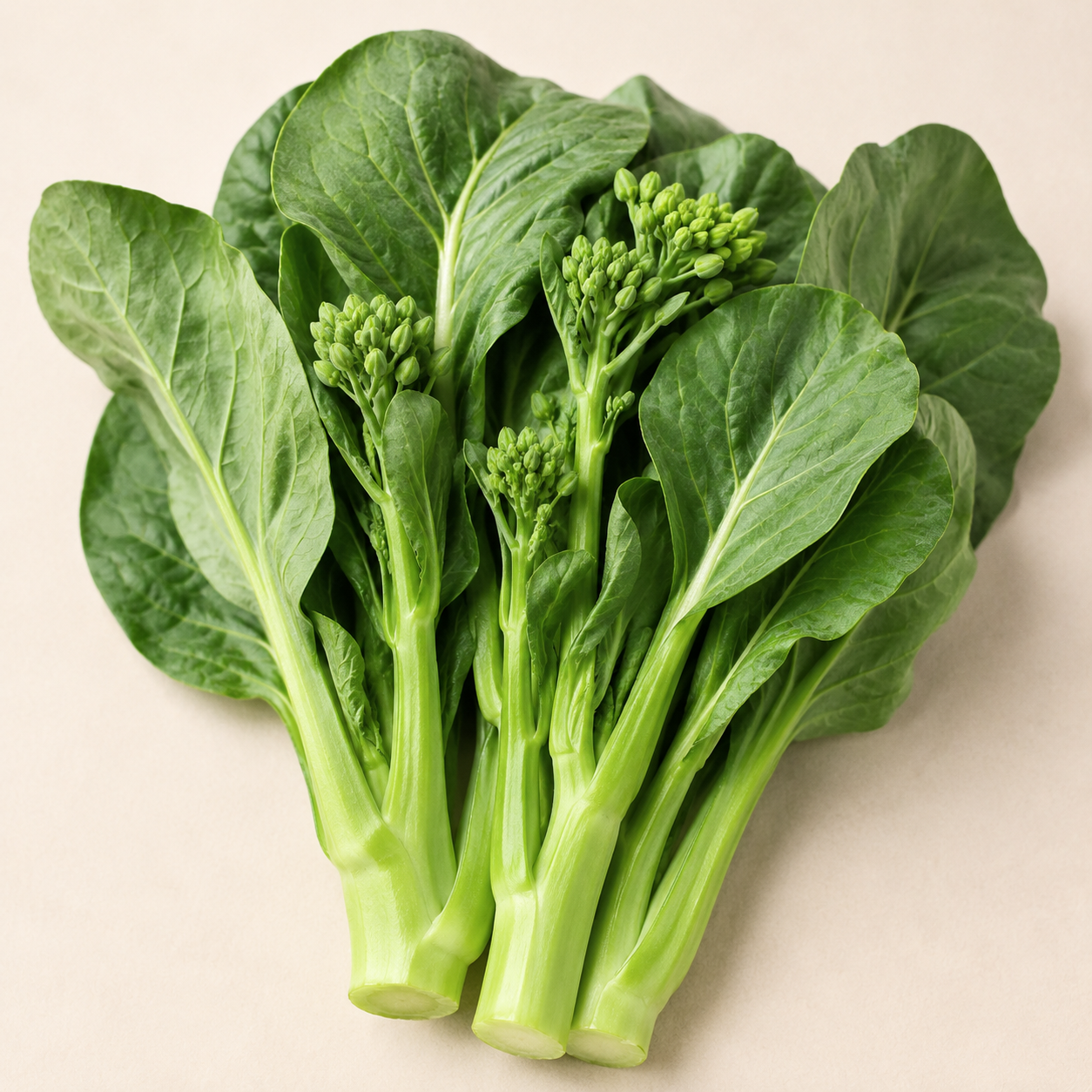
Chinese kale
Also eaten mainly for tender stems and leaves and suitable for steaming, blanching, and quick stir-frying.
View details →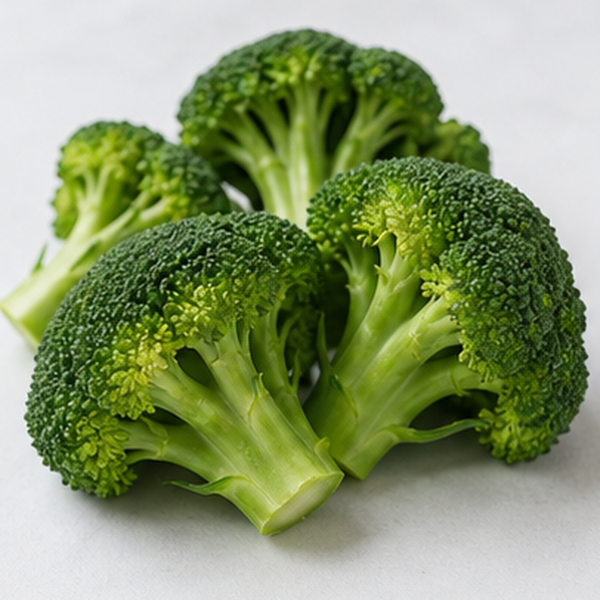
Broccoli
Also works well steamed, blanched, roasted, or stir-fried and provides vitamin C, vitamin K, folate, and dietary fiber.
View details →Green beans
Suitable for stir-frying, boiling, and roasting and provides vegetables and dietary fiber.
View details →Okra
Another elongated vegetable that works well blanched, steamed, boiled, or quickly stir-fried. Okra has a distinctly mucilaginous texture and a different nutrient and bioactive-compound profile from asparagus.
View details →Data Sources & Last Updated
Nutrition Data
Basic Information & Food Safety
Research & References
Di Matteo A, et al. (2025). Effect of Cooking and in vitro Digestion on the Polyphenols and Antioxidant Properties of Asparagus officinalis L. Cultivars.
Foods, 14(13), 2367. DOI / Original
Lee EJ, et al. (2010). Development of a rapid HPLC-UV method for simultaneous quantification of protodioscin and rutin in white and green asparagus spears.
Research article. DOI / Original
Makris DP, Rossiter JT. (2001). Domestic processing of onion bulbs and asparagus spears: Effect on flavonol content and antioxidant status.
Research article. DOI / Original
Dawid C, Hofmann T. (2012). Structural and Sensory Characterization of Bitter Tasting Steroidal Saponins from Asparagus Spears.
Journal of Agricultural and Food Chemistry, 60, 11889–11900. DOI / Original
Bergamasco R, et al. (2022). Investigation of sulfur-containing compounds in spears of green and white asparagus varieties.
Research article. DOI / Original