Fruits · Citrus Fruit
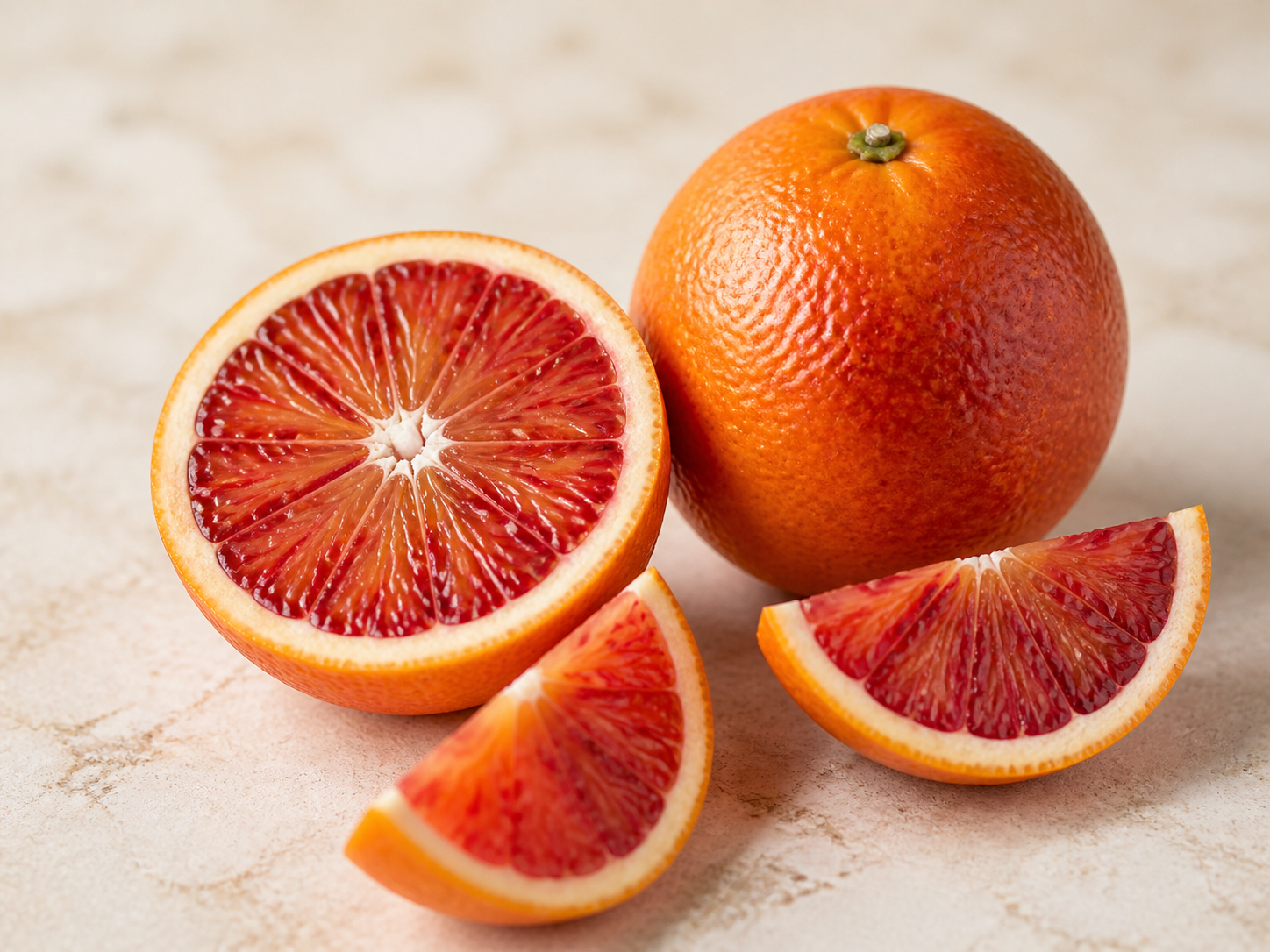
Blood Orange
Blood orange is a sweet-orange cultivar type that can accumulate anthocyanins in the flesh. Per 100 g of fresh fruit, it provides about 45 kcal, 53 mg of vitamin C, and 1.6 g of dietary fiber.
Food Overview
Key strengths
CREA data summarizing 96 samples of Moro, Sanguinello, Sanguigno, Tarocco, and other blood-orange cultivars show about 45 kcal, 9.9 g of available carbohydrate, 1.6 g of dietary fiber, and 53 mg of vitamin C per 100 g of edible portion.
How to Eat It
Blood oranges are well suited to eating as whole segments after peeling. They can also be added to plain yogurt, oats, fruit salads, and vegetable salads. Whole segments retain the pulp structure and dietary fiber, making them a better everyday fruit choice than filtered orange juice.
What stands out
The key feature that distinguishes blood oranges from ordinary sweet oranges is anthocyanin content. Across several cultivars, mean total anthocyanins were about 9.6 mg per 100 g of edible portion, although cultivar and environmental differences are large.
Worth noting
“Deeper red always means more nutritious” is not accurate. Moro is often more deeply pigmented, but Tarocco, Sanguinello, and fruit from different growing regions can vary independently in anthocyanins, sugar-to-acid ratio, vitamin C, and other polyphenols. Redness is only one feature of cultivar and ripeness and cannot determine overall nutritional value on its own.
Basic Nutrition
Showing:100 g Fresh Blood Orange
View complete nutrition data
GI note:GI varies with cultivar, food structure, processing, and cooking. Raw grains usually do not have directly applicable human GI data.
No reliable GI value specific to fresh blood orange was found. The ordinary-orange GI of 42 is not applied directly, and GI is not estimated from anthocyanins, sugar content, or acidity.
Data notes:This page includes only one state, “Fresh Blood Orange.” Basic nutrition data use combined CREA data from Moro, Tarocco, Sanguinello, Sanguigno, and related blood-orange samples.
Carbohydrate follows CREA’s available-carbohydrate definition, with dietary fiber listed separately.
The CREA blood-orange entry does not report specific values for fatty acids or sodium, so these are shown as “—” rather than borrowing data from navel oranges, orange juice, or other citrus fruits.
Whole ordinary oranges have a reported GI of 42, but the tested fruit was not identified specifically as a blood-orange cultivar, so this value is not applied here and GI is shown as “—”.
This page does not create separate states for blood-orange juice, jam, dried fruit, powder, or extracts.
Vitamins & Minerals
FDA Daily Values for adults are used, and only nutrients reaching at least 5% of the Daily Value at the current serving size are shown.
At 100 g, only vitamin C and vitamin B1 reach 5% of the Daily Value.
View all vitamins and minerals
Key Bioactive Compounds
Anthocyanins
AnthocyaninsBlood oranges are unusual among citrus fruits for visible anthocyanins, mainly cyanidin-based pigments in the red flesh.
One multi-cultivar study found about 9.6 mg of anthocyanins per 100 g of edible fruit. Levels vary with cultivar, climate, ripeness, and storage.
Anthocyanins contribute to antioxidant defenses alongside vitamin C and citrus flavanones.
Eat whole segments when practical; whole fruit retains more fiber than juice.
Red color does not mean blood orange burns fat or eliminates inflammation, and extract studies do not directly represent fresh fruit.
Hesperidin & Other Flavanones
FlavonoidsHesperidin is a characteristic flavanone glycoside in citrus fruits, and blood oranges also contain related compounds such as narirutin.
Specific amount: —. Levels vary by cultivar and analytical method and are usually higher in the white pith, membranes, and tissues near the peel, with some also present in the juice.
Citrus flavanones and their metabolites may support normal vascular function and contribute to the body’s antioxidant defenses.
When peeling, it is fine to leave some of the white membrane rather than stripping each segment completely clean.
Hesperidin does not treat hypertension or venous disease, and supplement studies cannot be assumed to represent normal blood-orange consumption.
Vitamin C
Water-soluble vitaminVitamin C is a well-established antioxidant nutrient in blood orange with clear nutritional relevance.
Study samples of blood orange contained an average of about 59 mg of vitamin C per 100 g of edible portion, mainly in the flesh and juice vesicles. Actual content varies with cultivar, ripeness, and storage.
Vitamin C supports normal immune function, collagen formation, antioxidant defenses, and the absorption of non-heme iron.
Eat peeled fruit or juice soon after preparation to reduce prolonged exposure to air and light.
Blood orange cannot treat a cold or make someone “immune to illness” simply because it contains vitamin C.
How Preparation Changes Blood Orange
Fresh Whole Blood Orange
Fresh segments retain membranes, pith, pulp, and fiber. Whole fruit provides about 1.6 g of fiber per 100 g, while fresh blood-orange juice in CREA reports 0 g, so the two are not the same food state.
Fresh-Squeezed Blood Orange Juice
Filtered fresh blood-orange juice contains much less dietary fiber and makes it easier to drink a larger amount quickly. Commercial products may also be blended with other juices or contain added sugar. Juice is not treated as a separate state in sections 02 and 03.
Whole-Fruit Blending
Blending peeled and deseeded flesh together with the membranes, without straining, retains more of the original food structure.
Refrigerated Storage
In some blood-orange cultivars, total anthocyanins or individual anthocyanins in the juice can increase during low-temperature storage, but this does not mean longer storage is always better. This should not be interpreted as the refrigerator creating more nutrition.
Heating & baking
Blood orange can be added to oats or baked foods, but anthocyanins and vitamin C are affected by prolonged high heat.
Jam & Marmalade
Jam and marmalade are usually heated for a long time and contain substantial added sugar, so they should not use fresh blood-orange nutrition data. Traditional marmalade may also use Seville bitter orange, so people who need to avoid certain citrus-drug interactions should check the ingredient list.
Dried Fruit, Powder & Extracts
Dehydration concentrates sugar and energy by weight. 100 g of fresh blood orange is not equivalent to 100 g of dried blood orange, freeze-dried powder, or extract.
How to Choose & Store
How to choose
- Check overall condition: choose full, heavy-feeling fruit with relatively firm skin, an intact shape, and no mold, extensive soft rot, or leaking.
- Do not chase only a deep-red peel: weak external red coloration does not mean the flesh lacks anthocyanins, and a very red peel does not guarantee completely dark-red flesh.
- Avoid large soft sunken areas, split peel, green or blue mold, persistent leaking, fermented or alcoholic odors, obvious freeze damage, or brown depressions.
- Check weight: among fruit of similar size, heavier pieces generally contain more juice; very light fruit with wrinkled skin may have lost moisture.
How to store
- For short-term storage, keep in a cool, dry, well-ventilated place away from direct sunlight and high heat.
- For longer storage, use the refrigerator produce drawer. Do not apply commercial storage durations mechanically at home; judge by appearance, smell, and texture.
- Wash before eating: rinse the peel under running water before peeling or cutting, without soap or detergent.
- After cutting, refrigerate in a clean sealed container and eat soon. Discard if the fruit becomes slimy, sour or rotten-smelling, fermented-smelling, or moldy.
When buying blood oranges, remember three things: choose fruit that feels full and heavy, avoid soft rot or mold, and do not judge internal quality only by the redness of the peel.
How to Include It in Everyday Meals
Eat Whole Segments
Wash, peel, and separate the blood orange into whole segments to eat as fruit or a snack. The membranes and some white pith are edible and do not need to be removed completely.
Blood Orange with Plain Yogurt
Cut blood orange into pieces and add to plain yogurt or unsweetened Greek yogurt, with oats, walnuts, chia seeds, or flaxseeds if desired. Avoid adding sweetened yogurt, honey, jam, and high-sugar granola at the same time.
Blood Orange Oatmeal
Cook the oats and let them cool slightly before adding fresh blood-orange flesh. This preserves a fresh texture and reduces unnecessary prolonged heating of anthocyanins and vitamin C.
Blood Orange Fruit Salad
Combine blood orange with blueberries, strawberries, kiwi, apple, or pomegranate for a range of colors and textures. A little mint, cinnamon, or plain yogurt can be used for flavor; condensed milk and large amounts of syrup are unnecessary.
Blood Orange Vegetable Salad
Blood-orange flesh works well with kale, spinach, arugula, avocado, red onion, nuts, and legumes. Keep high-sodium sauces and large amounts of cheese modest.
Whole-Fruit Blood Orange Drink
Blend peeled, deseeded blood-orange flesh with plain yogurt, milk, or unsweetened soy milk and do not strain out the pulp. Count the actual number of blood oranges used and avoid adding orange juice, honey, syrup, and several high-sugar fruits at the same time.
Who Should Take Extra Care
People managing blood sugar
Blood orange provides about 9.9 g of available carbohydrate per 100 g, and a common 150 g serving provides about 14.9 g.
People with Orange Allergy or Pollen-Food Syndrome
Major sweet-orange allergens including Cit s 1 and Cit s 2 have been identified. Stop eating and seek immediate medical care if marked throat swelling, widespread hives, wheezing or difficulty breathing, dizziness or weakness, or altered consciousness occurs.
People Sensitive to Acidic Foods
Blood oranges contain citric acid and other organic acids. People with mouth sores, sensitive teeth, or discomfort after acidic fruit can eat them with meals or other foods and avoid holding acidic juice in the mouth for long periods.
Infants, young children, and people with swallowing difficulties
Remove seeds, open larger segment membranes as needed, and cut the fruit into small pieces or gently mash it according to swallowing ability to reduce choking risk.
People at higher risk from foodborne illness
Pregnant people, young children, older adults, and people with weakened immune systems should wash the peel before eating fresh fruit. For juice, choose pasteurized or otherwise safely treated products and avoid unpasteurized juice from uncertain sources.
People Taking Certain Medications
Blood orange is a sweet orange and should not automatically be treated as grapefruit or Seville bitter orange. However, if medication instructions require avoiding grapefruit, pomelo, Seville orange, or related mixed juices, check drink and marmalade ingredients carefully and confirm with a clinician or pharmacist.
Similar Food Alternatives
Regular Sweet Orange
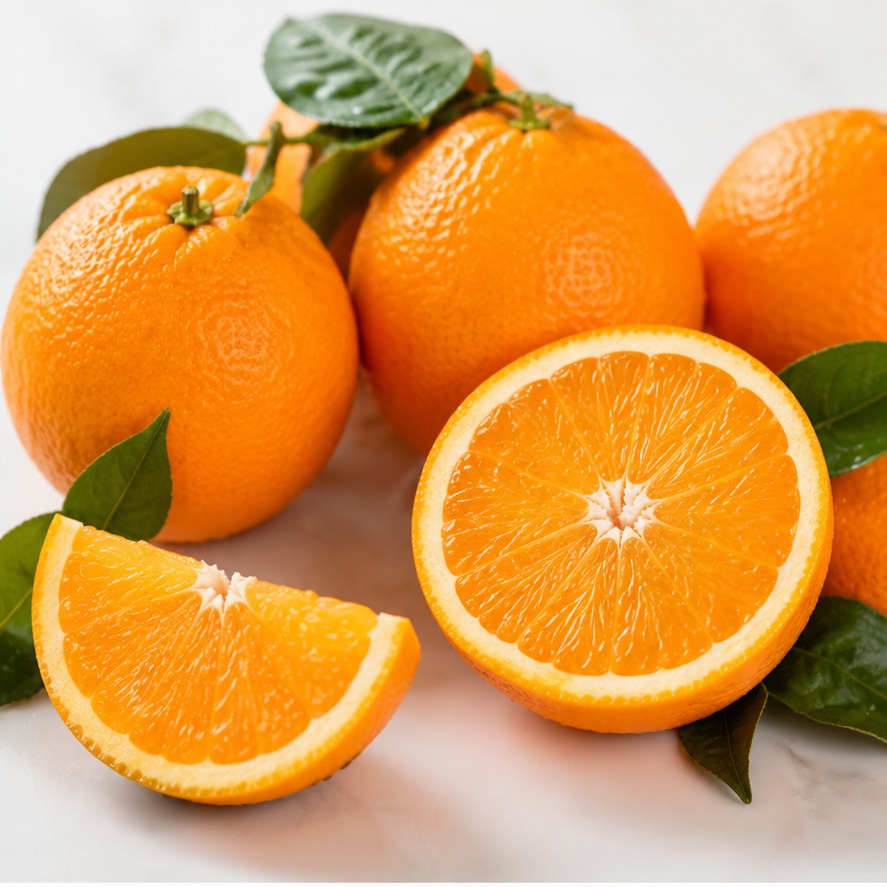
Regular sweet oranges also provide vitamin C, dietary fiber, and hesperidin and are usually more consistently available and affordable.
View details →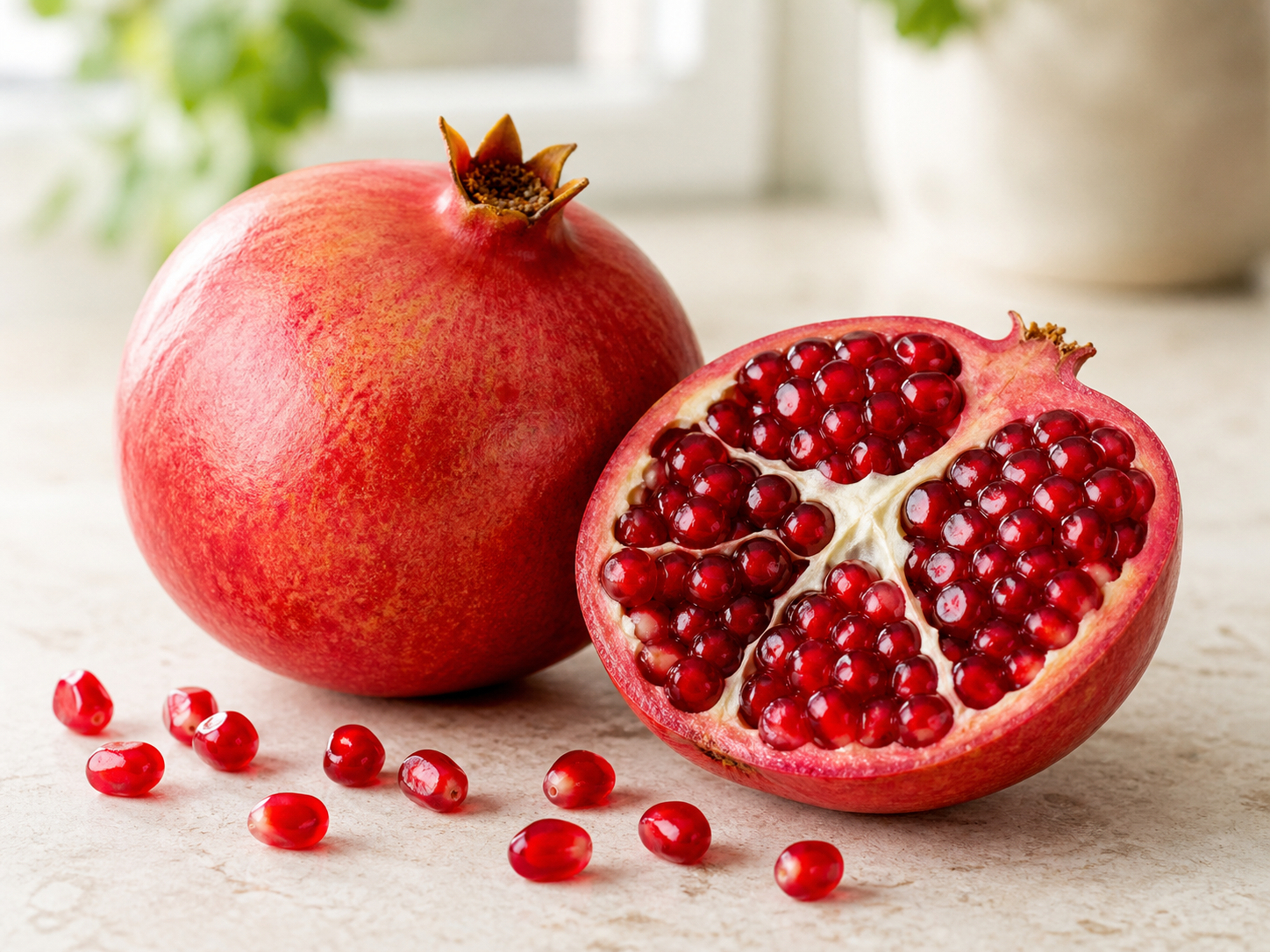
Pomegranate
Pomegranate is also red and polyphenol-rich and works well fresh or in yogurt and salads.
View details →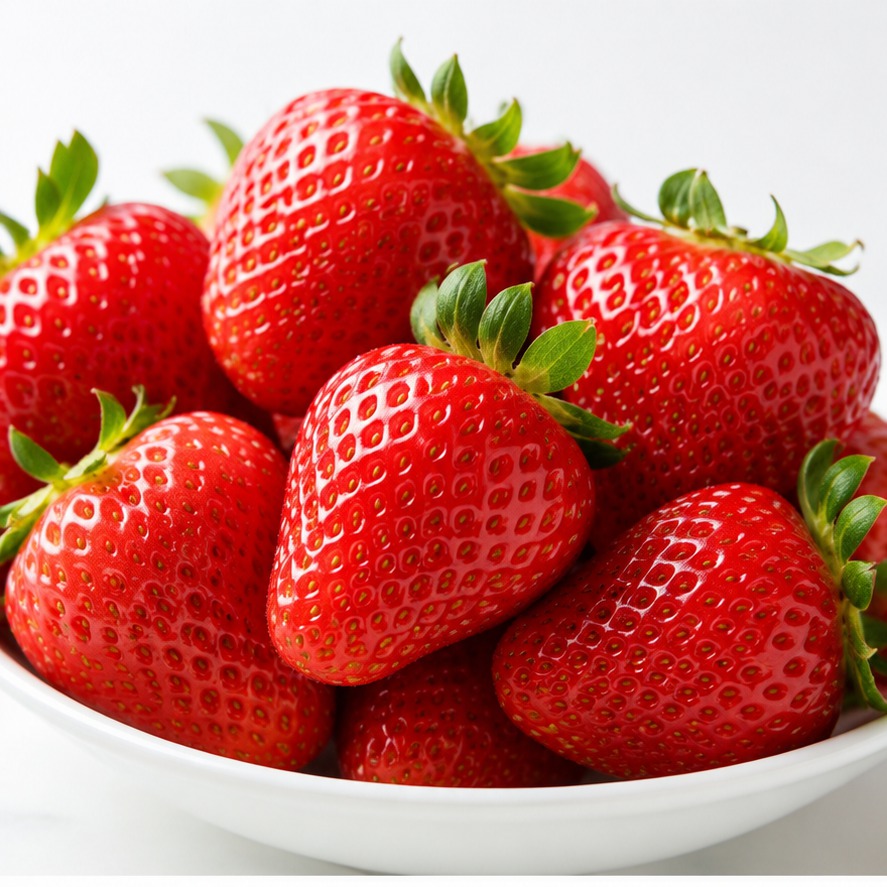
Strawberry
Strawberries provide vitamin C and red anthocyanins and are generally easy to eat fresh.
View details →
Blackcurrant
Blackcurrants are notable for vitamin C and delphinidin-based anthocyanins, with a darker color and usually more tart flavor.
View details →Data Sources & Last Updated
Nutrition Data
Basic Information & Food Safety
Research & References
Fallico B, Ballistreri G, Arena E, Brighina S, Rapisarda P. (2017). Bioactive compounds in blood oranges: Level and intake.
Food Chemistry, 215, 67–75. DOI / Original
Cebadera-Miranda L, Domínguez L, Dias MI, Barros L, et al. (2019). Sanguinello and Tarocco: Bioactive compounds and colour appearance of blood oranges.
Food Chemistry, 270, 395–402. DOI / Original
Habibi F, et al. (2020). Changes in Bioactive Compounds, Antioxidant Activity, and Nutritional Quality of Blood Orange Cultivars at Different Storage Temperatures.
Antioxidants, 9(10), 1016. DOI / Original
Lo Piero AR. (2015). The State of the Art in Biosynthesis of Anthocyanins and Its Regulation in Pigmented Sweet Oranges.
Research review. DOI / Original
Cisse M, Vaillant F, Acosta O, Dhuique-Mayer C, Dornier M. (2009). Thermal degradation kinetics of anthocyanins from blood orange, blackberry, and roselle.
Research article. DOI / Original
Ahrazem O, et al. (2006). Germin-like protein Cit s 1 and profilin Cit s 2 are major allergens in orange fruits.
Research article. DOI / Original