Vegetables · Fruiting vegetables; nightshade family
Eggplant
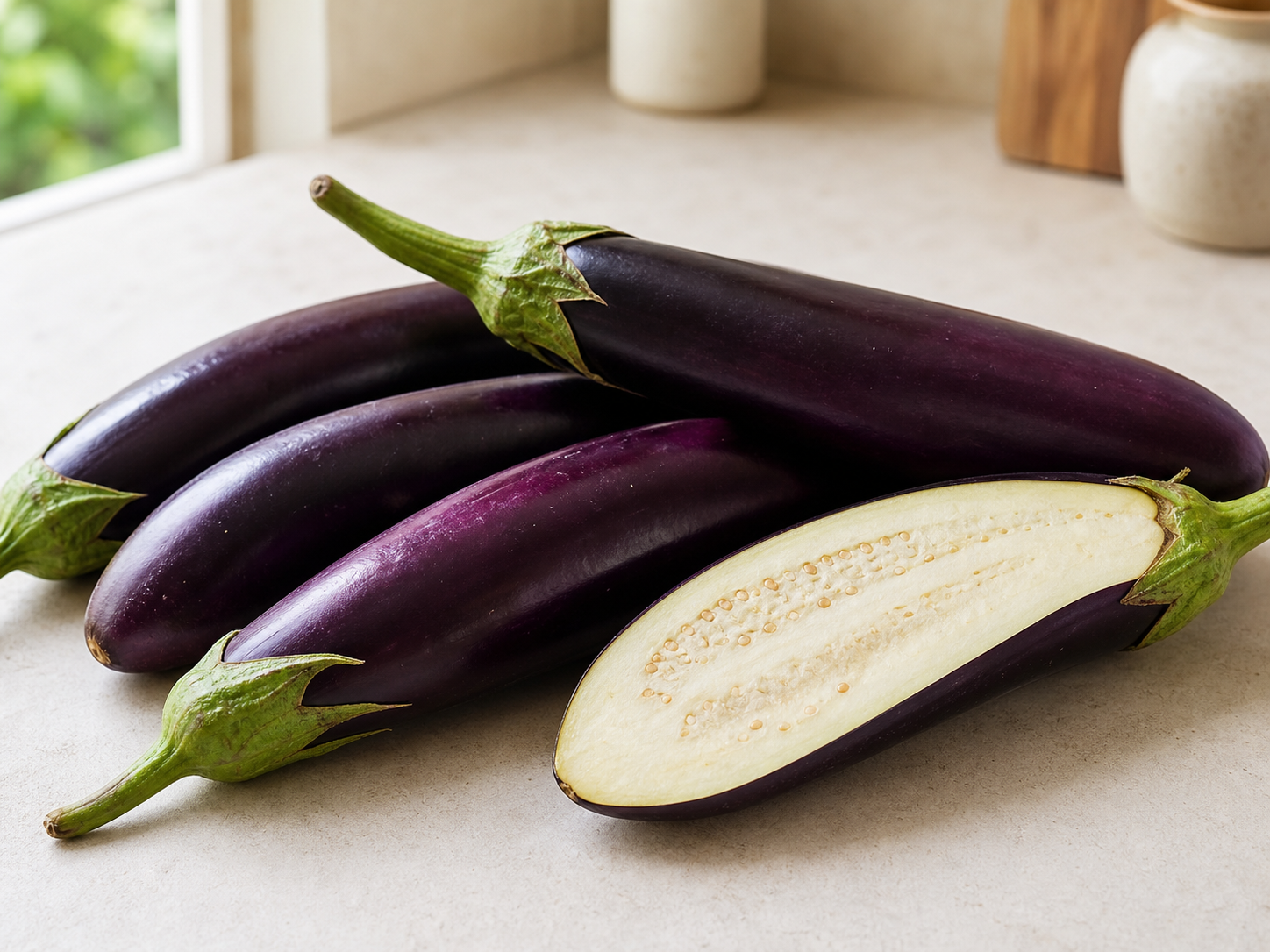
Eggplant is a high-water, low-energy fruiting vegetable that provides dietary fiber along with phenolic compounds such as chlorogenic acid; purple-skinned varieties also provide anthocyanins. Eggplant itself is very low in fat, but its porous flesh readily absorbs cooking oil and sauces, so the final nutritional profile of an eggplant dish depends heavily on how it is prepared.
Food Overview
Key strengths
Raw eggplant provides about 25 kcal and 3 g of dietary fiber per 100 g, with very little fat or sodium.
How to eat it
Eggplant is usually eaten cooked by steaming, boiling, braising, roasting, or stir-frying. At home, steaming, roasting, low-oil pan-braising, and tomato-based stews can help limit added fat compared with deep-frying followed by sugary or salty sauces.
What stands out
Representative phytochemicals in eggplant include chlorogenic acid and other hydroxycinnamic acids. Purple and dark-purple varieties also contain anthocyanins in the skin, with nasunin among the better-studied compounds. Actual amounts vary with cultivar, skin color, ripeness, growing conditions, and cooking method.
Worth noting
Eggplant itself contains only about 0.18 g of fat per 100 g, but its flesh has many small air spaces and readily absorbs oil during cooking.
Basic Nutrition
Showing:100 g Boiled eggplant
View complete nutrition data
GI note:GI varies with cultivar, food structure, processing, and cooking. Raw grains usually do not have directly applicable human GI data.
Boiled, drained, unsalted eggplant does not have a reliable standard human GI value.
Data notes:Basic nutrition data use USDA FoodData Central entries for “Eggplant, raw” (FDC ID 169228) and “Eggplant, cooked, boiled, drained, without salt” (FDC ID 169229).
The boiled state represents eggplant that has been boiled, drained, and prepared without added salt. It should not be applied to deep-fried, red-braised, or other dishes prepared with substantial oil and salt.
Raw and cooked values come from two separate USDA entries and cannot be subtracted to calculate exact cooking losses.
University of Sydney resources identify eggplant as low GI and low GL based on estimates rather than a directly applicable standard human test value, so both states are shown as “—”.
Vitamins & Minerals
Uses FDA Daily Values for adults and children age 4 and older and shows only nutrients that provide at least 5% of the Daily Value in the selected state and serving.
Only three nutrients in 100 g of boiled eggplant reach at least 5% of the Daily Value; lower-value nutrients are not added simply to fill the cards.
View all vitamins and minerals
Key Bioactive Compounds
Nasunin & other anthocyanins
AnthocyaninsThe dark purple color of purple-skinned eggplant comes mainly from anthocyanins, and nasunin is a representative anthocyanins found in some cultivars.
Anthocyanins are concentrated mainly in the skin of purple eggplant, with generally much lower levels in the flesh.
Anthocyanins add to the range of dietary polyphenols provided by eggplant and contribute to antioxidant-related metabolism within the overall diet.
If the skin is intact and edible, wash and cook the eggplant with the skin on.
In-vitro antioxidant activity in purple eggplant skin does not show that eggplant treats inflammation, cardiovascular disease, or neurological disorders.
Chlorogenic acid
Phenolic acidsChlorogenic acid is one of the most representative phenolic acids in eggplant flesh and can account for a large share of the major phenolic acids in some cultivars.
Some research suggests it can account for roughly 90% of total phenolic acids in certain cultivars, but absolute amounts vary greatly with cultivar and analytical method.
Chlorogenic acid is a common dietary phenolic acid that participates in post-meal polyphenol metabolism and antioxidant defenses.
Cook soon after cutting to limit browning and prolonged air exposure. Steaming, braising, or low-oil cooking better fits everyday dietary goals than deep-frying.
Results from chlorogenic-acid extracts, coffee studies, or animal experiments cannot be applied directly to a serving of eggplant and do not establish weight-loss or glucose-lowering effects from eating eggplant.
Other phenolic acids & flavonoids
PolyphenolsIn addition to chlorogenic acid, eggplant contains caffeic-acid derivatives and smaller amounts of flavonoids, together forming a cultivar-dependent polyphenol profile.
Eggplant contains multiple caffeic-acid derivatives and flavonoids, but most values are reported only for specific cultivars or extract studies and are not suitable for a single standardized per-100-g value.
These compounds add to the diversity of dietary polyphenols supplied by eggplant.
Keep the edible skin, pair eggplant with vegetables of other colors, and use low-oil steaming, braising, or roasting.
Detecting an uncommon compound does not mean it is present at a level high enough to produce an effect in humans, and total phenolic values alone should not be used to rank vegetables absolutely.
How Preparation Changes Eggplant
Raw eggplant
Some eggplant varieties can be eaten raw in small amounts, but raw eggplant is often firm and may taste bitter or astringent. For everyday use, cooking usually softens the flesh and improves palatability.
Steaming
Steaming softens eggplant flesh without requiring much cooking oil. Cut the eggplant into strips or larger pieces, steam until it can be separated easily with chopsticks or a fork, then season with garlic, vinegar, herbs, sesame, and a little plant oil.
Seasoning after steaming makes it easier to control the fat and energy content of the dish than frying raw eggplant in a large amount of oil.
Boiling or blanching
Boiling softens eggplant, but some water-soluble compounds and phenolics may move into the cooking water.
If eggplant is used in soup or stew and the liquid is consumed, some compounds that move into the liquid can still be eaten with the broth.
Roasting
Cut eggplant into large pieces or halve it lengthwise, brush the surface lightly with oil, and roast until the inside is tender and develops roasted flavor.
Grilling and roasting can change both the amount and extractability of phenolic compounds.
Low-oil pan-braising
Heat the pan, add the eggplant with a little oil and water, cover, and cook until tender before adding tomatoes, garlic, mushrooms, or tofu.
This method uses steam to soften the eggplant and can reduce repeated oil absorption before the flesh has softened.
Deep-frying
Deep-frying quickly softens eggplant and creates a rich texture, but the flesh absorbs considerable oil.
Deep-fried eggplant is also often combined with sugar, soy sauce, oyster sauce, starch, and minced meat, which can substantially increase the final energy and sodium content.
Salting before cooking
Salting cut eggplant, letting it rest, and patting it dry can draw out some moisture and make the texture firmer, especially for roasting or pan-cooking.
Browning after cutting
After eggplant is cut, phenolic compounds in the flesh can oxidize in the presence of enzymes and oxygen, gradually turning light brown.
Cook cut eggplant soon after preparation to reduce prolonged air exposure.
How to Choose & Store Eggplant
How to choose
- Check the skin: choose eggplant with smooth, glossy, naturally colored skin and no obvious shriveling; avoid extensive damage, collapse, leaking, mold, or rotten patches.
- Check firmness: fresh eggplant should feel resilient and spring back after gentle pressure.
- Check the calyx: it should look relatively fresh and naturally green, without extensive drying, blackening, or mold. Remove the green calyx before cooking.
- Check size and weight: within the same cultivar, choose moderately sized eggplants that feel relatively heavy for their size.
How to store
- Whole eggplant can be kept in a cool, dark place and used promptly, or stored in the refrigerator crisper drawer; using it within about five days is generally recommended.
- Do not cut eggplant far in advance. Once cut, place it in a sealed container, refrigerate promptly, and cook as soon as practical.
- Before cooking, rinse under running water and gently rub the surface. Do not use soap, dish detergent, bleach, or ordinary household cleaners.
- Refrigerate cooked eggplant promptly in a shallow, sealed container and use within about 3–4 days.
- Discard eggplant if it develops a clearly sour or rotten odor, slimy leaking, extensive soft rot, mold, or unusually blackened flesh accompanied by an off odor.
When buying eggplant, remember three things: glossy skin, flesh that springs back when gently pressed, and no soft rot or leaking.
How to Use Eggplant in Everyday Meals
Steamed eggplant
Wash the eggplant, cut it into strips or larger pieces, keep the edible skin, and steam until the flesh is tender. Serve with garlic, rice vinegar, herbs, a little sesame, or a little plant oil.
Eggplant & tomato stew
Stew eggplant with tomatoes, onions, bell peppers, chickpeas, white beans, or mushrooms. You can briefly heat the eggplant with a little oil, then add tomatoes and a little water and continue cooking until tender.
Low-oil garlic eggplant
Cut eggplant into large strips or chunks. Add a little oil to the pan, toss briefly, then add a little water, cover, and cook until tender.
Roasted eggplant
Halve the eggplant lengthwise or cut into large pieces, brush lightly with oil, and roast with black pepper, herbs, cumin, chili powder, or garlic. Pair with tofu, fish, chicken, chickpeas, or an unsweetened yogurt sauce.
Eggplant & mushroom casserole
Cook eggplant with shiitake mushrooms, button mushrooms, wood ear mushrooms, tofu, and tomatoes. Mushrooms and tofu add texture and protein and can reduce the need for large amounts of minced meat or oil.
Eggplant with whole grains or legumes
Cool steamed or roasted eggplant and combine it with quinoa, buckwheat groats, brown rice, lentils, or chickpeas, then add tomatoes, bell peppers, herbs, and a little olive oil.
Who Should Take Extra Care
People with an eggplant allergy
Eggplant allergy is uncommon but can cause oral itching, rash, eye symptoms, throat swelling, angioedema, or wheezing.
If marked swelling of the lips or throat, breathing difficulty, or widespread hives develops, stop eating and seek prompt medical care.
People with pollen-food syndrome
Some people who are sensitive to pollen, latex, or other plant foods may develop localized itching in the mouth or throat after eating eggplant.
People with arthritis or autoimmune conditions
Eggplant is a nightshade vegetable, but there is currently no reliable evidence that ordinary eggplant consumption generally triggers arthritis or systemic inflammation, and there is no need to automatically eliminate it solely because it is a nightshade.
If you repeatedly notice consistent, reproducible symptoms after eating a particular eggplant dish, also consider the large amount of oil, chilies or other seasonings, high-sodium sauces, individual food allergy, gastrointestinal tolerance, and the possibility of a coincidental timing association.
People managing blood sugar
Eggplant itself is not high in carbohydrate, but dishes such as fish-fragrant eggplant, sweet-and-sour eggplant, and red-braised eggplant may contain added sugar, starch, sweet sauces, and are often eaten with large portions of rice.
People with impaired kidney function
Raw eggplant contains about 229 mg of potassium per 100 g, while the database entry for boiled eggplant provides about 123 mg. Whether potassium needs to be limited depends on kidney function, blood potassium, medications, and the rest of the meal.
People with digestive sensitivity
Eggplant skin, seeds, and dietary fiber may cause bloating or gastrointestinal discomfort in some people. Choose younger eggplant, cook it thoroughly, start with a smaller portion, and partially peel especially old or tough skin if needed.
Infants, young children, and people with swallowing difficulties
Cook until very tender, remove the green calyx, and cut into pieces that are safe to chew and swallow. If the skin is especially tough, it can be partly removed to avoid long, fibrous strips that may interfere with chewing or swallowing.
Similar Food Alternatives
Zucchini
Soft in texture and suitable for stir-frying, steaming, braising, and roasting, with oil use generally easier to control than with eggplant.
View details →Okra
Also suitable for braising and quick stir-frying and provides dietary fiber and multiple phenolic compounds.
View details →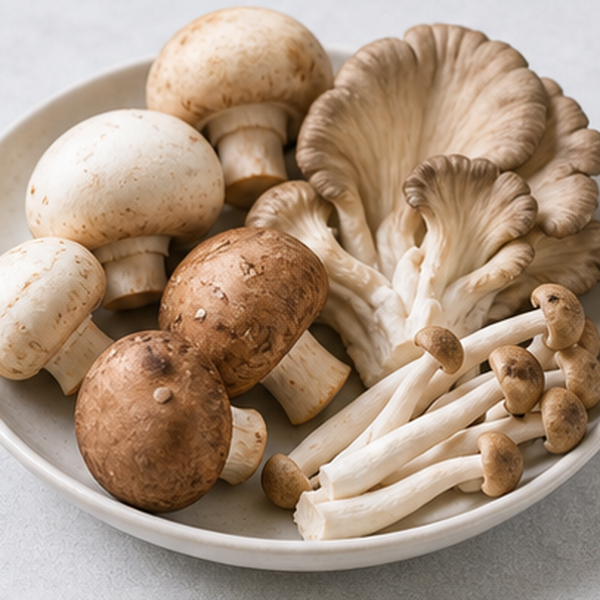
Mushrooms
Shiitake, button, and king oyster mushrooms have savory flavor and a meaty texture and can replace some eggplant in stews, roasted dishes, and stir-fries.
View details →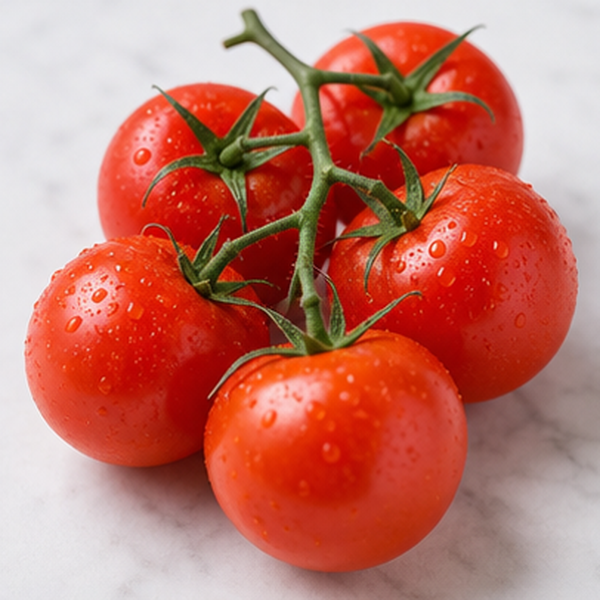
Tomato
Another fruiting nightshade vegetable that works well in stews and roasting and provides lycopene.
View details →Data Sources & Last Updated
Nutrition Data
Basic Information & Food Safety
Research & References
Martini S, Conte A, Tagliazucchi D. (2021). Domestic cooking methods affect the stability and bioaccessibility of dark purple eggplant phenolic compounds.
Food Chemistry, 341, 128298. DOI / Original
Colak N, et al. (2022). The Phenolics and Antioxidant Properties of Black and Purple versus White Eggplant Cultivars.
Research article. DOI / Original
Villanueva G, et al. (2024). Characterization of Browning, Chlorogenic Acid Content, and Antioxidant Capacity in Diverse Eggplant Germplasm.
Research article. DOI / Original
Uchida K, et al. (2017). Effects of Grilling on Total Polyphenol Content and Antioxidant Capacity of Eggplant.
Research article. DOI / Original
Braga PC, et al. (2016). Characterization and antioxidant activity of semi-purified anthocyanins from eggplant peel.
Research article. DOI / Original
Berghi ON, et al. (2021). Solanum melongena allergy: A comprehensive review.
Experimental and Therapeutic Medicine, 22, 1061. DOI / Original