Fish & Seafood
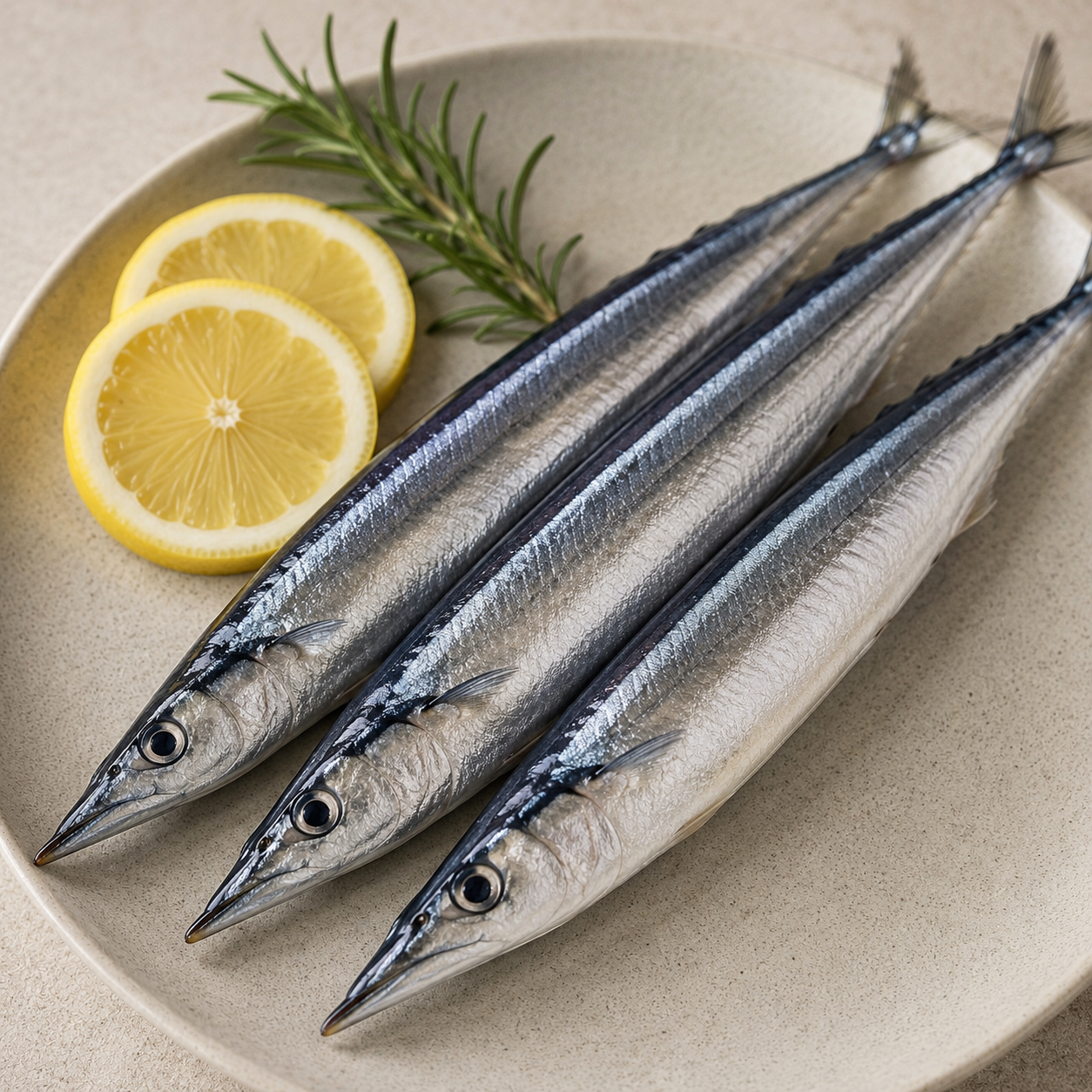
Pacific Saury
Pacific saury is a relatively fatty marine fish. Per 100 g raw edible portion, it provides about 18.1 g protein and 25.6 g fat, including about 1.5 g EPA and 2.2 g DHA, plus substantial vitamin D, vitamin B12, and selenium. Steaming, baking, or stewing are practical choices; keep the cold chain intact, avoid raw-fish risks, and do not char the fish heavily.
Food Overview
Key strengths
Per 100 g raw edible portion, Pacific saury provides about 18.1 g protein and 25.6 g fat, including about 1.5 g EPA and 2.2 g DHA, making it a marine fish rich in long-chain omega-3s.
How to eat it
Steam, salt-grill, steam-bake, or stew with tomato, onion, and mushrooms. Pairing with vegetables and whole grains makes a more balanced meal.
What stands out
Pacific saury provides not only EPA and DHA but also vitamin D, vitamin B12, and selenium. Per 100 g raw fish, it contains about 16 μg vitamin D, 16 μg vitamin B12, and 32 μg selenium.
Worth noting
Pacific saury needs continuous cold storage. A broken cold chain can lead to histamine, which normal cooking cannot remove once formed; raw or undercooked fish also carries Anisakis risk.
Basic Nutrition
Showing:100 g Raw Pacific Saury
View complete nutrition data
GI note:GI varies with cultivar, food structure, processing, and cooking. Raw grains usually do not have directly applicable human GI data.
Pacific saury contains almost no available carbohydrate, so standard GI testing is not applicable; show “—”, not 0, low GI, or an estimate. When eaten with rice or noodles, the meal response depends on all foods, portions, and cooking methods.
Data notes:This page has two nutrition states, raw Pacific saury and baked Pacific saury, both calculated per 100 g edible portion with skin.
The raw state is for nutrition reference only and is not a recommendation to eat the fish raw.
A common serving is 100 g edible portion rather than “1 fish,” because whole-fish size and edible yield vary substantially.
Basic nutrition uses Japan’s Standard Tables of Food Composition 2020, 8th revised edition, 2023 supplement: raw Pacific saury with skin (ITEM_NO 10_10173_7) and baked Pacific saury with skin (ITEM_NO 10_10174_7).
Raw and baked values should not be used to calculate nutrient-retention percentages because heating changes both water content and edible weight.
GI is shown as “—”. Pacific saury contains almost no available carbohydrate and lacks a reliable GI value for these food states; do not show 0, low GI, or an estimate.
Vitamins & Minerals
Only vitamins and minerals providing at least 5% of the Daily Value at the current serving are shown.
Percentages use China nutrition-label NRV values (GB 28050—2011). The new GB 28050—2025 takes effect on March 16, 2027, when reference values should be updated site-wide rather than only on this page. For baked saury, only vitamin B12, vitamin D, selenium, niacin, and phosphorus are available; other micronutrients are shown only in the raw state.
View all vitamins and minerals
Percentages show how much the selected serving contributes to the adult Daily Value.
Key Bioactive Compounds
EPA & DHA
Long-Chain Omega-3 Fatty AcidsEPA and DHA are the main long-chain omega-3 fatty acids in marine fish and an important part of Pacific saury fat.
Raw Pacific saury provides about 1.5 g EPA and 2.2 g DHA per 100 g, about 3.7 g combined; baked saury provides about 1.3 g EPA and 2.0 g DHA per 100 g. The database reports the whole edible portion and does not separate skin, flesh, or other tissues.
EPA and DHA contribute to cell membranes and signaling molecules involved in normal inflammatory regulation and cardiovascular function. Including fatty fish in a balanced diet increases long-chain omega-3 intake.
Use steaming, steam-baking, stewing, or moderate-temperature baking and limit prolonged high-heat frying and heavy charring. Pacific saury already contains substantial fat, so large amounts of added oil are unnecessary.
Eating Pacific saury does not treat inflammation, cardiovascular disease, or other chronic conditions, and food-source EPA and DHA are not equivalent to high-dose fish-oil supplements.
Selenium
Antioxidant-related mineralSelenium is an essential trace element and a component of several selenoproteins and antioxidant enzymes.
Raw Pacific saury provides about 32 μg selenium per 100 g; baked saury provides about 45 μg. The database does not separate selenium by tissue. The higher baked value per 100 g mainly reflects water loss and concentration, not new selenium created by heating.
Selenium is part of selenoproteins such as glutathione peroxidase and supports antioxidant defense, thyroid-hormone metabolism, and normal immune function.
A normal serving provides meaningful selenium, so there is no need to add a selenium supplement simply because you are eating fish. Pair with vegetables and whole grains for a varied diet.
Selenium is essential, but more does not mean stronger antioxidant effects. Current evidence does not show that high-dose selenium supplements reliably prevent cardiovascular disease or slow aging in selenium-sufficient healthy people.
Vitamin E
Fat-soluble antioxidant vitaminVitamin E in Pacific saury is mainly alpha-tocopherol, which helps protect lipid-rich structures from excessive oxidative damage.
Raw Pacific saury provides about 1.7 mg alpha-tocopherol per 100 g; baked saury provides about 1.0 mg. The database does not give separate vitamin E values for skin, flesh, and organs.
Vitamin E is part of the body’s fat-soluble antioxidant defenses and helps limit lipid oxidation while supporting normal cell-membrane function.
Prefer steaming, stewing, or moderate baking and avoid repeated reheating or heavy charring. Eat cooked fish promptly; extra large amounts of oil are unnecessary.
Pacific saury provides some vitamin E but is not among the richest food sources and is not equivalent to high-dose vitamin E supplements.
How Preparation Changes Pacific Saury
Raw Pacific Saury
Per 100 g, raw saury provides about 287 kcal, 18.1 g protein, 25.6 g fat, and about 3.7 g EPA+DHA. This state is for nutrition comparison only; raw or undercooked saury can carry Anisakis and other microbial risks.
Baked Pacific Saury
Per 100 g, baked saury provides about 281 kcal, 23.3 g protein, 22.8 g fat, and about 3.3 g EPA+DHA. Baking lowers water content and changes nutrient concentration; cook at moderate heat and avoid heavy blackening.
Kabayaki or Sweet-Sauce Canned Saury
Per 100 g, canned kabayaki saury provides about 9.7 g carbohydrate, 600 mg sodium, and 1.5 g salt equivalent, much higher than plain raw or baked fish. If softened bones are eaten, calcium may reach about 250 mg per 100 g, but the sauce also adds sugar and sodium.
Frozen Pacific Saury
Proper freezing extends storage, but after thawing you should still check odor, packaging, and fish condition. Thaw slowly in the refrigerator rather than leaving it at room temperature.
How to Choose & Store
How to choose
- Fresh saury: choose intact fish with glossy skin, springy flesh, and no major abdominal damage. It should smell like fresh seafood, not sour, rotten, or strongly ammonia-like.
- Frozen saury: packaging should be intact and sealed, with the fish fully frozen. Avoid torn packages, excessive frost, severe drying/discoloration, or signs of repeated thawing.
- Canned saury: check the ingredient and nutrition labels. Prefer simpler, relatively lower-sodium plain or lightly seasoned products; sweet kabayaki-style products need extra attention to added sugar and salt.
How to store
- Keep fresh or thawed saury at about 4°C or below and cook within 2 days when possible; freeze promptly if not using soon.
- Thaw in the refrigerator rather than on the kitchen counter for long periods.
- Remove the viscera promptly because poor temperature control can increase both Anisakis migration and histamine formation.
Remember four things: stable cold chain, intact fish, normal odor, and simple seasoning.
How to Use in Everyday Meals
Salt-Grilled Pacific Saury
Clean and dry the fish, use only a little salt, and grill or bake at moderate heat until cooked. Serve with grated daikon, lemon, and leafy greens; use acidity instead of heavy salty sauces and avoid large areas of blackened skin.
Steamed Pacific Saury
After removing the viscera, steam with ginger, scallion, or a little herb seasoning. Pair with broccoli, mushrooms, peppers, or tofu, then season lightly with soy sauce, vinegar, or lemon rather than adding lots of oil or salty sauce.
Tomato-Onion Stewed Pacific Saury
Cut the fish into sections and stew gently with tomato, onion, celery, and mushrooms. The broth can be eaten too. Keep salt and sugar modest and skip thick sweet sauces.
Pacific Saury with Mixed-Grain Rice
Remove larger bones from cooked saury and mix with brown rice, pearled barley, or regular rice, plus mushrooms, edamame, and carrot. Because the fish is strongly flavored, use less salty seasoning and remove bones carefully.
Pacific Saury Vegetable Bowl
Flake cooked saury and pair with lettuce, red cabbage, tomato, cucumber, beans, and whole grains. Dress with vinegar, lemon, sesame, and a little olive oil instead of large amounts of mayonnaise, cream sauce, or sweet dressing.
Quick Meal with Canned Saury
Combine canned saury with mixed grains, tofu, seaweed, and vegetables. Choose plain or lower-sodium products when possible; with sweet kabayaki cans, use less sauce and avoid adding soy sauce or salty soup bases.
Who Should Take Extra Care
People Planning to Eat It Raw
Pacific saury may carry Anisakis. Vinegar, salt, soy sauce, or wasabi do not reliably kill the parasite; thorough cooking is safest. Some official guidance recommends freezing at −20°C for at least 24 hours, but ordinary home freezers may not maintain this condition consistently.
Pregnant People, Children, Older Adults & People with Weakened Immunity
These groups should avoid raw or undercooked Pacific saury and choose thoroughly cooked products while maintaining refrigeration throughout purchase, transport, and storage.
Pacific Saury with a Broken Cold Chain
Pacific saury is one of the fish that can cause histamine poisoning. Once formed, histamine is heat-stable and is not reliably removed by cooking, frying, or canning. Discard fish with abnormal odor, unknown storage temperature, or prolonged time out of refrigeration.
People with Fish Allergy
People allergic to fish protein should avoid Pacific saury and watch for cross-contact from shared grills, pans, knives, and processed foods.
Infants, young children, and people with swallowing difficulties
Pacific saury has many bones. Remove them carefully and break the flesh into small pieces before eating; do not rely on heat alone to soften all bones.
People Who Need to Limit Sodium
Plain Pacific saury is not especially high in sodium, but kabayaki, salted, and strongly seasoned canned products can be much higher. Compare nutrition labels and use less sauce.
People Concerned About Seafood Contaminants
A study of 46 Pacific saury from waters off eastern Japan measured total mercury at about 0.017–0.082 μg/g wet weight, averaging about 0.042 μg/g. This reflects a specific year, area, and sample and cannot guarantee levels in all products. Buy from reliable sources and rotate among different fish.
Similar Food Alternatives
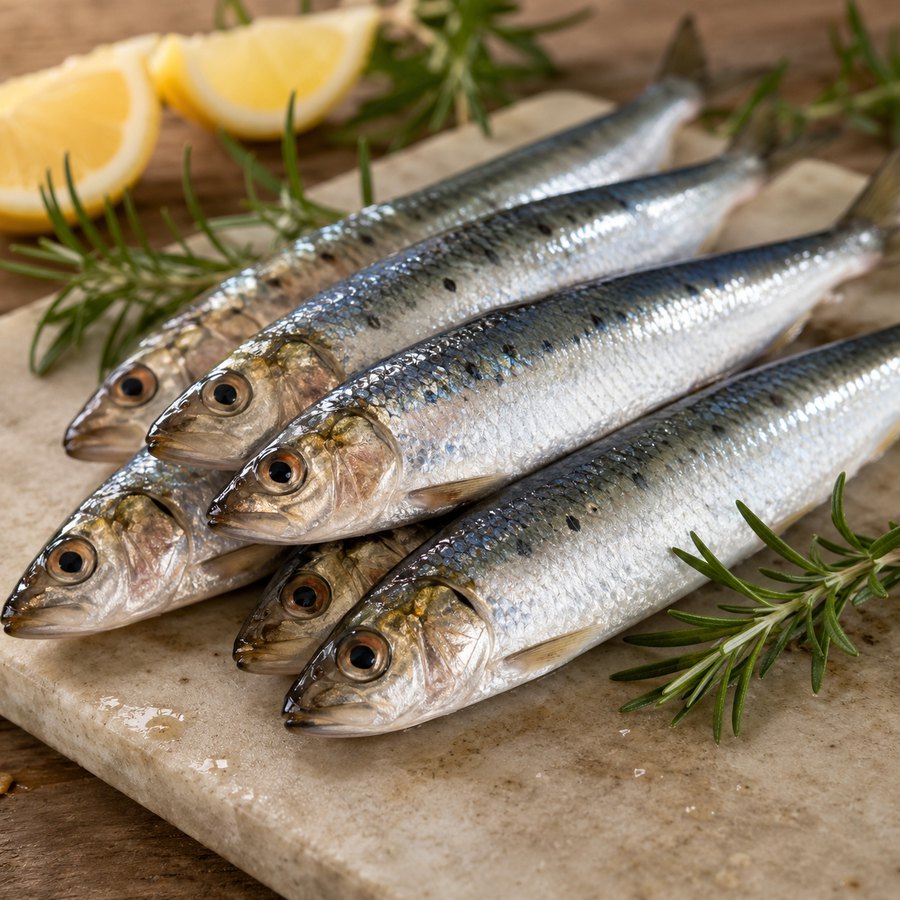
Sardines
Another small oily fish rich in EPA and DHA. Bone-in canned sardines can also provide substantial calcium and can substitute for canned or grilled saury.
View details →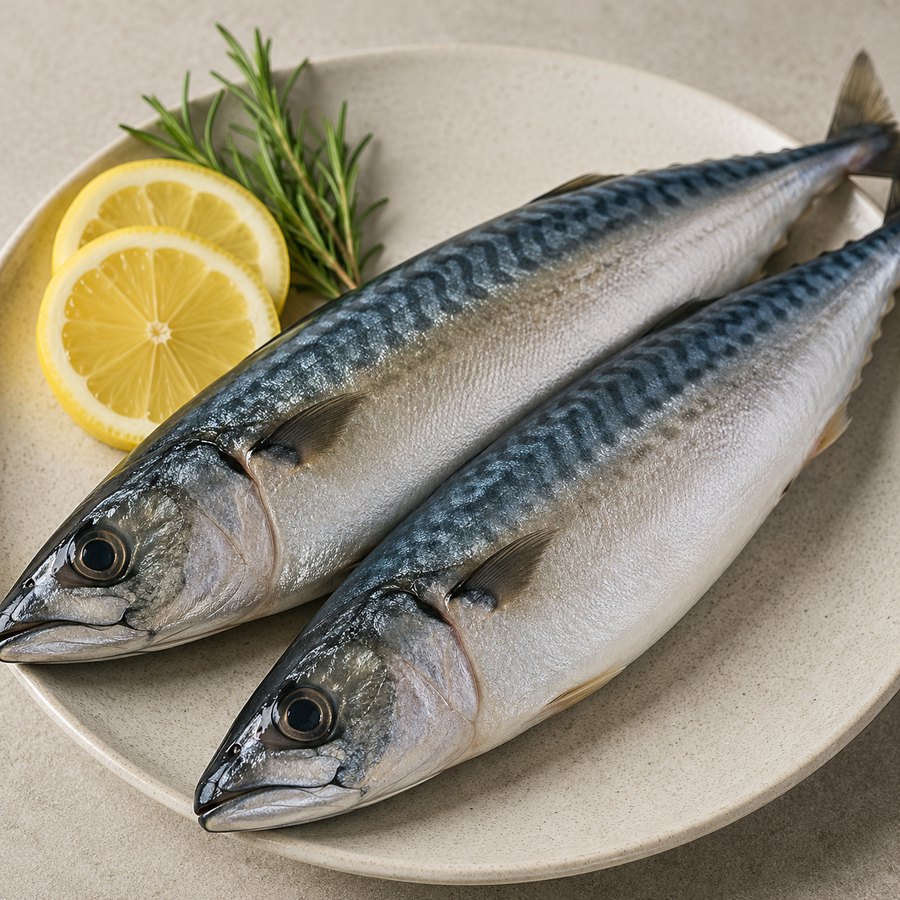
Mackerel
Rich in fat and long-chain omega-3s and suitable for salt-grilling, steaming, or tomato stews. Mackerel also requires good cold-chain control because of histamine risk; distinguish Atlantic and Pacific mackerel from higher-mercury king or Spanish mackerel.
View details →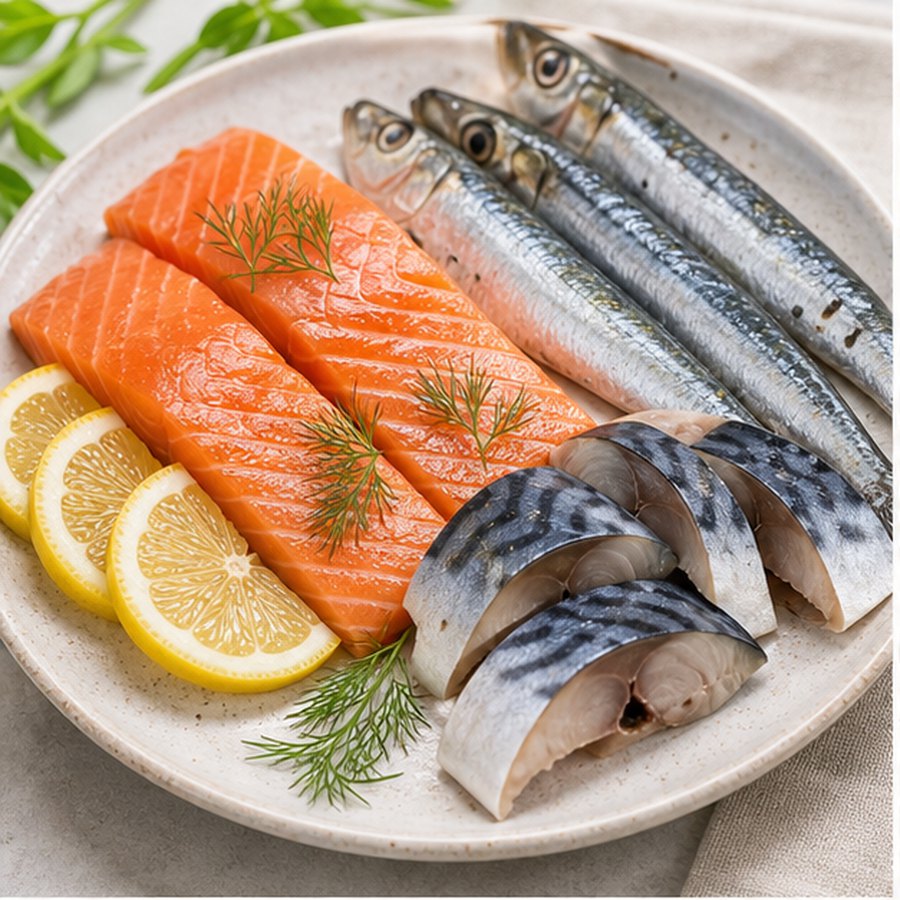
Atlantic Herring
Another fatty marine fish providing EPA, DHA, vitamin D, and vitamin B12 and suitable for rotating with Pacific saury.
View details →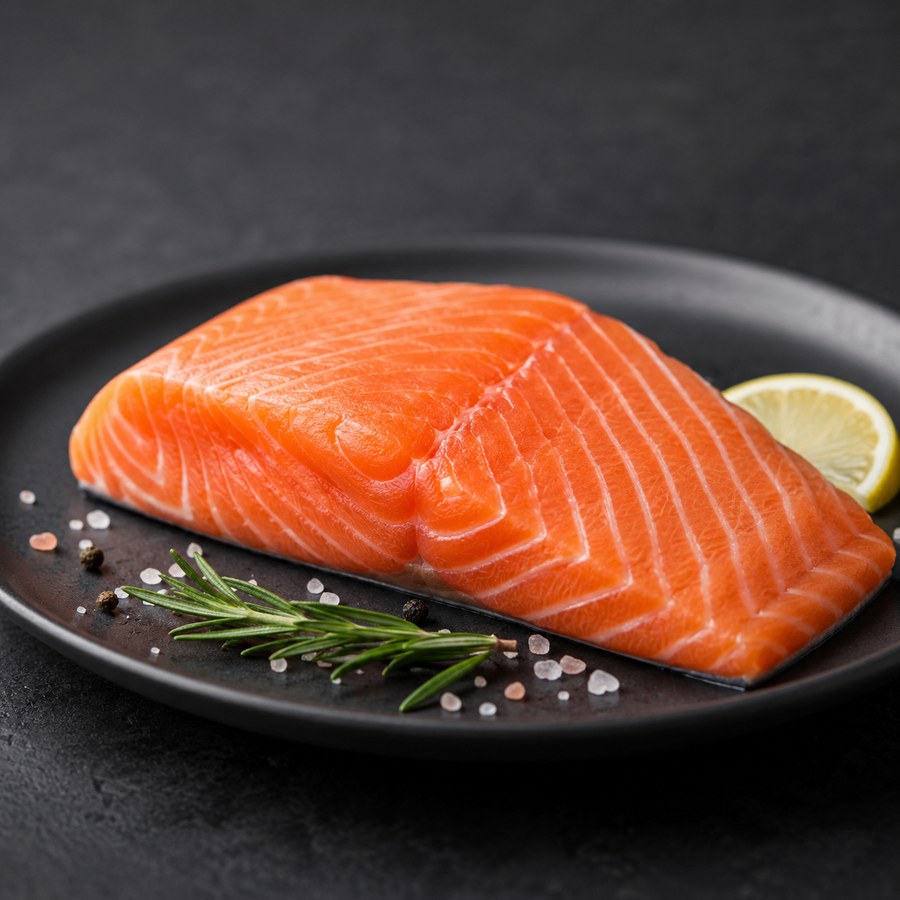
Salmon
Milder in flavor with bones that are generally easier to manage, while still providing long-chain omega-3s, vitamin D, and high-quality protein.
View details →