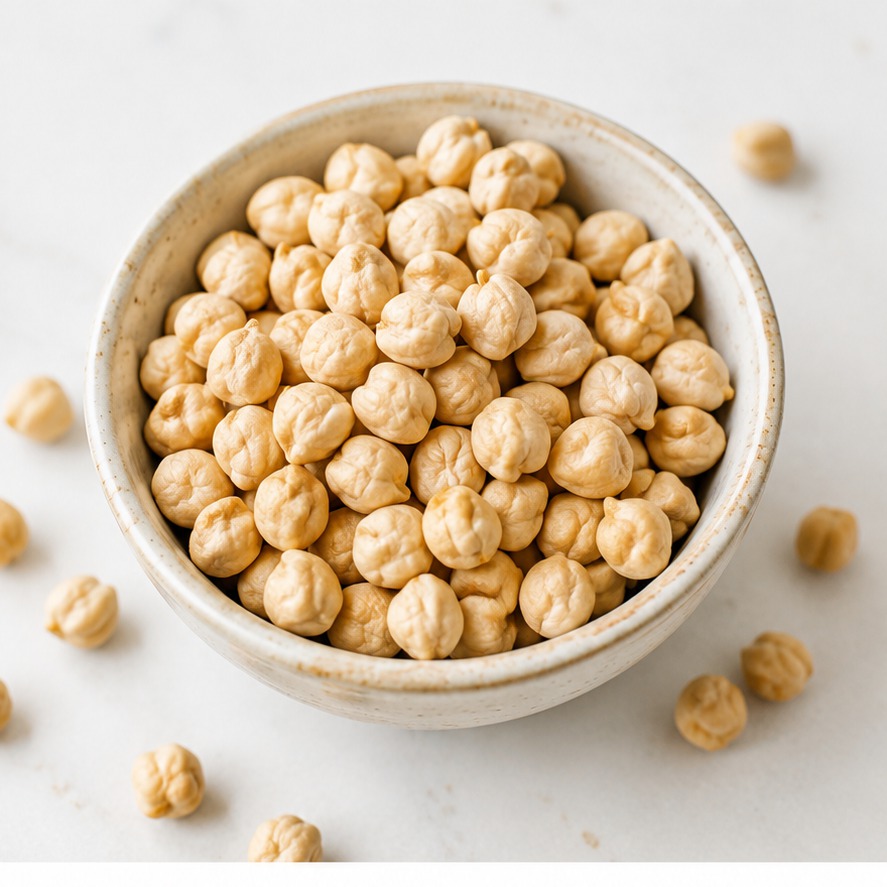
Legumes & Soy Foods · Dry Beans
Chickpeas
Cooked chickpeas provide about 164 kcal, 8.86 g protein, and 7.6 g fiber per 100 g, plus folate, manganese, copper, iron, magnesium, and phosphorus. They also contain isoflavones, phenolic acids, flavonoids, and saponins, with amounts varying by variety, seed-coat color, sprouting, and processing.
Food Overview
Key strengths
Per 100 g, cooked chickpeas provide about 8.86 g protein, 7.6 g fiber, and 27.42 g total carbohydrate, along with folate, manganese, copper, iron, zinc, phosphorus, and magnesium. They are a low-sodium, cholesterol-free plant protein source.
How to Eat It
Soak and cook chickpeas until fully soft, then add them to soups, curries, stews, grain salads, or mixed-grain bowls, or blend them into hummus. Use fresh water for cooking after soaking.
What stands out
Chickpeas contain the isoflavones biochanin A and formononetin, plus phenolic acids and flavonoids such as quercetin, kaempferol, luteolin, and catechins. Darker Desi chickpeas usually have more seed-coat polyphenols than pale Kabuli types.
Worth noting
Raw chickpeas are not ready-to-eat foods. Their high per-100 g nutrient values mainly reflect very low water content, about 7.7 g. Do not eat raw or undercooked chickpeas to obtain higher 'on-paper' nutrient values.
Basic Nutrition
Showing:100 g Cooked Chickpeas
View complete nutrition data
GI note:GI varies with cultivar, food structure, processing, and cooking. Raw grains usually do not have directly applicable human GI data.
A GI of 25 is the University of Sydney average from 5 studies of cooked chickpeas. GI does not change with serving size and does not apply to canned chickpeas, flour, hummus, or falafel.
Data notes:Cooked data refer to mature chickpeas boiled without salt.
Vitamins & Minerals
By default, values are shown per 100 g of cooked chickpeas. Only nutrients providing at least 5% of the FDA adult Daily Value at the current serving are shown, with the top 6 displayed first.
View all vitamins and minerals
Percentages show how much the selected serving contributes to the adult Daily Value.
Key Bioactive Compounds
Biochanin A & Formononetin
IsoflavonesBiochanin A and formononetin are characteristic chickpea isoflavones and differ from soy isoflavones in both profile and amount.
One raw-chickpea study reported about 180 μg/g biochanin A and 100 μg/g formononetin; sprouting can raise isoflavones substantially, so values are not universal.
They contribute to dietary polyphenol intake, but effects from ordinary cooked chickpeas in people are still uncertain.
Soak and cook chickpeas thoroughly and eat them normally; there is no need to use undercooked or raw-sprouted beans for isoflavones.
Chickpea isoflavones are not equivalent to high-dose supplements and have not been shown to treat menopausal symptoms, cancer, or metabolic disease.
Phenolic Acids & Other Flavonoids
PolyphenolsChickpea seed coats contain phenolic acids and flavonoids such as quercetin, kaempferol, luteolin, naringenin, and catechins.
Specific amount: —. Levels vary widely by variety; darker, thicker-coated Desi types generally contain more than pale Kabuli chickpeas.
These polyphenols add phytochemical variety and contribute to antioxidant defenses.
Keep the edible seed coat when tolerated; proper soaking and cooking are more important than trying to maximize polyphenol retention.
In-vitro antioxidant results do not prove anti-inflammatory or disease-prevention effects in people.
Saponins
Triterpenoid saponinsChickpeas contain soyasaponin-type compounds that can contribute to foaming during cooking.
Specific amount: —. Levels vary with variety, sprouting, soaking, and cooking, so one value does not fit all chickpeas.
Saponins show biological activity in laboratory studies, but their independent effects at normal food intakes remain unclear.
Soak and cook chickpeas normally. Foam can be skimmed; there is no need to save soaking water or concentrated foam.
Saponins are not medicines, and chickpea water or extracts should not be treated as cholesterol-lowering, anticancer, or anti-inflammatory products.
How Preparation Changes Chickpeas
Raw Chickpeas
Raw chickpeas contain little water, so nutrients look more concentrated per 100 g. They are hard, less digestible, and should not be eaten directly.
Soaking
Soak chickpeas in plenty of water for about 8–12 hours; refrigerate if the room is warm or soaking is prolonged. Drain, rinse, and cook in fresh water. Soaking shortens cooking and removes some gas-forming oligosaccharides.
Cook Thoroughly
Cook soaked chickpeas in fresh water until completely soft and easy to crush. Stovetop cooking may take about 35–90 minutes depending on variety, age, soaking, and desired texture.
Pressure Cooker
A pressure cooker can shorten cooking time. Follow the appliance instructions for bean and water amounts, avoid overfilling because beans may foam, and cook until fully soft.
Add Acidic Ingredients Later
Acidic ingredients such as tomatoes, vinegar, and lemon juice can slow softening. Cook the chickpeas until tender before adding acidic ingredients.
Hummus
Blend cooked chickpeas with tahini, lemon juice, and a little olive oil to make hummus. Fiber is retained if the mixture is not strained, but tahini and oil raise energy density, so boiled-chickpea nutrition data do not apply directly.
Roasted Chickpeas
Drain cooked chickpeas and roast with a little oil and spices until dry and crisp. Avoid heavy charring and keep salt and oil moderate.
Chickpea Flour
Chickpea flour is made from raw or heat-treated chickpeas and has more concentrated nutrients per unit weight and a different food structure. Flour, chickpea pasta, and baked products need separate data.
Sprouted Chickpeas
Sprouting changes isoflavones, phenolics, saponins, and vitamins. Raw sprouts also carry microbial risks, so sprouted chickpeas need separate data and food-safety guidance.
How to Choose & Store
How to choose
- Choose plump seeds of relatively even size.
- Natural beige, yellow, or the expected color for the variety is normal.
- Seeds should be dry, without moisture clumping.
- Prefer products with few broken seeds, insect holes, or impurities.
- Avoid mold spots, fuzzy growth, or unusual powder.
- Avoid musty, sour, or rancid odors.
- Seed size varies by variety; larger seeds are not automatically higher in protein or polyphenols.
How to store
- Store dry chickpeas sealed in a cool, dry, dark place.
- Older chickpeas can harden and may take longer to soften even after soaking.
- Discard chickpeas that are damp, insect-damaged, or musty.
- Cool cooked chickpeas promptly, refrigerate in a clean sealed container, and generally use within 3–4 days.
- Freeze in portions if they will not be eaten soon, avoiding repeated thawing and reheating.
- Discard beans with sour or rotten odors, unusual fermentation smells, sliminess, mold spots, abnormal foaming, or container swelling.
When buying chickpeas, look for intact, dry seeds without insect damage or musty odors.
Easy Ways to Eat Chickpeas
Chickpea Mixed-Grain Rice
Soak and precook chickpeas until nearly soft, then cook with brown rice, white rice, quinoa, or oat groats. Do not rely on a short rice-cooker cycle to soften hard raw chickpeas.
Chickpea Vegetable Soup
Add cooked chickpeas to soups with tomatoes, carrots, celery, onions, mushrooms, and leafy greens. They already contribute carbohydrate and protein, so large amounts of noodles, cream, sausage, or salty stock are unnecessary.
Chickpea Curry or Stew
Cook chickpeas until soft, then add tomatoes, onions, spinach, pumpkin, cauliflower, and curry spices. Use a little plant oil or coconut milk rather than large amounts of cream, ghee, or processed meat.
Chickpea Grain Salad
Cool cooked chickpeas and combine with quinoa, buckwheat, corn, tomatoes, cucumber, peppers, and leafy greens. Dress lightly with olive oil, vinegar, lemon, and herbs.
Hummus
Blend cooked chickpeas with tahini, lemon, garlic, and a little olive oil. Serve with whole-grain bread and vegetables, keeping tahini and oil moderate.
Roasted Chickpeas
Roast cooked, drained chickpeas with a little plant oil and spices such as cumin, paprika, or black pepper. Use as a salad topping or small snack and avoid heavy charring, sugar, or excess salt.
Who Should Take Extra Care
People with Gastrointestinal Sensitivity
Chickpeas contain fiber and fermentable oligosaccharides such as raffinose and stachyose. If you are not used to legumes, start with about 2–4 tablespoons cooked and increase gradually. Soaking, draining, and thorough cooking can improve tolerance.
People managing blood sugar
Cooked chickpeas have a GI of about 25, but still provide 27.42 g carbohydrate per 100 g; a 150 g serving provides about 41.13 g. Consider the chickpea portion and other starches in the meal.
People with impaired kidney function
Per 100 g, cooked chickpeas provide about 291 mg potassium and 168 mg phosphorus. People with chronic kidney disease, high blood potassium, or phosphorus restrictions should follow individualized guidance.
People with Iron Deficiency
Per 100 g, cooked chickpeas provide about 2.89 mg non-heme iron. Pairing with vitamin-C-rich foods can support absorption, but chickpeas do not treat iron deficiency or replace prescribed iron.
People with Chickpea Allergy
Chickpea allergy is uncommon overall but is reported more often in regions where chickpeas are widely eaten. Cross-reactions with peas, lentils, peanuts, and other legumes can occur. Seek prompt care for widespread hives, throat swelling, wheezing, breathing difficulty, or marked dizziness.
Infants, young children, and people with swallowing difficulties
Whole round chickpeas can be a choking hazard. Cook until very soft and mash, crush, or purée to a texture appropriate for swallowing ability.
People with Sesame Allergy
Traditional hummus usually contains tahini. Being able to eat chickpeas does not make hummus automatically safe; check for sesame, peanuts, nuts, and dairy ingredients.
Similar Food Alternatives
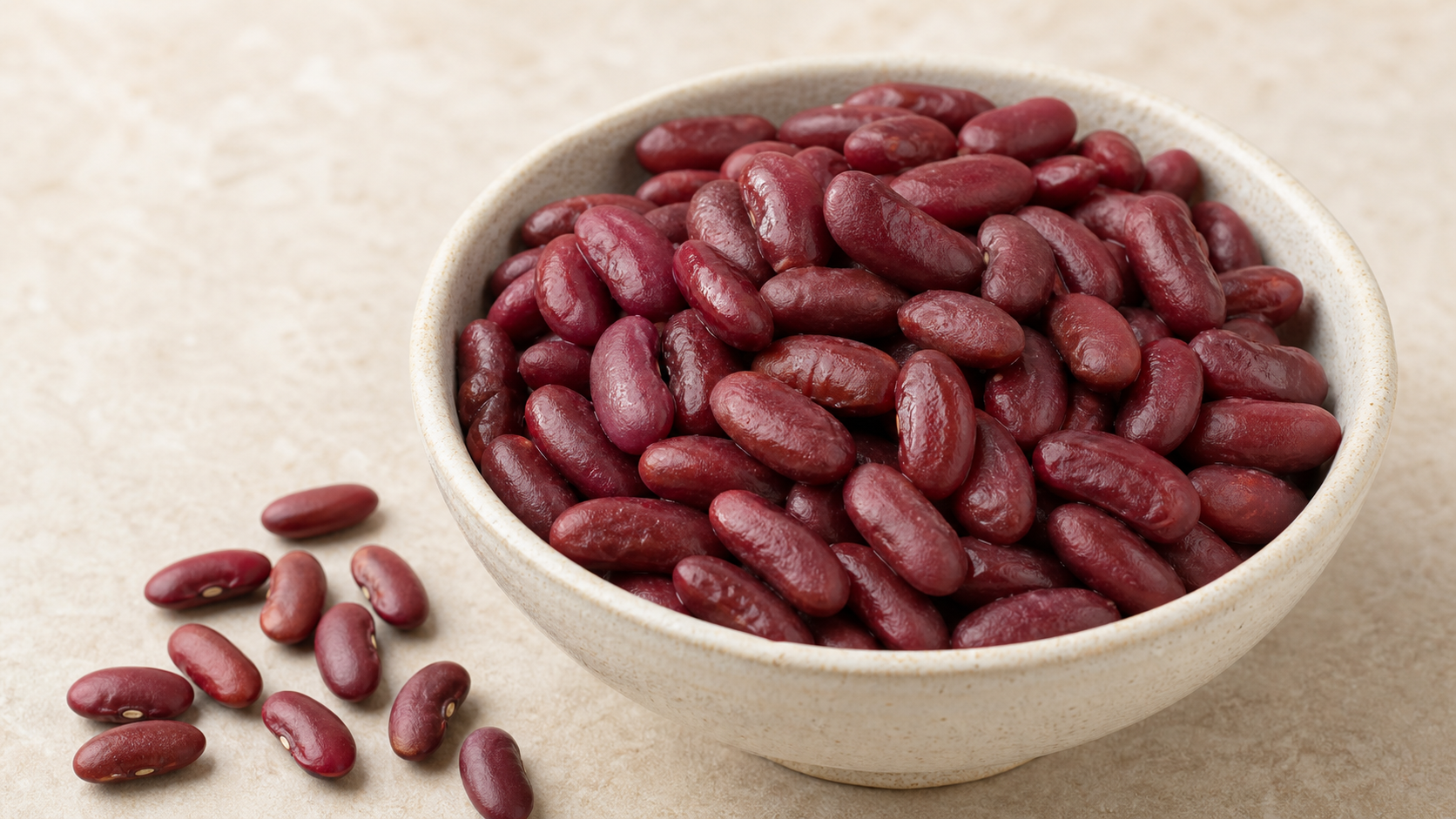
Red Kidney Beans
Also provides plant protein, fiber, folate, and iron and works well in soups, stews, and grain salads. Red kidney beans require especially careful boiling because of phytohaemagglutinin.
View details →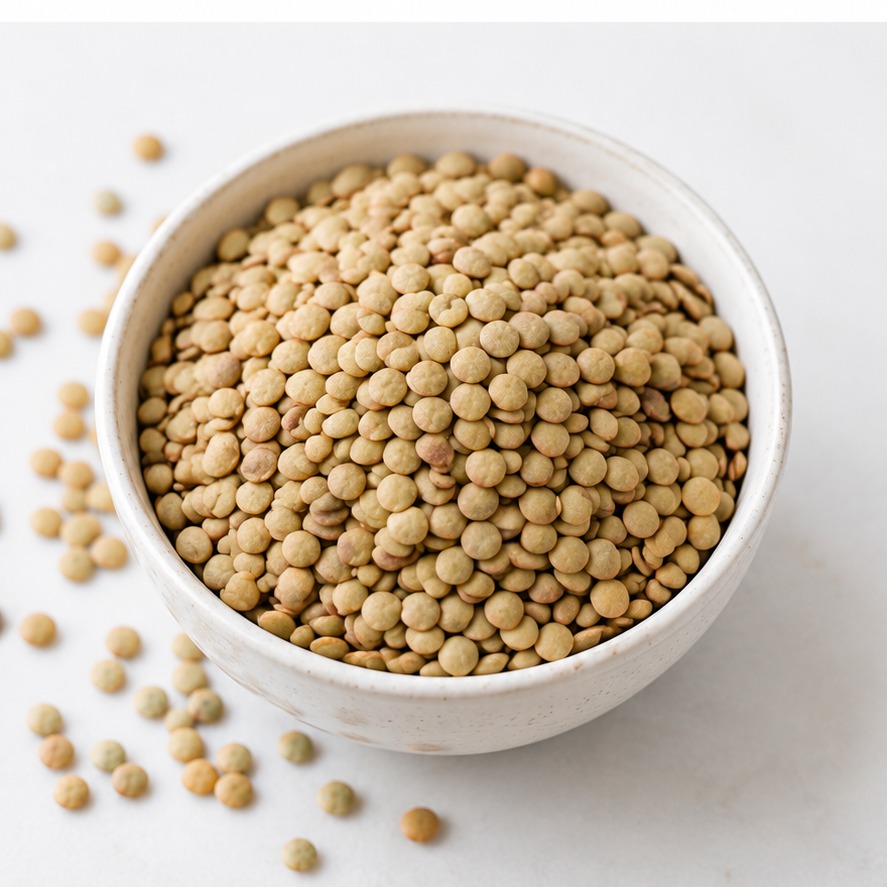
Green Lentils
Usually cooks faster and may not need long soaking. Cooked green lentil GI and nutrition data should not be applied to chickpeas.
View details →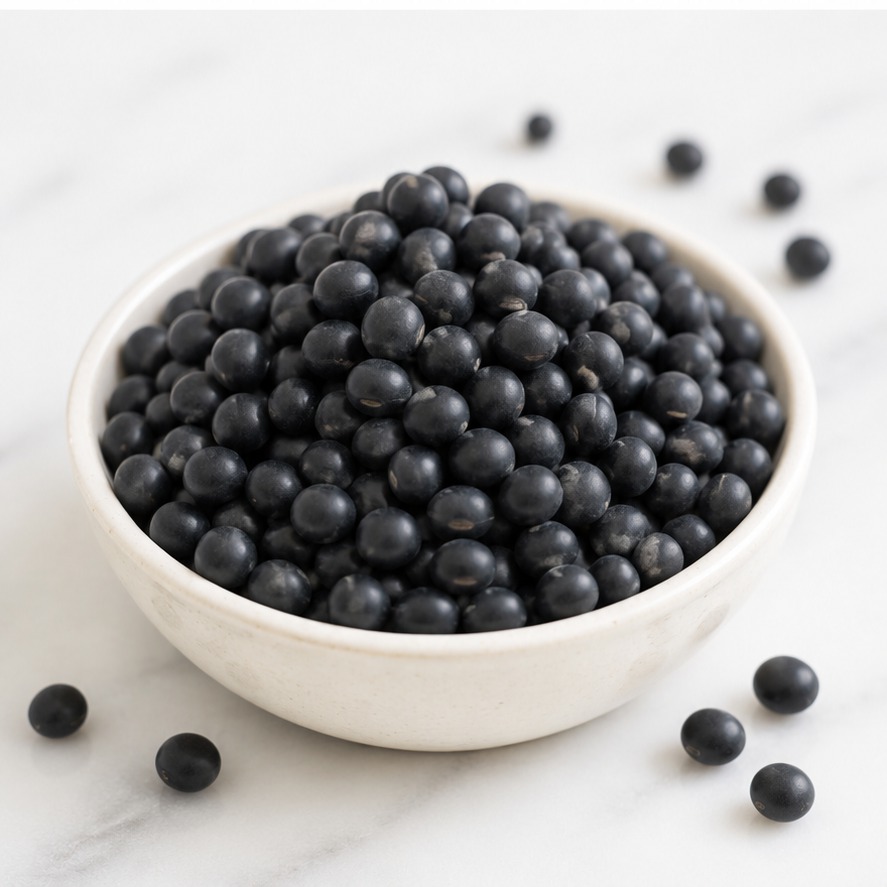
Black Soybeans
Provides substantial protein and fiber, and black seed coats contain anthocyanins. It works in soups, mixed-grain dishes, and bean salads, but its polyphenol profile differs from chickpeas.
View details →
White Kidney Beans
Soft and suitable for purées, soups, and stews. Its phytohaemagglutinin risk and cooking requirements differ, so separate nutrition and safety data are needed.
View details →Data Sources & Last Updated
Nutrition Data
Basic Information & Food Safety
Research & References
Jukanti AK, Gaur PM, Gowda CLL, Chibbar RN. (2012). Nutritional quality and health benefits of chickpea (Cicer arietinum L.): a review.
British Journal of Nutrition, 108(S1), S11–S26. DOI / Original
Magalhães SCQ, et al. (2019). Is Chickpea a Potential Substitute for Soybean? Phenolic Bioactives and Potential Health Benefits.
International Journal of Molecular Sciences, 20(11), 2644. DOI / Original
Sedláková V, et al. (2023). Phenylpropanoid Content of Chickpea Seed Coats in Relation to Seed Dormancy.
Plants, 12(14), 2687. DOI / Original
Pérez-Ramírez IF, et al. (2023). Phytochemical Profile and Composition of Chickpea (Cicer arietinum L.): Varietal Differences and Effect of Germination under Elicited Conditions.
Plants, 12(17), 3093. DOI / Original
Ruiz RG, et al. (1996). Effect of Soaking and Cooking on the Saponin Content and Composition of Chickpeas and Lentils.
Journal of Agricultural and Food Chemistry. DOI / Original
Wangorsch A, et al. (2020). Identification and Characterization of IgE-Reactive Proteins and a New Allergen in Chickpea.
Journal of Proteome Research. DOI / Original