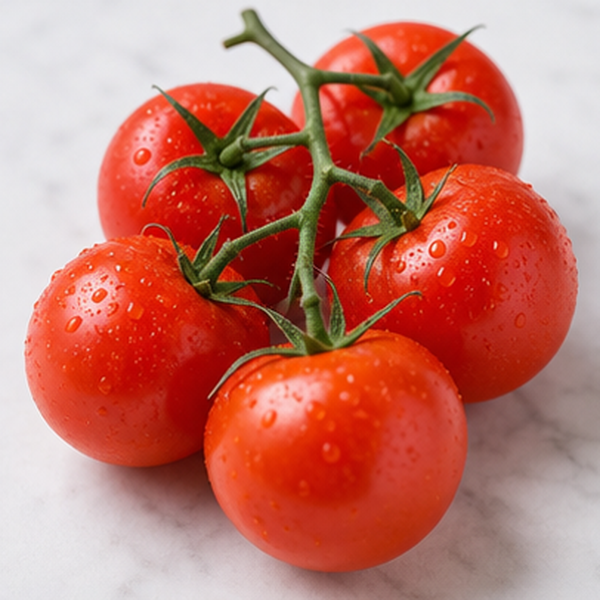
Vegetables · Nightshade fruit vegetables
Tomato
Tomatoes are high in water and relatively low in energy and carbohydrate. Red varieties are especially known for lycopene. Raw tomatoes provide vitamin C, while cooking and canning can make lycopene easier to release from the food matrix. Tomatoes can be part of a healthy diet, but they are not treatments for cancer, inflammation, or cardiovascular disease.
Food Overview
Key strengths
Ripe raw tomatoes are about 95% water. Per 100 g, they provide about 18 kcal, 3.9 g of carbohydrate, and 1.2 g of dietary fiber, along with vitamin C, vitamin K, copper, potassium, and several carotenoids.
How to eat them
Tomatoes can be eaten raw or used in soups, quick stir-fries, stews, roasting, or low-sodium tomato sauces. Raw and cooked tomatoes each have advantages: raw tomatoes reduce heat-related vitamin C loss, while moderate heating, chopping, and a little fat can improve lycopene release and absorption.
What stands out
Lycopene is the main compound in red tomatoes. In older USDA generic data, raw tomatoes contain about 2.6 mg of lycopene per 100 g, while cooked and no-salt-added canned tomatoes contain about 2.7–3.0 mg.
Worth noting
Tomatoes contain too little available carbohydrate for standard GI testing to be especially practical. Tomato juice and some tomato soup products have measured GI values around 38, but those values should not be applied to whole raw tomatoes, cooked tomatoes, or no-salt-added canned tomatoes.
Basic Nutrition
Showing:100 g Cooked tomato
View complete nutrition data
GI note:GI varies with cultivar, food structure, processing, and cooking. Raw grains usually do not have directly applicable human GI data.
Generic cooked tomatoes do not have a reliable standardized human GI value suitable for this page.
Data notes:Basic nutrition data correspond to ripe red raw tomatoes, generic cooked tomatoes, and canned tomatoes packed in tomato juice without added salt.
The raw tomato entry explicitly reports starch as 0. Reliable starch data are not available for the cooked or no-salt-added canned entries, so starch is shown as “—” rather than estimated.
Regular commercially canned tomatoes may contain added salt, and their sodium content can be much higher than the no-salt-added entry shown here.
Vitamins & Minerals
Uses FDA Daily Values for adults and children age 4 and older and shows only nutrients that provide at least 5% of the Daily Value in the selected state and serving.
The cooked tomato entry lists more vitamin C than the raw entry. This does not mean cooking necessarily increases vitamin C; the two datasets come from different samples.
View all vitamins and minerals
Key Bioactive Compounds
Lycopene
CarotenoidLycopene is a red carotenoid and an important contributor to the bright red color of ripe red tomatoes.
Raw red tomatoes contain about 2,570 μg of lycopene per 100 g, mainly in the red flesh and skin of ripe fruit.
Lycopene participates in antioxidant defense in the body.
Chopping and moderate heating can help release lycopene from plant tissues, and eating tomatoes with a little plant oil can improve absorption.
Lycopene does not prevent or treat prostate cancer, cardiovascular disease, or other conditions.
Beta-carotene
CarotenoidBeta-carotene is an orange-yellow carotenoid found in tomatoes and can be converted to vitamin A in the body as needed.
Raw red tomatoes contain about 449 μg of beta-carotene per 100 g, distributed in the pigmented tissues of the skin and flesh. Tomatoes of different colors and cultivars can have different carotenoid profiles.
Beta-carotene can be converted to vitamin A and helps support normal vision, skin, mucous membranes, and immune function while also contributing to antioxidant defense.
Both fresh tomatoes and briefly cooked chopped tomatoes work well.
Tomatoes contain less beta-carotene than deep-orange vegetables such as carrots and should not be relied on alone to treat vitamin A deficiency or eye disease.
Phenolic acids & flavonoids
PolyphenolsTomatoes contain chlorogenic acid, quercetin glycosides, and naringenin-related compounds, some of which are associated with the skin and the plant’s defense system.
Chlorogenic acid, quercetin glycosides, and naringenin-related compounds are often more concentrated in the skin and tissues close to the skin, but results vary widely by cultivar and analytical method.
These polyphenols contribute to the antioxidant compounds in a plant-rich diet. Diets rich in varied vegetables and fruits are associated with cardiovascular and metabolic health.
Wash tomatoes well and eat the skin rather than peeling excessively.
Antioxidant activity measured in vitro is not the same as an anti-inflammatory effect in humans, and results from tomato-skin extracts should not be applied directly to ordinary tomato intake.
How Preparation Changes Tomato
Raw tomatoes
Raw tomatoes retain their crisp, fresh structure and more unheated vitamin C, making them suitable for salads, cold dishes, and sandwiches.
Raw tomatoes are not necessarily “more nutritious” than cooked tomatoes.
Cooked tomatoes
Heating softens tomato tissues, releases lycopene from cell structures, and may convert some all-trans lycopene into cis isomers that are more readily absorbed.
Water-soluble, heat-sensitive nutrients such as vitamin C may decline with prolonged heating, so shorter cooking, stewing, or eating the cooking liquid is preferable.
Canned tomatoes
Canned tomatoes are heat processed and sealed, making them convenient, and lycopene is generally quite bioavailable.
Products may contain salt, calcium chloride, citric acid, sugar, or tomato juice.
Cherry tomatoes vs. larger tomatoes
Cherry tomatoes are smaller and have a higher skin-to-flesh ratio, and some cultivars have higher soluble solids and sweetness. Both are tomatoes, and size alone does not determine which is more nutritious.
Red vs. yellow and orange tomatoes
Red tomatoes are usually dominated by lycopene, while yellow and orange varieties can contain different carotenoid profiles. Color does not mean one type is always nutritionally superior.
Tomato sauce & tomato paste
Tomato sauce, tomato puree, concentrated tomato paste, and seasoned ketchup are not the same product. Ketchup commonly contains added sugar, salt, and seasonings, so compare tomato content, added sugar, and sodium.
Tomato juice
Tomato juice retains some tomato compounds but loses the intact structure of whole tomatoes. Commercial products may contain substantial sodium, and a reported GI around 38 applies only to the tested juice, not whole tomatoes.
Sun-dried tomatoes
Sun-drying or low-temperature dehydration removes much of the water, greatly concentrating energy, sugars, sodium, and plant compounds per 100 g. Oil-packed sun-dried tomatoes also absorb added oil and are best used as a smaller-quantity ingredient.
Peeling, seeding & blending
Peeling or removing seeds reduces some fiber and plant compounds but does not remove all nutrition. Blending keeps more of the original food than straining, especially when the pulp is retained.
How to Choose & Store Tomatoes
How to choose
- Choose by use: standard round tomatoes work well in cold dishes, scrambled eggs, and soups; Roma tomatoes have firmer flesh and suit sauces; cherry tomatoes suit salads and roasting; beefsteak tomatoes work well sliced.
- Ripe tomatoes should have the color expected for the cultivar and feel slightly yielding when gently pressed, but they should not be excessively soft or smell sour, alcoholic, or rotten.
- Prefer tomatoes with relatively intact skin and no mold, leaking juice, large cracks, or deep bruising.
- For packaged cherry tomatoes, remove any cracked, leaking, or moldy fruit promptly.
- For canned products, favor whole or diced tomatoes with no added salt or lower sodium, no added sugar, and a relatively simple ingredient list.
How to store
- Keep underripe tomatoes at room temperature in a ventilated area away from direct sunlight, then eat or refrigerate them once ripe.
- Use ripe tomatoes promptly. If they cannot be eaten soon, refrigeration can slow spoilage; allowing them to warm toward room temperature before serving can improve flavor.
- Cut, peeled, or pre-cut tomatoes should be refrigerated in a sealed container and kept at room temperature for no more than 2 hours, or no more than 1 hour when the environment is above 32°C.
- Cooked tomato dishes should be refrigerated within 2 hours after cooking and generally eaten within 3–4 days.
- After opening canned tomatoes, transfer leftovers to a clean, nonmetal sealed container, refrigerate, and use promptly.
Remember three things when buying tomatoes: choose the type for the intended use, look for intact fruit that is ripe but not overly soft, and check sodium, sugar, and tomato content in processed products.
How to Use Tomatoes in Everyday Meals
Tomato salad
Cut ripe tomatoes into pieces and combine with cucumber, bell pepper, red onion, lettuce, avocado, beans, or cheese. Season with a little olive oil, vinegar, lemon juice, and herbs.
Tomato & egg stir-fry
Cook the eggs with a little plant oil until just set, remove them, briefly cook the tomatoes, then return the eggs to the pan.
Tomato vegetable soup
Cook tomatoes with onion, carrots, celery, mushrooms, beans, tofu, fish, or chicken. Tomatoes provide acidity and savory flavor, so limit high-sodium bouillon cubes, processed luncheon meat, and large amounts of cream.
Tomatoes stewed with beans
Stew fresh tomatoes or no-salt-added canned tomatoes with chickpeas, white beans, lentils, or black beans, plus onion, garlic, and herbs. Beans provide protein and dietary fiber, while tomatoes add acidity and lycopene.
Roasted tomatoes
Halve tomatoes or cut them into large pieces, toss with a little plant oil, black pepper, and herbs, and roast until softened with lightly browned edges.
Homemade tomato sauce
Simmer chopped tomatoes with onion, garlic, and herbs to make a sauce for whole-wheat pasta, grains, fish, chicken, tofu, or vegetables. Keep the sauce low in added sugar and salt and limit processed meats.
Who Should Take Extra Care
People with gastroesophageal reflux
Tomatoes and tomato sauces are acidic foods, and some people with gastroesophageal reflux may experience heartburn, acid regurgitation, or chest discomfort after eating them. Not everyone needs to avoid tomatoes completely; observe how different forms and portions affect your own symptoms.
People with interstitial cystitis or bladder pain syndrome
Some people report that tomatoes and other acidic foods trigger bladder symptoms, but individual triggers vary substantially. A food-and-symptom record can help identify personal patterns.
People managing blood sugar
Whole tomatoes contain little carbohydrate and usually are not a major source of a meal’s glycemic load. Sweetened ketchup, tomato juice, sweetened canned tomatoes, and tomato soups containing flour, cream, or sugar are different.
People with impaired kidney function
Raw tomatoes contain about 237 mg of potassium per 100 g, and one medium tomato contains about 292 mg. People who need strict potassium restriction should count tomatoes, tomato juice, concentrated tomato paste, and other high-potassium foods within total daily intake.
Infants, young children, and people with swallowing difficulties
Cherry and small tomatoes are round and can pose a choking risk if swallowed whole. For infants and young children, cut them lengthwise and then into quarters, and supervise eating.
People with tomato allergy
Tomato allergy is uncommon but can cause oral itching, hives, facial swelling, wheezing, or gastrointestinal symptoms. Seek immediate medical attention for breathing difficulty, throat tightness, or a generalized reaction.
People concerned that nightshades “cause inflammation”
Current evidence does not support routinely eliminating tomatoes, eggplant, peppers, and potatoes for everyone in the name of “anti-inflammatory” eating.
Similar Food Alternatives
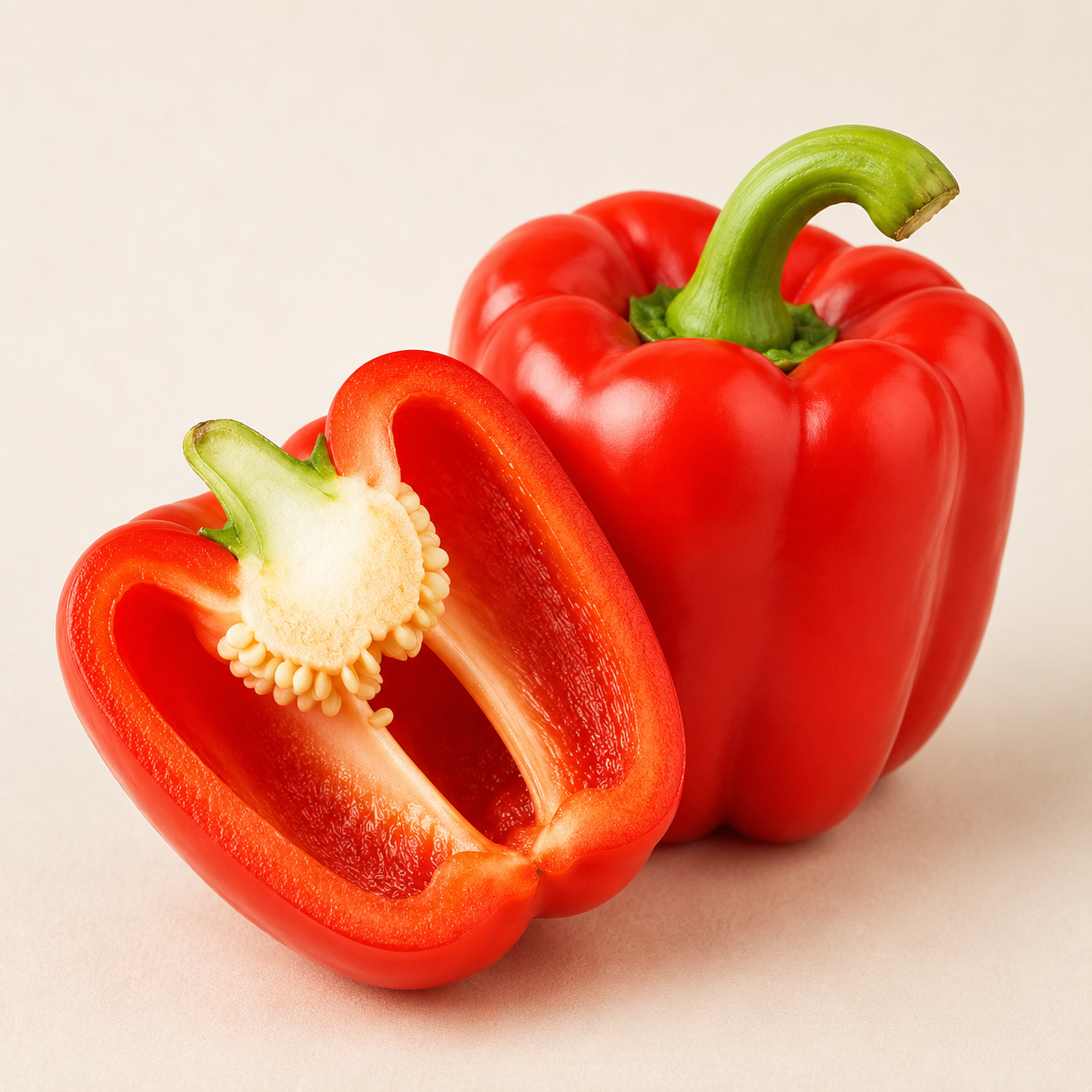
Red bell pepper
Also suitable raw, briefly stir-fried, or roasted. It is notable for vitamin C and contains a different mix of carotenoids.
View details →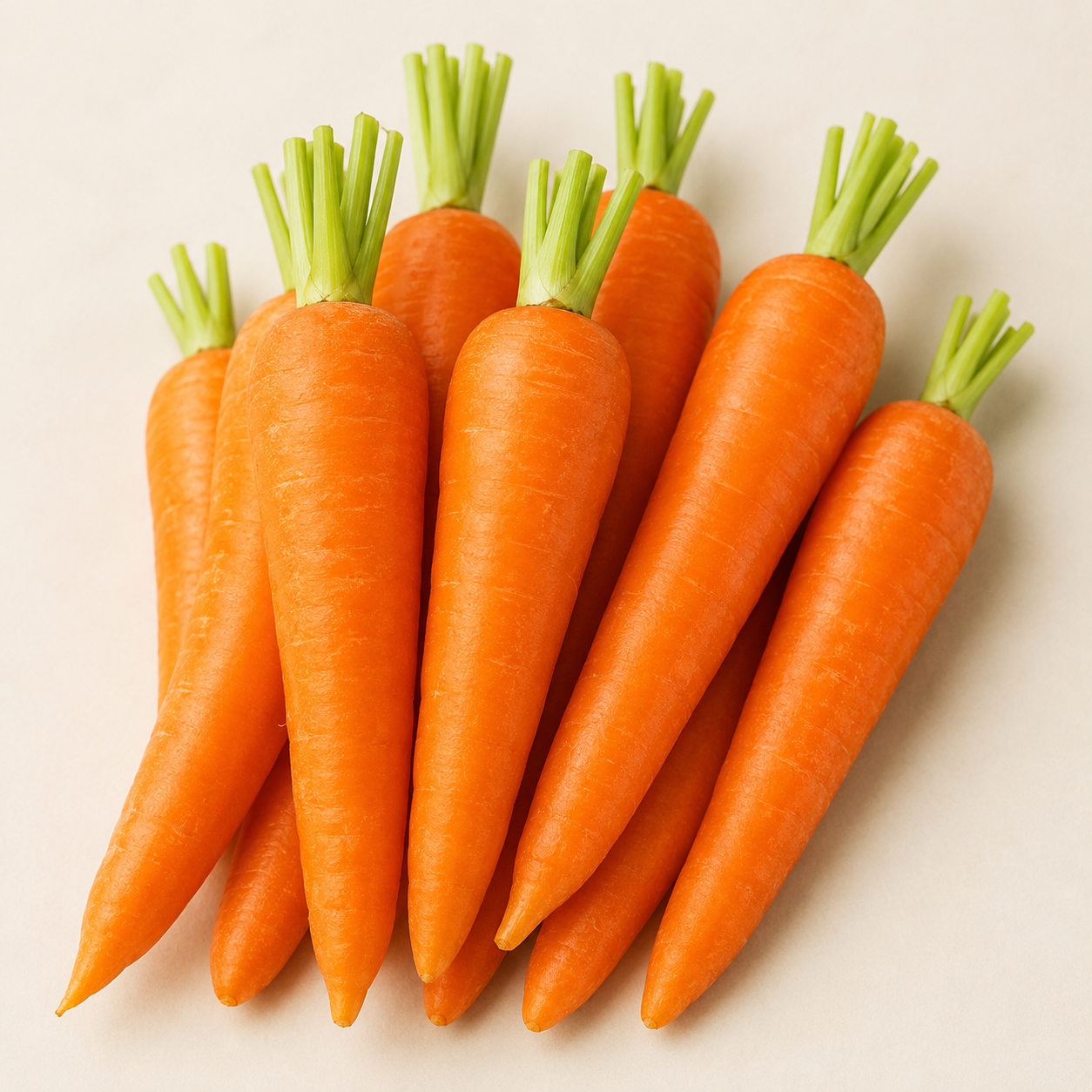
Carrot
Known mainly for beta-carotene and suitable raw, steamed, simmered, or roasted. Carrots taste sweeter, but their plant-pigment profile differs from tomatoes.
View details →Watermelon
Also a food source of lycopene, but it is eaten mainly as fruit and differs from tomatoes in sugars, water content, and typical serving size.
View details →Eggplant
Another nightshade vegetable that works well steamed, stir-fried, stewed, or roasted. Purple-skinned eggplant is more notable for anthocyanin pigments and is not characterized by lycopene.
View details →Data Sources & Last Updated
Nutrition Data
Basic Information & Food Safety
Research & References
Fielding JM, Rowley KG, Cooper P, O’Dea K (2005). Increases in plasma lycopene concentration after consumption of tomatoes cooked with olive oil.
Asia Pacific Journal of Clinical Nutrition, 14(2), 131–136. DOI / Original
Wu X, et al. (2022). Are Processed Tomato Products as Nutritious as Fresh Tomatoes? Scoping Review on the Effects of Industrial Processing on Nutrients and Bioactive Compounds.
Review. DOI / Original
Collins EJ, et al. (2022). Tomatoes: An Extensive Review of the Associated Health Impacts of Tomatoes and Factors That Can Affect Their Cultivation.
Biology, 11(2), 239. DOI / Original
Rigano MM, et al. (2016). Metabolic and Molecular Changes of the Phenylpropanoid Pathway in Tomato.
Research article. DOI / Original
Izzo L, et al. (2022). Bioaccessibility and Antioxidant Capacity of Bioactive Compounds from Tomato and Tomato-Based Products.
Research article. DOI / Original
Vitucci D, et al. (2021). Nutritional Controlled Preparation and Administration of Different Tomato Sauces.
Nutrients, 13(4), 1336. DOI / Original