Fish & Seafood
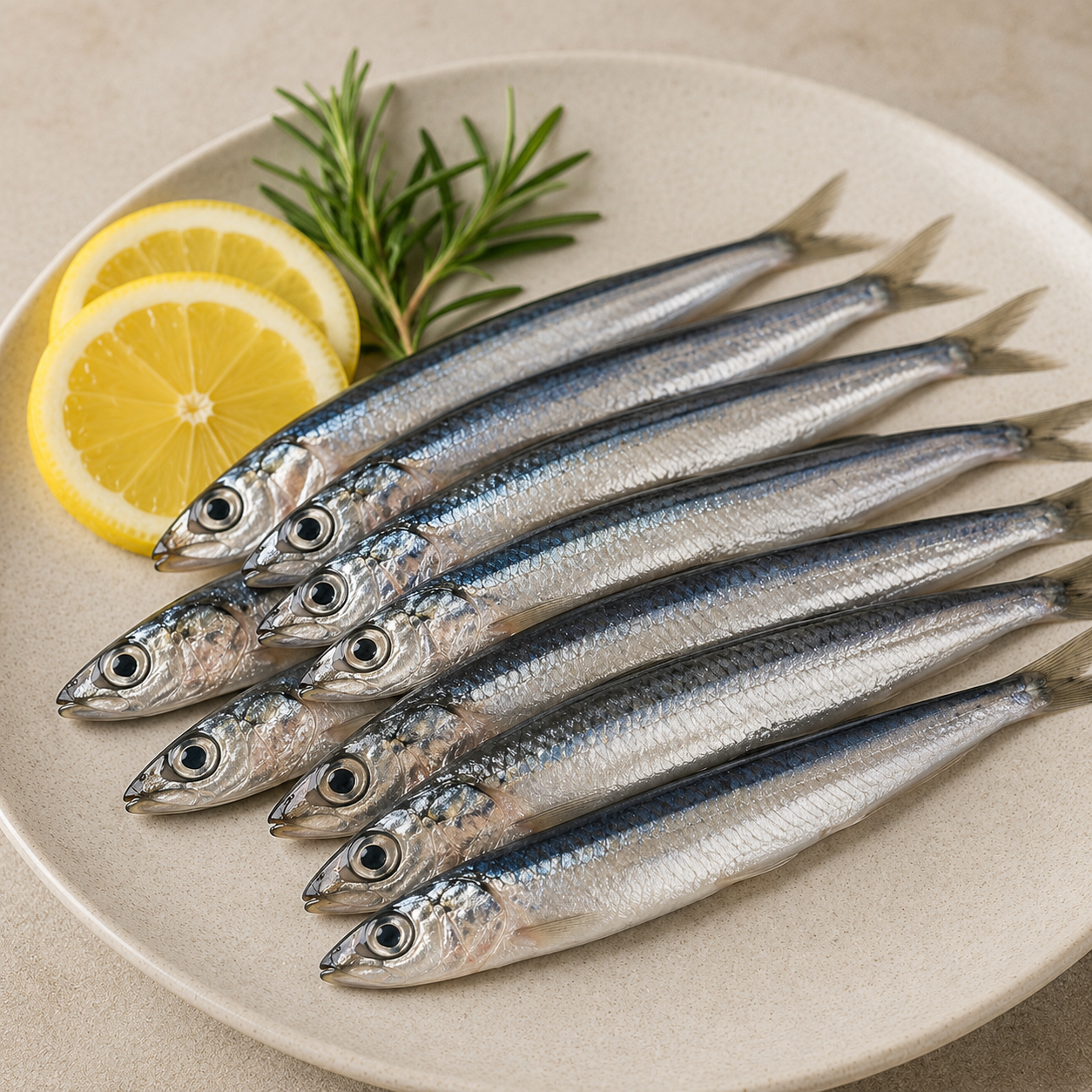
Anchovy / European Anchovy
Canned anchovies in oil are small but nutrient-dense, providing protein, EPA, DHA, selenium, and several B vitamins. A 20 g serving has about 42 kcal, 5.8 g protein, and 411 mg EPA+DHA, but also about 734 mg sodium, so anchovies are better used as a small flavoring ingredient than as a large fish serving.
Food Overview
Key strengths
Anchovies are protein-dense and provide EPA, DHA, selenium, niacin, vitamin B12, vitamin B2, and iron. A 20 g serving of canned anchovies provides about 5.8 g protein, 153 mg EPA, and 258 mg DHA.
How to eat it
Because anchovies are salty, use about 5–20 g at a time in tomato pasta, salads, beans, whole-grain bread, roasted vegetables, or sauces. Reduce added salt, cheese, olives, and other high-sodium ingredients.
What stands out
Anchovies combine useful omega-3s with a high sodium load. A 20 g serving provides about 411 mg EPA+DHA but also about 734 mg sodium, around 32% of the FDA Daily Value for sodium, so the sodium matters as much as the omega-3s.
Worth noting
Curing time, fillet size, packing oil, and draining differ by brand, so sodium and fat can vary widely. Compare sodium per 100 g rather than only the manufacturer-defined “per serving” value.
Basic Nutrition
Showing:100 g Oil-Packed Canned Anchovies
View complete nutrition data
GI note:GI varies with cultivar, food structure, processing, and cooking. Raw grains usually do not have directly applicable human GI data.
Plain anchovies contain no available carbohydrate, so GI is not applicable; do not show 0, “ultra-low GI,” or “no blood-glucose effect.”
Data notes:This page uses one formal food state: European anchovies canned in oil, drained solids. Fresh anchovies, salt-cured anchovies, oil-packed anchovies with the oil included, dried anchovies, anchovy paste, and fish sauce are covered under processing differences rather than separate nutrition states.
Basic nutrition uses USDA FoodData Central “Fish, anchovy, European, canned in oil, drained solids” (FDC ID 174183; NDB No. 15002) for energy, protein, fat and fatty acids, EPA+DHA, sodium, cholesterol, vitamins, minerals, and per-100 g / 20 g conversions.
A common serving is 20 g, about 5 small anchovies or roughly 5 canned fillets. This is a website serving for nutrition conversion, not an official daily recommendation.
Both per-100 g and 20 g values refer to drained edible fish and exclude the oil left in the can.
GI is shown as “—”. Plain anchovies contain no available carbohydrate, so standard GI testing is not applicable; do not label them GI 0, “ultra-low,” or “no blood-glucose effect.” When anchovies are eaten with bread, pizza, pasta, or rice, the meal response depends on the staple food, portion, sauce, and other ingredients.
The database lists 0.362 g per 100 g of unspecified 18:2 fatty acids, but does not confirm that all of this is omega-6 linoleic acid, so the page does not convert it into a definite omega-6 value and shows “—”.
A 20 g serving provides about 734 mg sodium, close to one third of the FDA Daily Value of 2,300 mg. At 40 g, the database conversion is about 1,467 mg, around 64% of the Daily Value. For that reason, the common serving is 20 g rather than the 85 g serving used for many fish.
Sodium is shown and discussed separately in Section 02 and is not repeated as a card in the vitamins-and-minerals section.
Vitamins & Minerals
Only vitamins and minerals providing at least 5% of the Daily Value at the current serving are shown. Exactly six meet 5% at 20 g; more appear at 100 g. Sodium is already shown in Section 02.
At a 20 g serving, exactly six nutrients reach at least 5% of the Daily Value: niacin, selenium, copper, vitamin B12, vitamin B2, and iron. At 100 g, more nutrients meet the threshold, but 100 g is mainly for comparison, not a suggested single serving. The database lists 3.33 mg alpha-tocopherol per 100 g, but vitamin E may come from both fish and packing oil and can vary by brand. It also lists 232 mg calcium per 100 g, but the entry does not specify bone retention, so this should not be treated as a guaranteed calcium value for every product. Sodium is already shown separately in Section 02.
View all vitamins and minerals
Percentages show how much the selected serving contributes to the adult Daily Value.
Key Bioactive Compounds
EPA & DHA
Long-Chain Omega-3 Fatty AcidsEPA and DHA are characteristic long-chain omega-3 fatty acids in marine fish and are the main fatty acids of interest in anchovies.
Oil-packed canned European anchovies provide about 0.763 g EPA and 1.292 g DHA per 100 g, or about 153 mg EPA and 258 mg DHA per 20 g, totaling about 2.055 g and 411 mg, respectively. These values apply only to the USDA oil-packed, drained European anchovy entry; fresh fish, other species, and different packing oils may differ.
EPA and DHA enter cell membranes and help form lipid mediators. Fish is most useful as part of an overall healthy eating pattern that includes vegetables, beans, whole grains, and unsaturated fats.
Anchovies do not need to be eaten in fish-fillet portions. Using 5–20 g with vegetables, beans, and whole grains provides some EPA+DHA while limiting sodium. Drain excess oil rather than adding all of it to the dish.
Food EPA and DHA do not replace prescription omega-3 drugs for high triglycerides and do not treat arthritis, depression, or other inflammatory conditions. Because anchovies are high in sodium, do not increase the serving without limit just for omega-3s.
Selenium
Antioxidant-related mineralSelenium is an essential trace mineral used to make selenoproteins, including enzymes involved in antioxidant defense and thyroid-hormone metabolism.
Oil-packed canned European anchovies provide about 68.1 μg selenium per 100 g, around 124% of the FDA Daily Value; a 20 g serving provides about 13.6 μg, around 25%. Selenium is in the fish tissue, so the remaining packing oil is not needed. Actual values vary by species, fishing area, and sample.
Selenoproteins such as glutathione peroxidase and thioredoxin reductase support antioxidant defenses, while others help convert thyroid hormone T4 to T3.
A 20 g serving already provides a meaningful amount of selenium, so there is no need to eat an entire can for selenium. Eggs, other fish, meat, and some nuts also contribute.
Selenium-containing foods help meet normal nutrition needs but do not treat thyroid disease or prove that anchovies prevent cancer. Findings from high-dose selenium supplements should not be applied to food.
Alpha-Tocopherol
Vitamin EAlpha-tocopherol is the main form used to assess vitamin E nutrition and is a fat-soluble antioxidant nutrient.
Oil-packed canned European anchovies provide about 3.33 mg alpha-tocopherol per 100 g and about 0.67 mg per 20 g, around 4% of the Daily Value. The value may reflect both the fish and packing oil, so products packed in olive, sunflower, or other oils can differ.
Vitamin E is a fat-soluble antioxidant that helps limit propagation of lipid oxidation reactions and supports normal immune function.
Choose fresh, well-sealed products and refrigerate promptly after opening. Avoid repeated prolonged high-temperature frying to limit further oxidation of fish fat and packing oil.
A 20 g serving provides less than 5% of the Daily Value for vitamin E, so anchovies are not a major vitamin E source. They do not replace nuts, seeds, quality plant oils, or high-dose vitamin E supplements.
How Preparation Changes European Anchovy
Fresh Anchovies
Fresh European anchovies are not salt-cured and usually contain far less sodium than canned fillets. They can be baked, pan-cooked briefly, or stewed. Fat and EPA/DHA vary with season, maturity, and fishing area, so canned values should not be reused. Keep refrigerated and cook or freeze within 1–2 days.
Oil-Packed Canned Anchovies
Oil-packed fillets have a concentrated salty-savory flavor and can be eaten straight from the can in small amounts. The packing oil affects total fat and fatty-acid composition, so even drained products can differ.
Salt-Cured Anchovies
Traditional salt-cured products may use large amounts of salt for maturation and preservation and are usually high in sodium. Rinsing or soaking may remove some salt, but it does not reduce sodium to a predictable fixed value.
Brine-Packed Anchovies
Brine-packed products contain less added plant oil but are not necessarily low in sodium. Check sodium per 100 g and drained net weight.
Anchovy Paste
Anchovy paste is finely ground and mixes easily into sauces, but salt can also add up quickly. Usually only a small amount is needed and it should not be converted directly from the 20 g canned-fillet serving.
Dried Anchovies / Ikan Bilis
Drying concentrates protein, minerals, and sodium by weight. Ikan bilis may also come from Japanese anchovy or other small fish and may retain heads, viscera, and bones, so European canned-anchovy data do not apply.
Fish Sauce
Fish sauce is a fermented liquid condiment made from fish and salt and mainly contributes salty umami flavor. It is not equivalent to whole anchovies, and its protein, EPA, DHA, and micronutrients should not use this page’s data.
How to Choose & Store
How to choose
- Check the name and species. Better labels include European Anchovy or Engraulis encrasicolus. “Anchovy” alone may refer to another Engraulis species or, in Chinese usage, even Coilia mystus.
- Compare sodium per 100 g, total sodium per can or jar, and drained net weight. Do not compare only “sodium per serving,” because brands may define a serving as 5 g, 10 g, or 20 g.
- Check the ingredient list. Common ingredients are anchovies, plant oil, and salt; herbs, chili, vinegar, or preservatives may also be added. If using with salty cheese, olives, or capers, keep the anchovy portion small.
- Check the packing oil. Olive, sunflower, or other oils change flavor and fatty-acid composition; “packed in olive oil” does not mean the fish itself contains more EPA or DHA.
- Inspect the package. Avoid cans that are swollen, leaking, punctured, badly dented at seams, or heavily rusted. Store unopened products in a cool, clean, dry place.
- Check catch source. European anchovy status varies by area and stock, so not all anchovies should be called “sustainable.” EU and Mediterranean fisheries bodies assess stocks by geographic area; clearer species, catch-area, supply-chain information, or credible certification is more useful.
How to store
- Unopened: store according to the package date in a cool, dry, dark place away from heat. Do not use swollen, leaking, or damaged containers.
- After opening: seal and refrigerate immediately and aim to use within 3–4 days. Leftover fillets and enough covering oil can be transferred to a clean covered food-safe container.
- Fresh anchovies: keep below 4°C and cook or freeze within 1–2 days. Keep raw fish separate from ready-to-eat foods.
- Do not rely on smell alone for safety. Anchovies can form histamine if the cold chain fails, and some affected products may look and smell normal.
Remember three things: confirm whether the product is European anchovy or another small fish, compare sodium per 100 g, and choose clearly sourced, well-sealed small packages.
How to Use in Everyday Meals
Whole-Grain Toast with Tomato
Chop 5–10 g anchovies and place on whole-grain bread with fresh tomato, arugula, cucumber, and a little lemon juice. Anchovies are already salty, so there is no need for much butter, mayonnaise, or cream cheese.
Anchovy Vegetable Salad
Mash a small amount of anchovy with lemon juice, vinegar, black pepper, and a little olive oil for dressing over dark leafy greens, tomatoes, peppers, and beans. Limit olives, capers, and salty cheese to avoid stacking sodium.
Tomato Anchovy Pasta
Make a simple sauce with tomato, onion, garlic, and herbs, then add 5–15 g chopped anchovy at the end for flavor. Prefer whole-wheat pasta and extra vegetables; little or no extra salt is needed.
With Beans & Whole Grains
Mix chopped anchovy into chickpeas, white beans, lentils, brown rice, or quinoa with cucumber, tomato, and red cabbage. A small amount adds enough savory flavor to otherwise mild grains and beans.
Seasoning for Roasted Vegetables
Add a little chopped anchovy and lemon juice to roasted broccoli, cauliflower, pumpkin, eggplant, or tomato. Add near the end rather than baking for a long time, and avoid repeated high-heat charring.
With Eggs, Tofu, or Soup
Use a small amount in scrambled or steamed eggs, tofu, or vegetable soup to replace some salt. Canned anchovies are already cooked and need only brief heating; reduce soy sauce, miso, and concentrated stock.
Who Should Take Extra Care
People Limiting Sodium
People with hypertension, heart failure, kidney disease, or prescribed sodium restriction should pay particular attention to portion size. A 20 g serving provides about 734 mg sodium, around 32% of the FDA Daily Value of 2,300 mg, so anchovies are better used sparingly as a seasoning.
People with Fish Allergy
Anchovies are a fish allergen, and fish is one of the FDA major food allergens. Reactions can affect the skin, gut, or airways and can be systemic. People with diagnosed fish allergy should avoid anchovies, anchovy paste, fish sauce, and mixed seasonings that may contain fish protein.
Histamine Poisoning Risk
Anchovies can form histamine if the cold chain fails. Bacteria can convert histidine in fish into histamine, and normal cooking does not reliably destroy it. Rapid oral/throat burning, flushing, rash, headache, palpitations, nausea, diarrhea, or breathing discomfort after eating requires prompt medical attention. Histamine poisoning is not the same as true fish allergy, although symptoms may overlap.
People with gout or high uric acid
Anchovies are relatively high in purines. The American College of Rheumatology includes anchovies among high-purine foods that may increase uric-acid burden. People with frequent gout flares or following a low-purine diet should limit portion and frequency; diet does not replace urate-lowering medication.
People with impaired kidney function
A 20 g serving provides about 734 mg sodium, 5.8 g protein, 50 mg phosphorus, and 109 mg potassium. People limiting sodium, phosphorus, potassium, or protein should include anchovies in the daily total; sodium is usually the more prominent concern.
Pregnancy, Preconception & Breastfeeding
FDA lists anchovy as a low-mercury “Best Choice.” During pregnancy and breastfeeding, anchovies can be part of a varied fish intake, but high-sodium canned anchovies should not be the only way to meet fish recommendations. FDA technical data estimate average methylmercury around 0.02 ppm; low mercury does not mean mercury-free.
Infants & Children
Anchovies can be finely chopped or mashed into food in small amounts, but watch for tiny bones and high sodium. Children should not eat large amounts of salty fillets, and adult canned-anchovy portions should not be applied directly.
Similar Food Alternatives
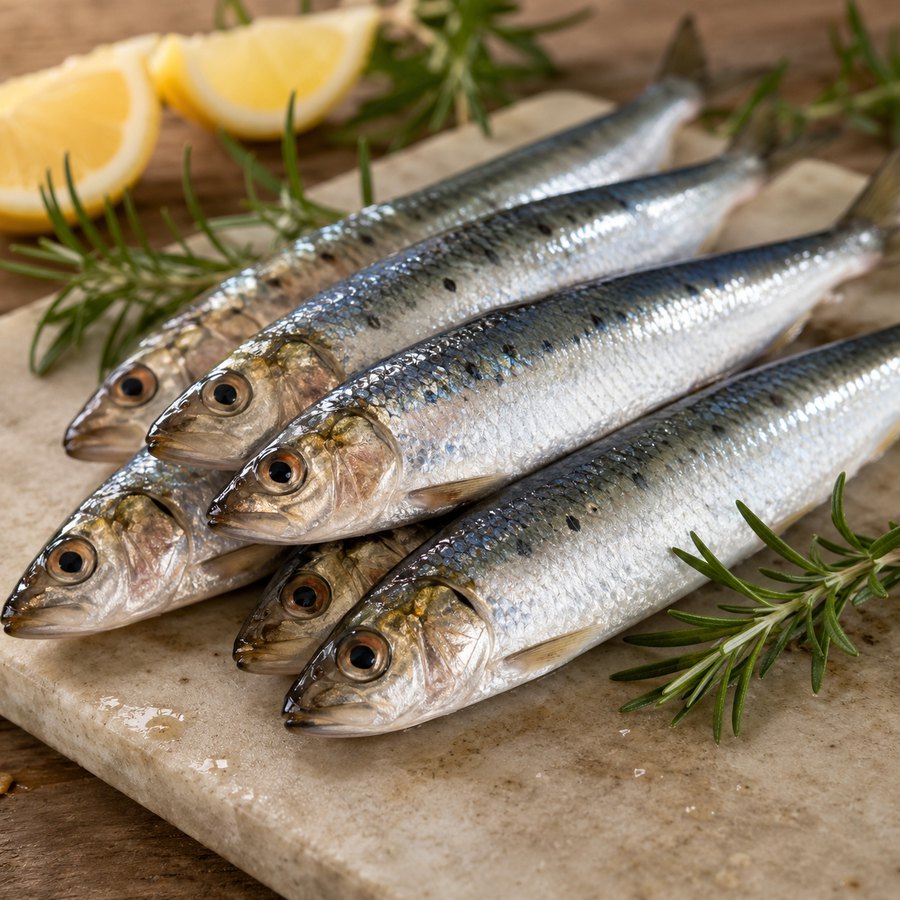
Sardines
Also provides EPA, DHA, protein, selenium, and vitamin B12. Plain or lower-sodium sardines are usually better suited as a full fish serving, and bone-in canned products can also provide more calcium.
View details →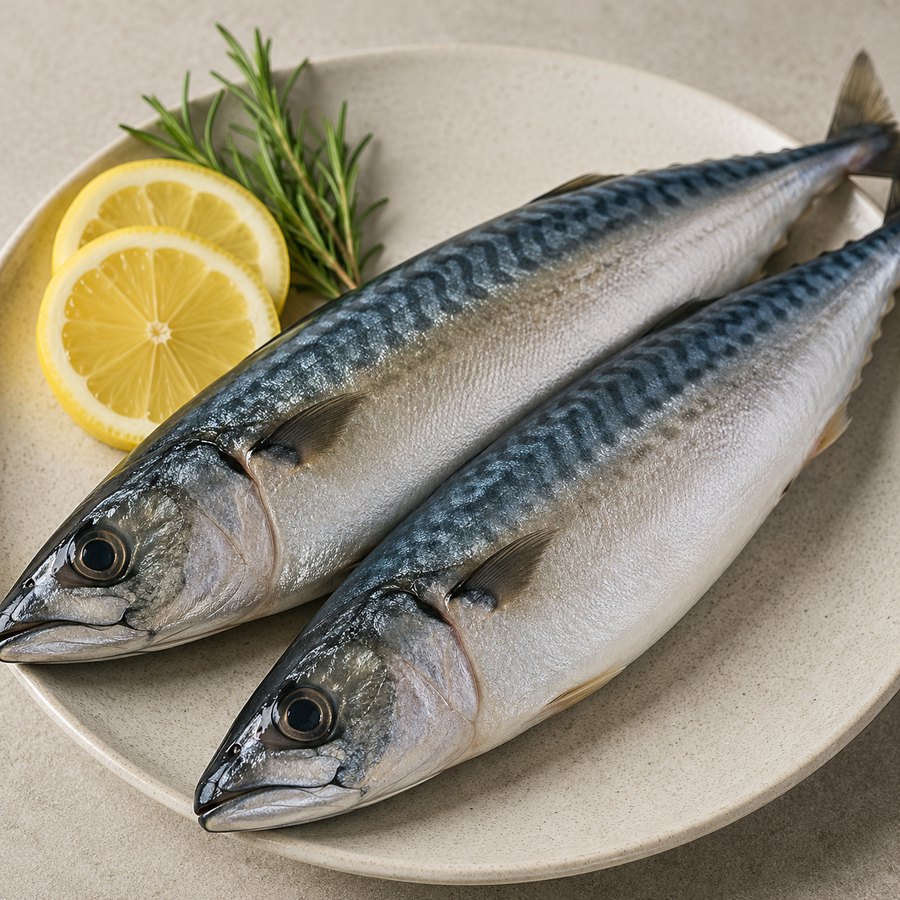
Atlantic Mackerel
High in EPA and DHA and better suited as a full main dish. Distinguish Atlantic mackerel from high-mercury king mackerel and some larger Spanish mackerels.
View details →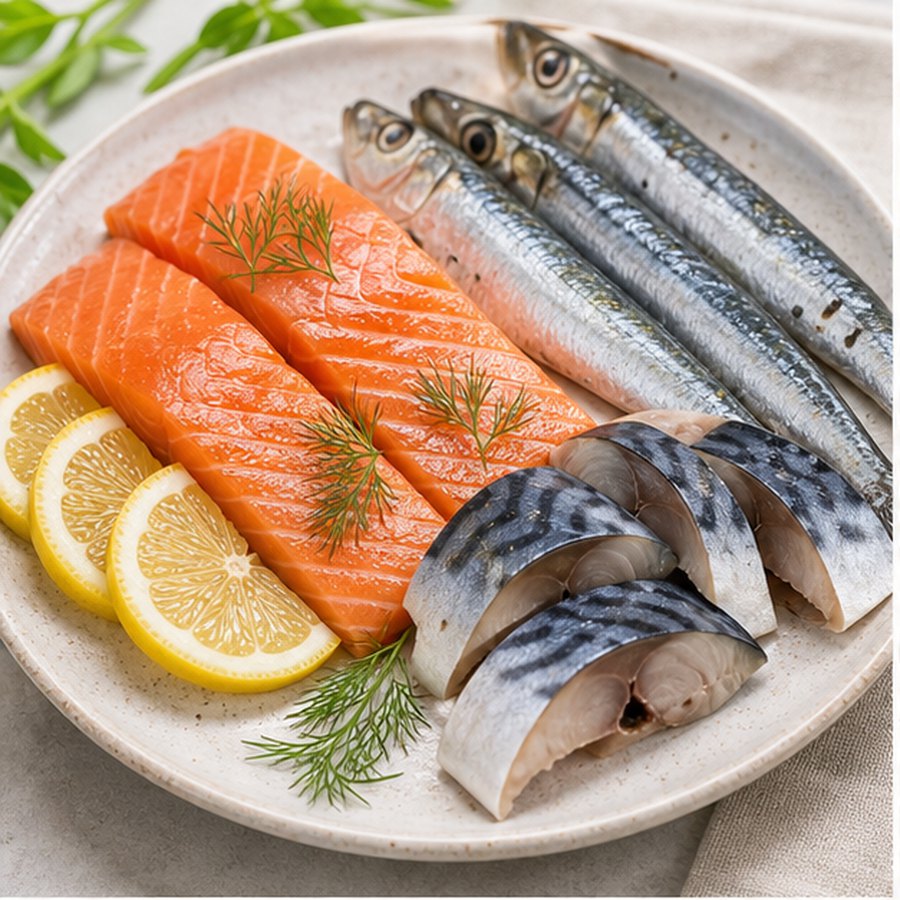
Atlantic Herring
Another small oily fish providing EPA and DHA. Fresh herring works as a main dish, while pickled and smoked products can also be high in sodium.
View details →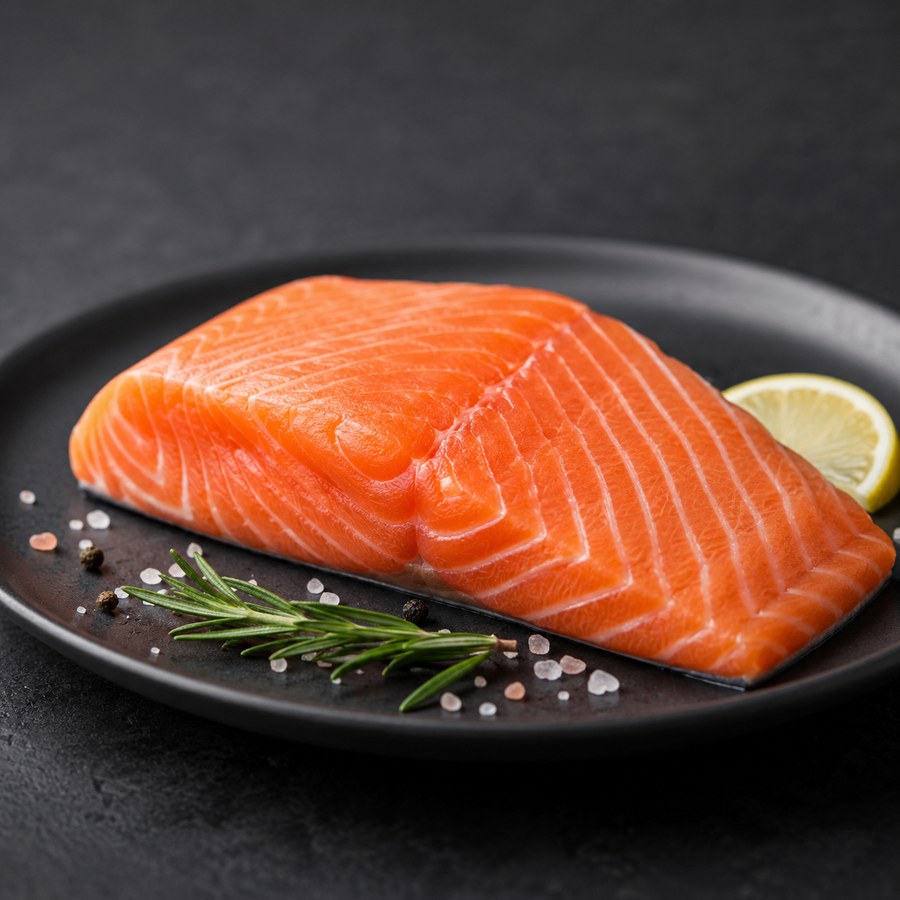
Salmon
Provides a larger, milder fish serving with protein, EPA, DHA, vitamin D, and selenium. Fresh or unsalted cooked salmon is more suitable for people limiting sodium.
View details →