Fruits · Stone fruits
Black Plum
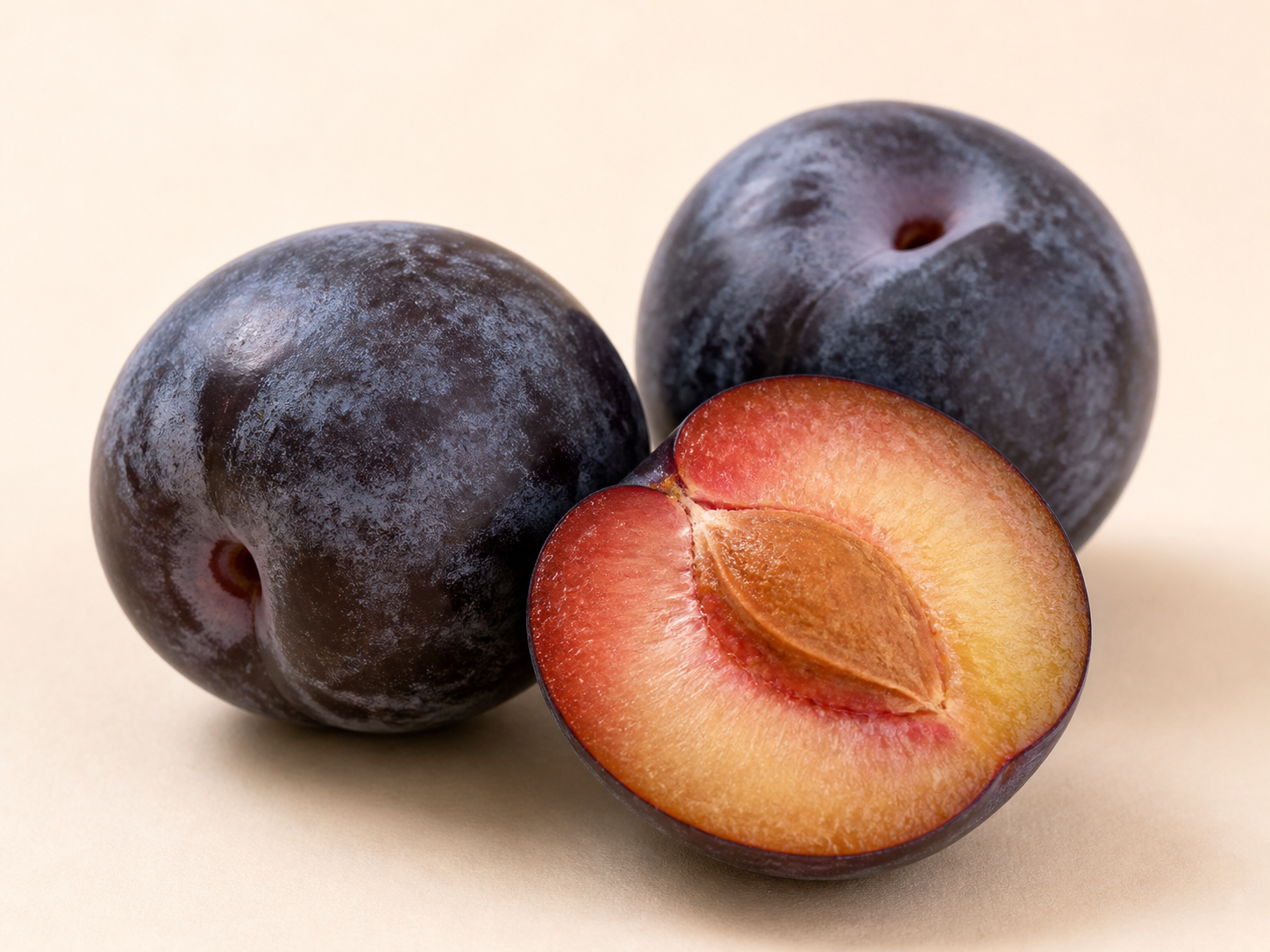
Black plums are dark-skinned fresh plums whose skins are rich in anthocyanins. They also contain chlorogenic-acid-related compounds, proanthocyanidins, and quercetin derivatives. They are relatively low in energy, but sugar, acidity, and polyphenol content vary substantially by cultivar. Once ripe, they are well suited to being washed and eaten with the skin.
Food Overview
Key strengths
Generic fresh plums provide about 46 kcal, 11.42 g of carbohydrate, 1.4 g of dietary fiber, and 9.92 g of natural sugar per 100 g, while also providing vitamin C, copper, vitamin K, potassium, and small amounts of carotenoids.
How to Eat It
Once ripe, black plums can be washed and eaten with the skin, or cut into pieces and paired with plain yogurt, oats, nuts, other fruit, or vegetable salads.
What stands out
Representative plum phenolics include neochlorogenic acid, chlorogenic acid, and cryptochlorogenic acid. Dark-skinned cultivars also contain anthocyanins such as cyanidin glycosides. Phenolic composition and amount vary widely among cultivars.
Worth noting
“Black plum” is a color and market category rather than a single cultivar. Dark skin does not mean the flesh is necessarily red, nor does it mean every black plum has the same anthocyanin content or antioxidant activity. Ripeness, cultivar, growing region, and storage all affect sugar, acidity, and polyphenols.
Basic Nutrition
Showing:100 g Fresh Black Plum
View complete nutrition data
GI note:GI varies with cultivar, food structure, processing, and cooking. Raw grains usually do not have directly applicable human GI data.
Early studies of ordinary fresh plums reported GI values of 24 and 53, averaging about 39±15, but they were not clearly identified as dark-skinned black-plum cultivars.
Data notes:This page includes only one state, “fresh black plum.” Dried plums, canned plums, plum juice, and jam are not set up as states, so no food-state switch is shown.
Sections 02 and 03 use USDA FoodData Central “Plums, raw” (FDC ID 169949) as a generic representative value for fresh plums.
There is no single GI value that can be applied to all black plums. Early studies of ordinary fresh plums reported values of about 24—53, averaging about 39, but the cultivars were not clearly matched to those on this page.
A common serving is 1 medium fresh plum with about 66 g of edible portion.
Vitamins & Minerals
FDA Daily Values for adults and children age 4 and older are used. Only nutrients providing at least 5% of the Daily Value at the current serving are shown; at 100 g, vitamin C, copper, and vitamin K are displayed by default.
Per 100 g, only vitamin C, copper, and vitamin K meet the 5% display threshold; potassium at 157 mg is about 3% of the Daily Value and is not shown.
View all vitamins and minerals
Key Bioactive Compounds
Anthocyanins
AnthocyaninsAnthocyanins are the main pigments in deep-purple or black plum skins and are usually much lower in pale flesh.
Studies across several Japanese plum cultivars reported about 1.5—266.2 mg of anthocyanins per 100 g of fresh fruit, showing very large cultivar differences.
Anthocyanins contribute to dietary antioxidant defenses, and eating dark plums with the skin can increase fruit polyphenol intake.
After washing, eat with the skin rather than peeling. Avoid long simmering with large amounts of added sugar.
Darker skin does not necessarily mean stronger anti-inflammatory effects in people, and data from one high-anthocyanin cultivar should not be applied to all black plums.
Chlorogenic Acid & Neochlorogenic Acid
Phenolic acidsChlorogenic acid and neochlorogenic acid are representative phenolic acids in fresh plums and contribute to the fruit’s tartness and plant-defense chemistry.
Specific amount: —. Both phenolic acids can occur in the skin and flesh, and the dominant phenolic acids and their amounts vary markedly among plum cultivars.
These phenolic acids can contribute to dietary antioxidant defenses as part of the fruit’s polyphenol profile and may support normal metabolic and vascular function.
Prefer whole fresh plums over filtered juice or high-sugar candied products.
Research on chlorogenic acid does not show that fresh plums have established glucose-lowering, fat-loss, or fatty-liver treatment effects.
Proanthocyanidins & Catechins
PolyphenolsPlums also contain proanthocyanidins and catechin-related compounds, which can contribute a mildly astringent taste.
Specific amount: —. Proanthocyanidins and catechins occur in the skin and flesh, and their amounts are affected by cultivar, ripeness, and storage conditions.
These polyphenols and their metabolites may contribute to vascular and antioxidant defenses, although human absorption and metabolism vary.
Eating the whole fruit with the skin is sufficient; plum extracts or concentrated juice are not needed to obtain polyphenols.
Fresh plums and prunes differ in water, sugar, and sorbitol content, so constipation research on prunes should not be applied to ordinary fresh black plums.
How Preparation Changes Black Plum
Whole Ripe Black Plums
Ripe fresh plums retain the skin, flesh, and natural food structure. Fruit that gives slightly under gentle pressure without collapsing is generally more suitable for eating. Plums can continue to soften after harvest, so firmer fruit can be left at room temperature.
Eating the Skin
Anthocyanins and some flavonols are concentrated mainly in the dark skin. Eating the fruit with the skin after washing helps retain these compounds.
Eating It Peeled
Peeling still leaves water, natural carbohydrate, vitamin C, and chlorogenic-acid-related compounds in the flesh, but reduces skin-derived anthocyanins and some flavonols. Peeling may be appropriate for young children or people who do not tolerate the skin.
Cut or Crushed
Once cut, the flesh has more contact with air and is more likely to leak juice, soften, and become contaminated. Cut just before eating when possible; refrigerate cut black plums in a clean sealed container and eat them promptly.
Juiced or Strained
Juicing and straining reduce the intact skin, flesh structure, and some dietary fiber, and also make it easier to consume several fruits quickly.
Cooked or Baked
Moderate heating softens the flesh, but prolonged high heat alters anthocyanins, vitamin C, and other polyphenols. When baking, keep added sugar and cream modest and avoid charring.
Dried or Made into Prunes
Drying concentrates sugar, energy, fiber, sorbitol, and phenolics per unit weight. Prunes are usually made from specific European plum cultivars. Fresh black plums and prunes therefore require completely separate data.
How to Choose & Store
How to choose
- Choose plump fruit with intact skin and no cracks, major bruising, leaking juice, or mold.
- Choose fruit showing the mature color typical of its cultivar, but do not simply look for the darkest possible skin.
- For same-day eating, choose fruit that gives slightly under gentle pressure without feeling collapsed. Very firm fruit can continue ripening; very soft spots or leaking juice may indicate bruising or overripeness.
- Ripe plums usually have a natural fruity aroma. Do not buy fruit that smells alcoholic, fermented, moldy, or rotten.
- An even white or gray-white waxy bloom is a natural protective layer. Fuzzy localized growth combined with soft decay may indicate mold.
How to store
- Unripe black plums can be kept on the counter or in a paper bag at room temperature until they gradually soften, then refrigerated once ripe.
- Once the desired softness is reached, refrigerate to slow further softening and spoilage.
- Keep dry during storage. Rinse gently under running water and dry just before eating; do not use soap, detergent, or commercial produce washes.
- Ripe plums have soft flesh, so store them in a part of the refrigerator where they will not be crushed by heavier items.
- Discard fruit with mold, heavy leaking, sliminess, rotten or fermented odors, or extensive internal browning.
When buying black plums, remember three things: intact fruit, suitable firmness, and no mold or leaking juice.
How to Include It in Everyday Meals
Eat It Fresh with the Skin
Rinse ripe black plums under running water and dry them, remove the stem, and eat with the skin, taking care to discard the central stone. A common serving can be based on 1 medium fruit, about 66 g.
Black Plum & Plain Yogurt Cup
Pit and dice black plums and pair them with unsweetened or low-sugar plain yogurt, oats, and a small amount of walnuts.
Black Plum Oat Bowl
Cook oats and let them cool slightly, then add pitted diced black plum, nuts, and cinnamon. Juice from ripe plums can provide natural sweetness, so syrup is usually unnecessary.
Black Plum Fruit Salad
Combine black plum with strawberries, blueberries, kiwifruit, oranges, or apples to increase variety in color and texture. Avoid large amounts of syrup, sweetened yogurt, or cream that turn a fruit salad into a high-sugar dessert.
Black Plum Vegetable Salad
Slice pitted black plum and pair it with spinach, lettuce, kale, cucumber, chickpeas, avocado, or walnuts, using a small amount of olive oil and vinegar for dressing.
Lightly Baked Black Plums
Halve and pit black plums and bake them briefly with oats, apples, or nuts. Control temperature and time to avoid charring, and do not add large amounts of butter, white sugar, or cream.
Who Should Take Extra Care
People managing blood sugar
There is no single GI value that applies to all black-plum cultivars. Generic fresh plums provide about 11.42 g of carbohydrate per 100 g, and 66 g provides about 7.54 g.
People with Sensitive Digestion or Poor Sorbitol Tolerance
Different plum cultivars contain varying amounts of sorbitol. Larger portions may cause bloating, intestinal rumbling, abdominal pain, or diarrhea in sensitive people. Start with half to one fruit if needed. Fresh fruit should not be assumed to have the pronounced laxative effect associated with prunes.
People Allergic to Plums or Other Rosaceae Stone Fruits
Plum allergy may cause only oral itching in some people but can also cause systemic reactions. Stop eating and seek emergency medical care for throat tightness, difficulty breathing, wheezing, widespread hives, or dizziness.
People with Birch-Pollen Allergy
Some people may experience brief itching of the lips, tongue, or throat after eating plums. Mild oral reactions and systemic allergy related to lipid-transfer proteins are not the same condition; people with a clear history should be assessed by an allergy specialist.
Infants, young children, and people with swallowing difficulties
The hard central stone can be a choking hazard, so whole plums should not be handed directly to infants or young children.
Do Not Eat the Kernel Inside the Stone
The kernel inside the hard stone may contain naturally occurring cyanogenic glycosides. Normal consumption of the flesh does not pose this issue, but the stone should not be cracked open, the kernel chewed, or large amounts of kernels ground and eaten.
Pregnant People, Older Adults & People with Weakened Immune Systems
Black plums are usually eaten raw, so refrigeration and washing matter. Discard rotten or moldy fruit and avoid cross-contamination with raw meat or utensils used for raw meat.
Similar Food Alternatives
Sweet Cherry
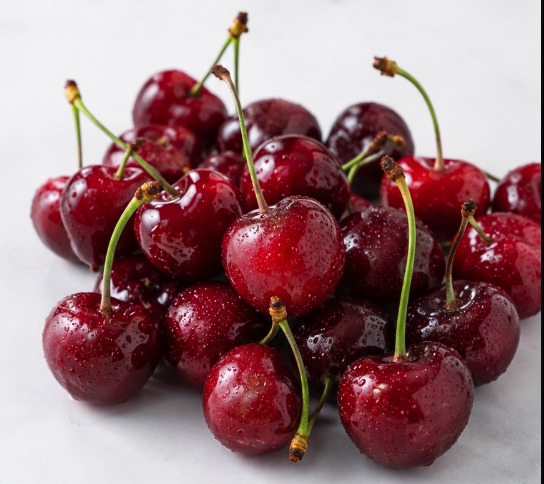
Another stone fruit; dark cherries also contain anthocyanins, but their sugar, serving size, and pigment profile differ.
View details →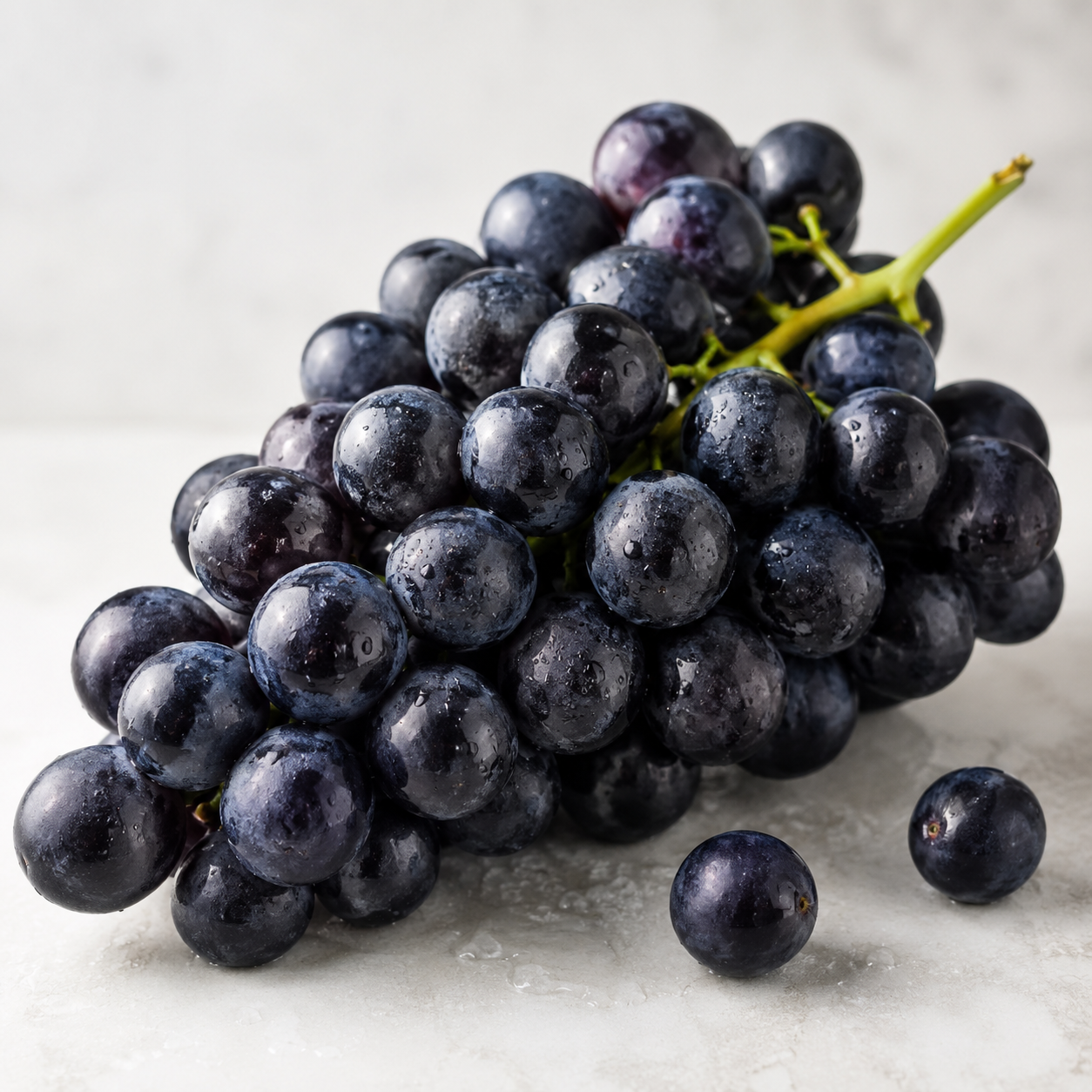
Black Grapes
Also has deep purple skin and anthocyanins and works well eaten fresh or added to yogurt and salads.
View details →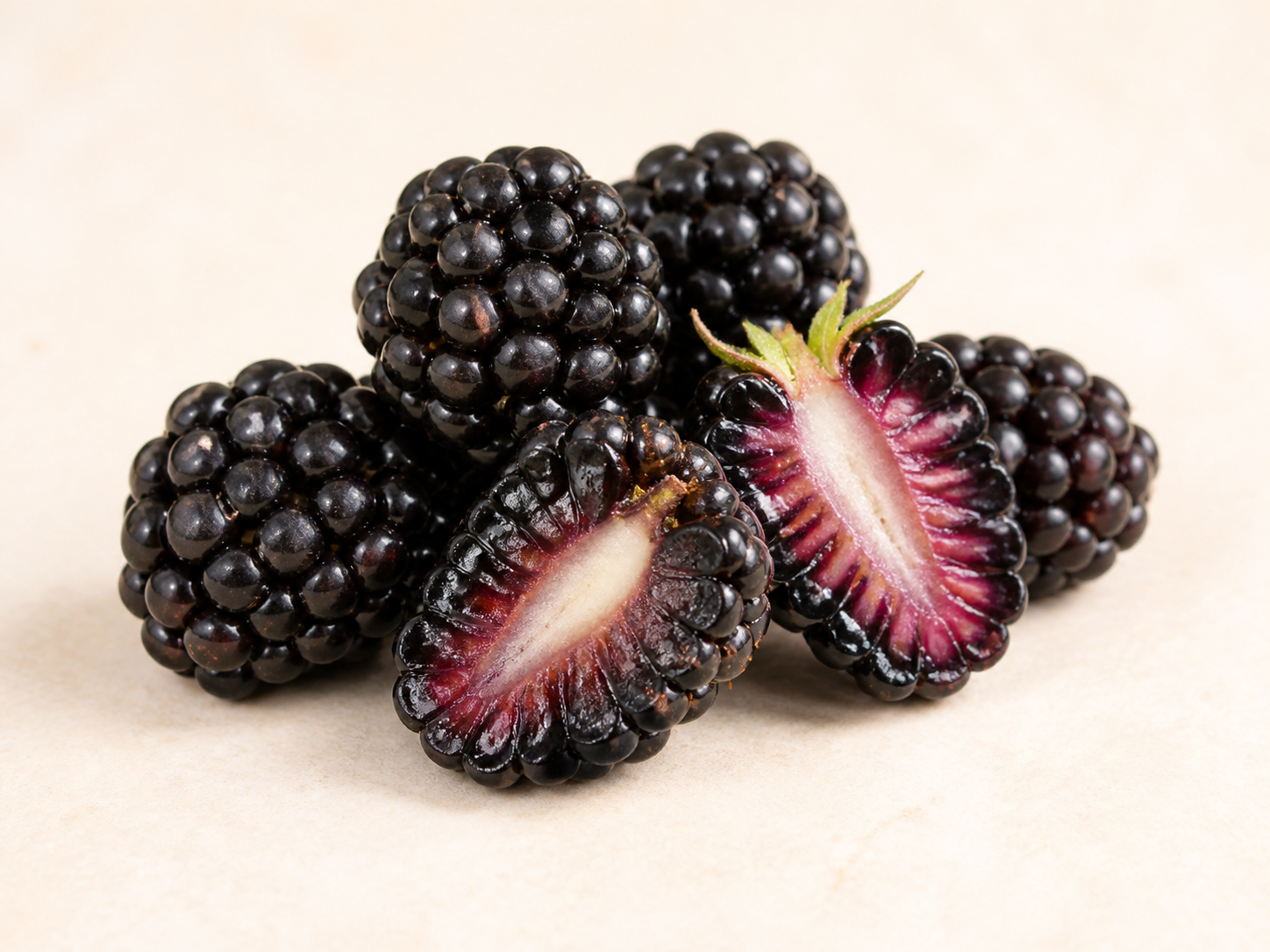
Blackberry
Contains anthocyanins and ellagitannins and is generally more notable for dietary fiber.
View details →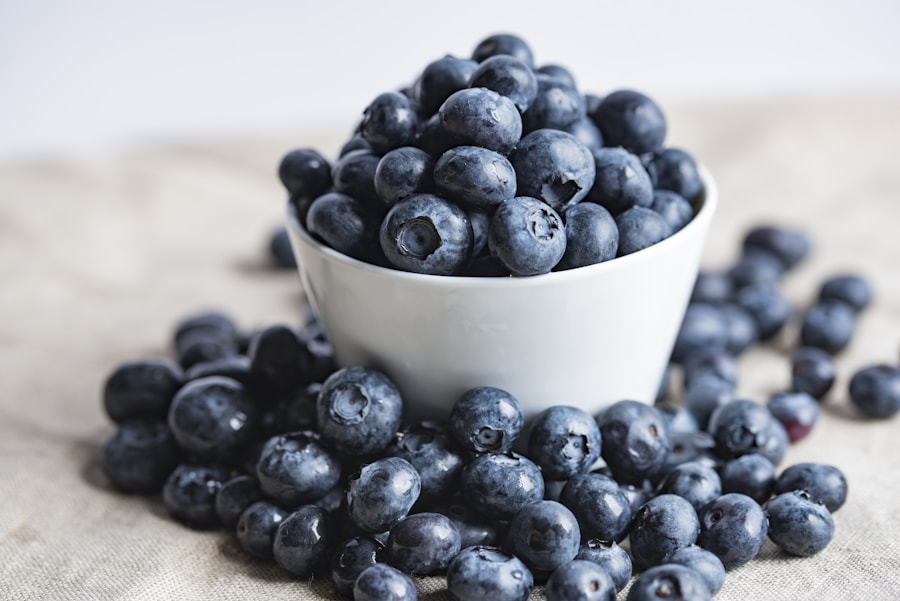
Blueberry
Also contains multiple anthocyanins and works well eaten fresh or paired with oats and plain yogurt.
View details →Data Sources & Last Updated
Nutrition Data
Basic Information & Food Safety
Research & References
Kim DO, Chun OK, Kim YJ, Moon HY, Lee CY. (2003). Quantification of Polyphenolics and Their Antioxidant Capacity in Fresh Plums.
Journal of Agricultural and Food Chemistry, 51(22), 6509–6515. DOI / Original
Jaiswal R, Karaköse H, Rühmann S, et al. (2013). Identification of Phenolic Compounds in Plum Fruits and Characterization of Varieties by Quantitative Phenolic Fingerprints.
Journal of Agricultural and Food Chemistry, 61(49). DOI / Original
Venter A, Joubert E, de Beer D. (2013). Characterisation of Phenolic Compounds in South African Plum Fruits Using HPLC and On-Line Antioxidant Detection.
Molecules, 18. DOI / Original
Zhang H, et al. (2022). Changes in Phenolic Compounds and Antioxidant Activity during Plum Fruit Development.
Research article. DOI / Original
Pastorello EA, et al. (2001). Characterization of the Major Allergen of Plum as a Lipid Transfer Protein.
Research article. DOI / Original