Vegetables · Root vegetables
Beetroot
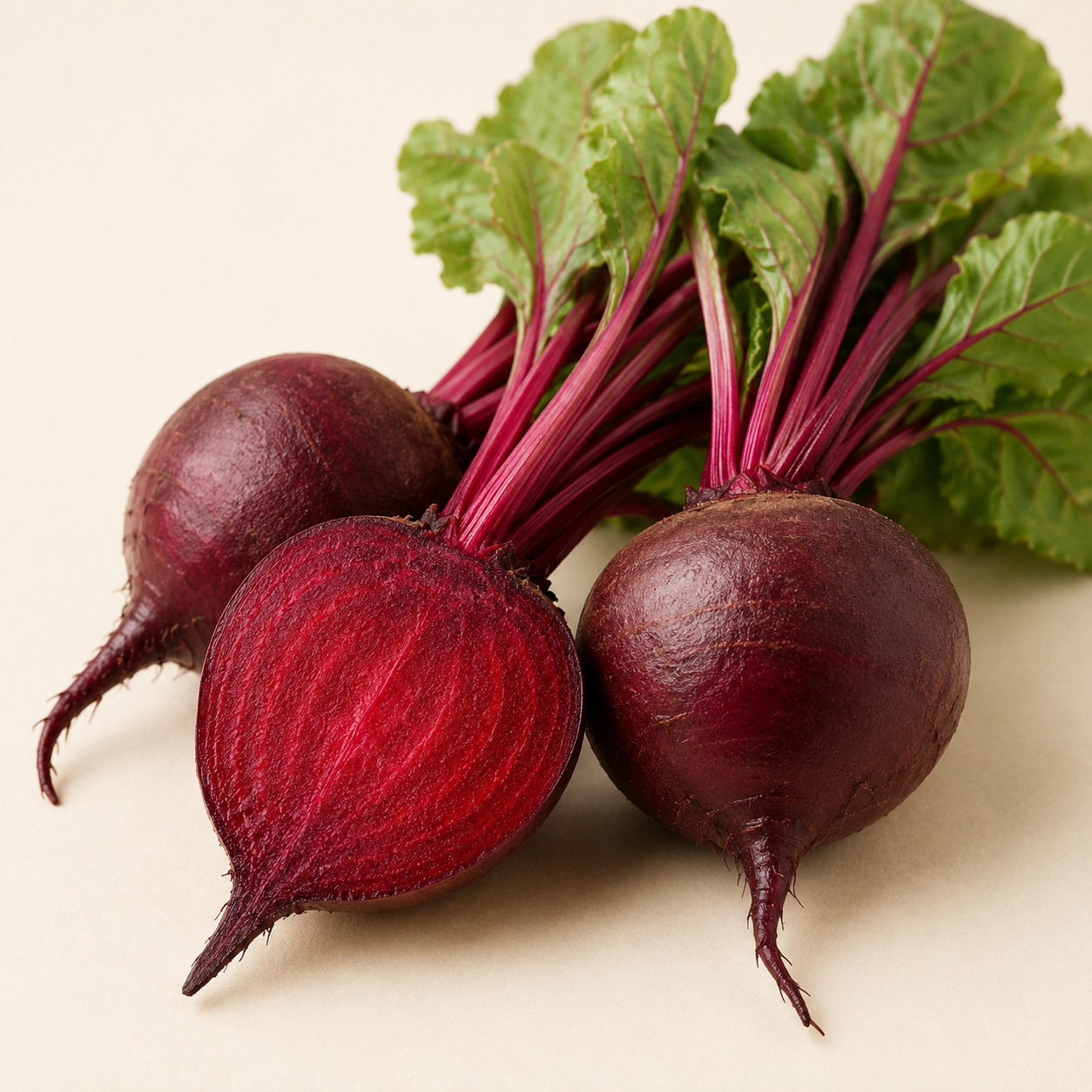
Beetroot is a low-energy root vegetable that provides folate, manganese, and dietary fiber. Its most distinctive bioactive components are dietary nitrate and betalain pigments. It can add color and variety to a vegetable-rich diet, but You do not need to drink large amounts of concentrated beetroot juice for supposed “blood-pressure lowering” or “detox” effects.
Food Overview
Key strengths
Beetroot provides about 43 kcal per 100 g, along with folate, manganese, dietary fiber, potassium, and a little vitamin C. It also contains dietary nitrate and betalain pigments and is a useful root vegetable for adding color and variety to meals.
How to eat it
Beetroot can be eaten raw in fine shreds or thin slices, or steamed, boiled, roasted, or added to vegetable soups. Its earthy flavor and natural sweetness pair well with vinegar, lemon, yogurt, beans, nuts, tahini, and dark green leafy vegetables.
What stands out
What most distinguishes beetroot is not a single vitamin but its dietary nitrate and betalain pigments. Human studies on blood pressure and exercise performance have mostly used beetroot juice, concentrated drinks, or standardized supplements, which are not directly equivalent to a normal serving of whole beetroot.
Worth noting
Beetroot pigments can temporarily turn urine or stool pink or red in some people. Those with recurrent calcium oxalate stones, a medically prescribed potassium restriction, or low blood pressure should be especially cautious about drinking large amounts of concentrated beetroot juice without professional guidance.
Basic Nutrition
Showing:100 g Boiled beetroot
View complete nutrition data
GI note:GI varies with cultivar, food structure, processing, and cooking. Raw grains usually do not have directly applicable human GI data.
No reliable independent GI value directly matching ordinary boiled, drained beetroot was found; the canned beetroot GI of 64 is not applied.
Data notes:Basic nutrition data use USDA FoodData Central entries “Beets, raw” (FDC ID 169145) and “Beets, cooked, boiled, drained” (FDC ID 169146).
Raw and boiled beetroot are separate database entries rather than before-and-after measurements of the same batch, so the values cannot be subtracted to calculate an exact nutrient retention rate.
Canned beetroot has a reported GI value of 64, but that value should not be applied to the raw or ordinarily boiled beetroot shown on this page, so both states display “—”.
0 means the database explicitly records a value of zero; “—” means the database does not provide a value or reliable data are not available.
Vitamins & Minerals
Uses FDA Daily Values for adults and children age 4 and older and shows only nutrients that provide at least 5% of the Daily Value in the selected state and serving.
For a typical 85 g serving of boiled beetroot, only four nutrients reach 5% of the Daily Value; lower-value items are not added just to fill the display.
View all vitamins and minerals
Key Bioactive Compounds
Betalains
Betalain pigmentsBetacyanins and betaxanthins create beetroot’s red-purple and yellow colors. They are distinct from anthocyanins.
Reviews often cite an average reference value of about 120 mg total betalains per 100 g fresh raw beetroot, mainly in the colored root tissues.
Betalains contribute to antioxidant metabolism as dietary plant pigments. Some small human studies have examined beetroot products in relation to oxidative-stress and exercise-recovery markers.
After washing, steam, roast, or boil briefly and avoid prolonged high heat.
The antioxidant activity of betalains measured in vitro does not prove that beetroot can treat inflammation or cancer.
Nitrate
Inorganic nitrogen compoundBeetroot readily accumulates dietary nitrate, which can be converted by oral bacteria and subsequent metabolism into compounds involved in the nitric oxide pathway.
Beetroot nitrate levels vary widely with soil, fertilization, cultivar, storage, and processing. A serving of whole beetroot can also differ greatly from concentrated beetroot juice, so a single universal value is not used.
Dietary nitrate can support nitric oxide production and vasodilation.
Beetroot can simply be eaten as a regular vegetable, steamed, roasted, or boiled.
Beetroot cannot replace blood-pressure medication or cardiovascular treatment.
Phenolic acids
PolyphenolsBeetroot contains several phenolic acids, including ferulic and caffeic acids, which together with betalains contribute to its phytochemical profile.
Beetroot contains multiple phenolic acids, but most studies report total phenolics, extracts, or cultivar-specific samples, making it difficult to establish a single value that applies to ordinary retail beetroot.
Phenolic acids add to the diversity of dietary polyphenols and contribute to antioxidant metabolism within an overall plant-rich diet.
Avoid removing excessive amounts of the edible outer layer. Steam, roast, or briefly boil and use the cooking liquid in soups.
Total phenolic content and in-vitro free-radical scavenging results do not directly prove anti-inflammatory effects in humans and should not be used to rank beetroot as an absolute “antioxidant champion.”
How Preparation Changes Beetroot
Eating raw
Raw beetroot is crisp and has a more pronounced earthy flavor, making it suitable for shredding or thin slicing.
Steaming or boiling
Heating softens the texture and brings out more natural sweetness, which may suit people who dislike raw beetroot.
Roasting
Roasting can reduce the earthy aroma and concentrate sweetness. Cut into similarly sized pieces, use a little plant oil, and roast at a moderate temperature until cooked; heavy charring or repeated high-temperature roasting is unnecessary.
Pickled & canned
Pickled or canned beetroot is convenient, but formulations vary widely, so check the ingredient list and sugar and sodium content.
Juice & concentrated powder
Beetroot juice and concentrated powders can provide more nitrate in a smaller volume, but straining out the pulp reduces the dietary fiber found in the whole food.
How to Choose & Store Beetroot
How to choose
- Check the root: choose beetroot that feels firm, has a relatively smooth surface, and has no large soft or leaking areas.
- Check the greens: for beetroot sold with leaves, look for fresh leaves and stems.
- Check the size: choosing roots of similar size makes preparation and cooking time easier to keep consistent.
- Check processed-product labels: pre-cooked, vacuum-packed, pickled, or canned beetroot may contain added sugar, syrup, large amounts of salt, or high-sodium packing liquids.
How to store
- Whole uncut beetroot: trim off the leaves and long stems, place the root in a food-storage bag, and refrigerate.
- Cut beetroot: refrigerate in a sealed container and use as soon as practical.
- Cooked beetroot: refrigerate within 2 hours after cooking and use within about 3–4 days.
When buying beetroot, remember three things: choose firm roots, avoid soft or rotten areas, and refrigerate promptly after cooking.
How to Use Beetroot in Everyday Meals
Raw beetroot salad
Peel and finely shred or thinly slice beetroot, then combine with purple cabbage, apple, orange, lettuce, or carrot. Dress with lemon juice, vinegar, a little olive oil, and nuts.
Steamed beetroot salad
Steam beetroot whole or in chunks, cool, then slice and combine with chickpeas, white beans, tahini, unsweetened yogurt, or herbs.
Roasted root vegetables
Cut beetroot, carrot, pumpkin, or onion into similarly sized pieces and roast with a little plant oil and spices. Cook until lightly browned, avoiding extensive charring, and limit high-salt processed meats such as bacon and sausage.
Beetroot vegetable soup
Beetroot works well in soup with tomato, cabbage, beans, onion, and mushrooms. Keeping the broth allows you to consume some water-soluble compounds that move into the liquid.
Beetroot hummus
Blend steamed or roasted beetroot with chickpeas, tahini, lemon juice, and a little olive oil. Serve with whole-grain bread or as a vegetable dip.
Whole-food beetroot drink
Blend a little beetroot with unsweetened yogurt, berries, or apple while keeping the pulp, and avoid adding honey, syrup, or fruit juice.
Who Should Take Extra Care
People with a history of calcium oxalate stones
Beetroot contains oxalate. The need for restriction should not be decided from a single stone episode alone. People with recurrent calcium oxalate stones or who have been advised by a clinician to follow a low-oxalate diet should manage portions according to their urine testing and dietary plan, especially avoiding long-term heavy use of concentrated beetroot juice or powder on their own.
People with low blood pressure or taking blood-pressure medication
Nitrate-rich beetroot juice may lower systolic blood pressure in some people. A normal vegetable serving is not the same as the concentrated doses used in clinical trials, but people with low blood pressure, those taking multiple antihypertensive medicines, or those planning to use large amounts of beetroot juice should consult a clinician first.
People who need to restrict potassium
Raw beetroot contains about 325 mg potassium per 100 g and boiled beetroot about 305 mg. Most people do not need to avoid beetroot because of these values, but people with impaired kidney function who have been told to restrict potassium should include beetroot in their daily total.
People managing blood glucose
Canned beetroot has a reported GI of 64, but a typical serving contains a limited amount of available carbohydrate, so the glycemic load is not high.
People who notice red urine or stool
Some people temporarily develop pink or red urine or notice a change in stool color after eating beetroot, usually because some pigments are not fully broken down.
Similar Food Alternatives
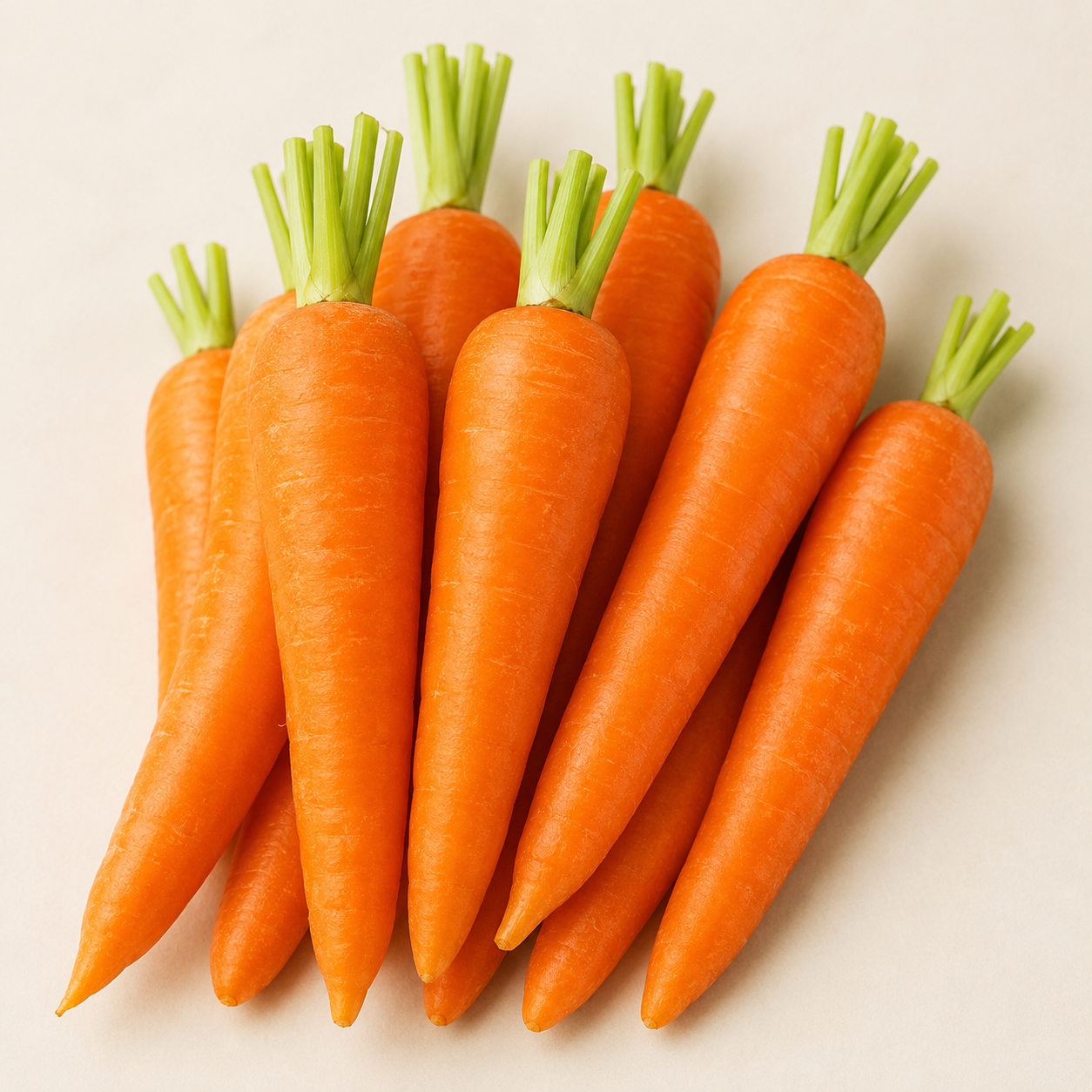
Carrot
Another common root vegetable that can be eaten raw, steamed, boiled, roasted, or added to soup.
View details →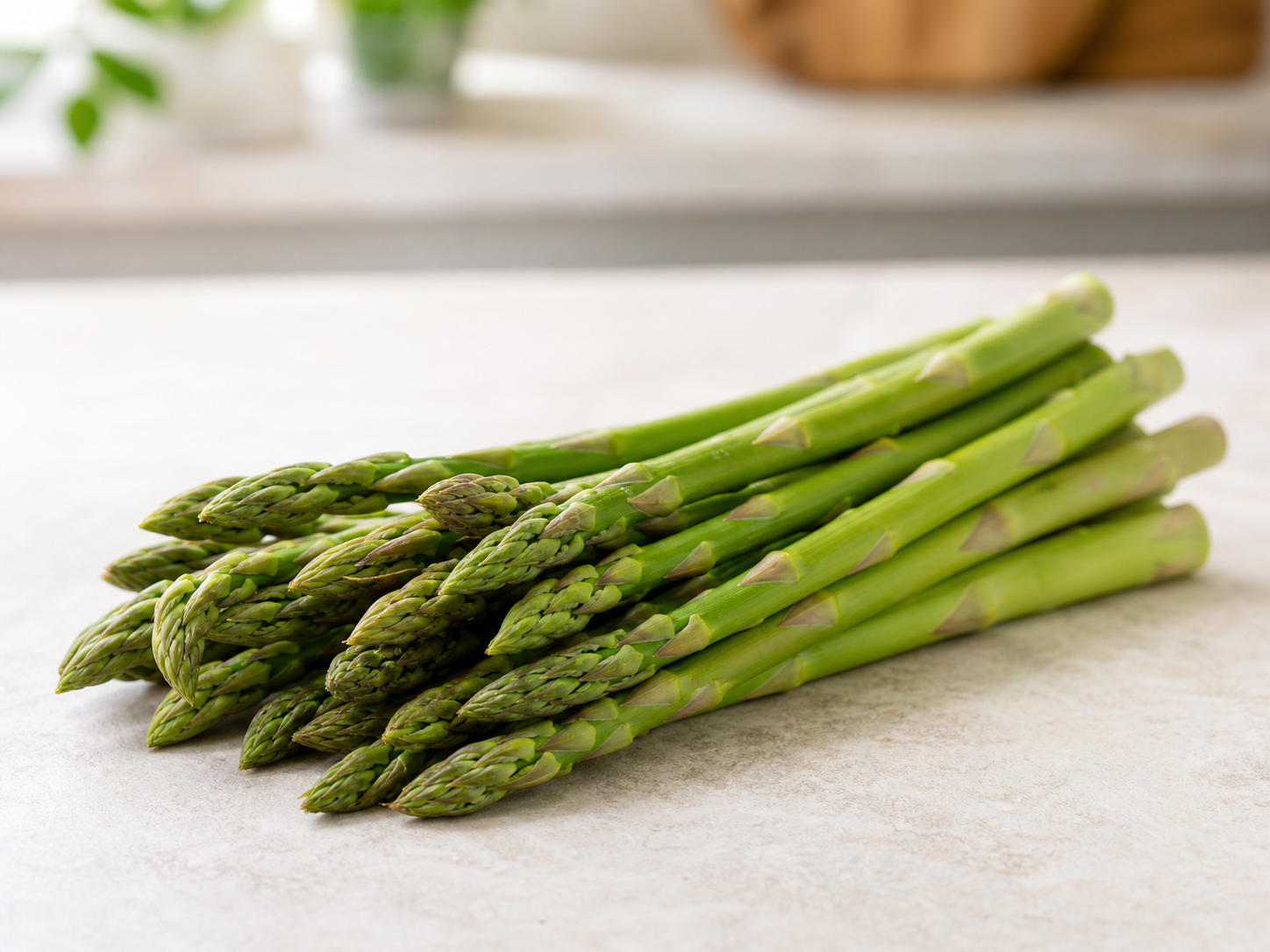
Red radish or cherry radish
Crisp and suitable for slicing or shredding into salads. It is more peppery than beetroot but offers a similar crunchy texture and root-vegetable role.
View details →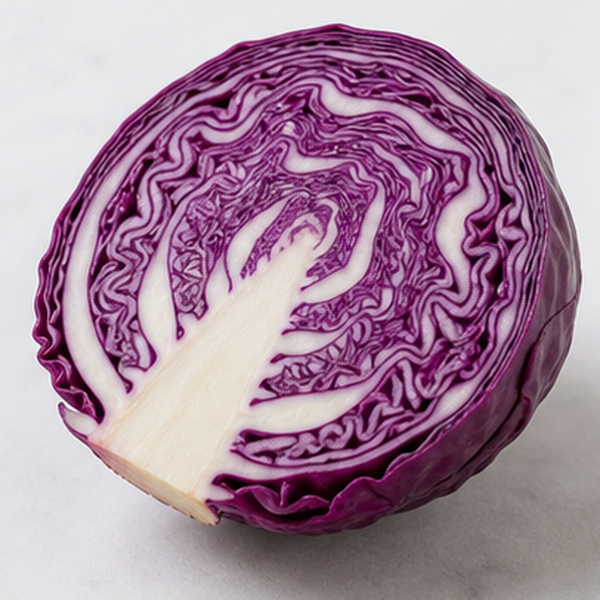
Purple Cabbage
If the main goal is to add purple-red color and plant pigments, purple cabbage is another option.
View details →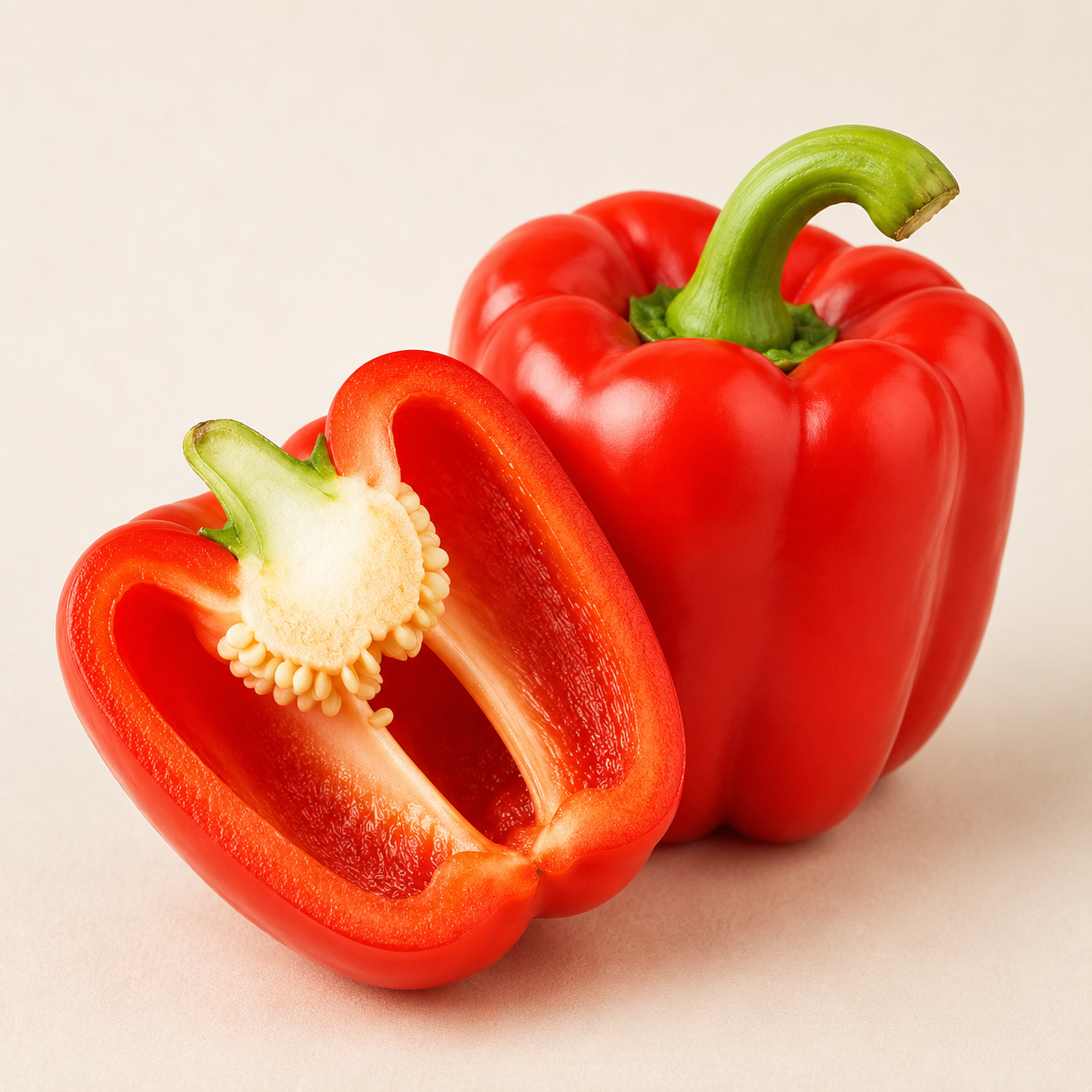
Red bell pepper
Red bell pepper can add another red vegetable with a sweeter, crisper texture.
View details →Data Sources & Last Updated
Nutrition Data
Basic Information & Food Safety
Research & References
Milton-Laskibar I, Martínez JA, Portillo MP. (2021). Current Knowledge on Beetroot Bioactive Compounds: Role of Nitrate and Betalains in Health and Disease.
Foods, 10(6), 1314. DOI / Original
Clifford T, Howatson G, West DJ, Stevenson EJ. (2015). The Potential Benefits of Red Beetroot Supplementation in Health and Disease.
Nutrients, 7(4), 2801–2822. DOI / Original
Benjamim CJR, et al. (2022). Nitrate Derived From Beetroot Juice Lowers Blood Pressure in Patients With Arterial Hypertension: A Systematic Review and Meta-Analysis.
Systematic review and meta-analysis. DOI / Original
Mitchell T, et al. (2019). Dietary Oxalate and Kidney Stone Formation.
American Journal of Physiology-Renal Physiology. DOI / Original
Watts AR, Lennard MS, Mason SL, Tucker GT, Woods HF. (1993). Beeturia and the Biological Fate of Beetroot Pigments.
Research article. DOI / Original