Whole Grains & Tubers · Tubers
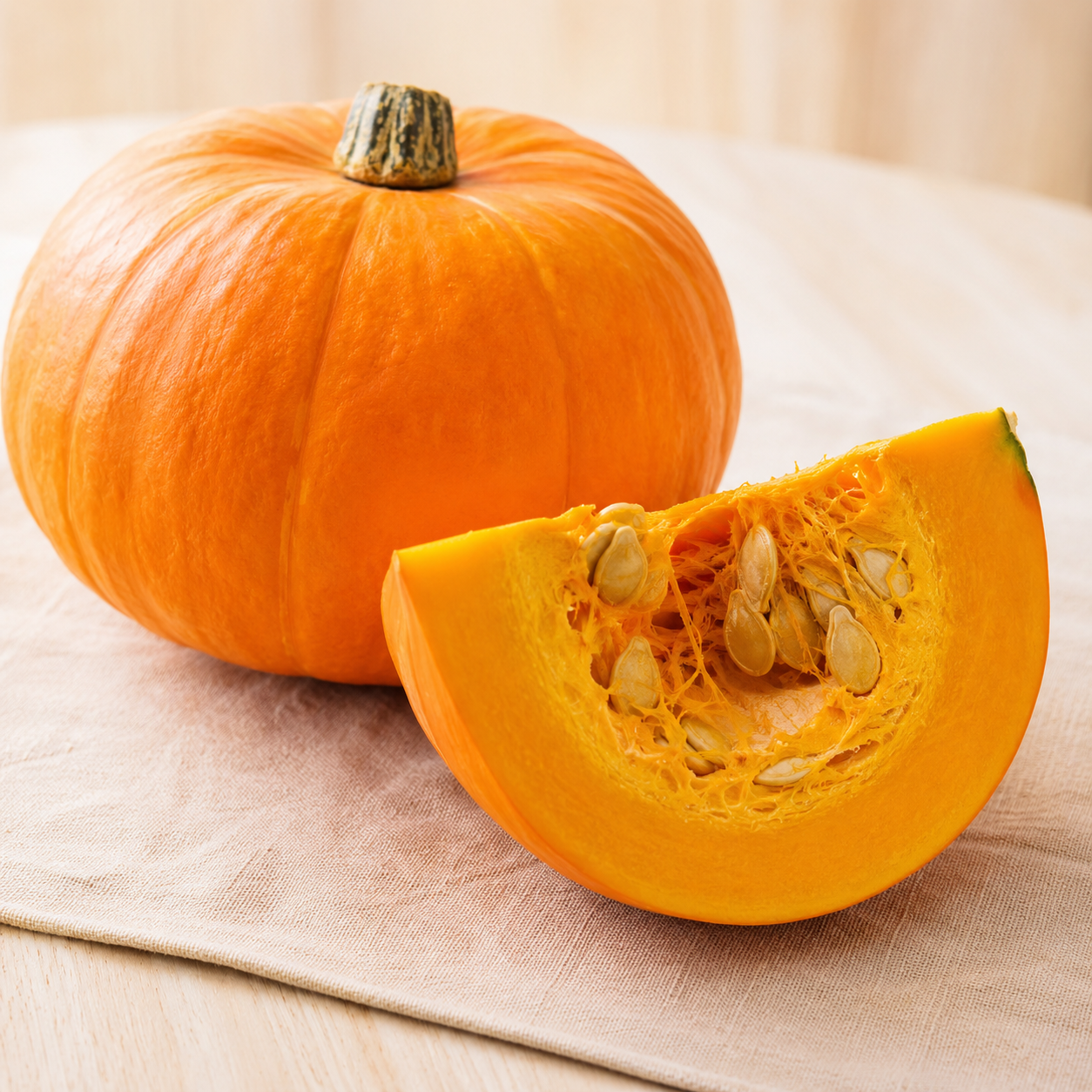
Pumpkin
Common pumpkin is high in water and relatively low in energy and carbohydrate, with alpha-carotene and beta-carotene among its key nutrients. It works well as a vegetable or small staple-food replacement, but starchier kabocha or chestnut-type pumpkins need separate nutrition data.
Food Overview
Key strengths
Common pumpkin is more than 90% water and provides about 20—26 kcal per 100 g, along with provitamin-A carotenoids, vitamin C, copper, and potassium.
How to Eat It
Pumpkin can be steamed, boiled, stewed in soup, or moderately roasted, and it can also be added to mixed-grain rice, bean soups, and grain bowls.
What stands out
Pumpkin varieties differ greatly in water, starch, sugar, and carotenoid content. Common long pumpkins, butternut squash, kabocha-type pumpkins, chestnut pumpkins, and Japanese pumpkins should not be assumed to have identical nutrition. Always check which variety and edible state the data refer to.
Worth noting
Pumpkin GI varies with cultivar, maturity, particle structure.
On this page, raw pumpkin GI is shown as “—”. A human test of boiled pumpkin reported a GI of about 66. A separate value of about 51 was reported for boiled butternut pumpkin, which is a different pumpkin type and is therefore not included in this page's common-pumpkin GI value.
Basic Nutrition
Showing:100 g Raw Pumpkin
View complete nutrition data
GI note:GI varies with cultivar, food structure, processing, and cooking. Raw grains usually do not have directly applicable human GI data.
No reliable human GI value represents common raw pumpkin.
Data notes:The data on this page correspond to high-moisture common pumpkin and do not directly represent kabocha, chestnut pumpkin, or Japanese pumpkin.
Raw and boiled pumpkin use separate database entries and are not calculated from a raw-to-cooked weight ratio.
Complete directly usable starch data are not available, so starch is shown as “—” rather than estimated from carbohydrate or sugar values.
GI varies with cultivar, particle integrity, processing, and cooking state; raw pumpkin usually does not have directly usable human GI data.
Vitamins & Minerals
By default, show values per 100 g of raw pumpkin and only representative nutrients providing at least 5% of the adult Daily Value at the current serving
View all vitamins and minerals
Percentages show how much the selected serving contributes to the adult Daily Value.
Key Bioactive Compounds
Beta-carotene & alpha-carotene
CarotenoidsBeta-carotene and alpha-carotene are important pigments in orange-yellow pumpkin flesh, and both have provitamin-A activity.
Specific amount: —. Levels can vary by dozens of times across species, cultivars, maturity stages, and flesh colors.
These carotenoids can be converted to vitamin A as needed by the body, helping maintain normal vision, skin, mucous membranes, and immune function while also contributing to antioxidant defenses.
Steaming, boiling, stewing, or moderate roasting softens the plant tissue, and eating pumpkin with a small amount of fat in the meal supports absorption.
Pumpkin does not treat myopia, night blindness, or skin disease.
Lutein & zeaxanthin
CarotenoidsPumpkin also contains lutein and zeaxanthin. They are not converted to vitamin A but are components of the macular pigment in the human eye.
Specific amount: —. Levels vary markedly by pumpkin cultivar and are found mainly in yellow or orange flesh, with some also present in the skin.
Lutein and zeaxanthin contribute to macular pigment and help eye tissues respond to photo-oxidative stress.
Gentle cooking and pairing with a meal containing a small amount of fat are sufficient to support absorption; large amounts of extra oil are unnecessary.
Eating pumpkin does not treat myopia, cataracts, or macular degeneration and does not replace other lutein sources such as leafy greens.
Pectin & Other Dietary Fiber
Dietary FiberPumpkin flesh contains pectin, cellulose, and other cell-wall polysaccharides that create a soft, smooth texture after cooking.
Specific amount: —. Water content and fiber composition differ widely across pumpkin varieties. Pectin is found mainly in flesh cell walls, while the skin contains more insoluble fiber.
Dietary fiber supports normal bowel movements, and some pectin can be fermented by gut microbes.
Pumpkin can be steamed, boiled, stewed in soup, or made into unsweetened purée.
Pumpkin purée and creamy pumpkin soup do not “nourish the stomach” or repair the stomach lining.
How Preparation Changes Pumpkin
Common Pumpkin vs Kabocha-Type Pumpkin
Common long pumpkin or mature ordinary pumpkin usually has a higher water content and softer texture, with lower energy and carbohydrate per 100 g.
Raw Pumpkin
Raw pumpkin is firm and is not usually eaten as the main state. USDA raw-pumpkin data mainly describe composition before cooking rather than recommending raw consumption. No reliable general human GI value is available for raw pumpkin.
Steamed Pumpkin
Steaming avoids immersing pumpkin directly in water and may reduce losses of some water-soluble components into cooking liquid.
Boiled Pumpkin
Boiling increases pumpkin’s water content, while some nutrients can move into the cooking liquid. Boiled pumpkin provides about 20 kcal and 4.9 g of carbohydrate per 100 g; in soup, eating the liquid retains dissolved components.
Roasted Pumpkin
Roasting reduces water and concentrates sweetness and aroma. Avoid large amounts of honey, syrup, butter, or cream and do not repeatedly roast until clearly charred.
Pumpkin Purée
Mashing steamed or boiled pumpkin can make chewing and swallowing easier but disrupts the intact food structure and makes it easier to eat a large portion quickly.
Canned Pumpkin Purée & Pumpkin Pie Filling
Plain unsweetened canned pumpkin purée usually contains only pumpkin and can be used in soups, porridge, and baking. Pumpkin pie filling or sweetened pumpkin purée may already contain sugar, syrup, spices, and other ingredients, so plain cooked-pumpkin nutrition data do not apply.
Pumpkin Seeds
Pumpkin seeds come from the same fruit but have a completely different nutritional profile from pumpkin flesh. They contain much more energy, fat, protein, magnesium, and zinc and should not use the nutrition data from the pumpkin-flesh page.
How to Choose & Store
How to choose
- First identify the variety: common pumpkin and kabocha, chestnut pumpkin, or Japanese pumpkin may differ in water and starch content.
- Choose pumpkins that are firm overall, feel reasonably heavy for their size, and have intact skin.
- Avoid products with obvious soft spots, leaking, mold, large cracks, or major damage.
- Cut pumpkin flesh should be firm and normally colored, without slime, obvious shriveling, mold, or sour or rancid odors.
- For processed products, check the pumpkin proportion, added sugar, syrup, cream or butter, coconut milk, oil, sodium, starch, and flour.
- If pumpkin tastes extremely bitter, spit it out and discard it immediately rather than trying to keep eating it after cooking or adding sugar.
How to store
- Store whole pumpkin in a cool, dry, dark, ventilated place; an ideal storage temperature is about 10—13°C.
- Wrap cut raw pumpkin or place it in a sealed container in the refrigerator and use it within about one week.
- Refrigerate cooked pumpkin within 2 hours; if the ambient temperature is above 32°C, refrigerate within 1 hour.
- Refrigerated cooked pumpkin is generally best eaten within 3—4 days and reheated thoroughly before serving.
- Discard pumpkin with obvious mold, extensive soft decay or leaking, abnormal fermented odor, slime on cut surfaces, or a strongly bitter taste.
When buying pumpkin, remember three things: identify the variety, choose firm produce without soft decay, and discard any pumpkin with an abnormally bitter taste.
How to Include It in Everyday Meals
Steamed Pumpkin
Steam similar-sized pieces until tender. Common pumpkin is relatively low in carbohydrate, while starchier kabocha-type varieties should count more toward the staple-food portion.
Boiled or Stewed Pumpkin
Cook pumpkin chunks with tomato, onion, mushrooms, legumes, chicken, or fish so the pumpkin naturally adds sweetness and body to the broth.
Roasted Pumpkin
Cut pumpkin into large pieces, toss with a small amount of plant oil and herbs, and roast just until tender. Avoid large amounts of honey, syrup, butter, and cheese, and do not roast until the edges are clearly charred.
Pumpkin Mixed-Grain Rice
Cook large pumpkin chunks with white rice, brown rice, millet, or quinoa to add color and vegetable variety. Common pumpkin is not very high in carbohydrate and a small amount cannot fully replace rice; when using kabocha or chestnut pumpkin, reduce the amount of dry rice to avoid doubling up on staple foods.
Pumpkin Soup
Pumpkin can be cooked with tomato, carrot, onion, lentils, chickpeas, or mushrooms and then left partly chunky or blended smooth as needed.
Pumpkin Grain Bowl
Pair steamed or roasted pumpkin with brown rice, quinoa, legumes, lettuce, red cabbage, tomato, and egg. Common pumpkin can count mainly as a vegetable, while mealier pumpkin varieties should count toward the staple-food portion.
Who Should Take Extra Care
People managing blood sugar
Pumpkin still contains carbohydrate, and variety and cooking method affect GI and actual glucose response.
People with impaired kidney function
Pumpkin contains potassium. People who need to limit potassium should decide the variety, portion, and cooking method based on kidney function, blood potassium, and the rest of the day’s diet rather than assuming that vegetables can be eaten without limit.
People with digestive sensitivity
Pumpkin is usually soft, but a large serving of pumpkin purée, pumpkin soup, or higher-fiber starchy pumpkin can still cause bloating or changes in bowel habits for some people. Start with a smaller portion and adjust according to tolerance.
Infants, Young Children & People with Weaker Swallowing Ability
Remove hard skin and seeds, cook until soft, and mash or cut to a size appropriate for swallowing ability. Pumpkin purée does not replace the varied staple foods, protein foods, and iron-rich foods needed by infants and young children.
People with Celiac Disease or Those Requiring a Strict Gluten-Free Diet
Plain pumpkin is naturally gluten-free, but pumpkin soup, pumpkin cakes, pumpkin bread, seasoned purée, and other processed products may contain wheat or cross-contact. Check the ingredient list and gluten-free labeling.
People with Pumpkin Allergy
A small number of people may be allergic to pumpkin or pumpkin seeds. Stop eating and seek medical care if hives, lip swelling, wheezing, persistent vomiting, or other clear symptoms occur.
People Who Encounter an Abnormally Bitter Pumpkin
Strong bitterness may indicate unusually high cucurbitacin levels. Spit it out and stop eating immediately; seek medical care if marked nausea, vomiting, abdominal pain, or diarrhea follows.
Similar Food Alternatives
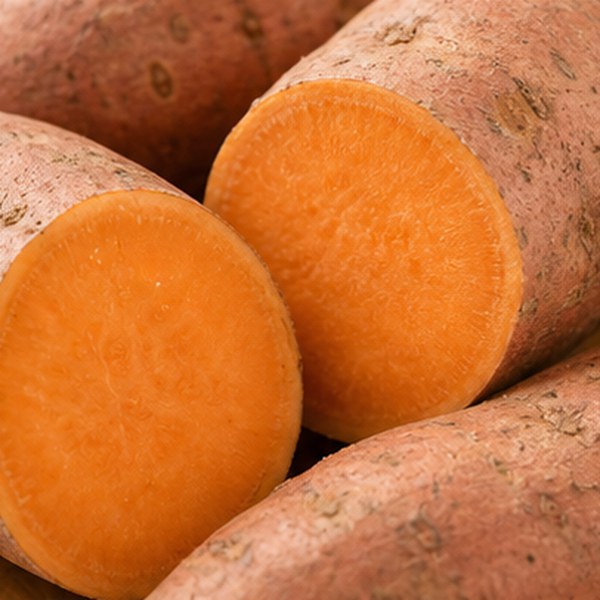
Sweet potato
Sweet potato generally contains more starch and energy than common pumpkin and is better managed as a staple food.
View details →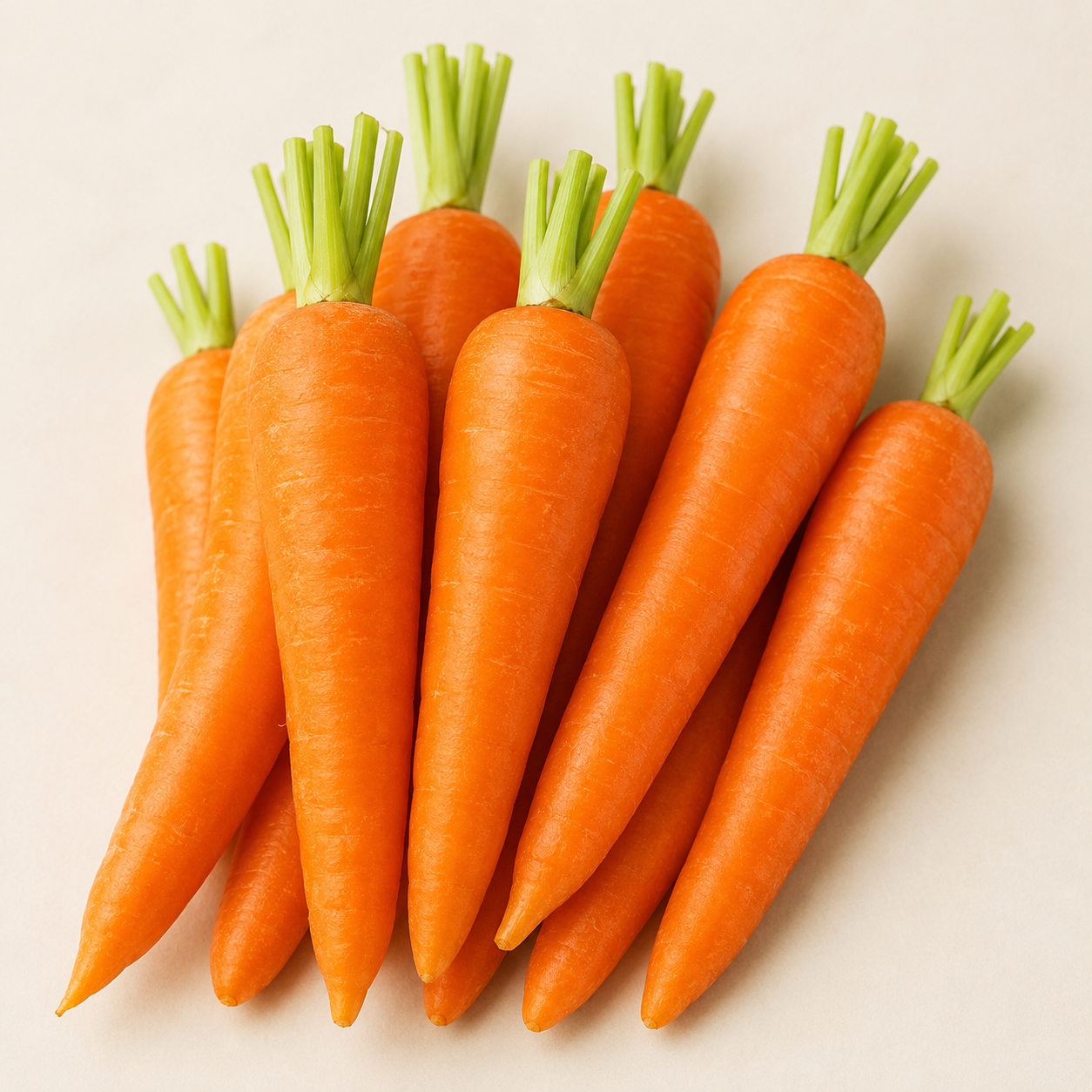
Carrot
It also provides provitamin-A carotenoids and works well steamed, boiled, stewed in soup, and paired with other vegetables.
View details →
Winter Melon
It contains even more water and has a milder flavor, making it suitable for soups and stir-fries, but its nutritional features differ from pumpkin.
View details →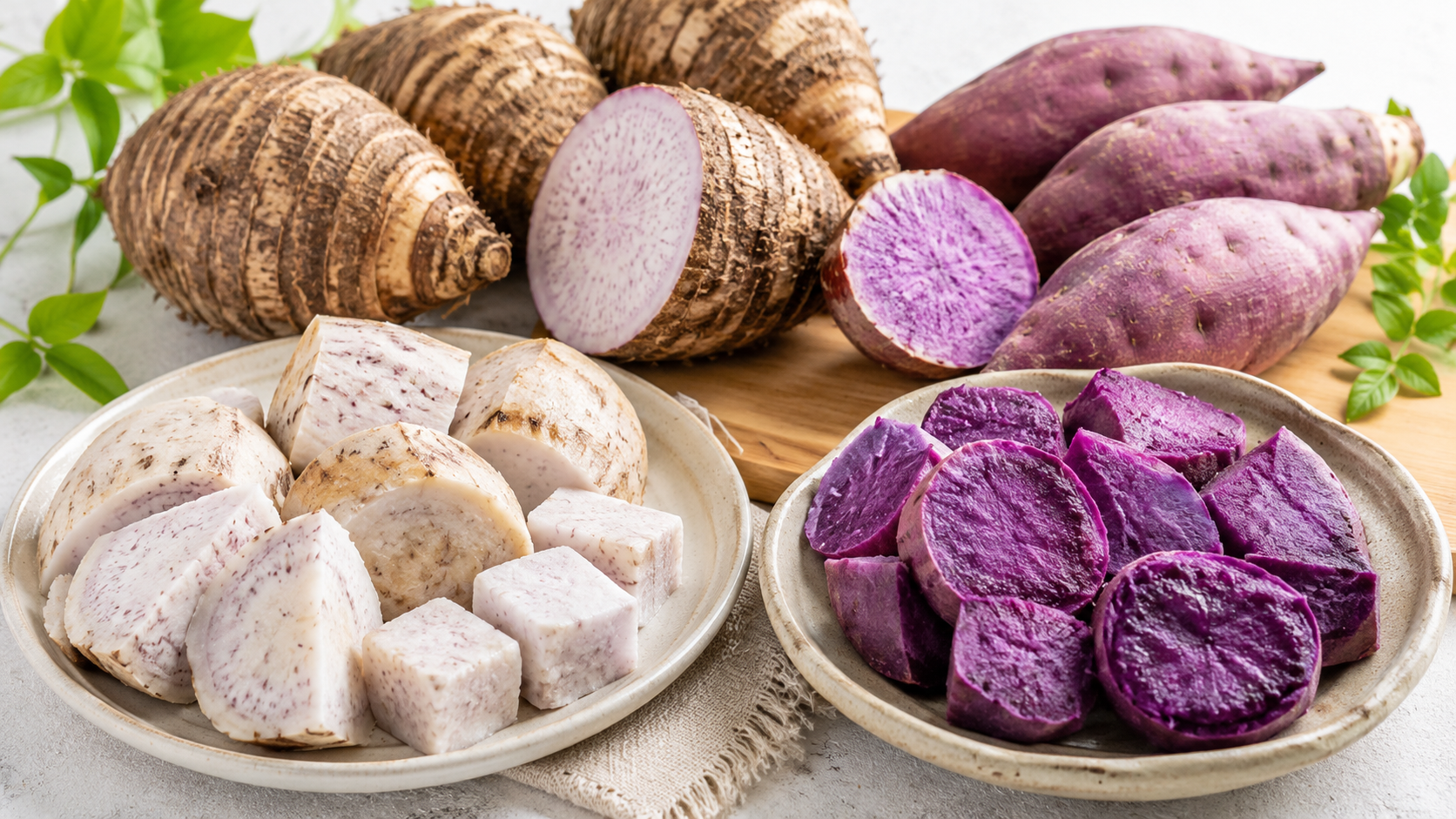
Taro
Taro contains considerably more starch and energy and should mainly be treated as a staple or starchy food.
View details →Data Sources & Last Updated
Nutrition Data
Basic Information & Food Safety
Research & References
Azevedo-Meleiro, C. H., & Rodriguez-Amaya, D. B. (2007). Qualitative and quantitative differences in carotenoid composition among Cucurbita moschata, Cucurbita maxima, and Cucurbita pepo.
Journal of Agricultural and Food Chemistry. DOI / Original
Ribeiro, E. M. G., et al. (2015). Effect of Style of Home Cooking on Retention and Bioaccessibility of Pro-vitamin A Carotenoids in Biofortified Pumpkin (Cucurbita moschata Duch.).
Food Research International, 77, 620–626. DOI / Original
Kulczyński, B., & Gramza-Michałowska, A. (2019). The profile of carotenoids and other bioactive molecules in various pumpkin fruits.
Molecules. DOI / Original