Legumes & Soy Foods · Dry Legumes
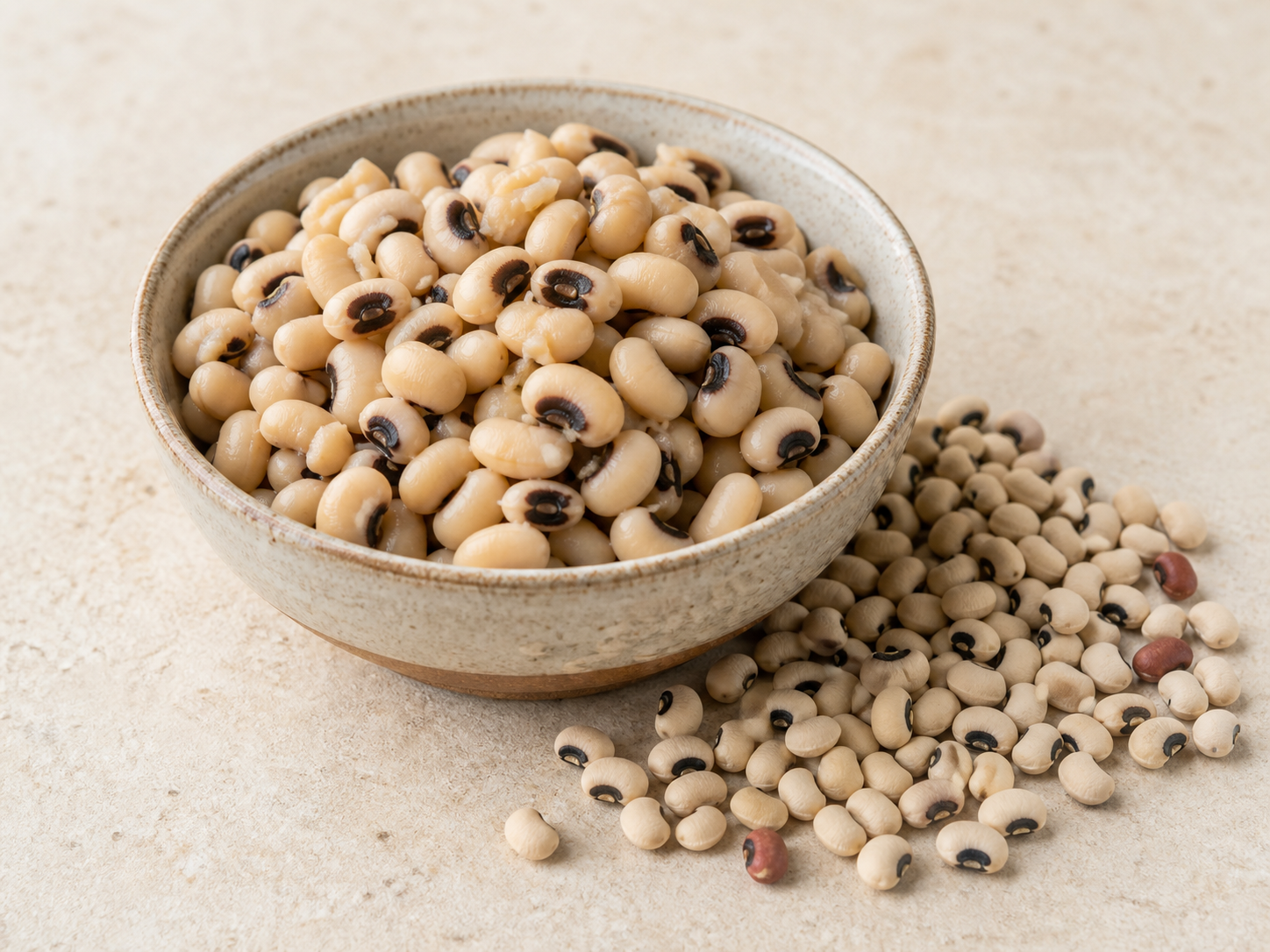
Cowpea (Mature Seeds)
Cowpeas are a high-fiber legume rich in plant protein and folate. Their seed coats also contain proanthocyanidins, catechins, phenolic acids, and other flavonoids. Once thoroughly cooked, they pair well with whole grains and vegetables in mixed-grain rice, porridge, soups, stews, and salads.
Food Overview
Key strengths
Per 100 g, cooked cowpeas provide about 116 kcal, 7.73 g of protein, and 6.5 g of dietary fiber, along with folate, copper, manganese, vitamin B1, iron, magnesium, phosphorus, zinc, and potassium.
How to Eat It
Cowpeas work well with brown rice, oat groats, barley, corn, or quinoa and can also be added to vegetable soups, tomato stews, curries, and grain salads.
What stands out
Seed-coat color and polyphenol composition vary greatly among cowpea cultivars. Proanthocyanidins and catechin-related compounds are concentrated mainly in the seed coat; black, red, and brown seed-coat varieties often contain more pigmented polyphenols, but color alone cannot accurately indicate overall nutritional value.
Worth noting
Raw or undercooked cowpeas may retain higher lectin activity and can cause nausea, vomiting, abdominal pain, or diarrhea. Soak, discard the soaking water, and boil thoroughly until the centers are completely soft.
Basic Nutrition
Showing:100 g Cooked Cowpeas
View complete nutrition data
GI note:GI varies with cultivar, food structure, processing, and cooking. Raw grains usually do not have directly applicable human GI data.
The GI range of 31—46 comes from specific Sri Lankan cowpea cultivars and cooking samples and should not be applied to cowpea flour, cowpea noodles, fried cowpeas, seasoned canned cowpeas, cowpea purée, or meals mixed with large amounts of white rice.
Data notes:Cooked-cowpea data refer to the edible portion of mature seeds boiled in water without added salt.
Vitamins & Minerals
By default, show values per 100 g of cooked cowpeas and only nutrients providing at least 5% of the FDA Daily Value for adults and children age 4 and older at the current serving size; the top six are shown by default.
View all vitamins and minerals
Percentages show how much the selected serving contributes to the adult Daily Value.
Key Bioactive Compounds
Proanthocyanidins & Catechin Compounds
Flavan-3-ols & Condensed TanninsColored cowpea seed coats contain proanthocyanidins formed from flavan-3-ols such as catechin and epicatechin.
Specific amount: —. These compounds are concentrated mainly in the seed coat and vary greatly across black, red, green, white, and brown cultivars.
They show antioxidant activity experimentally, but laboratory measures do not directly predict anti-inflammatory effects from normal food portions.
Choose whole cowpeas with intact seed coats and cook until soft; do not shorten cooking just to preserve polyphenols.
Seed-coat extracts and in-vitro studies do not show that cooked cowpeas eliminate chronic inflammation or treat disease.
Phenolic acids & flavonols
Phenolic Acids & FlavonoidsCowpeas also contain multiple phenolic acids and flavonols, including derivatives of ferulic acid, p-coumaric acid, caffeic acid, and quercetin.
Quercetin in specific germplasm samples was about 214—280 µg/g and should not be treated as a fixed amount in all commercial cowpeas. Specific general amount: —.
These compounds can participate in the antioxidant system of foods and may interact with gut microbes during digestion. Long-term human anti-inflammatory research on ordinary cooked cowpeas remains limited.
When making soup or stew with whole beans, cooking liquid can be retained if gastrointestinal tolerance is good to reduce loss of some water-soluble compounds.
Detecting ferulic acid, quercetin, and other compounds does not mean cowpeas replace medication, treat diabetes, or independently prevent cardiovascular disease.
Anthocyanins
AnthocyaninsAnthocyanins are natural pigments in some black, purple-black, and reddish-brown cowpea seed coats, while cream-colored and pale varieties usually do not contain the same amounts.
In specific germplasm studies, total anthocyanins in reddish-brown seed-coat cowpeas were about 2.96 mg/100 g dry weight, while the highest black-seed-coat sample was about 175.16 mg/100 g dry weight.
Anthocyanins show antioxidant activity in experimental systems. Choosing dark-seeded cowpeas can increase the variety of dietary pigment polyphenols, but pale cowpeas still provide plant protein, dietary fiber, folate, and minerals.
Keep the seed coat on dark varieties and cook whole beans thoroughly.
Darker color does not mean protein, minerals, and overall nutrition are necessarily higher, and seed-coat color alone should not be used to rank “anti-inflammatory power.”
How Preparation Changes Cowpea (Mature Seeds)
Raw Cowpeas
Raw cowpeas have low water content, so energy, protein, folate, and minerals look concentrated per 100 g, but this is only the pre-cooking weighed state. Raw beans should not be eaten directly.
Soaking
Pick out stones, insect-damaged beans, and broken beans, rinse, then soak in plenty of water for 6—12 hours. Discard the soaking water afterward and add fresh water for cooking.
Cook Thoroughly
After changing the water, boil the beans at 100°C for at least 30 minutes and continue cooking until the centers are completely soft. Cultivar, bean age, and soaking level affect the actual time, so do not rely on timing alone; check whether the centers are fully cooked.
Low-Temperature Slow Cooking
Steaming, microwaving, baking, and lower-temperature cooking may be less effective than thorough boiling at reducing lectin activity. When using a slow cooker, first bring soaked cowpeas to a full boil rather than starting raw beans directly at a low temperature.
Dehulling or Milling
Removing the seed coat reduces proanthocyanidins, anthocyanins, and some phenolic acids. Milling disrupts the whole-bean structure and changes cooking and digestion speed, so cowpea flour should not use the GI data for intact cooked beans.
Refrigerated After Cooking
If cooked cowpeas are not eaten immediately, portion and refrigerate within two hours and eat within 4 days or freeze.
Fried & Seasoned Products
Fried bean cakes, crispy cowpea snacks, or dishes made with large amounts of coconut milk, salt, or processed meat can have much higher fat, sodium, and energy and should not use the nutrition data for unsalted boiled cowpeas.
How to Choose & Store
How to choose
- Packaging should clearly indicate mature cowpea seeds, cowpea, or black-eyed pea rather than tender long-bean pods, mung beans, adzuki beans, or common beans.
- Cowpeas can be cream, white, red, brown, or black, and some cultivars have a distinct eye around the hilum.
- Choose intact, dry beans without obvious insect damage, holes, mold, or large amounts of broken beans.
- Avoid packages with condensation, damp clumps, musty odor, or insect eggs; check the seal on packaged products.
How to store
- Store raw cowpeas in a sealed container in a cool, dry, dark place away from stoves, sinks, and high humidity.
- After opening, protect them from moisture and stored-grain pests.
- After cooking, portion promptly into clean, shallow containers, refrigerate within two hours, and eat within 4 days.
- Freeze in portions for longer storage.
- Discard beans with mold, clear rancid or fermented odors, sliminess, or unusual leaking liquid.
When buying cowpeas, remember three points: confirm they are mature seeds, choose dry intact beans, and avoid mold or insect damage.
How to Include It in Everyday Meals
Cowpea Mixed-Grain Rice
Soak cowpeas in advance and cook them separately until nearly soft, then steam with brown rice, oat groats, barley, or corn.
Cowpea Porridge
Cook thoroughly soaked cowpeas with oats, millet, brown rice, or cracked corn. The beans should be soft enough to crush easily.
Cowpea Vegetable Soup
Combine cooked cowpeas with tomatoes, carrots, onions, celery, mushrooms, and leafy greens. Season with cumin, black pepper, ginger, or herbs and use less high-sodium soup base, sausage, bacon, and animal fat.
Cowpea Stew or Curry
Cowpeas can be stewed with pumpkin, tomatoes, eggplant, spinach, cauliflower, and mushrooms. Use a small amount of plant oil and spices, keep coconut milk, butter, and salt moderate, and avoid repeatedly cooking until the bottom chars.
Cowpea Grain Salad
Drain and cool cooked cowpeas and combine with quinoa, buckwheat, brown rice, cucumber, tomatoes, purple cabbage, and herbs. Dress with a small amount of olive oil, vinegar, or lemon juice and keep the finished salad refrigerated.
Cowpea Vegetable Patties
Mash cooked cowpeas and mix with oats, egg or tofu, onions, and chopped vegetables, then pan-cook over medium-low heat with a small amount of oil.
Who Should Take Extra Care
Everyone Should Avoid Raw or Undercooked Cowpeas
Undercooked legumes may retain active lectins and cause nausea, vomiting, abdominal pain, and diarrhea. Soaking, changing the water, and thorough boiling at 100°C are key steps for reducing risk.
People with Sensitive Digestion or Frequent Bloating
Cowpeas contain substantial dietary fiber and fermentable oligosaccharides. Start with two or three tablespoons of cooked beans and increase gradually.
People with Irritable Bowel Syndrome
People sensitive to legume oligosaccharides can soak longer, discard the soaking water, drain cooked beans, and start with smaller portions.
People managing blood sugar
The representative GI range for cooked cowpeas is 31—46, but a half-cup serving still contains about 17.8 g of carbohydrate.
People with Iron Deficiency
A half-cup of cooked cowpeas provides about 2.15 mg of non-heme iron. Pair with vitamin-C-rich foods such as bell peppers, tomatoes, citrus, or kiwifruit to support plant-iron absorption; diagnosed iron-deficiency anemia should not be treated with cowpeas alone.
People Planning Pregnancy or Who Are Pregnant
A half-cup of cooked cowpeas provides about 178 µg of natural folate, but food folate does not replace the folic-acid supplement usually recommended before conception and in early pregnancy. People who may become pregnant generally still need 400—800 µg of folic acid daily according to guidelines or clinician advice.
People with Kidney Dysfunction or Those Restricting Potassium or Phosphorus
A half-cup of cooked cowpeas provides about 238 mg of potassium and 133 mg of phosphorus. Most people do not need to avoid them, but people who have been told to strictly limit potassium or phosphorus should count cowpeas toward the daily total.
People with Legume Allergies
Cowpea allergy is uncommon, but storage proteins may cross-react with peas, peanuts, and other legumes in IgE-mediated allergy. People with a clear history of severe allergy to multiple legumes should try them only with professional guidance.
Infants, young children, and people with swallowing difficulties
Cook cowpeas until very soft, then mash, crush, or mix into porridge and soups. Do not serve whole beans that remain hard in the center and slippery on the surface to young children with limited chewing ability.
Similar Food Alternatives
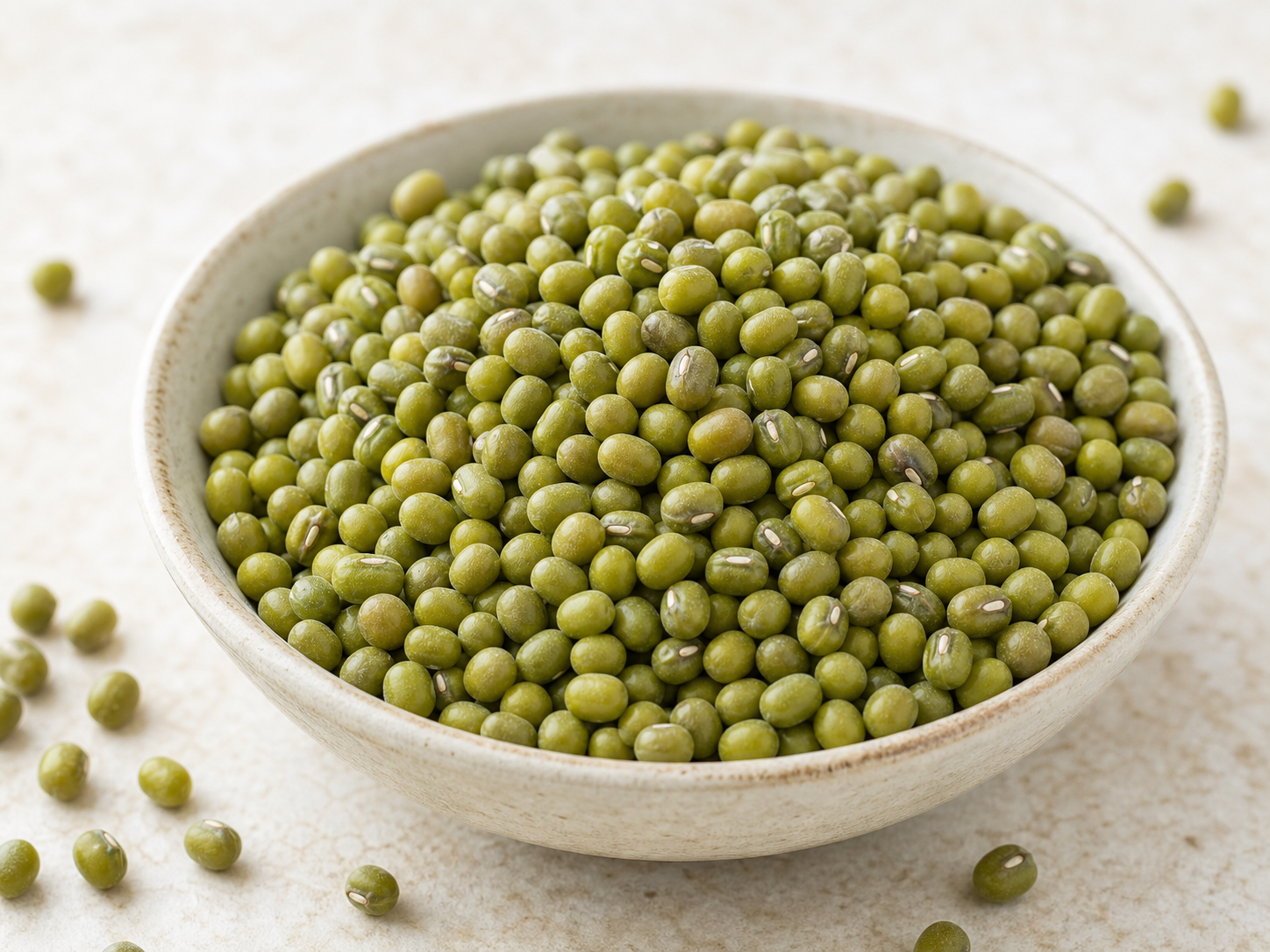
Mung Bean
Another Vigna pulse used in porridge, soups, and mixed-grain rice, providing plant protein and dietary fiber.
View details →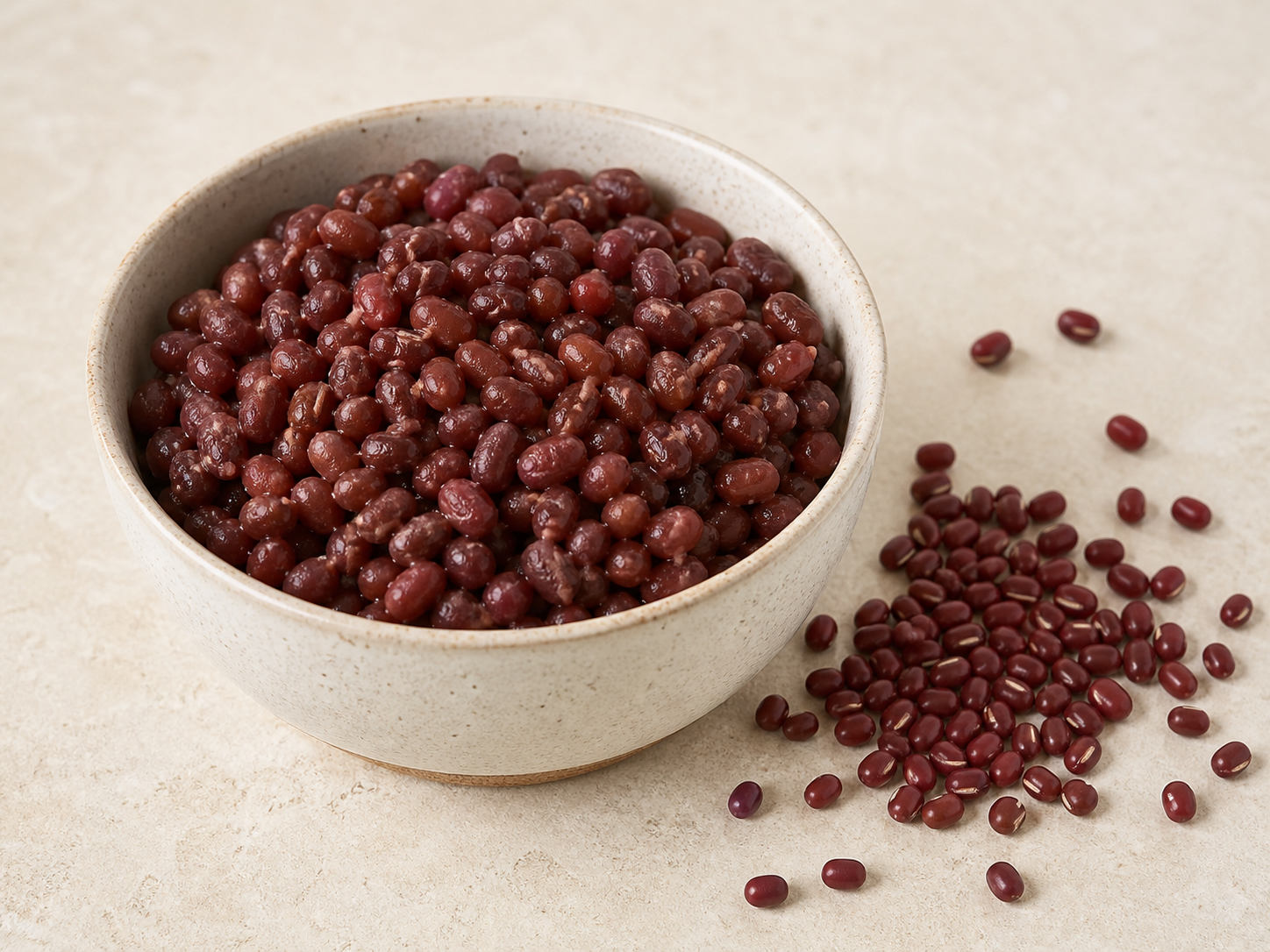
Adzuki Bean
Works well in mixed-grain rice, porridge, and soup, with substantial folate, plant protein, and dietary fiber.
View details →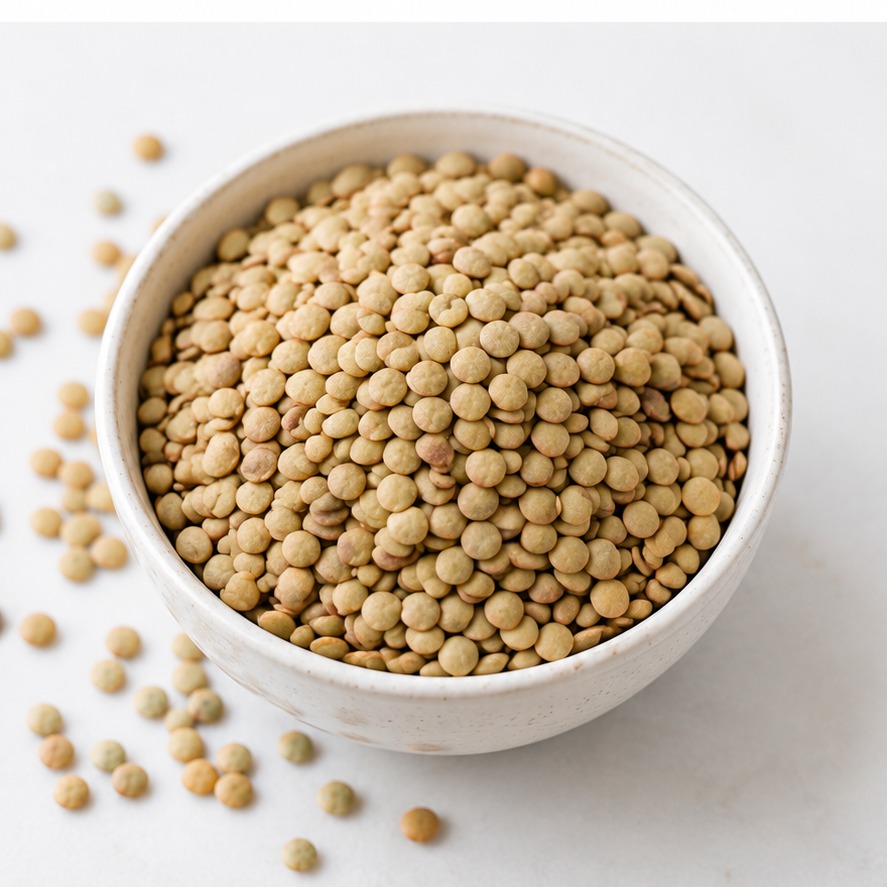
Green Lentils
They usually cook faster and work well in soups, stews, curries, and grain salads.
View details →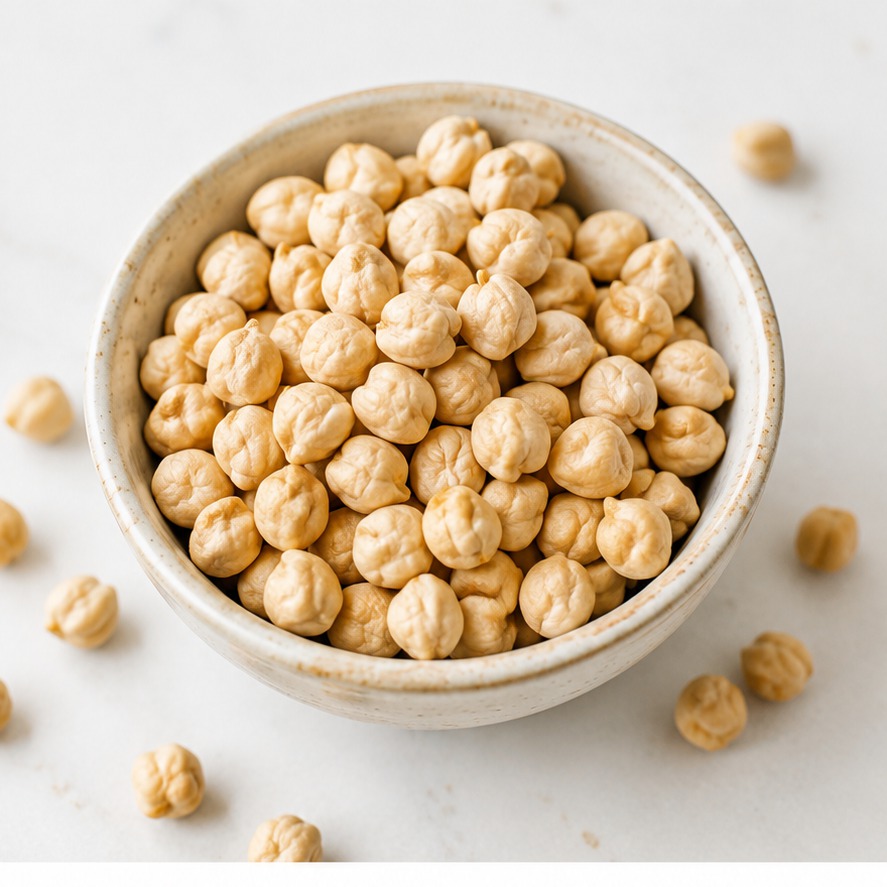
Chickpeas
They work well in bean purées, salads, and stews and provide plant protein, dietary fiber, and folate.
View details →Data Sources & Last Updated
Nutrition Data
Basic Information & Food Safety
Research & References
Jayathilake C, et al. (2018). Cowpea: An Overview on Its Nutritional Facts and Health Benefits.
Journal of the Science of Food and Agriculture. DOI / Original
Ojwang LO, et al. (2013). Proanthocyanidin Profile of Cowpea Reveals Catechin-O-Glucoside as the Dominant Compound.
Food Chemistry. DOI / Original
Sombié PAED, et al. (2018). Antioxidant and Phytochemical Studies of 31 Cowpea Cultivars.
Food Science and Nutrition. DOI / Original
Tzanova MT, et al. (2023). Antioxidant Potentials of Different Genotypes of Cowpea.
Agronomy. DOI / Original
Krylova EA, et al. (2023). The Content of Anthocyanins in Cowpea Seeds and Contribution of the MYB Gene Cluster to Their Coloration Pattern.
Plants. DOI / Original
Chentouh MM, et al. (2022). Allergenic Risk Assessment of Cowpea and Its Cross-Reactivity with Pea and Peanut.
Food allergy research. DOI / Original