Fruits · Berries
Strawberry
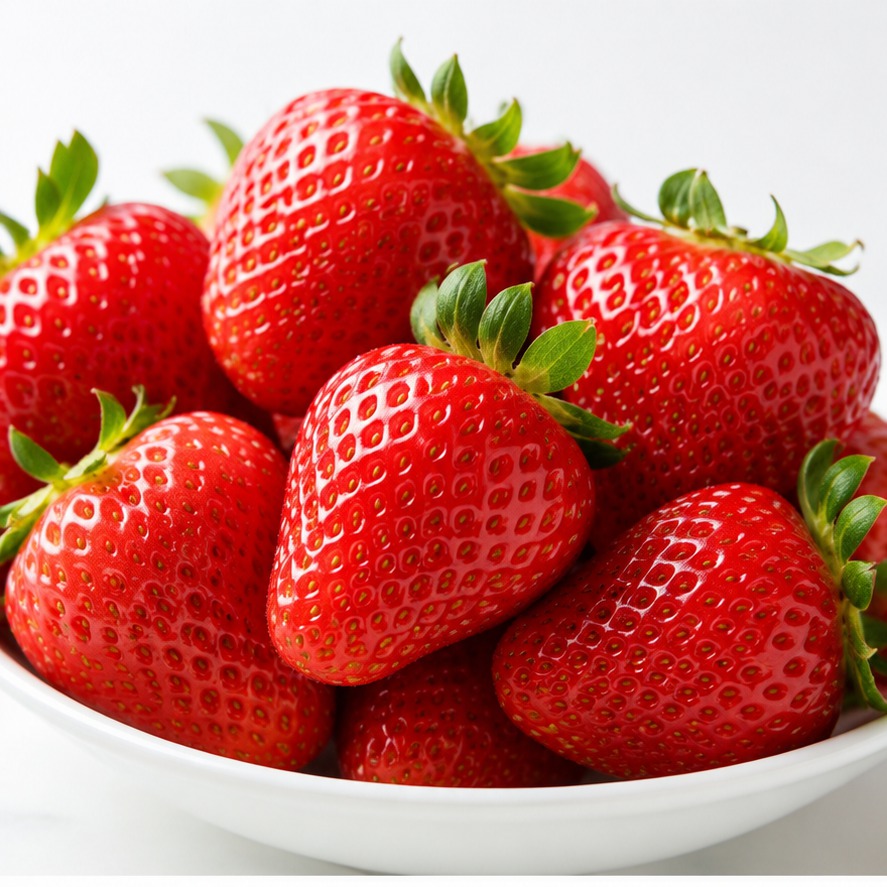
Strawberries are relatively low in energy and sugar and are a good source of vitamin C. They also contain anthocyanins dominated by pelargonidin derivatives, along with ellagitannins, ellagic acid, and other polyphenols. They work well eaten fresh or paired with plain yogurt, oats, and nuts.
Overview
Key strengths
Fresh strawberries provide about 32 kcal, 7.68 g of carbohydrate, and 2 g of dietary fiber per 100 g, along with about 58.8 mg of vitamin C.
How to eat it
The simplest option is to rinse and eat them fresh. They can also be sliced into unsweetened or low-sugar plain yogurt, oats, nuts, chia seeds, or other fruit.
What stands out
The red color of strawberries comes mainly from anthocyanins, with pelargonidin-3-glucoside being especially representative. Strawberries also contain ellagitannins, ellagic acid, flavonols, and other phenolic compounds.
Worth noting
Strawberries are soft and high in water, so bruised fruit can leak juice and mold quickly. Refrigerate them soon after purchase, leave them unwashed during storage, and rinse under running water just before eating. Discard berries that are clearly moldy, leaking, or mushy.
Basic Nutrition
Showing:100 g Fresh Strawberries
View complete nutrition data
GI note:GI varies with cultivar, food structure, processing, and cooking. Raw grains usually do not have directly applicable human GI data.
The University of Sydney lists fresh strawberries with a GI of 40. This value does not apply to jam, dried fruit, sugar-coated strawberries, strawberry-flavored drinks, or desserts.
Data notes:This page uses a single state, “Fresh Strawberries,” and does not cover frozen or freeze-dried strawberries, strawberry powder, dried strawberries, jam, sugar-coated strawberries, strawberry juice, or other processed products.
Basic nutrition data correspond to USDA FoodData Central “Strawberries, raw” (FDC ID 167762).
The sugars shown are naturally present in fresh strawberries, not added sugars. The values on this page no longer apply after adding table sugar, sweetened condensed milk, or syrup.
GI is a relative measure of how quickly available carbohydrate raises blood glucose and does not scale proportionally with the displayed serving weight.
Vitamins & Minerals
Uses FDA Daily Values for adults and children age 4 and older, showing only nutrients that provide at least 5% of the Daily Value at the current serving size.
Per 100 g of fresh strawberries, only four nutrients meet the 5% Daily Value display threshold; nutrients below that cutoff are not added simply to fill the cards.
View all vitamins and minerals
Key Bioactive Compounds
Vitamin C
Water-soluble vitaminStrawberries are a common fruit with relatively high vitamin C content, found mainly in the fresh fruit tissue.
Food-database averages are about 58.8 mg per 100 g. Different cultivars and research samples range roughly from 23 to 112 mg, with ripeness, storage, and light exposure all affecting content.
Vitamin C supports collagen formation, normal immune function, antioxidant defenses, and the absorption of iron from plant foods.
Rinse just before eating and keep the fruit whole until needed. Do not soak for long periods after washing.
The vitamin C in strawberries does not treat colds, skin problems, or gum disease.
Anthocyanins
AnthocyaninsAnthocyanins are a major reason ripe strawberries appear red, with pelargonidin derivatives usually making up the largest share.
Specific amount: —. Strawberry anthocyanin content varies substantially with cultivar, ripeness, and growing conditions. It is concentrated mainly in the outer red tissue, with less usually present in the paler interior.
Anthocyanins work alongside vitamin C and other polyphenols in antioxidant defenses, and berry-rich dietary patterns may support normal cardiovascular function.
Choose naturally ripe strawberries with even color and eat the whole fruit.
A deeper red color does not necessarily mean stronger anti-inflammatory effects in humans, and in-vitro antioxidant values cannot be used to judge disease-prevention ability.
Ellagitannins & Ellagic Acid
PolyphenolsStrawberries contain ellagitannins and ellagic acid. The apparent “seeds” on the surface are actually achenes and are an important source of some polyphenols.
Surface achenes make up about 1% of the whole fruit by weight but can contribute a meaningful share of total polyphenols; ellagitannins are also present in the surrounding flesh.
These compounds may contribute to gut and antioxidant defenses through their metabolites, but the extent of conversion varies substantially among individuals.
The achenes on strawberry surfaces are edible and do not need to be removed.
Experimental research on ellagic acid does not prove that strawberries prevent or treat cancer or “detox” the body, and whole fruit should not be equated with concentrated extracts.
How Preparation Changes Strawberry
Whole Fresh Strawberries
Keeping strawberries whole helps reduce bruising, juice loss, and moisture loss. Strawberries do not continue to sweeten after harvest, so choose fruit that is already evenly red without large white shoulders.
Sliced Strawberries
Cutting increases contact with air and utensils and makes the fruit more likely to release juice and soften. Slice just before serving rather than far in advance, and keep cut strawberries refrigerated.
Crushed or Blended
Blending whole strawberries with the flesh and surface achenes retains most of the dietary fiber. There is no need to add syrup, honey, or juice, and a large sweet strawberry drink should not replace regular water intake.
Washing Before Storage
Moisture left on strawberries speeds softening and mold growth, so it is better to wash them just before eating rather than before storage.
How to Choose & Store Strawberry
How to choose
- Color: choose strawberries that are evenly colored and fully red.
- Caps: intact green caps without marked yellowing or loss usually suggest better freshness, although cap appearance alone cannot determine quality.
- Fruit: choose intact berries with some firmness and no leaking juice, mushiness, or major bruising. Size alone does not indicate nutritional value.
- Bottom of the container: check for pooled liquid, leaking juice, crushed fruit, or mold.
How to store
- Do not wash in advance: remove bruised or moldy fruit, keep the rest dry with caps attached, refrigerate in a shallow container, and rinse before eating.
- Refrigerate promptly: repeated warming after refrigeration can cause condensation and increase mold risk.
- Avoid crushing: do not pile too many strawberries in a deep container, which can damage and squeeze juice from the fruit at the bottom.
- Storage time: aim to eat refrigerated strawberries within about 3–4 days.
When buying strawberries, remember three things: choose evenly red ripe fruit, avoid mold or leaking juice, and refrigerate promptly after purchase.
How to Use Strawberry in Everyday Meals
Rinse and Eat Fresh
Gently rinse strawberries under running water, drain, then remove the caps to reduce direct contact between the cut surface and wash water or outside contaminants. A serving of about 100–150 g is reasonable.
Strawberry & Plain Yogurt Bowl
Slice strawberries into unsweetened or low-sugar plain yogurt with a little oats and nuts. Yogurt provides protein, while oats and nuts can improve satiety.
Strawberry Oat Bowl
Add sliced fresh strawberries to cooked or overnight oats, then top with walnuts, chia seeds, or pumpkin seeds. Add the berries after the oats are prepared to avoid prolonged heating and softening; syrup or large amounts of honey are unnecessary.
Strawberry Vegetable Salad
Pair sliced strawberries with spinach, lettuce, purple cabbage, avocado, walnuts, or chickpeas and dress with a little olive oil, vinegar, or lemon juice.
Whole-Strawberry Smoothie
Blend strawberries with unsweetened yogurt or milk, a little oats, and nuts, keeping all the pulp and skipping straining. Adding banana, honey, juice, and syrup together can substantially raise the drink’s total sugar and energy, so keep combinations simple.
Strawberries on Whole-Grain Bread
Use sliced strawberries on whole-grain bread with a modest amount of low-sugar peanut butter or plain cheese for a simple snack. Choose bread with a straightforward ingredient list and skip extra chocolate sauce or maple syrup.
Who Should Take Extra Care
People With Strawberry Allergy
Fra a proteins in strawberries can trigger allergic reactions. Anyone with a history of breathing difficulty, widespread hives, or a severe allergic reaction should not retry strawberries on their own.
People With Pollen Allergy
Some strawberry allergy is related to pollen-food cross-reactivity, especially proteins associated with birch pollen. Further evaluation is relevant when symptoms actually occur after eating strawberries; pollen allergy alone is not a reason to avoid all strawberries.
Infants, young children, and people with swallowing difficulties
Large whole strawberries are not appropriate for young children with limited chewing or swallowing ability. Depending on age and eating skills, slice thinly, cut into small pieces, or mash to a suitable texture, and supervise eating.
People managing blood sugar
Fresh strawberries have a GI of about 40 and provide about 7.68 g of carbohydrate per 100 g, so they can generally be included as one fruit option.
People With Weakened Immunity or During Pregnancy
Fresh strawberries are usually eaten raw, so Rinse under running water before eating and discard damaged or spoiled areas. Do not wash fruit with soap, detergent, or bleach.
Similar Food Alternatives
Raspberry
Also suitable fresh or with yogurt and oats, raspberries generally provide more dietary fiber and contain ellagic acid and related polyphenols.
View details →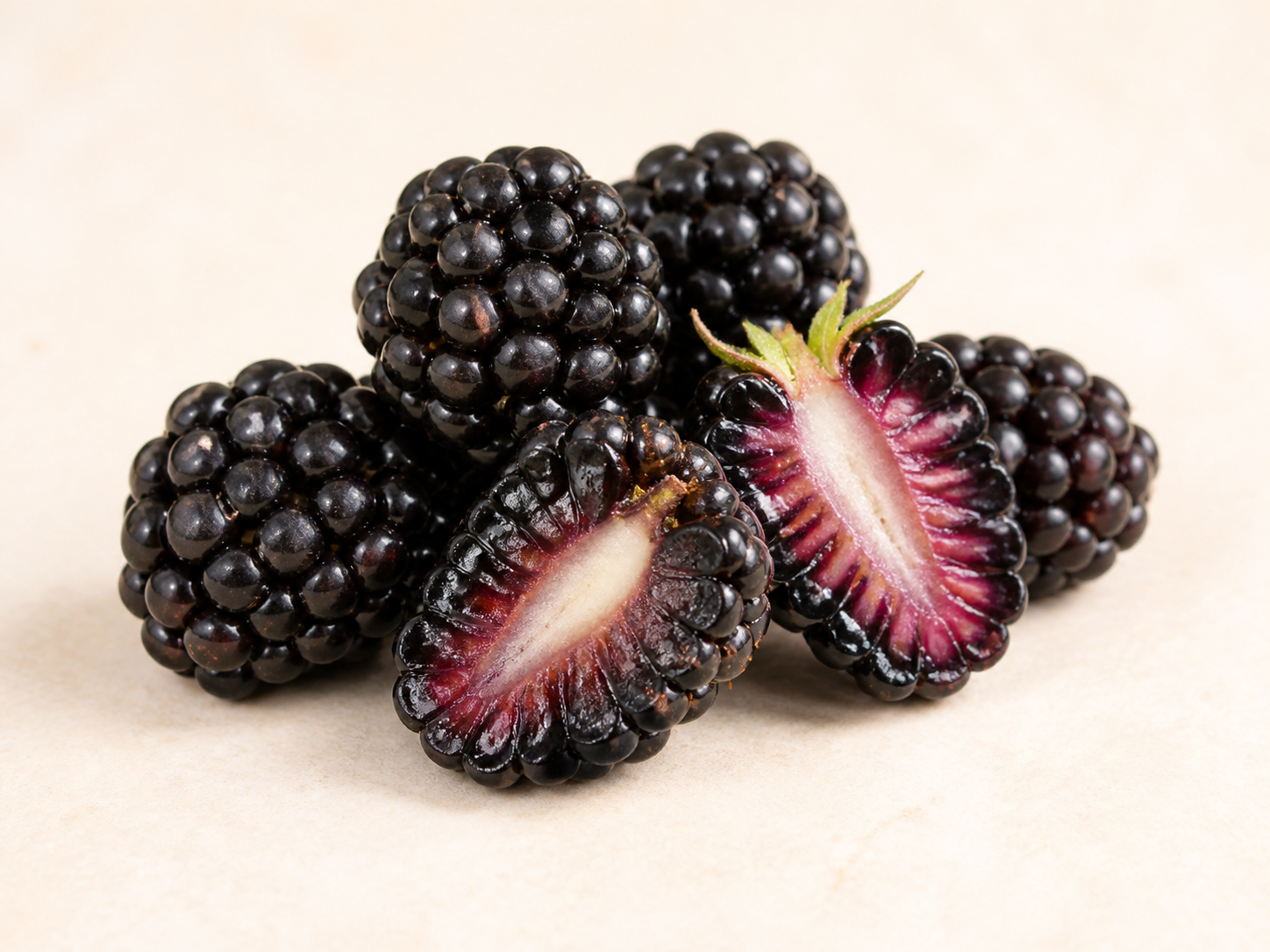
Blackberry
Blackberries contain anthocyanins and ellagitannins, have a darker color, and work well in yogurt bowls, fruit bowls, and salads.
View details →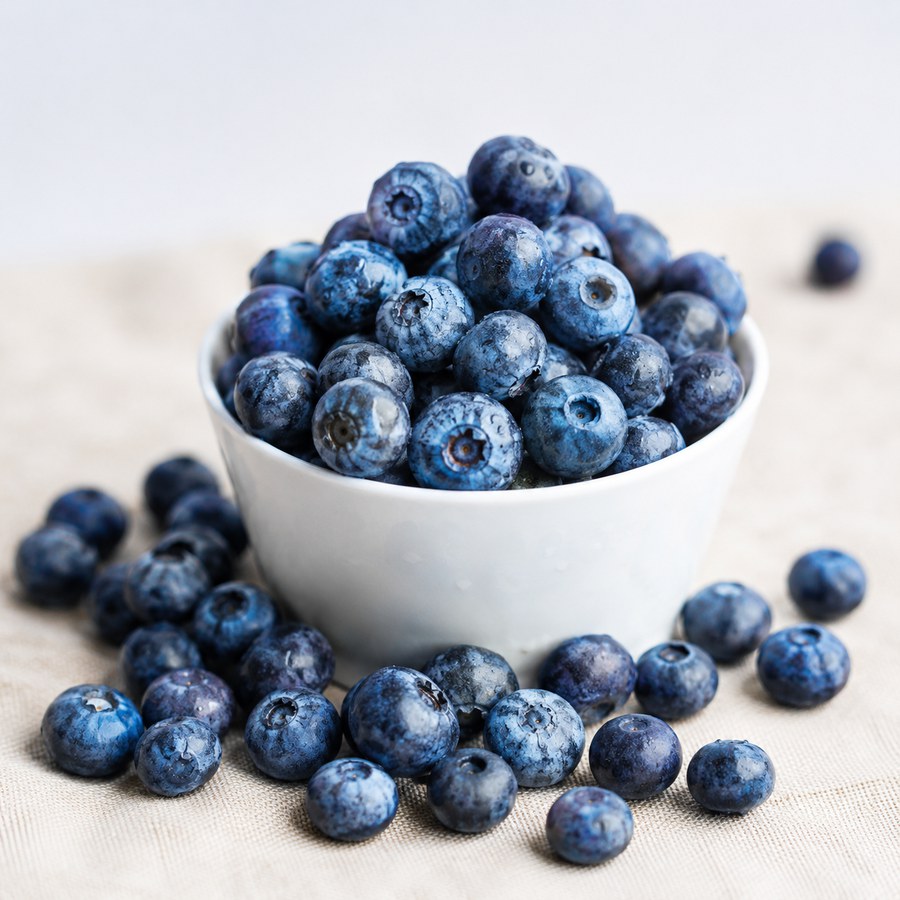
Blueberry
Blueberries are another common berry that works well fresh or with oats and yogurt.
View details →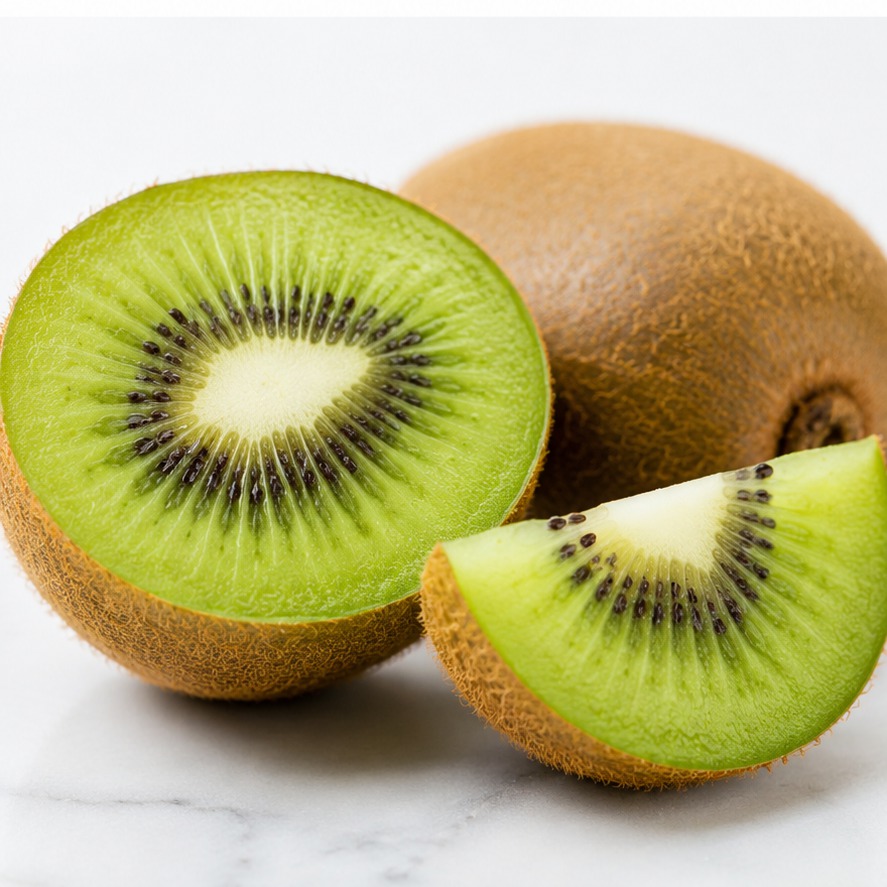
Kiwifruit
If the main goal is vitamin C, kiwifruit is another option.
View details →Data Sources & Last Updated
Nutrition Data
Basic Information & Food Safety
Research & References
Giampieri F, et al. (2012). The Strawberry: Composition, Nutritional Quality, and Impact on Human Health.
Nutrition, 28(1), 9–19. DOI / Original
Aaby K, Skrede G, Wrolstad RE. (2005). Phenolic Composition and Antioxidant Activities in Flesh and Achenes of Strawberries.
Journal of Agricultural and Food Chemistry. DOI / Original
Huang L, et al. (2021). Strawberry Consumption, Cardiometabolic Risk Factors, and Vascular Function: A Randomized Controlled Trial in Adults with Moderate Hypercholesterolemia.
The Journal of Nutrition. DOI / Original
Basu A, et al. (2021). Dietary Strawberries Improve Cardiometabolic Risks in Adults with Obesity and Elevated Serum LDL Cholesterol in a Randomized Controlled Crossover Trial.
Nutrients, 13(5), 1421. DOI / Original
Orozco-Navarrete B, et al. (2019). Structural Bases for the Allergenicity of Fra a 1.02 in Strawberry.
Research article. DOI / Original