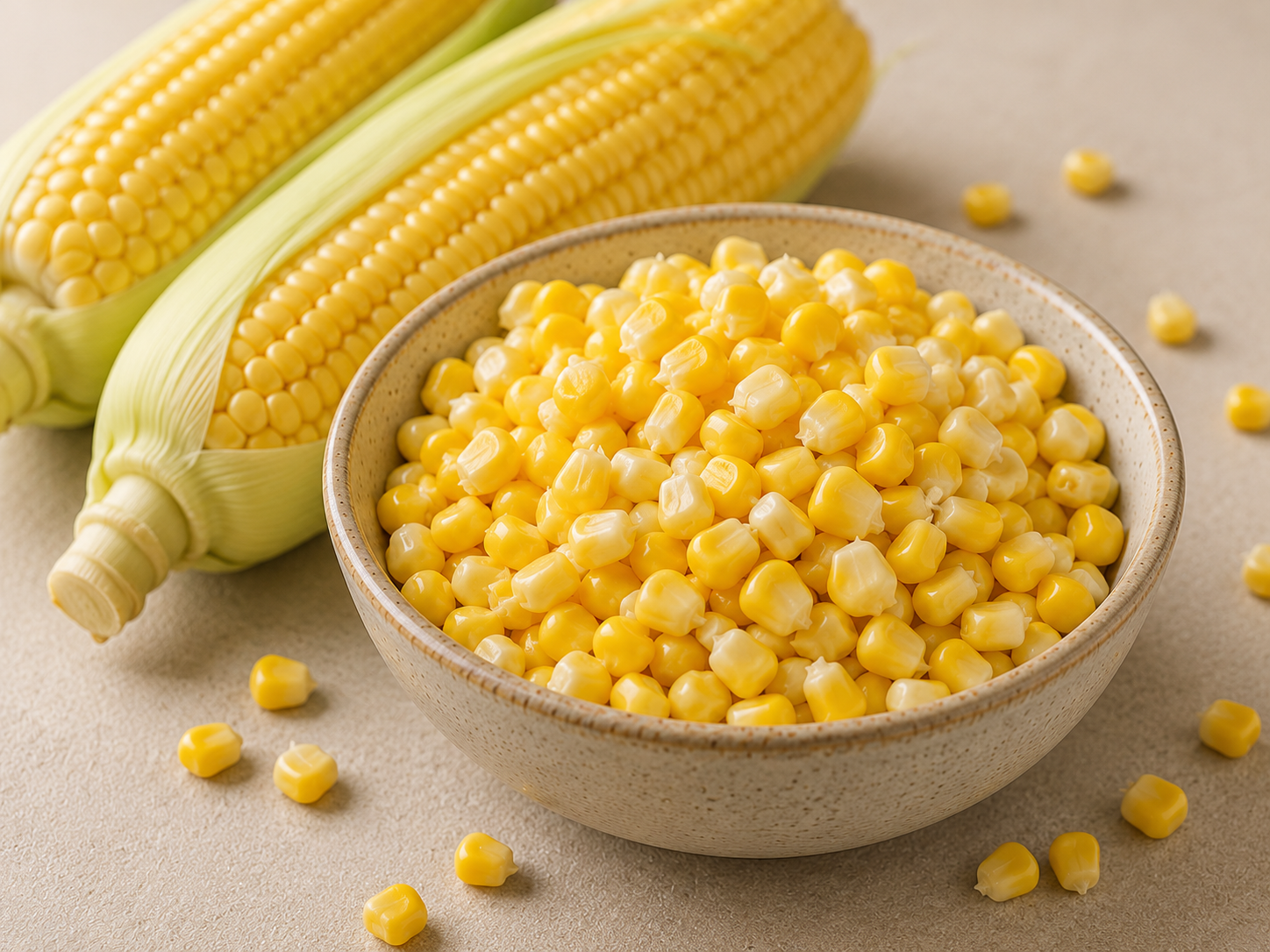
Whole Grains & Tubers · Whole grains and starchy vegetables
Corn
Fresh sweet corn has characteristics of both a grain and a starchy vegetable. It provides carbohydrate, dietary fiber, several B vitamins, and plant compounds such as lutein and zeaxanthin. It can replace part of rice or noodles, but the nutrition and GI of sweet corn, waxy corn, and dry corn products are not interchangeable.
Food Overview
Key strengths
Fresh sweet corn provides carbohydrate, dietary fiber, vitamin B1, vitamin B3, vitamin B5, vitamin B6, folate, magnesium, and phosphorus. Yellow corn also contains carotenoids such as lutein, zeaxanthin, and small amounts of beta-carotene.
How to Eat It
Corn can be steamed or boiled on the cob, or the kernels can be added to mixed-grain rice, vegetable soup, grain salads, scrambled eggs, and legume dishes.
What stands out
Lutein and zeaxanthin are especially representative of yellow sweet corn, while purple, blue, and red corn may contain anthocyanins or other phenolic pigments.
Worth noting
Corn type and processing strongly affect post-meal glucose response. Human GI tests of whole boiled sweet corn are about 48—62; cornflakes, finely milled cornmeal, corn porridge, and some puffed products may have much higher GI values, so one GI value should not be used for all “corn foods.”
Basic Nutrition
Showing:100 g Raw Corn
View complete nutrition data
GI note:GI varies with cultivar, food structure, processing, and cooking. Raw grains usually do not have directly applicable human GI data.
Raw corn is not a usual standard state for GI testing, and reliable general human data representing ordinary fresh raw sweet corn are currently lacking.
Data notes:The data on this page are limited to fresh yellow sweet corn and do not directly represent waxy corn, dry corn kernels, popcorn, cornmeal, or other processed corn products.
Raw and boiled corn use separate USDA entries and are not paired measurements of the same cob before and after cooking.
Differences in sugar and starch are influenced by sample, maturity, water content, and processing conditions and should not be interpreted as meaning that boiling necessarily converts sugar into starch.
GI is affected by cultivar, kernel integrity, processing, and cooking state.
Vitamins & Minerals
By default, show values per 100 g of raw corn and only representative nutrients providing at least 5% of the adult Daily Value at the current serving
View all vitamins and minerals
Percentages show how much the selected serving contributes to the adult Daily Value.
Key Bioactive Compounds
Lutein & zeaxanthin
CarotenoidsLutein and zeaxanthin are important pigments responsible for the golden-yellow color of yellow corn.
Specific amount: —. Levels differ substantially among yellow-corn cultivars, while white corn usually contains much less. These pigments are found mainly in the kernel endosperm and yellow tissues near the outer layers.
Lutein and zeaxanthin contribute to the macular pigment of the human eye and help eye tissues respond to photo-oxidative stress.
Steam or boil the whole cob or cooked kernels. A small amount of fat in the meal can support absorption, but large amounts of butter or cream sauce are unnecessary.
Eating corn does not treat myopia, eye fatigue, or macular disease.
Ferulic Acid
Phenolic acidsFerulic acid is a representative corn phenolic, much of it bound to arabinoxylans in kernel cell walls.
Specific amount: —. Levels vary by cultivar and food form and are highest in the pericarp, bran, and other outer kernel tissues.
Bound ferulic acid contributes to the phytochemical profile of whole corn and may be released or metabolized by gut microbes.
Eat whole kernels when practical and prefer steaming, boiling, or stewing over deep-fried or heavily sweetened corn products.
Values from corn-bran or cob extracts should not be applied to fresh sweet corn, and corn is not a treatment for inflammation or metabolic disease.
Resistant Starch & Slowly Digestible Starch
Functional carbohydratesSome corn starch is digested more slowly, and a small amount of retrograded resistant starch may form after cooked corn is cooled.
Specific amount: —. Actual content depends on corn cultivar, maturity, starch structure, cooking, and cooling. Fresh sweet corn cannot directly use data from dry corn starch.
Starch that is not fully digested in the small intestine can reach the colon and be used by some gut microbes, potentially supporting short-chain-fatty-acid production.
Fresh sweet corn can be eaten raw or cooked. If cooked corn is cooled for later use, refrigerate it promptly rather than leaving it at room temperature in an attempt to increase resistant starch. Reheat leftovers appropriately before serving.
Cooling corn does not remove carbohydrate or energy and does not guarantee a lower post-meal glucose response for everyone.
How Preparation Changes Corn
Sweet Corn vs Waxy Corn
Sweet corn is harvested while the kernels are still tender and contains more natural sugars, giving it a juicy, sweet taste after cooking. The nutrition and GI values on this page refer to fresh sweet corn and do not directly represent white, yellow, black, or multicolored waxy corn.
Fresh Corn vs Dry Corn Kernels
Fresh sweet corn is harvested while the kernels are still immature and contains more water. Fresh-corn data do not apply to them.
Raw Corn
Raw sweet corn can be eaten, but steaming or boiling is more common. Its starch is not fully gelatinized when raw, and texture varies by cultivar and freshness. Because reliable human GI data representing ordinary raw sweet corn are lacking, GI is shown as “—”.
Boiled or Steamed Corn
Boiling and steaming gelatinize corn starch and soften the kernels. Short cooking does not require added fat and preserves the intact kernel structure.
Roasted Corn
Roasting reduces surface moisture and creates roasted flavor. Moderate roasting is sufficient; repeated roasting until large areas are charred is unnecessary.
Frozen Corn
Frozen corn is usually briefly blanched after harvest and then frozen, making it convenient to use. Its nutrition is broadly similar to fresh corn, but exact values vary with cultivar and processing and should not simply copy the raw-fresh entry.
Canned Corn
Canned corn stores well, but some products contain added salt, sugar, or seasoned liquid. Prefer no-salt-added or lower-sodium products; draining and rinsing the canning liquid can reduce some sodium. Nutrient concentration differs from fresh corn, so a separate entry should be used.
Cornmeal, Grits & Corn Porridge
Grinding or crushing disrupts the intact kernel structure and makes starch more accessible to digestive enzymes. Finely milled cornmeal, long-cooked corn porridge, and some instant corn cereals may produce a higher post-meal glucose response than intact kernels and should not use the 48—62 GI range for fresh sweet corn.
Cornflakes & Puffed Products
Cornflakes, puffed corn snacks, and some breakfast cereals are usually finely milled, extruded, and heated and may also contain added sugar, oil, and salt. Some cornflakes have a GI around 77, clearly higher than whole sweet corn.
Popcorn
Popcorn comes from a specialized popping-corn type, not sweet corn. Air-popped popcorn with little oil and salt still retains much of the whole-grain structure, but its nutrition and GI require a separate entry.
How to Choose & Store
How to choose
- First identify sweet corn, fruit corn, yellow sweet corn, white sweet corn, bicolor sweet corn, or Sweet corn.
- Fresh corn husks are usually green and wrapped fairly tightly, and the silks should not be severely dried out, moldy, or have a rotten odor.
- Choose corn with kernels that are mostly intact, plump, and glossy, without large areas of shriveling, blackening, mold, or insect damage.
- Do not identify sweet versus waxy corn by color alone; check the product label.
- For frozen, canned, corn-cup, and ready-to-eat products, check the corn proportion, added sugar, syrup, oil, sodium, butter, cream, cheese powder, and sauces.
How to store
- Refrigerate fresh corn with the husk on and try to use it within 1—2 days.
- Store husked corn or cut raw kernels in a sealed container in the refrigerator and cook promptly.
- Refrigerate cooked corn within 2 hours; if the ambient temperature is above 32°C, refrigerate within 1 hour.
- Store cooked corn in a shallow sealed container and generally eat it within 3—4 days.
- Discard it if there is obvious mold, widespread blackened or rotten kernels, slime, sour or alcoholic fermented odor, or severe insect damage.
When buying corn, remember three things: first distinguish sweet corn from waxy corn; choose full kernels without mold; and check sugar, oil, and sodium in processed corn products.
How to Include It in Everyday Meals
Boiled Corn
Remove the tough outer husks and silk, then boil the whole cob until the kernels are tender. There is no need to add white sugar to the cooking water, and even salt is optional.
Steamed Corn
Steam the washed cob whole to reduce direct contact with water and preserve intact kernels. Do not count a whole cob only as a vegetable while ignoring the staple-food carbohydrate it provides.
Corn Mixed-Grain Rice
Cook fresh corn kernels with white rice, brown rice, quinoa, or millet to add color and texture to the staple food. Reduce the amount of dry rice when corn is added rather than layering it on top of the original rice portion.
Corn Vegetable Soup
Stew fresh corn sections or kernels with tomato, carrot, mushrooms, onion, tofu, fish, or chicken. Corn contributes natural sweetness, so added sugar is unnecessary.
Corn & Scrambled Eggs
Stir-fry cooked corn kernels briefly with eggs, bell pepper, onion, tomato, or peas using only a small amount of plant oil.
Corn Grain Salad
Combine cooked and cooled corn kernels with lettuce, tomato, red cabbage, cucumber, chickpeas, tofu, or egg and season with small amounts of olive oil, vinegar, lemon juice.
Who Should Take Extra Care
People managing blood sugar
Boiled sweet corn has a GI of about 48—62, in the low-to-moderate range, but one medium boiled cob can still provide about 22 g of carbohydrate.
Prefer intact steamed or boiled corn, use it to replace rather than add to other staple foods, limit corn porridge, cornflakes, and puffed products, and pair it with vegetables, legumes, and protein foods.
People with digestive sensitivity
The outer layer of corn contains more insoluble dietary fiber.
Chew thoroughly, start with a smaller portion, and avoid consuming large amounts of corn, legumes, and other high-fiber foods all at once to improve tolerance.
People with Celiac Disease or on a Strict Gluten-Free Diet
Plain fresh corn is naturally free of the gluten found in wheat, barley, and rye. However, corn bread, corn cookies, cornflakes, corn noodles, and composite cornmeal may contain wheat flour or have cross-contact, so check ingredient lists and gluten-free labeling.
People with Corn Allergy
Corn allergy is uncommon but does occur. Stop eating and seek medical care if hives, swelling of the lips or throat, wheezing, repeated vomiting, or other clear allergic symptoms occur.
People with impaired kidney function
Fresh corn provides some potassium and phosphorus, but an ordinary cob generally contains less than many legumes and nuts. People who must strictly limit potassium or phosphorus should still count corn toward the meal total and follow their individualized treatment plan.
Infants, Young Children & People with Weaker Swallowing Ability
Whole corn kernels and large bites taken directly from the cob may increase choking risk. Cook until soft, then chop or mash according to age, and supervise eating. Do not let young children chew on a hard, long cob without supervision.
Similar Food Alternatives
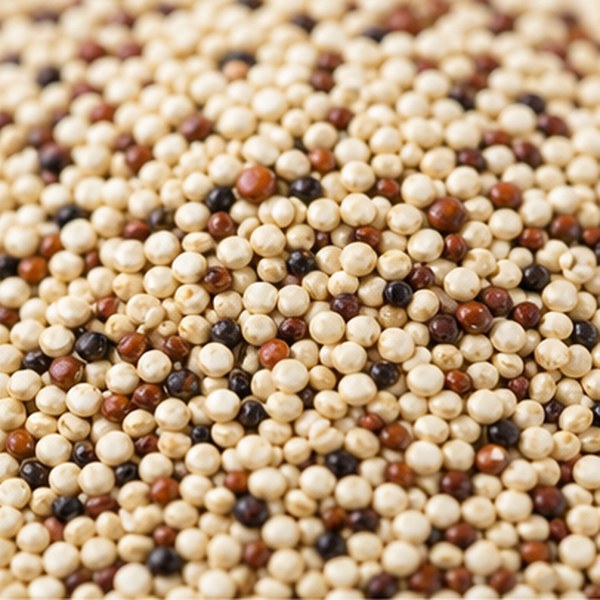
Millet
It is also naturally gluten-free and has smaller grains that work well in rice dishes and porridge.
View details →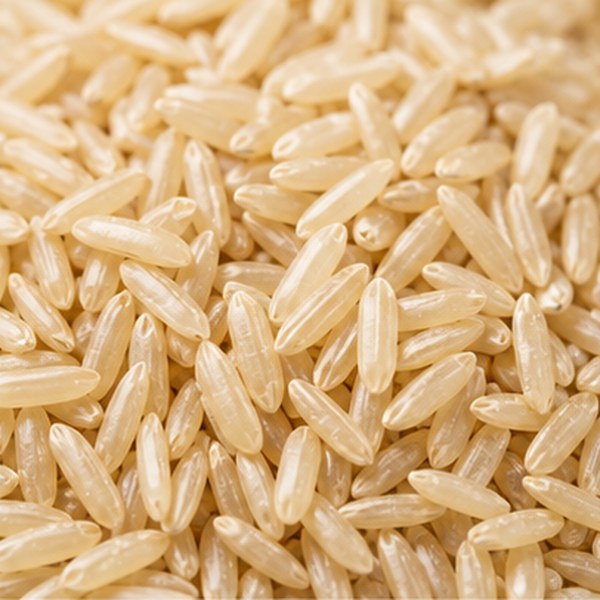
Brown Rice
Its use is closer to everyday rice and it also provides whole-grain nutrients.
View details →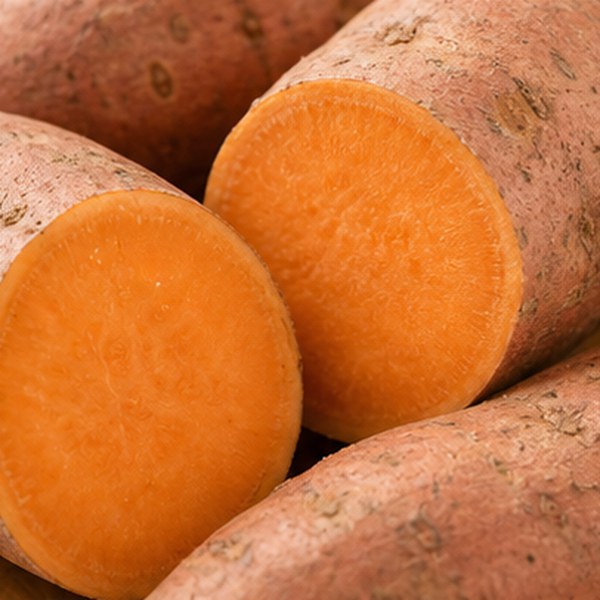
Sweet potato
It can be steamed, boiled, or roasted, and per unit weight usually provides similar or more starchy carbohydrate than fresh sweet corn.
View details →
Peas
Peas can also be added to mixed-grain rice, soups, and salads, and they provide more plant protein and some dietary fiber.
View details →Data Sources & Last Updated
Nutrition Data
Basic Information & Food Safety
Research & References
Ai, Y., & Jane, J. L. (2016). Macronutrients in Corn and Human Nutrition.
Comprehensive Reviews in Food Science and Food Safety, 15(3), 581–598. DOI / Original
Sheng, S., Li, T., & Liu, R. H. (2018). Corn Phytochemicals and Their Health Benefits.
Food Science and Human Wellness, 7(3), 185–195. DOI / Original
de Oliveira, G. P. R., & Rodriguez-Amaya, D. B. (2007). Processed and Prepared Corn Products as Sources of Lutein and Zeaxanthin: Compositional Variation in the Food Chain.
Journal of Food Science, 72(1), S79–S85. DOI / Original
Van Hung, P. (2016). Phenolic Compounds of Cereals and Their Antioxidant Capacity.
Critical Reviews in Food Science and Nutrition, 56(1), 25–35. DOI / Original
Lao, F., Sigurdson, G. T., & Giusti, M. M. (2017). Health Benefits of Purple Corn Phenolic Compounds.
Comprehensive Reviews in Food Science and Food Safety, 16(2), 234–246. DOI / Original
Brand, J. C., et al. (1985). Food Processing and the Glycemic Index.