Nuts & Seeds · Seeds
Pumpkin Seeds
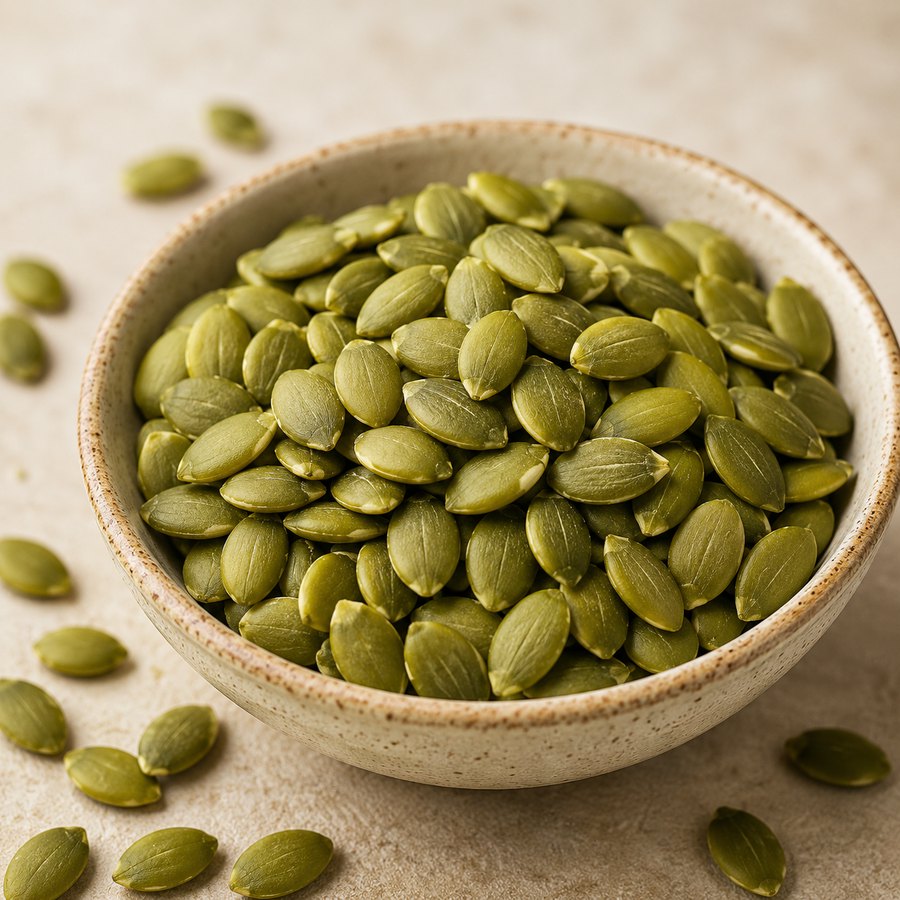
Pumpkin seeds are the edible kernels of mature Cucurbita seeds. Hulled, unsalted, unroasted low-moisture kernels provide magnesium, phosphorus, zinc, iron, plant protein, and unsaturated fat. The USDA entry covers both pumpkin and squash seed kernels rather than one species.
Food overview
Key strengths
Pumpkin seed kernels provide substantial magnesium, phosphorus, manganese, copper, zinc, and iron, along with plant protein and unsaturated fat. A 25 g serving provides about 7.56 g protein and 12.26 g fat.
How to use it
Use a small portion of plain seeds in place of some chips, cookies, candy, or salty nuts, or add them to oats, plain yogurt, salads, grain bowls, and soups.
What stands out
Vitamin E in pumpkin seeds is dominated by gamma-tocopherol, while nutrition-label vitamin E values are based mainly on alpha-tocopherol. These should not be treated as the same number.
Worth noting
Pumpkin seeds are energy-dense: 25 g provides about 140 kcal. Salted products may also be high in sodium, so portion them and favor plain, unsalted options.
Basic Nutrition
Showing:100 g Raw pumpkin seed kernels
View complete nutrition data
GI note:GI varies with cultivar, food structure, processing, and cooking. Raw grains usually do not have directly applicable human GI data.
There is no reliable GI test that directly matches hulled low-moisture pumpkin seed kernels. GI values from foods containing pumpkin seeds should not be applied to pure kernels.
Data notes:The default state is hulled, unroasted, unsalted, unsweetened, low-moisture kernels with no added oil. “Raw” here does not mean freshly scooped wet seeds from a pumpkin.
The USDA entry “Seeds, pumpkin and squash seed kernels, dried” includes both pumpkin and squash kernels and is not limited to one cultivar.
The first version uses one nutrition state, raw pumpkin seed kernels, so no state switcher is shown.
Vitamins & Minerals
The default view uses 100 g raw pumpkin seed kernels; switching to 25 g scales the values. Only nutrients reaching at least 5% of the adult Daily Value are shown.
Vitamin E Daily Value is calculated from alpha-tocopherol only. Gamma-tocopherol appears in the full nutrition data and bioactive section but is not counted toward vitamin E DV.
View all vitamins and minerals
Percentages show how much the selected serving contributes to the adult Daily Value.
Key Bioactive Compounds
Gamma-tocopherol
Tocopherols | fat-soluble antioxidantsGamma-tocopherol is a prominent tocopherol in pumpkin seed kernels.
Raw kernels provide about 35.10 mg gamma-tocopherol per 100 g, or 8.78 mg per 25 g; alpha-tocopherol is about 2.18 mg/100 g.
Tocopherols help protect lipids from oxidation, but vitamin E requirements are assessed using alpha-tocopherol.
Choose fresh, plain, unsalted kernels and store them sealed, dark, and cool. Raw or gently roasted forms both work.
High gamma-tocopherol does not equal the same amount of label vitamin E or a high-dose supplement.
Plant sterols
Plant lipid compoundsPhytosterols are natural plant-membrane lipids; pumpkin seeds have a distinctive sterol profile.
One U.S. analysis found about 265 mg total phytosterols per 100 g pumpkin seeds, or about 66 mg per 25 g. This is a sample-specific reference.
At higher intakes, phytosterols can reduce intestinal cholesterol absorption, but related claims mainly concern fortified foods.
Use plain pumpkin seeds to replace some salty snacks or buttery foods rather than eating large amounts for phytosterols alone.
Animal studies of pumpkin-seed oil or extracts do not show that ordinary seeds treat prostate or urinary conditions.
Phenolic Acids & Flavonoids
PolyphenolsPumpkin seeds contain phenolic acids and flavonoids including caffeic, ferulic, gallic acids, catechin, and rutin.
Fixed amount: —. Cultivar, hull status, sprouting, roasting, and analytical method vary too much for one retail value.
These compounds contribute to laboratory antioxidant activity alongside tocopherols, unsaturated fat, protein, fiber, and minerals.
Choose naturally green, uncharred kernels. Gentle roasting can improve aroma without implying that more heat means more polyphenols.
In-vitro antioxidant activity does not prove therapeutic effects, and extract or seed-oil studies should not be applied to a 25 g serving.
How preparation changes pumpkin seeds
Raw pumpkin seed kernels
This is the default state: hulled, unroasted, unsalted, unsweetened low-moisture kernels with no added oil, not freshly removed wet pumpkin seeds.
Unsalted dry-roasted pumpkin seed kernels
USDA lists dry-roasted kernels separately at about 574 kcal, 29.8 g protein, and 49 g fat per 100 g. At home, use moderate heat for a short time, stir during roasting, and remove when fragrant rather than charring.
High-temperature or prolonged roasting
Heat can change total phenolics, flavonoids, antioxidant measures, protein quality, and Maillard-reaction products; higher temperatures also raise concerns about lipid oxidation and heat-generated compounds. Roasting cannot simply be labeled as universally destroying or increasing antioxidants.
Roasted pumpkin seeds in shell
Products with a white or pale hard shell include more indigestible hull and have different nutrition from hulled kernels. Do not apply this page’s values to the total weight of in-shell seeds.
Salted pumpkin seeds
Sodium depends on the actual recipe. Salted products should not keep the raw-kernel value of 7 mg sodium per 100 g; use the product label and a separate food state.
Fried or flavored pumpkin seeds
Added oil, syrup, honey, creamy powders, or other seasonings change energy, fat, sugar, and sodium and should be treated as separate products.
Pumpkin seed butter
Pure seed butter retains most protein, fat, and minerals, but grinding speeds oxidation and oil separation. Products with added sugar, oil, or salt need their own nutrition data.
Pumpkin seed oil
Provides mainly fat, tocopherols, and phytosterols and no longer retains the protein, fiber, or most minerals of whole kernels; it should be treated as a separate food.
How to choose and store
How to choose
- Distinguish hulled kernels from in-shell seeds, raw from roasted, and plain from salted or flavored products. This page’s data apply only to hulled, unroasted, unsalted kernels.
- Prefer products whose ingredient list contains only pumpkin seed kernels. Minimize sugar, syrup, palm oil, creamy flavor powders, heavy salt, and artificial flavoring.
- Fresh kernels are usually green to dark green, mostly intact, dry, and free of mold, insects, unusual powder, or heavy oil seepage. Greener color alone does not prove better nutrition.
- Do not eat kernels that smell like paint, crayons, stale oil, rancid fat, or mold.
- Choose well-sealed packages with clear production and shelf-life information. Low-moisture seeds are not completely free from microbial contamination risk.
How to store
- For near-term use, store kernels in an airtight container in a cool, dry, dark place away from the stove, oven, and sunlight.
- If they will not be used quickly after opening, refrigerate airtight; cool, dark storage with less air exposure slows fat oxidation.
- For longer storage, freeze in single-use portions. Keep the package closed while warming to room temperature before opening to reduce condensation.
- Chopped, ground, or buttered pumpkin seeds oxidize and absorb odors faster than whole kernels, so use them promptly.
When buying pumpkin seeds, remember four points: hulled kernels, plain and unsalted, fresh smell, and cool sealed storage.
How to use it in everyday meals
Plain seed snack
Measure about 25 g plain pumpkin seed kernels as a small snack. Pair with fresh fruit or plain yogurt if desired, without honey, chocolate, or sugar coatings. Pre-portioning is easier than eating continuously from a large bag.
Add to oats or plain yogurt
Sprinkle kernels over oatmeal, overnight oats, or plain yogurt with berries, apple, kiwi, or cinnamon. Add them just before eating rather than simmering them for a long time.
Add to vegetable salads
Combine pumpkin seeds with dark leafy greens, tomatoes, peppers, purple cabbage, chickpeas, or tofu. Dress with a little olive oil, vinegar, lemon, and herbs rather than sugary dressings or lots of processed meat.
Sprinkle over soups and roasted vegetables
Add pumpkin seeds to pumpkin, mushroom, or tomato soup or to roasted squash, carrots, or cauliflower for crunch.
Add them after cooking when possible to avoid a second round of prolonged heating.
Pair with whole grains
Add pumpkin seeds to brown rice, quinoa, oat groats, or buckwheat, or sprinkle them on after cooking. Pairing with legumes and vegetables adds more sources of protein, magnesium, and zinc.
Make pumpkin seed butter
Briefly and gently roast plain kernels, then blend into seed butter. The kernels release their own oil, so large amounts of extra oil are usually unnecessary.
Flavor with a little lemon, herbs, or garlic rather than large amounts of sugar, cream, or condensed milk.
Use in baking
Sprinkle pumpkin seeds over whole-grain bread, oat crackers, or lower-sugar muffins. Still limit sugar, butter, and refined flour; pumpkin seeds do not turn high-sugar baked goods into healthy foods.
Who Should Take Extra Care
People with pumpkin-seed allergy
Pumpkin seed is not one of the nine major U.S. food allergens, but allergy can still occur. People with prior hives, lip swelling, wheezing, or other clear reactions should avoid it and seek evaluation; breathing difficulty, throat tightness, or marked tongue or facial swelling requires emergency care.
Infants, young children, and people with swallowing difficulties
Whole pumpkin seeds can be a choking hazard. For children under 5, use age-appropriate forms such as finely ground seeds, small pieces mixed into porridge or yogurt, or a thin layer of unsweetened seed butter.
People Managing Total Energy Intake
A 25 g serving provides about 140 kcal. It works better as a replacement for cookies, chips, or candy than as an extra addition on top of unchanged meals and snacks.
People with kidney disease or mineral restrictions
Pumpkin seeds are relatively high in phosphorus, magnesium, and potassium. People who must strictly limit these minerals or total protein should use individualized portions.
People Who Need to Limit Sodium
Raw kernels are naturally very low in sodium, but salted and strongly flavored products can be much higher. Read the product label rather than using this page’s raw-seed value.
People with sensitive digestion
Pumpkin seeds contain substantial fat and some fiber; large amounts may cause fullness, nausea, or bowel changes. Start around 10–15 g if needed and adjust to tolerance.
Higher-risk groups eating raw kernels
Low-moisture seeds can still be contaminated with Salmonella or other microbes. During pregnancy, older age, infancy/early childhood, or weakened immunity, choose reputable, intact packaged products and watch recall notices.
Rancid or moldy pumpkin seeds
Do not keep eating seeds with a strong rancid, paint-like, moldy odor, visible mold, or unusual bitterness. Roasting, sugar, or heavy seasoning cannot make spoiled seeds fresh again.
Similar Food Alternatives
Sunflower seeds
Also provide unsaturated fat, plant protein, and minerals, with alpha-tocopherol more prominent than in pumpkin seeds.
View details →Sesame seeds
Provide unsaturated fat, copper, calcium, and sesame lignans; their fatty-acid and mineral profile differs from pumpkin seeds.
View details →Hemp hearts
Provide plant protein and polyunsaturated fat with a softer texture, but their magnesium, zinc, and tocopherol profile should not be copied from pumpkin seeds.
View details →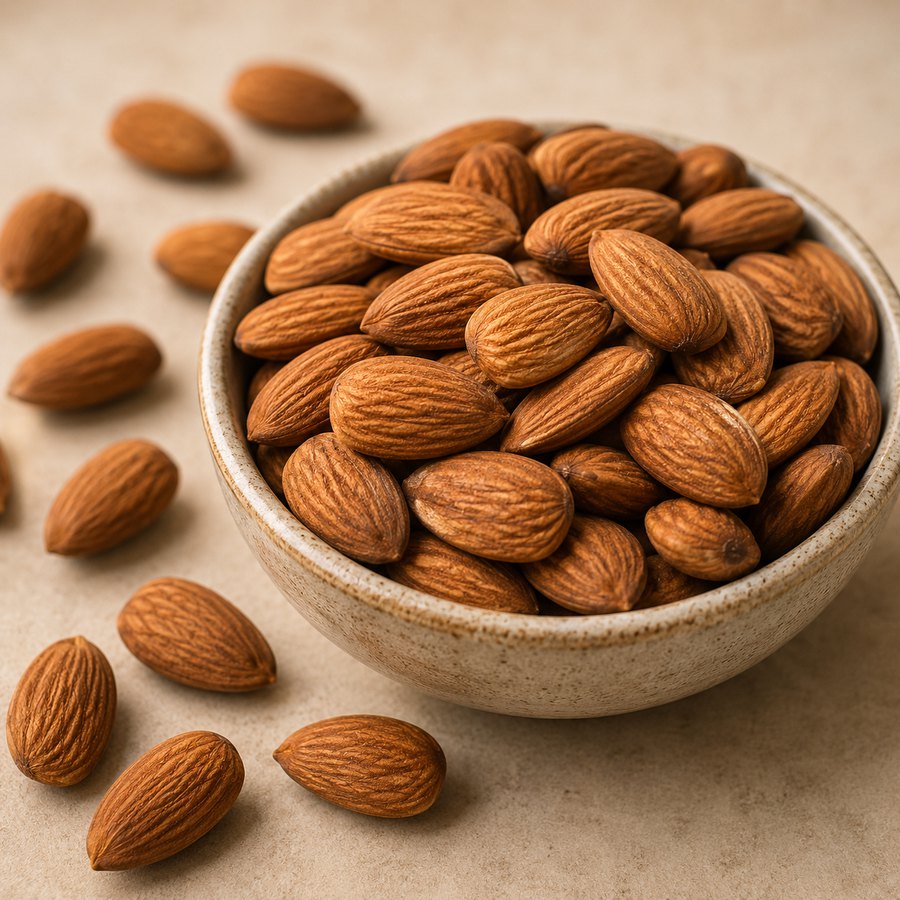
Cashews
Also provide magnesium, copper, and plant protein, but are tree nuts with different allergen and fatty-acid profiles.
View details →Almonds
Richer in alpha-tocopherol and monounsaturated fat, while pumpkin seeds are more notable for magnesium, phosphorus, and plant protein.
View details →Data Sources & Last Updated
Nutrition Data
Basic Information & Food Safety
Research & References
Phillips KM, et al. (2005). Phytosterol Composition of Nuts and Seeds Commonly Consumed in the United States.
Journal of Agricultural and Food Chemistry, 53(24), 9436–9445. DOI / Original
Stevenson DG, et al. (2007). Oil and Tocopherol Content and Composition of Pumpkin Seed Oil in 12 Cultivars.
Journal of Agricultural and Food Chemistry, 55(10), 4005–4013. DOI / Original
Peng M, et al. (2021). Effect of Roasting on the Antioxidant Activity, Phenolic Composition, and Nutritional Quality of Pumpkin Seeds.
Frontiers in Nutrition, 8, 647354. DOI / Original
Ahmed IAM, et al. (2024). Effect of Sprouting and Roasting on Phenolic Compounds, Antioxidant Activity and Nutritional Properties of Pumpkin Seeds.
Journal of Food Measurement and Characterization, 18, 464–473. DOI / Original
Kang X, et al. (2021). Effects of Pumpkin Seed Oil and Saw Palmetto Oil in Korean Men with Symptomatic Benign Prostatic Hyperplasia.
Food & Nutrition Research, 65. DOI / Original