Whole Grains & Tubers · Grain
Pearled Barley
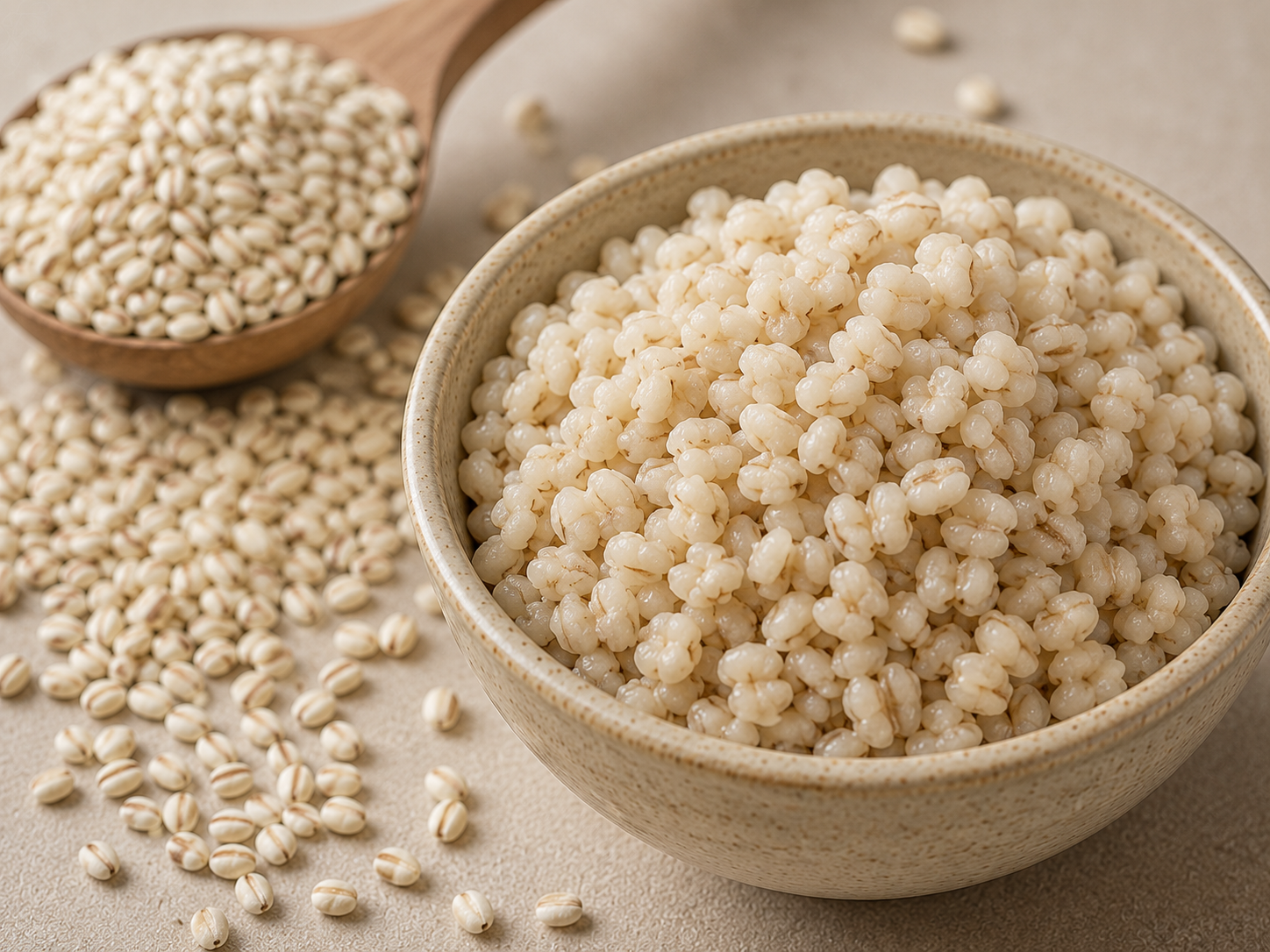
Pearled barley is edible barley grain that has had the inedible hull removed and has been polished to some degree. It provides dietary fiber, β-glucan, selenium, niacin, and several minerals.
Food Overview
Key strengths
Pearled barley provides a substantial amount of dietary fiber and is a representative grain sources of β-glucan. Some barley β-glucan is located in endosperm cell walls, so even after some polishing, a meaningful amount of β-glucan and dietary fiber may remain.
How to Eat It
Once cooked, pearled barley has a springy, chewy texture and works well in mixed-grain rice, porridge, vegetable soups, stews, grain salads, and risotto-style dishes.
What stands out
Pay attention to processing level when buying. Yellow-brown products that still retain some outer structure are often less heavily polished, while very white, rounded, smooth grains are usually more highly polished.
Worth noting
Barley naturally contains gluten and is not suitable for people with celiac disease or those who need a strict gluten-free diet. Hulling, polishing, soaking, and prolonged cooking do not reliably remove gluten.
Basic Nutrition
Showing:100 g Raw Pearled Barley
View complete nutrition data
GI note:GI varies with cultivar, food structure, processing, and cooking. Raw grains usually do not have directly applicable human GI data.
No directly applicable human GI value is available for raw pearled barley.
Data notes:This page uses USDA FoodData Central entries for Barley, pearled, raw (FDC ID 170284) and Barley, pearled, cooked (FDC ID 170285).
A common serving of 50 g raw pearled barley and 157 g cooked pearled barley are set separately.
Lower nutrient values per 100 g of cooked barley mainly reflect dilution from absorbed water and do not mean that most nutrients disappeared during cooking.
Vitamins & Minerals
Show nutrients providing at least 5% of the adult Daily Value at the current serving size
View all vitamins and minerals
Percentages show how much the selected serving contributes to the adult Daily Value.
Key Bioactive Compounds
β-Glucan
Soluble dietary fiberβ-Glucan is one of barley’s most characteristic functional components and contributes to the viscosity that develops when barley is cooked.
Across different barley genotypes, raw grain contains about 2.4—7.42 g of β-glucan per 100 g, with some varieties potentially higher.
Barley β-glucan can increase the viscosity of digestive contents, which may help reduce cholesterol absorption and support steadier post-meal blood-glucose responses and satiety.
Choose barley that retains more of its grain structure. Soak before cooking and use it in rice, porridge, or mixed with brown rice.
Barley does not treat high blood lipids or diabetes. Effects depend on β-glucan content, the amount eaten, and whether barley replaces refined staple foods.
Ferulic Acid & Other Phenolic Acids
Phenolic acidsFerulic acid is one of the representative phenolic acids in barley, and much of it is bound to grain cell walls and dietary fiber.
Specific amount: —. Values vary substantially with cultivar and degree of hulling and polishing, and studies often measure free and bound phenolic acids separately, making a single general value inappropriate.
Barley phenolic acids can contribute to dietary antioxidant defenses as part of the grain’s phytochemical profile.
Prefer lightly polished barley kernels or whole-barley products. Excessive polishing removes outer tissues rich in phenolic acids, and repeated vigorous washing before cooking is unnecessary.
High antioxidant capacity in laboratory tests does not mean that eating barley directly removes free radicals from the body or treats chronic inflammation.
Tocopherols & Tocotrienols
Vitamin E compoundsBarley also contains tocopherols and tocotrienols, with α-tocopherol and α-tocotrienol among the more representative forms.
Across different barley samples, total tocopherols and tocotrienols are about 3.99—8.16 mg per 100 g.
These vitamin E compounds participate in antioxidant defenses and help protect lipids in cell membranes from oxidation.
Choose fresh barley without a rancid odor and store it sealed and away from light. Avoid buying large amounts of barley flour that has been exposed to air for long periods.
Vitamin E compounds in barley do not replace medication, and cell studies do not establish that tocotrienols have definite anticancer or lipid-lowering effects in people.
How Preparation Changes Pearled Barley
Processing level, grain size, and cooking method affect grain structure, digestion rate, and nutrient retention.
Raw Pearled Barley
Raw pearled barley contains relatively little water, has more concentrated nutrients, and has a firm texture. Rinse before cooking and soak according to package directions if needed to shorten cooking time.
Lightly Polished Pearled Barley
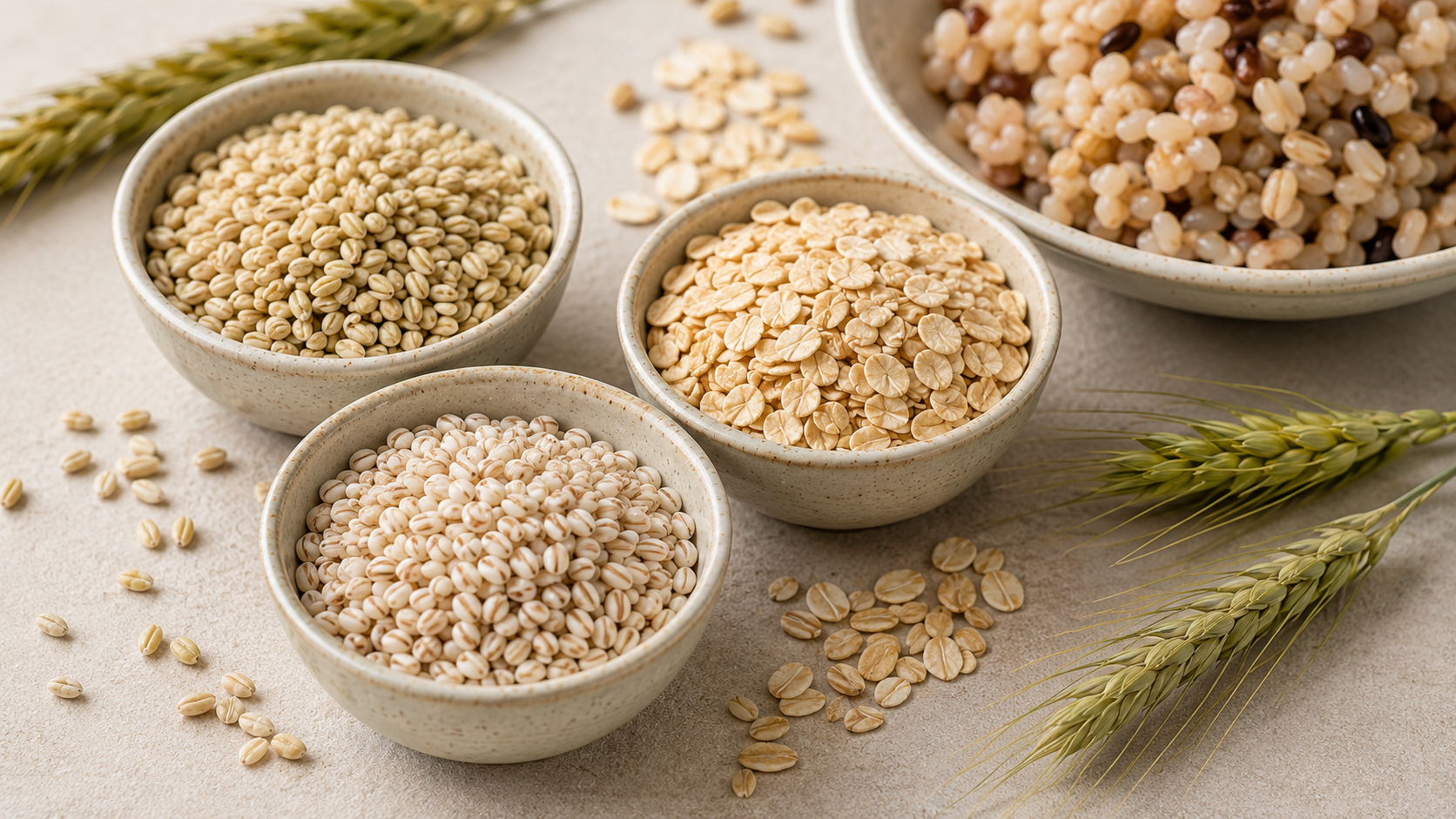
It is usually more yellow-brown and retains some outer structure, with a chewier texture. It may retain more dietary fiber, vitamins, and phytochemicals than highly polished products, but color cannot precisely identify processing level.
Highly Polished Pearled Barley
It is lighter in color, smoother on the surface, softer after cooking, and usually cooks faster. Because part or most of the bran has been removed, it is generally not an intact whole grain.
Cracked Pearled Barley
Smaller particles absorb water and cook faster while exposing more starch surface to digestive enzymes. Different forms of pearled barley therefore should not be assumed to have the same digestion rate.
Barley Flakes
They may be made by steaming, rolling, and drying. Whether they are whole grain depends on the starting material; flakes made from highly polished pearled barley are still not intact whole grain.
Barley Flour
Grinding disrupts the natural grain structure and may increase digestion rate. Barley flour can replace part of refined flour, but added sugar, fat, and sodium in finished products still matter.
Cooked Pearled Barley
After absorbing water, starch gelatinizes, the grains soften, and β-glucan creates some viscosity. Post-meal responses depend on fiber content, particle size, serving size, and how soft the grains are cooked, so one fixed GI should not be assigned to all barley products.
Cooled Cooked Barley
Some starch structure may change during cooling, but the barley does not become carbohydrate-free and should not be eaten without portion control. Reheat refrigerated barley thoroughly before eating.
How to Choose & Store
How to choose
- Packages may say barley, pearled barley, pearl barley, pot barley, or similar terms.
- Hulled barley has only the inedible hull removed and usually retains the bran, germ.
- Prefer products whose only ingredient is barley or pearled barley, and check flavored versions for added sugar, sodium, cream powder, non-dairy creamer, and added fats.
- Grains should be dry and evenly colored, without mold, insect damage, moisture clumping, unusual powder, rancid odor, or musty smell.
- Pearled barley is not Job’s tears and is also different from highland barley, rye, and naked barley.
How to store
- Store raw pearled barley in a cool, dry, dark place and keep it sealed after opening. Refrigeration can be considered in hot, humid environments.
- Cool cooked barley promptly and refrigerate within 2 hours; when the ambient temperature is above about 32°C, refrigerate within 1 hour.
- Refrigerate cooked barley in a shallow, sealed container and try to eat it within 3—4 days, reheating thoroughly before serving.
- Discard barley with mold, insect damage or eggs, obvious moisture clumping, unusual odors, or abnormal discoloration after cooking.
When buying pearled barley, remember three points: choose lightly polished products if you want less processing; choose regular pearled barley for convenience; and in either case prefer simple ingredient lists without added seasoning.
How to Include It in Everyday Meals
Mixed-Grain Rice with Pearled Barley
Cook pearled barley together with rice, brown rice, millet, or legumes. Pair with brown rice, chickpeas, black beans, mushrooms, carrots, and peas, and keep added fat, high-sodium sauces, and processed meat modest.
Pearled Barley Porridge
Cook with oats, millet, red beans, mung beans, or pumpkin. Keep some grain texture instead of simmering until completely mushy.
Pearled Barley Vegetable Soup
Add cooked pearled barley to soups with tomatoes, onions, carrots, celery, legumes, and mushrooms. It contributes a staple-grain component and satiety. Use less high-sodium stock cubes, processed meat, butter, and heavy cream.
Pearled Barley Grain Salad
Cool cooked pearled barley promptly and combine it with colorful vegetables, legumes, tofu, chicken, or fish. Keep the finished salad refrigerated and do not leave it at room temperature for long periods.
Pearled Barley Risotto
Replace part of white rice with pearled barley and slowly cook it with mushrooms, spinach, tomatoes, chicken, or seafood. Keep butter, cream, cheese, and salt moderate.
Pearled Barley Breakfast Bowl
Cooked pearled barley can be paired with unsweetened yogurt, whole fruit, nuts, and seeds. Use little syrup, honey, jam, or high-sugar granola.
Who Should Take Extra Care
People with Celiac Disease or on a Strict Gluten-Free Diet
Pearled barley naturally contains barley gluten. People who need a strict gluten-free diet should not consume ordinary pearled barley, barley malt, malt extract, regular beer, or other foods containing barley.
People with Barley Allergy
If hives, marked itching, swelling of the lips or eyelids, throat tightness, wheezing, difficulty breathing, repeated vomiting, or altered consciousness occurs, stop eating and seek medical care promptly; severe reactions require immediate help.
People with digestive sensitivity
Dietary fiber and fermentable carbohydrates may cause bloating, gas, and changes in bowel habits. Start with a small portion, increase gradually, and drink enough water.
People managing blood sugar
Pearled barley is still a carbohydrate-containing staple food. Actual responses depend on serving size, grain size, polishing, grinding, softness after cooking, β-glucan content, and the rest of the meal.
People with impaired kidney function
People who have been told to limit potassium, phosphorus, or total protein should choose portions according to their individualized diet plan; content varies by brand and processing level.
Infants, Young Children & People with Weaker Swallowing Ability
Cook until soft and adjust particle size according to age and swallowing ability. Avoid very hard, large, or slippery whole grains that could enter the airway.
Similar Food Alternatives
Hulled or Naked Barley
Less processed and closer to an intact whole grain, usually retaining more bran and germ, but requiring a longer cooking time.
View details →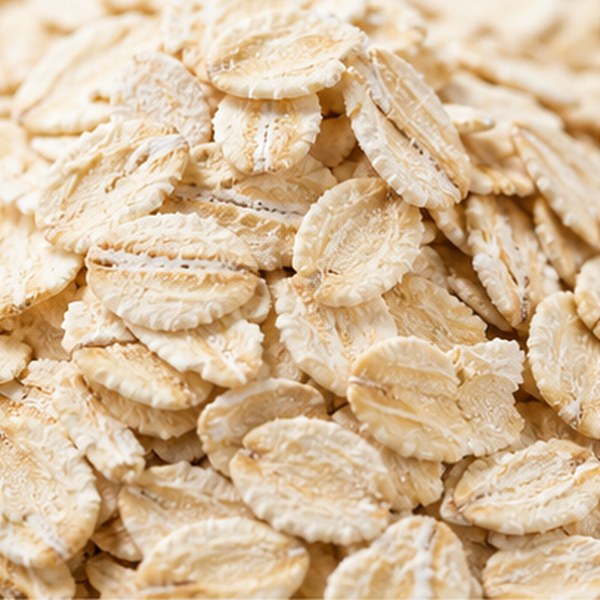
Oats
Oats are another representative source of β-glucan and are generally more convenient for breakfast.
View details →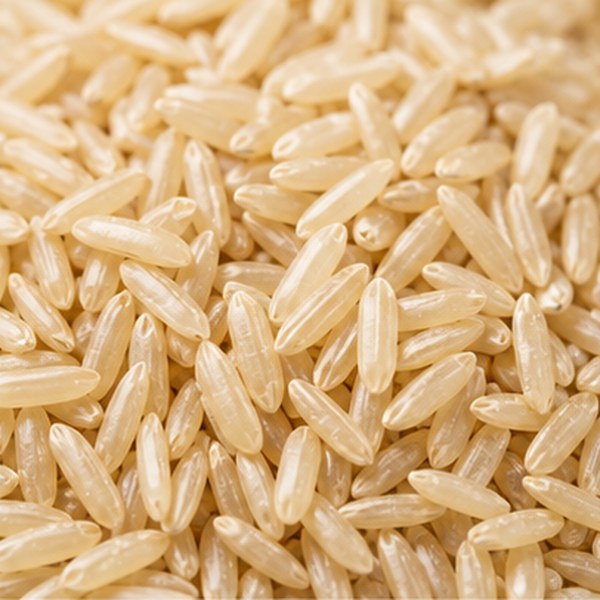
Brown Rice
Brown rice has a texture and use pattern closer to everyday rice and naturally contains no barley gluten.
View details →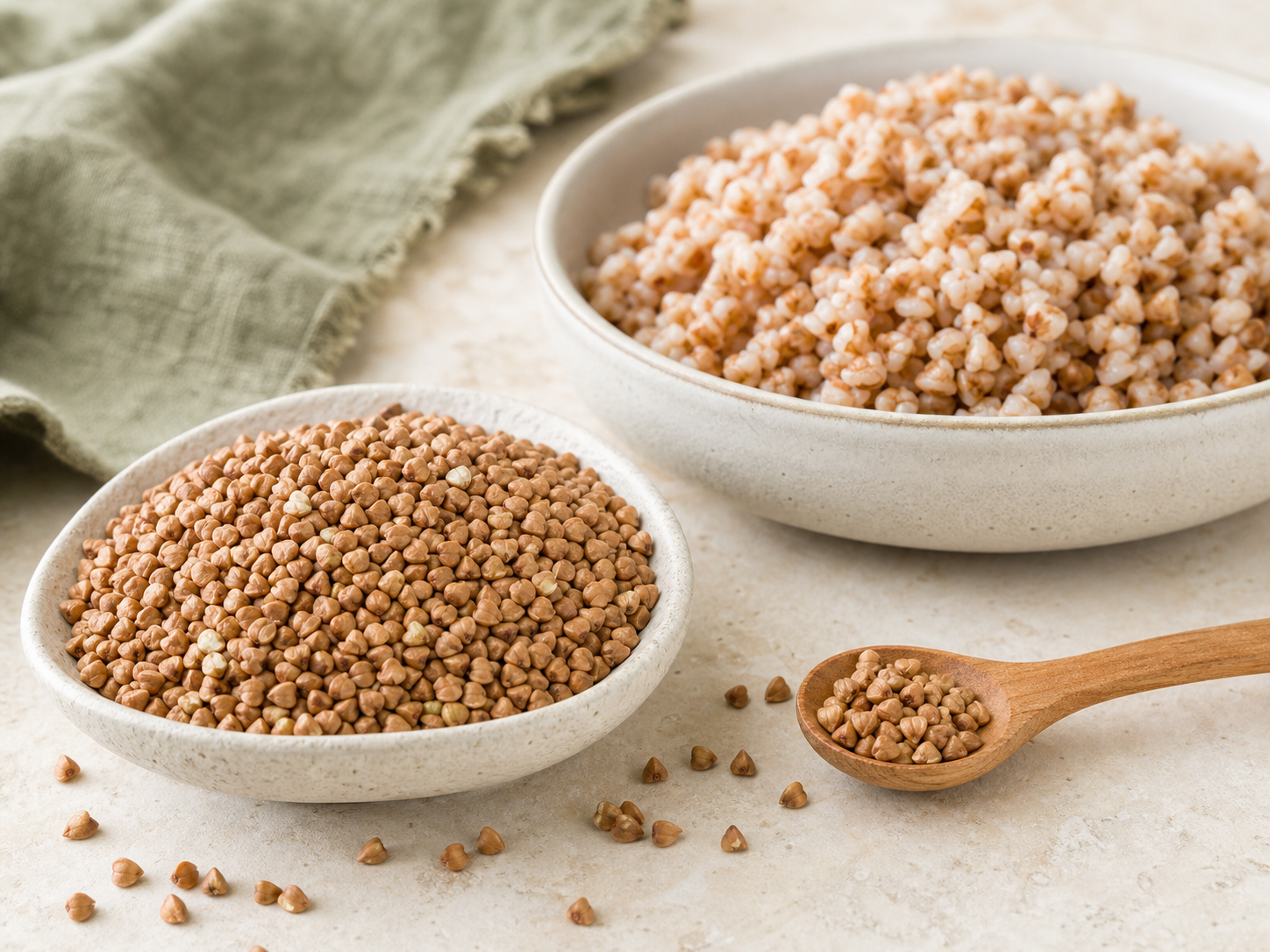
Buckwheat
Quinoa works well in mixed-grain rice, grain salads, and pasta-style dishes and does not contain barley gluten.
View details →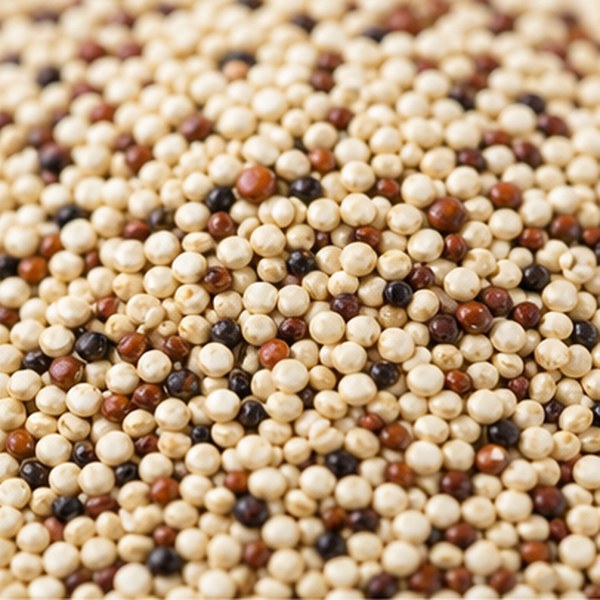
Quinoa
Millet can be used in mixed-grain rice and grain salads and helps diversify staple grains.
View details →Sorghum
Sorghum naturally contains no barley gluten and can be used in mixed-grain rice, porridge, and whole-grain flour products.
View details →Data Sources & Last Updated
Nutrition Data
Basic Information & Food Safety
Research & References
Ho, H. V. T., et al. (2016). A systematic review and meta-analysis of randomized controlled trials of the effect of barley β-glucan on LDL-C, non-HDL-C and apoB for cardiovascular disease risk reduction.
European Journal of Clinical Nutrition, 70(11), 1239–1245. DOI / Original
Thondre, P. S., Wang, K., Rosenthal, A. J., & Henry, C. J. K. (2012). Glycaemic response to barley porridge varying in dietary fibre content.
British Journal of Nutrition, 107(5), 719–724. DOI / Original
Idehen, E., Tang, Y., & Sang, S. (2017). Bioactive phytochemicals in barley.
Journal of Food and Drug Analysis, 25(1), 148–161. DOI / Original
Behall, K. M., Scholfield, D. J., & Hallfrisch, J. (2004). Diets containing barley significantly reduce lipids in mildly hypercholesterolemic men and women.
American Journal of Clinical Nutrition, 80(5), 1185–1193. DOI / Original
Nilsson, A. C., Östman, E. M., Holst, J. J., & Björck, I. M. E. (2008). Including indigestible carbohydrates in the evening meal of healthy subjects improves glucose tolerance, lowers inflammatory markers, and increases satiety after a subsequent standardized breakfast.
Journal of Nutrition, 138(4), 732–739. DOI / Original