Legumes & Soy Foods · Dry Legumes
Black Bean (Black Turtle Bean)
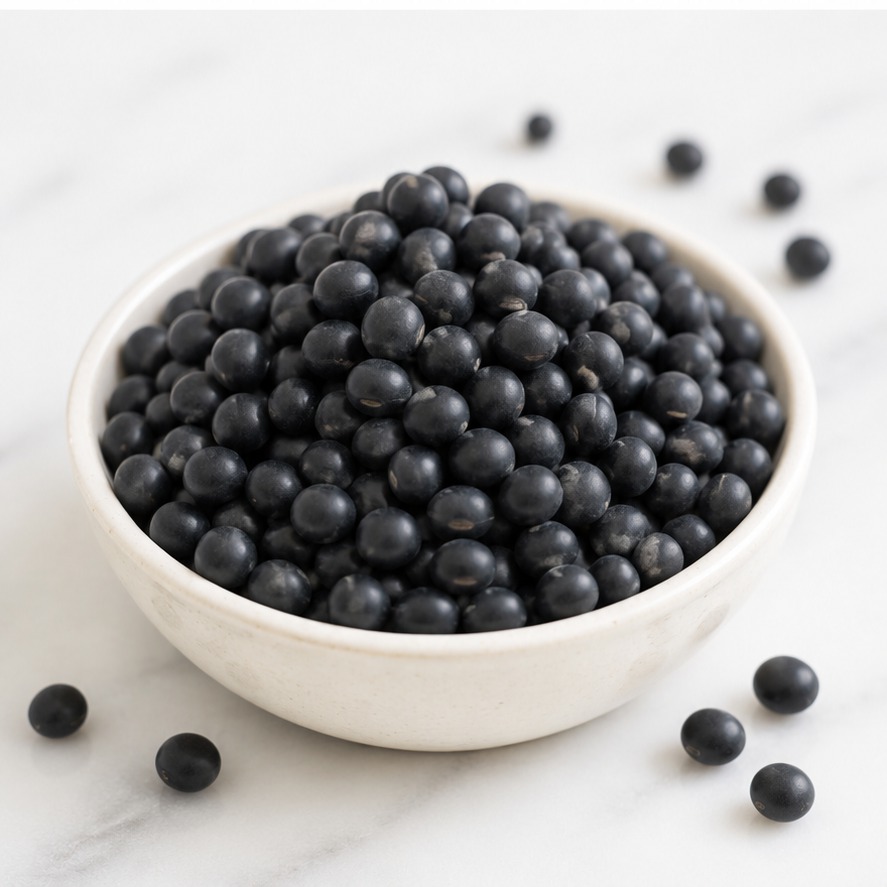
Black beans provide plant protein, dietary fiber, and a range of minerals, while the black seed coat also contains anthocyanins and other polyphenols. They should be soaked and thoroughly cooked before eating.
Food Overview
Key strengths
Per 100 g, cooked black beans provide about 130 kcal, 8.2 g of protein, and 8.3 g of dietary fiber.
How to Eat It
Black beans work well in mixed-grain rice, vegetable soups, stews, grain salads, burritos, or low-sodium black-bean dips. Pairing them with grains such as brown rice, corn, or quinoa adds variety to staple foods and broadens amino-acid sources in a plant-forward diet.
What stands out
The black seed coat contains glycosylated anthocyanins derived from delphinidin, petunidin, and malvidin. The seed coat also contains quercetin and kaempferol derivatives and condensed tannins, while the cotyledons contain phenolic acids such as ferulic acid, sinapic acid, and chlorogenic acid.
Worth noting
Raw or undercooked black beans may still contain active phytohaemagglutinin. Do not eat them raw, and do not start with raw beans in a low-temperature slow cooker.
Basic Nutrition
Showing:100 g Cooked Black Beans
View complete nutrition data
GI note:GI varies with cultivar, food structure, processing, and cooking. Raw grains usually do not have directly applicable human GI data.
The GI value of 20 comes from a specific human test in which beans were soaked overnight and cooked for 45 minutes.
Data notes:The USDA cooked-black-bean entry does not provide a directly usable total starch value, so starch is shown as “—”.
Vitamins & Minerals
By default, data are shown per 100 g of cooked black beans. Only nutrients providing at least 5% of the adult Daily Value at the selected amount are shown.
View all vitamins and minerals
Percentages show how much the selected serving contributes to the adult Daily Value.
Key Bioactive Compounds
Anthocyanins
AnthocyaninsThe purple-black color comes mainly from anthocyanins in the seed coat. Representative compounds include glucosides of delphinidin, petunidin, and malvidin.
In one specific raw-black-bean sample, monomeric anthocyanins totaled about 213 mg/100 g: delphinidin-3-glucoside accounted for about 56%, petunidin-3-glucoside about 26%, and malvidin-3-glucoside about 18%.
Anthocyanins show antioxidant activity in vitro and contribute to dietary polyphenol intake. Laboratory antioxidant capacity correlates with anthocyanin and condensed-tannin content, but laboratory measurements should not be equated with anti-inflammatory effects in people.
Keep the black seed coat intact and cook the whole beans thoroughly.
213 mg/100 g is not a fixed anthocyanin content for all black beans.
Phenolic Acids & Other Flavonoids
Phenolic Acids & FlavonoidsIn addition to anthocyanins, black beans contain condensed tannins, quercetin and kaempferol glycosides, and phenolic acids such as ferulic acid, sinapic acid, and chlorogenic acid.
Specific uniform amount: —. Content varies substantially among black-bean cultivars.
These phenolics can participate in antioxidant reactions in experimental systems and may interact with digestion and the gut microbiota. Direct human evidence for anti-inflammatory effects from an ordinary serving of cooked black beans remains limited.
Prefer whole beans and keep the seed coat. Do not refine them into highly purified bean starch.
Antioxidant effects observed with seed-coat extracts or in cell experiments cannot be translated directly into disease-treatment effects from a bowl of cooked black beans.
Resistant Starch
Functional carbohydratesResistant starch is starch that is not completely digested in the small intestine and instead reaches the colon, where it can be used by gut microbes.
After thorough cooking, black beans in research samples contained about 3—5 g of resistant starch per 100 g of experimental sample. Actual amounts vary with cultivar, cooking time, cooling, and reheating.
Resistant starch can be fermented by colonic bacteria to produce short-chain fatty acids such as acetate, propionate.
Simply eat the beans after thorough cooking. Some experiments suggest that refrigerating cooked black beans and reheating them can increase resistant starch.
Resistant starch is not a “negative-calorie” ingredient, and refrigerated black beans do not automatically become a weight-loss or glucose-lowering food.
How Preparation Changes Black Bean (Black Turtle Bean)
Raw Black Beans
Raw black beans appear more nutrient-dense because they contain less water, but they are not a ready-to-eat state. Raw beans may contain phytohaemagglutinin and other antinutritional factors and must be soaked and thoroughly cooked with moist heat.
Soaking
Before cooking, remove damaged beans and debris, rinse with water, and soak in plenty of water. Soak for at least about 12 hours, then discard the soaking water and cook in fresh water.
Cook Thoroughly
After soaking, boil the beans thoroughly in fresh water until the centers are completely soft. Phytohaemagglutinin may remain active after cooking for one hour at about 85°C, so raw beans should not be placed directly into a low-temperature slow cooker without first being boiled.
Cooked Black Beans
Cooked black beans absorb a large amount of water, so energy, protein, folate, and mineral values per 100 g are much lower than in raw beans.
Canned Black Beans
Commercial canned black beans have already received sufficient high-temperature processing and can be eaten directly. Regular salted canned products may be high in sodium, so choose “no salt added” or “low sodium” when possible. Draining and briefly rinsing under running water can reduce some sodium.
Cooling & Reheating
Cooling and reheating may change resistant starch and some oligosaccharides in black beans. If cooked beans are not eaten immediately, portion and refrigerate within two hours; refrigerated leftovers are generally best eaten within 3—4 days.
How to Choose & Store
How to choose
- Look for labels such as black bean, black turtle bean, or Phaseolus vulgaris.
- Choose dry beans with relatively even color and intact seeds, without obvious insect damage, mold, off odors, moisture, or clumping.
- For canned products, prefer simple ingredient lists and “no salt added” or “low sodium” options. Avoid cans that are swollen, leaking, severely rusted, or sharply dented at seams.
How to store
- Store raw black beans in a sealed container in a cool, dry, dark place.
- Refrigerate cooked beans promptly in a shallow, clean container and aim to eat them within 3—4 days.
- Transfer leftover canned black beans to a clean sealed container and refrigerate rather than leaving them in an opened metal can for a long time.
When buying black beans, remember three things: confirm that they are black turtle beans, choose dry intact beans, and prefer lower-sodium canned products.
How to Include It in Everyday Meals
Black-Bean Mixed-Grain Rice
Soak the black beans in advance and cook them separately until soft, then mix with brown rice, quinoa, barley, or corn. Do not cook still-hard raw black beans together with quick-cooking rice, or the rice may be done while the bean centers remain hard.
Black-Bean Vegetable Soup
Cook black beans with tomatoes, carrots, onions, bell peppers, mushrooms, and leafy greens. Season with cumin, black pepper, chili powder, or herbs, and use less high-sodium stock, ham, sausage, and heavy cream.
Black-Bean Grain Salad
Combine cooked, cooled black beans with quinoa, buckwheat, or brown rice plus tomatoes, cucumber, red cabbage, avocado, and herbs. Keep chilled after cooling and do not leave at room temperature for long periods.
Black-Bean Dip
Blend fully softened black beans with a small amount of olive oil, lemon juice, garlic, and cumin. Avoid large amounts of cream, cheese, and salt, and there is no need to strain out the black seed coat.
Black-Bean Burrito or Grain Bowl
Pair black beans with corn, brown rice, lettuce, tomato, bell pepper, and avocado for a burrito or grain bowl. Keep cheese, sour cream, and high-sodium sauces modest so the beans genuinely replace some processed meat rather than becoming an additional high-salt, high-fat side.
Black-Bean Vegetable Patties
Mash cooked black beans and combine with oats, egg or tofu, onion, and chopped vegetables. Avoid deep-frying or repeatedly browning until charred; drain canned black beans first so the mixture does not become too wet.
Who Should Take Extra Care
No One Should Eat Raw or Undercooked Black Beans
Raw or insufficiently cooked beans can cause phytohaemagglutinin poisoning, with nausea, vomiting, abdominal pain, or diarrhea. Soak first and boil thoroughly in fresh water. Commercial canned black beans have already undergone high-temperature processing.
People with Sensitive Digestion or Frequent Bloating
Black beans are high in dietary fiber and fermentable oligosaccharides, so suddenly eating a large amount can cause bloating, intestinal rumbling, or more gas. Start with about two to three tablespoons of cooked beans, increase gradually, and make sure they are cooked until soft.
People with Irritable Bowel Syndrome
Some people with irritable bowel syndrome are sensitive to fermentable carbohydrates in beans. Canned beans that are drained and rinsed, or starting with a small serving, may be easier to tolerate.
People managing blood sugar
Cooked black beans have a representative GI of about 20, but a half-cup still contains about 22.5 g of carbohydrate and should count toward the total meal.
People with Kidney Dysfunction or Those Told to Limit Potassium or Phosphorus
A half-cup of cooked black beans provides about 401 mg of potassium and 141 mg of phosphorus. Most people do not need to avoid them for this reason, but those told by a clinician to strictly limit potassium or phosphorus should count them toward the daily total.
People with Iron Deficiency
Black beans provide non-heme iron, whose absorption depends on the overall meal. Pair with bell peppers, tomatoes, oranges, or other vitamin-C-rich foods, but black beans alone cannot treat diagnosed iron-deficiency anemia.
Pregnant People
Black beans provide natural folate, but food folate does not replace folic-acid supplements recommended by a clinician. People planning pregnancy or who are pregnant should follow the folic-acid plan advised by their healthcare professional.
Infants, young children, and people with swallowing difficulties
Black beans should be cooked until fully soft, then flattened, mashed, or chopped as needed. Do not give hard or whole slippery beans to young children with limited chewing or swallowing ability.
People with Legume Allergies
People with a known allergy to common beans or other legumes should try them cautiously. If generalized hives, throat swelling, wheezing, or difficulty breathing occurs, stop eating and seek medical help immediately.
Similar Food Alternatives
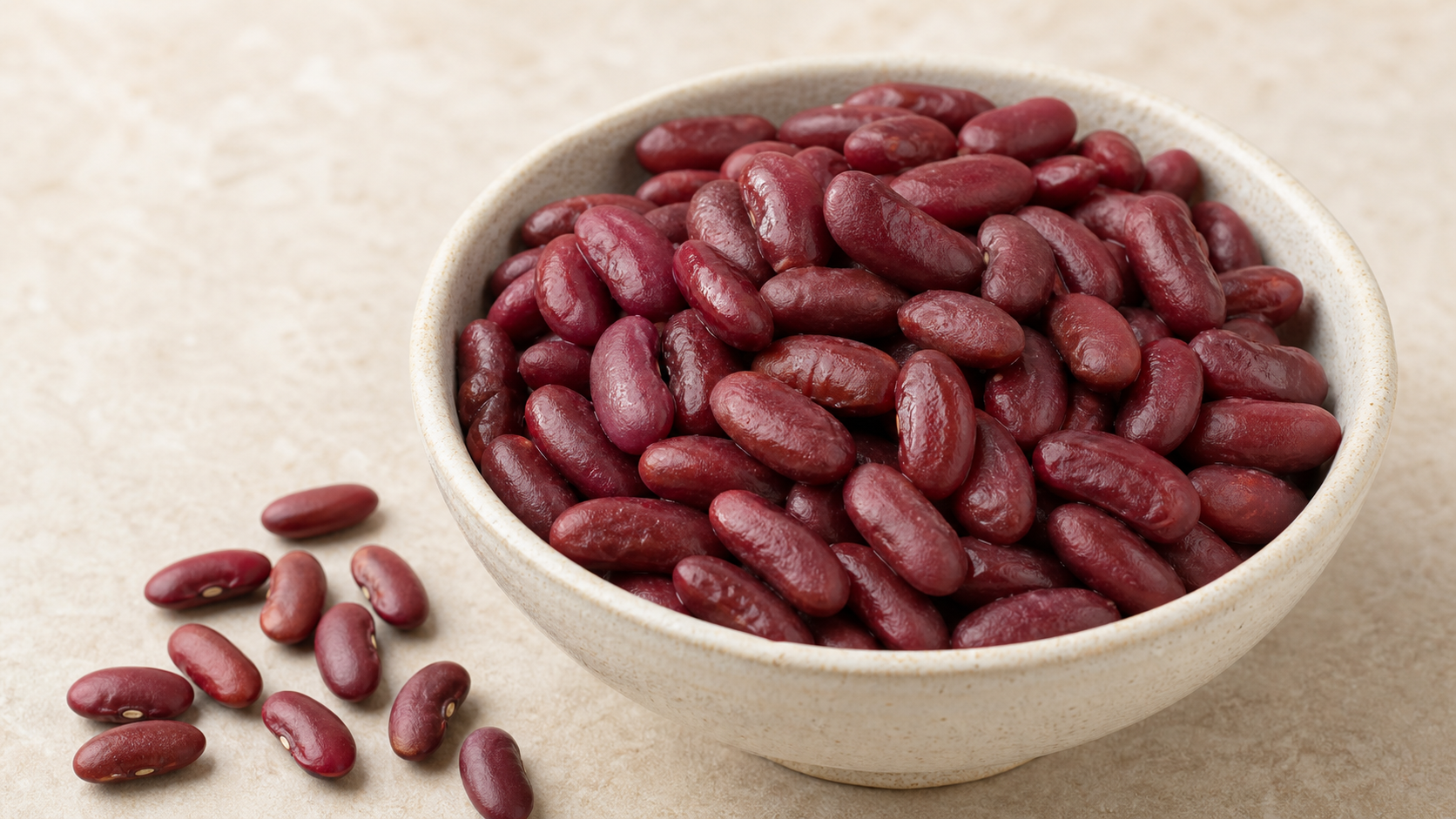
Red Kidney Beans
Also Phaseolus vulgaris, with similar cooking needs and broadly similar plant-protein and dietary-fiber profiles.
View details →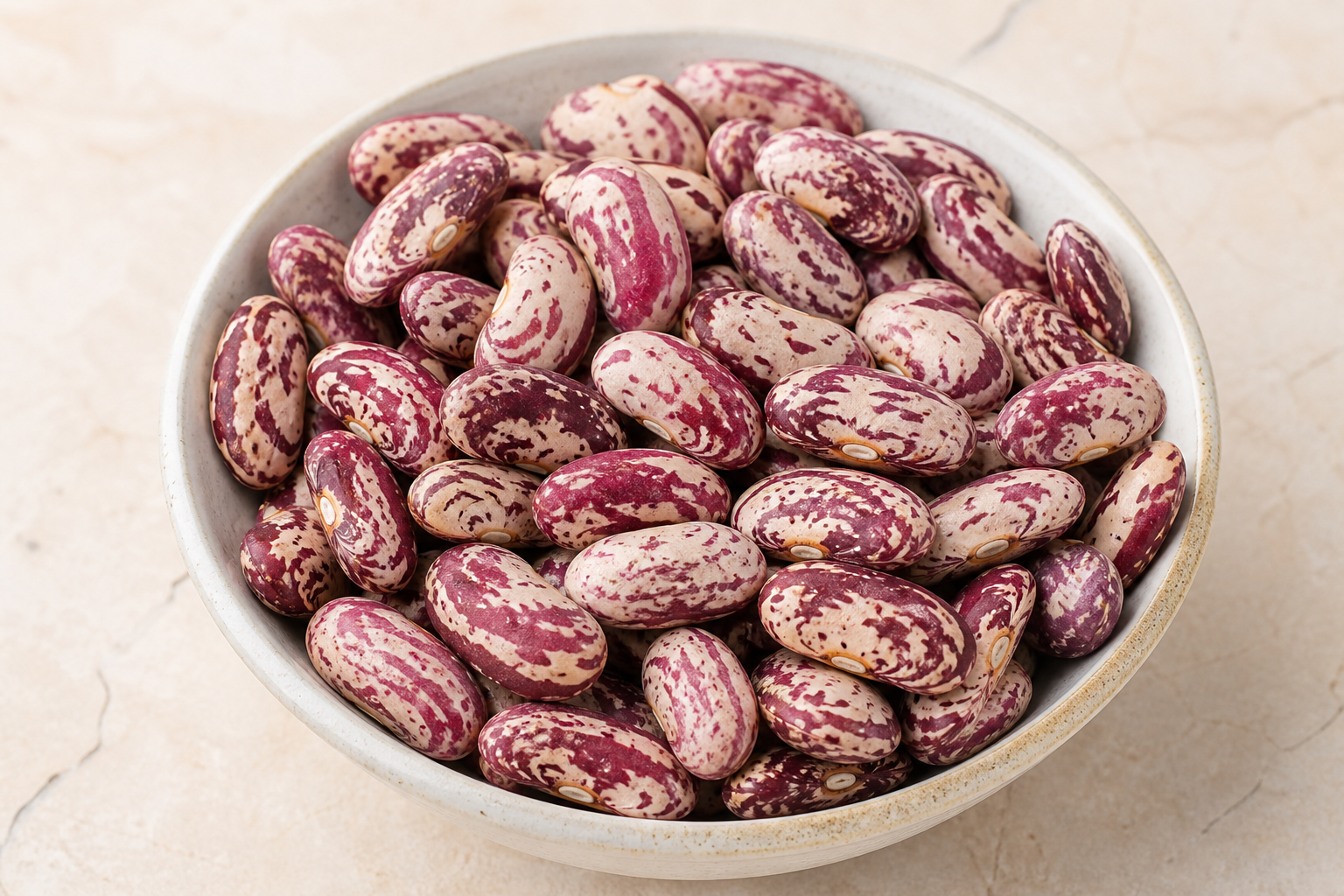
Pinto Beans
Also common beans, with a soft cooked texture suitable for stews, bean purées, and grain bowls.
View details →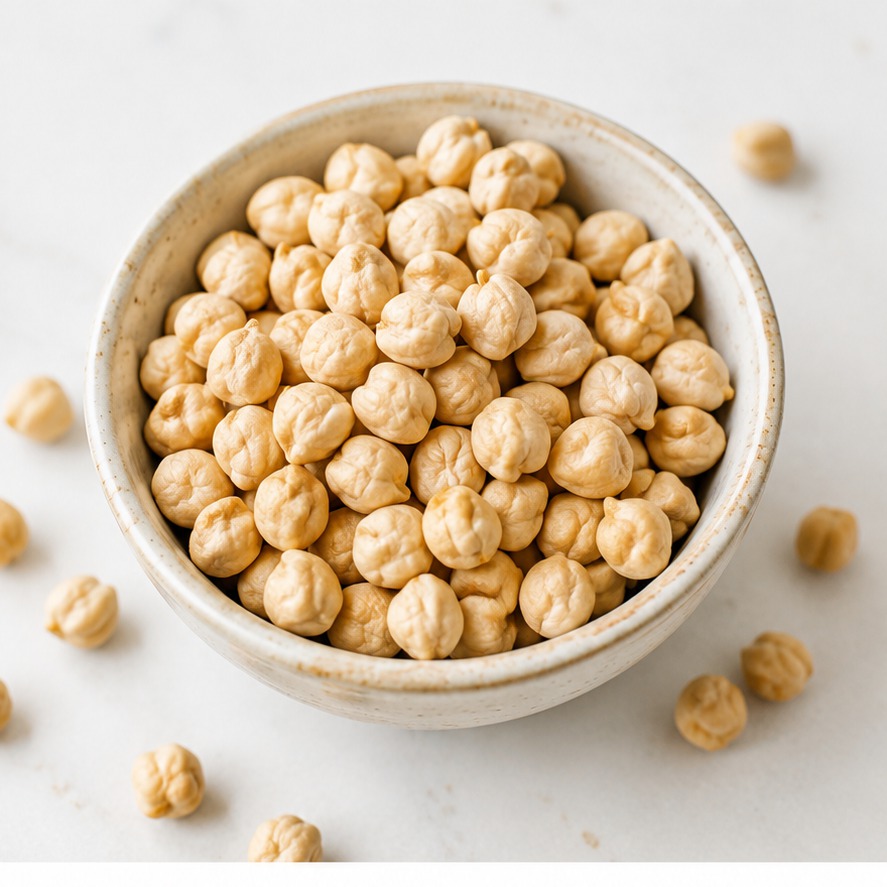
Chickpeas
Provide plant protein, dietary fiber, folate, and minerals and work well in hummus and salads.
View details →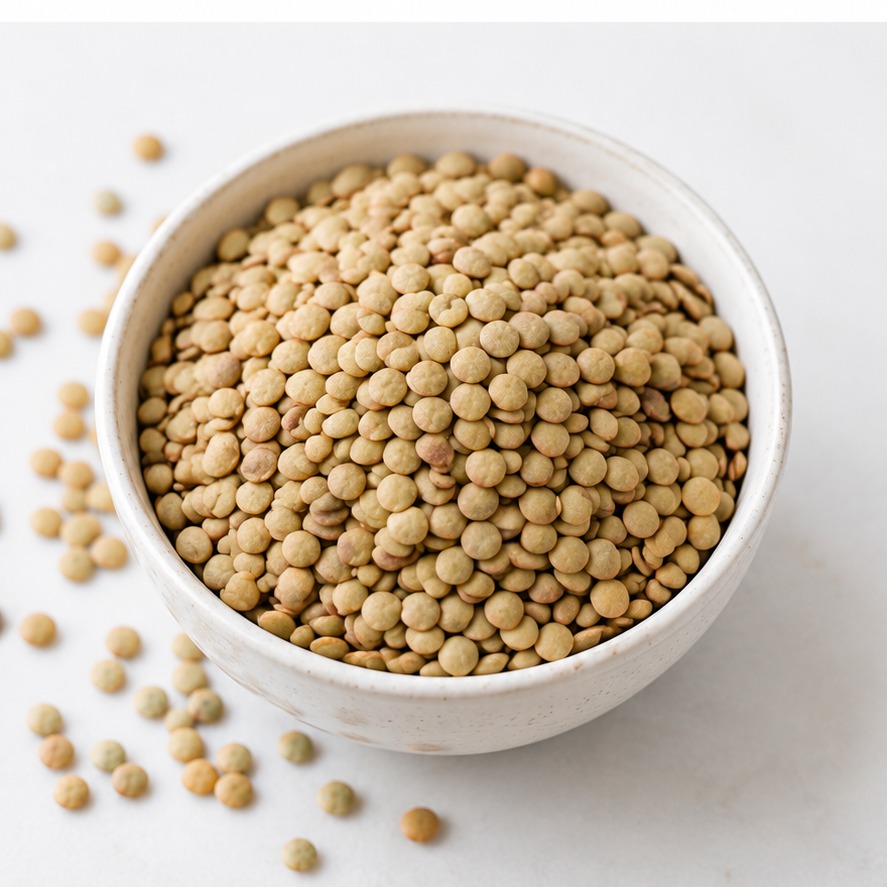
Green Lentils
Usually require less soaking and cook faster, making them useful for soups, curries, and mixed-grain dishes.
View details →Data Sources & Last Updated
Nutrition Data
Basic Information & Food Safety
Research & References
Takeoka GR, Dao LT, Full GH, et al. (1997). Characterization of Black Bean (Phaseolus vulgaris L.) Anthocyanins.
Journal of Agricultural and Food Chemistry, 45(9), 3395–3400. DOI / Original
Ranilla LG, Genovese MI, Lajolo FM. (2007). Polyphenols and Antioxidant Capacity of Seed Coat and Cotyledon from Brazilian and Peruvian Bean Cultivars.
Journal of Agricultural and Food Chemistry, 55(1), 90–98. DOI / Original
Fabbri ADT, Schacht RW, Crosby GA. (2016). Evaluation of Resistant Starch Content of Cooked Black Beans, Pinto Beans, and Chickpeas.
NFS Journal, 3, 8–12. DOI / Original
Siva N, Thavarajah P, Kumar S, Thavarajah D. (2020). Prebiotic Carbohydrate Concentrations of Common Bean and Chickpea Change during Cooking, Cooling, and Reheating.
Journal of Food Science, 85. DOI / Original
Winham DM, et al. (2017). Glycemic Response to Black Beans and Chickpeas as Part of a Rice Meal: A Randomized Cross-Over Trial.
Nutrients. DOI / Original
Jones JB, Mount JR. (2011). Sodium Reduction in Canned Beans after Draining and Rinsing.
Journal of Culinary Science & Technology, 9(2), 106–112. DOI / Original