Legumes & Soy Foods · Mature Dry Beans
Mung Bean
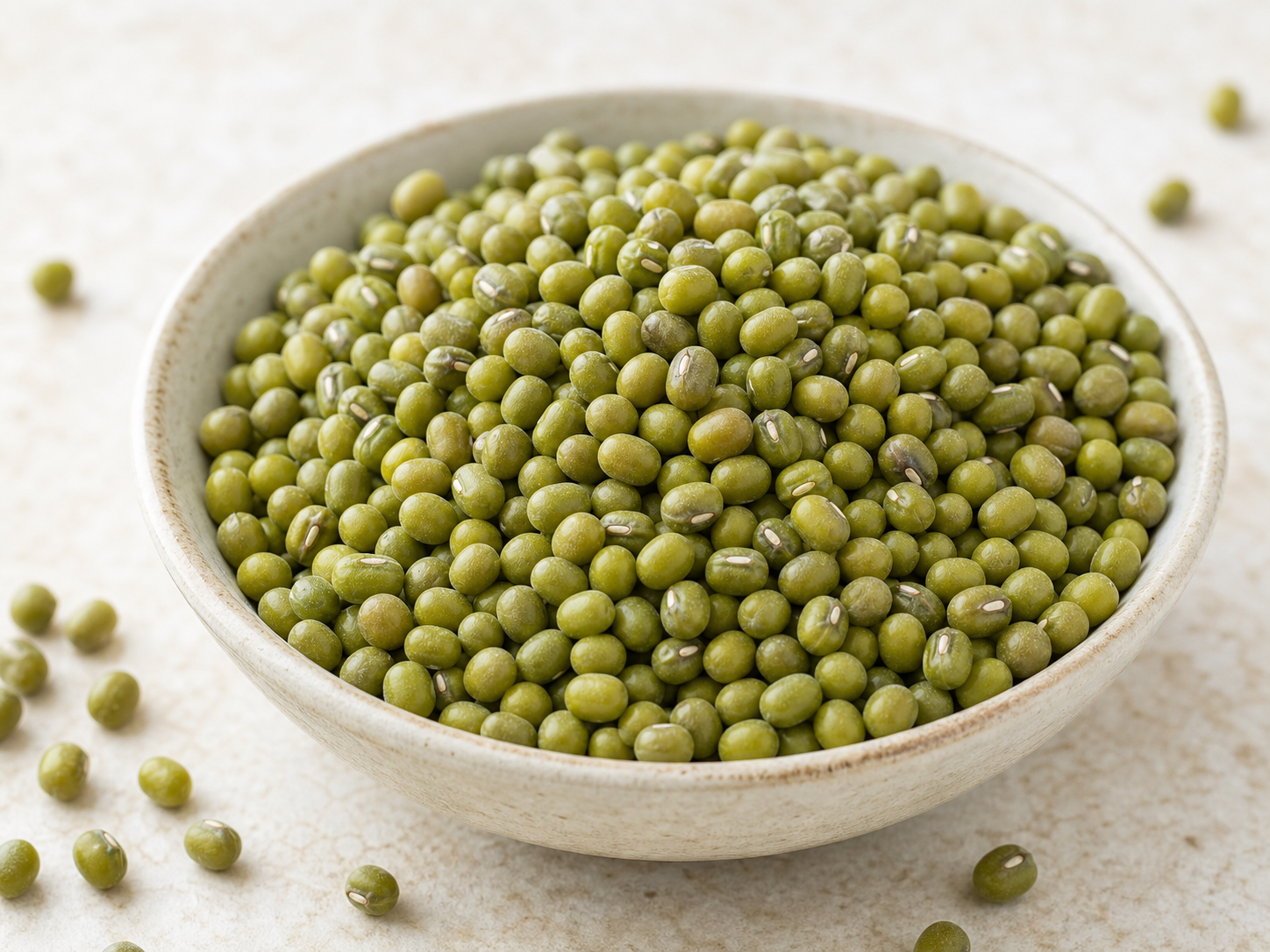
Mung bean is a low-fat mature legume. Once cooked, it provides dietary fiber, plant protein, folate, copper, magnesium, and manganese. The green seed coat and intact seed also contain polyphenols such as vitexin, isovitexin, and phenolic acids.
Food Overview
Key strengths
Per 100 g, cooked mung beans provide about 7.0 g of protein and 7.6 g of dietary fiber, along with substantial folate and useful amounts of copper, vitamin B1, manganese, magnesium, phosphorus, iron, and zinc.
How to Eat It
They work well in porridge, soups, mixed-grain rice, stews, grain salads, or bean mash. To retain dietary fiber and seed-coat polyphenols, whole mung beans with the skin are generally preferable for everyday use to drinking only strained mung-bean water or eating high-sugar mung-bean paste.
What stands out
Vitexin and isovitexin are among the most representative flavonoids in mung beans. A study of 24 mung-bean cultivars found clear cultivar differences in both, but they were major phenolic compounds in every cultivar tested.
Worth noting
Raw mung beans contain natural phytate, trypsin inhibitors, tannins, lectins, and other compounds that can reduce digestibility and nutrient utilization. Soaking and dehulling can help some extent, but thorough heating is generally more effective at reducing these antinutritional factors, so mature mung beans should be eaten cooked.
Basic Nutrition
Showing:100 g Cooked Mung Beans
View complete nutrition data
GI note:GI varies with cultivar, food structure, processing, and cooking. Raw grains usually do not have directly applicable human GI data.
The approximate GI range of 40—50 comes from specific populations and different cooked, chilled, and reheated samples.
Data notes:The USDA entry does not provide a starch value that can be used directly on the page, so starch is shown as “—” rather than calculated by subtracting sugar and fiber from total carbohydrate.
Vitamins & Minerals
By default, show values per 100 g of cooked mung beans. Only nutrients providing at least 5% of the adult Daily Value at the current serving size are shown.
View all vitamins and minerals
Percentages show how much the selected serving contributes to the adult Daily Value.
Key Bioactive Compounds
Vitexin & Isovitexin
FlavonoidsVitexin and isovitexin are representative flavonoids in mung beans, especially in the green seed coat.
Across 24 Chinese cultivars, raw mung beans contained about 60–137 mg/100 g of vitexin and 67–199 mg/100 g of isovitexin, with substantial cultivar differences.
They show antioxidant activity in vitro and have been studied in carbohydrate-digesting enzyme and glucose-uptake models.
Prefer whole mung beans with the seed coat intact and cook until soft.
Purified-compound experiments are not equivalent to a bowl of mung-bean soup or proof of diabetes treatment.
Caffeic Acid & Other Phenolic Acids
Phenolic acidsRepresentative phenolic acids detected in mung beans include caffeic acid, ferulic acid, p-coumaric acid.
Across 24 cultivars, soluble caffeic acid ranged about 2.45–15.12 µg/g and bound caffeic acid 2.38–16.46 µg/g, equivalent to about 0.25–1.51 and 0.24–1.65 mg per 100 g, respectively.
These phenolic acids can participate in free-radical-scavenging and redox reactions under experimental conditions.
Keeping the intact seed coat and whole bean retains more phenolic acids and dietary fiber than eating refined mung-bean starch alone.
Free-radical-scavenging activity in test tubes does not directly equal anti-inflammatory or anti-aging effects in people.
Proanthocyanidins & Condensed Tannins
PolyphenolsProanthocyanidins and condensed tannins are among the plant-defense compounds in mung-bean seed coats and can affect seed-coat color, astringency, and in-vitro antioxidant performance.
Results vary substantially by cultivar, seed-coat color, extraction solvent, and analytical method, and there is not yet a unified value suitable for a fixed per-100 g amount in ordinary raw mung beans. Specific amount: —.
Mung-bean seed-coat proanthocyanidins show antioxidant and related activity in cell and in-vitro models.
Cook mung beans until soft and eat them with the seed coat.
More tannin is not always better. Soaking and thorough cooking improve digestibility, and raw beans should not be eaten simply to pursue seed-coat polyphenols.
How Preparation Changes Mung Bean
Raw Mung Beans
Here, “raw” is the database state of uncooked mature seeds. Raw mung beans have low water content and high nutrient density but are hard and contain trypsin inhibitors, phytate, tannins, lectins, and other compounds, so they are not suitable for direct consumption.
Soaking
Whole mung beans are small and usually do not need an overnight soak like larger kidney beans. Soaking for about 1—4 hours can shorten cooking time and improve texture; discard the soaking water and rinse briefly afterward.
Cooked Mung Beans
After cooking, mung beans absorb substantial water, become soft, protein digestibility improves, and activity of some trypsin inhibitors, lectins, and tannins decreases.
Keeping the Skin vs Dehulling
Whole mung beans retain more seed-coat dietary fiber, vitexin, isovitexin, and other seed-coat polyphenols. Split/dehulled mung beans are yellow, cook faster, and have a smoother texture, but the bioactive-compound description for intact mung beans should no longer be reused.
Sprouting
After sprouting, vitamins, phenolics, and starch structure change substantially, so mung-bean sprouts should be treated as a separate food. Warm, humid sprouting conditions also support growth of pathogens, so high-risk groups should avoid raw or only lightly heated mung-bean sprouts.
Mung-Bean Glass Noodles & Jelly
Mung-bean glass noodles, sheets, and jelly are made mainly from extracted mung-bean starch and no longer retain most of the intact bean’s protein, dietary fiber, or seed-coat polyphenols, so this page’s data should not be applied.
Mung-Bean Cakes & Mung-Bean Paste
Traditional mung-bean cakes, sweet mung-bean paste, and sweet mung-bean soup often contain substantial sugar and oil. Even when the starting ingredient is mung bean, energy, sugar, and fat in the finished product can rise markedly, so assess the finished food from its ingredient list and nutrition label.
How to Choose & Store
How to choose
- Choose relatively uniform beans with a natural green or yellow-green color, intact seed coats, dry surfaces, and no insect holes, mold spots, or moisture clumps.
- Normal mung beans have only a mild bean aroma. Avoid products with musty, sour, rancid, or other obvious off odors.
- Prefer products with a clear name, mung bean as the only ingredient, intact packaging, clear dates, and little broken-bean powder or insect contamination.
How to store
- Store raw mung beans in a sealed container in a cool, dry, dark place; high humidity increases the risk of mold.
- After cooking, place in a clean, shallow container and refrigerate within 2 hours; when ambient temperature is above 32°C, refrigerate within 1 hour.
- Discard beans with mold, a clear sour or fermented smell, unusual slime, many bubbles, abnormal blackening, swollen packaging, or excessive time at room temperature.
When buying mung beans, remember three points: choose intact, dry beans; avoid insect damage or mold; and prefer products whose only ingredient is mung bean.
How to Include It in Everyday Meals
1. Mung-Bean Mixed-Grain Rice
Soak mung beans in advance and cook until half-soft, then steam with brown rice, white rice, quinoa, or barley. The first time, let cooked mung beans make up about one quarter of the staple-food portion and increase gradually.
2. Plain Mung-Bean Porridge
Cook whole mung beans with millet, oat groats, or rice and optionally add pumpkin, Chinese yam, or a small amount of lily bulb.
3. Mung-Bean Vegetable Soup
Combine cooked mung beans with tomatoes, carrots, onions, celery, mushrooms, and leafy greens. Strongly acidic tomatoes or vinegar can be added after the beans are already mostly soft so they do not slow softening.
4. Mung-Bean Stew
Mung beans can be stewed with pumpkin, sweet potato, eggplant, bell pepper, tomato, and spices. Cook the mung beans separately until nearly soft before adding quick-cooking vegetables so the vegetables do not become overcooked while waiting for the beans.
5. Mung-Bean Grain Salad
Cool thoroughly cooked mung beans and combine with quinoa, tomatoes, cucumber, purple cabbage, spinach, or bell pepper, using a small amount of olive oil, vinegar, lemon juice, and herbs. Refrigerate the finished salad rather than leaving it at room temperature for long periods.
6. Lower-Sugar Mung-Bean Mash
Mash cooked mung beans while keeping some texture and pair with whole-grain bread, oats, or plain yogurt. For a sweet version, use a little fruit and avoid large amounts of sugar, butter, lard, or condensed milk; keep the seed coat.
Who Should Take Extra Care
People with digestive sensitivity
Mung beans contain substantial dietary fiber and fermentable oligosaccharides, so large portions can cause bloating, increased gas, or bowel changes. People who usually eat few legumes can start with a small amount of cooked mung beans, soak in advance, change the water, and cook thoroughly until soft.
People managing blood sugar
Cooked mung beans are a low-GI food, but 100 g still contains about 19.2 g of carbohydrate and 150 g about 28.7 g.
People with impaired kidney function
Raw mung beans are concentrated in potassium, phosphorus, magnesium, and protein; cooked mung beans still provide about 266 mg of potassium and 99 mg of phosphorus per 100 g. People who need to limit potassium, phosphorus, or protein should determine portions according to kidney function, laboratory results, and clinical-dietitian guidance.
People with Legume Allergies
Mung beans and mung-bean protein can cause IgE-mediated allergy. People who have had a clear allergic reaction to mung beans, mung-bean sprouts, or other legumes should be cautious; generalized hives, throat swelling, wheezing, difficulty breathing, or dizziness requires prompt medical care.
Infants, young children, and people with swallowing difficulties
Cook mung beans until very soft and mash or purée without straining to reduce choking risk. When introducing them for the first time, start with a small amount and watch for rash, vomiting, or marked gastrointestinal discomfort.
People Eating Mung-Bean Sprouts
Mung-bean sprouts are not part of this page’s nutrition states. Pregnant people, young children, older adults, and people with weakened immune systems should avoid raw mung-bean sprouts and make sure sprouts are thoroughly heated because washing alone cannot reliably remove pathogens that have entered the seed or sprout tissues.
Similar Food Alternatives
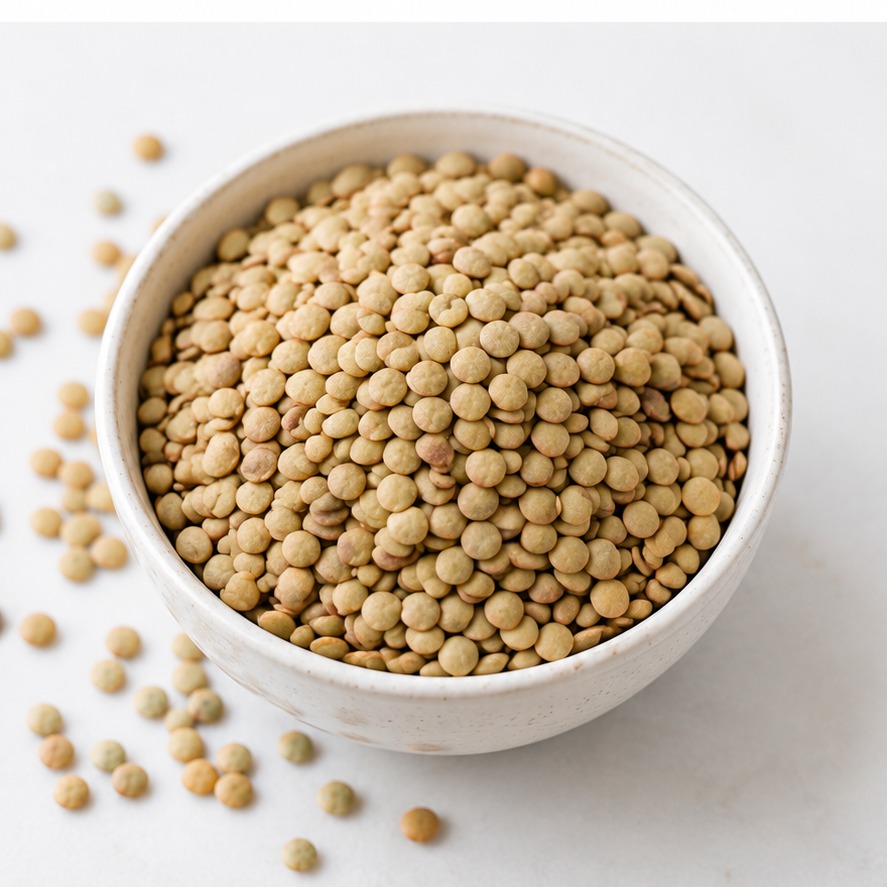
Green Lentils
Once cooked, they also provide plant protein, dietary fiber, folate, and minerals and work well in soups, stews, salads, and mixed-grain rice.
View details →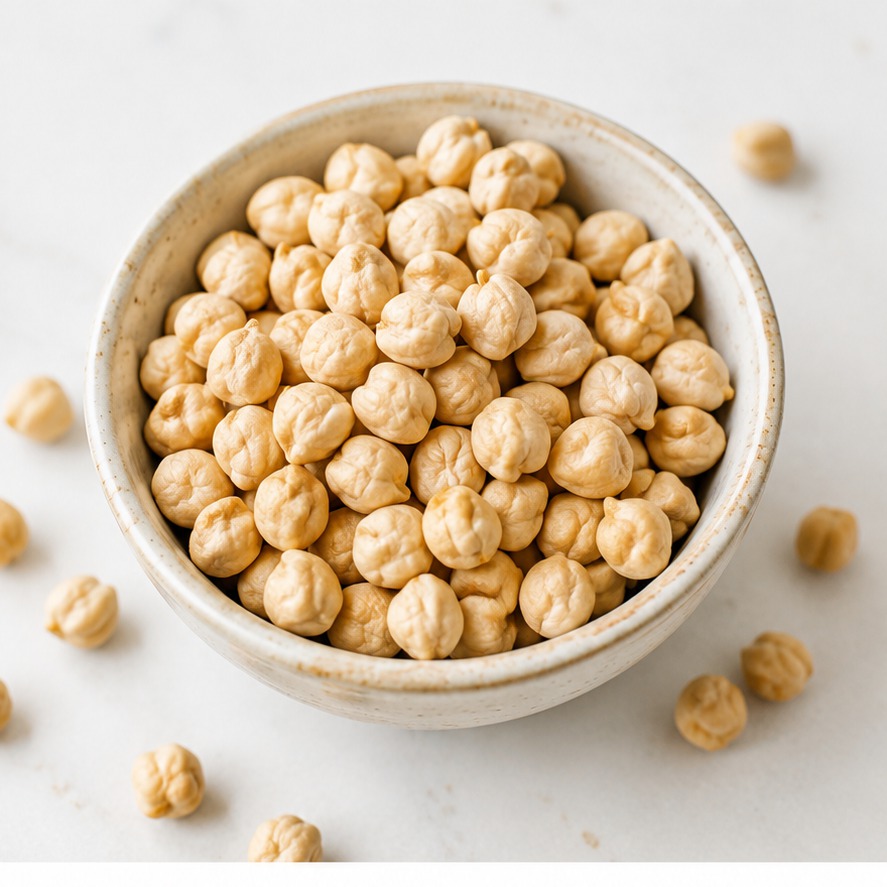
Chickpeas
Chickpeas provide fiber and plant protein and work in soups, salads, and purées, but have a different polyphenol profile.
View details →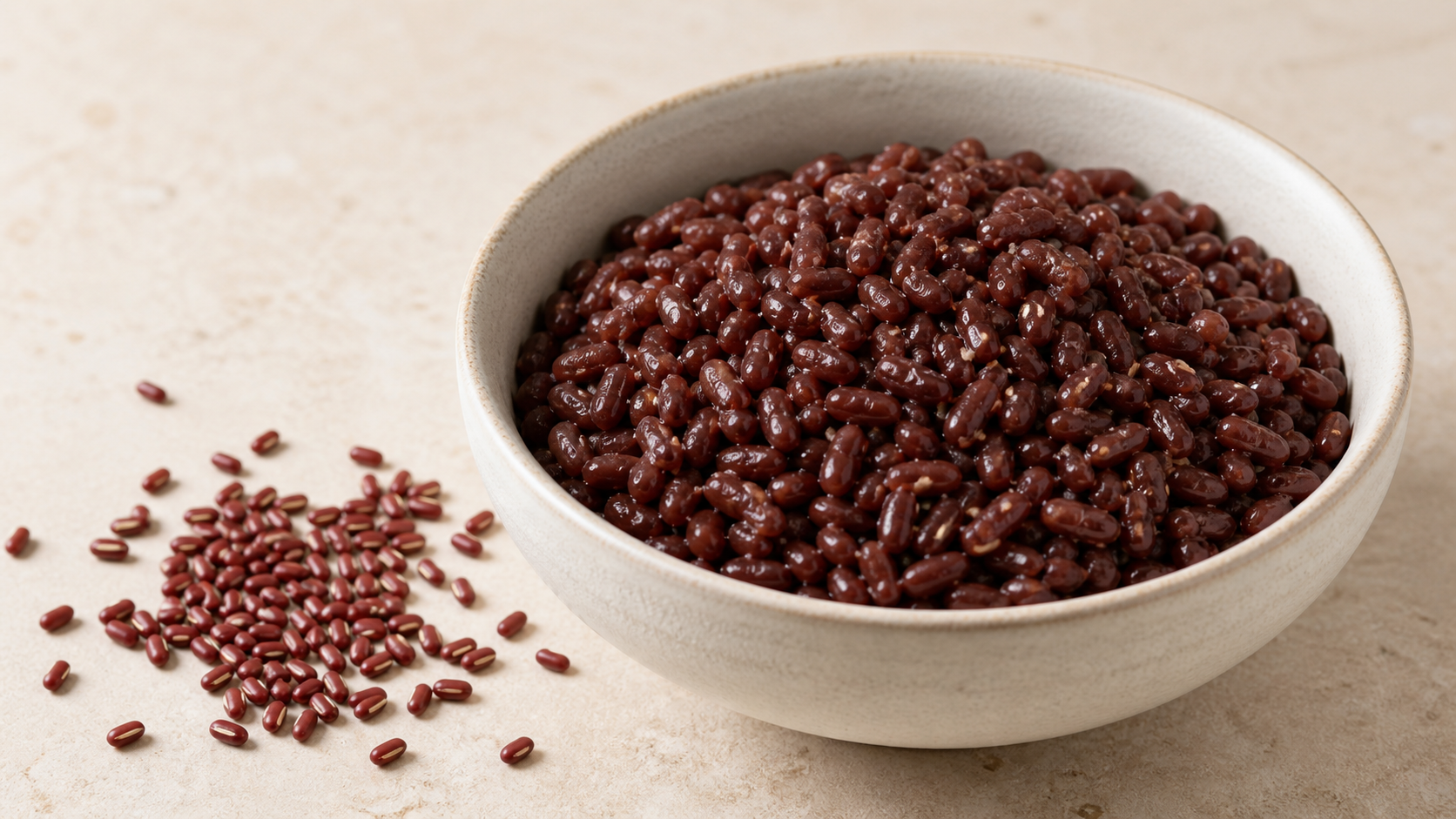
Adzuki Bean
Works well in porridge, soups, and lower-sugar bean mash; its seed-coat polyphenols and color compounds differ, so mung-bean data should not be reused.
View details →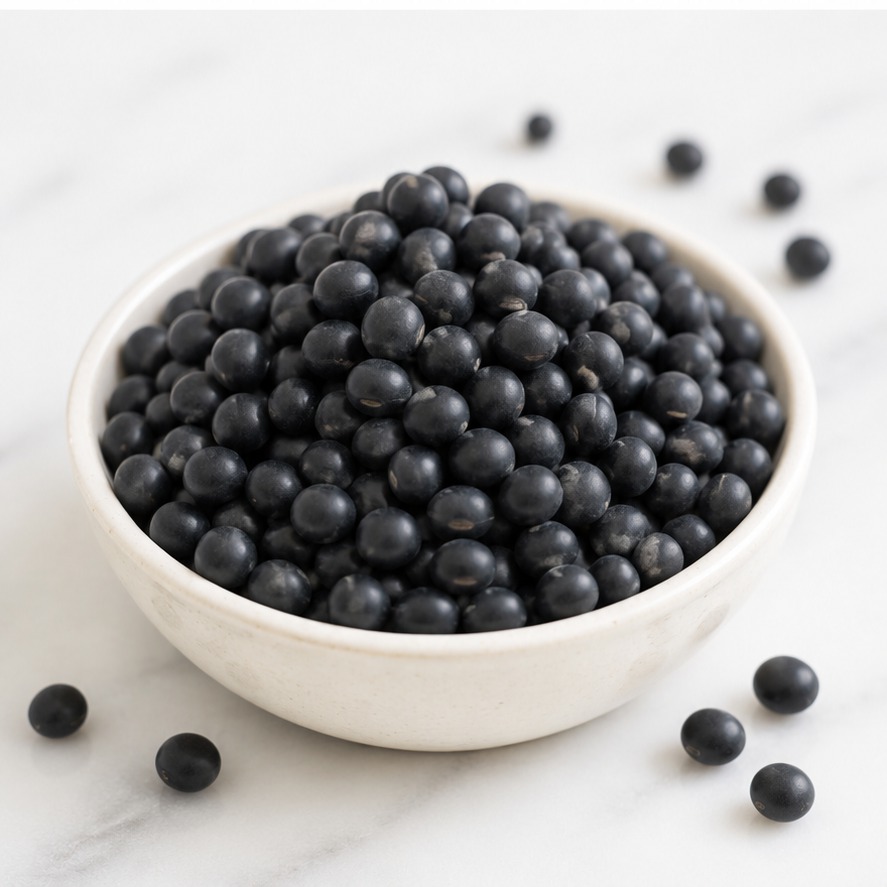
Black Soybeans
Black soybeans provide more fat and protein and contain soy isoflavones, so they are not nutritionally interchangeable with mung beans.
View details →Data Sources & Last Updated
Nutrition Data
Basic Information & Food Safety
Research & References
Wang F., et al. (2021). Nutritional, phytochemical and antioxidant properties of 24 mung bean genotypes.
Food Production, Processing and Nutrition. DOI / Original
Hou D., et al. (2019). Mung Bean: Bioactive Polyphenols, Polysaccharides, Peptides, and Health Benefits.
Nutrients. DOI / Original
Mubarak A.E. (2005). Nutritional composition and antinutritional factors of mung bean seeds as affected by some home traditional processes.
Food Chemistry. DOI / Original
Yutharaksanukul P., et al. (2024). Effects of Purified Vitexin and Iso-Vitexin from Mung Bean Seed Coat on Antihyperglycemic Activity and Gut Microbiota Modulation.
Nutrients. DOI / Original