Fruits · Berries
Pomegranate
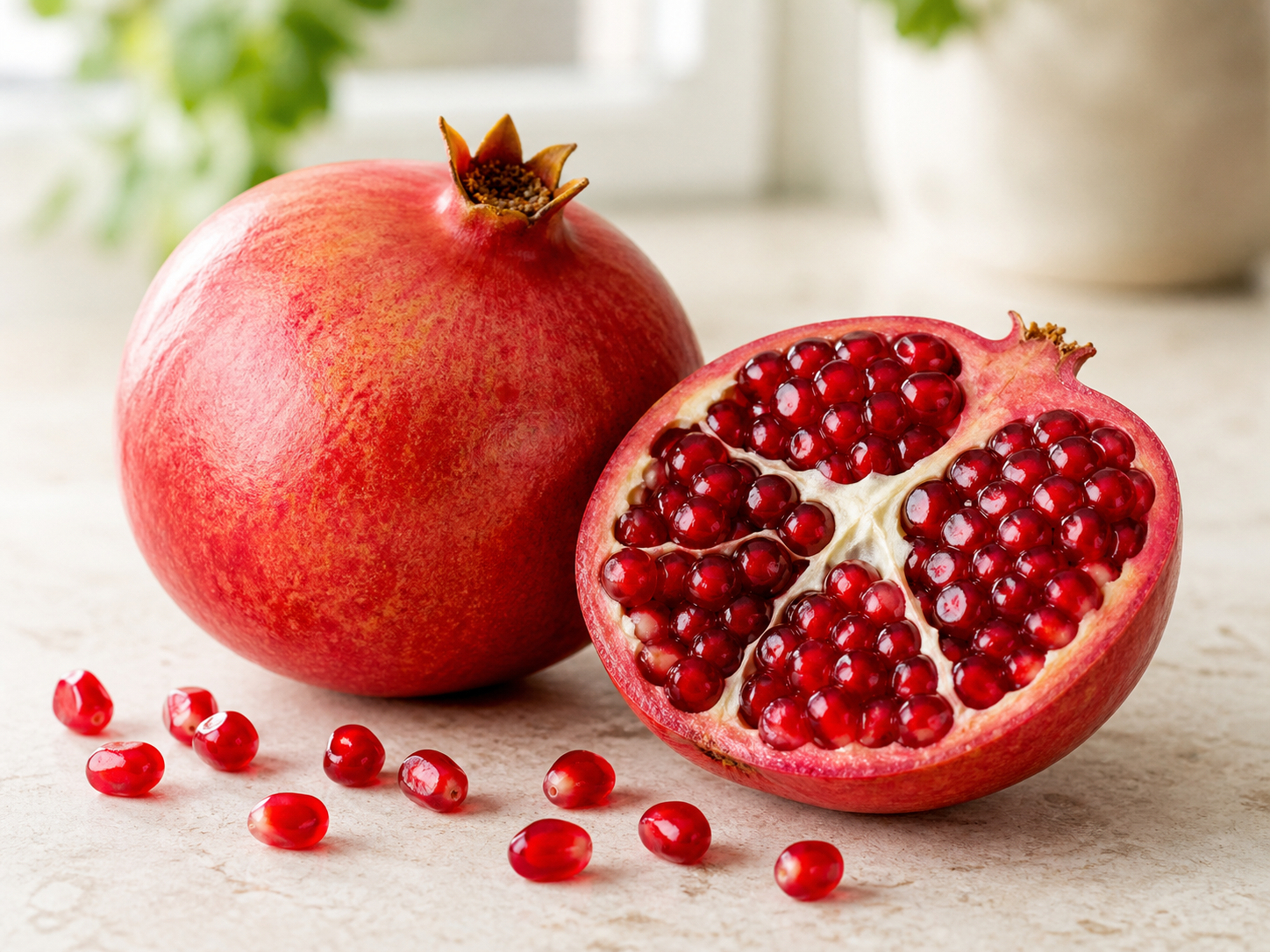
Pomegranate arils are a fruit source of dietary fiber, copper, vitamin K, and folate, and they also contain anthocyanins and ellagic-acid-related polyphenols. They are best eaten fresh or used as a meal topping; findings from pomegranate juice and peel extracts should not be applied directly to an ordinary serving of fresh arils.
Food Overview
Key strengths
Fresh pomegranate arils provide about 83 kcal, 18.7 g of carbohydrate, and 4 g of dietary fiber per 100 g, along with copper, vitamin K, vitamin C, folate, and a small amount of potassium.
How to Eat It
After removing the arils, eat them directly or sprinkle them over plain yogurt, oats, mixed grains, bean salads, or vegetable salads. Their sweet-tart flavor can help reduce the need for syrups and sweet salad dressings.
What stands out
The characteristic red pigments in pomegranate arils are anthocyanins, including glycosides of cyanidin, delphinidin, and pelargonidin. Anthocyanin and ellagitannin levels can vary widely among cultivars, and color depth alone does not precisely reflect the total amount of all polyphenols.
Worth noting
Pomegranate research often uses pomegranate juice, whole-fruit pressed juice, peel extracts, or standardized supplements. Much of the human research focuses on juice, and evidence for other health effects remains limited. Doses and effects from these products should not be presented as established effects of fresh pomegranate arils.
Basic Nutrition
Showing:100 g Fresh Pomegranate Arils
View complete nutrition data
GI note:GI varies with cultivar, food structure, processing, and cooking. Raw grains usually do not have directly applicable human GI data.
No reliable GI value directly corresponding to fresh whole pomegranate arils was found. The commonly circulated online GI of 35 is not used, and juice values are not substituted.
Data notes:This page includes only one state, “Fresh Pomegranate Arils.” Weight refers to the seeds and the juicy edible tissue surrounding them, excluding the thick peel and white membranes.
Basic nutrition data correspond to USDA FoodData Central “Pomegranates, raw” (FDC ID 169134).
Fresh arils do not have a reliable GI value traceable to a standardized human test.
The sugars in pomegranate are naturally present in the fresh fruit. Syrups, concentrates, and sweetened drinks should not use the data on this page.
Vitamins & Minerals
Uses FDA Daily Values for adults and children age 4 and older, showing only nutrients that provide at least 5% of the Daily Value at the current serving size.
At the common 87 g serving, potassium is below 5% of the Daily Value, so a potassium card is not shown after switching to the common serving.
View all vitamins and minerals
Key Bioactive Compounds
Punicalagins & Other Ellagitannins
EllagitanninsPunicalagins are characteristic ellagitannins in pomegranate and contribute to the astringency and plant defenses of the peel and membrane tissues.
Specific amount: —. Punicalagins are concentrated mainly in the inedible peel and white membranes, while levels in fresh arils are relatively low. Whole-fruit pressed juices may contain more, but products vary substantially.
Ellagitannins can form ellagic acid in the digestive tract and may be further metabolized by some gut microbes, potentially contributing to gut and antioxidant-related processes.
Eat the red arils normally; there is no need to eat the peel or large amounts of the white membrane.
Studies of peel extracts or highly concentrated pomegranate juice do not represent ordinary arils and do not prove that pomegranate can treat cancer or cardiovascular disease.
Anthocyanins
AnthocyaninsThe red juice in pomegranate arils contains anthocyanins derived mainly from cyanidin, delphinidin, and pelargonidin.
Specific amount: —. Anthocyanins are concentrated mainly in the red juice and outer aril tissues, and levels vary considerably with cultivar, ripeness, storage, and juice processing.
Anthocyanins contribute to dietary antioxidant defenses together with other pomegranate polyphenols and may support normal vascular function.
Eat whole arils directly. If the internal seeds are comfortable to chew, eating them retains more fiber.
Deep color or high in-vitro antioxidant values do not mean pomegranate directly clears inflammation or reverses vascular disease in the body.
Dietary Fiber
Dietary FiberFiber in pomegranate arils comes mainly from the seeds and the plant tissues surrounding the juice.
Raw pomegranate arils provide about 4 g of dietary fiber per 100 g. Most of this fiber is removed when the fruit is filtered into juice.
Dietary fiber helps support normal bowel function and gut motility and can slow the rate at which whole fruit is eaten.
If the seed texture is acceptable, chew and eat the whole arils.
Pomegranate arils cannot replace the broader dietary fiber supplied by vegetables, legumes, and whole grains, and juice cannot provide the same effect.
How Preparation Changes Pomegranate
Unopened Whole Pomegranate
The intact peel protects the arils from moisture loss, oxidation, and outside contamination. As long as the peel is not cracked, moldy, or clearly softened by decay, whole pomegranates generally keep longer than removed arils.
Freshly Removed Arils
Once the arils are removed, they lose the protection of the peel and are more prone to moisture loss, leaking, and microbial contamination. Store them in a clean sealed container in the refrigerator and aim to eat them within 5 days.
Eat Whole Arils
Chewing and eating the internal seeds retains the full edible portion represented by the USDA nutrition entry and its dietary fiber. The 4 g/100 g fiber value applies to the whole edible aril, not to filtered juice.
Pressing or Filtering into Juice
Pressing and filtering the arils removes whole seeds and part of the dietary fiber. Pomegranate juice therefore should not be entered as the same food state as “fresh pomegranate arils.”
Peel & White Membranes
Pomegranate peel and white membranes are not the ordinary edible parts discussed on this page. Do not eat large amounts of peel powder or boil peel water solely to obtain punicalagins.
How to Choose & Store
How to choose
- Check weight: choose pomegranates that feel full and heavy for their size, which usually indicates more juice in the arils.
- Check the peel: it should be intact and firm without extensive soft rot, mold, or obvious leaking.
- Check shape: ripe pomegranates may become slightly angular rather than perfectly round.
- Check cracks: naturally split fruit should have a clean, fresh-looking crack. Avoid fruit with mold, off odors, leaking, or insect damage around the split.
How to store
- Whole pomegranate: keep short term in a cool, dry, ventilated place. For longer storage, refrigerate and check periodically for softening or mold.
- Removed arils: refrigerate in a clean sealed container and aim to eat within 5 days. Discard if they develop alcoholic or fermented odors, heavy leaking, sliminess, or mold.
- Cleaning: rinse the outside under running water before cutting even though the peel is not eaten.
- Removing arils: cut off the crown, score shallowly along the natural ridges, and pull the fruit apart by hand.
When buying pomegranates, remember three things: choose full fruit that feels relatively heavy and avoid mold or leaking.
How to Include It in Everyday Meals
Eat the Arils Fresh
Wash the outside before cutting, remove the arils, and eat them directly. Chew the small internal seeds if comfortable to retain the whole edible portion and dietary fiber.
Pomegranate with Plain Yogurt
Sprinkle pomegranate arils over unsweetened or low-sugar plain yogurt, with oats, walnuts, chia seeds, or a small amount of other fruit if desired.
Pomegranate Oat Bowl
Cook oats and let them cool slightly, then add fresh pomegranate arils, nuts, and cinnamon. Add the arils at the end to keep their crisp texture.
Pomegranate Vegetable Salad
Combine with spinach, lettuce, kale, red cabbage, cucumber, avocado, chickpeas, or walnuts, and dress with a little olive oil, lemon juice, or vinegar.
Pomegranate Whole-Grain Salad
Add pomegranate arils to cooked and cooled quinoa, buckwheat, brown rice, or barley, together with legumes, herbs, and vegetables.
Pomegranate as a Savory Garnish
Sprinkle fresh pomegranate arils over roasted pumpkin, eggplant, cauliflower, tofu, or fish to add acidity, color, and texture. Add after cooking and avoid pairing them with high-sugar sauces or excessive salt.
Who Should Take Extra Care
People managing blood sugar
Fresh pomegranate arils provide about 18.7 g of carbohydrate per 100 g.
Pomegranate juice lacks the whole internal seeds and some of the dietary fiber found in arils, so fresh-aril serving logic should not be applied directly to juice.
People with Pomegranate Allergy
Pomegranate is generally safe as an ordinary food, but allergic reactions have been reported. Stop eating and seek medical care if lip or throat swelling, widespread hives, wheezing, or difficulty breathing occurs.
People with Impaired Kidney Function or Potassium Restrictions
Fresh pomegranate arils provide about 236 mg of potassium per 100 g, and a common serving provides about 205 mg. Most people do not need to avoid pomegranate because of potassium, but anyone instructed to limit potassium should count it toward the day’s total.
Infants, Young Children & People with Chewing or Swallowing Difficulty
Pomegranate arils contain a relatively firm internal seed. Infants, young children, and people with swallowing difficulty should not eat large handfuls of whole arils.
Pregnant People, Older Adults & People with Weakened Immunity
Because fresh pomegranate is usually not reheated, rinse the peel thoroughly before cutting and use clean knives, cutting boards, and containers. Do not eat fruit that is already cracked, rotten, or moldy.
People Taking Medications
Fresh pomegranate arils are not equivalent to high-dose juice, extracts, or supplements. Small food portions usually do not require medication changes, but regular large amounts of juice or concentrated extracts should be discussed with a clinician or pharmacist.
Similar Food Alternatives
Strawberry
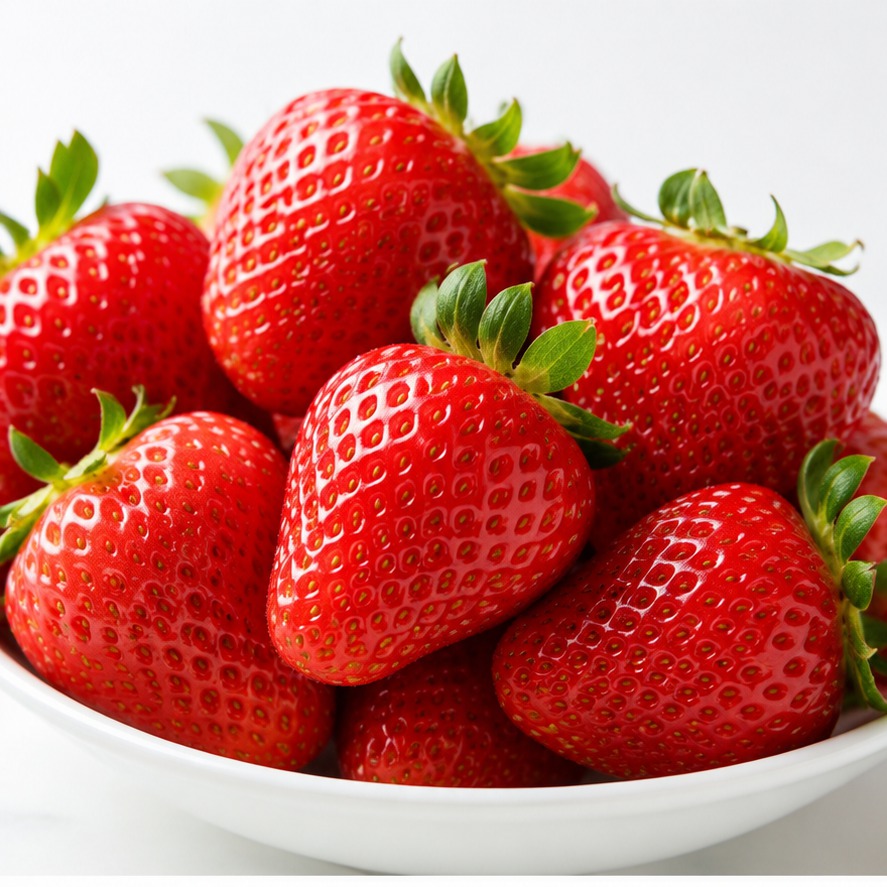
Strawberries also contain anthocyanins and ellagic-acid-related compounds and provide more vitamin C.
View details →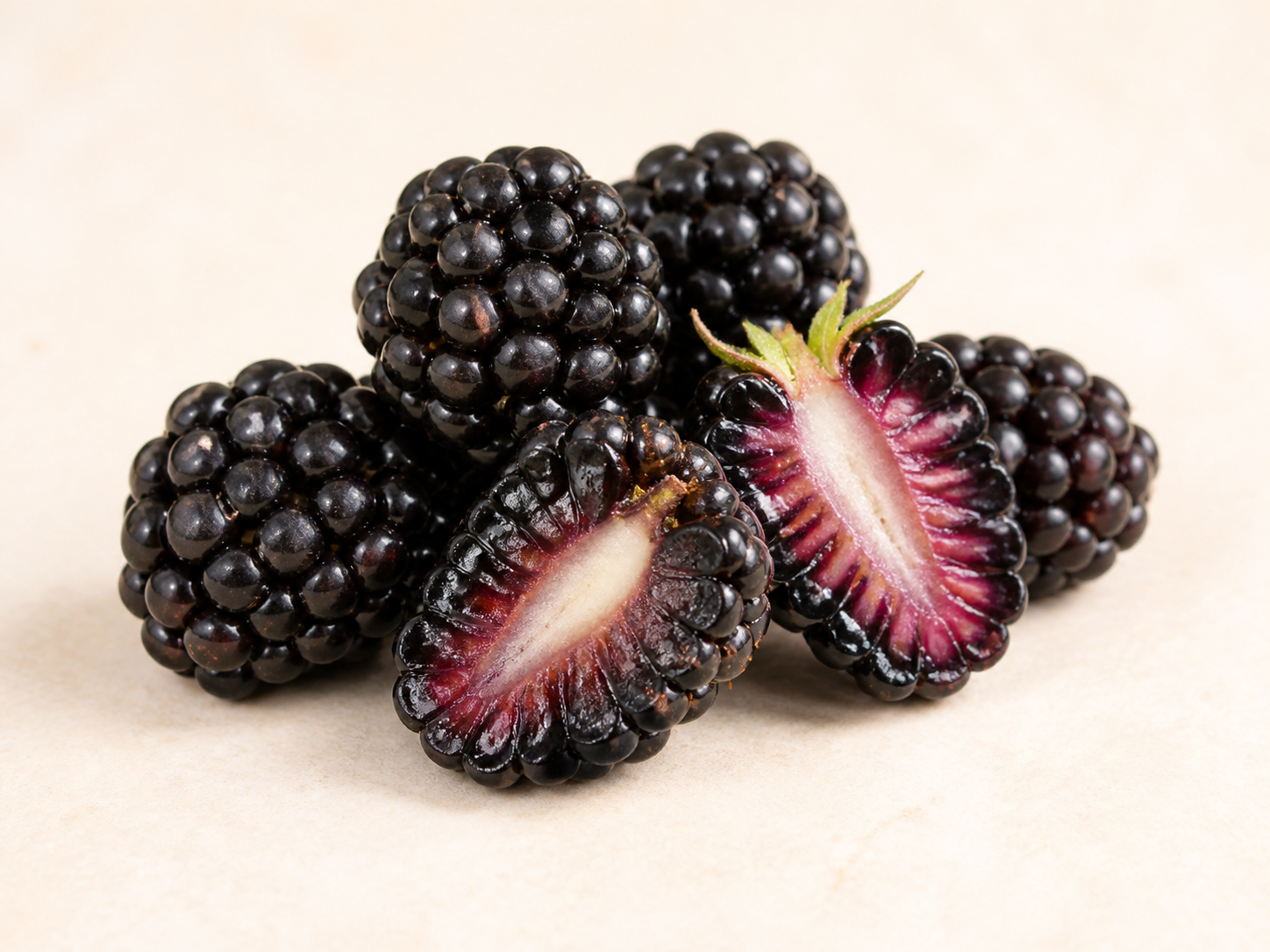
Blackberry
Blackberries are darker, contain anthocyanins and ellagitannins, and are relatively high in dietary fiber.
View details →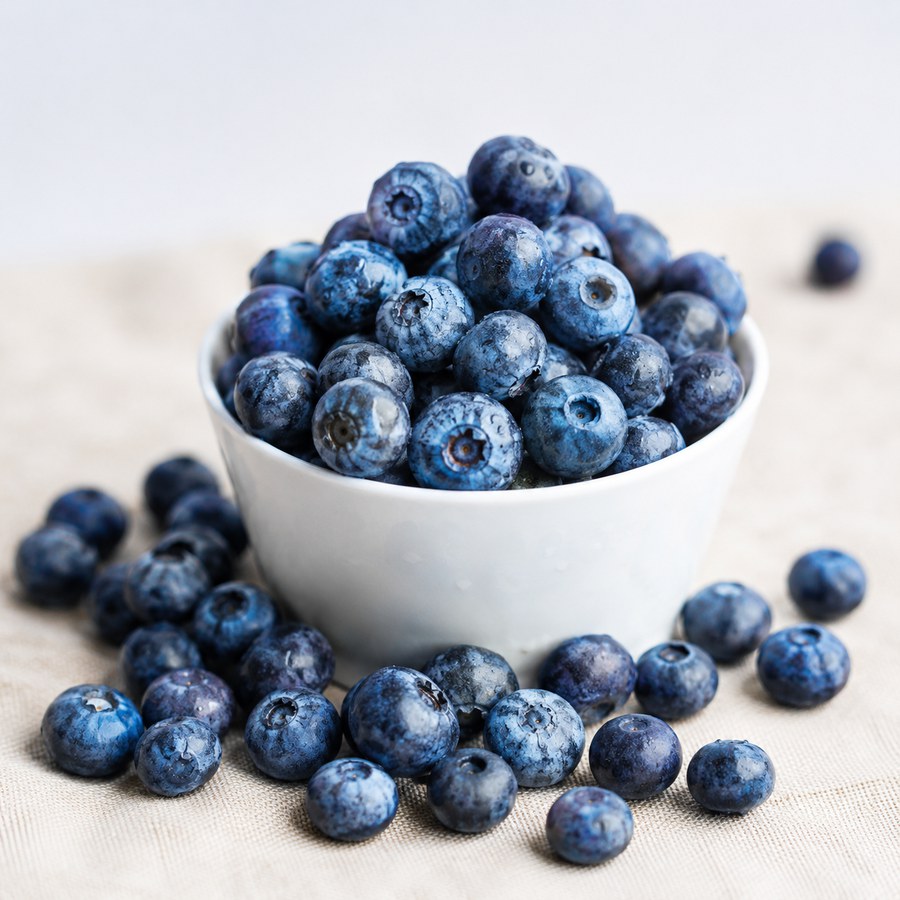
Blueberry
Blueberries are convenient to eat fresh or add to oats and yogurt and contain several anthocyanins.
View details →Black Grapes
Black grapes have a similar sweet-tart profile and dark plant pigments and are easy to eat fresh or add to salads.
View details →Data Sources & Last Updated
Nutrition Data
Basic Information & Food Safety
Research & References
Fischer UA, Carle R, Kammerer DR. (2011). Identification and Quantification of Phenolic Compounds from Pomegranate Peel, Mesocarp, Aril and Differently Produced Juices by HPLC-DAD-ESI/MSⁿ.
Food Chemistry, 127(2), 807–821. DOI / Original
Gil MI, Tomás-Barberán FA, Hess-Pierce B, Holcroft DM, Kader AA. (2000). Antioxidant Activity of Pomegranate Juice and Its Relationship with Phenolic Composition and Processing.
Journal of Agricultural and Food Chemistry, 48(10), 4581–4589. DOI / Original
Díaz-Mula HM, et al. (2019). Pomegranate Fruit and Juice, Rich in Ellagitannins and Anthocyanins, Also Provide a Significant Content of a Wide Range of Proanthocyanidins.
Journal of Agricultural and Food Chemistry, 67(33), 9160–9167. DOI / Original
Balli D, et al. (2020). Characterization of Arils Juice and Peel Decoction of Fifteen Varieties of Punica granatum L.
Antioxidants, 9(3), 238. DOI / Original
Espín JC, Larrosa M, García-Conesa MT, Tomás-Barberán F. (2013). Biological Significance of Urolithins, the Gut Microbial Ellagic Acid-Derived Metabolites: The Evidence So Far.
Evidence-Based Complementary and Alternative Medicine, 270418. DOI / Original
Heber D. (2011). Pomegranate Ellagitannins.
Herbal Medicine: Biomolecular and Clinical Aspects, 2nd edition. DOI / Original