Fruits · Stone fruits
Sweet Cherry
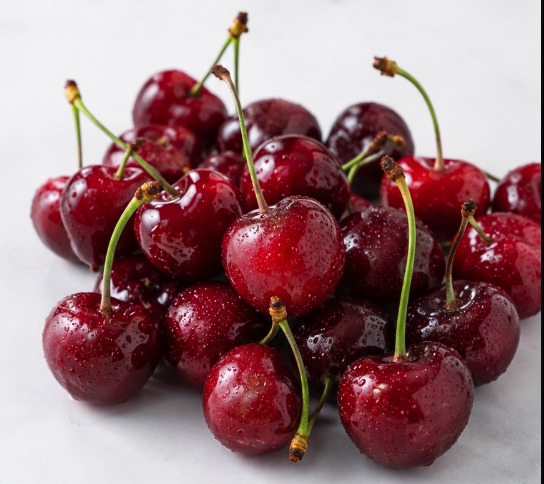
Sweet cherries are water-rich stone fruits that contain natural sugars and a little dietary fiber. Deep red varieties contain anthocyanins dominated by cyanidin derivatives, along with phenolic compounds such as neochlorogenic acid. They are best eaten as whole fresh fruit, with attention to portion size, and the pits should be removed before eating, chopping, or blending.
Overview
Key strengths
Per 100 g, fresh sweet cherries provide about 63 kcal, 16.01 g of carbohydrate, 12.82 g of sugars, and 2.1 g of dietary fiber, along with vitamin C, copper, and some potassium.
How to eat it
Sweet cherries are best eaten whole after pitting and can also be added to plain yogurt, oats, whole-grain cereal, or fruit salad. When making a smoothie or puree, keep the skin and flesh rather than straining them into juice, and make sure every pit is removed before blending.
What stands out
Deep red sweet cherries contain phytochemicals including anthocyanins, hydroxycinnamic acids, flavonols, and flavanols. Representative compounds include cyanidin-3-O-rutinoside, neochlorogenic acid, and p-coumaroylquinic acid. Amounts vary with cultivar, fruit color, ripeness, growing region, and harvest time.
Worth noting
Sweet cherries contain fermentable carbohydrates including fructose, glucose, and sorbitol. Some people with irritable bowel syndrome may experience bloating, gas, abdominal pain, or changes in bowel habits after eating a larger amount at once.
Basic Nutrition
Showing:100 g Fresh sweet cherries
View complete nutrition data
GI note:GI varies with cultivar, food structure, processing, and cooking. Raw grains usually do not have directly applicable human GI data.
Existing GI test results for fresh sweet cherries conflict substantially. Values of 22, 25, 63, or 65 are not adopted, and data from sour cherries or processed products are not substituted.
Data notes:This page uses a single nutrition state, fresh sweet cherries, specifically European sweet cherry (Prunus avium).
Basic nutrition data come from USDA FoodData Central, "Cherries, sweet, raw" (FDC ID 171719), calculated per 100 g of edible portion and excluding stems and pits.
The typical serving is also set at 100 g, so switching serving views does not change the values.
An early GI value of 22 may be unreliable, while a later single-sample result was about 65.
Vitamins & Minerals
FDA adult Daily Values are used, and only nutrients that provide at least 5% of the Daily Value at the current serving are shown; values are not rounded first to determine whether they meet the threshold.
Per 100 g, only vitamin C and copper reach 5% of the Daily Value. Potassium is 4.7% and is not rounded up to 5% for display.
View all vitamins and minerals
Key Bioactive Compounds
Anthocyanins
AnthocyaninsAnthocyanins are important pigments in deep red and purple-black sweet cherries, and darker cultivars generally contain more.
Specific amount: —. Reported values can differ by more than an order of magnitude across sweet cherry cultivars, making a single value inappropriate for all cherries.
Anthocyanins contribute to the body's antioxidant defenses. Cherry intake has been studied for oxidative stress, vascular health, and post-exercise recovery, but findings are not entirely consistent.
Rinse and eat cherries with the skin intact. Fresh or unsweetened frozen cherries can both be used; avoid prolonged cooking into heavily sweetened jam.
Sweet cherries do not treat arthritis, gout, or sports injuries.
Neochlorogenic acid & chlorogenic acid
Phenolic acidsNeochlorogenic acid and chlorogenic acid are representative hydroxycinnamic acids in sweet cherries and are involved in plant defense and ripening.
Specific amount: —. Studies indicate that neochlorogenic and chlorogenic acids are generally more concentrated in the skin than in the flesh, with values strongly affected by cultivar, ripeness stage, and storage conditions.
As part of the polyphenols in fruit, these phenolic acids can contribute to antioxidant defenses and may support normal vascular and metabolic function.
Eat cherries with the skin; peeling is unnecessary. Rinse and eat them soon afterward, and avoid prolonged soaking or repeated heating.
Antioxidant activity observed in cell studies cannot be directly equated with anti-inflammatory or blood-glucose-lowering effects in humans.
Rutin & other flavonols
FlavonoidsRutin is a glycoside of quercetin and occurs with other flavonols in the outer tissues of sweet cherries.
Specific amount: —. Rutin and other flavonols are usually more concentrated in the skin, and some studies have found levels in the skin more than twice those in the flesh for certain cultivars.
Flavonols and their metabolites may contribute to endothelial function and antioxidant defenses, but their actual effects depend on the overall diet and human metabolism.
Eating whole cherries with the skin is preferable to strained juice and also preserves dietary fiber.
Rutin in sweet cherries cannot replace medication, and extract studies do not establish a clear therapeutic effect from ordinary food portions.
How Preparation Changes Sweet Cherry
Whole fresh sweet cherries
Whole fresh cherries retain the skin, flesh, and dietary fiber and are the default form discussed on this page.
Eating the whole fruit better preserves its natural food structure than straining it into juice and also makes it easier to judge how much you have actually eaten.
Refrigeration
Ripe sweet cherries should be refrigerated and kept relatively dry. Refrigeration does not create a separate nutrition state, so it is not listed separately in sections 02 and 03.
Freezing
Freezing pitted cherries can extend availability, but the flesh is usually softer after thawing and may release red juice.
Puree or smoothie
Pitted sweet cherries can be blended with plain yogurt, milk, or unsweetened soy milk.
Every cherry must be pitted before it goes into a blender.
Juicing & straining
Juicing and straining remove some skin, flesh, and dietary fiber. Commercial products may also contain other juice concentrates, syrup, flavorings, color additives, and water, so fresh-cherry nutrition data should not be applied and the product should not be treated as an equal replacement for whole fruit.
Baking & heating
Sweet cherries can be used in oatmeal or baked foods. Heating affects the stability of vitamin C, anthocyanins, and other polyphenols; in practice, it is also important to consider whether large amounts of sugar, cream, butter, and refined flour are added and whether the food is heated repeatedly for long periods.
Dried, candied & canned cherries
Dried, preserved, and candied cherries have much of their water removed, concentrating sugar and energy per unit weight; some products also contain added sugar and oil.
How to Choose & Store
How to choose
- Check the fruit: choose cherries that are plump and firm with a natural sheen, without cracks or soft rot, and with little to no leaked juice in the package.
- Normal color varies by cultivar from yellow and pink to bright red and deep purplish red; darker color does not mean fresher fruit.
- Check the stems: when stems are present, they should ideally remain green or reasonably fresh-looking.
- Avoid cherries that are slimy, moldy, extensively soft, cracked and leaking, sitting in a large amount of liquid, or giving off wine-like, fermented, or sour-spoiled odors.
How to store
- Refrigerate promptly in a loosely closed bag or container, avoiding both excessive moisture and completely open storage that promotes water loss.
- Wash just before eating by rinsing gently under cool running water and draining well. Do not use soap, dish detergent, bleach, or household cleaners.
- Remove damaged fruit promptly: take out cherries that are moldy, leaking, or soft and inspect the surrounding fruit.
- Do not eat cherries with fuzzy mold, sour-spoiled or fermented odors, slimy flesh, extensive soft rot, heavy leakage, or abnormal package swelling.
When buying sweet cherries, remember three things: choose plump, firm fruit, avoid cracked skin, and avoid packages with mold or a large amount of leaked juice.
How to Use in Everyday Meals
Eat as fresh fruit
Wash and pit the cherries before eating them as fruit or a snack.
Sweet cherries can be rotated with blueberries, strawberries, apples, oranges, and other fruits; there is no need to eat only cherries every day simply because they contain anthocyanins.
Sweet cherries with plain yogurt
Halve pitted cherries and add them to plain yogurt or unsweetened Greek yogurt, with a little oats, walnuts, chia seeds, or flaxseed if desired.
Avoid adding all of the following at the same time:
- Sweetened yogurt;
- Honey;
- Maple syrup;
- Jam;
- High-sugar granola.
Sweet cherries with oats
Let cooked oats cool slightly before adding pitted, cut cherries. This reduces unnecessary prolonged heating while preserving a fresher texture.
Pair with milk, unsweetened soy milk, and nuts so breakfast includes whole grains, protein, fat, and fruit.
Fruit salad
Pit the cherries and combine them with blueberries, strawberries, kiwi, oranges, or apples. A little lemon juice, mint, or plain yogurt is enough for flavor; large amounts of dressing and syrup are unnecessary.
Whole-fruit smoothie
Blend pitted cherries with plain yogurt, milk, or unsweetened soy milk without straining out the pulp. a little oats or nuts can be added, but keep the total fruit portion in check.
Before blending, confirm that every cherry has been pitted.
Add to grain or vegetable salads
a little pitted sweet cherries can be added to quinoa, buckwheat, brown rice, or leafy-green salads with nuts, legumes, and a little olive oil.
Who Should Take Extra Care
Infants, young children, and people with swallowing difficulties
Whole sweet cherries are small and round and contain a hard pit, so they can pose a choking risk. For infants, older adults, or people with swallowing difficulties, remove the pit, cut the fruit lengthwise, and then into smaller pieces as appropriate; supervise eating and do not allow cherries to be swallowed whole.
Pit safety
Cherry flesh is safe to eat normally, but the kernel inside the pit contains amygdalin. Do not chew pits, eat the kernels, or use pits in home remedies, and always remove them before making puree or smoothies.
People with IBS or gastrointestinal sensitivity
Sweet cherries contain relatively high amounts of sorbitol and may also provide excess fructose, making them a common high-FODMAP fruit.
People managing blood sugar
Fresh sweet cherries provide about 16 g of carbohydrate and 12.8 g of sugars per 100 g. Because published GI results conflict substantially, a fixed GI value should not be used as a precise guide.
People with cherry allergy or pollen-food syndrome
Sweet cherries contain allergens such as Pru av 1, which can cross-react with Bet v 1, a major birch-pollen allergen. If eating cherries causes difficulty breathing, widespread hives, marked throat swelling, or dizziness, stop eating them and seek prompt medical care.
People with impaired kidney function
Sweet cherries contain about 222 mg of potassium per 100 g and are not among the highest-potassium fruits, but any need for restriction should be based on blood potassium, dialysis status, medications, and the overall meal.
People with gout or high uric acid
Cherry studies often mix sweet cherries, sour cherries, juices, and concentrates, with inconsistent doses. Ordinary portions of sweet cherries should not be described as a treatment for gout or as a substitute for urate-lowering medication.
Similar Food Alternatives
Blueberry
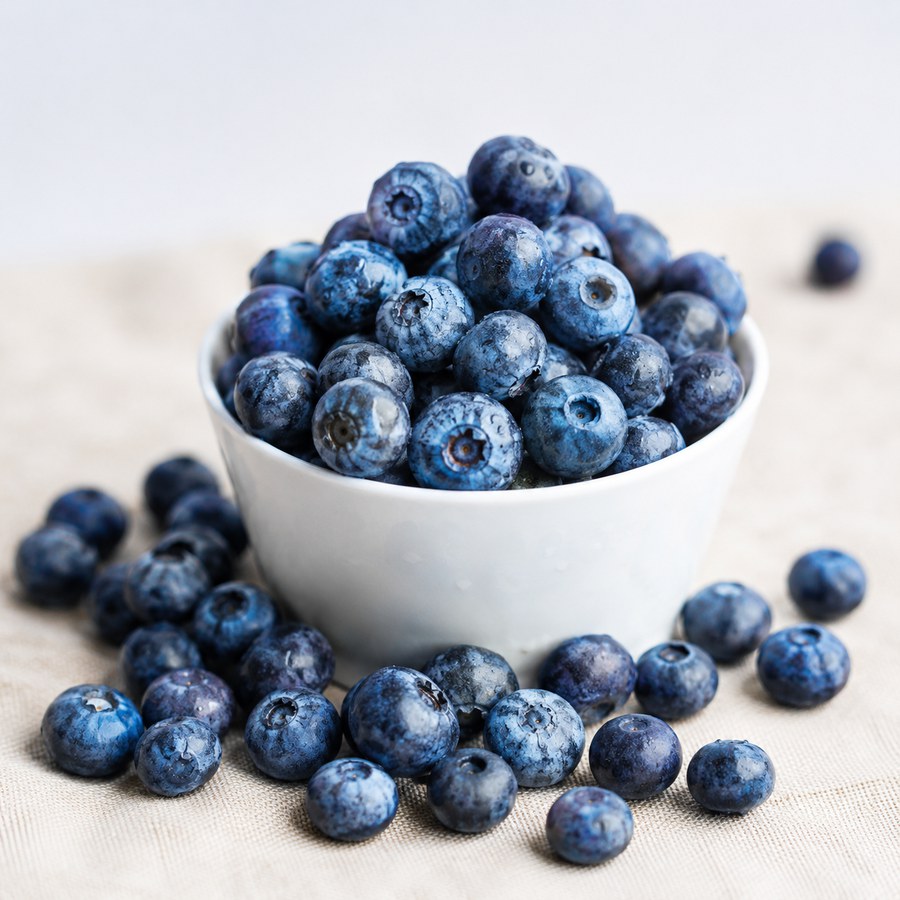
Another dark-colored fruit that can be eaten whole and provides anthocyanins. Blueberries have no hard pit, but their sugar, fiber, and anthocyanin profile differ from sweet cherries.
View details →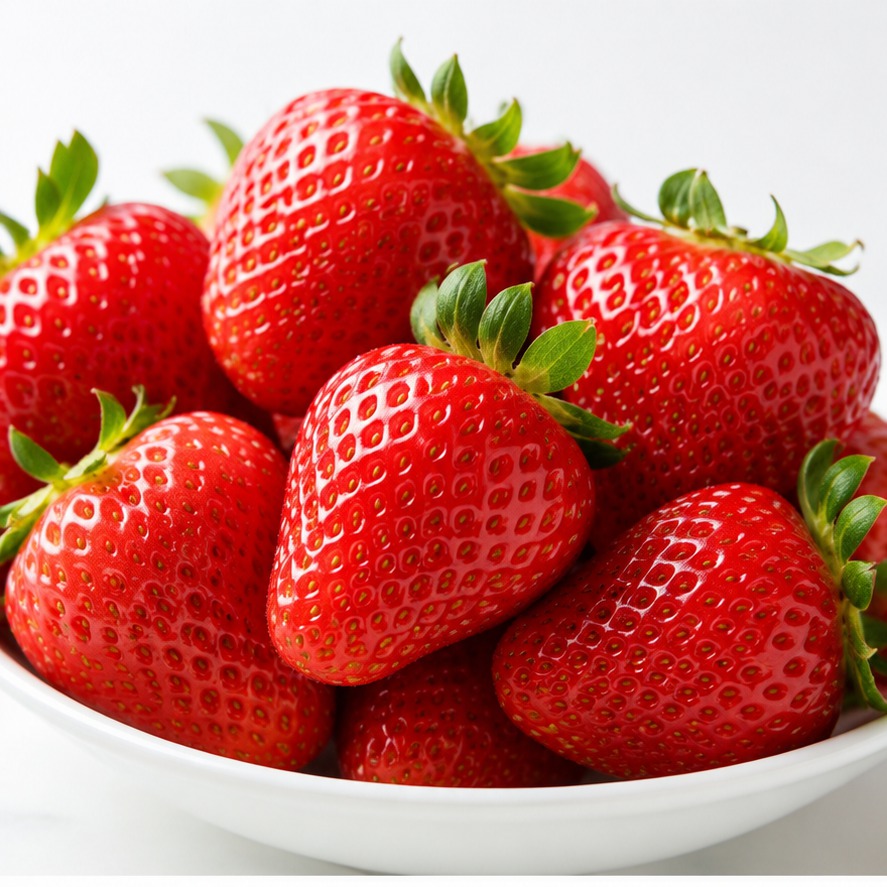
Strawberry
Strawberries are more notable for vitamin C and are usually lower in energy density.
View details →
Blackcurrant
Blackcurrants are more notable for vitamin C and dark anthocyanins but are usually much tarter than sweet cherries, with different availability and acceptance as a fresh fruit.
View details →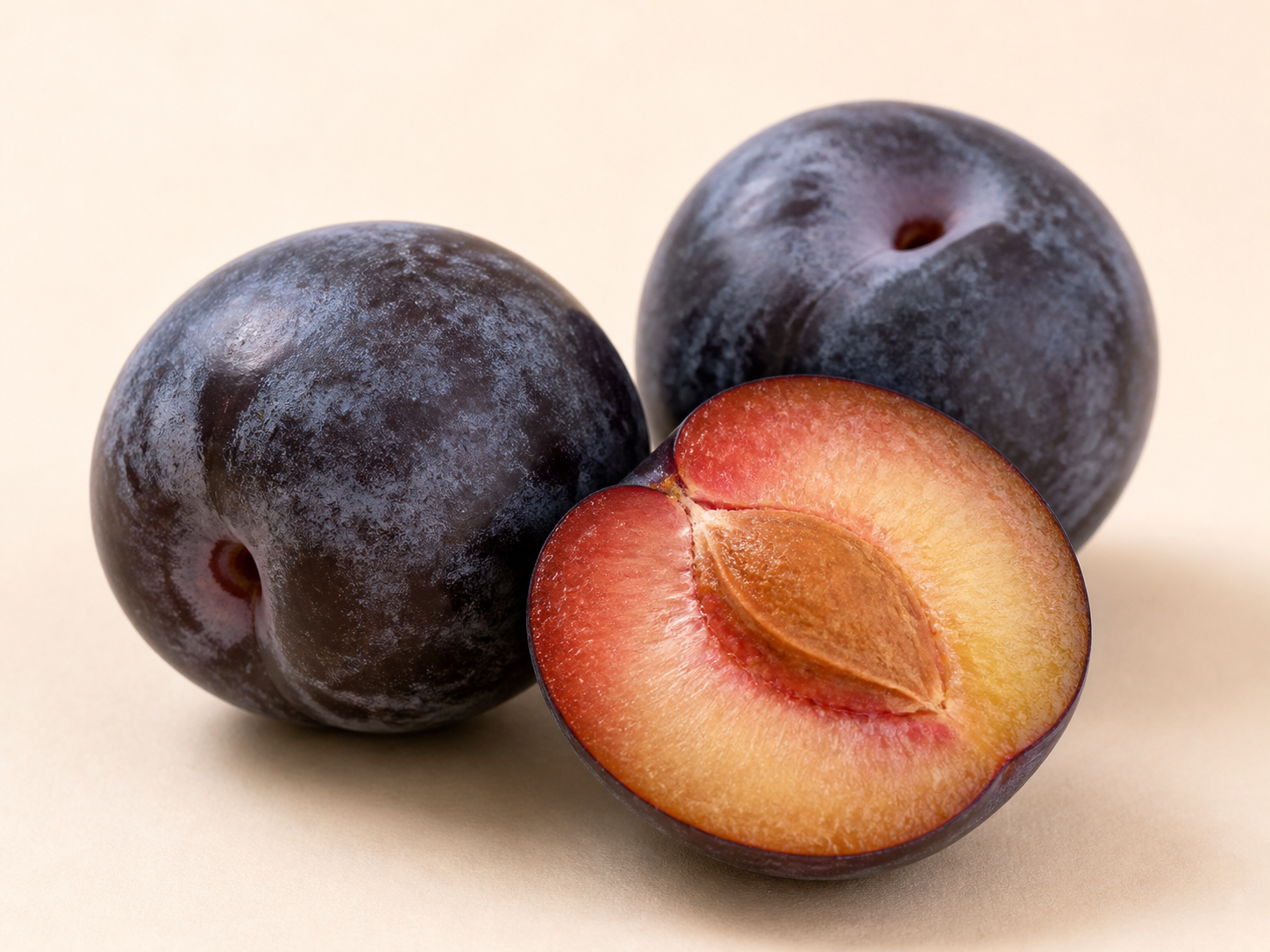
Black Plum
Another stone fruit with a similar eating structure, including the need to consider pit safety.
View details →Data Sources & Last Updated
Nutrition Data
Basic Information & Food Safety
Research & References
Faienza MF, et al. (2020). Novel insights in health-promoting properties of sweet cherries.
Journal of Functional Foods, 69, 103945. DOI / Original
Antognoni F, et al. (2020). Fruit Quality Characterization of New Sweet Cherry Cultivars as a Good Source of Bioactive Phenolic Compounds.
Antioxidants, 9(8), 677. DOI / Original
Kelley DS, Adkins Y, Laugero KD. (2018). A Review of the Health Benefits of Cherries.
Nutrients, 10(3), 368. DOI / Original
Colletti A, et al. (2025). Health Benefits of (Poly)phenols from Cherries: A Review of Clinical Trials.
Nutraceuticals, 5(2), 12. DOI / Original
Scheurer S, et al. (1999). Cross-reactivity and epitope analysis of Pru av 1, the major cherry allergen.
Research article. DOI / Original