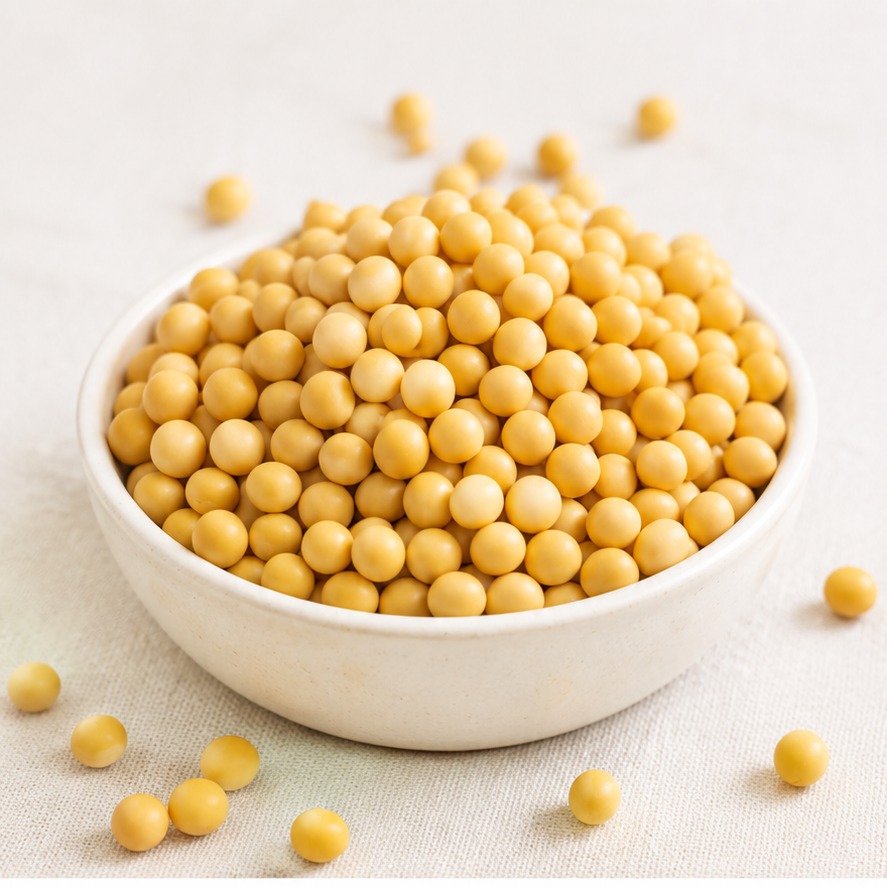
Legumes & Soy Foods · Soybeans
Soybean
Per 100 g, cooked soybeans provide about 172 kcal, 18.21 g of protein, 8.97 g of fat, and 6 g of dietary fiber, along with copper, manganese, iron, vitamin B2, magnesium, and phosphorus.
Food Overview
Key strengths
Compared with most dry beans, soybeans contain a higher proportion of both protein and fat. Per 100 g of cooked soybeans, there are about 18.21 g of protein, 8.97 g of fat, and 6 g of dietary fiber.
How to Eat It
Mature soybeans should be soaked, then cooked in fresh water until the centers are completely soft. Once cooked, they can be added to mixed-grain rice, vegetable soups, stews, grain salads, or mashed into a savory bean purée that retains the seed coat.
What stands out
The most characteristic phytochemicals in soybeans are soy isoflavones, mainly daidzein, genistein, and glycitein. USDA data show that mature soybeans boiled without salt contain about 65.11 mg of total isoflavones per 100 g on average, but actual levels vary substantially by cultivar and sample.
Worth noting
Raw soybeans should not be eaten simply because their protein and mineral values look higher on paper. Raw beans contain only 8.54 g of water per 100 g, compared with about 62.55 g after boiling, so much of the large raw-versus-cooked difference comes from water absorption and changes in weight basis.
Basic Nutrition
Showing:100 g Cooked Soybeans
View complete nutrition data
GI note:GI varies with cultivar, food structure, processing, and cooking. Raw grains usually do not have directly applicable human GI data.
The GI value of 15 uses the University of Sydney’s average for mature dried soybeans that were cooked.
Data notes:The USDA cooked-soybean entry does not provide starch or total phytosterol values, so these are shown as “—” rather than estimated from total carbohydrate or raw-soybean data.
Vitamins & Minerals
By default, data are shown per 100 g of cooked soybeans and update when the food state or serving size changes.
View all vitamins and minerals
Percentages show how much the selected serving contributes to the adult Daily Value.
Key Bioactive Compounds
Soy Isoflavones
IsoflavonesSoy isoflavones are characteristic soybean compounds, mainly daidzein, genistein, and glycitein in several chemical forms.
USDA data average about 154.53 mg/100 g in raw soybeans (range 10.04–440.72 mg) and 65.11 mg/100 g in unsalted boiled soybeans (22.66–128.20 mg).
Isoflavones have weak estrogen-receptor activity and have been studied in relation to cardiovascular and menopausal health.
Eat well-cooked soybeans or ordinary soy foods rather than relying on concentrated extracts.
Normal soy foods are not the same as high-dose isoflavone supplements and should not be described as estrogen replacement or disease treatment.
Soy Saponins
Triterpenoid saponinsSoy saponins are foaming plant compounds broadly grouped into group A and group B or DDMP saponins.
Reviews report about 0.17%–6.16% of soybean dry weight, with large differences by cultivar and plant tissue.
They show antioxidant and cholesterol-metabolism-related effects experimentally, but independent effects at ordinary food intakes remain uncertain.
Soak and thoroughly cook soybeans. Foam can be skimmed to prevent boil-over; there is no need to drink soaking water or concentrated foam.
More saponin is not better, and extract doses should not be marketed as cholesterol-lowering, anticancer, or “artery-cleansing” effects of ordinary soy foods.
Plant sterols
PhytosterolsPhytosterols are structurally similar to cholesterol and commonly include β-sitosterol, campesterol, and stigmasterol.
The USDA generic raw-soybean entry records about 161 mg of phytosterols per 100 g. Other reviews report total soybean sterols at about 0.23%—0.46% of dry weight, with variation by cultivar and analytical method.
Phytosterols can compete with cholesterol for intestinal absorption and, at sufficient intake, help reduce cholesterol absorption.
Choose whole cooked soybeans or minimally processed soy foods. There is no need to consume large amounts of soybean oil, fried soybeans, or fortified supplements for phytosterols.
An ordinary serving of soybeans provides less phytosterol than the doses used in many clinical interventions and should not be described as a lipid-lowering drug.
How Preparation Changes Soybean
Raw Soybeans
Raw soybeans contain little water, so protein, fat, and mineral values are more concentrated per 100 g. However, raw soybeans contain trypsin inhibitors, lectins, phytic acid, and other antinutritional factors that interfere with protein digestion and utilization, so they should not be eaten directly.
Soaking
Soybeans can be refrigerated in plenty of water overnight so they absorb water fully and cook faster. For home cooking, discard the soaking water and cook in fresh water.
Cook Thoroughly
After soaking, cook soybeans in fresh water until the centers are completely soft and no hard or chalky core remains.
Pressure Cooking
A pressure cooker can shorten cooking time for mature soybeans. Beans may foam considerably during heating, so follow equipment instructions for fill level and water amount, and still judge doneness by whether the beans are completely soft.
Weight Changes After Cooking
Raw soybeans contain about 8.54 g of water per 100 g, compared with about 62.55 g after boiling.
Soy Milk
Soy milk is made by grinding soybeans with water and filtering out some okara, so dietary fiber is generally lower than in whole soybeans.
Tofu
Tofu is made by coagulating soy milk, and calcium content depends strongly on the coagulant. Its water, fiber, protein, and isoflavone concentrations differ from those of whole cooked soybeans and should be covered on a separate page.
Fermented Soy Foods
Natto, tempeh, fermented black beans, and miso undergo fermentation, which changes isoflavone forms, vitamins, and flavor. Some are high in sodium and should not be treated as gram-for-gram equivalents of unsalted cooked soybeans.
Roasted Soybeans & Soy-Protein Products
Roasting reduces water and concentrates energy. Soy-protein powder, textured soy protein, and soy meat undergo defatting, isolation, or extrusion and are not included in sections 02 and 03 of this page.
How to Choose & Store
How to choose
- Choose soybeans with natural pale-yellow to yellow-white color, plump relatively uniform seeds, and dry surfaces without moisture or sticking.
- There should be few broken beans, insect holes, or foreign particles and no mold spots, fuzzy growth, unusual powder, sour odors, musty odors, or rancid-fat smells.
- Because soybeans contain relatively more fat, long exposure to heat, humidity, or light makes off odors more likely.
How to store
- Store raw soybeans in a dry sealed container in a cool, dark place to prevent moisture absorption, mold, and insect damage.
- Cool cooked soybeans promptly, refrigerate in a clean sealed container, and generally eat within 3—4 days.
- Discard soybeans with sour or rotten odors, unusual fermentation smells, sliminess, mold spots or fuzzy growth, abnormal foaming, or swollen containers.
When buying soybeans, remember three things: intact beans, dryness, and no moldy or rancid-fat odor.
How to Include It in Everyday Meals
Soybean Mixed-Grain Rice
Soak soybeans first and cook them separately until mostly soft, then steam with rice, brown rice, oat groats, or quinoa. Do not cook hard unsoaked raw soybeans together with rice for only a short time, or the rice may be done while the soybean centers remain hard.
Soybean Vegetable Soup
Cook soybeans with tomatoes, carrots, celery, onions, mushrooms, and leafy greens. Soybeans already contribute substantial protein and fat, so there is no need to add large amounts of fatty meat, cream, sausage, or high-sodium stock.
Soybeans Stewed with Vegetables
Stew cooked soybeans with pumpkin, eggplant, tomatoes, bell peppers, onions, and spices. Make sure the soybeans are fully soft before adding acidic ingredients such as tomatoes or vinegar, which helps avoid beans that stay firm after long cooking.
Soybean Grain Salad
Cool cooked soybeans and pair them with quinoa, buckwheat, corn, tomatoes, cucumber, red cabbage, and leafy greens. Dress with a small amount of olive oil, vinegar, lemon juice, and herbs rather than large amounts of mayonnaise or sweet salad dressing.
Savory Soybean Purée
Mash fully softened soybeans into a coarse purée with a small amount of lemon juice, garlic, cumin, and olive oil. Keep the seed coat and okara-like solids rather than filtering it into a smooth sweet filling.
Soybean Mixed-Grain Porridge
Soak soybeans in advance and cook until soft, then add oat groats, millet, brown rice, or a small amount of white rice and continue cooking.
Who Should Take Extra Care
People with Soy Allergy
Soy is one of the nine major food allergens recognized in U.S. regulations. Reactions can range from hives, lip swelling, and gastrointestinal symptoms to wheezing, breathing difficulty, or anaphylaxis.
People with Gastrointestinal Sensitivity
Soybeans contain dietary fiber plus fermentable oligosaccharides such as raffinose and stachyose. Start with a small amount of cooked soybeans, soak in advance, discard the soaking water, and cook until very soft.
People managing blood sugar
Cooked soybeans have a GI of about 15, but per 100 g they still provide 172 kcal and 8.97 g of fat, and a common 150 g serving provides about 258 kcal.
People with impaired kidney function
Per 100 g, cooked soybeans provide about 515 mg of potassium, 245 mg of phosphorus, and 86 mg of magnesium. People with chronic kidney disease, high blood potassium, or a need to limit phosphorus should determine portions based on laboratory results, dialysis status, medications, and the overall diet.
People Taking Levothyroxine
Most people with hypothyroidism do not need to avoid soybeans completely, but soy foods may affect levothyroxine absorption. Mayo Clinic advises generally waiting at least 1 hour after taking the medication on an empty stomach before eating, including soy-containing foods, and keeping the daily medication routine consistent.
People Concerned About Isoflavones & Breast Cancer
Soy foods in normal dietary forms should be distinguished from concentrated isoflavone supplements. The American Cancer Society states that soy foods in a normal diet do not increase breast-cancer risk, including among people at higher risk, but soy-isoflavone supplements are not recommended for cancer prevention.
People with Iron Deficiency
Cooked soybeans contain non-heme iron, but phytic acid and polyphenols can reduce some iron absorption. Pair with vitamin-C-rich foods such as bell peppers, broccoli, tomatoes, kiwifruit, or citrus, but soybeans do not replace evaluation of iron deficiency or iron supplements recommended by a clinician.
Infants, young children, and people with swallowing difficulties
Mature soybeans should be cooked until completely soft, then flattened, crushed, or puréed according to swallowing ability. Do not serve hard, undercooked, or whole slippery soybeans that can enter the airway.
Similar Food Alternatives
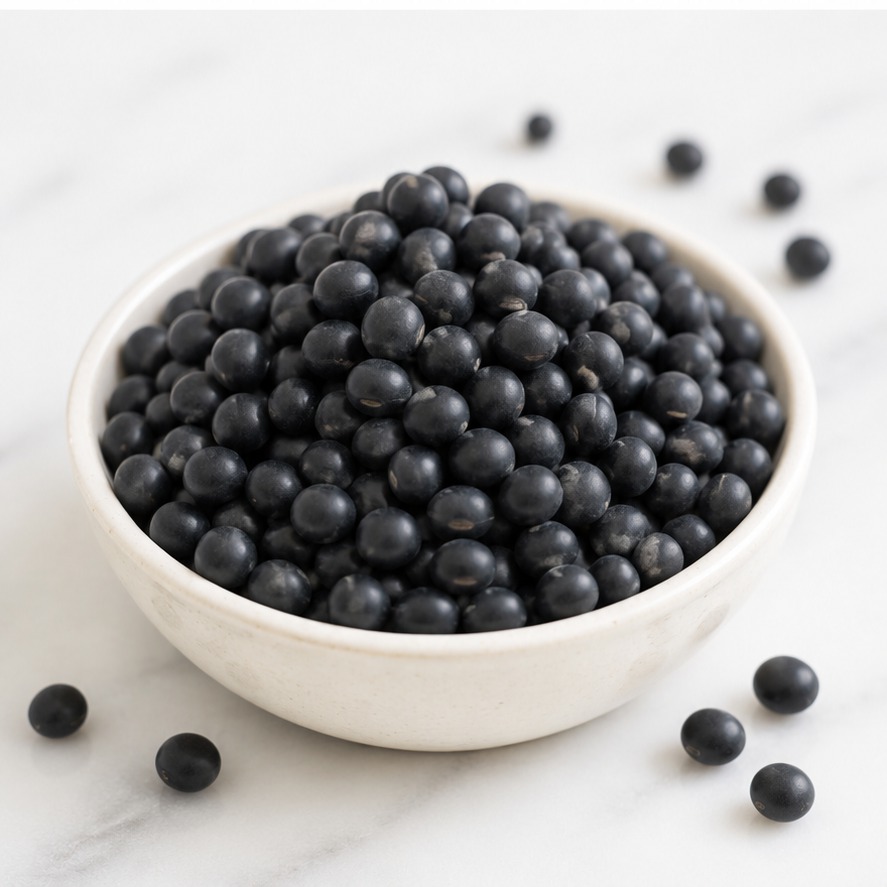
Black Soybeans
Black soybeans are the closest substitute in protein and soy compounds but also contain dark seed-coat anthocyanins.
View details →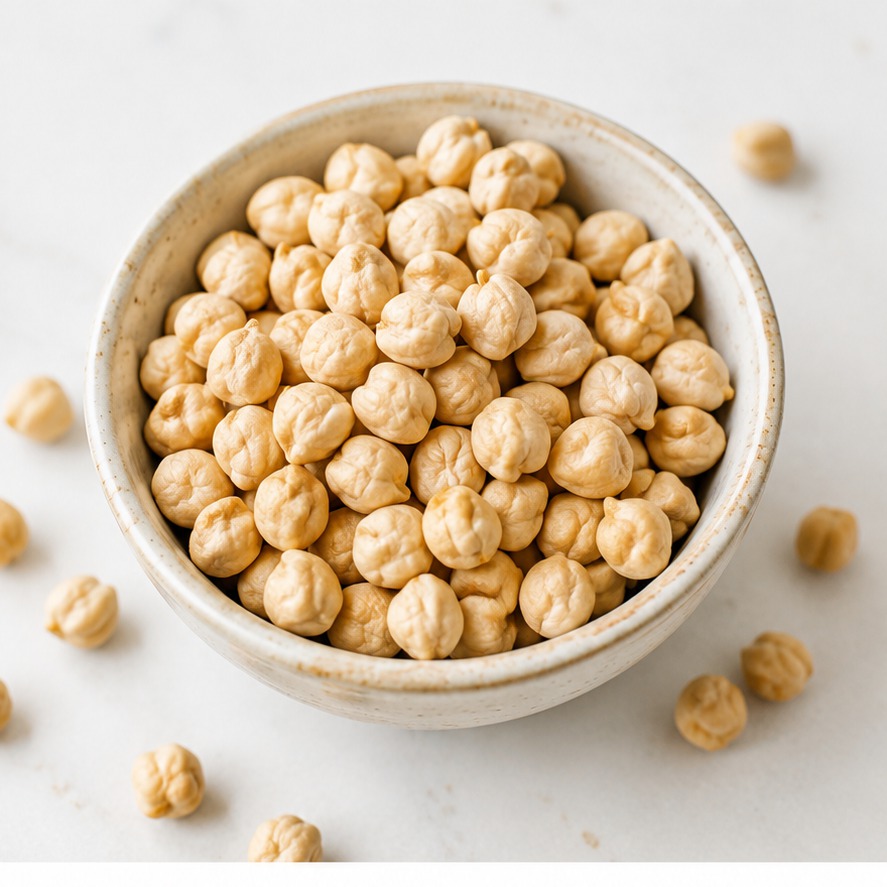
Chickpeas
They also provide plant protein and dietary fiber but contain substantially less fat than soybeans and work well in stews, soups, salads, and purées.
View details →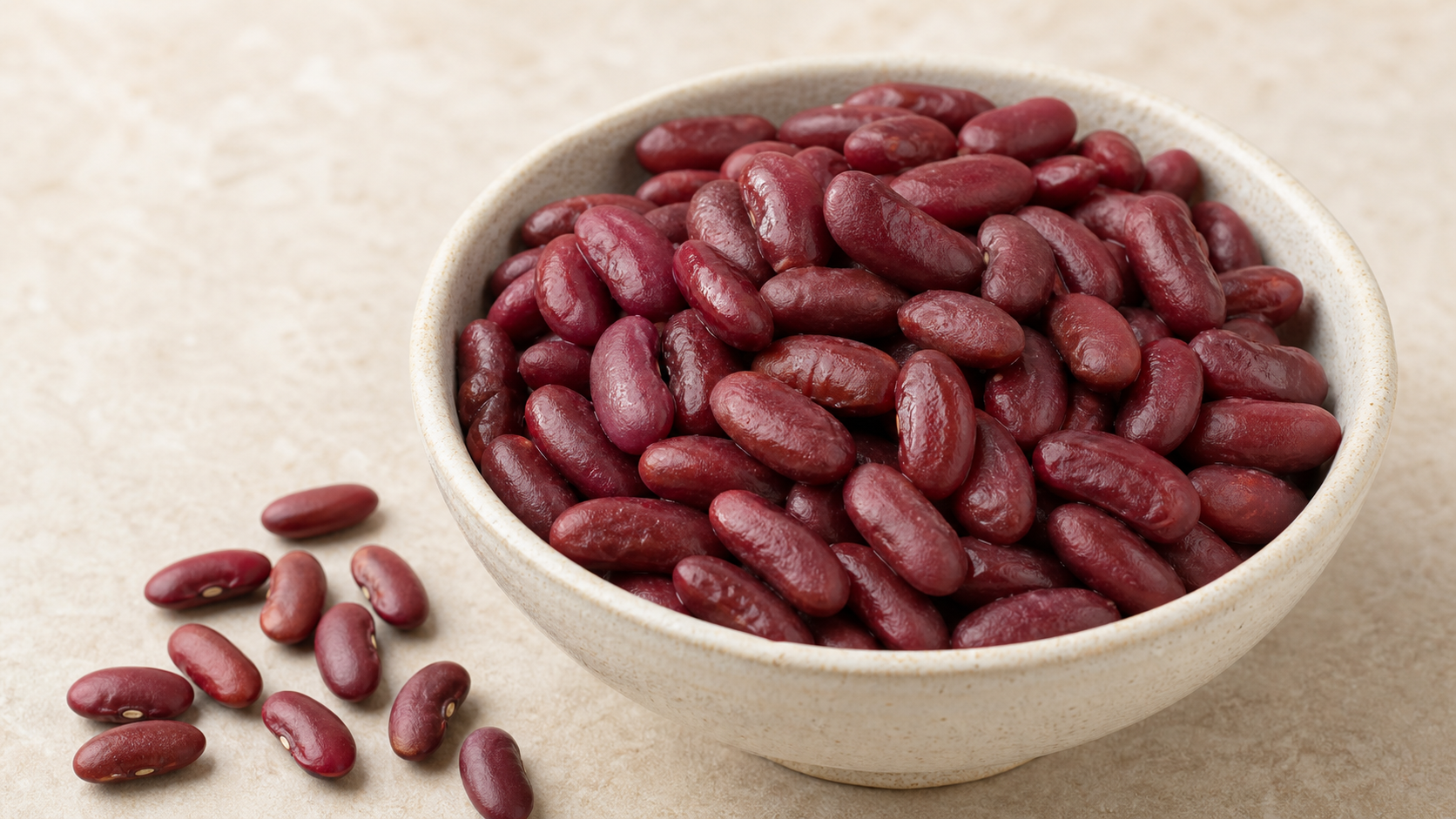
Red Kidney Beans
They work well in mixed-grain rice, vegetable soups, and stews and are notable for dietary fiber; their protein and fat profiles differ from soybeans.
View details →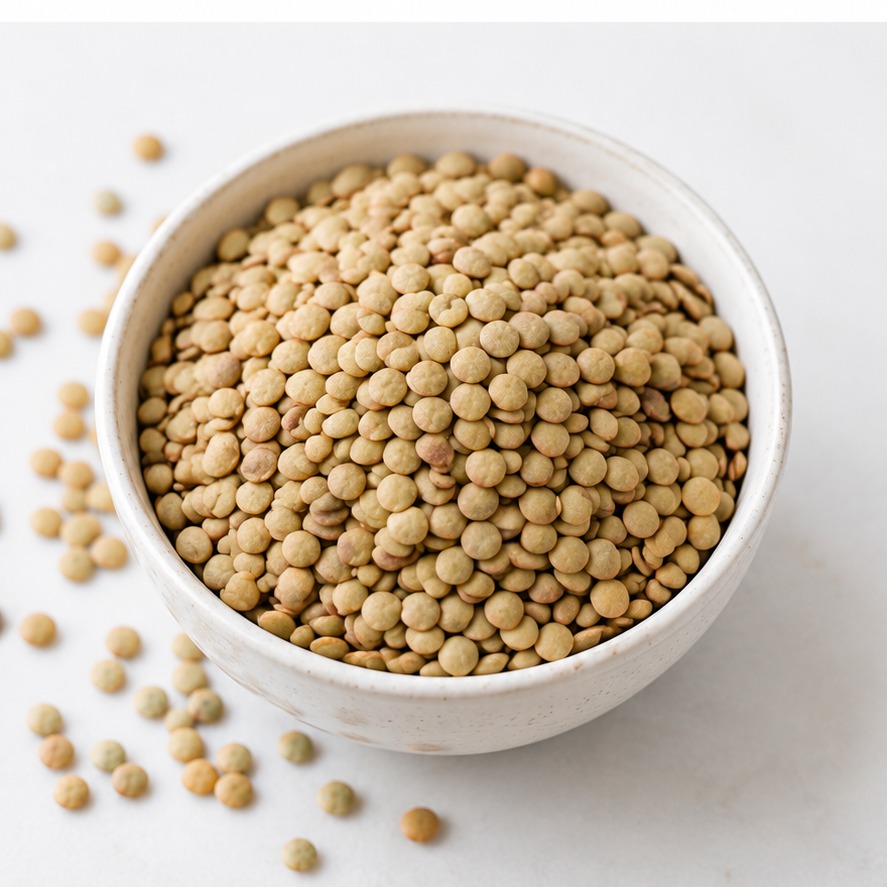
Green Lentils
Green lentils provide plant protein and fiber but differ from soybeans in fat, isoflavones, and overall nutrient profile.
View details →Data Sources & Last Updated
Nutrition Data
Basic Information & Food Safety
Research & References
Bhagwat S, Haytowitz DB, Holden JM. (2015). USDA Database on the Isoflavone Content of Selected Foods.
USDA Database. DOI / Original
Kang J, Badger TM, Ronis MJJ, Wu X. (2010). Non-Isoflavone Phytochemicals in Soy and Their Health Effects.
Journal of Agricultural and Food Chemistry, 58(14), 8119–8133. DOI / Original
Shiraiwa M, Harada K, Okubo K. (1991). Composition and Content of Saponins in Soybean Seed According to Variety, Cultivation Year and Maturity.
Agricultural and Biological Chemistry, 55(2), 323–331. DOI / Original
Wang HL, Swain EW, Hesseltine CW, Heath HD. (1979). Hydration of Whole Soybeans Affects Solids Losses and Cooking Quality.
Journal of Food Science, 44, 1510–1513. DOI / Original