Fruits · Specialty Berries & Rose Hips
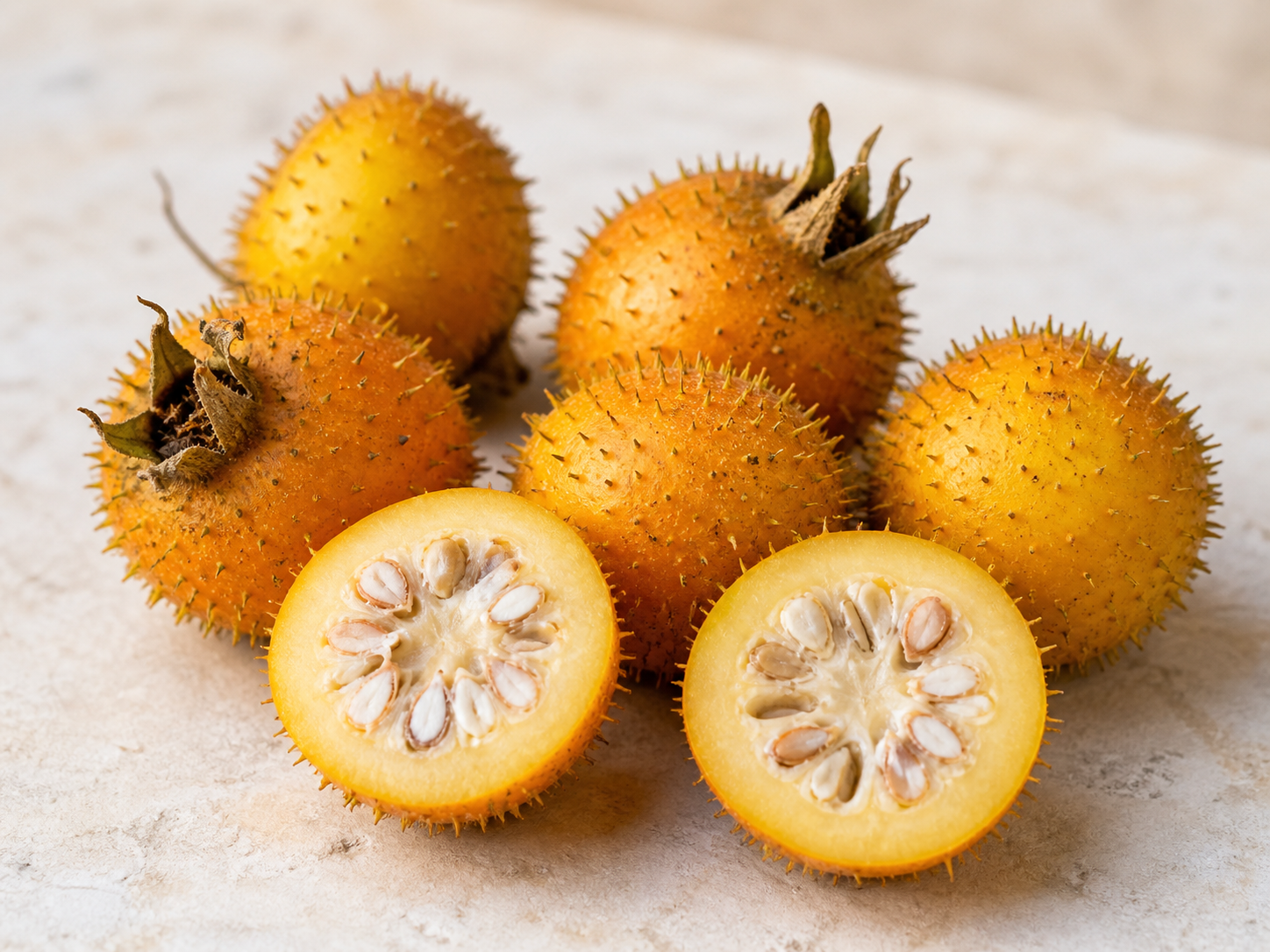
Rosa Roxburghii Fruit
Rosa roxburghii contains vitamin C and phytochemicals such as phenolic acids, flavonoids, and triterpenes. This page uses the 2025 study value of 2274.60 mg of ascorbic acid per 100 g fresh weight in ripe Guinong 9 fruit. It is one study sample value, not a fixed value or a general average for all fruit; 100 g and 50 g are comparison and calculation amounts.
Food Overview
Key strengths
Li et al. (2025) collected Guinong 9 Rosa roxburghii in Panzhou, Guizhou. At maturity, 84 days after anthesis, the study reported 2274.60 mg of vitamin C (ascorbic acid) per 100 g fresh weight. This is a study sample value, not an average for all fresh fruit. Other conventional nutrient values lack a verified independent measurement suitable for this page and are shown as “—”.
How to Eat It
Fresh Rosa roxburghii can be eaten in small amounts after removing the surface prickles, stem, and hard inner seeds. It can also be chopped and paired with plain yogurt, oats, or fruit salad.
What stands out
Liu et al. (2016) identified phenolic acids such as gallic acid, flavonoids including quercetin and kaempferol, procyanidins, and triterpenes in R. roxburghii samples. Identification supports their presence; it does not supply protein, fat, mineral, or total-polyphenol amounts per 100 g of ordinary fresh fruit.
Worth noting
The study sample value of 2274.60 mg of ascorbic acid per 100 g fresh weight exceeds the adult vitamin C Tolerable Upper Intake Level of 2000 mg/day for people age 19 and older. Neither 100 g nor the 50 g calculation portion is a recommended intake. Actual fruit varies, and vitamin C from other foods and supplements also counts.
Basic Nutrition
Showing:100 g Fresh Rosa Roxburghii
View complete nutrition data
GI note:GI varies with cultivar, food structure, processing, and cooking. Raw grains usually do not have directly applicable human GI data.
No standardized human GI value for fresh Rosa roxburghii was found. GI is not estimated from its sour taste, sugar content, vitamin C level, or values from similar fruits.
Data notes:Only fresh, ripe common Rosa roxburghii is represented. Values from R. sterilis, other rose hips, juice, concentrate, pomace, or dried fruit are not substituted.
The sole quantitative nutrient value retained is 2274.60 mg of vitamin C (ascorbic acid) per 100 g fresh weight in ripe Guinong 9 fruit at 84 days after anthesis, measured by Li et al. (2025). Samples were flash-frozen in liquid nitrogen after collection; the result is expressed on a fresh-weight basis, not dry weight or commercial freeze-dried powder.
Energy, carbohydrate, protein, fat, water, ash, carotenoids, iron, calcium, and other fields without a suitable verified independent measurement are shown as “—”. Missing means insufficient data, not zero or absence of the nutrient.
The paper does not specify peeling, seed removal, or an edible-portion basis. The 100 g, 50 g, and custom calculations simply scale the study sample by fresh weight; they are not precise values for deseeded flesh or all retail fruit.
No reliable standardized human GI value for fresh Rosa roxburghii was found. The 100 g comparison amount and 50 g calculation portion are not recommended intakes.
Vitamins & Minerals
FDA Daily Values for adults and children age 4 and older are used, with 90 mg as the vitamin C denominator. Only nutrients with reliable values reaching at least 5% of the Daily Value at the selected portion are shown. Missing values are not treated as zero and have no percentage.
The FDA Daily Value denominator for vitamin C is 90 mg for adults and children age 4 and older. Percentages scale the study sample value to the selected portion and are not intake targets. Iron, calcium, and carotenoid values are insufficient; they appear as “—” in complete nutrition data without Daily Value percentages.
View all vitamins and minerals
Key Bioactive Compounds
Vitamin C (ascorbic acid)
Water-soluble vitamin in a study sampleVitamin C supports normal collagen formation, immune function, and non-heme iron absorption. The value here is the ascorbic acid measured by Li et al. (2025), not a universal estimate for all Rosa roxburghii or all forms of vitamin C.
Ripe Guinong 9 fruit at 84 days after anthesis: 2274.60 mg/100 g fresh weight. The paper used 2,6-dichloroindophenol titration and did not describe measuring the sum of ascorbic acid and dehydroascorbic acid. This is not a retail-fruit average or a dry-weight value.
Vitamin C is required for normal physiological functions. A high concentration does not imply proportionally stronger anti-inflammatory or therapeutic effects from eating the fruit.
Use small amounts alongside other foods, removing prickles and harder seeds before eating. Portion calculations are for comparison, not recommended intakes.
Scaling this sample to 50 g gives 1137.30 mg of ascorbic acid; not every retail portion will contain that amount. Avoid stacking large amounts of concentrates with vitamin C supplements.
Phenolic acids, flavonoids & procyanidins
Plant polyphenolsLiu et al. (2016) identified gallic acid, quercetin, kaempferol, and procyanidins B1, B2, and B3 in analyses of R. roxburghii extracts.
Applicable amount per 100 g of ordinary fresh fruit: —. Extract identification and relative peak areas cannot be converted directly into fresh-fruit nutrient amounts. Compounds unique to R. sterilis are not attributed to R. roxburghii.
Identification shows that the samples contain these phytochemicals; it does not establish disease prevention or treatment from ordinary fresh-fruit portions.
Prefer whole fresh fruit and retain edible flesh. Juice, concentrates, and extracts are different food forms.
Do not treat extract, dry-weight, or laboratory results as a measured amount per 100 g of ordinary fresh fruit.
Triterpenes
Plant triterpenes & triterpene glycosidesLiu et al. (2016) identified several triterpenes in both R. roxburghii and R. sterilis. This page uses only constituent information also identified in R. roxburghii.
Applicable amount per 100 g of ordinary fresh fruit: —. No extract or dry-weight concentration is used to estimate a dietary portion.
Chemical identification is not a human efficacy trial and does not make the fruit a medicine or therapeutic food.
Use Rosa roxburghii as one part of a varied diet rather than taking large amounts of concentrated powder or extracts to obtain triterpenes.
This paper does not provide substitute values for the energy, protein, fat, carbohydrate, or minerals missing on this page.
How Preparation Changes Rosa Roxburghii Fruit
Whole Fresh Rosa Roxburghii
Whole fresh fruit retains the flesh, juice, and natural food structure, but the surface has many small prickles and the interior contains relatively hard seeds. Remove the prickles, stem, and seeds that interfere with chewing before eating; do not swallow the fruit whole.
Cut or Chopped
Once cut, more flesh is exposed to oxygen, making vitamin C and some phenolic compounds more susceptible to oxidation during storage.
Heating
Heat, oxygen exposure, and storage can reduce vitamin C, depending on time, temperature, and food conditions. The study sample value on this page does not apply directly to cooked fruit, juice, purée, or other processed products.
Juicing & straining
Juicing and filtering alter the structure of the whole fruit, and commercial purées may also be de-prickled, deseeded, homogenized, pasteurized, and stored. Juice, purée, and fresh fruit are different food states and should not share the fresh-fruit values per 100 g.
Sun-Dried or Freeze-Dried
Drying removes substantial water, concentrating sugars, organic acids, and phytochemicals by weight. Different drying methods also affect vitamin C, color, and tissue structure differently. Dried Rosa roxburghii and freeze-dried powder therefore require separate product data.
Common Rosa Roxburghii vs Seedless Rosa
Common Rosa roxburghii and seedless Rosa sterilis differ in volatile compounds, organic acids, flavonoids, triterpenes, and other phytochemicals.
How to Choose & Store
How to choose
- Check ripeness: choose fruit that has changed from green to yellow, orange-yellow, or yellow-brown.
- Check the fruit: choose intact, fairly firm fruit without obvious leaking, soft rot, mold, or insect damage.
- Smell it: ripe Rosa roxburghii usually has a natural fruity aroma. Avoid fruit with alcoholic, fermented, moldy, or rotten odors.
- Check the name: fresh fruit should be clearly identified as Rosa roxburghii.
How to store
- Use it promptly after purchase: fresh Rosa roxburghii has a short ripe season and does not keep well for long periods at home.
- Refrigerate: place intact, unwashed fruit in a ventilated or perforated food bag and refrigerate, avoiding prolonged condensation.
- Wash just before eating: Rinse under running water and gently brush or rub off the small prickles.
- After cutting, eat promptly and keep refrigerated in a sealed container. Discard fruit that becomes soft and rotten, slimy, unusually fermented-smelling, moldy, or extensively discolored.
When buying Rosa roxburghii, remember three things: choose mature intact fruit, avoid soft decay, and refrigerate and prepare it soon after purchase.
How to Include It in Everyday Meals
Remove the Prickles, Cut, and Eat Fresh
Wear gloves or use a clean brush to remove the fine fleshy prickles, rinse under running water, trim both ends, cut the fruit open, remove the harder seeds, and cut the flesh into small pieces. Start with a small amount the first time.
Rosa Roxburghii with Plain Yogurt
Chop prepared Rosa roxburghii and pair it with unsweetened or low-sugar plain yogurt, oats, and a small amount of nuts. Avoid adding large amounts of honey, syrup, and sweetened cereal at the same time.
Mixed Fruit Bowl with Rosa Roxburghii
Combine a small amount of Rosa roxburghii with apple, pear, kiwi, strawberry, or blueberry. Its flavor is intense, so it does not need to make up most of the bowl.
Rosa Roxburghii Oat Bowl
Cook oats and let them cool slightly before adding chopped Rosa roxburghii, walnuts, or pumpkin seeds. There is no need to cook the fruit with the oats for a long time; adding it at the end limits unnecessary heat exposure to vitamin C and preserves some crispness.
Whole-Fruit Rosa Roxburghii Drink
Blend a small amount of de-prickled, deseeded flesh with plain yogurt, milk, or unsweetened soy milk and keep the pulp rather than filtering it. Avoid adding juice, honey, syrup, and large amounts of banana at the same time, which can substantially increase the sugar and energy in one drink.
Tart Rosa Roxburghii Salad
Chop a small amount of Rosa roxburghii and combine it with lettuce, spinach, red cabbage, cucumber, chickpeas, or nuts, then add a little olive oil.
Who Should Take Extra Care
People Prone to Diarrhea or Gastrointestinal Sensitivity
Scaling this page’s study sample to 50 g gives 1137.30 mg of vitamin C (ascorbic acid). This is not a fixed value for all fruit or a recommended intake. High doses can cause diarrhea, nausea, abdominal cramps, and other gastrointestinal symptoms; sensitive people should start with small amounts.
People with Kidney Stones or Hyperoxaluria Risk
Higher vitamin C intake may increase urinary oxalate and uric acid excretion, although study findings are not fully consistent. People with kidney disease, hyperoxaluria, or recurrent calcium oxalate stones should avoid long-term high intake of Rosa roxburghii purée, concentrates, or fruit powders.
People with Hereditary Hemochromatosis or Iron Overload
Vitamin C can increase non-heme iron absorption. Consult a clinician before using large amounts of concentrated Rosa roxburghii products.
People managing blood sugar
Fresh Rosa roxburghii has no reliable human GI test value, and this page lacks a suitable independently measured carbohydrate value. Sour taste, high vitamin C, or “—” does not mean low sugar or no blood-glucose effect. Consider portion size and added sugars in processed products.
Infants, young children, and people with swallowing difficulties
The fruit has small surface prickles and relatively hard seeds, so an unprepared whole fruit should not be given directly to infants or young children. Remove the prickles and hard seeds thoroughly, cut into swallowing-safe pieces, and supervise eating.
People Receiving Cancer Treatment
Ordinary food portions are not the same exposure as high-dose Rosa roxburghii powder, extracts, or vitamin C supplements. Anyone receiving cancer treatment who plans to use concentrated Rosa roxburghii products regularly or in large amounts should consult their oncology team first.
People Allergic to Rosaceae Fruits
A small number of people may react allergically to Rosa roxburghii or other Rosaceae fruits. Stop eating and seek prompt medical care if lip swelling, throat tightness, widespread hives, wheezing, or difficulty breathing occurs.
Similar Food Alternatives
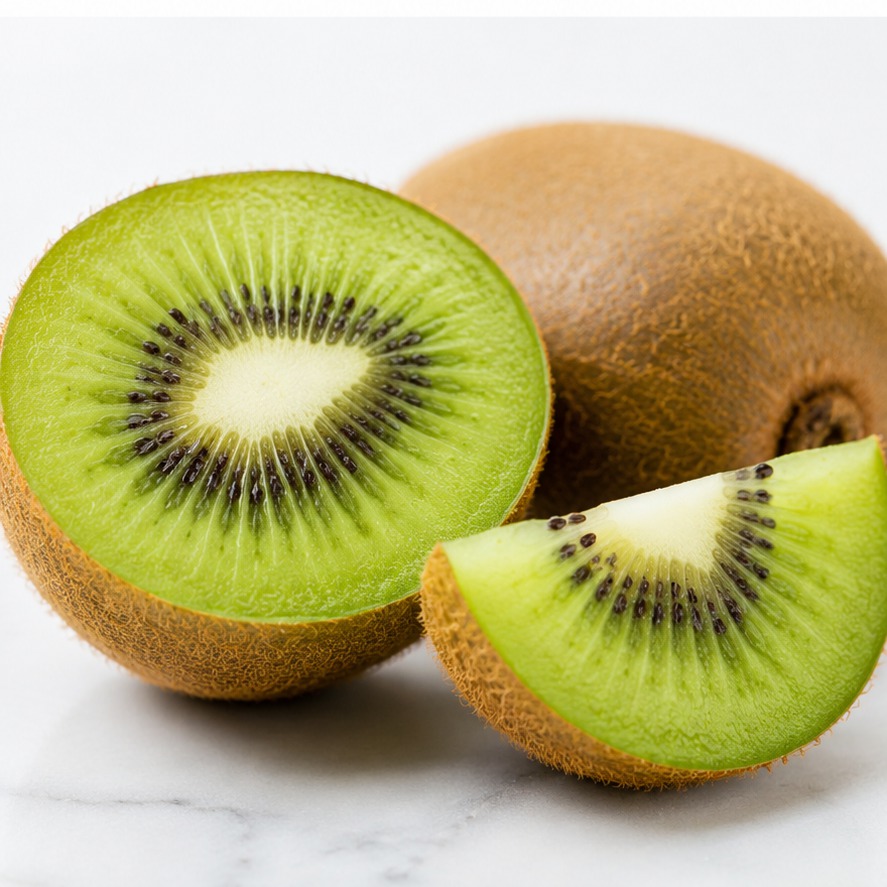
Kiwifruit
Another fruit rich in vitamin C, generally with a milder flavor and wider availability than fresh Rosa roxburghii.
View details →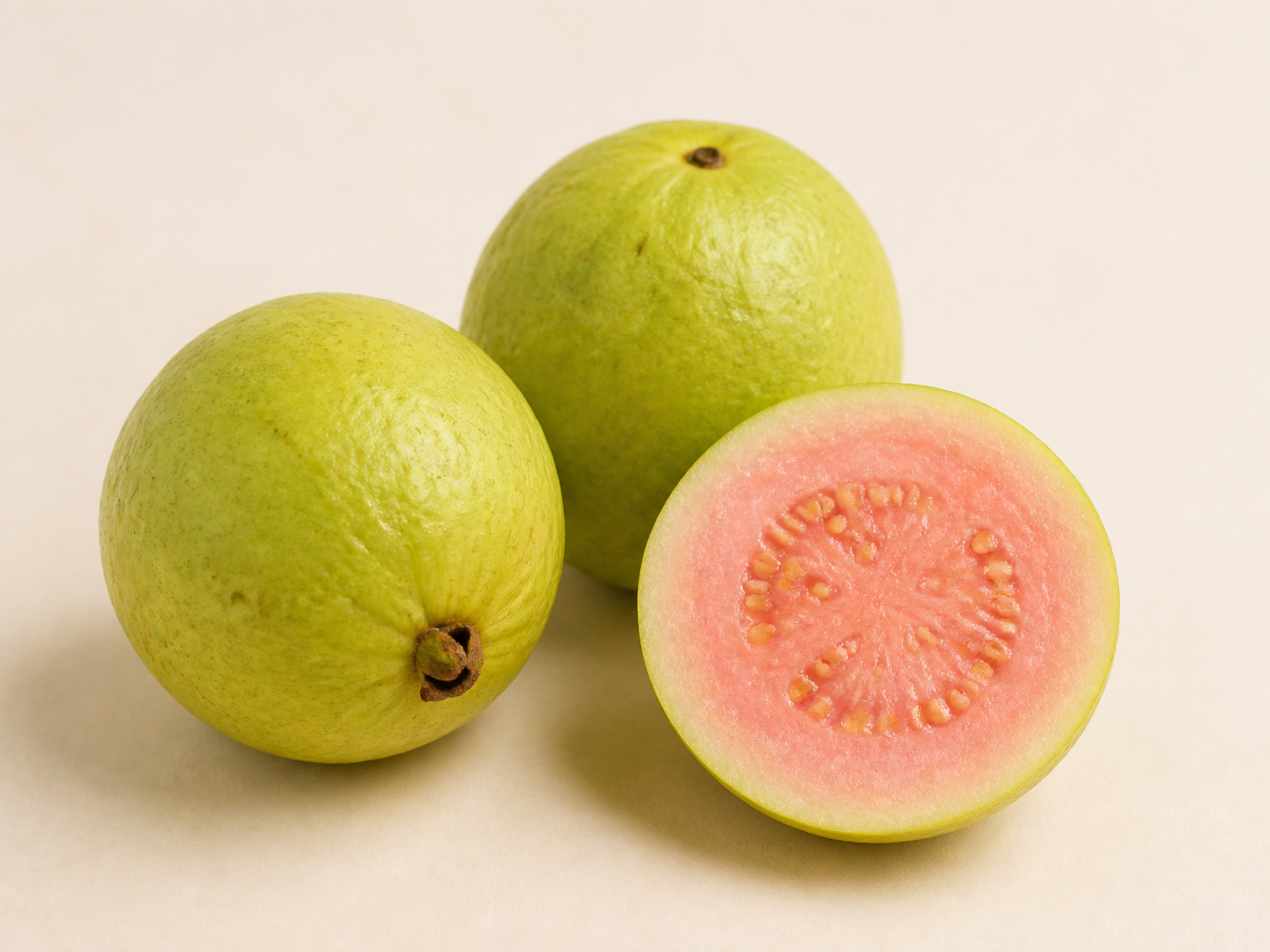
Guava
Guava is notable for vitamin C and dietary fiber and can be eaten directly as a whole fruit.
View details →
Blackcurrant
Blackcurrant is notable for vitamin C and anthocyanins and has a pronounced tart flavor.
View details →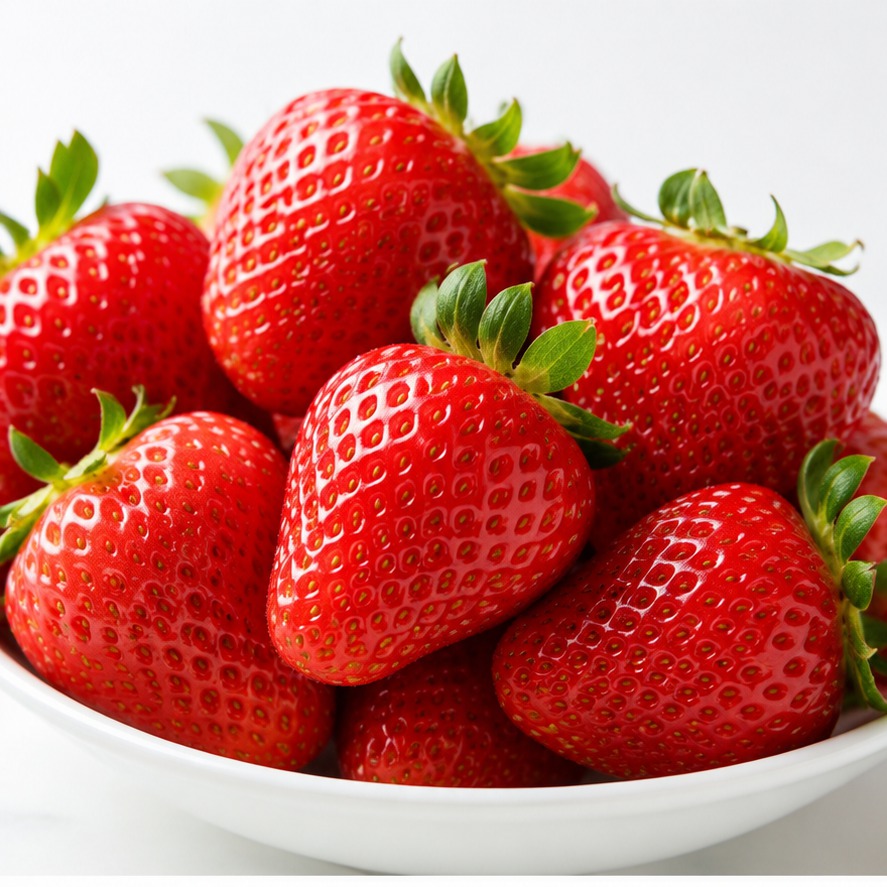
Strawberry
Strawberries provide vitamin C, anthocyanins, and ellagic-acid-related compounds, with a flavor that is generally easier to eat fresh.
View details →Data Sources & Last Updated (2026-10-21)
Nutrition Data
Basic Information & Food Safety
Research & References
Li P, Mu B, Liu J, Wu W, He C, Tan B, Tang S, Yu L (2025). Integrated Analysis of Transcriptomics and Proteomics Provides Insights into the Accumulation Mechanism of Ascorbic Acid in Rosa roxburghii Tratt.
Foods, 14(5), 748. DOI / Original
Liu MH, Zhang Q, Zhang YH, Lu XY, Fu WM, He JY (2016). Chemical Analysis of Dietary Constituents in Rosa roxburghii and Rosa sterilis Fruits.
Molecules, 21(9), 1204. DOI / Original