Tea & Coffee · Tea beverage
White tea (unsweetened brewed)
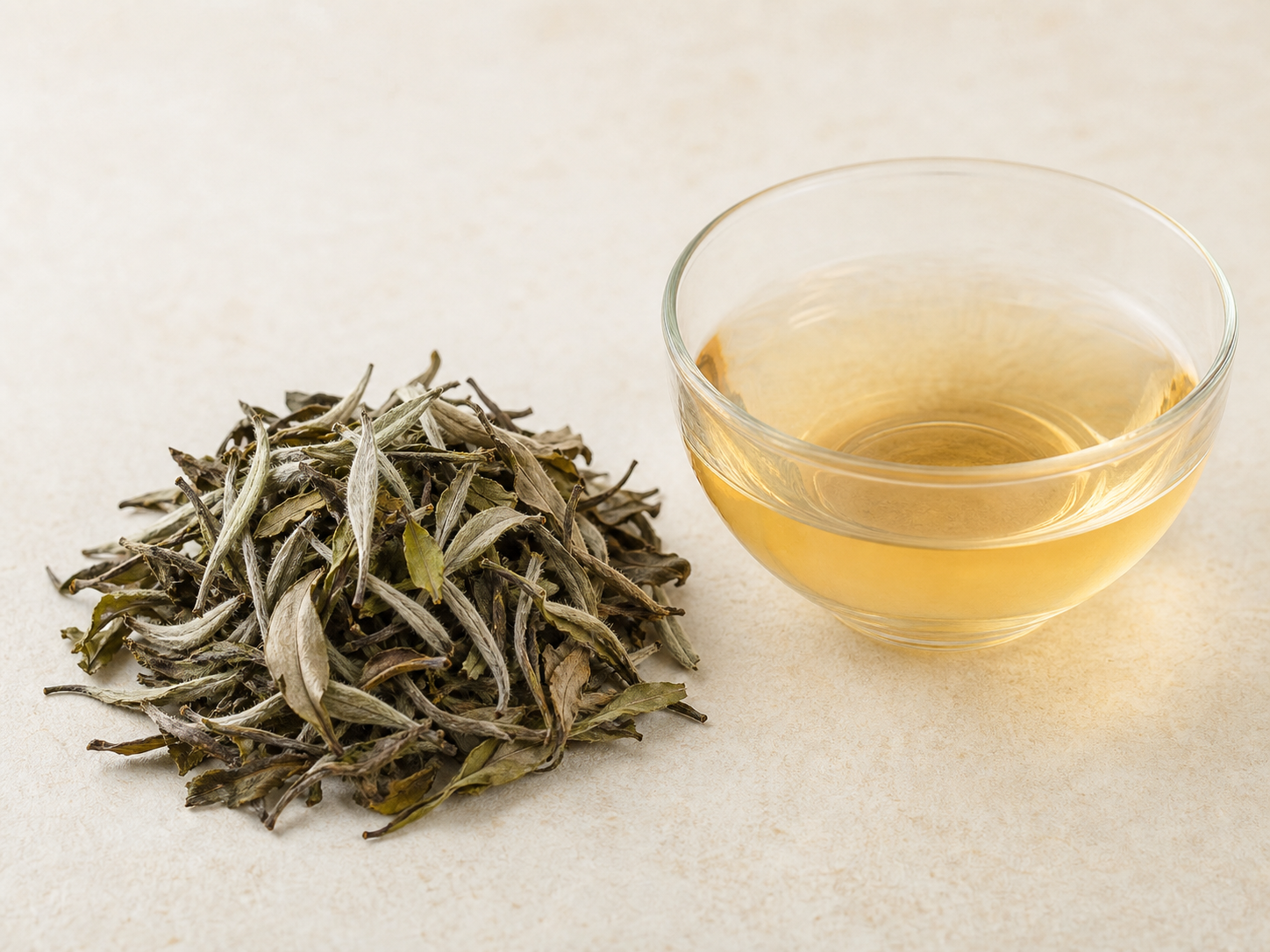
White tea is made mainly through withering and drying. Its infusion contains catechins, caffeine, and L-theanine, with substantial variation across white-tea types and brewing methods.
Beverage overview
Key strengths
White-tea infusion made without sugar or milk is mostly water, with very little available sugar or other macronutrients. It can replace milk tea, bottled sweet tea, and other sugary drinks. In one specific white-tea infusion analysis, sucrose was about 15 mg/100 mL, contributing negligible energy.
How to drink it
Drink it hot, cold-brewed, or with multiple short infusions. There is no need to make it very strong, bitter, or dark; the key is to keep it unsweetened and adjust tea amount and timing to your caffeine tolerance.
What stands out
White tea’s best-known compounds are still catechins such as EGCG, EGC, ECG, and EC, along with caffeine and L-theanine. Leaf maturity, tea style, water, temperature, and steeping time all substantially affect what reaches the cup.
Worth noting
White tea does not naturally mean “low caffeine.” Bud-heavy teas such as Silver Needle can also contain substantial caffeine. More tea leaves, hotter water, and longer steeping usually increase caffeine extraction.
Basic Nutrition
Showing:100 mL Unsweetened brewed white tea
View complete nutrition data
GI note:GI varies with cultivar, food structure, processing, and cooking. Raw grains usually do not have directly applicable human GI data.
Unsweetened white tea contains almost no available carbohydrate, so an estimated GI is not appropriate and 0 should not be used in place of “not applicable.”
Data notes:A complete authoritative food-composition entry specific to white tea is currently lacking, so this page does not substitute green-tea, black-tea, or generic tea data.
“About 0 kcal” means energy-yielding nutrients are negligible at normal labeling precision. Protein and fat shown as “—” mean reliable white-tea-specific data are unavailable, not that they are proven to be absolutely zero.
The 18–40 mg caffeine/100 mL range comes from two specific white-tea brewing studies and is not a fixed range for all white tea.
Vitamins & Minerals
At the current serving, no vitamin or mineral has reliable white-tea-specific data confirming at least 5% of the Daily Value; green-tea, black-tea, or generic tea data are not substituted.
No vitamin or mineral reaches 5% of the Daily Value in the selected serving.
At the current serving, no vitamin or mineral has reliable white-tea-specific data confirming at least 5% of the Daily Value.
View all vitamins and minerals
Key Bioactive Compounds
Tea catechins
Flavan-3-ol polyphenolsTea catechins are among the most important polyphenols in white tea, including EGCG, EGC, ECG, and EC. They also contribute to bitterness, astringency, and in-vitro antioxidant activity.
In one specific infusion, 1 g tea was brewed in 100 mL boiling water for 3 minutes, yielding about 33±3 mg total catechin derivatives per 100 mL, including about 20±2 mg EGCG. In another Silver Needle study, changing only the water produced about 8.37–11.56 mg EGCG/100 mL. White-tea type, maturity, and brewing conditions clearly matter.
Catechins contribute to antioxidant defenses and may influence some cardiovascular and metabolic risk markers. But long-term human research specific to white tea is very limited, so many health inferences come from green tea, tea polyphenols, cell studies, or animal work.
For a light, smooth cup, start with 80–90°C water for 3–5 minutes. Hotter water, longer time, or more tea usually extracts more catechins and caffeine, but also increases bitterness and astringency.
White tea contains EGCG, but that does not mean it “eliminates inflammation,” prevents cancer, or treats high cholesterol. Ordinary tea is also not equivalent to high-dose tea-polyphenol or EGCG supplements.
Caffeine
Methylxanthine alkaloidCaffeine is a naturally occurring stimulant in white tea. It can improve alertness and contributes to the energizing effect after drinking tea.
Two specific infusion studies found about 18±2 mg caffeine/100 mL and about 38–40 mg/100 mL in Silver Needle, equivalent to roughly 43 mg and 92–96 mg per 240 mL. Because Silver Needle is bud-rich, white tea should not automatically be considered lower in caffeine than green or black tea.
Caffeine can briefly improve alertness, attention, and reaction time. White tea also contains L-theanine, and the two may jointly influence focus, but sensitivity varies between individuals.
People prone to insomnia, palpitations, or anxiety can use less tea, lower the water temperature, shorten each steep, avoid prolonged soaking, and drink it earlier in the day.
A mild taste does not mean white tea is caffeine-free. Pale color and low bitterness also do not accurately predict caffeine content, and caffeine does not replace sleep.
L-theanine
Tea-characteristic amino acidL-theanine is a characteristic non-protein amino acid in tea that contributes to freshness, smoothness, and a slightly sweet finish.
One specific white-tea infusion contained about 4.8±0.5 mg L-theanine/100 mL. Another study using 80°C water for 2 minutes found an average of about 1.8±0.4 mg/200 mL. The difference shows that tea style, amount, particle size, and brewing conditions matter more than the name alone.
L-theanine taken with caffeine may modestly help some attention and reaction tasks. Clinical trial results are not fully consistent and often use standardized doses rather than one ordinary cup of white tea.
Normal brewing is enough; there is no need to boil white tea for a long time. To keep a fresh, soft taste, start around 80–90°C and avoid overly long first infusions. With multiple short steeps, the composition changes from infusion to infusion.
Supplement studies often use 50–200 mg or more of L-theanine, usually far above the amount in one cup of white tea. Supplement findings should not be presented as proof that one cup markedly reduces anxiety, improves insomnia, or enhances memory.
Brewing and processing differences
Dry white-tea leaves
Dry leaves contain far more catechins, caffeine, theanine, and other compounds than the brewed infusion, but white tea is normally drunk without eating the leaves. Per-100-g dry-leaf values therefore do not represent actual intake.
Silver Needle, White Peony, and Shoumei
Silver Needle is mainly buds; White Peony includes buds and young leaves; Shoumei usually contains more mature leaves. Leaf maturity and structure affect composition and release, so one fixed caffeine or EGCG value should not be used for all three.
Moderate-temperature brewing
Brewing at 80–90°C for 3–5 minutes usually gives a softer aroma and taste. Larger-leaf Shoumei can steep a little longer, while bud-rich Silver Needle can start with a shorter time.
Boiling water and long steeping
Using 100°C water or steeping longer can extract more of some compounds but also increases bitterness and astringency. One experimental condition should not be promoted as the best method for every white tea.
Water differences
The same Silver Needle brewed with purified water, mineral water, and tap water showed differences in catechins, caffeine, theanine, color, and taste.
Cold-brewed white tea
Cold water slowly extracts flavor, caffeine, and polyphenols and therefore needs more time. At home, cold brew should be prepared in a clean container in the refrigerator and kept refrigerated after brewing.
Fresh vs. aged white tea
Storage continues to change white tea’s chemistry. Aged white tea does not automatically have stronger overall antioxidant activity, and more years of storage should not be equated with stronger anti-inflammatory or antioxidant effects.
Bottled and flavored white tea
Bottled white tea, peach white tea, white-tea milk drinks, and similar products may contain sugar, juice, flavoring, creamer, or acidity regulators, so this page’s unsweetened fresh-brew data do not apply.
How to choose and store
How to choose
- The package should clearly identify white tea and may specify Silver Needle, White Peony, Gongmei, or Shoumei. Anji White Tea is actually a green tea and should not be listed on a white-tea page.
- Plain white tea usually needs only white tea as the ingredient. Blends with chenpi, flowers, or fruit should not be described as pure white tea.
- Dry tea should be free of visible mold, damp stickiness, clumping, and rancid odor. Prefer intact sealed packaging with clear label, origin, date, and standard information.
How to store
- Keep it sealed, dry, and protected from light, away from kitchen steam, spices, coffee, medicines, perfume, cleaning products, sunlight, and heat.
- Long-term storage requires a stable, clean, low-humidity environment. Chemical changes during storage do not automatically mean nutritional value rises.
- Freshly brewed tea is best consumed soon. If refrigerating, use a clean sealed container and drink promptly. Discard tea that becomes sour, off-smelling, slimy, or abnormally cloudy.
When buying white tea, remember four things: confirm it is true white tea, keep the ingredient list simple, choose dry sealed packaging, and do not assume older is always better.
How to fit it into your diet
Hot brewed white tea
Use a moderate amount of white tea per cup and brew around 80–90°C for about 3–5 minutes. Silver Needle can start with a shorter steep, while larger-leaf White Peony or Shoumei can go a little longer. It does not need to be extremely strong, and sugar or honey are unnecessary.
Multiple short gaiwan infusions
With a gaiwan, use relatively more tea and less water but keep each steep short. Start the early infusions at around a dozen seconds and lengthen gradually. Avoid prolonged soaking, which concentrates caffeine and bitter/astringent compounds.
Unsweetened cold-brew white tea
Steep white tea in clean cold water in the refrigerator for several hours, then strain. The taste is usually softer and can replace bottled sweet tea. Keep it refrigerated during preparation and storage rather than leaving it at room temperature overnight.
Lemon or mint white tea
Add a small amount of fresh lemon, lemon juice, or mint for aroma without extra syrup. Lemon mainly changes flavor; the combination should not be promoted as a “detox,” “fat-burning,” or cold-treatment drink.
Replace sugary drinks
At afternoon tea or when eating out, unsweetened white tea can replace milk tea, fruit tea, cola, or sweet bottled tea. The main benefit is reducing added sugar, not “canceling out” desserts or high-energy meals.
Separate from iron-rich meals
Tea polyphenols can reduce non-heme iron absorption. People with iron deficiency, low iron stores, or iron supplements should separate white tea from meals and iron supplements by at least about 1 hour. Human research suggests a 1-hour gap can lessen the effect on iron absorption.
Who Should Take Extra Care
People sensitive to caffeine or with poor sleep
White tea contains caffeine, and the amount may not be low. People prone to palpitations, tremor, anxiety, or insomnia can use less tea, shorten steeping, and avoid drinking it later in the afternoon or evening.
Pregnancy & Breastfeeding
Count caffeine from coffee, tea, chocolate, energy drinks, and other sources together. Because caffeine varies widely between white teas, do not assume a fixed number of cups based on the idea that white tea is “low caffeine.”
People with iron deficiency or iron-deficiency anemia
Do not drink large amounts of white tea with iron-rich meals or use it to swallow iron supplements. Separating tea and meals by about 1 hour can reduce the inhibition of non-heme iron absorption.
People with GERD or sensitive digestion
Strong tea, caffeine, and tea polyphenols can cause reflux, nausea, or stomach discomfort in some people. Reduce strength, avoid large amounts on an empty stomach, and adjust to your own response.
People with arrhythmias or labile blood pressure
Caffeine can briefly raise heart rate, trigger palpitations, or alter blood pressure in some people. Those with related conditions should follow medical advice for total caffeine intake.
Children and adolescents
White tea is not suitable as a child’s main everyday drink. Children and teenagers are more sensitive to caffeine and should also avoid getting large amounts of sugar and caffeine from bottled white tea, fruit tea, or milk tea.
People taking certain medications
Moderate ordinary tea is generally low risk, but caffeine and polyphenols may interact with some medicines. People taking stimulants, cardiovascular drugs, or other medicines that require strict caffeine control should ask a doctor or pharmacist.
People considering white-tea extracts
White-tea extracts, concentrated tea-polyphenol capsules, and high-dose EGCG products are not equivalent to ordinary white tea. Their safe doses and liver risks cannot be inferred from “I drink tea without problems.”
Similar beverage alternatives
Green tea
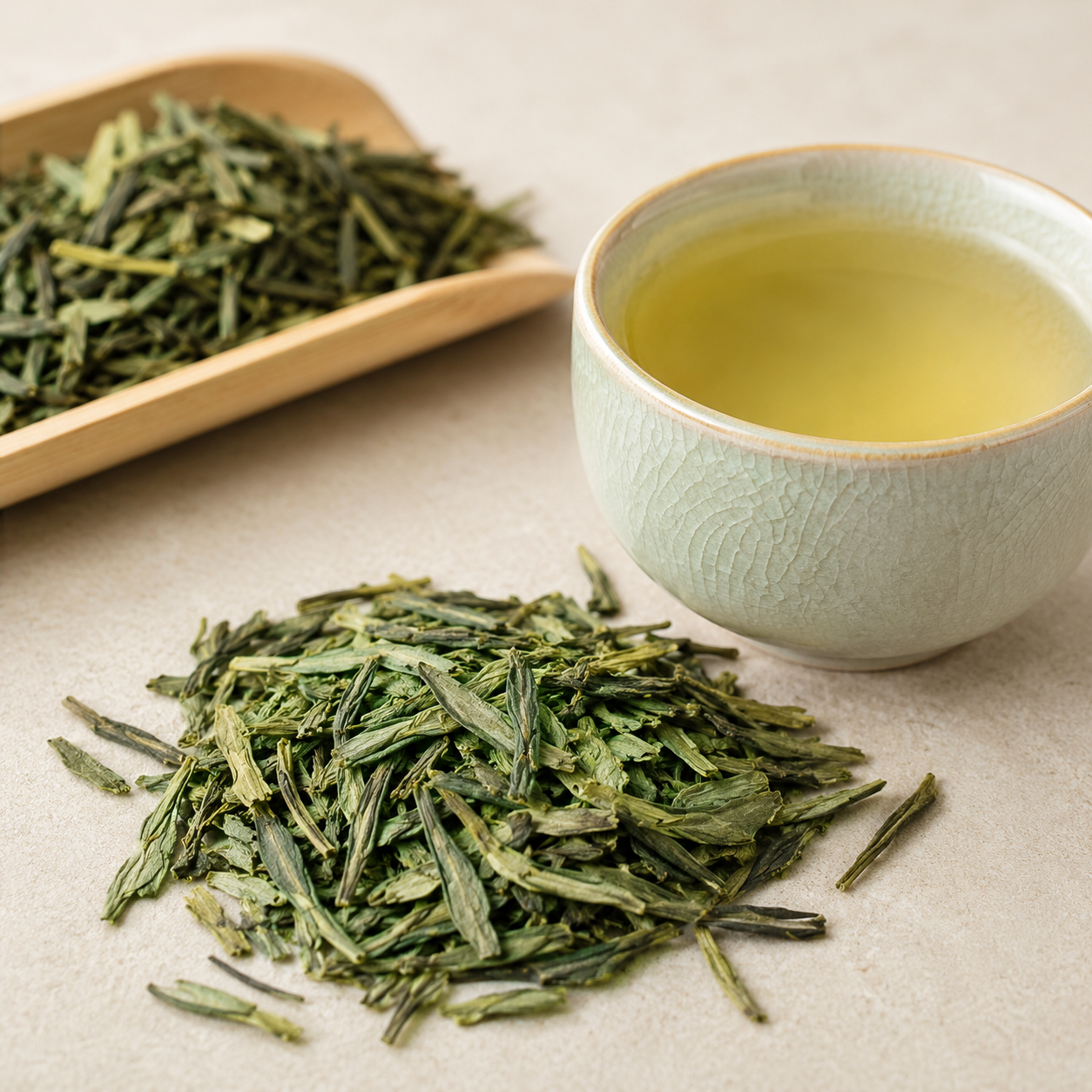
Also rich in catechins, with more EGCG data and human research available. Green tea is usually heat-fixed, so white-tea caffeine and brewing data should not be substituted directly.
View details →Yellow tea
Processed somewhat like green tea but with an added yellowing step, usually producing a softer taste. Its catechin and oxidation-product profile differs from white tea.
View details →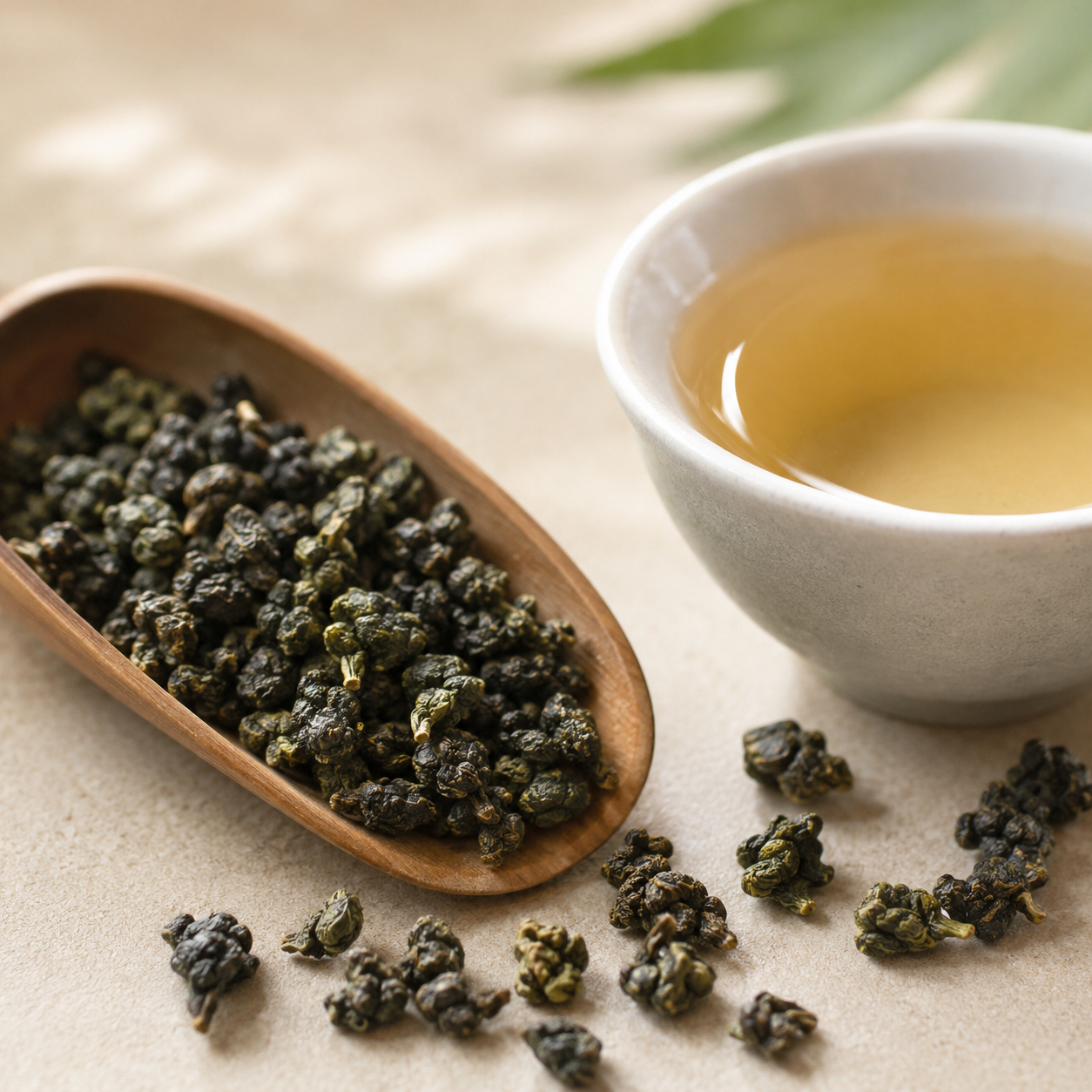
Oolong tea
Partially oxidized, retaining some catechins while forming other polymerized polyphenols, usually with a more pronounced aroma.
View details →Decaffeinated tea
A useful option for people who want tea flavor with less caffeine, though caffeine is not guaranteed to be absolutely zero.
View details →Caffeine-free herbal tea
People who are very caffeine-sensitive can choose hibiscus, rooibos, or other herbal infusions with no tea leaves, which may be more suitable in the evening.
View details →Data Sources & Last Updated
Nutrition Data
Basic Information & Food Safety
Research & References
Pan J, et al. (2018). Comparison of the Main Compounds in Fuding White Tea Infusions from Various Tea Types.
Food Science and Biotechnology, 27, 1311–1318. DOI / Original
Boros K, et al. (2016). Theanine and Caffeine Content of Infusions Prepared from Commercial Tea Samples.
Pharmacognosy Magazine. DOI / Original
Pérez-Burillo S, et al. (2018). Effect of Brewing Time and Temperature on Antioxidant Capacity and Phenols of White Tea.
Food Chemistry. DOI / Original
Fuzi SFA, et al. (2017). A One-Hour Time Interval between an Iron-Containing Meal and Tea Attenuates the Inhibitory Effect on Iron Absorption.
American Journal of Clinical Nutrition. DOI / Original