Whole Grains & Tubers · Pigmented Whole Grain
Black Rice
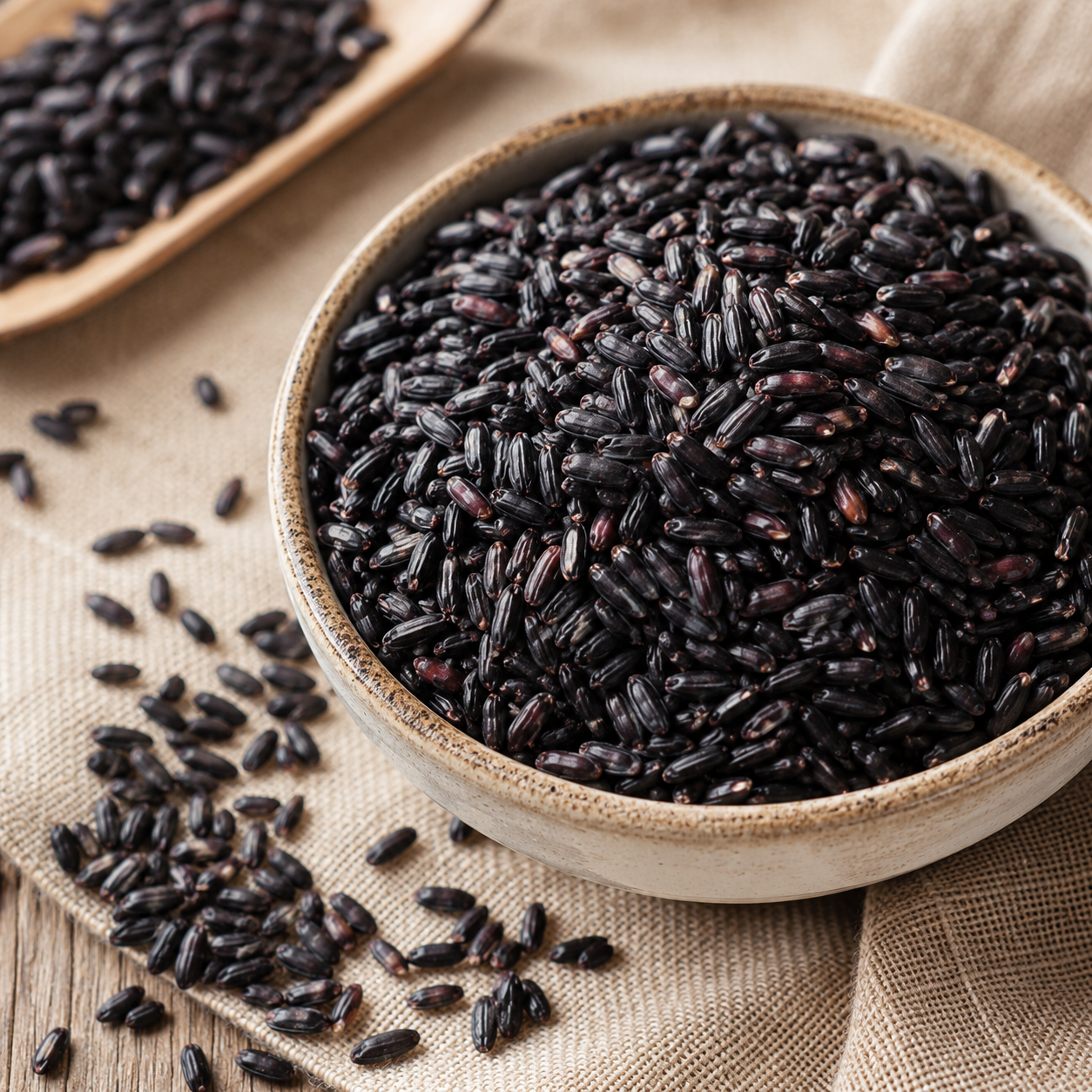
Black rice is a pigmented whole-grain rice that retains a dark bran layer and provides manganese, magnesium, niacin, and dietary fiber. Its most characteristic phytochemicals are anthocyanins. It can replace part of white rice, but darker color does not mean a low GI, and staple-food portions still matter.
Food Overview
Key strengths
Black rice retains the bran, germ, and endosperm and is a pigmented whole grain. Compared with highly polished white rice, it generally retains more dietary fiber, magnesium, manganese, niacin, and bran phytochemicals such as anthocyanins and phenolic acids.
How to Eat It
It works well mixed with white rice, brown rice, oat groats, millet, or legumes for mixed-grain rice and can also be used in porridge, rice balls, grain bowls, and grain salads.
What stands out
Its most distinctive feature is the anthocyanins in the bran layer, but content varies greatly by variety. Cultivar studies have measured total anthocyanins at about 79.5—473.7 mg per 100 g, so a value from one cultivar should not be treated as fixed for all black rice.
Worth noting
Black rice is still composed largely of starch and carbohydrate. Post-meal glucose response depends on variety, amylose proportion, glutinousness, milling, cooking, serving size, and meal composition, so color alone cannot establish that it is a low-GI staple.
Basic Nutrition
Showing:100 g Raw Black Rice
View complete nutrition data
GI note:GI varies with cultivar, food structure, processing, and cooking. Raw grains usually do not have directly applicable human GI data.
No directly applicable human GI value is available for raw black rice, so GI is shown as “—”.
Data notes:Data come from the USDA FoodData Central Foundation Foods entry Rice, black, unenriched, raw (FDC ID 100349).
The entry does not provide sufficiently stable total-sugar data or a complete fatty-acid breakdown, so sugar and related fatty-acid values are shown as “—” rather than entered as 0 or borrowed from other rice data.
Black rice is not a single variety; cultivar, origin, and processing all affect nutrient content. The 50 g amount is used only for common-serving conversion and is not a fixed recommended meal portion.
Vitamins & Minerals
By default, show data per 100 g for the currently selected state and only representative nutrients providing at least 5% of the adult Daily Value at the current serving.
View all vitamins and minerals
Percentages show how much the selected serving contributes to the adult Daily Value.
Key Bioactive Compounds
Anthocyanins
AnthocyaninsThe purple-black color of black rice comes mainly from anthocyanins, with cyanidin-3-glucoside often being one of the representative compounds.
Specific amount: —. Anthocyanin content varies greatly with cultivar, growing environment, and analytical method. It is concentrated mainly in the pericarp, seed coat, and bran layer, with much less in the white endosperm.
Anthocyanins and their metabolites contribute to antioxidant defenses. Replacing part of refined white rice with black rice can also increase intake of whole grains and polyphenols.
Rinse gently and avoid repeated vigorous washing or discarding dark soaking water after prolonged soaking.
Color leaching into black-rice washing water is a normal release of water-soluble pigments and does not by itself indicate artificial coloring.
γ-Oryzanol
Phytosterol Ferulate EstersThe bran of black rice contains γ-oryzanol, the same compound class found in brown rice.
One Japanese study of 9 black-purple rice varieties averaged about 54.2 mg/100 g. Levels vary by cultivar and are concentrated mainly in the bran and germ.
γ-Oryzanol has antioxidant properties and may influence lipid metabolism, but evidence at ordinary food intakes is still limited.
Choose black rice that retains its bran and store it sealed and away from light.
Values from specific cultivars should not be applied to all black rice, and eating black rice is not equivalent to taking a γ-oryzanol supplement.
Ferulic Acid & Other Phenolics
Phenolic acidsIn addition to anthocyanins, black rice contains ferulic acid, p-coumaric acid, and other bound and free phenolic compounds.
Specific amount: —. These compounds are distributed mainly in rice bran, pericarp, and the aleurone layer, and their exact composition varies by cultivar.
Multiple phenolics contribute to the phytochemical profile of black rice and can participate in dietary antioxidant defenses; actual effects are not determined by anthocyanins alone.
Prefer intact black-rice kernels rather than high-sugar processed foods containing only a small amount of black-rice flour. Use steaming or boiling and avoid holding cooked rice hot for long periods.
Total antioxidant values from in-vitro tests cannot be used to assign definite disease-prevention effects to black rice, and darker color does not necessarily mean healthier overall.
How Preparation Changes Black Rice
Whole Black Rice
Retains the dark bran, germ, and endosperm and is a pigmented whole grain. It is usually firmer than refined white rice and absorbs water more slowly, requiring longer soaking and cooking. The intact bran is also where anthocyanins, phenolic acids, and dietary fiber are concentrated.
Lightly Milled Black Rice
Light milling can shorten cooking and improve texture but also removes outer layers rich in pigments and phytochemicals. In one study, short milling caused about 70% loss of anthocyanins, 31% loss of phenolics, and 44% loss of fat; a lighter color often means that some outer-layer components were removed.
Black Rice vs Black Glutinous Rice
Black rice can be non-glutinous or glutinous. Black glutinous rice contains more amylopectin and becomes stickier after cooking, so it is often used in desserts; non-glutinous black rice keeps a more distinct grain texture and is generally more suitable for everyday mixed-grain rice.
Washing & Soaking
A simple rinse removes dust, while prolonged repeated washing or discarding dark soaking water may remove some water-soluble anthocyanins.
Rice-Cooker, Steaming & Pressure Cooking
Cooking softens the grains and may also degrade anthocyanins or move them into the cooking water. Loss depends on water amount, temperature, time, and equipment. Absorption cooking can retain some dissolved pigments, while boiling in excess water and discarding the liquid may remove more.
Black-Rice Porridge
Using more water and cooking longer can move anthocyanins and phenolics into the porridge liquid. Eating the liquid means not all dissolved compounds are lost, but prolonged high heat can still degrade some pigments.
Black-Rice Flour & Puffed Products
Grinding disrupts the intact grain structure and makes starch more accessible to digestive enzymes. Puffing, extrusion, and baking can also alter starch structure and anthocyanins, so these products are not equivalent to intact cooked black rice.
Cooling & Reheating
Cooling may form a small amount of resistant starch, but commonly cited human studies mostly use white rice and should not be applied directly to all black rice. Refrigeration also does not turn black rice into a low-calorie food.
How to Choose & Store
How to choose
- Packages may say black rice, purple-black rice, purple rice, black brown rice, Black rice, Purple rice, or Pigmented rice.
- Black glutinous rice, purple glutinous rice, black-rice flour, rice cereal, crisps, drinks, and wild rice are different from ordinary non-glutinous black rice.
- Prefer products with purple-black surfaces, intact grains, little broken-rice powder, and no obvious heavy milling.
- For mixed-grain rice, non-glutinous black rice is generally more suitable; black glutinous rice can be used for sticky rice balls or desserts.
- For processed products, check the proportion of black rice, white or glutinous rice, added sugar, syrup, oil, non-dairy creamer, and sodium.
- Smaller packages and more recent production dates are generally more practical.
How to store
- Store raw black rice in a cool, dry, dark place and keep it sealed; refrigerate in hot, humid conditions.
- Portion cooked black rice promptly into shallow containers, refrigerate within 2 hours, and aim to eat it within 3—4 days after reheating thoroughly.
- Discard it if there is mold, insect damage or eggs, moisture clumping, rancid or musty odor, paint-like smell, or unusual sliminess or discoloration after cooking.
When buying black rice, remember three points: confirm whether it is glutinous, prefer intact grains, and check the proportion of black rice and added sugar in processed products.
How to Include It in Everyday Meals
Black-Rice Mixed-Grain Rice
Cook black rice with white rice, brown rice, oat groats, or millet. For a first try, let black rice make up about one quarter of the total dry grain amount.
Black Rice with Brown Rice
Combining black rice and brown rice increases whole-grain variety and texture. Do not add too many firm grains at first or the whole batch may remain undercooked.
Black Rice with Legumes
Black rice can be cooked with red beans, black beans, chickpeas, or kidney beans to add dietary fiber and plant protein. Legumes and black rice should replace part of the original white-rice portion rather than being added on top of it.
Black-Rice Porridge
Black rice can be cooked into porridge with millet, oats, red beans, mung beans, or pumpkin. Soaking first shortens cooking time.
Black-Rice Rice Balls
Mix cooked black rice with some white rice to improve binding, then add egg, tuna, salmon, tofu, or vegetables. Refrigerate promptly after preparation and keep chilled when taking it out.
Black-Rice Grain Bowl
Use cooked black rice as the staple base, add two to three differently colored vegetables, legumes or tofu, and pair with fish, chicken, or eggs.
Who Should Take Extra Care
People managing blood sugar
Black rice still contains substantial starch and carbohydrate. Small human studies suggest some black-rice meals may produce a steadier response, but this depends on variety, glutinousness, cooking, and serving size.
People with digestive sensitivity
Because the bran is retained and the grains are relatively firm, suddenly eating a large amount may cause bloating, gas, or bowel changes. Start with a small amount mixed with white rice, soak in advance, and cook until soft.
People with limited chewing or swallowing ability
Older adults, infants and young children, and people with weaker swallowing ability should have black rice soaked and cooked until soft, with particle size adjusted as needed.
People with impaired kidney function
People who need to limit phosphorus, potassium, or magnesium should not make a large substitution for white rice on their own; choose portions according to guidance from a physician or registered dietitian.
People with Celiac Disease
Pure black rice is naturally gluten-free, but porridge mixes, pastries, breads, noodles, and ready-to-eat products may contain wheat or barley or have cross-contact.
Infants, Young Children & People Who Eat Large Amounts of Rice Long Term
Black rice can also contain inorganic arsenic. Rotate oats, barley, buckwheat, corn, millet, and tubers so rice products are not the only staple.
People with Rice Allergy
Stop eating and seek medical care if clear allergic symptoms such as hives, lip swelling, wheezing, or repeated vomiting occur.
Similar Food Alternatives
Brown Rice
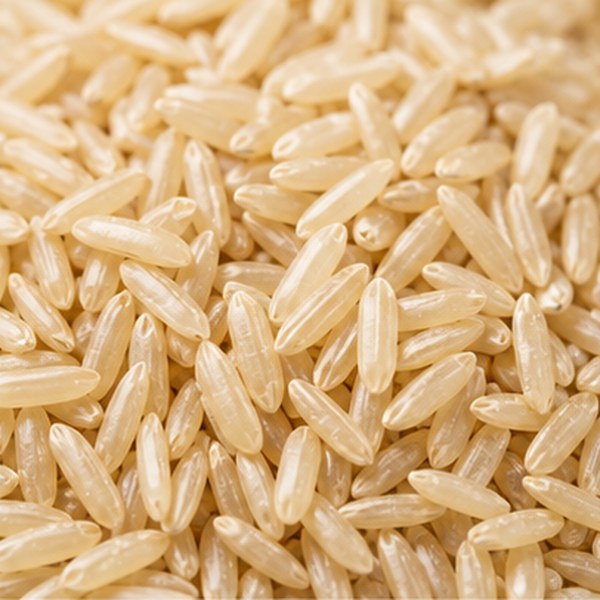
It also retains bran and germ and has a texture similar to non-glutinous black rice, but is not notable for anthocyanins.
View details →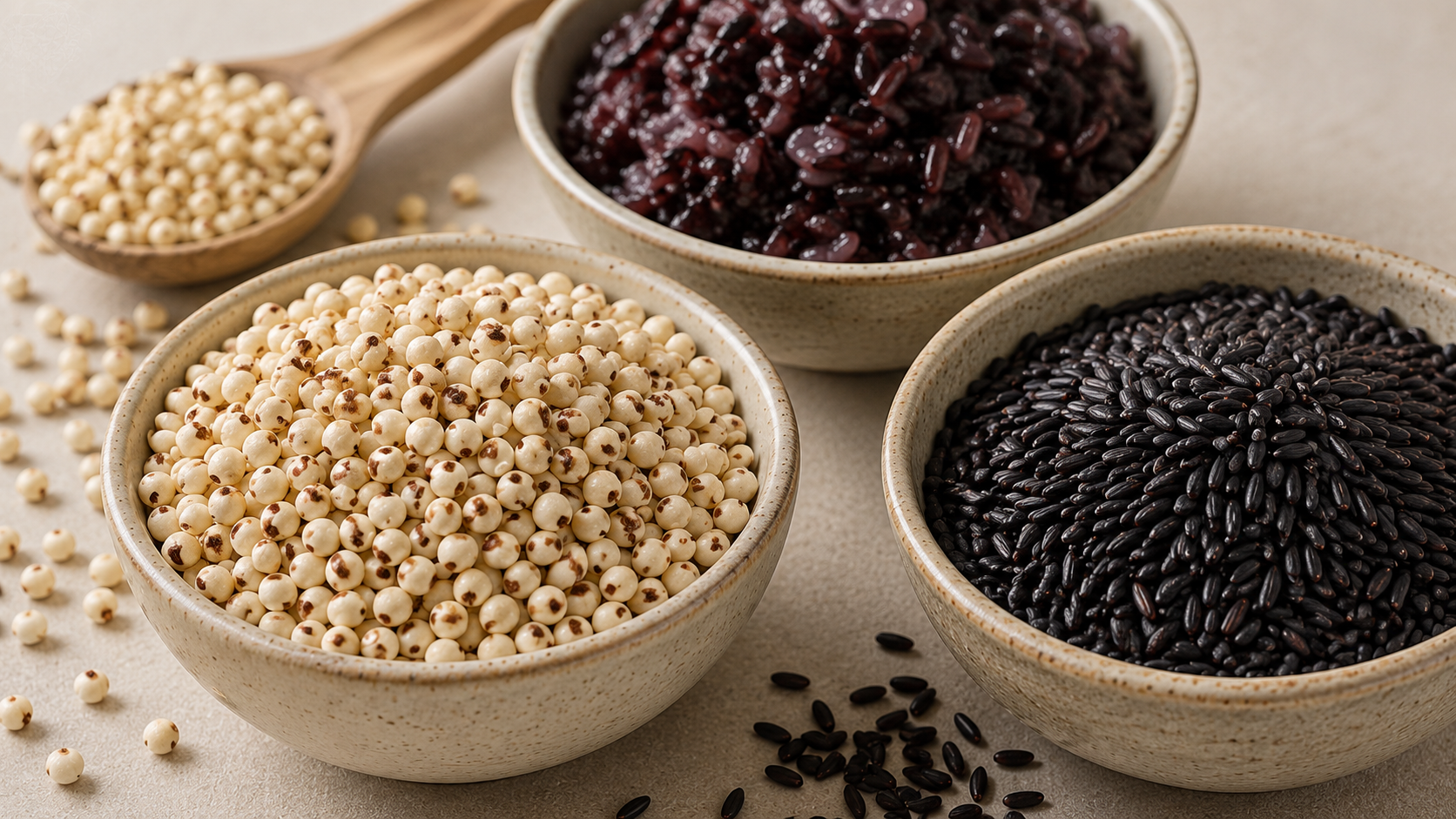
Red Rice
It is also a pigmented rice, but its main phytochemicals differ and the nutrition data should not be reused directly.
View details →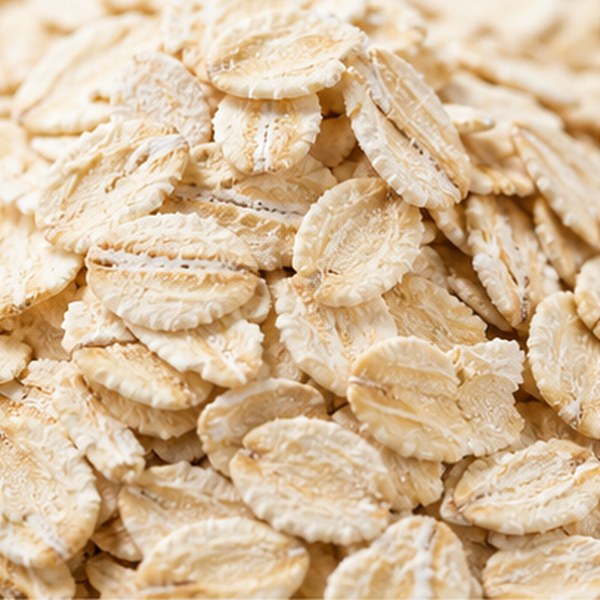
Oats
Oats contain representative β-glucan and can be rotated with black rice.
View details →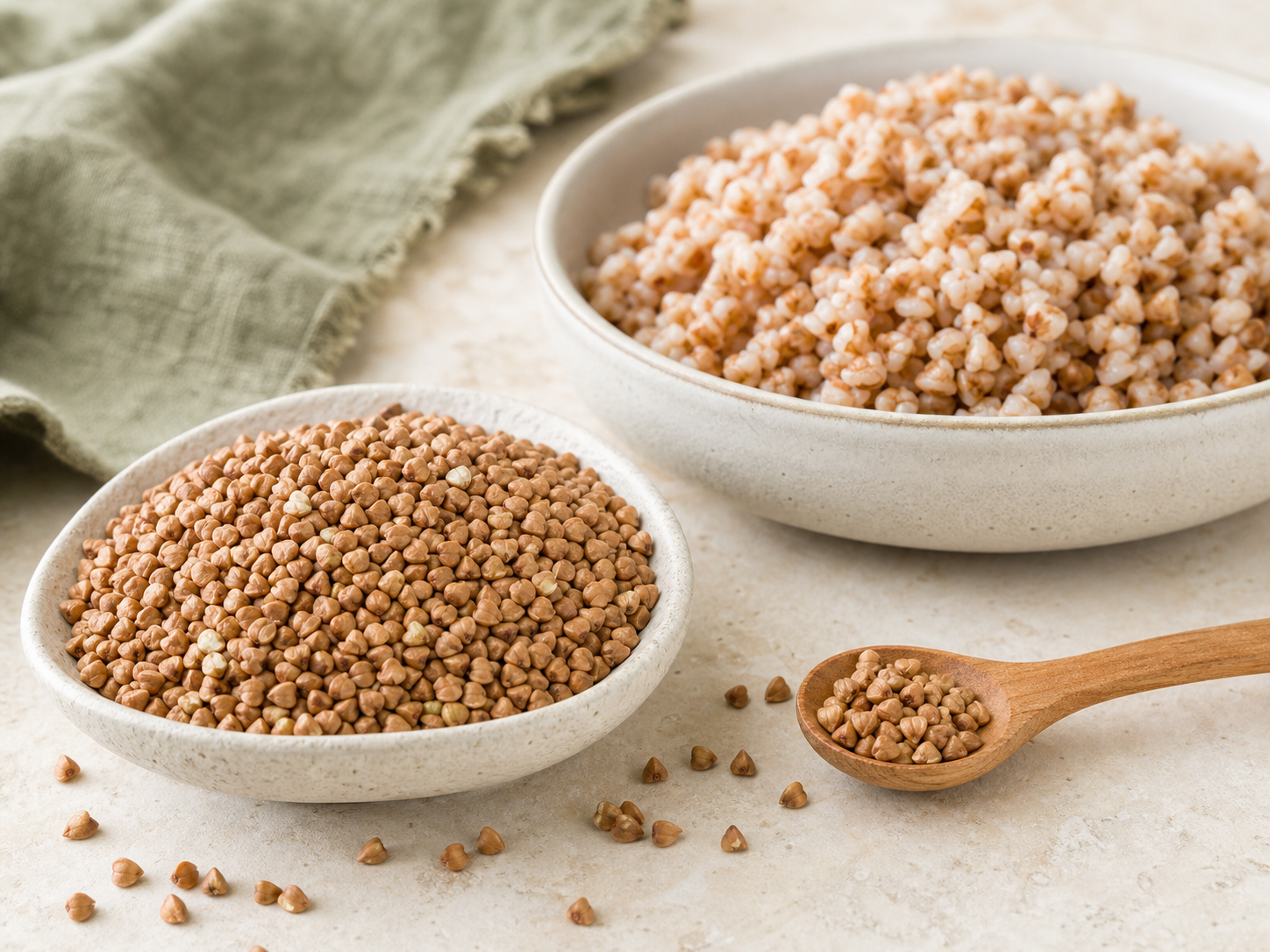
Buckwheat
It is not rice, but works well in mixed-grain rice, grain salads, and noodles.
View details →Data Sources & Last Updated
Nutrition Data
Basic Information & Food Safety
Research & References
Chen, X. Q., et al. (2012). Anti-oxidative analysis, and identification and quantification of anthocyanin pigments in different coloured rice.
Food Chemistry, 135(4), 2783–2788. DOI / Original
Hiemori, M., Koh, E., & Mitchell, A. E. (2009). Influence of cooking on anthocyanins in black rice.
Journal of Agricultural and Food Chemistry, 57(5), 1908–1914. DOI / Original
Surh, J., & Koh, E. (2014). Effects of four different cooking methods on anthocyanins, total phenolics and antioxidant activity of black rice.
Journal of the Science of Food and Agriculture, 94(15), 3296–3304. DOI / Original
Zhang, H., et al. (2015). Phenolic compounds and antioxidant properties of breeding lines between the white and black rice.
Food Chemistry, 172, 630–639. DOI / Original
Tang, Y., et al. (2016). From rice bag to table: Fate of phenolic chemical compositions and antioxidant activities in waxy and non-waxy black rice during home cooking.
Food Chemistry, 191, 81–88. DOI / Original
Sirisoontaralak, P., et al. (2020). Development of lightly milled black rice with easy cooking properties and reduced loss of bioactive compounds.
Foods, 9(8), 1078. DOI / Original
Ou, S. J. L., et al. (2023). Postprandial glycemic and lipidemic effects of black rice and its anthocyanin extract in adults.
Human intervention study.
Aboufarrag, H., et al. (2022). No effect of isolated anthocyanins from bilberry fruit and black rice on LDL cholesterol or other biomarkers of cardiovascular disease in adults with elevated cholesterol.
Human intervention study.