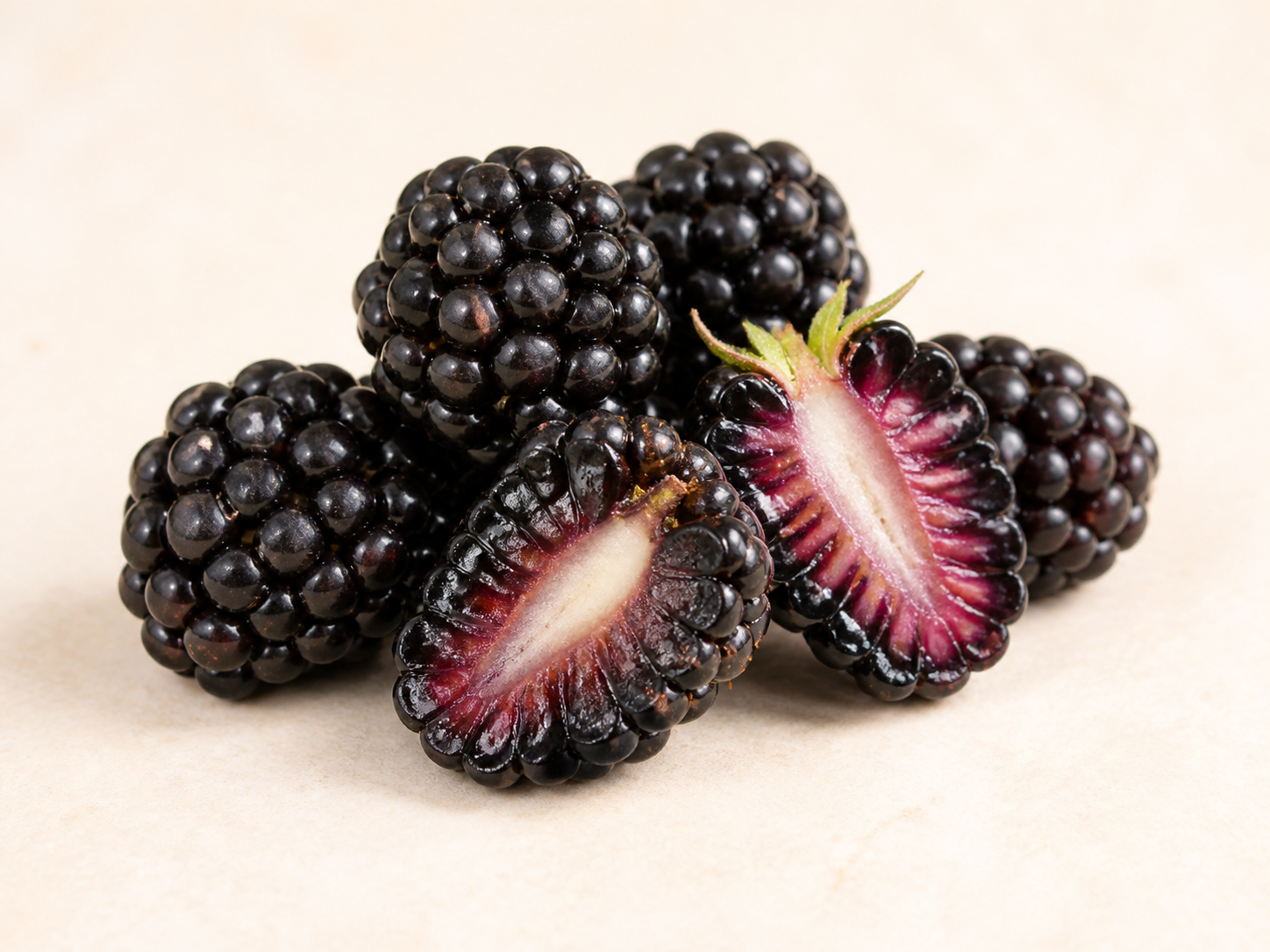
Fruits · Dark Berries · Aggregate Fruit
Blackberry
Blackberries are deep purple-black fruits with a notable fiber content. Per 100 g, they provide about 43 kcal, 5.3 g of dietary fiber, and 21 mg of vitamin C. Their major polyphenols include anthocyanins—often dominated by cyanidin-3-O-glucoside—along with ellagitannins, ellagic acid, catechins, and proanthocyanidins, although levels vary substantially by species, cultivar, and ripeness.
Food Overview
Key strengths
Per 100 g, fresh blackberries provide about 43 kcal, 9.61 g of total carbohydrate, 5.3 g of dietary fiber, and 4.88 g of sugars.
How to eat it
Blackberries can be rinsed and eaten whole or added to plain yogurt, oats, whole-grain cereal, fruit salad, or green salad. The seeds are edible; people with sensitive teeth, braces, or reduced chewing ability can gently crush the berries.
What stands out
Anthocyanins are the main phytochemicals in blackberries, with cyanidin-3-O-glucoside often the predominant form. Blackberries also contain ellagitannins, ellagic acid, catechin, epicatechin, and proanthocyanidins, so they should not be reduced to simply an "anthocyanin fruit."
Worth noting
Blackberries are soft and bruise and spoil easily. Refrigerate them promptly after purchase, do not wash before storage, and rinse gently under running water just before eating. Discard berries that develop mold, sliminess, a clear fermented odor, or heavy juice leakage.
Basic Nutrition
Showing:100 g Fresh Blackberries
View complete nutrition data
GI note:GI varies with cultivar, food structure, processing, and cooking. Raw grains usually do not have directly applicable human GI data.
Fresh blackberries lack a reliable standard human GI value. A missing value is not replaced with 0, estimated from sugars or net carbs, or borrowed from other berries or processed products.
Data notes:This page includes only one state, "Fresh Blackberries. Both the default and typical serving are 100 g, so no food-state switcher is shown.
Basic nutrition data use USDA FoodData Central "Blackberries, raw" (FDC ID 173946). Total carbohydrate is calculated by difference and already includes dietary fiber.
Blackberries contain relatively little available carbohydrate, making it difficult to provide enough test carbohydrate for a standard GI study.
Species, hybrid cultivar, ripeness, growing region, season, and storage conditions can affect sugar, acidity, seed size, anthocyanins, and ellagitannins.
Vitamins & Minerals
Using FDA Daily Values for adults and children age 4 and older, only nutrients reaching at least 5% of the Daily Value at the current serving are shown. The first six appear by default, with all seven shown when expanded.
Manganese, vitamin C, copper, vitamin K, vitamin E, and folate are shown by default; vitamin B5 appears in the expanded view.
View all vitamins and minerals
Percentages show how much the selected serving contributes to the adult Daily Value.
Key Bioactive Compounds
Anthocyanins
AnthocyaninsThe purple-black color of blackberries comes mainly from anthocyanins, with cyanidin-3-glucoside usually among the major compounds.
Studies commonly report about 70–240 mg of total anthocyanins per 100 g of fresh blackberries, depending on cultivar and ripeness. Anthocyanins are concentrated mainly in the outer tissues of the dark drupelets.
Anthocyanins contribute to dietary antioxidant exposure, and anthocyanin-rich berries may support normal vascular and metabolic health.
Eat blackberries whole after rinsing, keeping the skin and seeds.
Blackberries do not treat cardiovascular disease, diabetes, or chronic inflammation.
Ellagitannins & Ellagic Acid
PolyphenolsBlackberries contain ellagitannins and the ellagic acid released when they are hydrolyzed. Compounds such as sanguiin H-6 are representative berry ellagitannins.
Amount: —. Values vary widely across blackberry cultivars and research methods. Ellagitannins occur in the pulp, small seeds, and outer tissues.
After reaching the digestive tract, ellagitannins can be transformed by some gut microbes.
Eating whole blackberries retains the small seeds, pulp, and dietary fiber better than strained juice.
Cell or animal studies of ellagic acid and urolithins do not prove that eating blackberries prevents or treats cancer.
Dietary Fiber
Dietary FiberThe fiber in blackberries comes from pulp cell walls, pectin, and numerous small seeds and is one of their practically meaningful nutritional features.
Raw blackberries provide about 5.3 g of dietary fiber per 100 g, distributed across the pulp, skin, and small seeds.
Dietary fiber helps support normal bowel movements and can be used by some gut microbes, supporting the gut microbiota and production of short-chain fatty acids.
Prefer whole blackberries or puree that keeps the pulp.
The fiber in blackberries is only one part of daily fiber intake and does not replace vegetables, whole grains, legumes, and other fruits.
How Preparation Changes Blackberry
Whole Fresh Blackberries
Whole fresh blackberries retain the pulp, skin, seeds, and dietary fiber and are the default form on this page.
Frozen Blackberries
Unsweetened frozen blackberries still retain the fruit and fiber and can substitute when fresh berries are unavailable. Frozen berries are not treated as a separate state in Sections 02 and 03.
Puree or smoothie
When blended with plain yogurt, milk, or unsweetened soy milk without straining, the pulp, seeds, and most fiber remain.
Juicing & straining
Straining removes some seeds, pulp, dietary fiber, and ellagitannins; the more clarified the juice, the greater the loss of solid material is likely to be.
Heating, Jam & Pie Filling
Heating, oxidation, and storage can alter anthocyanin structure and color. Traditional jam usually contains substantial added sugar, so consider added sugar, portion size, and heating time; jam should not replace whole fruit.
Dried Blackberries & Freeze-Dried Powder
Drying or freeze-drying removes much of the water and markedly changes the concentration of sugar, energy, and polyphenols per gram. 100 g of fresh blackberries is not equivalent to 100 g of dried blackberries, freeze-dried blackberries, or blackberry powder.
How to Choose & Store Blackberry
How to choose
- Many ripe blackberries change from glossy black to a softer, more matte deep black; obvious red coloration usually indicates incomplete ripeness.
- Choose plump, evenly colored berries with intact drupelets that are soft but not slimy, with no mold and no large pool of juice at the bottom of the package.
- Avoid berries with extensive collapse, white-green-gray mold, large amounts of purple liquid, alcoholic or fermented odors, sliminess, or heavy drupelet breakdown.
- Cultivars vary in size; larger fruit is not necessarily sweeter or higher in anthocyanins.
How to store
- Refrigerate promptly after purchase, use a shallow wide container to reduce crushing, and remove damaged or moldy berries promptly.
- Do not wash before storage; surface moisture can speed softening and spoilage.
- Place a small amount at a time in a colander and rinse gently under cold running water.
- Discard if there is mold, sliminess, sour-spoilage or alcoholic odor, heavy juice leakage, unusual package swelling, extensive soft rot, or prolonged exposure to warm temperatures.
When buying blackberries, remember three things: choose plump deep-black fruit, avoid mold in the package, and refrigerate unwashed berries after purchase.
How to Use Blackberry in Everyday Meals
Eat as fresh fruit
Rinse gently and drain before eating; blackberries can be served as fruit or a snack. A typical serving here is about 100 g, with no need for added sugar, condensed milk, or cream.
Blackberries with Plain Yogurt
Add blackberries to plain yogurt or unsweetened Greek yogurt with a little oats, walnuts, chia seeds, or flaxseed. Yogurt provides protein, while blackberries add fruit and dietary fiber.
Blackberry Oatmeal
Let cooked oats cool slightly before adding whole or gently crushed blackberries to preserve their fresh flavor. Pair with milk, unsweetened soy milk, and a little nuts for a breakfast containing whole grains, protein, fat, and fruit.
Mixed Berry Bowl
Combine blackberries with blueberries, strawberries, raspberries, or blackcurrants for more variety in color, tartness, and texture. A little plain yogurt, mint, or lemon zest is enough; large amounts of syrup or condensed milk are unnecessary.
Blackberry Green or Grain Salad
a little blackberries can be added to salads with leafy greens, red cabbage, avocado, nuts, beans, quinoa, or buckwheat. Their sweet-tart flavor can reduce the need for sweet dressings; use a little olive oil, vinegar, and herbs instead.
Whole-Fruit Blackberry Smoothie
Blend blackberries with plain yogurt, milk, or unsweetened soy milk without straining the skin, pulp, or seeds. Base the serving on the actual weight of blackberries used and avoid adding juice, honey, syrup, and several high-sugar fruits at the same time.
Who Should Take Extra Care
People managing blood sugar
Blackberries lack a reliable standard GI value, but 100 g still contains 9.61 g of total carbohydrate, including 4.88 g of sugars and 5.3 g of fiber.
People with IBS or Sorbitol Sensitivity
The tolerated amount of blackberries may be small for people sensitive to sorbitol. If bloating, gas, abdominal pain, or diarrhea occurs, reduce the portion and avoid stacking blackberries with other high-FODMAP fruits.
People with GI Sensitivity or Low Usual Fiber Intake
Blackberries provide about 5.3 g of dietary fiber per 100 g and contain many small seeds. People who usually eat little fiber, or who eat a large portion at once, may notice bloating, gas, or bowel changes.
People Allergic to Blackberries
People with a known allergy to blackberries or related Rubus fruits should avoid them. If eating blackberries causes lip swelling, widespread hives, wheezing, difficulty breathing, or marked dizziness, stop eating them and seek prompt medical care.
Infants, young children, and people with swallowing difficulties
Whole uncut berries may pose a choking risk. Flatten or cut blackberries, or make a smooth puree that retains the pulp, and supervise infants, older adults, or people with swallowing difficulty while eating.
People with Sensitive Teeth, Braces, or Dentures
The many small, relatively firm seeds can make chewing uncomfortable. Choose riper, softer berries, crush them into yogurt, or strain out some seeds if needed.
People Picking Wild Blackberries
Eat wild blackberries only when the plant can be identified confidently. Avoid areas that may have pesticide or herbicide spraying, road pollution, or substantial animal waste, and do not eat moldy, pest-damaged, or unidentified fruit.
Similar Food Alternatives
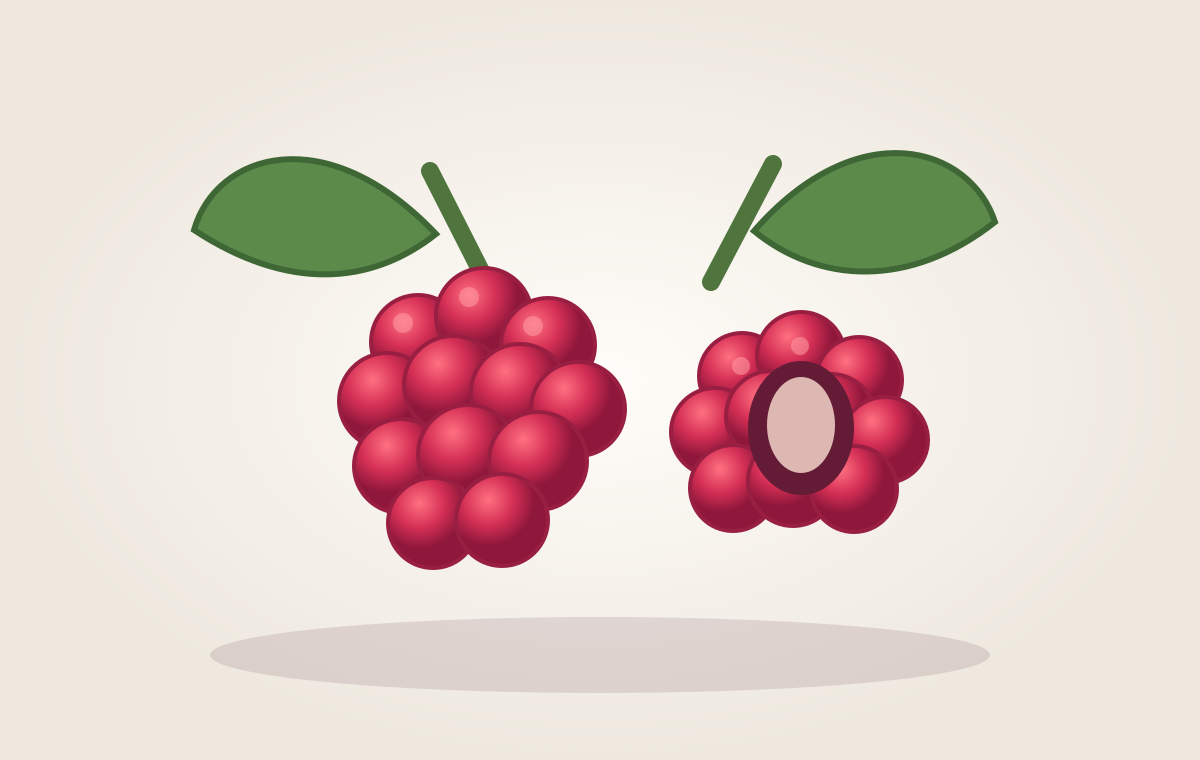
Raspberry
Raspberries are also aggregate Rubus fruits with notable fiber, but they are hollow when picked and have a different anthocyanin and ellagitannin profile.
View details →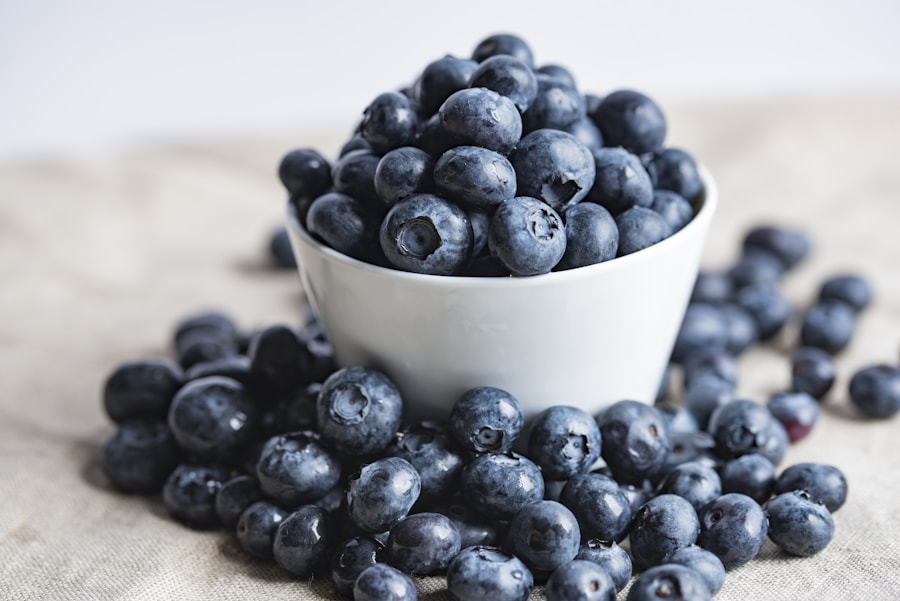
Blueberry
Blueberries also contain anthocyanins and have smaller seeds; their major anthocyanins are more diverse, while their dietary fiber content is usually lower than that of blackberries.
View details →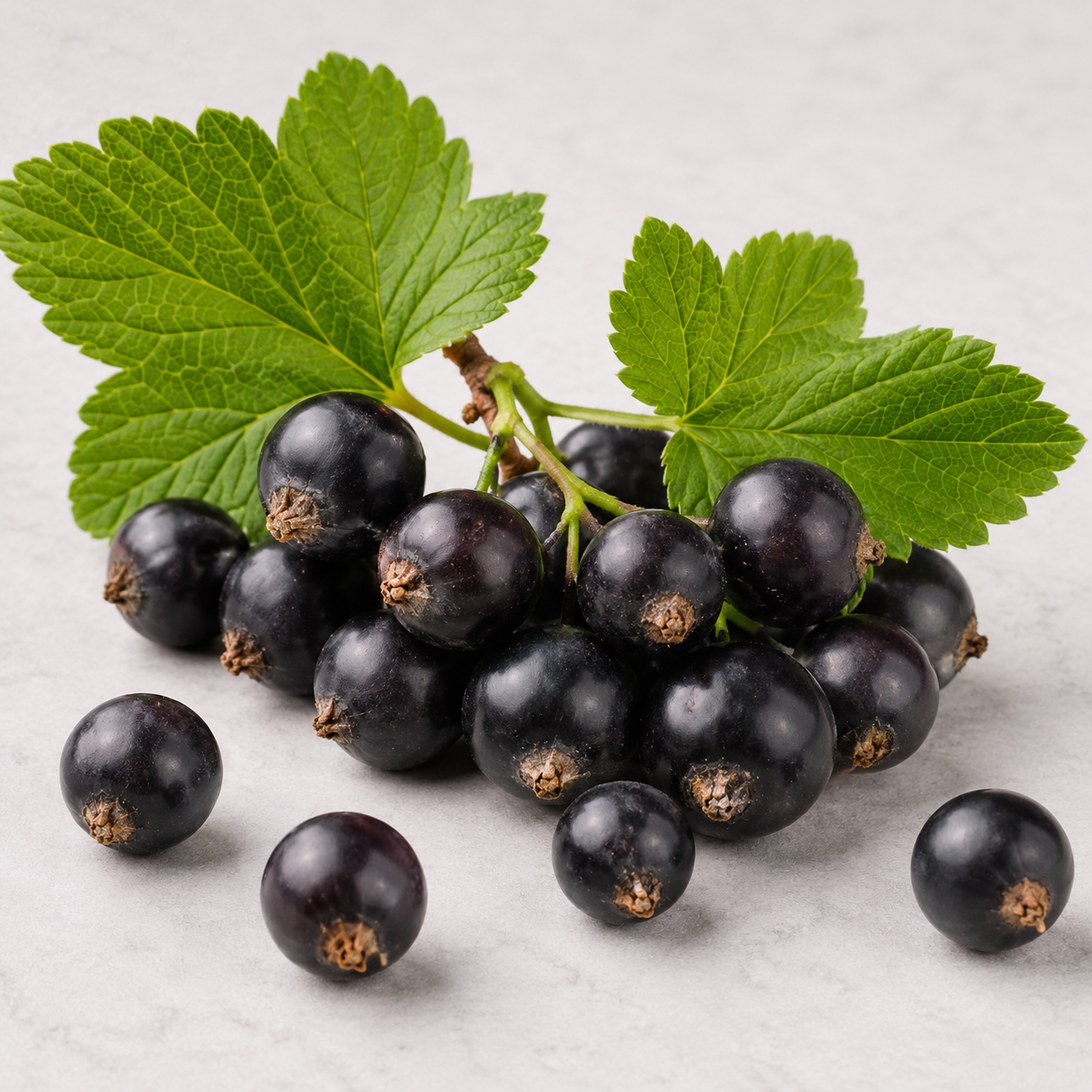
Blackcurrant
Blackcurrants are notable for vitamin C and delphinidin-derived anthocyanins, with a flavor that is usually tarter and more intense.
View details →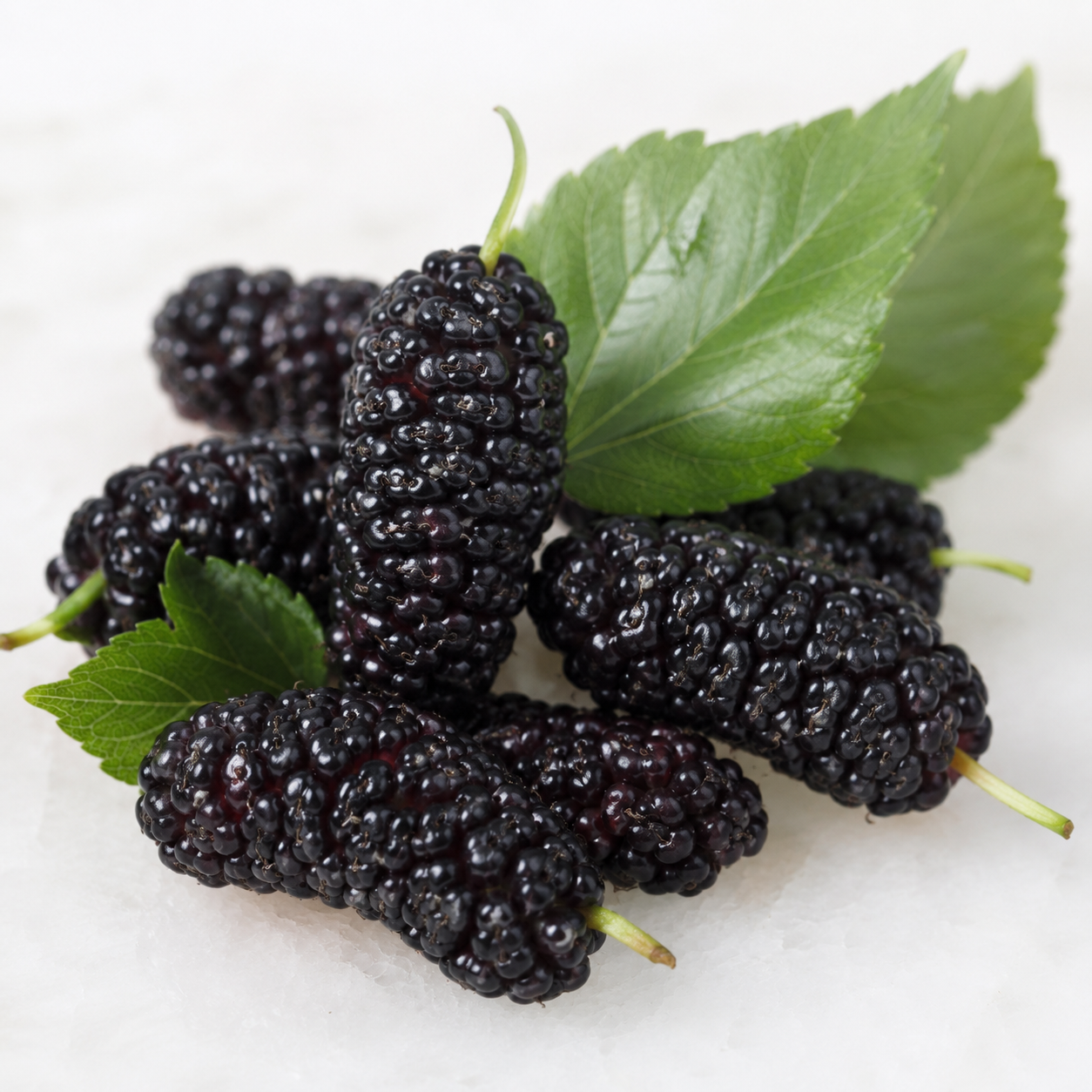
Black Mulberry
Black mulberries can look similar in color but come from mulberry trees and are usually more elongated.
View details →Data Sources & Last Updated
Nutrition Data
Basic Information & Food Safety
Research & References
Robinson JA, Bierwirth JE, Greenspan P, Pegg RB. (2020). Blackberry polyphenols: review of composition, quantity, and health impacts from in vitro and in vivo studies.
Journal of Food Bioactives, 9, 40–51. DOI / Original
Hager TJ, Howard LR, Prior RL, et al. (2008). Processing and Storage Effects on Monomeric Anthocyanins, Percent Polymeric Color, and Antioxidant Capacity of Processed Blackberry Products.
Journal of Agricultural and Food Chemistry, 56(3), 689–695. DOI / Original
Hager TJ, Howard LR, Prior RL, et al. (2010). Processing and Storage Effects on the Ellagitannin Composition of Processed Blackberry Products.
Journal of Agricultural and Food Chemistry, 58(22), 11749–11754. DOI / Original
Syamaladevi RM, et al. (2014). Changes in the Contents of Anthocyanins and Other Compounds in Blackberry Fruits Due to Freezing and Long-Term Frozen Storage.
Journal of Agricultural and Food Chemistry, 62(29), 6926–6935. DOI / Original
Tzima K, et al. (2023). Antioxidant Guided Fractionation of Blackberry Polyphenols.
Research article. DOI / Original