Vegetables · Dark green cruciferous vegetables
Chinese Kale
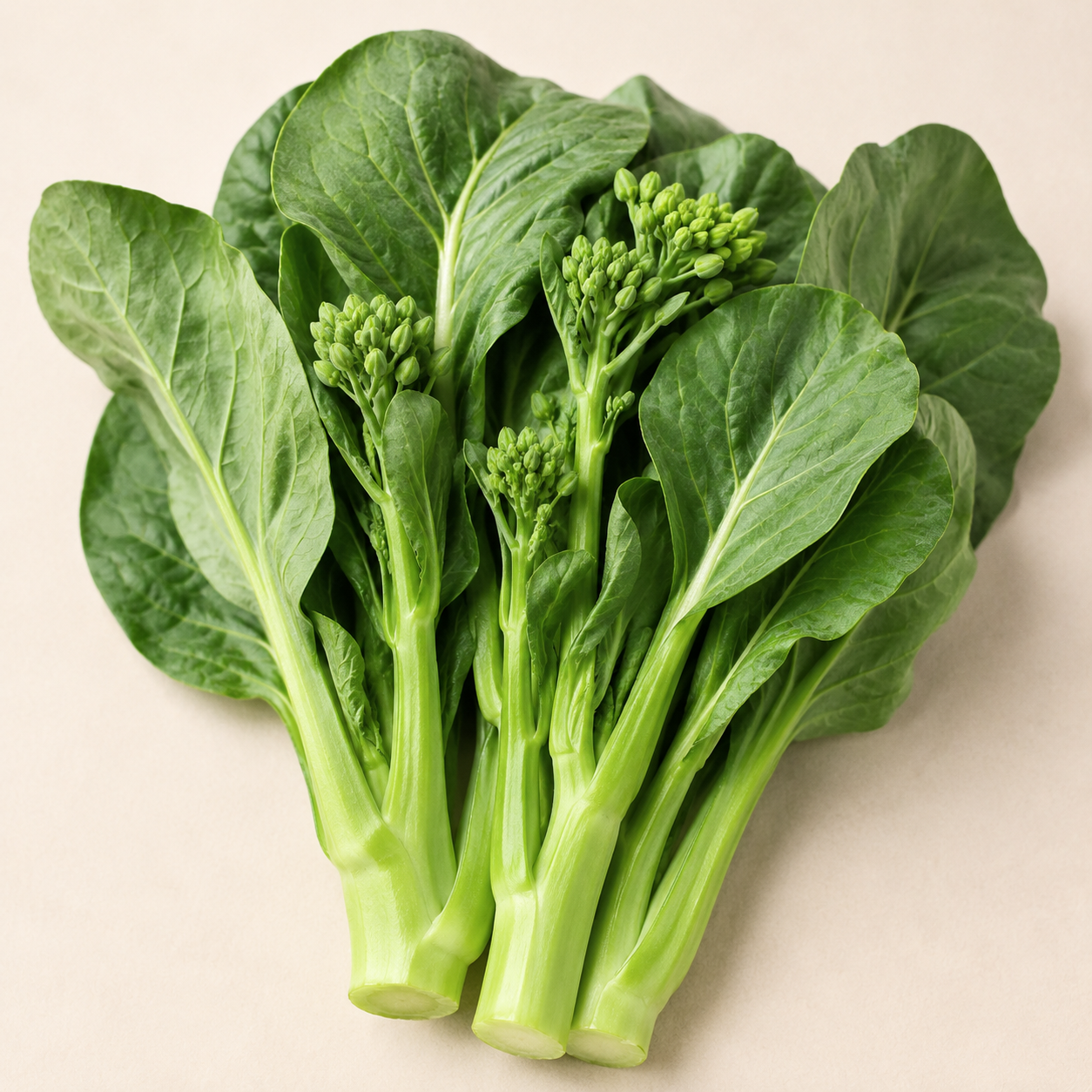
Chinese kale is a low-energy dark green cruciferous vegetable whose tender stems, leaves, and flowering shoots are all eaten. It provides dietary fiber, vitamin K, vitamin C, folate, carotenoids, and several glucosinolates and is well suited to brief steaming, blanching, or quick stir-frying.
Food Overview
Key strengths
Chinese kale provides about 26 kcal and 2.6 g dietary fiber per 100 g, along with vitamin K, vitamin C, folate, provitamin A carotenoids, calcium, potassium, and other nutrients.
How to eat it
The stems, leaves, and flowering shoots are all edible. Because thick stems take longer to cook than the leaves, steam, blanch, or stir-fry the stems first and add the leaves later to reduce overcooking, yellowing, and mushiness.
What stands out
Chinese kale contains glucosinolates, carotenoids, vitamin C, phenolic compounds, and chlorophyll. Research shows substantial differences among cultivars and among the leaves, stems, petioles, and inflorescences of the same plant, so phytochemical values from one sample should not be treated as fixed values for all Chinese kale.
Worth noting
Chinese kale is relatively high in vitamin K. People taking warfarin or other vitamin K antagonists generally do not need to avoid it completely, but intake should remain reasonably consistent rather than suddenly changing from very little to large daily amounts or concentrated vegetable juice.
Basic Nutrition
Showing:100 g Cooked Chinese kale
View complete nutrition data
GI note:GI varies with cultivar, food structure, processing, and cooking. Raw grains usually do not have directly applicable human GI data.
Cooked Chinese kale does not have a specific GI value traceable to standardized human testing.
Data notes:Basic nutrition data use separate raw and cooked Chinese kale entries from the USDA Standard Reference.
The cooked Chinese kale entry does not distinguish steaming, blanching, stir-frying, or cooking time, so this page labels it simply as “Cooked Chinese kale.”
Relevant University of Sydney resources do not provide a standardized human GI value suitable for direct entry, so GI is shown as “—” for both raw and cooked Chinese kale and online estimates are not used.
Vitamins & Minerals
Uses FDA Daily Values for adults and shows only nutrients that provide at least 5% of the Daily Value at the selected serving size.
View all vitamins and minerals
Percentages show how much the selected serving contributes to the adult Daily Value.
Key Bioactive Compounds
Glucosinolates
Sulfur-containing compoundsChinese kale is a cruciferous vegetable whose leaves, tender stems, and flowering shoots contain several glucosinolates, which contribute to its mild bitterness and plant-defense chemistry.
Glucosinolates are detectable in the leaves, tender stems, and flowering shoots, but total amounts and individual profiles vary substantially with cultivar, season, and plant part, so a single value is not representative.
Breakdown products formed after chopping have been studied for endogenous defense systems, oxidative stress, and metabolic responses.
Cut into pieces and use brief blanching, steaming, or quick stir-frying to keep a crisp-tender texture.
Its sulfur-containing compounds do not prove that Chinese kale can “detox,” prevent or treat cancer, or treat thyroid disease.
Lutein & beta-carotene
CarotenoidsThe green leaves contain lutein and beta-carotene, while chlorophyll masks these yellow and orange pigments.
Lutein and beta-carotene are concentrated mainly in the green leaves, though tender stems and flowering shoots also contain them.
Lutein helps support normal visual function, while beta-carotene can be converted to vitamin A and supports normal vision, skin, mucous membranes, and immune function.
Eat the leaves and tender stems together, using brief blanching, steaming, or stir-frying.
Chinese kale does not treat eye disease or immune problems, and measurements from individual plant parts should not be treated as the exact content of an entire serving.
Kaempferol & quercetin
FlavonolsChinese kale leaves and flowering shoots contain kaempferol, quercetin, and their glycosides, among its characteristic polyphenols.
Kaempferol, quercetin, and their glycosides are detectable in the leaves and flowering shoots, but studies often report dry-weight or total-phenolic values, so conversion to a single fresh-weight value is not appropriate.
These flavonols add to the diversity of dietary polyphenols provided by Chinese kale and contribute to antioxidant metabolism within an overall plant-rich diet.
Choose fresh dark green leaves and crisp tender flowering shoots, and limit prolonged boiling or repeated reheating.
Higher total phenolics or stronger in-vitro radical-scavenging activity after cooking does not necessarily mean a stronger anti-inflammatory effect in humans.
How Preparation Changes Chinese Kale
Raw Chinese kale
Thick stems and mature leaves are fairly firm and are not usually eaten raw in large amounts. Cooked forms are often easier to tolerate for people with sensitive digestion.
Steaming
Steaming avoids prolonged immersion in water and helps preserve a crisp stem texture. This was a specific sample and protocol and does not mean every household should microwave-steam Chinese kale for exactly four minutes.
Blanching
Once the water boils, add the cut thick stems first, then the leaves, and blanch briefly until bright green. Avoid prolonged cooking until yellow and completely soft followed by discarding all the cooking liquid.
Quick stir-frying
Separate the thick stems from the leaves. Use a little plant oil over medium to medium-high heat and cook quickly. Avoid using lots of oil, sugar, oyster sauce, soy sauce, or processed meat just to mask bitterness.
Boiling & soups
Chinese kale can be added to mushroom, tofu, fish, or mixed-vegetable soups, preferably near the end of cooking.
Cut pieces vs. whole stalks
Split thick stems lengthwise or cut them on the diagonal so the stems and leaves finish cooking at similar times. Cooking whole stalks at once often leaves the leaves overdone while thick stems remain firm.
How to Choose & Store Chinese Kale
How to choose
- Check the leaves: choose Chinese kale with naturally dark green, firm leaves and no extensive yellowing, pest damage, slime, or black spots.
- Check the stems: they should be plump, firm, and somewhat crisp, with cut ends that are not severely shriveled, browned, or slimy.
- Check the flowering shoots: buds should be fairly tight.
- Distinguish similar vegetables: Chinese kale is eaten for its thick tender stems, leaves, and small flowering shoots; kale is mainly eaten for its leaves; broccoli for its compact large florets and stalks; choy sum usually has thinner stems; and mustard greens often have a more pronounced peppery or mustard-like flavor.
How to store
- Unwashed Chinese kale: remove yellowed or damaged leaves, wrap in kitchen paper or place in a bag or container that retains some humidity, and refrigerate in the crisper drawer.
- Washed Chinese kale: drain thoroughly and blot excess moisture with clean kitchen paper.
- Cooked Chinese kale: refrigerate promptly in a shallow sealed container rather than leaving it at room temperature for long periods.
- Discard Chinese kale if the leaves are extensively yellow and mushy, stems are leaking or slimy, there is a sour or otherwise abnormal odor, mold is present, packaging is visibly swollen, or cooked Chinese kale has been left at room temperature for too long.
Look for dark green leaves, plump stems, and no sliminess or rot.
How to Use Chinese Kale in Everyday Meals
Garlic stir-fried Chinese kale
Separate thick stems from the leaves and slice the stems diagonally or split them lengthwise. Use a little plant oil, cook the stems with minced garlic first, then add the leaves once the stems begin to soften.
Blanched Chinese kale
Once the water is boiling, add the thick stems first, then the leaves, and blanch briefly until bright green and bite-tender.
Steamed Chinese kale
Split thicker stems lengthwise and arrange them separately from the leaves. Steam the stems first, then add the leaves, stopping while the stems still have some crispness.
Chinese kale with mushrooms & tofu
Quickly stir-fry Chinese kale with shiitake mushrooms, button mushrooms, wood ear mushrooms, tofu, or pressed tofu. Mushrooms and soy foods add texture and protein.
Chinese kale with eggs or fish
Cut Chinese kale into short pieces and pair with eggs, fish slices, shrimp, or a little lean meat. Cook the protein until nearly done, then add the leaves briefly to finish.
Add to soups & noodles
Chinese kale can be added to tofu soup, mushroom soup, fish soup, whole-wheat noodles, or buckwheat noodles. Add thick stems first and the leaves in the final 1–2 minutes.
Who Should Take Extra Care
People taking warfarin or other vitamin K antagonists
Raw Chinese kale contains about 89.1 μg vitamin K per 100 g, making changes in intake relevant for people using vitamin K antagonists.
People with thyroid disease or low iodine intake
Chinese kale contains glucosinolates and their breakdown products. People with adequate iodine intake eating normal vegetable portions do not need to automatically avoid Chinese kale because of thyroid concerns.
People with digestive sensitivity
The thick stems and mature leaves can be quite fibrous, and large amounts at once may cause bloating, increased gas, or digestive discomfort.
People with impaired kidney function
Chinese kale contains potassium, but its amount per 100 g is not among the highest of all leafy greens. Do not eliminate it solely because it contains potassium, and avoid large amounts of vegetable juice if potassium restriction is required.
Infants, older adults, and people with swallowing difficulties
Chinese-kale stems can be firm and fibrous. For infants, older adults, or people with swallowing difficulties, choose tender stems, peel tough outer layers, cook thoroughly until soft, and cut into short pieces appropriate for swallowing to reduce choking risk from whole stalks or long fibers.
People with a known allergy to cruciferous vegetables
Chinese-kale allergy is uncommon, but people with a known allergy to cabbage, broccoli, mustard greens, or other cruciferous foods should watch for reactions when eating it for the first time.
Similar Food Alternatives
Broccoli
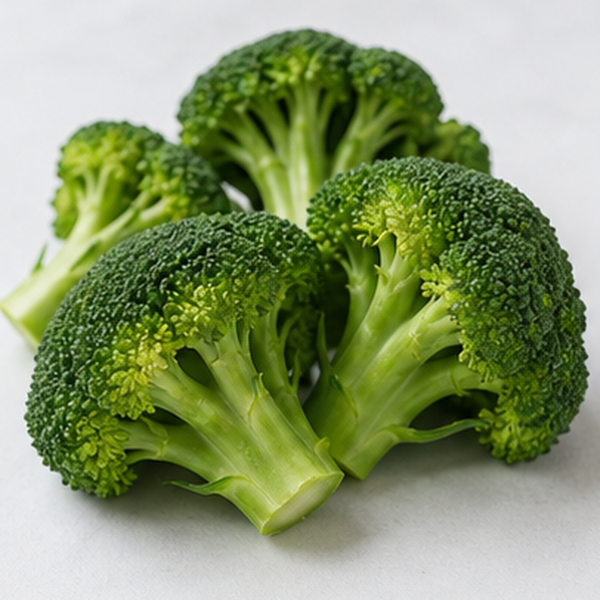
Another Brassica oleracea cruciferous vegetable that provides vitamin C, vitamin K, dietary fiber, carotenoids, and glucosinolates.
View details →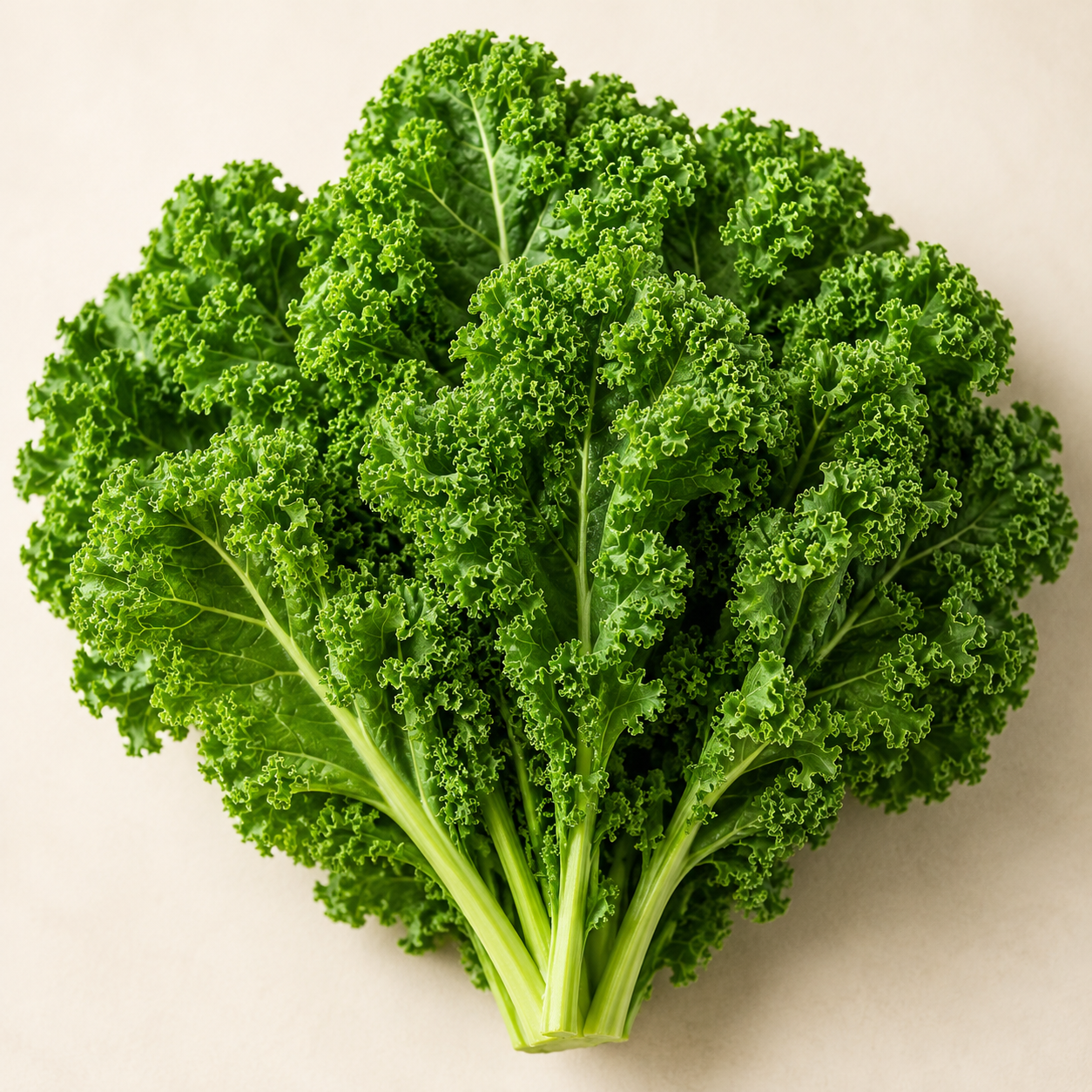
Kale
Another dark green Brassica vegetable providing vitamin K, vitamin C, carotenoids, and glucosinolates.
View details →Choy sum
Choy sum also works well blanched, steamed, or quickly stir-fried, and its stems and leaves are more tender, so home cooking is similar to Chinese kale.
View details →Bok choy or Shanghai bok choy
Widely available and suitable for stir-fries, steaming, soups, and noodle dishes, these can substitute as dark green vegetables when Chinese kale is unavailable.
View details →Data Sources & Last Updated
Nutrition Data
Basic Information & Food Safety
Research & References
Chang J, Wang M, Jian Y, et al. (2019). Health-promoting phytochemicals and antioxidant capacity in different organs from six varieties of Chinese kale.
Scientific Reports, 9, 20344. DOI / Original
Chin L, Therdthai N, Ratphitagsanti W. (2022). Effect of conventional and microwave cooking conditions on quality and antioxidant activity of Chinese kale (Brassica alboglabra).
Applied Food Research, 2(1), 100079. DOI / Original
Linus Pauling Institute, Oregon State University (). Cruciferous Vegetables
Micronutrient Information Center. DOI / Original