Nuts & Seeds · Tree nuts
Hazelnuts
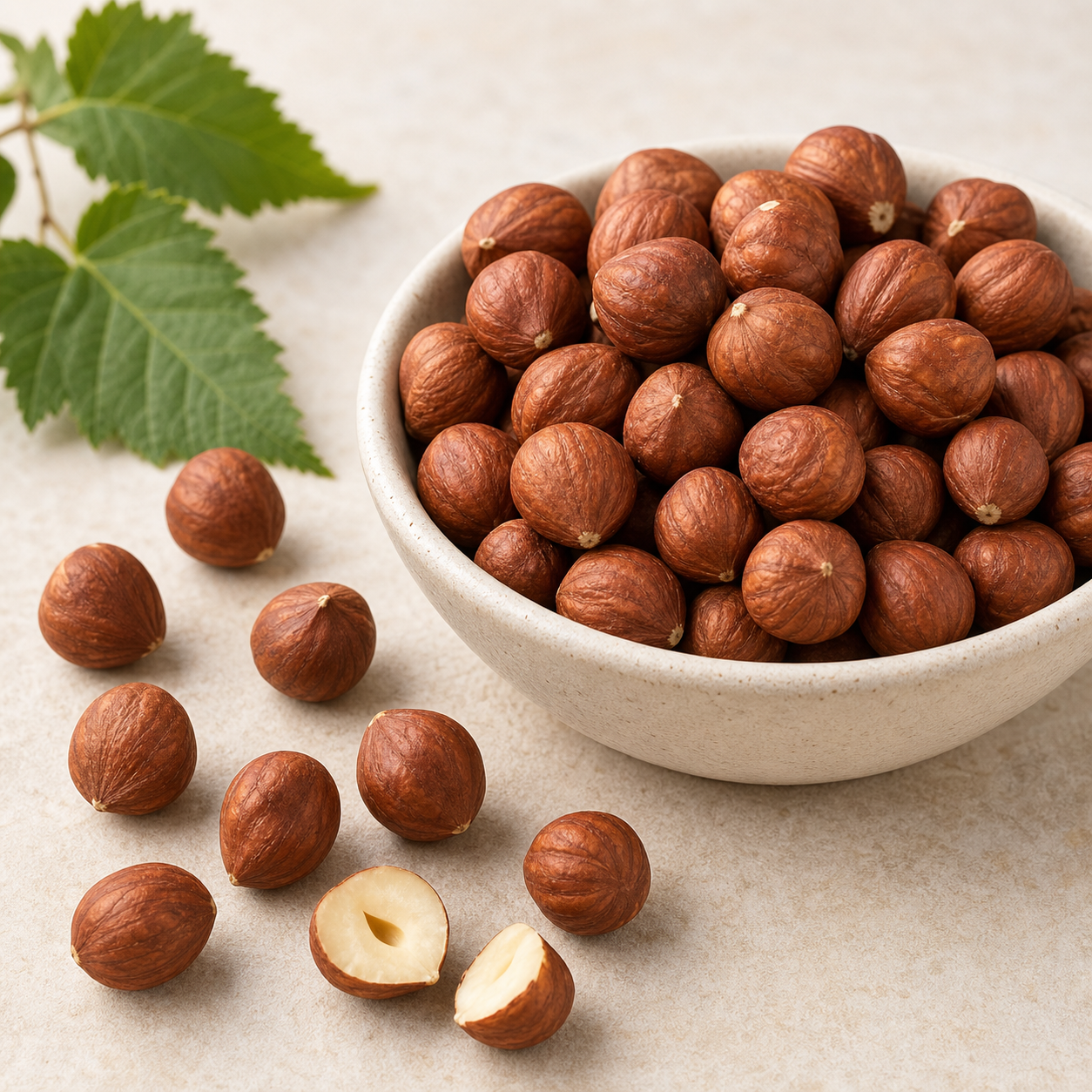
Hazelnuts are the mature kernels of Corylus avellana. Their fat is dominated by oleic-acid-rich monounsaturated fat, they are a strong source of alpha-tocopherol, and the thin brown skin contains proanthocyanidins, catechins, and other polyphenols.
Overview
Key strengths
A 25 g serving of raw hazelnuts provides about 15.2 g fat, including roughly 11.4 g monounsaturated fat, plus about 3.76 mg alpha-tocopherol.
How to eat it
Use a small portion of plain hazelnuts in place of some chips, cookies, candy, or creamy snacks. They pair well with fruit, oats, plain yogurt, vegetable salads, or whole-grain dishes.
What stands out
The thin brown skin is not waste. It contains catechin, epicatechin, proanthocyanidins, and other polyphenols, so there is usually no need to remove all of it for everyday eating.
Worth noting
Hazelnuts are energy-dense: 25 g provides about 157 kcal. They work best as a measured portion. Hazelnuts are also tree nuts and can cause severe allergic reactions.
Basic Nutrition
Showing:100 g Raw hazelnut kernels
View complete nutrition data
GI note:GI varies with cultivar, food structure, processing, and cooking. Raw grains usually do not have directly applicable human GI data.
Most whole nuts contain too little available carbohydrate for a useful standard GI test. Do not replace “not available” with GI 0, 15, or an estimated value.
Data notes:Values are for shelled raw European hazelnuts with the thin brown skin intact and no added salt, sugar, or oil.
The first version uses one nutrition state only: raw hazelnut kernels.
All base nutrition, fatty acids, and micronutrients use USDA SR Legacy “Nuts, hazelnuts or filberts” (NDB 12120) rather than mixing datasets.
Vitamins & Minerals
Values default to 100 g raw hazelnuts and scale to the 25 g serving. Only nutrients reaching at least 5% of the adult Daily Value at the selected amount are shown.
Vitamin E Daily Value is based on alpha-tocopherol, so hazelnut’s 15.03 mg alpha-tocopherol per 100 g can be used directly for DV calculations.
View all vitamins and minerals
Percentages show how much the selected serving contributes to the adult Daily Value.
Key Bioactive Compounds
Alpha-Tocopherol
Vitamin EAlpha-tocopherol is the main form of vitamin E used by the body, and hazelnuts are a notable nut source.
Raw hazelnuts provide about 15.03 mg alpha-tocopherol per 100 g, or 3.76 mg per 25 g, about 25% of the adult Daily Value.
Alpha-tocopherol supports antioxidant defense. A 48-person crossover study found higher blood alpha-tocopherol after 30 g/day hazelnuts.
Choose fresh plain hazelnuts; raw or gently roasted forms are both reasonable. Store opened nuts sealed, dark, and refrigerated.
Hazelnut vitamin E is not equivalent to high-dose supplements and does not by itself treat cardiovascular disease, skin aging, or other conditions.
Oleic Acid
Monounsaturated fatty acidOleic acid is the main fatty acid in hazelnuts and a major monounsaturated fat also found in olive oil and avocado.
Raw hazelnuts provide about 45.4 g oleic acid per 100 g, or 11.35 g per 25 g. Ratios vary by cultivar and growing conditions.
Replacing foods high in saturated fat with hazelnuts can improve dietary fat quality and may help lower LDL cholesterol.
Use about 25 g plain hazelnuts as a replacement for cookies, rich desserts, processed snacks, or some butter.
Oleic acid is not unique to hazelnuts or a drug; any lipid benefit depends on what the nuts replace and the overall diet.
Proanthocyanidins, catechins & other polyphenols
Flavan-3-ols & phenolic compoundsHazelnut polyphenols include proanthocyanidins, catechin, epicatechin, gallic acid, and other flavan-3-ols and phenolics.
Fixed amount: —. Levels vary with cultivar, region, year, method, roasting, and skin retention. The brown skin is especially polyphenol-rich.
These compounds contribute to laboratory antioxidant activity, while whole-hazelnut effects reflect unsaturated fat, vitamin E, fiber, minerals, and polyphenols together.
Keep the brown skin when practical; mild astringency is normal. Use moderate heat for short roasting and avoid charring.
Antioxidant or antiglycation effects of skin extracts in vitro do not show that ordinary hazelnut portions treat diabetes, inflammation, or cancer.
Raw vs. processed
Raw hazelnut kernels
This is the default nutrition state. Raw hazelnuts retain their original fatty acids, alpha-tocopherol, fiber, and brown skin without added salt, sugar, or oil.
Gently dry-roasted hazelnuts
Moderate roasting improves aroma and crunch. USDA unsalted dry-roasted hazelnuts are a separate food entry, so raw data should not simply be renamed. At home, use moderate heat, shorten the time, turn the nuts, and stop before charring.
Skinned hazelnuts
Removing the brown skin gives a milder texture but also removes a polyphenol-rich layer. When comparing raw and roasted hazelnuts, separate the effect of heat from the effect of skin loss.
High-temperature or prolonged roasting
Roasting effects on polyphenols and antioxidant measures vary by cultivar, time, and temperature. Cooked hazelnuts are not automatically more or less nutritious, but heavy charring and prolonged high heat are not useful.
Chopped or ground
Chopping and grinding make hazelnuts easier to use in oats, yogurt, and sauces but increase air exposure and odor absorption. Chop close to use and keep hazelnut meal or butter sealed and refrigerated.
Salted or flavored hazelnuts
Salted products can contain far more sodium than the 0 mg/100 g in raw hazelnuts. Honey, caramel, chocolate, or butter flavors may also add sugar, saturated fat, and calories.
Chocolate hazelnut spread
These spreads usually contain sugar, plant oils, cocoa, milk powder, or other ingredients and are nutritionally very different from whole hazelnuts.
Hazelnut oil
Hazelnut oil mainly provides fat and fat-soluble compounds and does not retain the whole kernel’s protein, fiber, or most minerals. Treat it as a separate food.
How to Choose & Store
How to choose
- Prefer plain products containing only hazelnuts, with minimal added sugar, syrup, palm oil, shortening, butter, salt, or flavorings.
- Hazelnuts with the brown skin intact usually retain more skin polyphenols; there is no need to seek unusually pale or fully skinned nuts.
- Choose plump, dry kernels with little breakage and no insect holes, mold, or unusual oil seepage.
- Avoid hazelnuts with paint-like, crayon-like, stale-oil, rancid, or moldy odors.
How to store
- For short-term use, keep hazelnuts airtight in a cool, dry, dark place away from heat and sunlight.
- If they will not be eaten quickly after opening, refrigerate them; cool airtight storage slows rancid flavors.
- For longer storage, freeze in small portions. In-shell nuts usually keep longer than shelled, and whole kernels longer than sliced or ground forms.
- Do not store open hazelnuts beside onions, garlic, spices, or other strongly scented foods.
Choose hazelnuts with four things in mind: plain and unsalted, skin retained, fresh smell, and cool airtight storage.
How to Eat It
Eat as a measured nut portion
Use about 25 g plain hazelnuts as a small snack with fruit or plain yogurt. Pre-portioning makes quantity easier to control and avoids the need for chocolate, honey, or sugar coatings.
Add to oats or plain yogurt
Lightly chop hazelnuts over oatmeal, overnight oats, or plain yogurt with berries, apple, or cinnamon. Add them close to serving time rather than simmering them for a long time.
Add to vegetable salads
Chop hazelnuts into salads with leafy greens, tomatoes, peppers, cabbage, beans, or a little cheese. Dress with olive oil, vinegar, lemon, and herbs instead of sugary or creamy sauces.
Pair with roasted vegetables or whole grains
Sprinkle hazelnuts over pumpkin, carrots, cauliflower, mushrooms, brown rice, or quinoa after cooking so the nuts do not undergo a second long high-heat step.
Make lower-sugar hazelnut butter
Briefly roast hazelnuts and blend until their own oils release; large amounts of added oil are usually unnecessary.
Add a little unsweetened cocoa or cinnamon for flavor if desired, but avoid large amounts of sugar, condensed milk, or cream.
Make a hazelnut herb sauce
Blend hazelnuts with basil, parsley, garlic, lemon, and a little olive oil for whole-grain pasta, fish, tofu, or roasted vegetables.
Hazelnuts are already high in fat, so only a small amount of added oil is needed for texture.
Use in baking
Hazelnuts can be used in whole-grain bread, oat bars, or lower-sugar muffins. Keep added sugar, butter, cream, and refined flour modest; adding hazelnuts does not make a sugary pastry a health food.
Who Should Take Extra Care
People with hazelnut or tree-nut allergy
Hazelnuts are a major tree-nut allergen. People with diagnosed allergy should avoid them and check chocolate, pastries, ice cream, nut butter, and mixed nuts for hazelnut and cross-contact warnings. Breathing difficulty, throat tightness, facial or tongue swelling, or altered consciousness requires emergency care.
People with pollen-food allergy syndrome
Some people with birch-pollen allergy develop mouth or throat itching after raw hazelnuts. Anyone with a history of clear reactions should be evaluated by an allergy specialist rather than testing safety at home.
Infants, young children, and people with swallowing difficulties
Whole hazelnuts and large pieces can cause choking. For children under 5, use age-appropriate finely ground hazelnut, a small amount mixed into porridge or yogurt, or a thin layer of smooth pure hazelnut butter rather than whole nuts or spoonfuls of thick nut butter.
People Managing Total Energy Intake
A 25 g serving provides about 157 kcal. Hazelnuts work best as a replacement for other foods rather than as a large extra addition.
People with digestive sensitivity
A very large portion may cause fullness, nausea, abdominal discomfort, or bowel changes. Start around 10–15 g if needed and adjust to tolerance.
People with kidney disease or mineral restrictions
Hazelnuts contain magnesium, phosphorus, potassium, copper, and manganese. People with strict potassium, phosphorus, or protein limits should follow their individualized meal plan.
Rancid or moldy hazelnuts
Discard hazelnuts with clear rancid, paint-like, moldy, unusually oily, or bitter signs. Roasting, adding sugar, or adding chocolate cannot restore spoiled nuts.
Similar Food Alternatives
Almonds
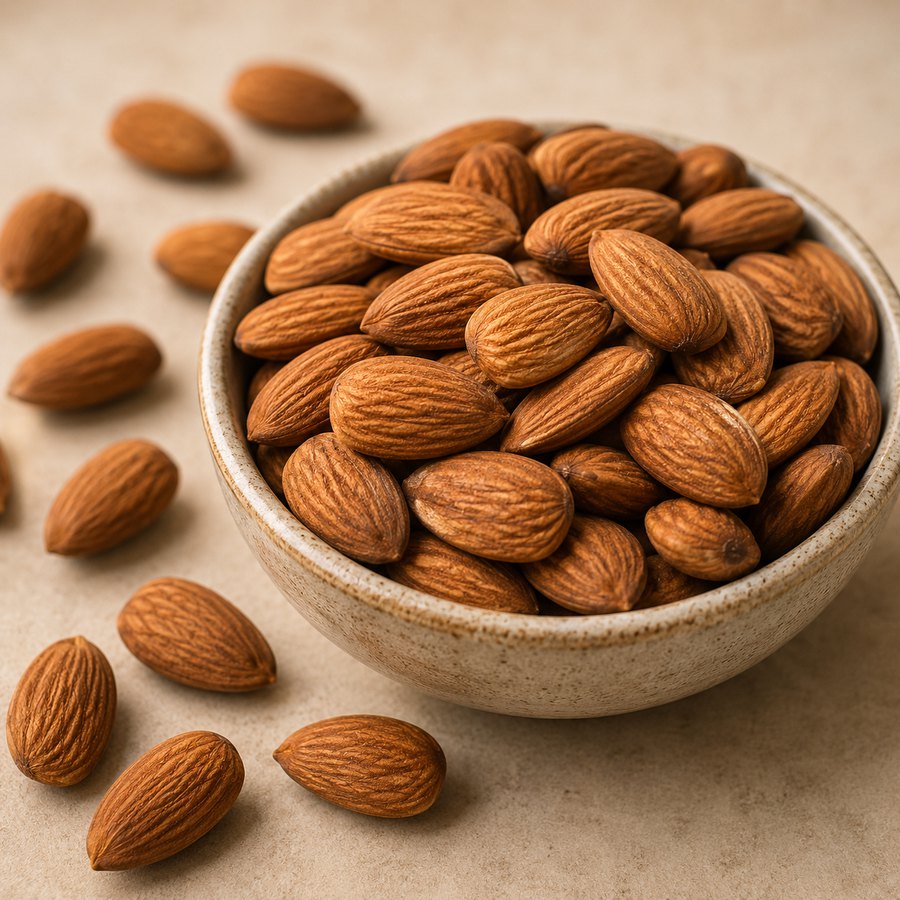
Almonds are also rich in alpha-tocopherol and monounsaturated fat and provide more calcium and fiber, but their flavor and polyphenol profile differ.
View details →Pistachios
Pistachios also provide unsaturated fat, protein, lutein, and several phenolics; unsalted products are the better default.
View details →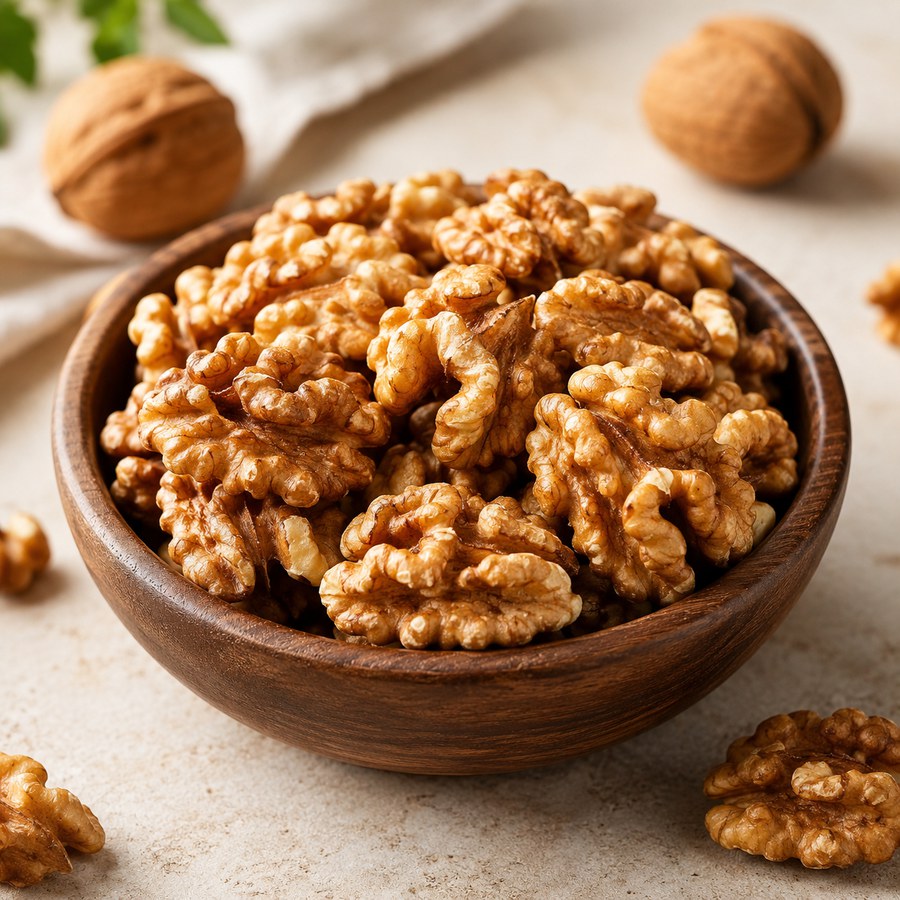
Pecans
Pecans are rich in monounsaturated fat and polyphenols, but their vitamin E forms and mineral profile are not the same as hazelnuts.
View details →Walnuts
Walnuts provide more polyunsaturated fat and ALA-type plant omega-3, giving them a very different fatty-acid profile from oleic-acid-rich hazelnuts.
View details →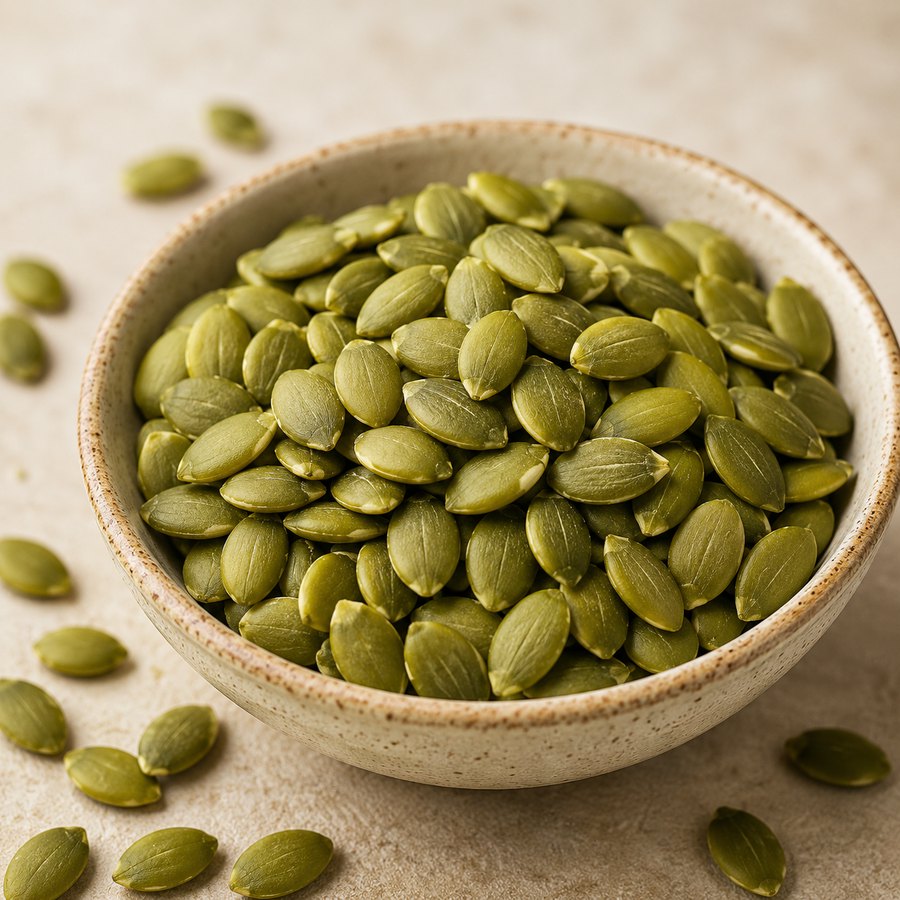
Pumpkin Seeds
Pumpkin seeds are useful for adding seeds, magnesium, zinc, and protein but are not an equal substitute for hazelnut vitamin E or oleic acid.
View details →Data Sources & Last Updated
Nutrition Data
Basic Information & Food Safety
Research & References
Del Rio D, et al. (2011). Polyphenolic Composition of Hazelnut Skin.
Journal of Agricultural and Food Chemistry, 59(18), 9935–9941. DOI / Original
Schmitzer V, et al. (2011). Roasting Affects Phenolic Composition and Antioxidative Activity of Hazelnuts.
Journal of Food Science, 76(1), 14–18. DOI / Original
Król K, et al. (2020). Effect of Climate and Roasting on Polyphenols and Tocopherols in the Kernels and Skin of Six Hazelnut Cultivars.
Agriculture, 10(2), 36. DOI / Original
Jakopic J, et al. (2022). The Effects of the Cultivar and Environment on the Phenolic Contents of Hazelnut Kernels.
Plants, 11, 3051. DOI / Original
Tey SL, et al. (2011). Effects of Different Forms of Hazelnuts on Blood Lipids and α-Tocopherol Concentrations in Mildly Hypercholesterolemic Individuals.
European Journal of Clinical Nutrition, 65, 117–124. DOI / Original
Mercanligil SM, et al. (2007). Effects of Hazelnut-Enriched Diet on Plasma Cholesterol and Lipoprotein Profiles in Hypercholesterolemic Adult Men.
Research article. DOI / Original
Orem A, et al. (2013). Hazelnut-Enriched Diet Improves Cardiovascular Risk Biomarkers Beyond a Lipid-Lowering Effect.
Research article. DOI / Original