Vegetables · Cruciferous vegetables
Broccoli
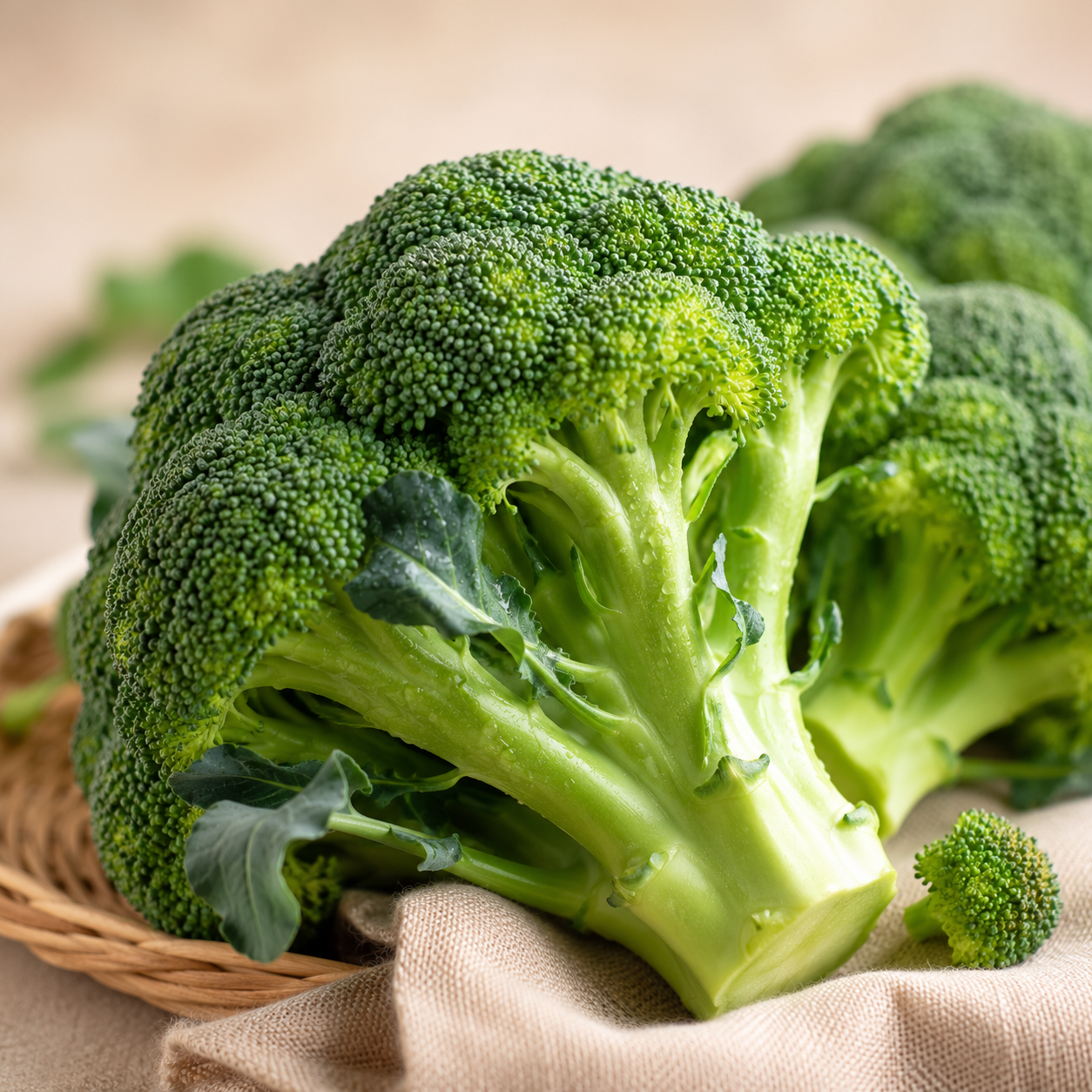
Broccoli is a low-energy cruciferous vegetable rich in vitamins C and K. Its glucosinolates can form compounds such as sulforaphane when chopped or chewed. Short steaming or quick stir-frying are practical choices; broccoli is a food, not a treatment.
Food Overview
Key strengths
Raw broccoli provides about 34 kcal per 100 g, plus vitamin C, vitamin K, folate, potassium, and dietary fiber. It is best treated as a vegetable, not a staple food or major protein source.
How to eat it
Steam, blanch, microwave, stir-fry, or roast it briefly. Florets and tender stems are both edible; peel tougher stalks before slicing.
What stands out
Broccoli is known for glucosinolates. Chopping or chewing lets myrosinase convert some of them into compounds such as sulforaphane.
Worth noting
Broccoli has too little available carbohydrate for a useful standardized GI value. The commonly cited GI of 15 is not used here.
Basic Nutrition
Showing:100 g Boiled broccoli
View complete nutrition data
GI note:GI varies with cultivar, food structure, processing, and cooking. Raw grains usually do not have directly applicable human GI data.
Boiled, drained broccoli also has no suitable standardized human GI value.
Data notes:Nutrition data use USDA entries for raw broccoli and broccoli cooked in water and drained. They are separate samples, so they should not be used to calculate exact cooking losses.
A reliable starch value is not available, so starch is shown as “—”.
Broccoli contains only a small amount of omega-3, mainly ALA, and is not a substitute for fish, walnuts, flaxseed, or chia seeds.
Vitamins & Minerals
Uses FDA Daily Values for adults and shows only vitamins and minerals that provide at least 5% of the Daily Value in the selected serving.
Some nutrients may appear higher per 100 g after cooking because water content and sampled foods differ. Cooking does not create these nutrients.
View all vitamins and minerals
Percentages show how much the selected serving contributes to the adult Daily Value.
Key Bioactive Compounds
Glucoraphanin & sulforaphane
Glucosinolates and isothiocyanatesBroccoli contains glucoraphanin. When plant cells are chopped or chewed, myrosinase can convert it into sulforaphane.
Research samples report about 29–36 μmol of glucoraphanin per 100 g of raw broccoli; levels vary widely with cultivar, freshness, storage, and cooking.
Sulforaphane has been studied for antioxidant-defense and metabolic pathways, but human effects are still variable.
Chop or chew before short steaming or quick stir-frying. Avoid prolonged boiling when possible.
Broccoli is not a cancer or diabetes treatment, and ordinary servings are not equivalent to concentrated sulforaphane supplements.
Indole glucosinolates
Sulfur-containing compoundsBroccoli also contains indole glucosinolates such as glucobrassicin, which form different breakdown products when the tissue is cut or chewed.
They occur in florets and tender stems, but amounts vary too much by cultivar and plant part for one useful value per 100 g.
Research has examined these compounds in cellular-defense and hormone-metabolism pathways, but clear everyday health effects are not established.
Chopping, chewing, and brief gentle cooking are reasonable. Prolonged high heat can reduce some glucosinolates.
They should not be described as “detoxing” the body or “balancing hormones.”
Lutein & zeaxanthin
CarotenoidsLutein and zeaxanthin are carotenoids found in broccoli’s green tissues and are also part of the eye’s macular pigment.
Raw broccoli contains about 1,400 μg per 100 g, mainly in green tissues. Actual levels vary with cultivar and storage.
They contribute to normal visual function and antioxidant defense in eye tissues.
Short cooking and a small amount of plant oil can help make carotenoids easier to absorb.
Lutein-rich foods support a healthy diet but do not treat cataracts, macular degeneration, or vision loss.
How Cooking Changes Broccoli
Raw broccoli
Raw broccoli keeps active myrosinase and more vitamin C, but may cause more bloating in some people. Rinse under running water before eating.
There is no need to eat large amounts raw just to maximize sulforaphane.
Chopping & chewing
Chopping and chewing break plant cells and bring glucoraphanin into contact with myrosinase.
The popular “wait exactly 40 minutes” rule is not universal.
Short steaming
Short steaming is one of the most practical options. Cook until bright green and just tender rather than yellow and very soft.
Boiling & blanching
Vitamin C and glucosinolates can move into cooking water.
Quick blanching usually causes less loss than prolonged boiling; in soups, some compounds remain in the broth.
Microwaving
Short microwaving with little added water can preserve nutrients reasonably well. Long, high-power cooking with more water can cause greater losses.
Quick stir-frying
Quick stir-frying keeps some crispness and uses little water. Use a small amount of oil and avoid prolonged frying or heavy salty sauces.
Roasting & air-frying
Roasting adds flavor and crisp edges. Use modest oil and avoid heavy charring, excess cheese powder, and high-sodium seasoning.
Frozen broccoli
Frozen broccoli is usually blanched before freezing, which can reduce myrosinase activity.
It is still a nutritious, convenient source of fiber, vitamins, and minerals.
Broccoli sprouts
Broccoli sprouts are young seedlings, not miniature broccoli. Their glucoraphanin levels and food-safety risks differ, so the nutrition data on this page do not apply to them.
How to Choose & Store
How to choose
- Choose tightly packed green or slightly purple florets. Extensive yellowing or flowering usually means longer storage.
- Stems should feel firm, with no major browning, cracks, leaking, or rot.
- Avoid broccoli with slime, mold, sour smells, or rotten odors.
- For pre-cut broccoli, choose refrigerated packages without pooled water or off odors.
How to store
- Store unwashed broccoli refrigerated with some airflow and aim to use it within about 3–5 days.
- After washing or cutting, dry the surface, refrigerate in a sealed container, and use promptly.
- Wash under running water; soap, detergent, bleach, and produce washes are unnecessary.
- Refrigerate cooked broccoli promptly and generally use leftovers within 3–4 days.
- Discard broccoli with mold, slime, off odors, major softening, leaking, or unsafe room-temperature storage.
Look for tight green florets, firm stems, no slime or off odors, and refrigerate promptly.
Easy Ways to Eat Broccoli
Steamed broccoli
Steam until bright green and just tender. Pair with fish, chicken, eggs, tofu, or beans, then season lightly with plant oil, lemon, vinegar, or herbs.
Quick-blanched broccoli salad
Blanch briefly and drain, then mix with mushrooms, carrots, tofu, shrimp, or chicken. Use soy sauce, oyster sauce, and chili oil sparingly.
Quick stir-fried broccoli
Stir-fry with peppers, mushrooms, onion, tofu, eggs, shrimp, or lean meat. Add thick stems first and florets later so both finish at the right texture.
Broccoli vegetable soup
Add near the end of vegetable, bean, tofu, fish, or chicken soup. Avoid simmering until yellow and keep cream, processed meat, and salty stock cubes modest.
Broccoli grain bowl
Pair steamed broccoli with brown rice, quinoa, buckwheat, chickpeas, tofu, eggs, or fish. Use a light dressing rather than a sweet, heavy sauce.
Moderately roasted broccoli
Roast with a small amount of oil and spices until lightly browned. Avoid heavy charring and large amounts of bacon, cream, or cheese.
Who Should Take Extra Care
People taking warfarin
Broccoli is rich in vitamin K, which can affect warfarin. You usually do not need to avoid it completely; consistency matters.
Discuss major dietary changes with your doctor or anticoagulation clinic and monitor INR as advised.
People prone to bloating or gas
Broccoli can cause gas or bloating in some people. Start with a smaller portion, chew well, and try steamed or well-cooked broccoli if raw broccoli is uncomfortable.
People with thyroid disorders
With adequate iodine intake, moderate amounts of cooked broccoli usually do not need special restriction. Avoid relying on very large amounts of one raw cruciferous vegetable over long periods.
People with impaired kidney function
Raw broccoli contains about 316 mg of potassium per 100 g. If you need strict potassium restriction, consider the actual portion and the rest of the meal.
Infants, young children, and people with swallowing difficulties
Cook until soft and cut, mash, or size pieces appropriately for chewing and swallowing ability. Large florets and tough stems can be choking hazards.
People at higher risk from raw foods
Pregnant people, young children, older adults, and people with weakened immune systems should pay extra attention to washing, refrigeration, and cross-contamination when eating raw broccoli.
People with broccoli allergy
Broccoli allergy is uncommon but possible. Hives, lip or throat swelling, wheezing, or repeated vomiting need prompt medical attention.
Similar Food Alternatives
Cauliflower
Similar cooking methods, but a different vitamin, carotenoid, and glucosinolate profile.
View details →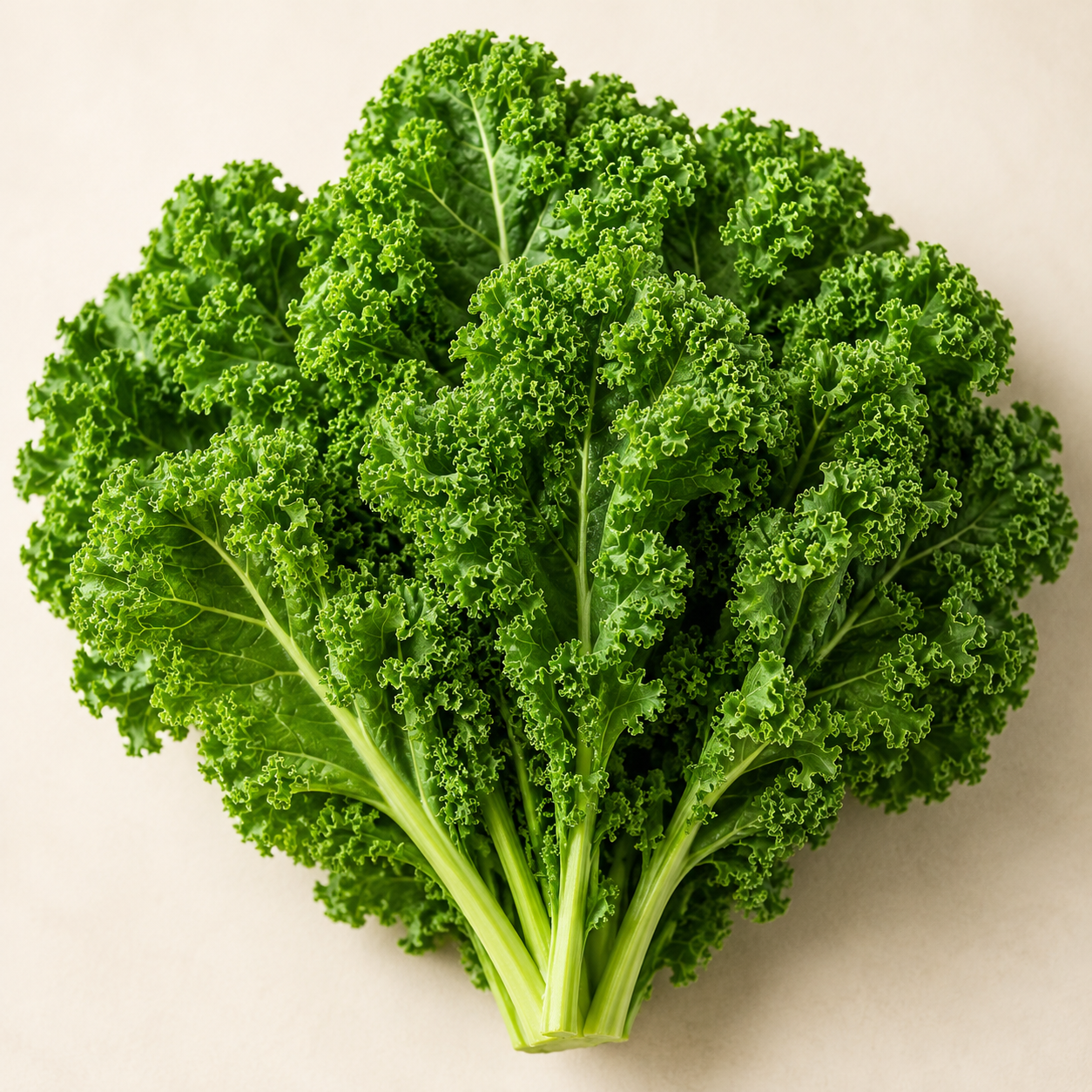
Kale
A leafy crucifer rich in vitamin K and carotenoids; good blanched, stir-fried, or in soups.
View details →
Bok choy
A tender-stemmed crucifer that cooks quickly; its glucosinolate profile differs from broccoli.
View details →Data Sources & Last Updated
Nutrition Data
Basic Information & Food Safety
Research & References
Yuan, G. F., Sun, B., Yuan, J., & Wang, Q. M. (2009). Effects of different cooking methods on health-promoting compounds of broccoli.
Journal of Zhejiang University Science B, 10(8), 580–588. DOI / Original
Jones, R. B., et al. (2010). Cooking method significantly affects glucosinolate content and sulforaphane production in broccoli florets.
Food Chemistry, 123(2), 237–242. DOI / Original
Wang, G. C., et al. (2012). Impact of thermal processing on sulforaphane yield from broccoli.
Journal of Agricultural and Food Chemistry, 60(27), 6743–6748. DOI / Original
Saha, S., et al. (2012). Isothiocyanate concentrations and interconversion of sulforaphane to erucin in human subjects after consumption of commercial frozen broccoli compared to fresh broccoli.
Molecular Nutrition & Food Research, 56(12), 1906–1916. DOI / Original
Okunade, O., et al. (2018). Supplementation of the diet by exogenous myrosinase via mustard seeds to increase the bioavailability of sulforaphane in healthy human subjects after the consumption of cooked broccoli.
Molecular Nutrition & Food Research, 62(18), 1700980. DOI / Original
Yagishita, Y., et al. (2019). Broccoli or sulforaphane: Is it the source or dose that matters?
Molecules, 24(19), 3593. DOI / Original