Vegetables · Dark green leafy and cruciferous vegetables
Kale
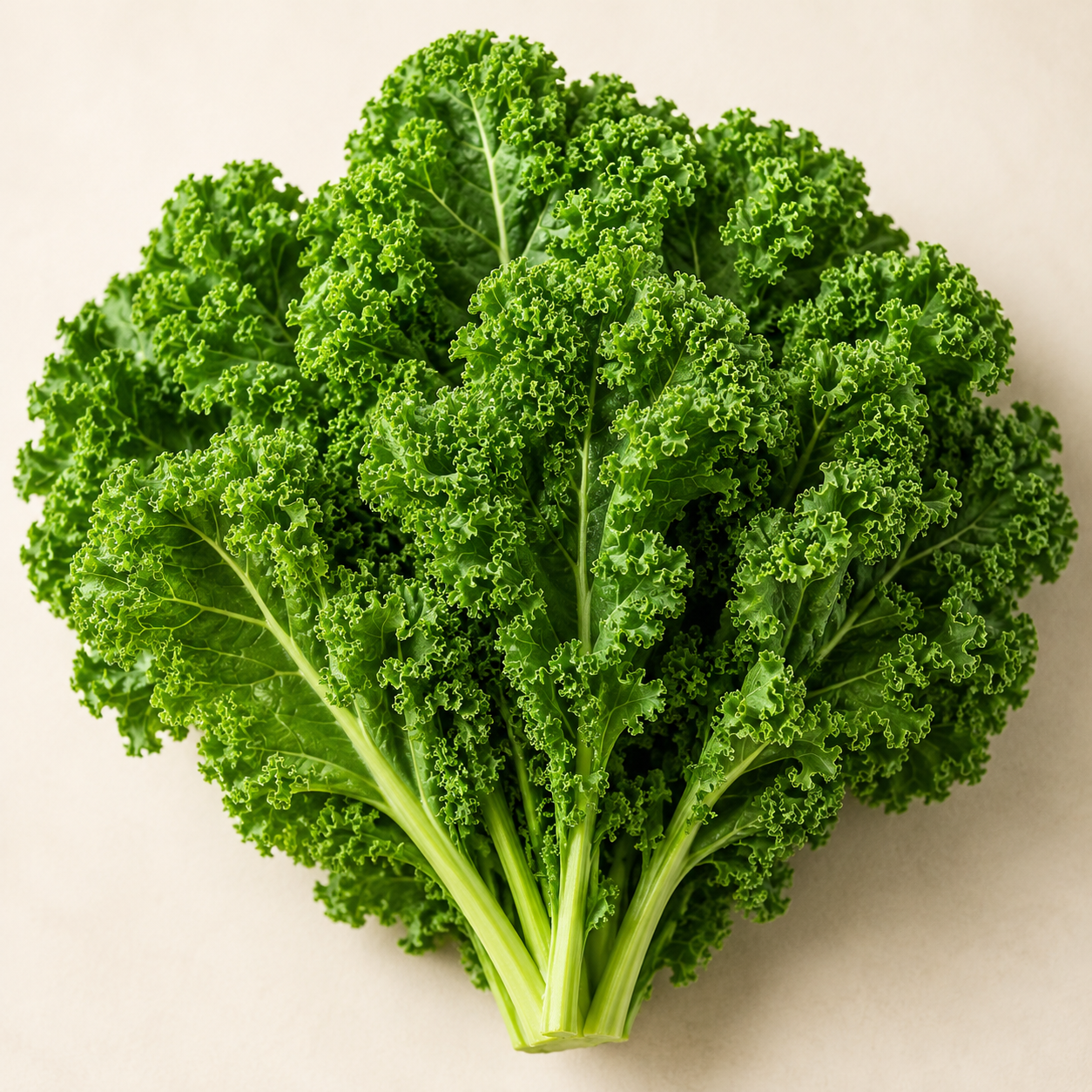
Kale is a low-energy, micronutrient-dense dark green leafy vegetable, especially rich in vitamin K, vitamin C, carotenoids, and several cruciferous-vegetable phytochemicals. It is best eaten in rotation with other vegetables rather than treated as a “superfood” that must be consumed in large amounts.
Food Overview
Key strengths
Kale is low in energy while providing dietary fiber, vitamin K, vitamin C, provitamin A carotenoids, folate, calcium, and manganese. Per 100 g, raw kale contains about 35 kcal, 4.1 g of dietary fiber, 389.6 μg of vitamin K, and 93.4 mg of vitamin C.
How to eat it
Tender leaves can be eaten raw or massaged for salads, while more mature leaves are better suited to brief steaming, quick stir-frying, cold dishes, soups, or pairing with beans, eggs, tofu, and fish. Tough central stems can be sliced thinly and cooked first.
What stands out
Notable compounds in kale include lutein, zeaxanthin, beta-carotene, glucosinolates and their breakdown products, and flavonoids such as kaempferol. Raw kale contains about 6.26 mg of lutein plus zeaxanthin and 2.87 mg of beta-carotene per 100 g.
Worth noting
People taking vitamin K antagonists such as warfarin should keep kale intake relatively consistent. People with digestive sensitivity, thyroid disease or low iodine intake, impaired kidney function, or allergy to cruciferous vegetables may also need to adjust portions and preparation based on individual circumstances.
Basic Nutrition
Showing:100 g Cooked kale
View complete nutrition data
GI note:GI varies with cultivar, food structure, processing, and cooking. Raw grains usually do not have directly applicable human GI data.
Cooked kale currently lacks standardized human GI data that exactly match this preparation state.
Data notes:Basic nutrition data use USDA FoodData Central entries for raw kale and kale that has been cooked, boiled, drained, and prepared without added salt.
GI can vary with cultivar, particle structure, processing, and cooking state. Reliable standardized human GI data matching the two states on this page are not available, so GI is shown as “—”.
The raw and cooked entries come from different samples, so differences between the two datasets should not all be interpreted as direct cooking losses or gains.
Vitamins & Minerals
Uses FDA Daily Values for adults and children age 4 and older and shows only nutrients that provide at least 5% of the Daily Value in the selected state and serving.
View all vitamins and minerals
Percentages show how much the selected serving contributes to the adult Daily Value.
Key Bioactive Compounds
Lutein & zeaxanthin
CarotenoidsLutein and zeaxanthin are abundant in kale’s dark green leaves and are among its most characteristic carotenoids.
Raw kale contains about 6,260 μg of lutein plus zeaxanthin per 100 g, located mainly in chloroplast structures in the dark green leaves. Cultivar, leaf age, and growing conditions affect actual amounts.
Both can accumulate in the macula of the retina, where they help support normal visual function and contribute to antioxidant defense in eye tissues.
Chopping, massaging the leaves, thorough chewing, or brief steaming or stir-frying can help disrupt cell structures.
Kale does not treat myopia, dry eye, or macular disease, and there is no need to drink large amounts of concentrated raw kale juice just to obtain lutein.
Beta-carotene
CarotenoidBeta-carotene is present in kale’s dark green leaves and can be converted to vitamin A in the body as needed.
Raw kale contains about 2,870 μg of beta-carotene per 100 g, mainly in the green leaf tissue. Actual amounts vary with cultivar, maturity, and growing conditions.
Beta-carotene can be converted to vitamin A and helps support normal vision, skin, mucous membranes, and immune function.
Brief steaming or quick stir-frying with a little fat can improve carotenoid release and absorption.
Eating kale normally does not treat vitamin A deficiency or eye disease, and risks from high-dose beta-carotene supplements should not be applied directly to kale as a food.
Glucosinolates
Sulfur-containing compoundsKale is a cruciferous vegetable and contains several glucosinolates. Chopping the leaves can lead to formation of breakdown products such as isothiocyanates.
Total glucosinolate content and the profile of individual glucosinolates can vary several-fold or more among kale cultivars and are also affected by leaf position, season, and environment.
Their breakdown products have been studied for cellular defense, oxidative stress, and metabolic regulation.
Chop and chew thoroughly; raw preparations, brief steaming, and quick stir-frying are all reasonable.
Kale is not a “detox vegetable” or an anticancer drug. A higher glucosinolate content alone does not determine a vegetable’s overall health value.
Kaempferol & quercetin
FlavonolsKaempferol and quercetin occur mainly as glycosides in kale leaves and are representative polyphenols in this vegetable.
Kale leaves contain kaempferol, quercetin, and their glycosides, but reporting methods differ widely among cultivars and studies, so a standardized value per 100 g fresh weight is not appropriate at this stage.
These flavonols contribute to dietary antioxidant intake. Higher dietary flavonoid intake has been associated in observational research with cardiovascular and metabolic health.
Use fresh intact leaves and avoid prolonged soaking or boiling in large amounts of water.
Observational associations do not prove that kaempferol or quercetin alone prevents disease, and doses used in extract studies are often far higher than ordinary food intake.
How Preparation Changes Kale
Eating raw
Tender kale works well raw. wash under running water before eating and avoid cross-contamination from raw meat or unclean cutting boards.
Brief steaming
Short steaming softens the leaves while limiting direct contact with large amounts of water. Steam until bright green and just tender; there is no need to cook until yellow or completely collapsed.
Quick stir-frying
Quick stir-frying with a little plant oil improves texture and provides some fat to aid absorption of fat-soluble carotenoids. Slice tough central stems thinly and add them first, followed by the leaves.
Boiling or prolonged stewing
Prolonged boiling can reduce vitamin C and move some water-soluble compounds into the cooking liquid. For soups and stews, add chopped leaves near the end and eat the broth to reduce loss of compounds that have moved into the liquid.
Baked kale chips
Baking removes water and makes energy density relatively more concentrated. At home, only a little oil and salt is needed, and extensive charring should be avoided.
Frozen kale
Frozen kale is usually blanched before freezing, so its texture and some nutrients differ from fresh leaves, but it remains useful in soups, stews, and quick stir-fries. Do not repeatedly thaw and refreeze.
How to Choose & Store Kale
How to choose
- Choose kale with firm leaves, natural color, and no obvious yellowing or wilting.
- Leaf edges and central stems should be relatively intact; avoid extensive insect damage, slime, leaking moisture, mold, or rot.
- Bagged baby kale should not contain large amounts of pooled water, a swollen package, slime, or a strong off odor.
- Curly, flat-leaf, purple, and baby varieties differ in texture, so choose based on whether you plan to eat them raw or cooked.
How to store
- Keep unwashed kale dry, place it in a ventilated or perforated bag, and refrigerate it in the crisper drawer.
- Wash just before eating. If washed in advance, drain or dry thoroughly.
- After chopping or cooking, store in a sealed container in the refrigerator and keep separate from raw meat, poultry, and seafood.
- Do not continue eating kale if large areas become slimy, it develops a rotten or sour odor, obvious mold appears, or the package swells.
Choose firm leaves with natural color and no slime or signs of decay.
How to Use Kale in Everyday Meals
Massaged kale salad
Remove tough central stems, cut the leaves into smaller pieces, add a little olive oil, lemon juice, or vinegar, and massage gently for 1–2 minutes until softened.
Garlic kale stir-fry
Slice the stems thinly and cook them first, then add the leaves and stir-fry quickly with garlic, mushrooms, tofu, or shrimp. Use a little plant oil over medium heat until the leaves are just tender.
Steamed kale salad
Steam kale briefly, drain surface moisture, and pair with sesame, walnuts, tofu, shredded chicken, or beans. Avoid over-steaming so the leaves remain bright green with some texture.
Kale in vegetable or bean soup
Add kale to soups with tomatoes, white beans, chickpeas, lentils, mushrooms, or potatoes. To limit prolonged heating, add chopped leaves near the end.
Kale with eggs, tofu, or fish
Chopped kale can be added to scrambled or steamed eggs, tofu dishes, salmon, or other fish. Egg yolks, fish, and moderate amounts of plant oil provide fat that can help absorb fat-soluble carotenoids while also adding quality protein to the meal.
Kale with whole grains or beans
Combine cooked kale with brown rice, quinoa, buckwheat, barley, chickpeas, or lentils, then add tomatoes, red bell peppers, nuts, and a little olive oil.
Kale smoothie
a little baby kale can be blended with unsweetened yogurt, milk, or unsweetened soy milk plus berries, kiwi, or other fruit.
Who Should Take Extra Care
People taking warfarin or similar anticoagulants
Kale is very high in vitamin K. People taking vitamin K antagonists such as warfarin should not eliminate kale on their own, but should keep frequency and portion size relatively consistent, avoid sudden changes from almost none to large daily amounts, and monitor as advised by a doctor or pharmacist.
People with thyroid disease or low iodine intake
With ordinary portions, cooked kale, and adequate iodine intake, there is generally no need to completely avoid cruciferous vegetables. People with thyroid disease or a clear risk of iodine deficiency should avoid routinely drinking large amounts of concentrated raw kale juice and should follow professional guidance.
People with digestive sensitivity
Kale is high in fiber, and mature leaves and tough central stems can be difficult to chew. People prone to bloating can start with smaller portions, remove or finely slice the stems, chew thoroughly, or choose steamed or quickly stir-fried kale.
People with impaired kidney function
Kale contains potassium, and any restriction depends on kidney function, blood potassium, and the rest of the diet. People who need to limit potassium or other minerals should follow individualized advice on portions and cooking methods.
People allergic to cruciferous vegetables
People with a known allergy to kale or other cruciferous vegetables should avoid it. If eating kale causes oral itching, hives, wheezing, facial swelling, or a generalized reaction, stop eating it and seek medical care promptly.
Infants, young children, and people with swallowing difficulties
Mature kale leaves and stems can be tough. Cook until soft, remove coarse parts, and chop or prepare in an appropriate texture rather than offering large, chewy pieces of leaf or stem.
Similar Food Alternatives
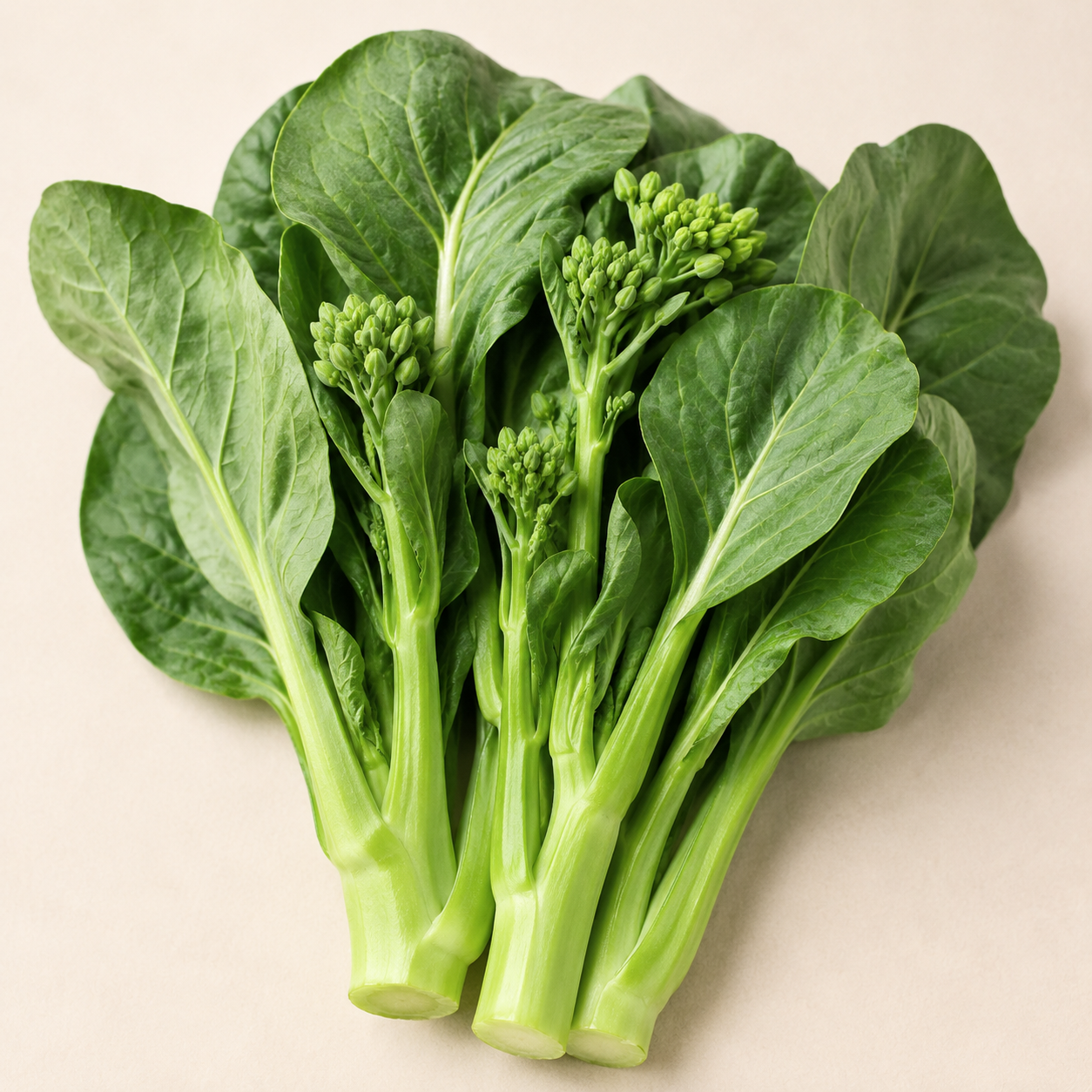
Chinese kale
Another dark green cruciferous vegetable that works well blanched, steamed, or quickly stir-fried. Its nutrient differences will be covered on a separate page.
View details →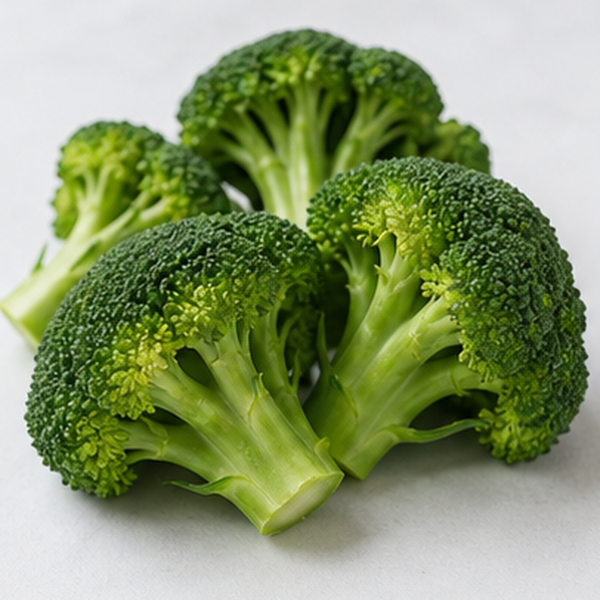
Broccoli
Provides vitamin C, vitamin K, folate, and cruciferous plant compounds and works well steamed, blanched, or quickly stir-fried.
View details →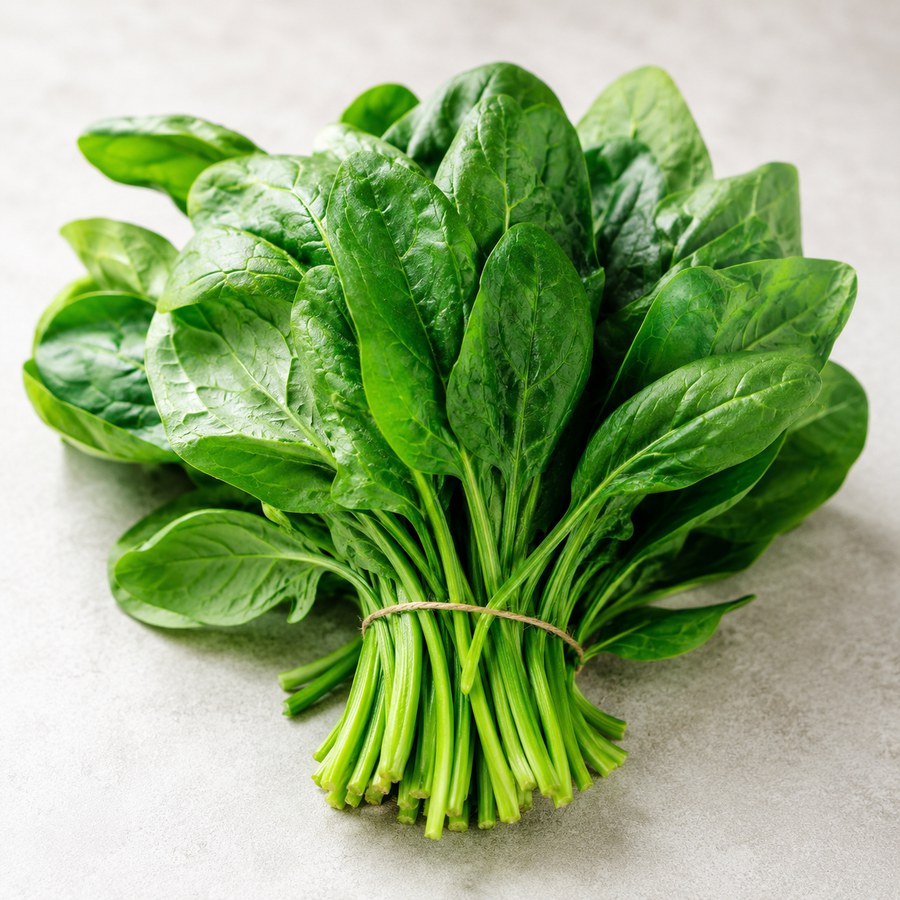
Spinach
Also a dark green leafy vegetable suitable for cold dishes, steaming, and quick stir-frying, but its phytochemical profile and oxalate content differ from kale.
View details →Data Sources & Last Updated
Nutrition Data
Basic Information & Food Safety
Research & References
Cartea ME, Velasco P. (2008). Glucosinolates in Brassica foods: bioavailability in food and significance for human health.
Phytochemistry Reviews, 7, 213–229.
Šamec D, et al. (2019). Kale as a source of bioactive compounds and nutrients.
Molecules, 24(12), 2411.
Korus A. (2011). Level of vitamin C, polyphenols, and antioxidant and enzymatic activity in three varieties of kale during storage.
International Journal of Food Properties, 14(2), 402–413.
Schweiggert RM, et al. (2014). Influence of food matrix and processing on the bioaccessibility of carotenoids.
Molecular Nutrition & Food Research, 58(3), 556–569.